Every product is independently reviewed and selected by our editors. If you buy something through our links, we may earn an affiliate commission at no extra cost to you.
Fresh strawberries grown steps from your kitchen are hard to beat. But if you’re short on ground space, traditional rows aren’t practical. That’s where strawberry planter ideas from pallets become powerful. A properly built pallet planter can turn a small patio, balcony, or narrow yard wall into a high-yield vertical strawberry garden.
The key is building it correctly. Most pallet strawberry projects fail because of poor drainage, shallow root space, untreated wood concerns, or improper soil structure.
This guide walks you through how to build, plant, and maintain a pallet strawberry planter that actually produces.
Introduction
Many gardeners try pallet strawberry planters after seeing inspiring photos online only to end up with dry soil pockets, stunted plants, or rotting boards within a season.
Strawberries (Fragaria × ananassa) have specific needs:
- 6–8 hours of direct sun
- Well-draining, nutrient-rich soil
- Root depth of at least 6–8 inches
- Consistent moisture without waterlogging
In this comprehensive guide, you’ll learn:
- How to choose a safe pallet
- Step-by-step construction methods
- Proper soil composition
- Best strawberry varieties for vertical growing
- Watering and fertilizing strategies
- Budget vs premium setup comparisons
Done correctly, a pallet planter can produce fruit for 3–4 seasons before plants need replacing.
Quick Summary
- Use only heat-treated (HT) pallets, never chemically treated
- Minimum soil depth: 6–8 inches
- Full sun exposure (south-facing preferred)
- Use high-quality potting mix with compost and perlite
- Install landscape fabric to retain soil
- Water consistently vertical systems dry faster
- Replace plants every 3–4 years
Why Use a Pallet for Strawberry Planters
1. Vertical Space Efficiency
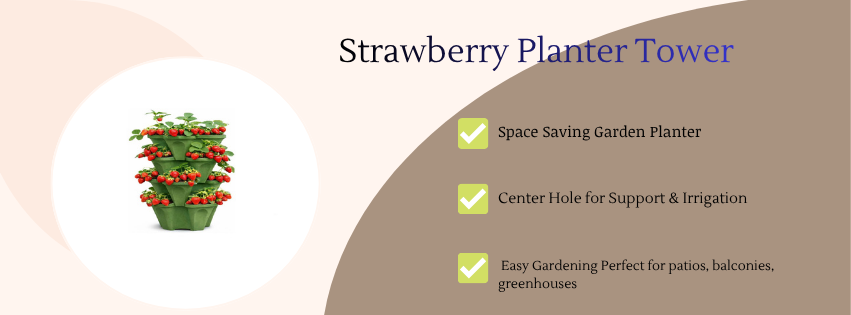
Strawberries have shallow root systems. They don’t need deep raised beds like tomatoes. This makes them ideal for vertical structures.
Why it works:
- Roots require only 6–8 inches
- Plants naturally trail outward
- Air circulation reduces fungal disease
Maintenance impact:
- Easier harvesting
- Reduced bending strain
2. Improved Drainage & Disease Reduction
Elevated planting reduces:
- Soil-borne pathogens
- Slug damage
- Fruit rot from soil contact
Especially helpful in humid USDA Zones 7–10.
Step 1: Choosing the Right Pallet (Safety First)
Not all pallets are safe for food production.
Look for the “HT” Stamp
- HT = Heat Treated (Safe)
- Avoid pallets marked MB (Methyl Bromide)
Cost:
- Free from local stores (inspect carefully)
- $10–$25 from garden suppliers
Avoid pallets with:
- Oil stains
- Strong chemical odor
- Mold
Beginner mistake: Using painted or treated wood not rated for food use.
Step 2: Building a Strawberry Planter from a Pallet
Materials Needed
- Heat-treated pallet
- Landscape fabric or geotextile liner
- Heavy-duty stapler
- Potting mix
- Optional: wood screws for reinforcement
- Optional: exterior wood sealant (food-safe)
Estimated cost:
- Budget build: $40–$80
- Premium build with sealant and irrigation: $100–$250
Construction Method (Vertical Standing Planter)
1. Reinforce the Frame
Add screws to secure loose boards.
Why:
- Soil weight adds significant pressure.
- Prevents warping after watering.
2. Attach Landscape Fabric
Staple fabric across the back and bottom.
Double-layer recommended.
Why it works:
- Holds soil in place
- Allows drainage
- Prevents soil erosion
Maintenance note:
- Replace fabric every 3–5 years.
3. Create Soil Compartments
If pallet slats are widely spaced, add backing boards to deepen pockets.
Minimum soil depth: 6–8 inches.
Shallower than 6 inches leads to:
- Drought stress
- Reduced fruit size
4. Fill with Proper Soil Mix
Ideal strawberry container mix:
- 40% high-quality potting soil
- 30% compost
- 20% perlite
- 10% worm castings
pH target: 5.5–6.8
Why this matters: Strawberries prefer slightly acidic soil. Improper pH reduces nutrient uptake and berry production.
Best Strawberry Varieties for Pallet Planters
Choose compact or everbearing types.
June-Bearing (Large Harvest Once)
- Chandler (Zones 5–8)
- Allstar (Zones 4–8)
Everbearing (Multiple Harvests)
- Ozark Beauty (Zones 4–8)
- Quinault (Zones 4–8)
Day-Neutral (Continuous Production)
- Albion (excellent for containers)
- Seascape
Why day-neutral works best:
- Continuous fruiting
- Better suited for container feeding cycles
Sunlight Requirements
Strawberries need:
- 6–8 hours of direct sun daily
- South-facing wall ideal
- East-facing acceptable with strong morning sun
Insufficient sun leads to:
- Fewer berries
- Smaller fruit
- Increased fungal issues
Maintenance impact: More sun = more frequent watering.
Watering Strategy for Pallet Strawberry Planters
Vertical planters dry out faster than horizontal beds.
Watering Frequency
- Spring: Every 2–3 days
- Summer (full sun): Daily
- Fall: Reduce gradually
Check moisture 2 inches deep.
Beginner mistake: Watering the top only bottom pockets stay dry.
Upgrade Option: Drip Irrigation
Install a small drip line along the top row.
Benefits:
- Even moisture distribution
- Saves time
- Reduces leaf wetness (prevents mildew)
Cost:
- Basic drip kit: $30–$70
Highly recommended for hot climates (Zones 8–11).
Fertilizing for Maximum Yield
Strawberries are moderate feeders.
Fertilization Schedule
- Slow-release balanced fertilizer at planting
- Liquid feed every 2–3 weeks during fruiting
Avoid high nitrogen fertilizers.
Why: Too much nitrogen = lush leaves, fewer berries.
Maintenance impact: Consistent feeding dramatically improves fruit size and sweetness.
Pest & Disease Prevention
Common Issues:
- Slugs (less common in vertical systems)
- Spider mites (hot climates)
- Powdery mildew
Prevention:
- Ensure airflow
- Avoid overhead watering
- Inspect weekly
- Use neem oil if needed
Vertical systems naturally reduce fruit rot compared to ground planting.
Seasonal Care & Overwintering
USDA Zones 3–6
- Lay pallet flat in winter
- Add straw mulch
- Protect roots from freeze-thaw cycles
Zones 7–10
- Minimal protection required
- Reduce watering
Replace plants every 3–4 years as productivity declines.
5 Creative Strawberry Planter Ideas from Pallets
1. Leaning Wall Garden
Prop pallet against fence.
Best for renters.
Low build cost.
2. Freestanding A-Frame Pallet
Attach two pallets together.
Benefits:
- Doubled growing space
- Stable structure
Higher material cost but increased yield.
3. Painted Decorative Pallet Planter
Use exterior non-toxic paint.
Adds curb appeal.
Maintenance: Repaint every 2–3 years.
4. Hanging Horizontal Pallet
Mounted flat on wall.
Requires secure anchoring.
Best for lightweight soil mix.
5. Pallet with Built-In Drip Irrigation
Install tubing during construction.
Best long-term option.
Reduces maintenance dramatically.
Budget vs Premium Setup Comparison
Budget Setup ($60–$120)
- Free pallet
- DIY soil mix
- Manual watering
- Everbearing plants
Higher daily watering demand.
Premium Setup ($200–$400)
- Reinforced pallet
- Drip irrigation system
- Premium soil blend
- Day-neutral varieties
Lower maintenance, higher yield consistency.
Common Beginner Mistakes
- Using chemically treated pallets
- Shallow soil depth
- Inconsistent watering
- Overcrowding plants
- Overfertilizing with nitrogen
Avoiding these dramatically increases success.
FAQ
Are pallet strawberry planters safe?
Yes, if you use heat-treated (HT) pallets and avoid chemically treated wood.
How many strawberry plants fit in a pallet?
Typically 8–20 plants depending on pallet size and spacing (6–8 inches apart).
How deep should soil be for strawberries?
Minimum 6–8 inches. Deeper improves moisture stability.
Do pallet planters need drainage holes?
Landscape fabric allows drainage, but bottom must remain open.
How long do strawberry plants produce?
3–4 years before productivity declines.
Can strawberries survive winter in a pallet planter?
Yes, but protect roots in colder USDA zones (3–6).
Final Thoughts
Strawberry planter ideas from pallets are more than a trendy DIY project they’re a practical, space-saving solution for growing sweet, productive fruit in small spaces.
Success depends on:
- Using safe, heat-treated pallets
- Providing adequate soil depth
- Maintaining consistent watering
- Feeding moderately but regularly
- Matching sun exposure to strawberry needs
Build it correctly once, and you can enjoy fresh berries for multiple seasons with manageable maintenance.
Start small. Focus on soil quality and irrigation consistency. Within a single growing season, your vertical pallet planter can produce flavorful, homegrown strawberries just steps from your door no traditional garden bed required.