Every product is independently reviewed and selected by our editors. If you buy something through our links, we may earn an affiliate commission at no extra cost to you.
There’s nothing more disappointing than a trough planter that looks stunning in May and lifeless by November. With the right plant combinations, soil structure, and seasonal planning, your troughs can stay vibrant and structured every single month of the year.
Introduction
Most gardeners struggle with trough planters because they treat them like seasonal displays. Summer flowers go in, winter kills them, and the container sits empty for months. The real issue isn’t plant quality it’s plant selection, root depth planning, and year-round structure strategy.
In this guide, I’ll show you exactly how to choose all year round plants for troughs, how to layer them for continuous interest, and how to build a low-maintenance system that works in small spaces, balconies, patios, and narrow gardens. You’ll learn what survives winter, what thrives in heat, and how to design troughs that never look empty again.
Quick Summary
- Use evergreen structural plants as your foundation
- Choose troughs at least 10–14 inches deep for root stability
- Use well-draining potting mix (not garden soil)
- Combine evergreen shrubs, perennials, grasses, and trailing plants
- Ensure drainage holes and consider a gravel base layer
- Adjust plant choices based on USDA hardiness zone
- Refresh with seasonal accents, not full replanting
Understanding Trough Gardening Success
Before selecting plants, you must understand why troughs behave differently than garden beds.
Why Troughs Are Challenging
Trough planters:
- Dry out faster
- Freeze faster in winter
- Have restricted root space
- Experience temperature swings
This means plant survival depends heavily on:
- Proper soil composition
- Adequate drainage
- Sufficient container depth
- Climate-appropriate plant choices
If you ignore these factors, even “hardy” plants can fail.
Choosing the Right Trough for Year-Round Planting
Ideal Depth and Size
For year-round success:
- Minimum depth: 10–12 inches
- Ideal depth: 14–18 inches
- Width: At least 12 inches for mixed plantings
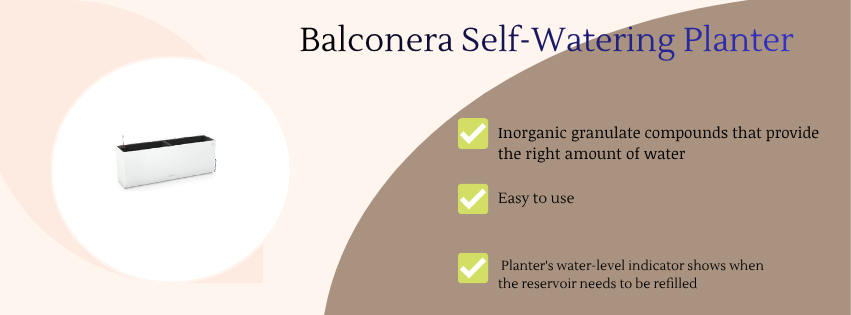
Why this matters: Deep troughs insulate roots in winter and allow stronger root systems, especially for dwarf shrubs and ornamental grasses.
Shallow troughs (under 8 inches) are best reserved for seasonal displays only.
Material Matters
- Fiberglass/resin: Lightweight, frost-resistant, excellent for balconies
- Wood (lined): Good insulation but requires maintenance
- Metal: Attractive but heats up quickly in summer
- Terracotta: Breathable but prone to cracking in freezing climates
For USDA Zones 4–7, frost-resistant materials are essential.
The Best Soil Mix for All Year Round Troughs
Never use garden soil in containers.
Ideal Potting Mix Formula
For long-term planting:
- 60% high-quality peat-free potting compost
- 20% horticultural grit or perlite
- 20% composted bark or loam-based compost
Why it works:
- Compost retains moisture
- Grit/perlite improves drainage
- Bark improves structure and longevity
Drainage is critical. Roots sitting in water during winter is the #1 cause of failure.
Drainage Setup
- Ensure drainage holes are clear
- Add a thin layer of coarse gravel at the base
- Elevate trough slightly using pot feet
Cost impact: Premium potting mixes cost more upfront but reduce plant replacement costs long term.
Maintenance impact: Refresh the top 2–3 inches of soil each spring.
Best All Year Round Plants for Troughs
To maintain interest in every season, think in three layers:
- Structural evergreens
- Seasonal interest plants
- Trailing spillers
1. Evergreen Structural Plants (Foundation Layer)
These provide shape in winter when everything else fades.
Boxwood (Buxus sempervirens)
- USDA Zones: 5–9
- Light: Full sun to partial shade
- Root depth: 12–18 inches
- Watering: Weekly in summer
Why it works: Dense foliage stays green year-round.
Maintenance: Light pruning twice per year.
Beginner mistake: Overwatering in winter.
Dwarf Conifers (e.g., Juniper, Dwarf Spruce)
- Zones: 3–8
- Light: Full sun
- Deep trough required
They provide winter color and structure when flowers die back.
Cost: Higher upfront, but last for years.
Skimmia japonica
- Zones: 6–8
- Light: Shade to partial shade
- Produces winter berries
Excellent for north-facing balconies.
Requires acidic soil mix for best performance.
2. Long-Lasting Perennials
These give seasonal flowers without annual replanting.
Heuchera (Coral Bells)
- Zones: 4–9
- Light: Partial shade
- Evergreen in mild climates
Foliage colors range from lime green to deep purple.
Root depth: 8–12 inches.
Why it works: Strong foliage color year-round, small flower spikes in summer.
Hellebores
- Zones: 4–9
- Light: Shade to partial shade
- Blooms late winter to early spring
Perfect for winter interest.
Require rich, well-draining soil.
Lavender (Dwarf Varieties)
- Zones: 5–9
- Full sun
- Requires gritty, sharply draining soil
Do not overwater. Great for south-facing troughs.
Beginner mistake: Using moisture-retentive compost.
3. Ornamental Grasses for Movement
Grasses provide texture and winter structure.
Carex
- Shade tolerant
- Semi-evergreen
Festuca glauca
- Full sun
- Blue foliage year-round
Root depth: 10–12 inches minimum.
Cut back lightly in early spring.
4. Trailing Plants for Edge Softening
These prevent troughs from looking rigid.
Ivy (Hedera)
- Shade tolerant
- Evergreen
- Very low maintenance
Creeping Jenny (Lysimachia)
- Bright chartreuse foliage
- Best in partial shade
Monitor spread can become vigorous.
Planting Formula for Year-Round Troughs
Use the “Thriller, Filler, Spiller” method but adapt it for permanence.
Example layout for a 36-inch trough:
- 1 dwarf conifer (center)
- 2 heuchera (mid-layer)
- 2 carex grasses
- 2 trailing ivy
This combination ensures winter structure, summer texture, and year-round greenery.
Sun vs Shade Trough Planting Plans
South-Facing (Full Sun)
Best plants:
- Lavender
- Dwarf juniper
- Festuca
- Trailing rosemary
Watering: 2–3 times weekly in summer.
Add mulch layer to reduce evaporation.
North-Facing (Shade)
Best plants:
- Skimmia
- Heuchera
- Ferns
- Ivy
Water less frequently. Check drainage carefully to avoid root rot.
Watering Strategy for Year-Round Troughs
Overwatering kills more trough plants than drought.
General rule:
- Spring/Summer: When top 1–2 inches dry out
- Autumn: Reduce frequency
- Winter: Water sparingly, only if dry
Self-watering planters can help in hot climates but must have overflow drainage.
Budget option: Manual watering + moisture meter.
Premium option: Drip irrigation kit with timer.
Maintenance impact: Automated systems reduce plant stress and labor.
Fertilizing Without Overfeeding
Use:
- Slow-release granular fertilizer in spring
- Liquid feed every 4–6 weeks during growing season
Avoid feeding in late autumn.
Too much fertilizer leads to weak growth and winter damage.
Common Beginner Mistakes
- Using shallow troughs
- Planting only seasonal flowers
- Ignoring drainage holes
- Overcrowding
- Forgetting winter watering
Each mistake shortens plant lifespan and increases replacement costs.
Budget vs Premium Trough Setup
Budget Setup
- Resin trough
- Multi-purpose compost + added grit
- Evergreen ivy + heuchera mix
Cost-effective but may need soil refresh yearly.
Premium Setup
- Frost-proof fiberglass trough
- Loam-based compost blend
- Dwarf conifers + layered perennials
- Drip irrigation
Higher upfront cost, but long-term stability and lower plant replacement.
Pest Prevention Basics
Common trough pests:
- Aphids
- Vine weevil (in containers)
- Spider mites
Prevention:
- Inspect leaves weekly
- Avoid waterlogged soil
- Use biological nematodes for vine weevil
Healthy plants resist pests better.
Seasonal Refresh Strategy (Without Replanting Everything)
Instead of replacing core plants:
- Add spring bulbs between shrubs
- Insert small annuals for summer color
- Add winter ornamental cabbage
This keeps troughs dynamic while preserving structure.
FAQ: All Year Round Plants for Troughs
1. What are the best low-maintenance plants for troughs year-round?
Evergreen shrubs like boxwood, dwarf conifers, heuchera, and ivy provide structure with minimal upkeep. Choose plants suited to your USDA zone.
2. How deep should a trough be for permanent planting?
At least 10–12 inches deep, ideally 14–18 inches for shrubs and grasses.
3. Can trough plants survive winter frost?
Yes, if the plants are hardy in your zone and the trough has proper drainage. Frost-resistant containers are important in Zones 4–7.
4. How often should I water trough plants?
In summer, 2–3 times per week depending on sun exposure. In winter, only when soil is dry.
5. What soil is best for trough planters?
A well-draining mix: 60% compost, 20% grit/perlite, 20% bark or loam-based compost.
6. Do trough plants need fertilizer?
Yes. Apply slow-release fertilizer in spring and supplement lightly during growing season.
Final Thoughts
Creating beautiful all year round plants for troughs isn’t about constantly replacing flowers it’s about smart structure, proper soil preparation, and climate-appropriate plant choices.
When you build a trough with adequate depth, well-draining soil, evergreen anchors, and layered textures, you create a living design that survives winter, thrives in summer, and requires far less maintenance over time.
The long-term benefit is consistency. No empty containers. No seasonal frustration. Just dependable greenery and color in every month of the year.
Start with one well-designed trough. Choose plants suited to your sun exposure and USDA zone. Invest in good soil and drainage. Within a year, you’ll see the difference between temporary decoration and sustainable container gardening.
