Every product is independently reviewed and selected by our editors. If you buy something through our links, we may earn an affiliate commission at no extra cost to you.
A bare patio feels unfinished. Too much concrete, not enough life. The right container garden transforms that space into a productive, beautiful outdoor room whether you want fresh herbs steps from the kitchen or a lush privacy screen that softens the sun. The key isn’t just choosing pretty pots. It’s designing a container garden that thrives in your specific light, climate, and maintenance routine.
Introduction
Many patio gardeners struggle with the same problems: plants drying out too fast, overcrowded pots, poor drainage, or containers that look good for a month and decline by mid-season. The solution isn’t more plants it’s better planning.
In this guide, you’ll learn practical, high-performance container garden ideas for patio spaces that work in real-world conditions. We’ll cover soil composition, drainage, container depth, sun exposure, watering frequency, USDA zones, and smart product choices. Whether your patio is 40 square feet or 400, you’ll walk away with a plan you can execute confidently.
Quick Summary
- Use containers with drainage holes and 12–18 inches depth for most vegetables.
- Match plants to sun exposure direction (south = full sun, north = shade tolerant).
- Choose a high-quality potting mix, not garden soil.
- Group containers by watering needs.
- Consider self-watering planters for hot climates.
- Add vertical elements for privacy and productivity.
- Plan for seasonal transitions (spring, summer, fall swaps).
Start With the Right Foundation: Containers, Soil & Drainage
Before choosing plants, build a system that supports healthy roots.
Why Drainage Is Non-Negotiable
Container plants rely entirely on you. Without drainage holes, water pools at the bottom, suffocating roots and leading to root rot (especially in warm climates).
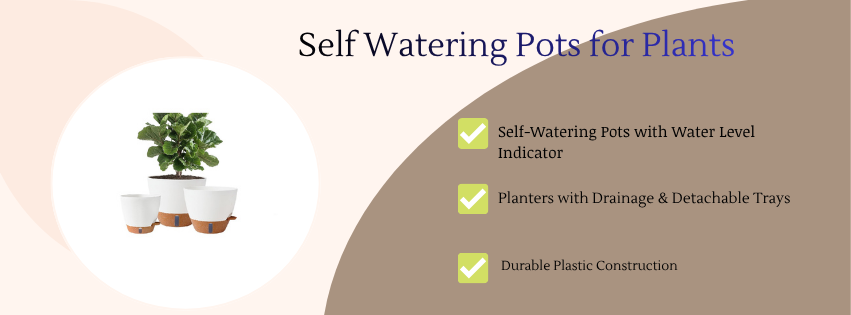
What to look for:
- At least one large drainage hole (½–1 inch diameter)
- Elevated pot feet to allow airflow underneath
- Saucers only if you empty them regularly
Beginner mistake: Adding gravel at the bottom. This does not improve drainage it creates a perched water table. Use proper potting mix instead.
Soil Composition for Patio Containers
Never use garden soil in containers. It compacts and drains poorly.
Ideal container mix includes:
- 50–60% peat moss or coco coir (moisture retention)
- 20–30% compost (nutrients)
- 10–20% perlite or pumice (aeration)
- Slow-release organic fertilizer
Premium mixes cost more upfront but reduce fertilizer needs and improve plant health. Budget mixes may require additional compost and perlite.
Maintenance impact: High-quality soil reduces watering frequency and root stress.
Edible Container Garden Ideas for Patio Spaces
Growing food on your patio is one of the highest-return upgrades you can make.
A. Compact Herb Garden Station
Perfect for small patios or apartment balconies.
Best Herbs for Containers
- Basil (6–8 inches deep)
- Thyme (6 inches)
- Parsley (8 inches)
- Rosemary (12 inches minimum)
- Mint (separate container aggressive spreader)
Light Requirements
- South-facing patio: Ideal for basil and rosemary.
- East-facing: Great for parsley and cilantro.
- North-facing: Focus on shade-tolerant herbs like mint and chives.
Watering Frequency
- 2–4 times per week in summer.
- Allow top inch of soil to dry between watering.
Cost: $40–$150 depending on number of containers and soil quality.
Affiliate-ready suggestion: Look for herb planters with drainage trays and at least 8-inch depth.
B. Patio Salad Garden
High productivity, low maintenance.
Crops That Thrive in Containers
- Leaf lettuce (6–8 inches depth)
- Arugula
- Spinach
- Radishes (8–10 inches depth)
These shallow-rooted crops are perfect for 10–12 inch deep planters.
Why it works: Leafy greens mature quickly and don’t require deep root space.
USDA Zones:
- Best in Zones 3–9 during spring and fall.
- In Zones 8–10, grow in partial shade to prevent bolting.
Maintenance impact: Requires consistent moisture; drip irrigation kits simplify care.
C. Patio Tomato & Pepper Planters
For sunny patios (6–8+ hours of sun).
Container Requirements
- Minimum 12–18 inches deep
- 5-gallon capacity per tomato plant
- Sturdy staking or cage support
Soil tip: Mix in extra compost and slow-release fertilizer.
Watering: Daily in peak summer heat, especially in terracotta pots.
Common mistake: Planting multiple tomatoes in one pot. One plant per 5-gallon container.
Budget vs Premium:
- Budget: Plastic nursery pots (retain moisture).
- Premium: Self-watering planters (reduce watering frequency by 30–50%).
Decorative Container Garden Ideas for Patio Aesthetics
Not every patio garden needs to be edible. Structural and ornamental designs elevate the space dramatically.
A. Layered Height Design (The Designer Trick)
Use three height levels:
- Tall focal plant (center/back)
- Medium filler
- Trailing spiller
Example:
- Tall: Dwarf ornamental grass (12–24 inches deep)
- Medium: Petunias
- Trailing: Sweet potato vine
Why it works: Mimics natural layering, creating visual depth.
Maintenance: Deadheading flowering plants weekly improves blooms.
B. Privacy Screen Container Garden
Ideal for close neighbors.
Best Plants for Screening
- Bamboo (clumping varieties only)
- Arborvitae (large planters)
- Tall ornamental grasses
- Trellised climbing jasmine or clematis
Container depth:
- Minimum 18–24 inches for shrubs
- Large rectangular planters provide root stability
Cost consideration: Privacy planters are more expensive due to soil volume and plant size.
USDA Zones:
- Arborvitae: Zones 3–8
- Jasmine: Zones 7–10
Vertical Container Gardening for Small Patios
If floor space is limited, go vertical.
A. Wall-Mounted Planters
Great for herbs and shallow-rooted greens.
Depth: Minimum 6 inches.
Ensure:
- Secure mounting
- Proper drainage
- Lightweight potting mix
Maintenance: Dries out faster check daily in summer.
B. Tiered Planter Stands
Allows stacking without wall drilling.
Why it works: Improves airflow and light distribution.
Cost range:
- Budget metal stands
- Premium cedar tier systems
Shade Patio Container Garden Ideas
North-facing patios or heavily covered patios require plant selection adjustments.
Best Shade Plants for Containers
- Hostas (12-inch depth)
- Ferns
- Heuchera
- Impatiens
- Caladium
Watering: Less frequent than full-sun containers.
Common mistake: Overwatering shade plants due to slower evaporation.
Soil tip: Add extra perlite for drainage in low-light areas.
Low-Maintenance Patio Container Gardens
If you travel or prefer minimal upkeep:
A. Drought-Tolerant Setup
Plants:
- Lavender
- Sedum
- Rosemary
- Ornamental grasses
Soil modification:
- Add 20–30% extra perlite or pumice
- Use terracotta for airflow
Watering: Every 5–10 days depending on climate.
B. Self-Watering Systems
Ideal for:
- Hot climates (Zones 8–11)
- Busy homeowners
Benefits:
- Consistent moisture
- Reduced stress on plants
- Less frequent watering
Buying criteria:
- Reservoir capacity
- Easy refill access
- Durable UV-resistant plastic
Cost impact: Higher upfront cost, lower maintenance long term.
Seasonal Patio Container Planning
Avoid the common mistake of planting once and ignoring seasonal changes.
Spring
- Cool-season greens
- Pansies
- Snapdragons
Summer
- Tomatoes
- Peppers
- Zinnias
- Basil
Fall
- Kale
- Mums
- Ornamental cabbage
In Zones 9–11, winter herbs and leafy greens remain productive.
Maintenance impact: Seasonal rotation reduces pest buildup and soil nutrient depletion.
Pest Prevention Basics for Patio Containers
Common pests:
- Aphids
- Spider mites
- Whiteflies
Prevention:
- Inspect weekly
- Use neem oil spray early
- Improve airflow between containers
Beginner mistake: Overcrowding pots, which invites fungal issues.
FAQ
What is the best container size for patio gardening?
For most vegetables, use containers at least 12–18 inches deep. Herbs can thrive in 6–8 inches, while tomatoes require 5-gallon pots minimum.
How often should I water patio container plants?
In summer, daily watering may be required for sun-exposed patios. In spring and fall, 2–3 times weekly is typical. Always check soil moisture first.
Can I use regular garden soil in containers?
No. Garden soil compacts in pots and restricts drainage. Use a high-quality container mix with compost and perlite.
What direction-facing patio is best for container gardening?
South-facing patios provide the most sun (ideal for vegetables). East-facing works well for herbs. North-facing requires shade-tolerant plants.
Are self-watering containers worth it?
Yes, especially in hot climates or for frequent travelers. They reduce watering frequency and improve plant consistency but cost more upfront.
How deep should a container be for shrubs?
At least 18–24 inches deep with adequate width for root spread. Large planters prevent instability and root binding.
Final Thoughts
A successful patio container garden isn’t about buying the most plants—it’s about designing a system that supports healthy roots, matches your sun exposure, and fits your maintenance capacity.
Choose the right container depth. Use proper potting mix. Match plants to your patio’s direction. Group by watering needs. Plan seasonally.
When done correctly, a patio container garden delivers fresh food, privacy, and year-round beauty even in the smallest spaces. It increases usable living space, boosts home appeal, and gives you control over soil quality and plant health in ways in-ground gardens can’t.
Start with one well-designed container grouping. Get it right. Then expand.
Your patio doesn’t need more décor. It needs living structure.
