Category: Low Maintenance Plants

  • Balcony planter boxes for railings

    Every product is independently reviewed and selected by our editors. If you buy something through our links, we may earn an affiliate commission at no extra cost to you.

    Balcony planter boxes for railings are one of the most efficient ways to turn unused vertical space into a productive garden. Done correctly, they add color, privacy, and even fresh herbs without sacrificing floor space. Done poorly, they become unstable, dry out quickly, or stress plants due to shallow soil and wind exposure.

    If you want railing planter boxes that are secure, structurally safe, and capable of supporting healthy root systems, this guide walks you through material selection, weight limits, soil composition, irrigation strategy, and the best plants for different sun exposures.

    Introduction

    Balcony railings create a unique microclimate. They’re elevated, wind-exposed, and often subject to reflected heat from glass, metal, or concrete surfaces. Most planter box failures on balconies stem from four predictable issues:

    • Insufficient mounting strength
    • Shallow soil depth
    • Poor drainage
    • Incorrect plant selection for sun exposure

    The solution isn’t complicated but it requires understanding how container gardening changes when plants are elevated and exposed.
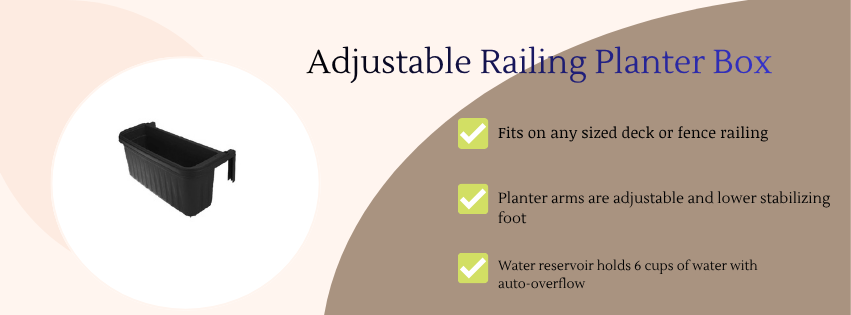
    Below, you’ll find a complete expert guide to selecting and planting balcony planter boxes for railings that actually thrive.

    Quick Summary

    Minimum Soil Depth: 6–8 inches (8–10 inches preferred) Ideal Length: 18–24 inches for manageable weight Target Max Weight: Under 20–25 lbs per section unless mounted to structural posts Best Materials: UV-stabilized resin or powder-coated aluminum Ideal Soil Mix: 50–60% potting mix + 20–30% compost + 10–20% perlite Best Sun Exposure: East-facing for lowest maintenance Watering (Summer): 3–7 times weekly depending on exposure

    Why Balcony Railing Planter Boxes Are Different from Regular Containers

    1. Wind Exposure Is Higher

    Balconies especially above ground level experience constant airflow.

    Why it matters:

    • Soil dries faster.
    • Leaves transpire more rapidly.
    • Taller flowers can snap.

    Compact or trailing varieties perform better than tall, top-heavy plants.

    2. Heat Reflection

    Concrete, metal railings, and glass reflect significant heat.

    South- and west-facing balconies can increase root-zone temperatures dramatically especially in USDA zones 8–11.

    Mitigation strategies:

    • Choose lighter-colored planter boxes.
    • Avoid dark metal containers in extreme sun.
    • Increase perlite content in soil for improved drainage.

    3. Limited Soil Volume

    Most railing planter boxes are 6–8 inches deep.

    Shallow soil means:

    • Faster drying
    • Faster nutrient depletion
    • Higher maintenance frequency

    Plant selection must match these limitations.

    Types of Balcony Planter Boxes for Railings

    1. Over-the-Rail Planter Boxes

    Sit directly over railing.

    Pros:

    • No drilling
    • Balanced weight distribution

    Cons:

    • Limited soil capacity
    • Can shift in strong wind

    Best for renters or seasonal displays.

    2. Bracket-Mounted Planter Boxes

    Attach with metal brackets to railing posts.

    Pros:

    • More secure
    • Can support larger boxes

    Cons:

    • Requires drilling
    • Must verify railing strength

    3. Adjustable Clamp Planter Boxes

    Use compression mechanisms.

    Pros:

    • No permanent damage
    • Fit multiple railing sizes

    Cons:

    • Lower weight tolerance

    Weight & Structural Safety Considerations

    Wet soil is heavy.

    Approximate weight calculation:

    • 1 cubic foot of moist potting mix = 20–30 lbs
    • A typical 24-inch railing planter (8″ deep) can weigh 15–25 lbs when watered

    Safety Guidelines:

    • Stay under 20 lbs unless mounted directly to structural posts.
    • Always install empty and fill after securing.
    • Inspect railings annually for looseness.

    Balcony safety should always take priority over plant size.

    Best Materials for Balcony Railing Planter Boxes

    UV-Resistant Resin

    Best overall option.

    • Lightweight
    • Weather-resistant
    • Affordable
    • Low maintenance

    Avoid thin, brittle plastic.

    Powder-Coated Aluminum or Steel

    Premium choice.

    • Durable
    • Modern aesthetic
    • Strong bracket systems

    Downside: Can heat up in full sun.

    Wood (Cedar or Teak)

    Natural look.

    • Requires annual sealing
    • Heavier than resin
    • Moderate maintenance

    Soil Composition for Balcony Railing Planter Boxes

    The soil mix determines long-term success.

    Recommended Blend:

    • 50–60% premium potting mix
    • 20–30% compost
    • 10–20% perlite or pumice

    Why this works:

    • Maintains aeration
    • Prevents compaction
    • Supports consistent drainage

    Never use garden soil it compacts quickly and adds unnecessary weight.

    Drainage Requirements

    Drainage holes are non-negotiable.

    If water drips onto lower balconies:

    • Use drip trays cautiously
    • Never block holes completely
    • Install small spacers to create airflow gap

    Standing water in shallow containers causes root rot rapidly.

    Best Plants for Balcony Railing Planter Boxes

    Match plants to sun direction.

    Full Sun (6–8+ Hours, South/West Facing)

    • Geraniums
    • Calibrachoa
    • Lantana (zones 8–11 perennial)
    • Portulaca
    • Verbena

    Water daily during heat waves in zones 9–11.

    Partial Sun (East Facing Ideal)

    • Petunias
    • Bacopa
    • Nasturtiums
    • Parsley
    • Chives

    Morning sun reduces stress and watering frequency.

    Shade (North Facing)

    • Impatiens
    • Begonias
    • Coleus
    • Ferns

    Increase compost content slightly for moisture retention.

    Irrigation Options

    Manual Watering

    Lowest cost.

    Requires daily checks during summer.

    Self-Watering Planter Boxes

    Best for:

    • Petunias
    • Bacopa
    • Impatiens

    Less ideal for drought-tolerant herbs.

    Drip Irrigation Kits

    Ideal for multiple boxes.

    • Connect to timer
    • Provides consistent moisture
    • Reduces plant stress

    Cost range: $50–$200 depending on setup.

    Fertilization Strategy

    Shallow containers deplete nutrients quickly.

    At Planting:

    Incorporate slow-release granular fertilizer.

    Throughout Season:

    Liquid fertilizer every 2–3 weeks.

    Reduce feeding during extreme heat stress.

    USDA Zone Considerations

    Zones 3–6

    • Remove annuals after frost.
    • Empty soil before hard freezes.
    • Store lightweight boxes indoors.

    Zones 7–8

    • Some perennials survive mild winters.
    • Monitor drainage during heavy rains.

    Zones 9–11

    • Year-round planting possible.
    • Monitor salt buildup from frequent watering.

    Common Beginner Mistakes

    • Exceeding railing weight capacity.
    • Choosing overly tall flowers.
    • Blocking drainage holes.
    • Using heavy garden soil.
    • Ignoring sun exposure direction.
    • Overcrowding plants.

    Budget vs Premium Setup Comparison

    Budget Setup ($75–$200)

    • Resin planter boxes
    • Standard potting mix
    • Manual watering
    • Seasonal annual flowers

    Maintenance: Moderate to high.

    Premium Setup ($300–$900+)

    • Powder-coated metal or high-end resin
    • Self-watering reservoir
    • Drip irrigation system
    • Slow-release fertilizer program

    Maintenance: Lower long-term labor.

    Higher upfront cost but longer lifespan.

    FAQ

    1. How deep should balcony railing planter boxes be?

    At least 6 inches; 8–10 inches preferred for moisture stability.

    2. Are railing planter boxes safe on high balconies?

    Yes—if weight limits are respected and securely mounted.

    3. How often should I water balcony planter boxes?

    In summer, check daily. Most require watering 3–7 times weekly depending on sun and wind.

    4. Can I grow vegetables in railing boxes?

    Leafy greens and herbs perform well. Avoid large fruiting crops.

    5. What is the best material for longevity?

    UV-stabilized resin or powder-coated aluminum offers the best durability-to-weight ratio.

    6. Do planter boxes damage railings?

    Not if properly installed and spaced to allow airflow and drainage.

    Conclusion

    Balcony planter boxes for railings are one of the smartest upgrades for small outdoor spaces but only when chosen and installed correctly.

    Prioritize structural safety. Keep total weight manageable. Use a lightweight, well-draining soil mix. Match plant selection to sun direction and USDA zone. Water consistently and fertilize regularly.

    Start with one or two boxes, observe how they perform in your balcony’s specific microclimate, then expand gradually.

    With proper setup, railing planter boxes transform unused vertical space into vibrant, productive garden displays that provide color, privacy, and seasonal enjoyment year after year.
  • Adjustable railing planters for beginner

    Every product is independently reviewed and selected by our editors. If you buy something through our links, we may earn an affiliate commission at no extra cost to you.

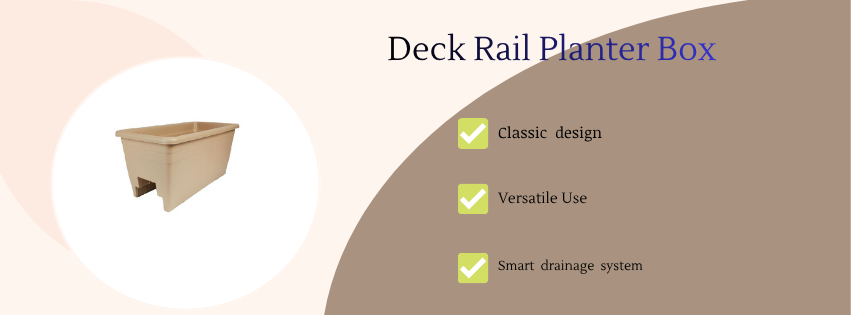
    Adjustable railing planters solve one of the biggest frustrations in small-space gardening: railings aren’t standard. Wood, metal, composite, square, round every deck and balcony is different. A fixed bracket rarely fits perfectly. Adjustable railing planters allow you to fine-tune the width and grip so your planter sits level, secure, and properly balanced.

    But adjustability alone doesn’t guarantee success. Weight load, drainage, soil depth, sun exposure, and wind pressure determine whether your planter thrives or becomes a safety hazard.

    This guide walks you through how to choose the right adjustable railing planter, install it safely, and plant it for long-term performance.

    Introduction

    Most railing planter failures have nothing to do with plant care. They fail because:

    • The planter doesn’t fit the railing width.
    • Brackets loosen over time.
    • Soil weight exceeds load limits.
    • Drainage water stains decking.
    • Wind stress wasn’t considered.

    Adjustable railing planters are designed to eliminate fit issues but they still require proper installation and planting strategy.

    If you want a secure, low-maintenance setup that supports healthy root systems and survives real outdoor conditions, here’s exactly how to do it.

    Quick Summary Box

    Best For: Balconies, decks, and patios with non-standard railing widths Typical Adjustable Range: 2–6 inches wide railings Minimum Soil Depth: 6–8 inches (8–10 inches preferred) Safe Weight Target: Under 20–25 lbs per planter unless mounted to structural posts Best Materials: UV-resistant resin or powder-coated aluminum Ideal Sun Exposure: East-facing for easiest maintenance Watering Frequency (Summer): 3–7 times weekly depending on exposure

    What Are Adjustable Railing Planters

    Adjustable railing planters use:

    • Sliding brackets
    • Compression clamps
    • Adjustable hooks
    • Locking screw mechanisms

    These systems allow you to modify the grip width to fit various railing dimensions without permanent structural changes.

    They’re ideal for:

    • Renters
    • Composite or metal railings
    • Railings with unusual thickness
    • Situations where drilling is not allowed

    Why Adjustability Matters for Plant Health

    A poorly fitted planter tilts. Even a slight forward tilt affects:

    • Soil distribution
    • Drainage flow
    • Root development
    • Water retention

    When soil consistently shifts toward one side, roots develop unevenly, leading to instability and poor nutrient uptake.

    Proper adjustment ensures:

    • Level soil surface
    • Even water distribution
    • Consistent drainage

    Key Buying Criteria for Adjustable Railing Planters

    1. Adjustable Range Width

    Measure your railing thickness precisely.

    Common ranges:

    • 2–4 inches
    • 4–6 inches

    Choose a planter with at least 0.5-inch extra adjustment room for stability.

    2. Weight Capacity

    Soil is heavy especially when saturated.

    Approximate weights:

    • Dry potting mix: 20–25 lbs per cubic foot
    • Wet soil: significantly heavier

    A 24-inch planter (8 inches deep) can weigh 15–25 lbs when watered.

    Rule: If mounting to standard deck railing boards, stay under 20 lbs unless brackets anchor to structural posts.

    3. Material Durability

    UV-Resistant Resin

    Best overall balance of weight and durability.

    Pros:

    • Lightweight
    • Weather resistant
    • Affordable

    Avoid thin, brittle plastic.

    Powder-Coated Aluminum or Steel

    Premium durability.

    Pros:

    • Long lifespan
    • Secure bracket systems

    Cons:

    • Heavier
    • Can heat up in full sun

    Wood (Cedar or Teak)

    Attractive but heavier.

    Requires annual sealing.

    Higher maintenance.

    Soil Depth Requirements (Critical for Success)

    Many adjustable railing planters are shallow.

    Minimum depth: 6 inches Preferred depth: 8–10 inches for better moisture stability

    Shallow planters dry out faster and restrict root systems.

    Avoid planters under 5 inches deep for flowering plants.

    Ideal Soil Mix for Adjustable Railing Planters

    Because these planters are elevated and wind-exposed, aeration matters.

    Recommended Mix:

    • 50–60% high-quality potting mix
    • 20–30% compost
    • 10–20% perlite or pumice

    Why this works:

    • Prevents compaction
    • Improves drainage
    • Maintains oxygen flow to roots

    Never use garden soil it compacts and adds unnecessary weight.

    Drainage and Deck Protection

    All adjustable railing planters must have:

    • Multiple drainage holes
    • Slight air gap between planter and deck surface

    If water drips onto decking:

    • Install rubber spacers
    • Consider drip trays (but never block drainage holes completely)

    Blocked drainage causes root rot quickly in shallow containers.

    Best Plants for Adjustable Railing Planters

    Because these are elevated and often exposed, choose plants with:

    • Shallow root systems
    • Wind tolerance
    • Moderate water needs

    Full Sun (South/West Facing)

    • Geraniums
    • Calibrachoa
    • Lantana (zones 8–11 perennial)
    • Portulaca
    • Verbena

    Expect near-daily watering in zones 9–11 during peak heat.

    Partial Sun (East Facing Ideal)

    • Petunias
    • Bacopa
    • Nasturtiums
    • Parsley
    • Chives

    Morning sun reduces heat stress.

    Shade (North Facing)

    • Impatiens
    • Begonias
    • Coleus
    • Ferns

    Increase compost content slightly for moisture retention.

    Installation Best Practices

    Step 1: Measure Railing Width

    Use a caliper or measuring tape. Measure at multiple points.

    Step 2: Install While Empty

    Never mount a filled planter.

    Step 3: Level Before Filling

    Use a small level tool to confirm horizontal alignment.

    Step 4: Tighten Gradually

    Avoid overtightening clamps this can crack resin railings.

    Step 5: Test Weight

    Add soil and water gradually while checking bracket stability.

    Irrigation Options

    Manual Watering

    Lowest cost but requires consistency.

    Check soil daily in summer.

    Self-Watering Adjustable Planters

    Good for:

    • Petunias
    • Bacopa
    • Impatiens

    Not ideal for drought-tolerant plants like rosemary or portulaca.

    Drip Irrigation Kits

    Best long-term solution for multiple planters.

    Reduces watering frequency and stabilizes moisture levels.

    Cost range: $50–$200 depending on size.

    Winter Considerations by USDA Zone

    Zones 3–6

    • Remove soil before hard freeze.
    • Store resin planters indoors.

    Frozen saturated soil expands and cracks containers.

    Zones 7–8

    • Elevate planters to prevent waterlogging.

    Zones 9–11

    • Year-round planting possible.
    • Monitor salt buildup from frequent watering.

    Common Beginner Mistakes

    • Exceeding railing load capacity.
    • Buying too-shallow planters.
    • Overfilling soil above drainage holes.
    • Ignoring wind exposure.
    • Using heavy garden soil.
    • Mounting unevenly.

    Budget vs Premium Comparison

    Budget Setup ($50–$150)

    • Resin adjustable planters
    • Standard potting mix
    • Manual watering

    Maintenance: Moderate to high.

    Premium Setup ($300–$800+)

    • Powder-coated aluminum planters
    • Integrated irrigation system
    • Premium soil mix
    • Slow-release fertilizer program

    Maintenance: Lower long-term effort.

    Higher upfront investment but better longevity and stability.

    FAQ

    1. Are adjustable railing planters safe?

    Yes if weight limits are respected and railings are structurally sound.

    2. How much weight can railing planters hold?

    Most standard systems handle 15–25 lbs. Always verify manufacturer specifications.

    3. Do adjustable clamps damage railings?

    Not if properly installed and not overtightened.

    4. What’s the ideal depth?

    At least 6 inches; 8–10 inches is better for moisture stability.

    5. Are they renter-friendly?

    Yes. Clamp-based models avoid permanent drilling.

    6. How often should I water?

    Check daily in summer; most require watering 3–7 times weekly depending on sun exposure.

    Conlcusion

    Adjustable railing planters are one of the most practical solutions for small-space gardening especially when railings vary in width or drilling isn’t an option.

    Success comes down to three factors:

    • Choosing a structurally secure system
    • Using a lightweight, well-draining soil mix
    • Selecting plants suited to sun exposure and shallow root zones

    Measure carefully. Install securely. Keep total weight within safe limits. Water consistently and fertilize regularly.

    With proper setup, adjustable railing planters transform unused vertical space into long-lasting, low-maintenance balcony gardens that add color, privacy, and functional growing space year after year.

  • Best flowers for railing planters

    Every product is independently reviewed and selected by our editors. If you buy something through our links, we may earn an affiliate commission at no extra cost to you.

    A thriving railing planter should spill with color, soften hard lines, and hold up against wind, heat, and shallow soil. The reality? Many railing planters dry out quickly, become root-bound, or stop blooming by midsummer.

    The solution isn’t more watering it’s choosing flowers adapted to shallow containers and exposed conditions, then building the right soil structure underneath them.

    This guide covers the best flowers for railing planters based on sun direction, root depth, USDA zones, and real maintenance demands so your balcony or deck stays vibrant from spring through frost.

    Introduction

    Railing planters are one of the most challenging container environments. They’re elevated, wind-exposed, and typically only 6–8 inches deep. South- and west-facing railings reflect heat. North-facing railings struggle with low light. Beginners often plant thirsty bedding flowers in heavy garden soil and end up with constant wilting and poor blooms.

    When you match flower selection to sun exposure and use a well-aerated container mix, railing planters become surprisingly productive and low stress.

    Below, you’ll find proven flower choices and the technical setup required to make them thrive.

    Quick Summary

    Minimum Soil Depth: 6–8 inches (8 inches preferred) Ideal Soil Mix: 50–60% quality potting mix + 20–30% compost + 10–20% perlite/pumice Drainage: Mandatory; never block holes Watering (Summer): 3–7 times weekly depending on exposure Best Exposure Overall: East-facing railings (morning sun, less heat stress)

    Top Full Sun Flowers:

    • Geraniums
    • Calibrachoa
    • Lantana
    • Portulaca
    • Verbena

    Top Partial Sun Flowers:

    • Petunias
    • Bacopa
    • Nasturtiums
    • Diascia
    • Pansies (cool seasons)

    Top Shade Flowers:

    • Impatiens
    • Begonias
    • Lobelia (cool climates)
    • Coleus (foliage interest)

    Why Railing Planters Require Specific Flower Choices

    1. Shallow Root Zones

    Most railing planters provide limited depth.

    Why this matters: Deep-rooted flowers struggle in 6-inch containers. Shallow-rooted, compact varieties maintain stronger root-to-shoot balance and bloom more consistently.

    2. Wind Exposure

    Balconies and decks experience consistent airflow.

    Impact:

    • Faster soil drying
    • Increased nutrient demand
    • Risk of stem breakage

    Compact or trailing plants perform better than tall, upright varieties.

    3. Heat Reflection

    Composite decking, metal rails, and siding reflect heat—especially on south- and west-facing exposures.

    Root temperatures rise quickly in dark containers. Heat-tolerant flowers are essential in USDA zones 8–11.

    Best Flowers for Full-Sun Railing Planters (6–8+ Hours Direct Sun)

    1. Geraniums (Pelargonium)

    One of the most dependable railing planter flowers.

    Why they work:

    • Thick stems resist wind damage
    • Moderate drought tolerance
    • Perform well in shallow containers

    Planting tips:

    • Space 6–8 inches apart
    • Use slow-release fertilizer at planting

    Watering: Allow top inch of soil to dry before watering.

    USDA Zones: 9–11 perennial; annual elsewhere.

    Maintenance level: Low to moderate.

    2. Calibrachoa (Million Bells)

    Ideal for cascading color.

    Why it works:

    • Compact root system
    • Continuous blooming habit
    • Excellent for 6–8 inch planters

    Soil requirement: Slightly acidic (pH 5.5–6.2).

    Feeding: Liquid fertilizer every 2 weeks.

    Common mistake: Overwatering.

    3. Lantana (Compact Varieties)

    Heat-loving and drought tolerant.

    Best for: Zones 8–11 (perennial); annual in cooler zones.

    Why it works: Adapted to intense sun and dry soil.

    Maintenance: Very low once established.

    4. Portulaca (Moss Rose)

    Excellent for hot, exposed railings.

    Why it works:

    • Succulent foliage stores moisture
    • Thrives in lean, well-drained soil

    Watering: Allow soil to dry between waterings.

    Budget-friendly and highly resilient.

    5. Trailing Verbena

    Long blooming and pollinator-friendly.

    Soil: Excellent drainage required.

    Caution: Overwatering can cause mildew.

    Best Flowers for Partial Sun (3–6 Hours Direct Light)

    East-facing railings are ideal for these.

    6. Petunias

    Versatile and reliable.

    Why they work: Adaptable to moderate light and shallow containers.

    Maintenance: Heavy feeders fertilize biweekly.

    7. Bacopa

    Trailing white, pink, or lavender blooms.

    Why it works: Prefers cooler temperatures and morning sun.

    Watering: Do not allow soil to fully dry.

    8. Nasturtiums

    Ornamental and edible.

    Why they work: Thrive in lean soil and shallow planters.

    Important: Excess nitrogen reduces flowering.

    Very affordable when grown from seed.

    9. Diascia

    Excellent for spring and mild climates.

    Best for: Zones 5–9.

    10. Pansies (Cool Seasons)

    Ideal for early spring and fall.

    Avoid planting in peak summer heat, especially in zones 7–11.

    Best Flowers for Shade Railing Planters (North-Facing)

    11. Impatiens

    Reliable continuous blooms.

    Watering: Frequent; they wilt quickly.

    Soil: Moisture-retentive but well-draining.

    12. Wax Begonias

    Adaptable and low maintenance.

    Light tolerance: Partial sun to shade.

    13. Tuberous Begonias

    Large blooms, best for protected balconies.

    14. Lobelia (Cool Climates)

    Trailing blue or purple flowers.

    Struggles in extreme summer heat.

    15. Coleus (Foliage Focus)

    Provides bold color in low light.

    Pinch regularly to prevent legginess.

    Soil Setup for Blooming Success

    Most railing planter failures stem from poor soil.

    Ideal Container Mix

    • 50–60% high-quality potting mix
    • 20–30% compost
    • 10–20% perlite or pumice

    Why this works:

    • Improves aeration
    • Prevents root rot
    • Balances drainage and moisture

    Never use garden soil it compacts in containers.

    Fertilization Strategy

    Flowering annuals deplete nutrients quickly in shallow soil.

    At Planting:

    Incorporate slow-release granular fertilizer.

    During Growing Season:

    Apply liquid fertilizer every 2–3 weeks.

    Reduce feeding in extreme heat to avoid stress.

    Watering Guidelines

    Railing planters dry out faster than ground containers.

    General summer rule:

    • Full sun: check daily
    • Partial sun: 3–5 times weekly
    • Shade: 2–4 times weekly

    In USDA zones 9–11, expect near-daily watering in peak heat.

    Self-watering railing planters reduce maintenance but are best for moisture-loving flowers not drought-tolerant species.

    Common Beginner Mistakes

    • Overcrowding plants.
    • Ignoring sun direction.
    • Using heavy garden soil.
    • Choosing tall, top-heavy flowers in windy locations.
    • Skipping fertilizer.
    • Planting cool-season flowers in summer heat.

    Budget vs Premium Setup

    Budget Setup ($50–$150)

    • Lightweight resin railing planters
    • Standard potting mix
    • Seasonal annuals
    • Manual watering

    Maintenance: Higher watering frequency.

    Premium Setup ($250–$600+)

    • UV-resistant resin or powder-coated metal planters
    • Integrated self-watering system
    • Drip irrigation kit
    • Premium soil mix

    Maintenance: Lower daily effort, longer planter lifespan.

    FAQ

    1. How many flowers fit in a 24-inch railing planter?

    Typically 3–4 medium plants or 5–6 compact annuals. Avoid overcrowding for airflow.

    2. How deep should railing planters be for flowers?

    At least 6 inches; 8 inches provides better moisture stability.

    3. What flowers last longest in full sun?

    Geraniums, lantana, verbena, and portulaca are among the most heat-tolerant.

    4. How often should I fertilize?

    Every 2–3 weeks with liquid fertilizer for continuous bloomers.

    5. Are self-watering railing planters worth it?

    Yes for thirsty flowers like petunias and bacopa. Less necessary for drought-tolerant varieties.

    6. What’s the easiest low-maintenance flower?

    Geraniums and portulaca are very forgiving.

    Final Thoughts

    The best flowers for railing planters are those adapted to shallow soil, wind exposure, and reflective heat. Success starts with identifying your railing’s sun direction and choosing plants suited to that light level.

    Use a well-draining soil mix. Fertilize consistently. Water strategically. Avoid overcrowding.

    When set up correctly, railing planters deliver continuous color, pollinator activity, and curb appeal all from a narrow strip of vertical space.

    Start with a simple combination one upright flower, one trailing bloomer, and one filler and refine from there. With the right choices, your railing can bloom beautifully from spring through frost.

  • Deck planters for railing | How to Choose, Install and Plant

    Every product is independently reviewed and selected by our editors. If you buy something through our links, we may earn an affiliate commission at no extra cost to you.

    A well-designed deck railing planter does more than hold flowers. It softens hard lines, creates privacy, improves curb appeal, and turns unused vertical space into a productive growing zone. But railing planters are also one of the most failure-prone container systems if installed incorrectly or planted without considering soil depth, wind exposure, and sun direction.

    If you want deck planters for railing that stay secure, drain properly, and actually support healthy root systems, this guide covers everything from mounting hardware to plant selection and long-term maintenance.

    Introduction

    Many homeowners install railing planters expecting an instant magazine-worthy deck. Within weeks, they’re dealing with drooping plants, cracked plastic brackets, rust stains, or soil washing out after heavy rain.

    The core issues are predictable:

    • Shallow soil depth
    • Heat reflected from decking
    • Wind stress
    • Improper mounting
    • Poor drainage design

    When installed correctly and planted strategically, railing planters can thrive for years with manageable upkeep.

    This guide will show you exactly how to choose the right deck planters for railing, what materials perform best outdoors, how to build the ideal soil structure, and which plants handle exposed deck conditions.

    Quick Summary

    Best Railing Planter Materials:

    • UV-resistant resin (lightweight, durable)
    • Powder-coated steel (premium, long-lasting)
    • Cedar or teak (natural, requires sealing)

    Minimum Soil Depth: 6–8 inches Ideal Width: 8–12 inches for plant stability Drainage: Mandatory holes + airflow gap Best Sun Exposure: East-facing decks for easiest maintenance Watering Frequency (Summer): 3–7 times per week USDA Zones: Adjust plant selection by zone; planter itself usable in all zones

    Why Deck Railing Planters Require Special Planning

    Railing planters are uniquely exposed compared to patio containers.

    1. Wind Exposure

    Deck railings are elevated and exposed to crosswinds.

    Why this matters: Wind accelerates evapotranspiration plants lose water faster through both soil evaporation and leaf transpiration.

    Maintenance impact: Expect more frequent watering than ground-level pots.

    2. Heat Reflection from Decking

    Composite and stained wood decks absorb and radiate heat.

    • South- and west-facing decks can increase root-zone temperatures by 10–20°F.
    • Dark planters intensify heat stress.

    Solution: Choose lighter-colored containers and heat-tolerant plants for hot exposures.

    3. Limited Soil Volume

    Most railing planters are 6–8 inches deep.

    Root limitations:

    • Unsuitable for deep-root crops (tomatoes, peppers, carrots)
    • Ideal for shallow-root flowers, herbs, and leafy greens

    Types of Deck Planters for Railing

    Choosing the right style affects stability, drainage, and plant health.

    1. Over-the-Rail Planters

    These straddle the railing.

    Pros:

    • No drilling required
    • Balanced weight distribution

    Cons:

    • Limited width
    • Can shift in high wind if not secured

    Best for: Renters or temporary seasonal displays.

    2. Mounted Bracket Planters

    Attach using metal brackets secured to railing or posts.

    Pros:

    • More secure
    • Larger soil capacity possible

    Cons:

    • Requires drilling
    • Must confirm railing strength

    Load capacity tip: Most wood railings handle 15–25 lbs per section. Confirm structural integrity before installing.

    3. Clamp-On Adjustable Planters

    Use compression clamps rather than screws.

    Pros:

    • No permanent damage
    • Easy repositioning

    Cons:

    • Lower weight tolerance
    • Not ideal for heavy soil mixes

    Choosing the Right Material

    Material affects longevity, weight, and maintenance.

    Resin (High-Quality Plastic)

    Best overall for most decks.

    • Lightweight
    • UV-resistant options last 5–10 years
    • Affordable

    Avoid thin plastic it becomes brittle after sun exposure.

    Cost range: $20–$60 per planter.

    Powder-Coated Steel or Aluminum

    Premium option.

    • Excellent durability
    • Modern aesthetic
    • Resistant to rust if coating intact

    Watch for heat buildup in full sun.

    Cost range: $60–$150+.

    Wood (Cedar, Teak)

    Natural look.

    • Cedar naturally rot-resistant
    • Requires sealing annually
    • Heavier than resin

    Maintenance impact: Moderate to high.

    Soil Composition for Deck Railing Planters

    This is the most overlooked success factor.

    Ideal Container Mix

    • 50–60% high-quality potting mix (peat or coco coir base)
    • 20–30% compost
    • 10–20% perlite or pumice

    Why this works:

    • Maintains aeration
    • Prevents compaction
    • Balances moisture retention with drainage

    Never use garden soil. It compacts and suffocates roots in shallow containers.

    Drainage Requirements

    Every deck planter must have:

    • Multiple drainage holes
    • A slight air gap beneath base
    • No blocked outlets

    If railing-mounted flush to wood:

    • Add small rubber spacers
    • Prevent water staining deck boards

    Best Plants for Deck Railing Planters

    Plant selection should match sun direction and USDA zone.

    Full Sun (6–8+ Hours, South/West Facing)

    Geraniums (Pelargonium)

    • Heat tolerant
    • Moderate water needs
    • Zones 9–11 perennial

    Calibrachoa

    • Trailing habit
    • Heavy bloomer
    • Requires biweekly feeding

    Dwarf Lantana (Zones 8–11 perennial)

    • Excellent drought tolerance
    • Attracts pollinators

    Rosemary (Dwarf Varieties)

    • Needs sharp drainage
    • Avoid overwatering

    Watering frequency: Every 1–2 days during peak heat in zones 8–11.

    Partial Sun (East Facing Preferred)

    Petunias

    • Continuous bloom
    • Heavy feeder

    Bacopa

    • Prefers cooler morning sun

    Parsley and Chives

    • Edible option
    • Moderate root depth

    Shade (North Facing)

    Impatiens

    • Reliable shade color
    • High moisture demand

    Coleus

    • Foliage-focused
    • Pinch to maintain shape

    Ferns

    • Keep consistently moist

    Irrigation Options for Deck Planters

    Hand Watering

    Budget-friendly.

    • Daily checks in summer
    • Requires consistency

    Self-Watering Planters

    Integrated reservoir reduces watering frequency.

    Pros:

    • Ideal for thirsty annuals
    • Helpful for busy homeowners

    Cons:

    • Higher upfront cost
    • Risk of root rot if reservoir stays full

    Drip Irrigation Kits

    Best for larger decks.

    • Connect to spigot or timer
    • Delivers consistent moisture

    Cost: $50–$200 depending on system.

    Maintenance impact: Low once installed.

    Privacy and Design Benefits

    Railing planters can:

    • Create visual screening
    • Block wind
    • Reduce neighbor sightlines

    For privacy:

    • Choose upright grasses (compact varieties)
    • Plant densely but avoid overcrowding roots

    Minimum soil depth for ornamental grasses: 8–10 inches.

    Common Beginner Mistakes

    • Installing on weak railings.
    • Overloading with wet soil weight.
    • Choosing plants too large for root depth.
    • Using dark containers in extreme heat.
    • Skipping fertilizer.
    • Forgetting winter storage in cold climates (zones 3–6).

    Winter Considerations by USDA Zone

    Zones 3–6

    • Remove annuals after frost.
    • Store resin planters indoors if possible.
    • Empty soil to prevent freeze expansion cracking.

    Zones 7–8

    • Some perennials survive.
    • Elevate planters to prevent waterlogging.

    Zones 9–11

    • Year-round planting possible.
    • Monitor salt buildup from frequent watering.

    Budget vs Premium Setup Comparison

    Budget Setup ($100–$250 total)

    • Resin railing planters
    • Quality potting mix
    • Seasonal annuals
    • Manual watering

    Maintenance: Moderate to high.

    Premium Setup ($400–$1,000+)

    • Powder-coated metal or hardwood planters
    • Drip irrigation system
    • Slow-release fertilizer program
    • Mixed perennial design

    Maintenance: Lower long-term labor.

    Higher upfront cost but longer lifespan and greater plant stability.

    FAQ

    1. How deep should deck railing planters be?

    At least 6–8 inches for flowers and herbs. 8–10 inches for grasses or mixed plantings.

    2. Are railing planters safe for all deck types?

    Only if railings are structurally sound. Avoid attaching heavy planters to older or loose railings.

    3. How often should I water deck railing planters?

    In summer, check daily. Most require watering 3–7 times weekly depending on exposure.

    4. Can I grow vegetables in railing planters?

    Leafy greens and herbs perform well. Avoid large fruiting vegetables due to shallow depth.

    5. What’s the best material for durability?

    Powder-coated aluminum or high-quality UV-stabilized resin offers the best lifespan-to-weight ratio.

    6. Do railing planters damage decks?

    Not if properly spaced and drained. Use spacers to prevent water trapping.

    Final Thoughts

    Deck planters for railing can elevate an ordinary outdoor space into a layered, functional garden. The key is respecting their limitations: shallow soil depth, high wind exposure, and increased heat stress.

    Choose durable materials. Confirm structural support. Use a well-aerated potting mix. Match plants to sun direction. Water consistently and feed appropriately.

    Start small install one or two high-quality planters, observe how they handle your deck’s specific microclimate, then expand your design.

    With proper planning, railing planters become long-term assets that add privacy, color, edible harvests, and architectural softness to your deck year after year.

  • Best plants for railing planters

    Every product is independently reviewed and selected by our editors. If you buy something through our links, we may earn an affiliate commission at no extra cost to you.

    Railing planters are one of the most challenging container systems in small-space gardening. They’re shallow, exposed to wind, and heat up quickly especially on south- and west-facing balconies. Many beginners treat them like regular pots, only to end up with wilted petunias or leggy herbs within weeks.

    The solution isn’t watering more. It’s choosing the right plants and building the right soil structure.

    In this guide, you’ll learn exactly which plants perform best in railing planters, why they work, how to plant them properly, and how to reduce maintenance long-term.

    Understanding Railing Planter Limitations (Why Plant Choice Matters)

    Before selecting plants, understand the constraints.

    1. Shallow Root Zone

    Most railing planters are 6–8 inches deep.

    Why this matters: Deep-rooted vegetables (tomatoes, peppers, carrots) struggle without 10–12+ inches of soil. Shallow-rooted plants perform far better.

    2. Increased Heat and Wind Exposure

    South- and west-facing railings reflect heat. Wind pulls moisture rapidly from soil.

    Maintenance impact: Expect higher watering frequency than ground-level containers.

    3. Limited Soil Volume

    Less soil means:

    • Faster nutrient depletion
    • Faster drying
    • Faster root crowding

    Choose compact growers or trailing plants rather than large structural specimens.

    Best Plants for Full-Sun Railing Planters

    (6–8+ hours direct sun, especially south or west exposure)

    1. Geraniums (Pelargonium)

    Why they work: Geraniums tolerate heat, moderate drought, and shallow root zones.

    How to plant:

    • Minimum depth: 6 inches
    • Spacing: 6–8 inches apart
    • Soil: Well-draining mix with added perlite

    Watering: Allow top inch of soil to dry before watering.

    Maintenance: Deadhead regularly to encourage blooms.

    Cost: Moderate; long blooming season justifies investment.

    USDA Zones: 9–11 perennial; annual elsewhere.

    2. Calibrachoa (Million Bells)

    Compact, trailing, and prolific.

    Why it works: Shallow roots and continuous bloom habit make it ideal for narrow planters.

    Soil tip: Use slightly acidic potting mix (pH 5.5–6.2).

    Beginner mistake: Overwatering. These dislike soggy roots.

    3. Dwarf Rosemary

    Perfect for edible balcony gardens.

    Why it works: Mediterranean herb adapted to poor, fast-draining soil.

    Soil composition: 60% potting mix + 20% coarse sand + 20% perlite.

    Watering: Every 4–6 days in summer.

    Zone: 8–10 perennial; overwinter indoors in colder zones.

    4. Portulaca (Moss Rose)

    Thrives in extreme heat.

    Why it works: Succulent foliage stores moisture.

    Maintenance: Minimal. Ideal for low-effort gardeners.

    Budget advantage: Very affordable starter plants.

    Best Plants for Partial Sun Railing Planters

    (3–6 hours of direct light, east-facing ideal)

    5. Petunias

    Reliable and versatile.

    Why they work: Moderate root depth and trailing habit soften railings.

    Feeding requirement: Liquid fertilizer every 2 weeks—heavy feeders.

    Maintenance impact: Higher than geraniums.

    6. Bacopa

    Delicate trailing white or lavender flowers.

    Why it works: Performs well in cooler morning sun.

    Watering frequency: Do not let soil dry completely.

    Best for: East-facing balconies in zones 5–9.

    7. Nasturtiums (Edible)

    Both ornamental and functional.

    Why they work: Shallow roots and cascading habit.

    Soil note: Avoid rich soil. Too much nitrogen reduces blooms.

    Cost: Very budget-friendly from seed.

    8. Leafy Greens (Lettuce, Arugula, Spinach)

    Yes railing planters can be edible.

    Minimum depth: 6–8 inches.

    Why it works: Shallow root systems.

    Watering: Consistent moisture required.

    Beginner mistake: Planting in high summer heat. Best in spring and fall.

    Best Plants for Shade (North-Facing Railings)

    Less than 3 hours direct sun.

    9. Impatiens

    Classic shade bloomer.

    Soil: Moisture-retentive but well-draining.

    Watering: Frequent; they wilt quickly.

    10. Coleus

    Grown for foliage color.

    Why it works: Shallow roots and strong color in low light.

    Maintenance: Pinch tips to prevent legginess.

    11. Ferns

    For texture and softness.

    Best varieties: Boston fern (compact forms), maidenhair (protected areas).

    Watering: Keep consistently moist.

    12. Mint (Contained Only)

    Thrives in partial shade.

    Important: Mint spreads aggressively. Keep confined to one section.

    Soil: Moist, organic-rich mix.

    Soil Setup for Railing Planters (Critical for Success)

    This is where most failures happen.

    Ideal Soil Composition

    • 50–60% high-quality potting mix
    • 20–30% compost (improves nutrients)
    • 10–20% perlite or pumice (improves drainage)

    Why this works: Balances moisture retention and aeration.

    Avoid garden soil. It compacts in containers and suffocates roots.

    Drainage Requirements

    Never block drainage holes.

    Elevate planter slightly if sitting flush against railing base.

    If using self-watering railing planters:

    • Ensure reservoir isn’t overfilled.
    • Best for thirsty plants like petunias and greens.

    Container Depth & Spacing Guidelines

    Plant TypeMinimum DepthSpacing
    Flowers6 inches6–8 inches
    Herbs6–8 inches1 per 6 inches
    Leafy Greens6–8 inchesDense sowing
    Trailing Plants6 inches1 per 8 inches

    Avoid overcrowding it increases disease risk and reduces airflow.

    Pest Prevention for Balcony Planters

    Common issues:

    • Aphids
    • Spider mites (especially in hot, dry conditions)
    • Whiteflies

    Prevention basics:

    • Inspect weekly
    • Hose off foliage underside
    • Use neem oil as needed
    • Avoid overfertilizing (attracts pests)

    Wind exposure often reduces fungal disease risk but increases drought stress.

    Budget vs Premium Setup Comparison

    Budget Setup ($40–$100)

    • Plastic railing planters
    • Standard potting mix
    • Annual flowers
    • Hand watering

    Maintenance: Higher watering frequency.

    Premium Setup ($150–$400)

    • UV-resistant resin or powder-coated metal planters
    • Self-watering reservoir system
    • Slow-release fertilizer
    • Drip irrigation kit

    Maintenance: Lower daily effort; higher upfront cost.

    Choose at least 6–8 inches depth regardless of budget tier.

    Common Beginner Mistakes

    • Planting tomatoes in 6-inch planters.
    • Ignoring sun direction.
    • Overcrowding.
    • Using garden soil.
    • Forgetting wind exposure.
    • Underwatering in peak summer heat.

    Success is mostly plant selection and soil structure not luck.

    FAQ

    1. How deep should railing planters be?

    At least 6–8 inches deep for flowers and herbs. Deeper is better for moisture stability.

    2. Can I grow vegetables in railing planters?

    Yes leafy greens, radishes, and compact herbs perform best. Avoid large fruiting crops.

    3. How often should I water railing planters?

    In summer, 3–5 times per week. Daily during heat waves or in zones 9–11.

    4. What direction-facing railing is best?

    East-facing is ideal morning sun without harsh afternoon heat.

    5. Are self-watering railing planters worth it?

    Yes for thirsty annuals and busy gardeners. They reduce watering frequency but require monitoring.

    6. What fertilizer works best?

    Use slow-release granular fertilizer at planting, plus liquid feed every 2–3 weeks for heavy bloomers.

    Final Thoughts

    Railing planters can either become high-maintenance frustration or compact showcases of color, texture, and edible abundance. The difference lies in matching plants to sun exposure, choosing shallow-rooted varieties, and building the right soil structure.

    Start by identifying your balcony’s sun direction. Choose plants adapted to that light level. Use a lightweight, well-draining soil mix. Water consistently but intelligently. Avoid overcrowding.

    With the right setup, railing planters provide season-long blooms, fresh herbs within reach, and a softer, more private outdoor space all without a yard.

  • What to put in wall planters besides plants

    Every product is independently reviewed and selected by our editors. If you buy something through our links, we may earn an affiliate commission at no extra cost to you.

    Wall planters don’t have to be limited to soil and greenery. If you’ve ever stared at an empty vertical planter and thought, “There has to be more I can do with this,” you’re absolutely right. With the right strategy, wall planters can become storage systems, décor features, edible micro‑gardens, or even functional home upgrades.

    Introduction

    Many homeowners and apartment dwellers invest in wall planters expecting lush greenery only to struggle with poor drainage, insufficient sunlight, or maintenance fatigue. South-facing walls may scorch delicate plants. North-facing walls often lack adequate light. Balcony planters dry out quickly in wind. And not everyone wants the watering schedule that comes with traditional container gardening.

    The solution? Use wall planters more creatively.

    In this guide, I’ll walk you through practical, budget-conscious, and technically sound ideas for what to put in wall planters besides plants. You’ll learn what works, why it works, how to install it properly, and what to consider for weight load, moisture control, and long-term maintenance.

    Quick Summary

    Best Non-Plant Uses for Wall Planters:

    • Decorative stones and preserved moss
    • Kitchen herb drying racks
    • Outdoor bar storage
    • Gardening tool organizers
    • Succulent propagation stations (water-based)
    • Scented sachets and potpourri
    • Seasonal décor inserts
    • Vertical candle lantern displays
    • Mail and key holders (indoor)
    • Micro storage for balconies

    Key Considerations:

    • Ensure proper drainage control
    • Account for wall weight load capacity
    • Match contents to sun exposure direction
    • Use liners when skipping soil
    • Secure items against wind outdoors

    Understanding Wall Planter Structure Before Repurposing

    Before filling your planter with something new, understand how it was designed.

    1. Drainage Holes Matter

    Most wall planters are built with drainage holes. That’s ideal for soil-based growing but problematic for décor items.

    Why it matters: Without blocking or lining drainage holes, small decorative materials can fall out. Water intrusion can also damage walls.

    How to manage it:

    • Use landscape fabric liners.
    • Insert a removable plastic tray.
    • Plug drainage holes if not growing plants (but only for indoor use).

    Cost impact: $5–$20 for liners or trays. Maintenance impact: Minimal once installed.

    2. Weight Load and Wall Anchoring

    Wall-mounted systems vary in capacity.

    • Drywall anchors typically support 15–25 lbs.
    • Stud-mounted systems can handle 40–75+ lbs.
    • Masonry walls hold significantly more.

    Before adding stones, ceramics, or heavy décor, confirm anchor strength.

    Beginner mistake: Overloading modular plastic wall planters designed only for lightweight soil mixes.

    Creative and Practical Ideas for Wall Planters (Besides Plants)

    1. Decorative Stones and Layered Textures

    Polished river rock, lava stone, or marble chips create a modern architectural look.

    Why it works: These materials are weather-resistant and require zero watering.

    How to implement:

    • Add landscape fabric liner.
    • Layer large stones at bottom.
    • Add contrasting smaller gravel on top.
    • Keep depth under 4–6 inches to manage weight.

    Best for: South- or west-facing walls where plants would scorch.

    Cost range: $10–$40 depending on stone type.

    Maintenance: Occasional dust rinse outdoors.

    Pro Tip: Lava rock is lightweight compared to granite better for vertical systems.

    2. Preserved Moss Panels

    Preserved reindeer moss or sheet moss creates a lush green look without watering.

    Why it works: Preserved moss doesn’t require soil, drainage, or sunlight.

    How to implement:

    • Use a shallow planter (2–3 inches deep).
    • Glue moss to a foam or cork backing.
    • Keep indoors away from direct sun.

    Avoid: High humidity bathrooms mold risk.

    Cost: Premium option ($20–$60 per planter).

    Maintenance: Dust lightly. No watering.

    3. Kitchen Herb Drying Rack (Functional Décor)

    Use wall planters indoors to dry herbs like rosemary, thyme, oregano, and lavender.

    Why it works: Wall airflow aids drying, especially on east-facing kitchen walls.

    How to implement:

    • Install planter near indirect light.
    • Hang herb bundles with twine.
    • Ensure no water source above.

    Maintenance: Rotate dried herbs every 2–3 weeks.

    Budget-friendly and highly practical.

    4. Outdoor Bar or Entertaining Storage

    On balconies or patios, wall planters can store:

    • Citrus for cocktails
    • Napkins
    • Bottle openers
    • Reusable straws

    Why it works: Vertical storage saves floor space in small patios.

    Important considerations:

    • Use waterproof liners.
    • Avoid west-facing walls if storing perishables.
    • Secure items in windy zones.

    Cost: Depends on waterproof inserts.

    5. Gardening Tool Organizer

    For small-space gardeners, this is one of the most practical repurposes.

    Store:

    • Hand trowels
    • Pruners
    • Gloves
    • Seed packets

    Why it works: Tools stay accessible and off the ground.

    Installation tips:

    • Ensure at least 6–8 inch depth.
    • Use rust-resistant containers.
    • Install under a covered area to prevent water pooling.

    Maintenance: Wipe tools dry before storing.

    6. Candle Lantern Displays

    Create ambient lighting with hurricane candles or LED lanterns.

    Safety first:

    • Use flameless LED candles for indoor wall planters.
    • If outdoors, ensure glass hurricane shields.

    Sun exposure consideration: South-facing walls heat up. Avoid real wax candles in direct summer sun (zones 8–11 especially).

    7. Seasonal Décor Inserts

    Switch contents quarterly:

    • Pinecones and cedar in winter
    • Decorative eggs in spring
    • Seashells in summer
    • Mini pumpkins in fall

    Why it works: No soil maintenance and visually dynamic.

    Cost: Low if sourcing natural materials.

    8. Succulent Propagation Station (Water-Based)

    You’re technically not growing full plants in soil but propagating cuttings in water.

    Why it works: Wall planters can hold small glass tubes.

    How to implement:

    • Install narrow glass propagation vials.
    • Keep near bright indirect light (east-facing best).
    • Change water weekly.

    Maintenance impact: Moderate.

    9. Mail and Entryway Storage (Indoor Use)

    For apartment dwellers, wall planters can store:

    • Mail
    • Keys
    • Sunglasses

    Important: Seal drainage holes permanently.

    Avoid heavy ceramic models on drywall unless anchored to studs.

    10. Vertical Pantry Extension

    In small kitchens, wall planters can hold:

    • Garlic bulbs
    • Onions
    • Potatoes (short-term storage)

    Ventilation matters: Choose breathable containers. Avoid moisture buildup.

    Do not store in high humidity zones.

    11. Mini Compost Collector (Covered Outdoor Setup)

    For balcony gardeners:

    Use a sealed container inside a deep wall planter to collect herb scraps before transferring to compost.

    Why it works: Saves counter space.

    Key tip: Use carbon filters to prevent odor.

    12. Decorative Driftwood or Branch Art

    Secure sculptural branches in planters.

    Why it works: Creates vertical movement without soil weight.

    Maintenance: Dust occasionally.

    13. Outdoor Bird Feeding Station

    Use wall planters to hold seed trays.

    Why it works: Elevated feeders reduce rodent access.

    Precautions:

    • Clean weekly.
    • Avoid mounting directly above seating areas.
    • Check local wildlife regulations.

    Choosing the Right Wall Planter for Non-Plant Uses

    Material Comparison

    MaterialProsCons
    PlasticLightweight, affordableLess durable
    MetalModern lookCan overheat in full sun
    CeramicStylishHeavy
    WoodNatural aestheticNeeds sealing

    Depth Guidelines

    • 2–3 inches: Decorative inserts
    • 4–6 inches: Stones, storage
    • 8–12 inches: Multi-purpose use

    Budget vs Premium

    Budget ($20–$50 total setup):

    • Plastic modular wall planters
    • DIY liners
    • Lightweight décor

    Premium ($100–$300+):

    • Powder-coated steel systems
    • Custom mounting rails
    • Designer inserts

    Premium systems last longer outdoors and resist UV damage better.

    Common Mistakes to Avoid

    • Ignoring weight load.
    • Leaving drainage holes open indoors.
    • Using moisture-sensitive décor outside.
    • Mounting on sun-exposed walls without heat consideration.
    • Overcomplicating seasonal swaps.

    Keep it functional and easy to maintain.

    FAQ

    1. Can I use wall planters without drainage holes?

    Yes. For non-plant uses, drainage holes are unnecessary. Indoors, you can permanently seal them. Outdoors, ensure rainwater doesn’t collect and damage contents.

    2. Are wall planters strong enough to hold stones?

    It depends on mounting. Stud-mounted brackets can support 40+ lbs. Always calculate combined planter + content weight.

    3. What direction-facing wall is best for decorative wall planters?

    North- and east-facing walls are ideal because they avoid intense afternoon heat that can damage materials.

    4. Can wall planters be used in rental apartments?

    Yes. Choose lightweight plastic units and use removable wall anchors rated for appropriate weight.

    5. How do I weatherproof wall planters used for storage?

    Use waterproof liners, silicone-seal seams, and elevate contents above base level.

    6. Are metal wall planters safe for candle displays?

    Only with LED candles. Metal heats quickly in full sun.

    Final Thoughts

    Wall planters are far more versatile than most gardeners realize. While they’re designed for soil, root systems, and drainage, their vertical structure makes them ideal for storage, décor, and small-space functionality.

    By understanding weight limits, sun exposure direction, and drainage design, you can safely transform unused wall planters into practical, attractive features. Whether you’re enhancing a small balcony, organizing a compact kitchen, or adding seasonal charm to an outdoor wall, the right setup reduces maintenance while increasing visual impact.

    Start with one planter. Test the weight. Observe how it handles sun and moisture over a few weeks. Then expand strategically.

    When used thoughtfully, wall planters become not just decorative accents but space-saving assets that improve how your home functions year-round.

  • Plant wall ideas living room

    Every product is independently reviewed and selected by our editors. If you buy something through our links, we may earn an affiliate commission at no extra cost to you.

    A blank living room wall can feel cold and unfinished. But the moment you introduce a thoughtfully designed plant wall, the space transforms softer light, cleaner air, natural texture, and visual depth. The key is building it correctly so it thrives long term, not just for a photoshoot.

    Introduction

    Many homeowners love the idea of a living room plant wall, but hesitate because they fear poor light, messy watering, dead plants, or high maintenance. Those concerns are valid. Most indoor green walls fail because they ignore root depth, drainage, light direction, and realistic care routines.

    This guide breaks down practical, horticulture-backed plant wall ideas for living rooms that actually work. You’ll learn which systems suit your space, how to match plants to light exposure, what soil mix prevents root rot, and how to avoid beginner mistakes that lead to expensive replacements.

    Whether you’re building a compact apartment feature wall or a full statement green installation, this guide will help you design something beautiful and sustainable.

    Quick Summary

    • Best for beginners: Modular wall planters with pothos, philodendron, and snake plants
    • Ideal soil mix: 40% high-quality potting mix, 30% coco coir, 20% perlite, 10% compost
    • Minimum container depth: 6–8 inches for foliage plants
    • Light requirement: Bright indirect light (east-facing ideal; supplement with grow lights if north-facing)
    • Watering frequency: Every 7–10 days depending on airflow and container size
    • USDA relevance: Indoor plants thrive in USDA zones 9–11 outdoors; indoors any zone works with proper conditions
    • Biggest mistake: Overwatering due to poor drainage planning

    Why a Plant Wall Works in a Living Room

    A living room plant wall is more than decoration. It modifies microclimate and visual perception.

    Why it works:

    • Plants absorb and diffuse light, softening harsh reflections.
    • Vertical greenery adds depth, making small rooms appear larger.
    • Transpiration slightly increases humidity, beneficial in dry climates.
    • Biophilic design reduces stress and improves focus.

    However, these benefits only happen when plants are healthy. That depends entirely on proper setup.

    1. Modular Vertical Planter Systems (Best for Most Homes)

    This is the most practical plant wall idea for a living room.

    Why It Works

    Modular wall planters provide:

    • Individual drainage compartments
    • Root separation (prevents disease spread)
    • Flexible layout changes

    Unlike felt pocket systems, rigid modular systems prevent oversaturation and mold buildup.

    How to Implement

    Step 1: Evaluate Light Direction

    • East-facing window: Ideal (bright indirect light)
    • South-facing: Use sheer curtains to prevent leaf scorch
    • West-facing: Afternoon light is intense; choose tougher species
    • North-facing: Requires full-spectrum LED grow lights (12–14 hours daily)

    Mount planters on the brightest wall available.

    Step 2: Choose the Right Depth

    For foliage plants:

    • Minimum depth: 6 inches
    • Ideal depth: 8 inches

    Shallow pockets (<4 inches) dry out quickly and stunt growth.

    Step 3: Soil Composition

    Use a lightweight but well-draining mix:

    • 40% indoor potting mix
    • 30% coco coir (retains moisture without compaction)
    • 20% perlite (aeration)
    • 10% compost or worm castings (nutrients)

    Avoid garden soil. It compacts and suffocates roots.

    Step 4: Watering Strategy

    Water thoroughly until excess drains. Frequency:

    • Every 7–10 days in moderate light
    • Every 5–7 days under grow lights

    Install drip trays or choose built-in reservoir systems.

    Cost Consideration

    • Budget modular kits: $100–$250
    • Premium architectural systems: $500–$2,000+

    Maintenance impact: Moderate. Individual pots make replacement easy.

    2. Floating Shelf Plant Wall (Low Commitment, High Flexibility)

    Ideal for renters or beginners.

    Why It Works

    Shelves distribute plant weight safely and allow varied root depths. You can adjust plant positions as seasons change.

    How to Implement

    • Install heavy-duty wall anchors.
    • Use shelves at least 8–10 inches deep.
    • Stagger heights for layered effect.

    Best Plants for Shelf Walls

    • Pothos
    • Philodendron hederaceum
    • Spider plant
    • ZZ plant
    • Snake plant (lower shelves)

    These tolerate varied light and occasional missed watering.

    Drainage Tips

    Always use pots with drainage holes and saucers. Decorative cachepots without drainage are the #1 cause of root rot.

    Cost Impact

    • Shelves: $50–$300 depending on material
    • Plants: $15–$40 each
    • Grow light bars (if needed): $40–$150

    Maintenance impact: Low to moderate.

    3. Statement Living Moss Wall (Ultra Low Maintenance Option)

    For homeowners wanting greenery without soil management.

    Why It Works

    Preserved moss walls:

    • Require no watering
    • No soil
    • No sunlight

    They are chemically preserved natural moss, not living systems.

    Implementation

    Purchase pre-framed panels or custom installations.

    Placement Rules

    • Keep away from direct sun.
    • Avoid high humidity rooms.

    Cost

    • Small panels: $150+
    • Large custom walls: $1,000–$5,000+

    Maintenance impact: Very low (dust occasionally).

    Downside: No air-purifying or growth benefits.

    4. Climbing Plant Feature Wall (Dramatic and Natural)

    Using climbing plants trained on trellises or wire grids.

    Why It Works

    Vining plants grow vertically toward light. This mimics their natural forest behavior.

    Best Plant Choices

    • Pothos
    • Philodendron
    • Monstera adansonii
    • Hoya
    • Scindapsus

    Avoid aggressive outdoor climbers indoors.

    Trellis Installation

    Use powder-coated steel or wood grids anchored securely.

    Root Depth Requirements

    • Minimum pot depth: 8–10 inches
    • Larger Monsteras: 12 inches

    Watering Frequency

    • Every 7–10 days
    • Ensure 20–30% perlite in soil for aeration

    Beginner Mistake

    Letting vines hang instead of training upward. Secure stems gently with plant clips weekly.

    Cost: $200–$800 depending on scale.

    Maintenance: Moderate (training required).

    5. Built-In Living Green Wall System (Advanced)

    For homeowners doing renovations.

    Why It Works

    These systems integrate:

    • Irrigation lines
    • Drainage channels
    • Waterproof backing

    Often hydroponic.

    Requirements

    • Professional installation
    • Waterproof membrane
    • Drain connection

    Light Requirements

    Minimum 12 hours of grow light if no direct natural light.

    Cost

    $1,000–$10,000+

    Maintenance impact: High but manageable with automated irrigation.

    Not recommended for beginners.

    Choosing the Right Plants for a Living Room Plant Wall

    Best Low-Maintenance Plants

    PlantLightWaterNotes
    PothosLow–Bright Indirect7–10 daysVery forgiving
    Snake PlantLow–Medium2–3 weeksDrought tolerant
    ZZ PlantLow–Medium2–3 weeksExcellent for north rooms
    PhilodendronMedium7–10 daysFast-growing

    Avoid high-maintenance plants like calatheas unless humidity exceeds 50%.

    Lighting: The Most Overlooked Factor

    Indoor plant walls fail mainly due to insufficient light.

    Grow Light Buying Criteria

    • Full spectrum (400–700nm)
    • 20–40 watts per 2×2 ft area
    • Adjustable timer
    • 12–14 hour runtime

    Cost: $50–$200.

    Maintenance: Minimal once installed.

    Watering and Drainage Strategy

    Drainage must be planned before installation.

    Key Rules

    • Every container must have drainage.
    • Use drip trays or integrated reservoirs.
    • Never allow standing water.

    Overwatering symptoms:

    • Yellow leaves
    • Fungus gnats
    • Musty smell

    Prevention:

    • Add perlite
    • Use moisture meter ($10–$20 tool)

    Pest Prevention Basics

    Indoor plant walls can attract:

    • Fungus gnats
    • Spider mites
    • Mealybugs

    Prevention Strategy

    • Inspect weekly
    • Avoid overwatering
    • Use neem oil monthly as preventative
    • Quarantine new plants 2 weeks

    Maintenance impact: Low if proactive.

    Budget vs Premium Setup 

    Comparison

    FeatureBudget SetupPremium Setup
    StructureShelvesModular green wall
    IrrigationManualAutomated drip
    LightingClip grow lightsIntegrated system
    Cost$200–$500$1,500+
    MaintenanceModerateLower if automated

    For most living rooms, a mid-range modular system offers best value.

    Common Beginner Mistakes

    • Ignoring light direction
    • Using garden soil
    • No drainage holes
    • Overcrowding plants
    • Choosing high-humidity plants in dry rooms

    Avoid these, and your plant wall can thrive for years.

    FAQ

    What is the best plant wall idea for a small living room?

    Floating shelves with trailing plants like pothos and philodendron work best. They require minimal depth (6–8 inches) and adapt to moderate light.

    How much light does a living room plant wall need?

    Bright indirect light is ideal. East-facing windows are best. North-facing rooms require 12–14 hours of full-spectrum grow lights.

    How do you water a vertical plant wall?

    Water each container thoroughly until excess drains. For large systems, consider drip irrigation or self-watering planters.

    What plants are best for low-light living rooms?

    ZZ plants, snake plants, and pothos tolerate low light. Avoid calatheas and ferns in dim rooms.

    How much does a living room plant wall cost?

    Budget setups start around $200. Large built-in green walls can exceed $5,000 depending on irrigation and lighting systems.

    Do plant walls damage walls?

    They can if waterproofing and drainage are ignored. Always use backing panels and prevent water overflow.

    Conclusion

    A living room plant wall is not just decor it’s a living system. When designed with proper soil composition, drainage planning, realistic watering routines, and correct light exposure, it becomes a long-term investment in both your home’s aesthetics and indoor environment.

    Start with a manageable system. Focus on reliable plants. Prioritize drainage and light before aesthetics. As your confidence grows, you can expand.

    Done correctly, your plant wall will thrive for years not months turning an empty wall into the most dynamic feature in your home.

  • Wall planter ideas diy | Space‑Saving Vertical Garden Designs

    Every product is independently reviewed and selected by our editors. If you buy something through our links, we may earn an affiliate commission at no extra cost to you.

    A blank wall can become a productive herb garden, a trailing foliage feature, or a compact salad station but most DIY wall planter ideas fail because they ignore weight load, drainage design, root depth, and moisture control.

    If you want a vertical garden that looks intentional and thrives long term, you need more than a Pinterest concept. You need structural stability, proper soil engineering, and realistic maintenance planning.

    This guide walks you through practical, horticulture-backed DIY wall planter ideas including materials, soil formulas, drainage solutions, cost comparisons, and common mistakes to avoid.

    Wall planters are ideal for:

    • Small balconies
    • Apartments with limited floor space
    • Kitchen herb walls
    • Courtyard privacy screens
    • Compact patios

    But here’s the reality: vertical systems dry faster, carry more structural weight, and are harder to irrigate evenly.

    In this guide, you’ll learn:

    • 8 durable DIY wall planter designs
    • Soil composition for shallow containers
    • Proper depth guidelines by plant type
    • Drainage and irrigation strategies
    • Budget vs premium build comparisons
    • Maintenance impact over time

    Whether you’re gardening in USDA Zone 4 with harsh winters or Zone 10 with intense sun, these designs can be adapted.

    Summary

    • Minimum planter depth: 6 inches (8–12 inches for herbs/vegetables)
    • Always include drainage holes
    • Use lightweight soil mix with aeration
    • Protect walls with waterproof backing
    • Ideal sun exposure: South or east-facing
    • Install drip irrigation for large systems
    • Anchor into wall studs or masonry

    Before You Build: Structural & Horticultural Basics

    1. Weight Considerations

    Soil weighs approximately:

    • 75–100 lbs per cubic foot when moist

    A 2 ft x 4 ft wall planter at 8 inches deep can weigh over 200 lbs once watered.

    How to handle it:

    • Anchor into studs or masonry
    • Use heavy-duty brackets
    • Avoid drywall-only mounting

    Failure to account for weight is the #1 DIY mistake.

    2. Soil Depth Guidelines

    Plant TypeMinimum Depth
    Leafy greens6–8 inches
    Herbs8 inches
    Strawberries8–10 inches
    Compact vegetables10–12 inches
    Succulents4–6 inches

    Shallow decorative pockets limit plant choices significantly.

    3. Soil Composition for Wall Planters

    Standard garden soil compacts and retains too much moisture indoors.

    Recommended Mix (Universal)

    • 40% high-quality potting soil
    • 40% compost
    • 20% perlite or pumice

    For succulents:

    • 50% cactus mix
    • 50% mineral grit

    Why this works:

    • Improves drainage
    • Reduces root rot risk
    • Maintains structure in vertical orientation

    8 Practical DIY Wall Planter Ideas

    1. Wooden Crate Wall Planters

    Repurpose wooden crates into stacked planters.

    How to Build

    • Line interior with landscape fabric
    • Drill drainage holes
    • Mount onto wall studs
    • Seal exterior wood (non-toxic sealant)

    Best Plants

    • Herbs
    • Lettuce
    • Trailing pothos

    Cost

    • Budget: $40–$80
    • Premium cedar build: $120–$250

    Maintenance impact: Wood may rot in 5–8 years unless sealed.

    2. Modular Pocket Planter Panels

    Fabric or plastic pocket systems are common.

    Advantages

    • Lightweight
    • Easy to install
    • Great for small plants

    Limitations

    • Shallow soil depth
    • Faster drying

    Best for:

    • Succulents
    • Peperomia
    • Small herbs

    Cost: $30–$150 depending on size.

    Install drip irrigation for systems larger than 6 pockets.

    3. Vertical Pallet Garden

    A popular rustic option.

    How to Do It Right

    • Use untreated heat-treated pallet only
    • Add plywood backing
    • Staple landscape fabric securely
    • Install bottom drip tray

    Planter depth after modification should be 6–8 inches.

    Common mistake: Filling with heavy garden soil.

    Best for USDA Zones 6–10 outdoors.

    4. Mounted Gutter Planters

    Vinyl or metal gutters mounted horizontally.

    Pros

    • Extremely affordable
    • Clean modern look

    Cons

    • Very shallow (3–5 inches)
    • Limited plant selection

    Best plants:

    • Lettuce
    • Spinach
    • Shallow-root herbs

    Water frequently gutters dry quickly.

    Cost: $20–$60 per section.

    5. Hanging Mason Jar Herb Wall

    Decorative indoor kitchen option.

    Requirements

    • Strong mounting board
    • Clamp-style jar holders
    • Drainage layer (pebbles)

    Limitations:

    • No drainage holes
    • High risk of overwatering

    Best for:

    • Rooting cuttings
    • Short-term herb growth

    Not ideal for long-term production.

    6. Metal Grid with Hanging Pots

    Attach a metal grid panel to the wall and hang individual lightweight pots.

    Why It Works

    • Flexible arrangement
    • Easy removal for watering
    • Good airflow

    Best for:

    • Pothos
    • Spider plants
    • Small herbs

    Cost range: $50–$200.

    Maintenance impact: Easier watering than fixed systems.

    7. Tiered Wooden Shelf Planter

    Install sturdy floating shelves and place containers on each level.

    Benefits

    • Excellent drainage control
    • Easy plant rotation
    • Supports deeper containers

    Planter depth: 8–12 inches possible.

    Best for:

    • Tomatoes (compact varieties)
    • Peppers
    • Basil

    Most versatile option for edible gardening.

    8. PVC Pipe Vertical Planter

    Drill planting holes into wide PVC pipe mounted vertically.

    Requirements

    • 4–6 inch diameter pipe minimum
    • Drainage holes at base
    • Anchoring brackets

    Best for:

    • Strawberries
    • Lettuce
    • Small herbs

    Avoid large-root crops.

    Cost: $50–$120 depending on size.

    Irrigation Options for DIY Wall Planters

    Hand Watering

    Pros:

    • Low setup cost

    Cons:

    • Uneven moisture
    • Labor intensive

    Suitable for small setups only.

    Drip Irrigation Kit (Recommended)

    Choose:

    • Pressure regulator
    • Timer
    • ¼ inch tubing
    • Adjustable emitters

    Why it works:

    • Delivers consistent moisture
    • Reduces fungal disease
    • Saves time

    Cost: $60–$150.

    Long-term maintenance savings are significant.

    Sun Exposure & Placement

    South-Facing Walls

    • Best for vegetables
    • May need shade cloth in USDA Zones 8–10

    East-Facing Walls

    • Ideal for herbs and foliage

    West-Facing Walls

    • Intense afternoon heat
    • Use drought-tolerant plants

    North-Facing Walls

    • Limited edible options
    • Choose foliage plants

    Indoor vs Outdoor Wall Planters

    Indoor Considerations:

    • Protect drywall
    • Use waterproof backing
    • Monitor humidity
    • Consider grow lights (12–14 hours daily)

    Outdoor Considerations:

    • Wind exposure
    • Freeze-thaw cycles (Zones 4–6)
    • Rain drainage

    Metal brackets outperform wood in humid climates.

    Common DIY Mistakes

    • Skipping drainage holes
    • Using garden soil
    • Mounting without locating studs
    • Overcrowding plants
    • Ignoring irrigation planning
    • Underestimating total weight

    Avoid these and your system will last years longer.

    Budget vs Premium Setup Comparison

    CategoryBudget BuildPremium Build
    MaterialsPine, plasticCedar, powder-coated steel
    IrrigationHand wateringAutomated drip system
    Longevity3–6 years10–20 years
    MaintenanceHigherLower

    Premium systems cost more upfront but reduce replacements and plant loss.

    Pest Prevention Basics

    Outdoor risks:

    • Aphids
    • Whiteflies
    • Caterpillars

    Indoor risks:

    • Fungus gnats
    • Spider mites

    Prevention:

    • Weekly inspections
    • Neem oil treatment
    • Avoid overwatering

    Vertical systems require consistent monitoring.

    FAQ

    What is the easiest DIY wall planter to build?

    Wooden crates or metal grid with hanging pots are beginner-friendly and flexible.

    How deep should a wall planter be?

    Minimum 6 inches. Vegetables require 8–12 inches.

    Can wall planters support vegetables?

    Yes, compact vegetables with sufficient depth and full sun exposure.

    Do wall planters need irrigation systems?

    For small systems, no. For larger setups, drip irrigation is highly recommended.

    How do I protect my wall from water damage?

    Install waterproof backing panels and ensure drainage flows away from the wall.

    Are wall planters suitable for balconies?

    Yes, but verify weight load capacity before installation.

    Conclusion

    The best DIY wall planter ideas combine structural integrity with horticultural reality.

    When you account for:

    • Weight load
    • Soil depth
    • Drainage design
    • Sun exposure
    • Irrigation planning

    You build a vertical system that thrives not one that struggles after a single season.

    Start small. Choose a sturdy mounting method. Use proper soil blends. Install drainage correctly. As you gain confidence, expand into modular or automated systems.

    A thoughtfully built wall planter turns unused vertical space into productive, living architecture improving yield, aesthetics, and small-space efficiency for years to come.

    Build intentionally, and your wall garden will reward you season after season.

  • Plants for wall planters indoor | Expert guideline

    Every product is independently reviewed and selected by our editors. If you buy something through our links, we may earn an affiliate commission at no extra cost to you.

    A wall of living plants can completely transform a small apartment, kitchen wall, or home office. But indoor wall planters are unforgiving. Limited soil depth, faster drying, uneven light exposure, and tricky drainage mean many popular houseplants slowly decline.

    Choosing the right plants for wall planters indoor is less about aesthetics and more about root behavior, moisture tolerance, and light adaptation.

    This guide walks you through plant selection, soil composition, planter depth, watering strategy, light direction, pest prevention, and realistic maintenance expectations so your vertical garden thrives long term, not just for photos.

    Most indoor wall gardens fail because gardeners treat them like regular pots. But wall planters are typically:

    • Shallow (4–8 inches deep)
    • Mounted higher where warm air rises
    • More exposed to airflow
    • Harder to monitor for drainage

    That creates faster drying cycles and root stress.

    In this guide, you’ll learn:

    • The most reliable indoor plants for vertical planters
    • Ideal soil blends for shallow containers
    • How light direction (north, east, south, west) changes plant choice
    • Watering frequency guidelines
    • Budget vs premium wall planter systems
    • Beginner mistakes that lead to root rot

    This is horticulture-based guidance  not a trend roundup.

    Quick Summary

    • Ideal planter depth: 4–8 inches minimum
    • Best beginner plants: Pothos, Philodendron, Spider Plant, Peperomia
    • Best light: Bright indirect (east-facing ideal)
    • Soil mix: 50% potting mix, 25% perlite, 25% bark
    • Drainage holes are essential
    • Watering: Every 7–14 days (varies by exposure)
    • Avoid deep-rooted or top-heavy plants

    Why Wall Planters Require Different Plant Choices

    1. Limited Root Volume

    Most wall-mounted planters are shallow. Deep-rooted plants like fiddle leaf figs or large monsteras will struggle.

    Shallow-rooted, fibrous-root plants perform best.

    Why this matters: Limited soil means less nutrient buffering and faster moisture swings. Plants must tolerate fluctuation.

    2. Faster Moisture Loss

    Wall planters:

    • Receive more airflow
    • Sit closer to warm ceilings
    • Contain less soil mass

    That means soil dries faster than floor pots.

    Plants must handle moderate drying between waterings.

    3. Uneven Light Exposure

    Wall planters rarely sit directly in windows. Light often comes from the side.

    Understanding window direction is critical:

    • North-facing: Low light
    • East-facing: Gentle morning sun (ideal)
    • South-facing: Brightest exposure
    • West-facing: Intense afternoon sun

    Plant selection should match this.

    12 Best Plants for Wall Planters Indoor

    1. Pothos (Epipremnum aureum)

    Best overall choice.

    Why it works:

    • Shallow root system
    • Extremely adaptable
    • Handles inconsistent watering

    Light: Low to bright indirect Water: Every 7–10 days USDA zones: Grown indoors in all zones

    Common mistake: Overwatering in low light.

    Maintenance impact: Low. Trim vines every few months.

    2. Heartleaf Philodendron

    Similar to pothos but slightly more sensitive.

    Light: Medium to bright indirect Water: Every 10–14 days Planter depth: Minimum 5–6 inches

    Cost: Affordable and widely available.

    3. Spider Plant (Chlorophytum comosum)

    Excellent for modular wall planters.

    Why it works:

    • Compact roots
    • Arching growth habit

    Light: Bright indirect Water: Weekly

    Beginner mistake: Letting plant become root-bound in tiny modules.

    4. Peperomia (Obtusifolia, Caperata)

    Great for smaller wall pockets.

    Why it works:

    • Semi-succulent leaves store moisture
    • Compact growth

    Light: Medium to bright indirect Water: Every 10–14 days

    Soil must be well-aerated to avoid rot.

    5. Ferns (Boston, Bird’s Nest)

    Best for humid homes.

    Light: Bright indirect, north or east exposure Water: Keep evenly moist

    Humidity: Above 50% preferred

    Maintenance impact: High in dry homes.

    6. String of Hearts (Ceropegia woodii)

    Ideal for shallow decorative planters.

    Light: Bright indirect or filtered south Water: Every 2–3 weeks

    Soil: 50% cactus mix + 50% pumice

    Avoid overwatering.

    7. Small Snake Plant Varieties (Dwarf Types Only)

    Only use compact cultivars.

    Light: Low to bright Water: Every 2–3 weeks

    Planter depth: At least 6–8 inches

    Avoid tall varieties  they become unstable.

    8. Herbs for Kitchen Wall Planters

    Great for bright kitchen walls.

    Best herbs:

    • Thyme
    • Oregano
    • Chives
    • Parsley

    Light: 6+ hours (south-facing ideal) Depth: Minimum 8 inches Soil: 40% compost, 40% potting soil, 20% perlite

    Water when top 1–2 inches dry.

    Avoid basil unless strong light or grow lights are available.

    9. Air Plants (Tillandsia)

    Require no soil.

    Light: Bright indirect Water: Soak weekly

    Low maintenance but require airflow.

    10. Baby Rubber Plant

    Compact and durable.

    Light: Medium indirect Water: Every 10–14 days

    Very beginner-friendly.

    Plants to Avoid in Indoor Wall Planters

    • Fiddle Leaf Fig
    • Large Monstera
    • Rubber Tree
    • Large Calatheas
    • Deep-rooted vegetables

    These plants need deeper soil and stable moisture.

    Soil Composition for Indoor Wall Planters

    Standard potting soil alone compacts too quickly.

    Universal Indoor Mix

    • 50% high-quality indoor potting mix
    • 25% perlite or pumice
    • 25% orchid bark

    Why this works:

    • Improves drainage
    • Increases airflow
    • Reduces root rot risk

    For succulents:

    • 50% cactus mix
    • 50% mineral grit

    Cost impact: Slightly higher upfront, but prevents plant loss.

    Maintenance benefit: Fewer watering errors.

    Choosing the Right Wall Planter System

    Must-Have Features

    • Drainage holes
    • Removable liners
    • Minimum 4–8 inch soil depth
    • Waterproof wall barrier

    Avoid sealed decorative pockets without drainage.

    Budget vs Premium Comparison

    Budget ($20–$50 per module)

    • Plastic systems
    • Lightweight
    • Dry out faster

    Mid-Range ($50–$150)

    • Metal frames with removable pots
    • Easier maintenance

    Premium ($200+)

    • Built-in irrigation
    • Modular panels
    • Moisture retention layers

    Premium systems reduce weekly watering labor.

    Watering Strategy for Vertical Planters

    Wall planters dry unevenly.

    Best method:

    • Remove inner pot if possible.
    • Water thoroughly until runoff.
    • Allow full drainage.
    • Remount once drained.

    Self-watering inserts can reduce frequency to every 2–3 weeks.

    Grow Light Considerations

    If natural light is insufficient:

    • Use full-spectrum LED grow lights
    • Position 12–18 inches from plants
    • Run 12–14 hours daily

    Cost: $30–$120 depending on quality.

    Maintenance impact: Minimal once installed.

    Pest Prevention Basics

    Common indoor pests:

    • Fungus gnats (wet soil)
    • Spider mites (dry air)
    • Aphids (herbs)

    Prevention:

    • Avoid overwatering
    • Inspect weekly
    • Use sticky traps
    • Apply neem oil if needed

    Wall planters make pest detection harder  check regularly.

    Common Beginner Mistakes

    • No drainage holes
    • Using garden soil indoors
    • Overcrowding modules
    • Mounting too high to monitor moisture
    • Ignoring wall moisture protection

    Always protect drywall with a waterproof backing panel.

    FAQ

    What are the easiest plants for indoor wall planters?

    Pothos, heartleaf philodendron, spider plant, and peperomia are the most forgiving.

    How deep should wall planters be?

    Minimum 4–6 inches for foliage plants. Herbs need 8 inches.

    Do indoor wall planters need drainage holes?

    Yes. Without drainage, root rot is highly likely.

    How often should I water wall planters?

    Typically every 7–14 days depending on light, humidity, and plant type.

    Can I grow vegetables indoors in wall planters?

    Only compact leafy greens with strong light or grow lights. Depth and lighting are limiting factors.

    Are self-watering wall planters worth it?

    Yes, especially for high installations or busy households.

    Final Thoughts

    The best plants for wall planters indoor are those that tolerate shallow soil, indirect light, and moderate drying between waterings.

    When you combine:

    • Proper planter depth
    • Well-draining soil
    • Correct light placement
    • Reliable drainage
    • Realistic watering habits

    You create a vertical garden that thrives long term.

    Start with pothos or philodendron. Install proper drainage. Monitor soil moisture weekly. Upgrade to herbs or specialty plants as your confidence grows.

    A thoughtfully built indoor wall garden transforms unused vertical space into living architecture  improving air quality, aesthetics, and daily connection to plants.

    Done correctly, it’s not just decoration. It’s a sustainable, manageable indoor ecosystem.

  • How to build wood and metal raised garden beds

    Every product is independently reviewed and selected by our editors. If you buy something through our links, we may earn an affiliate commission at no extra cost to you.

    Raised beds are one of the smartest upgrades you can make in a backyard, side yard, or even a large patio. Done correctly, they improve drainage, extend your growing season, reduce weeds, and make soil management precise. Done poorly, they rot, warp, overheat, or drain improperly.

    If you’re investing time and money into building wood or metal raised garden beds, this guide will show you how to do it right structurally sound, horticulturally correct, and built to last 10+ years.

    Many gardeners build raised beds that look great the first season then discover soil drains too fast, boards bow outward, corners loosen, or metal beds overheat roots. The issue isn’t the concept. It’s construction detail and soil science.

    Galavanized Raised Garden Bed Kit

    In this guide, you’ll learn:

    • Exactly what materials to use (and avoid)
    • Ideal bed dimensions for root health
    • Soil composition formulas that actually work
    • Drainage principles most DIY tutorials ignore
    • Budget vs premium build comparisons
    • Maintenance realities over time

    Whether you’re in USDA Zone 4 with freeze-thaw cycles or Zone 9 with intense summer heat, these methods apply.

    Summary 

    • Ideal bed depth: 10–12” minimum (18” for root crops)
    • Ideal width: 3–4 ft (max reach without stepping inside)
    • Best wood: Cedar or redwood (naturally rot resistant)
    • Best metal: Galvanized steel with food-safe coating
    • Soil mix: 40% compost, 40% topsoil, 20% aeration (perlite/pumice)
    • Sun exposure: 6–8 hours full sun (south-facing preferred)
    • Add hardware cloth for rodent protection
    • Install cross supports for beds over 6 ft long

    Why Raised Beds Work And Why They Fail

    Why They Work

    Raised beds improve:

    • Drainage: Elevated soil prevents waterlogging.
    • Soil control: You control texture, nutrients, pH.
    • Root development: Loose soil promotes deep rooting.
    • Warmer soil temperatures: Earlier planting in spring.

    Why They Fail

    Common beginner mistakes:

    • Using untreated pine (rots in 2–3 years)
    • Building beds too wide (compacts soil)
    • Filling entirely with bagged potting mix (too expensive, dries fast)
    • Skipping cross-bracing (wood bows outward)
    • Ignoring drainage on heavy clay ground

    Now let’s build them correctly.

    Part 1: How to Build a Wood Raised Garden Bed

    Wood beds feel natural and are beginner-friendly. They’re also easy to customize.

    Step 1: Choose the Right Wood

    Best Options

    Wood TypeLifespanCostNotes
    Cedar8–15 yearsMedium-HighNaturally rot resistant
    Redwood10–15 yearsHighPremium option
    Douglas fir5–7 yearsMediumBudget option
    Untreated pine2–4 yearsLowNot recommended long-term

    Avoid pressure-treated lumber unless it’s labeled safe for food gardens (modern ACQ-treated wood is safer than older CCA types).

    Why cedar works: It contains natural oils that resist fungal decay.

    Step 2: Ideal Dimensions

    • Width: 3–4 feet
    • Length: 6–8 feet (longer requires bracing)
    • Depth:
      • Leafy greens: 8–10”
      • Tomatoes/peppers: 12”
      • Carrots/potatoes: 16–18”

    If building on clay soil, go at least 12” deep for proper drainage.

    Step 3: Structural Support Matters

    For beds longer than 6 feet:

    • Install internal cross braces
    • Use 4×4 corner posts
    • Secure with exterior-grade structural screws (not nails)

    Why this matters: Moist soil exerts outward pressure. Without bracing, boards bow within one season.

    Cost impact:

    • Budget build: $120–$200
    • Premium cedar build: $250–$450

    Step 4: Ground Preparation & Drainage

    Never place beds directly over grass without prep.

    Proper method:

    • Remove sod.
    • Loosen native soil 6–8 inches deep.
    • Add hardware cloth if rodents are an issue.
    • Level the base.

    In USDA Zones 6+ with heavy rainfall, drainage is critical. Raised beds help but compacted subsoil still limits root depth.

    Step 5: Soil Composition (The Right Formula)

    Do not fill with 100% compost.

    Use this tested blend:

    • 40% screened topsoil
    • 40% compost (diverse sources)
    • 20% aeration material (perlite, pumice, coarse sand)

    Why this works:

    • Compost feeds biology.
    • Topsoil anchors structure.
    • Aeration prevents compaction.

    Cost estimate:

    • DIY bulk soil delivery: $150–$300 per bed
    • Bagged soil: 2–3x more expensive

    Part 2: How to Build a Metal Raised Garden Bed

    Metal beds are modern, long-lasting, and rodent-resistant. But they require proper installation to avoid heat and structural issues.

    Step 1: Choose the Right Metal

    Best option: Galvanized steel with food-safe coating.

    Avoid:

    • Thin sheet metal
    • Uncoated steel (rusts quickly)

    Thickness guideline:

    • 22–24 gauge minimum

    Premium powder-coated steel beds can last 20+ years.

    Cost:

    • Budget metal kit: $150–$300
    • Premium modular system: $400–$800

    Step 2: Prevent Overheating

    Concern: Metal absorbs heat.

    Reality:

    • In most climates (USDA 3–8), overheating is minimal.
    • In hot climates (Zone 9–10), consider:
      • Mulching 2–3 inches
      • Installing drip irrigation
      • Choosing light-colored metal

    Soil insulates roots surface heating rarely penetrates deeply.

    Step 3: Installation Tips

    • Level ground thoroughly.
    • Install internal support rods for beds longer than 6 ft.
    • Anchor in windy climates.

    Metal beds are modular and often easier than wood for beginners.

    Maintenance impact:

    • No rot.
    • No staining.
    • Occasional bolt tightening.

    Best Location for Raised Beds

    Light exposure is critical.

    Ideal setup:

    • South-facing exposure
    • 6–8 hours full sun
    • Protection from strong north winds

    Avoid:

    • Under trees (root competition)
    • Low spots (water pooling)

    In balcony settings, ensure:

    • Weight load capacity
    • Drainage access

    Irrigation Options: Budget vs Efficient

    Hand Watering

    • Low cost
    • High labor
    • Inconsistent moisture

    Drip Irrigation (Recommended)

    Why it works:

    • Delivers water directly to roots
    • Reduces fungal disease
    • Conserves water

    Look for:

    • Pressure regulator
    • Timer compatibility
    • UV-resistant tubing

    Cost:

    • $50–$150 per bed

    Pest Prevention Basics

    Raised beds reduce some pest pressure not all.

    Add:

    • Hardware cloth bottom (rodents)
    • Neem oil spray (aphids)
    • Crop rotation yearly
    • Mulch layer (2–3 inches)

    Common beginner mistake: Overcrowding plants. Poor airflow increases fungal disease.

    Wood vs Metal: Which Should You Choose

    FactorWoodMetal
    Lifespan5–15 yrs15–20+ yrs
    CostModerateModerate–High
    AppearanceNaturalModern
    MaintenanceModerateLow
    InstallationDIY friendlyEasier kits

    Choose wood if you want a natural aesthetic and DIY flexibility.

    Choose metal if you want longevity and minimal maintenance.

    Maintenance Realities

    Annual tasks:

    • Add 1–2 inches compost
    • Check structural integrity
    • Inspect for pests
    • Tighten bolts (metal beds)

    Wood beds may need:

    • Staining exterior
    • Board replacement after 8–10 years

    Metal beds:

    • Virtually no structural maintenance

    FAQ

    How deep should a raised garden bed be?

    Minimum 10–12 inches. Root vegetables require 16–18 inches for proper development.

    Is metal safe for vegetable gardening?

    Yes, galvanized steel with food-safe coating is safe. Avoid untreated rust-prone metals.

    What is the best soil mix for raised beds?

    40% compost, 40% topsoil, 20% aeration material for optimal drainage and fertility.

    Do raised beds need drainage holes?

    No, if placed directly on soil. Yes, if placed on concrete or a balcony.

    How long do wood raised beds last?

    Cedar lasts 8–15 years. Pine may last only 2–4 years.

    Are raised beds worth the cost?

    Yes  improved yield, reduced weeds, better drainage, and easier maintenance justify the investment long term.

    Final Thoughts

    Building wood or metal raised garden beds is not just a weekend DIY project it’s a long-term gardening system.

    Done correctly, you gain:

    • Better drainage
    • Healthier root systems
    • Fewer weeds
    • Higher yields
    • Easier seasonal soil management

    Wood offers warmth and flexibility. Metal offers durability and minimal upkeep. Both can perform exceptionally if built with proper depth, bracing, soil composition, and drainage awareness.

    If you’re investing in your garden, build it once and build it right.