Every product is independently reviewed and selected by our editors. If you buy something through our links, we may earn an affiliate commission at no extra cost to you.
A blank living room wall can feel cold and unfinished. But the moment you introduce a thoughtfully designed plant wall, the space transforms softer light, cleaner air, natural texture, and visual depth. The key is building it correctly so it thrives long term, not just for a photoshoot.
Introduction
Many homeowners love the idea of a living room plant wall, but hesitate because they fear poor light, messy watering, dead plants, or high maintenance. Those concerns are valid. Most indoor green walls fail because they ignore root depth, drainage, light direction, and realistic care routines.
This guide breaks down practical, horticulture-backed plant wall ideas for living rooms that actually work. You’ll learn which systems suit your space, how to match plants to light exposure, what soil mix prevents root rot, and how to avoid beginner mistakes that lead to expensive replacements.
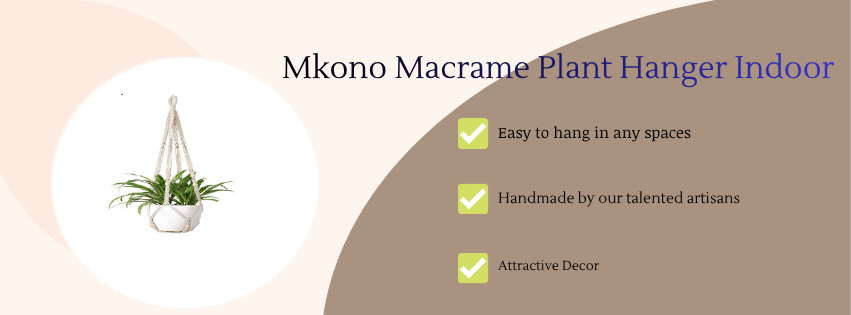
Whether you’re building a compact apartment feature wall or a full statement green installation, this guide will help you design something beautiful and sustainable.
Quick Summary
- Best for beginners: Modular wall planters with pothos, philodendron, and snake plants
- Ideal soil mix: 40% high-quality potting mix, 30% coco coir, 20% perlite, 10% compost
- Minimum container depth: 6–8 inches for foliage plants
- Light requirement: Bright indirect light (east-facing ideal; supplement with grow lights if north-facing)
- Watering frequency: Every 7–10 days depending on airflow and container size
- USDA relevance: Indoor plants thrive in USDA zones 9–11 outdoors; indoors any zone works with proper conditions
- Biggest mistake: Overwatering due to poor drainage planning
Why a Plant Wall Works in a Living Room
A living room plant wall is more than decoration. It modifies microclimate and visual perception.
Why it works:
- Plants absorb and diffuse light, softening harsh reflections.
- Vertical greenery adds depth, making small rooms appear larger.
- Transpiration slightly increases humidity, beneficial in dry climates.
- Biophilic design reduces stress and improves focus.
However, these benefits only happen when plants are healthy. That depends entirely on proper setup.
1. Modular Vertical Planter Systems (Best for Most Homes)
This is the most practical plant wall idea for a living room.
Why It Works
Modular wall planters provide:
- Individual drainage compartments
- Root separation (prevents disease spread)
- Flexible layout changes
Unlike felt pocket systems, rigid modular systems prevent oversaturation and mold buildup.
How to Implement
Step 1: Evaluate Light Direction
- East-facing window: Ideal (bright indirect light)
- South-facing: Use sheer curtains to prevent leaf scorch
- West-facing: Afternoon light is intense; choose tougher species
- North-facing: Requires full-spectrum LED grow lights (12–14 hours daily)
Mount planters on the brightest wall available.
Step 2: Choose the Right Depth
For foliage plants:
- Minimum depth: 6 inches
- Ideal depth: 8 inches
Shallow pockets (<4 inches) dry out quickly and stunt growth.
Step 3: Soil Composition
Use a lightweight but well-draining mix:
- 40% indoor potting mix
- 30% coco coir (retains moisture without compaction)
- 20% perlite (aeration)
- 10% compost or worm castings (nutrients)
Avoid garden soil. It compacts and suffocates roots.
Step 4: Watering Strategy
Water thoroughly until excess drains. Frequency:
- Every 7–10 days in moderate light
- Every 5–7 days under grow lights
Install drip trays or choose built-in reservoir systems.
Cost Consideration
- Budget modular kits: $100–$250
- Premium architectural systems: $500–$2,000+
Maintenance impact: Moderate. Individual pots make replacement easy.
2. Floating Shelf Plant Wall (Low Commitment, High Flexibility)
Ideal for renters or beginners.
Why It Works
Shelves distribute plant weight safely and allow varied root depths. You can adjust plant positions as seasons change.
How to Implement
- Install heavy-duty wall anchors.
- Use shelves at least 8–10 inches deep.
- Stagger heights for layered effect.
Best Plants for Shelf Walls
- Pothos
- Philodendron hederaceum
- Spider plant
- ZZ plant
- Snake plant (lower shelves)
These tolerate varied light and occasional missed watering.
Drainage Tips
Always use pots with drainage holes and saucers. Decorative cachepots without drainage are the #1 cause of root rot.
Cost Impact
- Shelves: $50–$300 depending on material
- Plants: $15–$40 each
- Grow light bars (if needed): $40–$150
Maintenance impact: Low to moderate.
3. Statement Living Moss Wall (Ultra Low Maintenance Option)
For homeowners wanting greenery without soil management.
Why It Works
Preserved moss walls:
- Require no watering
- No soil
- No sunlight
They are chemically preserved natural moss, not living systems.
Implementation
Purchase pre-framed panels or custom installations.
Placement Rules
- Keep away from direct sun.
- Avoid high humidity rooms.
Cost
- Small panels: $150+
- Large custom walls: $1,000–$5,000+
Maintenance impact: Very low (dust occasionally).
Downside: No air-purifying or growth benefits.
4. Climbing Plant Feature Wall (Dramatic and Natural)
Using climbing plants trained on trellises or wire grids.
Why It Works
Vining plants grow vertically toward light. This mimics their natural forest behavior.
Best Plant Choices
- Pothos
- Philodendron
- Monstera adansonii
- Hoya
- Scindapsus
Avoid aggressive outdoor climbers indoors.
Trellis Installation
Use powder-coated steel or wood grids anchored securely.
Root Depth Requirements
- Minimum pot depth: 8–10 inches
- Larger Monsteras: 12 inches
Watering Frequency
- Every 7–10 days
- Ensure 20–30% perlite in soil for aeration
Beginner Mistake
Letting vines hang instead of training upward. Secure stems gently with plant clips weekly.
Cost: $200–$800 depending on scale.
Maintenance: Moderate (training required).
5. Built-In Living Green Wall System (Advanced)
For homeowners doing renovations.
Why It Works
These systems integrate:
- Irrigation lines
- Drainage channels
- Waterproof backing
Often hydroponic.
Requirements
- Professional installation
- Waterproof membrane
- Drain connection
Light Requirements
Minimum 12 hours of grow light if no direct natural light.
Cost
$1,000–$10,000+
Maintenance impact: High but manageable with automated irrigation.
Not recommended for beginners.
Choosing the Right Plants for a Living Room Plant Wall
Best Low-Maintenance Plants
| Plant | Light | Water | Notes |
| Pothos | Low–Bright Indirect | 7–10 days | Very forgiving |
| Snake Plant | Low–Medium | 2–3 weeks | Drought tolerant |
| ZZ Plant | Low–Medium | 2–3 weeks | Excellent for north rooms |
| Philodendron | Medium | 7–10 days | Fast-growing |
Avoid high-maintenance plants like calatheas unless humidity exceeds 50%.
Lighting: The Most Overlooked Factor
Indoor plant walls fail mainly due to insufficient light.
Grow Light Buying Criteria
- Full spectrum (400–700nm)
- 20–40 watts per 2×2 ft area
- Adjustable timer
- 12–14 hour runtime
Cost: $50–$200.
Maintenance: Minimal once installed.
Watering and Drainage Strategy
Drainage must be planned before installation.
Key Rules
- Every container must have drainage.
- Use drip trays or integrated reservoirs.
- Never allow standing water.
Overwatering symptoms:
- Yellow leaves
- Fungus gnats
- Musty smell
Prevention:
- Add perlite
- Use moisture meter ($10–$20 tool)
Pest Prevention Basics
Indoor plant walls can attract:
- Fungus gnats
- Spider mites
- Mealybugs
Prevention Strategy
- Inspect weekly
- Avoid overwatering
- Use neem oil monthly as preventative
- Quarantine new plants 2 weeks
Maintenance impact: Low if proactive.
Budget vs Premium Setup
Comparison
| Feature | Budget Setup | Premium Setup |
| Structure | Shelves | Modular green wall |
| Irrigation | Manual | Automated drip |
| Lighting | Clip grow lights | Integrated system |
| Cost | $200–$500 | $1,500+ |
| Maintenance | Moderate | Lower if automated |
For most living rooms, a mid-range modular system offers best value.
Common Beginner Mistakes
- Ignoring light direction
- Using garden soil
- No drainage holes
- Overcrowding plants
- Choosing high-humidity plants in dry rooms
Avoid these, and your plant wall can thrive for years.
FAQ
What is the best plant wall idea for a small living room?
Floating shelves with trailing plants like pothos and philodendron work best. They require minimal depth (6–8 inches) and adapt to moderate light.
How much light does a living room plant wall need?
Bright indirect light is ideal. East-facing windows are best. North-facing rooms require 12–14 hours of full-spectrum grow lights.
How do you water a vertical plant wall?
Water each container thoroughly until excess drains. For large systems, consider drip irrigation or self-watering planters.
What plants are best for low-light living rooms?
ZZ plants, snake plants, and pothos tolerate low light. Avoid calatheas and ferns in dim rooms.
How much does a living room plant wall cost?
Budget setups start around $200. Large built-in green walls can exceed $5,000 depending on irrigation and lighting systems.
Do plant walls damage walls?
They can if waterproofing and drainage are ignored. Always use backing panels and prevent water overflow.
Conclusion
A living room plant wall is not just decor it’s a living system. When designed with proper soil composition, drainage planning, realistic watering routines, and correct light exposure, it becomes a long-term investment in both your home’s aesthetics and indoor environment.
Start with a manageable system. Focus on reliable plants. Prioritize drainage and light before aesthetics. As your confidence grows, you can expand.
Done correctly, your plant wall will thrive for years not months turning an empty wall into the most dynamic feature in your home.
