Every product is independently reviewed and selected by our editors. If you buy something through our links, we may earn an affiliate commission at no extra cost to you.
Wall planters don’t have to be limited to soil and greenery. If you’ve ever stared at an empty vertical planter and thought, “There has to be more I can do with this,” you’re absolutely right. With the right strategy, wall planters can become storage systems, décor features, edible micro‑gardens, or even functional home upgrades.
Introduction
Many homeowners and apartment dwellers invest in wall planters expecting lush greenery only to struggle with poor drainage, insufficient sunlight, or maintenance fatigue. South-facing walls may scorch delicate plants. North-facing walls often lack adequate light. Balcony planters dry out quickly in wind. And not everyone wants the watering schedule that comes with traditional container gardening.
The solution? Use wall planters more creatively.
In this guide, I’ll walk you through practical, budget-conscious, and technically sound ideas for what to put in wall planters besides plants. You’ll learn what works, why it works, how to install it properly, and what to consider for weight load, moisture control, and long-term maintenance.
Quick Summary
Best Non-Plant Uses for Wall Planters:
- Decorative stones and preserved moss
- Kitchen herb drying racks
- Outdoor bar storage
- Gardening tool organizers
- Succulent propagation stations (water-based)
- Scented sachets and potpourri
- Seasonal décor inserts
- Vertical candle lantern displays
- Mail and key holders (indoor)
- Micro storage for balconies
Key Considerations:
- Ensure proper drainage control
- Account for wall weight load capacity
- Match contents to sun exposure direction
- Use liners when skipping soil
- Secure items against wind outdoors
Understanding Wall Planter Structure Before Repurposing
Before filling your planter with something new, understand how it was designed.
1. Drainage Holes Matter
Most wall planters are built with drainage holes. That’s ideal for soil-based growing but problematic for décor items.
Why it matters: Without blocking or lining drainage holes, small decorative materials can fall out. Water intrusion can also damage walls.
How to manage it:
- Use landscape fabric liners.
- Insert a removable plastic tray.
- Plug drainage holes if not growing plants (but only for indoor use).
Cost impact: $5–$20 for liners or trays. Maintenance impact: Minimal once installed.
2. Weight Load and Wall Anchoring
Wall-mounted systems vary in capacity.
- Drywall anchors typically support 15–25 lbs.
- Stud-mounted systems can handle 40–75+ lbs.
- Masonry walls hold significantly more.
Before adding stones, ceramics, or heavy décor, confirm anchor strength.
Beginner mistake: Overloading modular plastic wall planters designed only for lightweight soil mixes.
Creative and Practical Ideas for Wall Planters (Besides Plants)
1. Decorative Stones and Layered Textures
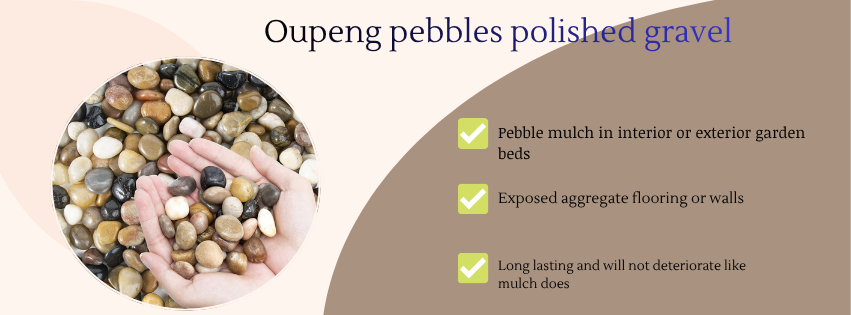
Polished river rock, lava stone, or marble chips create a modern architectural look.
Why it works: These materials are weather-resistant and require zero watering.
How to implement:
- Add landscape fabric liner.
- Layer large stones at bottom.
- Add contrasting smaller gravel on top.
- Keep depth under 4–6 inches to manage weight.
Best for: South- or west-facing walls where plants would scorch.
Cost range: $10–$40 depending on stone type.
Maintenance: Occasional dust rinse outdoors.
Pro Tip: Lava rock is lightweight compared to granite better for vertical systems.
2. Preserved Moss Panels
Preserved reindeer moss or sheet moss creates a lush green look without watering.
Why it works: Preserved moss doesn’t require soil, drainage, or sunlight.
How to implement:
- Use a shallow planter (2–3 inches deep).
- Glue moss to a foam or cork backing.
- Keep indoors away from direct sun.
Avoid: High humidity bathrooms mold risk.
Cost: Premium option ($20–$60 per planter).
Maintenance: Dust lightly. No watering.
3. Kitchen Herb Drying Rack (Functional Décor)
Use wall planters indoors to dry herbs like rosemary, thyme, oregano, and lavender.
Why it works: Wall airflow aids drying, especially on east-facing kitchen walls.
How to implement:
- Install planter near indirect light.
- Hang herb bundles with twine.
- Ensure no water source above.
Maintenance: Rotate dried herbs every 2–3 weeks.
Budget-friendly and highly practical.
4. Outdoor Bar or Entertaining Storage
On balconies or patios, wall planters can store:
- Citrus for cocktails
- Napkins
- Bottle openers
- Reusable straws
Why it works: Vertical storage saves floor space in small patios.
Important considerations:
- Use waterproof liners.
- Avoid west-facing walls if storing perishables.
- Secure items in windy zones.
Cost: Depends on waterproof inserts.
5. Gardening Tool Organizer
For small-space gardeners, this is one of the most practical repurposes.
Store:
- Hand trowels
- Pruners
- Gloves
- Seed packets
Why it works: Tools stay accessible and off the ground.
Installation tips:
- Ensure at least 6–8 inch depth.
- Use rust-resistant containers.
- Install under a covered area to prevent water pooling.
Maintenance: Wipe tools dry before storing.
6. Candle Lantern Displays
Create ambient lighting with hurricane candles or LED lanterns.
Safety first:
- Use flameless LED candles for indoor wall planters.
- If outdoors, ensure glass hurricane shields.
Sun exposure consideration: South-facing walls heat up. Avoid real wax candles in direct summer sun (zones 8–11 especially).
7. Seasonal Décor Inserts
Switch contents quarterly:
- Pinecones and cedar in winter
- Decorative eggs in spring
- Seashells in summer
- Mini pumpkins in fall
Why it works: No soil maintenance and visually dynamic.
Cost: Low if sourcing natural materials.
8. Succulent Propagation Station (Water-Based)
You’re technically not growing full plants in soil but propagating cuttings in water.
Why it works: Wall planters can hold small glass tubes.
How to implement:
- Install narrow glass propagation vials.
- Keep near bright indirect light (east-facing best).
- Change water weekly.
Maintenance impact: Moderate.
9. Mail and Entryway Storage (Indoor Use)
For apartment dwellers, wall planters can store:
- Keys
- Sunglasses
Important: Seal drainage holes permanently.
Avoid heavy ceramic models on drywall unless anchored to studs.
10. Vertical Pantry Extension
In small kitchens, wall planters can hold:
- Garlic bulbs
- Onions
- Potatoes (short-term storage)
Ventilation matters: Choose breathable containers. Avoid moisture buildup.
Do not store in high humidity zones.
11. Mini Compost Collector (Covered Outdoor Setup)
For balcony gardeners:
Use a sealed container inside a deep wall planter to collect herb scraps before transferring to compost.
Why it works: Saves counter space.
Key tip: Use carbon filters to prevent odor.
12. Decorative Driftwood or Branch Art
Secure sculptural branches in planters.
Why it works: Creates vertical movement without soil weight.
Maintenance: Dust occasionally.
13. Outdoor Bird Feeding Station
Use wall planters to hold seed trays.
Why it works: Elevated feeders reduce rodent access.
Precautions:
- Clean weekly.
- Avoid mounting directly above seating areas.
- Check local wildlife regulations.
Choosing the Right Wall Planter for Non-Plant Uses
Material Comparison
| Material | Pros | Cons |
| Plastic | Lightweight, affordable | Less durable |
| Metal | Modern look | Can overheat in full sun |
| Ceramic | Stylish | Heavy |
| Wood | Natural aesthetic | Needs sealing |
Depth Guidelines
- 2–3 inches: Decorative inserts
- 4–6 inches: Stones, storage
- 8–12 inches: Multi-purpose use
Budget vs Premium
Budget ($20–$50 total setup):
- Plastic modular wall planters
- DIY liners
- Lightweight décor
Premium ($100–$300+):
- Powder-coated steel systems
- Custom mounting rails
- Designer inserts
Premium systems last longer outdoors and resist UV damage better.
Common Mistakes to Avoid
- Ignoring weight load.
- Leaving drainage holes open indoors.
- Using moisture-sensitive décor outside.
- Mounting on sun-exposed walls without heat consideration.
- Overcomplicating seasonal swaps.
Keep it functional and easy to maintain.
FAQ
1. Can I use wall planters without drainage holes?
Yes. For non-plant uses, drainage holes are unnecessary. Indoors, you can permanently seal them. Outdoors, ensure rainwater doesn’t collect and damage contents.
2. Are wall planters strong enough to hold stones?
It depends on mounting. Stud-mounted brackets can support 40+ lbs. Always calculate combined planter + content weight.
3. What direction-facing wall is best for decorative wall planters?
North- and east-facing walls are ideal because they avoid intense afternoon heat that can damage materials.
4. Can wall planters be used in rental apartments?
Yes. Choose lightweight plastic units and use removable wall anchors rated for appropriate weight.
5. How do I weatherproof wall planters used for storage?
Use waterproof liners, silicone-seal seams, and elevate contents above base level.
6. Are metal wall planters safe for candle displays?
Only with LED candles. Metal heats quickly in full sun.
Final Thoughts
Wall planters are far more versatile than most gardeners realize. While they’re designed for soil, root systems, and drainage, their vertical structure makes them ideal for storage, décor, and small-space functionality.
By understanding weight limits, sun exposure direction, and drainage design, you can safely transform unused wall planters into practical, attractive features. Whether you’re enhancing a small balcony, organizing a compact kitchen, or adding seasonal charm to an outdoor wall, the right setup reduces maintenance while increasing visual impact.
Start with one planter. Test the weight. Observe how it handles sun and moisture over a few weeks. Then expand strategically.
When used thoughtfully, wall planters become not just decorative accents but space-saving assets that improve how your home functions year-round.
