Every product is independently reviewed and selected by our editors. If you buy something through our links, we may earn an affiliate commission at no extra cost to you.
Railing planters are one of the most challenging container systems in small-space gardening. They’re shallow, exposed to wind, and heat up quickly especially on south- and west-facing balconies. Many beginners treat them like regular pots, only to end up with wilted petunias or leggy herbs within weeks.
The solution isn’t watering more. It’s choosing the right plants and building the right soil structure.
In this guide, you’ll learn exactly which plants perform best in railing planters, why they work, how to plant them properly, and how to reduce maintenance long-term.
Understanding Railing Planter Limitations (Why Plant Choice Matters)
Before selecting plants, understand the constraints.
1. Shallow Root Zone
Most railing planters are 6–8 inches deep.
Why this matters: Deep-rooted vegetables (tomatoes, peppers, carrots) struggle without 10–12+ inches of soil. Shallow-rooted plants perform far better.
2. Increased Heat and Wind Exposure
South- and west-facing railings reflect heat. Wind pulls moisture rapidly from soil.
Maintenance impact: Expect higher watering frequency than ground-level containers.
3. Limited Soil Volume
Less soil means:
- Faster nutrient depletion
- Faster drying
- Faster root crowding
Choose compact growers or trailing plants rather than large structural specimens.
Best Plants for Full-Sun Railing Planters
(6–8+ hours direct sun, especially south or west exposure)
1. Geraniums (Pelargonium)
Why they work: Geraniums tolerate heat, moderate drought, and shallow root zones.
How to plant:
- Minimum depth: 6 inches
- Spacing: 6–8 inches apart
- Soil: Well-draining mix with added perlite
Watering: Allow top inch of soil to dry before watering.
Maintenance: Deadhead regularly to encourage blooms.
Cost: Moderate; long blooming season justifies investment.
USDA Zones: 9–11 perennial; annual elsewhere.
2. Calibrachoa (Million Bells)
Compact, trailing, and prolific.
Why it works: Shallow roots and continuous bloom habit make it ideal for narrow planters.
Soil tip: Use slightly acidic potting mix (pH 5.5–6.2).
Beginner mistake: Overwatering. These dislike soggy roots.
3. Dwarf Rosemary
Perfect for edible balcony gardens.
Why it works: Mediterranean herb adapted to poor, fast-draining soil.
Soil composition: 60% potting mix + 20% coarse sand + 20% perlite.
Watering: Every 4–6 days in summer.
Zone: 8–10 perennial; overwinter indoors in colder zones.
4. Portulaca (Moss Rose)
Thrives in extreme heat.
Why it works: Succulent foliage stores moisture.
Maintenance: Minimal. Ideal for low-effort gardeners.
Budget advantage: Very affordable starter plants.
Best Plants for Partial Sun Railing Planters
(3–6 hours of direct light, east-facing ideal)
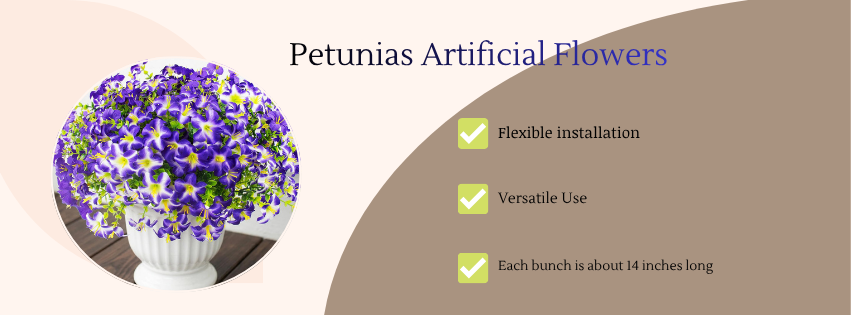
5. Petunias
Reliable and versatile.
Why they work: Moderate root depth and trailing habit soften railings.
Feeding requirement: Liquid fertilizer every 2 weeks—heavy feeders.
Maintenance impact: Higher than geraniums.
6. Bacopa
Delicate trailing white or lavender flowers.
Why it works: Performs well in cooler morning sun.
Watering frequency: Do not let soil dry completely.
Best for: East-facing balconies in zones 5–9.
7. Nasturtiums (Edible)
Both ornamental and functional.
Why they work: Shallow roots and cascading habit.
Soil note: Avoid rich soil. Too much nitrogen reduces blooms.
Cost: Very budget-friendly from seed.
8. Leafy Greens (Lettuce, Arugula, Spinach)
Yes railing planters can be edible.
Minimum depth: 6–8 inches.
Why it works: Shallow root systems.
Watering: Consistent moisture required.
Beginner mistake: Planting in high summer heat. Best in spring and fall.
Best Plants for Shade (North-Facing Railings)
Less than 3 hours direct sun.
9. Impatiens
Classic shade bloomer.
Soil: Moisture-retentive but well-draining.
Watering: Frequent; they wilt quickly.
10. Coleus
Grown for foliage color.
Why it works: Shallow roots and strong color in low light.
Maintenance: Pinch tips to prevent legginess.
11. Ferns
For texture and softness.
Best varieties: Boston fern (compact forms), maidenhair (protected areas).
Watering: Keep consistently moist.
12. Mint (Contained Only)
Thrives in partial shade.
Important: Mint spreads aggressively. Keep confined to one section.
Soil: Moist, organic-rich mix.
Soil Setup for Railing Planters (Critical for Success)
This is where most failures happen.
Ideal Soil Composition
- 50–60% high-quality potting mix
- 20–30% compost (improves nutrients)
- 10–20% perlite or pumice (improves drainage)
Why this works: Balances moisture retention and aeration.
Avoid garden soil. It compacts in containers and suffocates roots.
Drainage Requirements
Never block drainage holes.
Elevate planter slightly if sitting flush against railing base.
If using self-watering railing planters:
- Ensure reservoir isn’t overfilled.
- Best for thirsty plants like petunias and greens.
Container Depth & Spacing Guidelines
| Plant Type | Minimum Depth | Spacing |
| Flowers | 6 inches | 6–8 inches |
| Herbs | 6–8 inches | 1 per 6 inches |
| Leafy Greens | 6–8 inches | Dense sowing |
| Trailing Plants | 6 inches | 1 per 8 inches |
Avoid overcrowding it increases disease risk and reduces airflow.
Pest Prevention for Balcony Planters
Common issues:
- Aphids
- Spider mites (especially in hot, dry conditions)
- Whiteflies
Prevention basics:
- Inspect weekly
- Hose off foliage underside
- Use neem oil as needed
- Avoid overfertilizing (attracts pests)
Wind exposure often reduces fungal disease risk but increases drought stress.
Budget vs Premium Setup Comparison
Budget Setup ($40–$100)
- Plastic railing planters
- Standard potting mix
- Annual flowers
- Hand watering
Maintenance: Higher watering frequency.
Premium Setup ($150–$400)
- UV-resistant resin or powder-coated metal planters
- Self-watering reservoir system
- Slow-release fertilizer
- Drip irrigation kit
Maintenance: Lower daily effort; higher upfront cost.
Choose at least 6–8 inches depth regardless of budget tier.
Common Beginner Mistakes
- Planting tomatoes in 6-inch planters.
- Ignoring sun direction.
- Overcrowding.
- Using garden soil.
- Forgetting wind exposure.
- Underwatering in peak summer heat.
Success is mostly plant selection and soil structure not luck.
FAQ
1. How deep should railing planters be?
At least 6–8 inches deep for flowers and herbs. Deeper is better for moisture stability.
2. Can I grow vegetables in railing planters?
Yes leafy greens, radishes, and compact herbs perform best. Avoid large fruiting crops.
3. How often should I water railing planters?
In summer, 3–5 times per week. Daily during heat waves or in zones 9–11.
4. What direction-facing railing is best?
East-facing is ideal morning sun without harsh afternoon heat.
5. Are self-watering railing planters worth it?
Yes for thirsty annuals and busy gardeners. They reduce watering frequency but require monitoring.
6. What fertilizer works best?
Use slow-release granular fertilizer at planting, plus liquid feed every 2–3 weeks for heavy bloomers.
Final Thoughts
Railing planters can either become high-maintenance frustration or compact showcases of color, texture, and edible abundance. The difference lies in matching plants to sun exposure, choosing shallow-rooted varieties, and building the right soil structure.
Start by identifying your balcony’s sun direction. Choose plants adapted to that light level. Use a lightweight, well-draining soil mix. Water consistently but intelligently. Avoid overcrowding.
With the right setup, railing planters provide season-long blooms, fresh herbs within reach, and a softer, more private outdoor space all without a yard.
