Every product is independently reviewed and selected by our editors. If you buy something through our links, we may earn an affiliate commission at no extra cost to you.
A wall of living plants can completely transform a small apartment, kitchen wall, or home office. But indoor wall planters are unforgiving. Limited soil depth, faster drying, uneven light exposure, and tricky drainage mean many popular houseplants slowly decline.
Choosing the right plants for wall planters indoor is less about aesthetics and more about root behavior, moisture tolerance, and light adaptation.
This guide walks you through plant selection, soil composition, planter depth, watering strategy, light direction, pest prevention, and realistic maintenance expectations so your vertical garden thrives long term, not just for photos.
Most indoor wall gardens fail because gardeners treat them like regular pots. But wall planters are typically:
- Shallow (4–8 inches deep)
- Mounted higher where warm air rises
- More exposed to airflow
- Harder to monitor for drainage
That creates faster drying cycles and root stress.
In this guide, you’ll learn:
- The most reliable indoor plants for vertical planters
- Ideal soil blends for shallow containers
- How light direction (north, east, south, west) changes plant choice
- Watering frequency guidelines
- Budget vs premium wall planter systems
- Beginner mistakes that lead to root rot
This is horticulture-based guidance not a trend roundup.
Quick Summary
- Ideal planter depth: 4–8 inches minimum
- Best beginner plants: Pothos, Philodendron, Spider Plant, Peperomia
- Best light: Bright indirect (east-facing ideal)
- Soil mix: 50% potting mix, 25% perlite, 25% bark
- Drainage holes are essential
- Watering: Every 7–14 days (varies by exposure)
- Avoid deep-rooted or top-heavy plants
Why Wall Planters Require Different Plant Choices
1. Limited Root Volume
Most wall-mounted planters are shallow. Deep-rooted plants like fiddle leaf figs or large monsteras will struggle.
Shallow-rooted, fibrous-root plants perform best.
Why this matters: Limited soil means less nutrient buffering and faster moisture swings. Plants must tolerate fluctuation.
2. Faster Moisture Loss
Wall planters:
- Receive more airflow
- Sit closer to warm ceilings
- Contain less soil mass
That means soil dries faster than floor pots.
Plants must handle moderate drying between waterings.
3. Uneven Light Exposure
Wall planters rarely sit directly in windows. Light often comes from the side.
Understanding window direction is critical:
- North-facing: Low light
- East-facing: Gentle morning sun (ideal)
- South-facing: Brightest exposure
- West-facing: Intense afternoon sun
Plant selection should match this.
12 Best Plants for Wall Planters Indoor
1. Pothos (Epipremnum aureum)
Best overall choice.
Why it works:
- Shallow root system
- Extremely adaptable
- Handles inconsistent watering
Light: Low to bright indirect Water: Every 7–10 days USDA zones: Grown indoors in all zones
Common mistake: Overwatering in low light.
Maintenance impact: Low. Trim vines every few months.
2. Heartleaf Philodendron
Similar to pothos but slightly more sensitive.
Light: Medium to bright indirect Water: Every 10–14 days Planter depth: Minimum 5–6 inches
Cost: Affordable and widely available.
3. Spider Plant (Chlorophytum comosum)
Excellent for modular wall planters.
Why it works:
- Compact roots
- Arching growth habit
Light: Bright indirect Water: Weekly
Beginner mistake: Letting plant become root-bound in tiny modules.
4. Peperomia (Obtusifolia, Caperata)
Great for smaller wall pockets.
Why it works:
- Semi-succulent leaves store moisture
- Compact growth
Light: Medium to bright indirect Water: Every 10–14 days
Soil must be well-aerated to avoid rot.
5. Ferns (Boston, Bird’s Nest)
Best for humid homes.
Light: Bright indirect, north or east exposure Water: Keep evenly moist
Humidity: Above 50% preferred
Maintenance impact: High in dry homes.
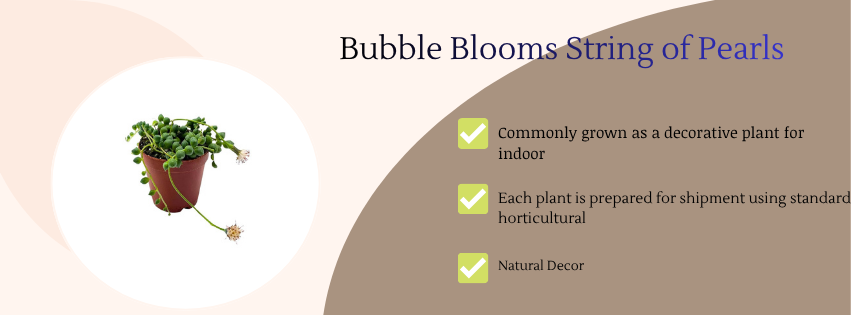
6. String of Hearts (Ceropegia woodii)
Ideal for shallow decorative planters.
Light: Bright indirect or filtered south Water: Every 2–3 weeks
Soil: 50% cactus mix + 50% pumice
Avoid overwatering.
7. Small Snake Plant Varieties (Dwarf Types Only)
Only use compact cultivars.
Light: Low to bright Water: Every 2–3 weeks
Planter depth: At least 6–8 inches
Avoid tall varieties they become unstable.
8. Herbs for Kitchen Wall Planters
Great for bright kitchen walls.
Best herbs:
- Thyme
- Oregano
- Chives
- Parsley
Light: 6+ hours (south-facing ideal) Depth: Minimum 8 inches Soil: 40% compost, 40% potting soil, 20% perlite
Water when top 1–2 inches dry.
Avoid basil unless strong light or grow lights are available.
9. Air Plants (Tillandsia)
Require no soil.
Light: Bright indirect Water: Soak weekly
Low maintenance but require airflow.
10. Baby Rubber Plant
Compact and durable.
Light: Medium indirect Water: Every 10–14 days
Very beginner-friendly.
Plants to Avoid in Indoor Wall Planters
- Fiddle Leaf Fig
- Large Monstera
- Rubber Tree
- Large Calatheas
- Deep-rooted vegetables
These plants need deeper soil and stable moisture.
Soil Composition for Indoor Wall Planters
Standard potting soil alone compacts too quickly.
Universal Indoor Mix
- 50% high-quality indoor potting mix
- 25% perlite or pumice
- 25% orchid bark
Why this works:
- Improves drainage
- Increases airflow
- Reduces root rot risk
For succulents:
- 50% cactus mix
- 50% mineral grit
Cost impact: Slightly higher upfront, but prevents plant loss.
Maintenance benefit: Fewer watering errors.
Choosing the Right Wall Planter System
Must-Have Features
- Drainage holes
- Removable liners
- Minimum 4–8 inch soil depth
- Waterproof wall barrier
Avoid sealed decorative pockets without drainage.
Budget vs Premium Comparison
Budget ($20–$50 per module)
- Plastic systems
- Lightweight
- Dry out faster
Mid-Range ($50–$150)
- Metal frames with removable pots
- Easier maintenance
Premium ($200+)
- Built-in irrigation
- Modular panels
- Moisture retention layers
Premium systems reduce weekly watering labor.
Watering Strategy for Vertical Planters
Wall planters dry unevenly.
Best method:
- Remove inner pot if possible.
- Water thoroughly until runoff.
- Allow full drainage.
- Remount once drained.
Self-watering inserts can reduce frequency to every 2–3 weeks.
Grow Light Considerations
If natural light is insufficient:
- Use full-spectrum LED grow lights
- Position 12–18 inches from plants
- Run 12–14 hours daily
Cost: $30–$120 depending on quality.
Maintenance impact: Minimal once installed.
Pest Prevention Basics
Common indoor pests:
- Fungus gnats (wet soil)
- Spider mites (dry air)
- Aphids (herbs)
Prevention:
- Avoid overwatering
- Inspect weekly
- Use sticky traps
- Apply neem oil if needed
Wall planters make pest detection harder check regularly.
Common Beginner Mistakes
- No drainage holes
- Using garden soil indoors
- Overcrowding modules
- Mounting too high to monitor moisture
- Ignoring wall moisture protection
Always protect drywall with a waterproof backing panel.
FAQ
What are the easiest plants for indoor wall planters?
Pothos, heartleaf philodendron, spider plant, and peperomia are the most forgiving.
How deep should wall planters be?
Minimum 4–6 inches for foliage plants. Herbs need 8 inches.
Do indoor wall planters need drainage holes?
Yes. Without drainage, root rot is highly likely.
How often should I water wall planters?
Typically every 7–14 days depending on light, humidity, and plant type.
Can I grow vegetables indoors in wall planters?
Only compact leafy greens with strong light or grow lights. Depth and lighting are limiting factors.
Are self-watering wall planters worth it?
Yes, especially for high installations or busy households.
Final Thoughts
The best plants for wall planters indoor are those that tolerate shallow soil, indirect light, and moderate drying between waterings.
When you combine:
- Proper planter depth
- Well-draining soil
- Correct light placement
- Reliable drainage
- Realistic watering habits
You create a vertical garden that thrives long term.
Start with pothos or philodendron. Install proper drainage. Monitor soil moisture weekly. Upgrade to herbs or specialty plants as your confidence grows.
A thoughtfully built indoor wall garden transforms unused vertical space into living architecture improving air quality, aesthetics, and daily connection to plants.
Done correctly, it’s not just decoration. It’s a sustainable, manageable indoor ecosystem.
