Category: Low Maintenance Plants

  • How to build raised planter boxes

    Every product is independently reviewed and selected by our editors. If you buy something through our links, we may earn an affiliate commission at no extra cost to you.

    Raised planter boxes are one of the most efficient ways to grow vegetables, herbs, and flowers in small yards, patios, balconies, and urban spaces. When built correctly, they improve drainage, increase root health, extend the growing season, and reduce weed pressure.But most DIY guides leave out the details that determine whether your planter box thrives for 8–10 years or warps and fails after two.

    In this expert guide, you’ll learn how to build raised planter boxes that are structurally sound, properly drained, sized for root depth, and optimized for long-term productivity.

    There’s something powerful about harvesting food from a planter you built yourself. The structure holds more than soil  it holds intention. But success depends on more than stacking boards. Depth, drainage, soil structure, and sun exposure determine whether your raised planter box becomes a thriving mini-ecosystem or a frustrating project. Let’s build it correctly from day one.
    Many gardeners turn to raised planter boxes because:

    • Native soil is poor or compacted
    • Space is limited
    • Drainage is an issue
    • They want a cleaner, more organized layout

    However, common problems include:

    • Shallow boxes that restrict roots
    • Poor drainage leading to rot
    • Cheap lumber that fails quickly
    • Underestimating soil weight

    This guide covers:

    • Ideal dimensions based on crop type
    • Best materials (budget vs premium)
    • Proper drainage design
    • Soil composition formulas
    • Irrigation setup
    • Beginner mistakes
    • Cost breakdowns

    Whether you’re gardening in USDA Zone 4 or Zone 10, these principles apply.

    Step 1: Decide on Type Grounded vs Elevated Planter Boxes

    1. Ground-Level Raised Planter Boxes

    These sit directly on soil.

    Best for:

    • Yards
    • Larger vegetable gardens
    • Maximum root depth

    Advantages:

    • Excellent drainage
    • Roots can extend into native soil
    • Lower material cost

    Maintenance impact: Lower watering frequency than elevated boxes.

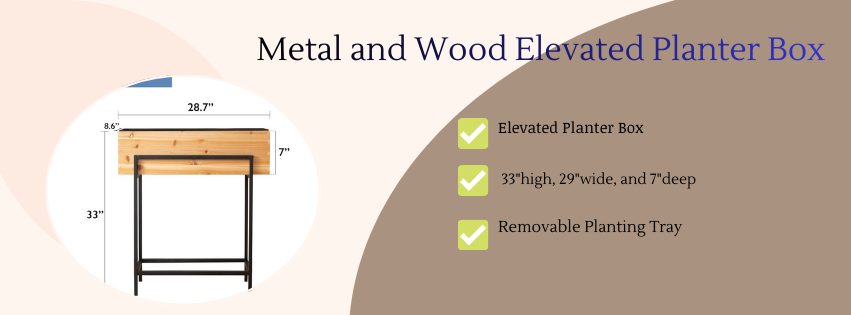
    2. Elevated Planter Boxes (With Legs)

    These are raised off the ground.

    Best for:

    • Patios
    • Decks
    • Balconies
    • Mobility or accessibility needs

    Advantages:

    • Improved ergonomics
    • Better pest control
    • Clean containment

    Critical caution: Drainage must be engineered correctly.

    Soil weight consideration:

    • Wet soil weighs ~75–100 lbs per cubic foot.
    • Always confirm deck/balcony load limits.

    Step 2: Choose the Right Dimensions (Depth Is Critical)

    Minimum Depth Guidelines

    DepthSuitable Crops
    8–10 inchesLettuce, spinach, herbs
    12 inchesPeppers, bush beans, strawberries
    18 inchesTomatoes, cucumbers, eggplant
    24 inchesCarrots, potatoes, root crops

    If building only one box, 18 inches offers maximum versatility.

    Why depth matters:

    • Deep soil regulates temperature
    • Holds moisture longer
    • Supports stronger root systems
    • Increases yield

    Shallow boxes dry quickly and limit productivity.

    Step 3: Best Materials for Raised Planter Boxes

    Budget Option: Untreated Pine

    • Affordable
    • Easy to work with
    • Lifespan: 3–5 years

    Best for beginners testing gardening long-term.

    Mid-Range: Douglas Fir

    • Stronger than pine
    • Lasts 5–7 years
    • Good balance of price and durability

    Premium: Cedar or Redwood

    • Naturally rot-resistant
    • Lifespan: 8–12+ years
    • Higher upfront cost

    Cost impact: Cedar may cost 2–3x pine but reduces rebuild frequency.

    Alternative: Corrugated Metal + Wood Frame

    • Modern aesthetic
    • 15–20+ year lifespan
    • Excellent structural strength
    • Higher upfront investment

    Avoid These Materials

    • Thin plywood (rots quickly)
    • Interior-treated lumber
    • Unknown recycled materials

    Step 4: Assembly Basics (Structural Integrity First)

    Standard Size Recommendation

    4 ft wide maximum 8 ft long maximum

    Why:

    • Allows access from both sides
    • Prevents stepping inside (avoids soil compaction)

    Basic Assembly Steps

    • Cut boards to desired length.
    • Secure with 3” exterior-grade deck screws.
    • Reinforce corners with 2×2 or 4×4 posts.
    • Install cross-bracing if longer than 6 feet.
    • Level base before filling.

    Assembly time: 2–4 hours.

    Step 5: Drainage The Most Overlooked Factor

    For Grounded Boxes

    Leave bottom open.

    Benefits:

    • Natural drainage
    • Earthworm migration
    • Deep root extension

    If gophers or rodents are present, install hardware cloth underneath.

    For Elevated Planter Boxes

    Drainage holes are mandatory.

    • Drill ½-inch holes every 6–8 inches
    • Add landscape fabric to prevent soil loss
    • Optional: 1-inch gravel layer

    Why this matters: Without drainage, roots suffocate and fungal diseases develop.

    Step 6: Soil Composition (The Real Engine of Growth)

    Avoid filling planter boxes with cheap “garden soil” alone.

    Ideal Raised Planter Mix

    • 40% screened topsoil
    • 40% finished compost
    • 20% aeration material (perlite, pumice, coarse sand)

    Why it works:

    • Compost provides nutrients and microbes
    • Topsoil adds mineral stability
    • Aeration prevents compaction

    Cost-Saving Strategy

    For boxes 18”+ deep:

    Fill bottom 6 inches with:

    • Logs
    • Branches
    • Leaves

    Then top with premium growing mix.

    This reduces soil cost by 20–40%.

    Step 7: Sunlight Placement

    Vegetables need:

    • 6–8 hours direct sunlight
    • South-facing exposure preferred
    • East-facing acceptable for leafy greens
    • Avoid north-facing placement in Zones 4–7

    Balcony note: Reflective walls increase heat. Monitor soil moisture more closely.

    Step 8: Watering & Irrigation

    Raised planter boxes dry faster than in-ground gardens.

    Watering Frequency

    • Spring: 1–2 times weekly
    • Summer: 2–4 times weekly
    • Hot Zones (8–10): possibly daily during peak heat

    Water deeply to encourage strong root growth.

    Irrigation Options

    Soaker Hose (Budget)

    • $20–$40
    • Easy installation

    Drip Irrigation Kit (Recommended)

    • $40–$100
    • Efficient water use
    • Reduces disease risk

    Self-Watering Systems

    • Ideal for balconies
    • Higher upfront cost
    • Lower daily maintenance

    Step 9: Mulching

    Apply 2–3 inches of:

    • Straw
    • Shredded leaves
    • Aged wood chips

    Benefits:

    • Reduces evaporation
    • Stabilizes soil temperature
    • Suppresses weeds

    Low cost, high return.

    Beginner Mistakes to Avoid

    • Building too shallow
    • Ignoring drainage holes in elevated boxes
    • Using poor-quality soil
    • Overcrowding plants
    • Skipping structural bracing
    • Underestimating soil weight on decks

    Most planter box failures are structural or soil-related.

    Budget vs Premium Setup Comparison

    FeatureBudget BuildPremium Build
    MaterialPineCedar or metal
    Lifespan3–5 years10–20+ years
    IrrigationManualAutomated drip
    SoilDIY blendEngineered raised-bed mix
    Cost$100–$200$400–$1,000+

    Best Crops for Raised Planter Boxes

    High performers:

    • Tomatoes (18” depth)
    • Peppers
    • Lettuce
    • Spinach
    • Basil
    • Kale
    • Strawberries

    Avoid large shrubs and fruit trees unless box depth exceeds 24 inches.

    FAQ

    How deep should a raised planter box be?

    Minimum 12 inches. For tomatoes and root vegetables, 18–24 inches is ideal.

    What wood lasts longest for planter boxes?

    Cedar and redwood are naturally rot-resistant and last 8–12+ years.

    Do raised planter boxes need drainage holes?

    Only elevated boxes require drainage holes. Grounded boxes should remain open-bottomed.

    What is the best soil for raised planter boxes?

    40% compost, 40% topsoil, and 20% aeration material provides optimal drainage and fertility.

    Are raised planter boxes better than in-ground gardens?

    They improve drainage, soil control, and accessibility, especially in poor native soil.

    How much does it cost to build a raised planter box?

    Typically $100–$300 depending on size and material quality.

    Conclusion

    Building raised planter boxes isn’t complicated but building them correctly requires attention to depth, drainage, soil structure, and sun exposure.

    If you:

    • Choose durable materials
    • Build at least 12–18 inches deep
    • Use a balanced soil mix
    • Install proper drainage
    • Water consistently

    You’ll create a productive growing system that lasts for years.

    A well-built planter box transforms even the smallest space into a thriving garden and once you harvest from it, you’ll understand why proper construction makes all the difference
  • How to build a cheap raised garden bed

    Every product is independently reviewed and selected by our editors. If you buy something through our links, we may earn an affiliate commission at no extra cost to you.

    A raised garden bed doesn’t have to cost $300–$600 to be productive. I’ve built high-yield vegetable beds for under $100 that lasted 5+ seasons but only because the materials, depth, and soil strategy were chosen carefully.

    The mistake most beginners make isn’t spending too little. It’s building too shallow, using the wrong lumber, or filling it with poor soil that collapses in one season.

    In this guide, you’ll learn exactly how to build a cheap raised garden bed that drains properly, supports deep roots, and produces strong yields without cutting corners that cost you later.

    Build a cheap raised garden bed stepwise process

    If you want to grow vegetables but don’t want to invest in expensive kits, you’re in the right place. A properly built budget raised bed can:

    • Improve drainage in clay soil
    • Warm earlier in spring
    • Reduce weeds
    • Increase yields in small spaces

    But “cheap” should never mean flimsy.

    This guide will show you:

    • The lowest-cost materials that still last
    • The correct soil depth (critical for success)
    • How to reduce soil costs by 30–50%
    • What crops grow best in budget beds
    • Common mistakes that waste money

    Step 1: Choose the Right Location (Free but Critical)

    Why It Matters

    Poor placement ruins even well-built beds. Vegetables require:

    • 6–8 hours of direct sun
    • South or southwest exposure
    • Protection from strong prevailing winds

    In USDA Zones 4–6, southern exposure helps soil warm earlier in spring. In Zones 8–10, morning sun + afternoon shade prevents heat stress.

    Beginner Mistake

    Building in partial shade to “use empty space.” Yields drop significantly.

    Drainage Check

    After heavy rain:

    • Water should drain within 2–3 hours.
    • If water sits longer, loosen soil 8–12 inches deep before placing the bed.

    Step 2: Cheapest Materials That Still Work

    Option 1: Untreated Pine (Most Affordable)

    • Widely available
    • Easy to cut
    • Typically lasts 3–5 years
    • Cost-effective for beginners

    Why it works: Wood insulates soil and is easy to assemble.

    Downside: Will eventually rot especially in wet climates (Zones 7–10 with high humidity).

    Option 2: Douglas Fir (Better Longevity)

    • Slightly more expensive
    • Lasts 5–7 years
    • Stronger than pine

    Good middle-ground option.

    Avoid Pressure-Treated Lumber for Food Beds?

    Modern pressure-treated lumber (post-2004) uses safer preservatives, but many organic gardeners still prefer untreated lumber for edibles.

    If budget allows, cedar lasts longer (8–10 years), but it’s rarely “cheap.”

    Hardware Needed

    • 2×6 or 2×8 boards (depending on depth)
    • Exterior deck screws (3”)
    • Corner posts (2×2 or 4×4)
    • Optional: hardware cloth (rodent protection)

    Cost breakdown (4×8 bed, 12” deep):

    • Lumber: $60–$100
    • Screws: $10–$15
    • Hardware cloth: $20 (optional)
    • Total: ~$75–$135

    Step 3: Correct Depth (Where Most People Go Wrong)

    Minimum: 12 Inches

    Works for:

    • Lettuce
    • Spinach
    • Bush beans
    • Herbs
    • Peppers

    Ideal: 18 Inches

    Supports:

    • Tomatoes
    • Carrots
    • Potatoes
    • Cucumbers
    • Zucchini

    Why depth matters: Roots need space for nutrient access and drought resistance. Shallow beds dry faster and reduce yield.

    If budget limits you, build 12 inches but prepare ground underneath by loosening soil 8 inches deep.

    Step 4: How to Assemble (Simple and Strong)

    • Cut boards to length (or buy pre-cut 8 ft boards).
    • Screw boards into corner posts.
    • Check for square corners.
    • Place bed on leveled ground.
    • Install hardware cloth if rodents are common.
    • Loosen soil beneath before filling.

    Assembly time: 1–2 hours.

    No advanced carpentry required.

    Step 5: Fill the Bed Cheaply (Without Ruining Soil Quality)

    Soil is the most expensive part and where people waste money.

    The Best Budget Soil Strategy

    Bottom Layer (Free to Cheap)

    Fill lower 4–6 inches with:

    • Small logs
    • Branches
    • Leaves
    • Grass clippings

    This is a simplified hugelkultur method.

    Why it works:

    • Reduces soil volume needed
    • Improves long-term organic matter
    • Retains moisture

    Savings: 20–40% soil cost reduction.

    Top Growing Layer (High Quality Required)

    Mix:

    • 40% screened topsoil
    • 40% compost
    • 20% perlite or coarse sand

    Avoid:

    • Pure compost (nutrient imbalance)
    • Cheap bagged “garden soil” with high wood content

    For a 4x8x12” bed:

    • ~16 cubic feet of soil needed

    Bulk soil delivery is significantly cheaper than bagged soil.

    Step 6: Watering Strategy

    Raised beds drain faster than in-ground soil.

    Watering Frequency

    • Spring: 1–2 times per week
    • Summer: 2–4 times per week
    • Zones 8–10: Possibly every 1–2 days in peak heat

    Water deeply shallow watering causes weak root systems.

    Cheap Irrigation Options

    Budget Option: Soaker Hose

    • $15–$30
    • Connect to timer
    • Efficient and simple

    Premium Option: Drip Irrigation Kit

    • $40–$80
    • Conserves water
    • Reduces fungal disease

    If on a balcony, consider self-watering raised bed inserts.

    Step 7: Mulch (Low Cost, High Impact)

    Add 2–3 inches of:

    • Straw
    • Shredded leaves
    • Wood chips (aged)

    Why it works:

    • Reduces watering frequency
    • Prevents soil erosion
    • Suppresses weeds
    • Keeps soil cooler in summer

    Cost impact: Very low. Maintenance impact: Reapply 1–2 times per season.

    What Grows Best in Cheap Raised Garden Beds?

    Best beginner crops:

    • Tomatoes
    • Lettuce
    • Kale
    • Radishes
    • Green beans
    • Basil
    • Peppers

    Root vegetables need deeper beds.

    Avoid:

    • Corn (space inefficient)
    • Large fruit trees
    • Perennial shrubs

    Pest Prevention Basics

    Budget beds still need protection.

    Rodents

    Install hardware cloth under bed if gophers or voles are common.

    Insects

    • Inspect weekly
    • Neem oil for aphids
    • Handpick caterpillars
    • Encourage beneficial insects

    Fungal Disease Prevention

    • Proper spacing
    • Water at soil level
    • Morning watering preferred

    Maintenance time: ~30 minutes weekly in peak season.

    Budget vs Premium Comparison

    FeatureBudget BedPremium Bed
    MaterialPineCedar or metal
    Lifespan3–5 years10–20+ years
    IrrigationManual/soakerDrip + timer
    SoilDIY mixEngineered raised bed mix
    Cost$75–$150$400–$1,000+

    A cheap bed is perfect for beginners testing gardening long-term.

    Common Beginner Mistakes

    • Building too shallow (under 10 inches)
    • Using poor-quality soil
    • Overcrowding plants
    • Skipping mulch
    • Ignoring sunlight exposure
    • Not budgeting for soil (biggest cost)

    FAQ

    What is the cheapest way to build a raised garden bed?

    Using untreated pine boards and filling the bottom with organic debris reduces overall cost significantly.

    How deep should a cheap raised garden bed be?

    Minimum 12 inches. Ideally 18 inches for full vegetable flexibility.

    Can I build a raised bed without lumber?

    Yes cinder blocks, corrugated metal, or even straw bales can work, but wood is usually cheapest upfront.

    How long will a cheap raised bed last?

    Untreated pine typically lasts 3–5 years depending on climate and soil moisture.

    Do I need landscape fabric under a raised bed?

    Only if you have aggressive perennial weeds. Otherwise, open soil contact is better for drainage and earthworms.

    Is it cheaper to buy or build a raised garden bed?

    Building is almost always cheaper. Pre-made kits often cost 2–3x more.

    Conclusion

    Building a cheap raised garden bed isn’t about cutting corners  it’s about cutting unnecessary costs.

    If you:

    • Choose the right location
    • Build at least 12 inches deep
    • Use a balanced soil mix
    • Add mulch
    • Water consistently

    You can grow productive vegetables for under $150.

    Start simple. Focus on soil quality over lumber quality. Upgrade later if gardening becomes a long-term passion.

    A well-built budget bed can feed you all season and prove that productive gardening doesn’t require a luxury setup.

  • Planters with corrugated metal | Beginner Guideline

    Every product is independently reviewed and selected by our editors. If you buy something through our links, we may earn an affiliate commission at no extra cost to you.

    There’s a reason corrugated metal raised garden beds are showing up in serious home gardens, urban backyards, and even small balcony setups. They’re clean-lined, long-lasting, and surprisingly practical. But beyond the aesthetic, these beds solve real soil, drainage, and durability problems that plague traditional wood frames.

    If you want a raised bed that performs well for 10–20 years with minimal maintenance and actually improves plant health this guide will walk you through exactly how to choose, build, and manage one correctly.

    Many gardeners start with untreated wood raised beds. Within three to five years, the boards warp, rot, attract termites, or leach unwanted compounds into the soil. Poor drainage, shallow depth, and overheated soil often follow.

    Corrugated metal raised garden beds solve most of these issues but only if installed properly.

    In this comprehensive guide, you’ll learn:

    • Why corrugated steel outperforms wood
    • The correct soil depth and composition
    • How to prevent overheating and drainage problems
    • What to plant (and what to avoid)
    • Budget vs premium setup considerations
    • Maintenance realities most blogs ignore
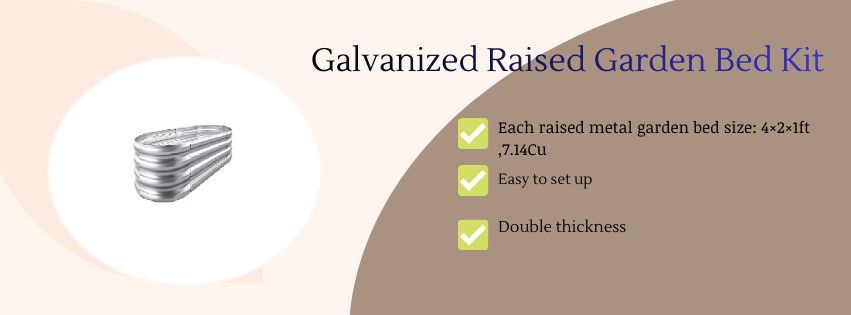
    Galavanized Raised Garden Bed Kit

    Whether you’re gardening in USDA Zone 4 or Zone 10, this guide will help you build a raised bed system that lasts.

    • Best For: Long-term durability, modern landscapes, high-drainage gardens
    • Ideal Depth: 12–24 inches depending on crop type
    • Soil Mix: 40% compost, 40% topsoil, 20% aeration material
    • Sun Requirement: 6–8 hours direct sun (south or west exposure preferred)
    • Drainage: Open-bottom design recommended
    • Lifespan: 15–20+ years (galvanized steel)
    • Beginner Mistake: Underfilling soil depth and ignoring internal heat buffering

    Why Corrugated Metal Raised Garden Beds Are Superior to Wood

    1. Longevity and Structural Integrity

    Galvanized corrugated steel resists rot, pests, and moisture breakdown. Unlike cedar (which still degrades over time), metal does not decompose when in contact with soil.

    Why it works: Galvanization coats steel with zinc, preventing rust formation even in moist soil environments.

    Maintenance impact: Minimal. Occasional inspection for scratches or corrosion is sufficient.

    Cost comparison:

    • Budget wood bed: $100–$200, lifespan 3–6 years
    • Corrugated metal bed: $150–$400, lifespan 15–20+ years

    Long-term, metal is significantly cheaper per year of use.

    2. Improved Drainage Performance

    Corrugated metal beds are typically open-bottomed.

    Why this matters: Open bottoms allow:

    • Natural drainage
    • Deeper root penetration
    • Earthworm migration
    • Reduced root rot risk

    This is especially beneficial in USDA Zones 6–10 where heavy spring rain can cause waterlogged soil.

    Implementation tip: Install over:

    • Bare soil (best option)
    • Compacted soil loosened 8–12 inches deep
    • Weed barrier fabric (only if invasive weeds are present)

    Avoid placing directly on concrete unless you install a drainage layer (gravel + geotextile).

    3. Better Soil Warming in Spring

    Metal conducts heat more efficiently than wood.

    Why it works: In early spring, sunlight warms the metal sides, slightly increasing soil temperature near edges.

    Benefit:

    • Earlier planting by 1–2 weeks in colder climates (USDA Zones 4–6)
    • Faster germination of warm-season crops

    Important: This effect is moderate not extreme overheating, contrary to common myths.

    Do Corrugated Metal Beds Overheat

    This is one of the biggest concerns and often misunderstood.

    The Truth About Heat Retention

    Soil mass acts as insulation. In beds at least 12 inches deep, interior soil temperature remains stable even if outer walls heat up.

    Problems occur only when:

    • Beds are under 8 inches deep
    • Soil is dry
    • Located in extreme desert climates (Zone 9–11 full west exposure)

    How to Prevent Overheating

    • Use beds at least 12–18 inches deep
    • Maintain consistent soil moisture
    • Mulch with 2–3 inches of straw or shredded leaves
    • Avoid reflective surfaces nearby

    In hot climates, east-facing placement reduces afternoon heat stress.

    Choosing the Right Corrugated Metal Raised Bed

    1. Depth Guidelines (Critical)

    Depth determines what you can grow.

    DepthBest For
    8–10 inchesLettuce, herbs, shallow greens
    12 inchesPeppers, bush beans, strawberries
    18 inchesTomatoes, cucumbers, eggplant
    24 inchesRoot vegetables, potatoes, carrots

    If budget allows, 18 inches is the most versatile depth.

    2. Galvanized vs Powder-Coated Steel

    • Galvanized Steel: Affordable, durable, industrial look
    • Powder-Coated: Extra corrosion resistance, decorative colors

    Premium option: Aluzinc-coated steel (aluminum + zinc alloy) offers superior rust resistance.

    3. Thickness Matters

    Look for:

    • 0.6mm to 1.0mm thickness minimum
    • Reinforced corners
    • Cross-bracing for beds over 6 feet long

    Thin, low-cost beds warp under soil pressure.

    Soil Composition for Corrugated Metal Raised Garden Beds

    Soil is the single most important factor in raised bed success.

    Ideal Soil Mix (High-Performance Blend)

    • 40% screened topsoil
    • 40% finished compost
    • 20% aeration material (perlite, pumice, or coarse sand)

    Why this works:

    • Compost provides nutrients and microbial life
    • Topsoil gives mineral structure
    • Aeration material prevents compaction

    Avoid using only bagged potting soil it compacts and dries too quickly in deep beds.

    Filling Cost Considerations

    For a 4x8x18” bed:

    • Requires ~24 cubic feet of soil
    • Bulk delivery is significantly cheaper than bagged soil

    Budget method:

    • Bottom 6 inches: logs and branches (hugelkultur base)
    • Top 12 inches: high-quality growing mix

    This reduces soil cost by 20–30%.

    Light Requirements and Placement Strategy

    Corrugated metal raised garden beds should be placed where they receive:

    • 6–8 hours direct sunlight
    • South-facing exposure (best)
    • West-facing (acceptable with mulching)
    • East-facing (good for leafy greens)

    Avoid north-facing locations in Zones 4–7.

    On balconies, consider:

    • Reflective heat from walls
    • Wind exposure
    • Weight limits (soil is heavy approx. 100 lbs per cubic foot)

    What Grows Best in Corrugated Metal Raised Garden Beds?

    Excellent Choices

    • Tomatoes (indeterminate varieties need 18” depth)
    • Peppers
    • Zucchini
    • Kale
    • Spinach
    • Garlic
    • Root crops (with 18–24” depth)

    Avoid or Use Caution

    • Large shrubs
    • Deep fruit trees
    • Perennial woody plants (better in-ground)

    Watering and Irrigation Strategy

    Raised beds drain faster than in-ground gardens.

    Watering Frequency

    • Spring: 1–2 times per week
    • Summer: 2–4 times per week depending on climate
    • Hot Zones (8–11): possibly daily during peak heat

    Best Irrigation Systems

    Drip Irrigation Kits

    • Most efficient
    • Reduces fungal disease
    • Saves water

    Soaker Hoses

    • Budget-friendly
    • Good for larger beds

    Self-Watering Systems

    • Ideal for balconies
    • Higher upfront cost
    • Reduced daily maintenance

    Always water deeply to encourage deep root growth.

    Pest Prevention and Maintenance

    Metal beds do not prevent pests but they reduce habitat for termites and rot-related insects.

    Common Issues

    • Aphids
    • Cabbage worms
    • Slugs (especially in moist climates)

    Prevention Strategy

    • Install hardware cloth under beds (rodent prevention)
    • Use neem oil preventatively
    • Practice crop rotation annually
    • Refresh compost yearly (1–2 inches top layer)

    Maintenance time: approximately 30–60 minutes per week in peak season.

    Beginner Mistakes to Avoid

    • Choosing shallow beds under 10 inches
    • Using poor-quality soil to save money
    • Ignoring drainage base preparation
    • Overcrowding plants
    • Underestimating soil weight on balconies

    These mistakes reduce yield and plant health dramatically.

    Budget vs Premium Setup Comparison

    Budget Setup (~$250–$400)

    • Galvanized steel bed
    • Bulk soil mix
    • Manual watering or soaker hose
    • Organic mulch

    Best for: Backyard gardeners with ground space

    Premium Setup ($600–$1,200+)

    • Powder-coated steel
    • High-performance compost blend
    • Drip irrigation timer
    • Trellis systems
    • Automatic watering system

    Best for: Urban gardeners, busy homeowners, high-yield vegetable production

    Long-term, premium setups reduce labor and increase yield consistency.

    Are Corrugated Metal Raised Garden Beds Safe for Growing Food?

    Yes when made from galvanized steel designed for agricultural use.

    The zinc coating is stable and does not leach harmful levels into soil under normal conditions.

    Avoid:

    • Recycled industrial metal
    • Unknown coatings
    • Painted steel not labeled for garden use

    FAQ

    Are corrugated metal raised garden beds better than wood?

    Yes for longevity and structural durability. Wood may be cheaper initially but requires replacement within 3–6 years.

    Do metal raised beds rust?

    Galvanized steel resists rust for 15–20 years. Scratches can eventually corrode, but damage is minimal if maintained.

    How deep should a corrugated metal raised garden bed be?

    Minimum 12 inches. For tomatoes and root crops, 18–24 inches is ideal.

    Do metal beds make soil too hot?

    Not when filled to proper depth and mulched. Soil mass regulates internal temperature effectively.

    Can I use corrugated metal beds on a balcony?

    Yes, but calculate weight load. Wet soil is extremely heavy. Use lightweight soil blends and confirm structural limits.

    What is the best soil for metal raised beds?

    A blend of 40% compost, 40% topsoil, and 20% aeration material provides optimal drainage and nutrient retention.

    Final Thoughts

    Corrugated metal raised garden beds are not just a design trend they’re a structural upgrade for serious gardeners.

    They last longer. They drain better. They support healthier root systems. They reduce long-term costs.

    When installed at proper depth, filled with high-quality soil, and paired with efficient irrigation, these beds can produce abundant harvests for decades.

    If you’re building a garden system meant to grow with you not fall apart in five years corrugated metal is one of the most reliable choices available.

    Invest once. Build it correctly. Maintain it seasonally. Your future harvests will reflect the difference.

  • How to build a metal planter box

    Every product is independently reviewed and selected by our editors. If you buy something through our links, we may earn an affiliate commission at no extra cost to you.

    A metal planter box can last decades, look architecturally sharp, and outperform wood in durability but only if it’s built correctly. I’ve seen DIY metal planters bow outward within a season, rust at the seams, or cook plant roots because heat and drainage weren’t considered.

    If you want a metal planter box that’s structurally solid, drains properly, and supports healthy root systems, this guide walks you through the build process step by step plus the soil science and maintenance realities most tutorials skip.

    Metal planter boxes are popular for modern front entrances, patios, balconies, and rooftop gardens. They resist rot, termites, and moisture damage. But metal behaves very differently from wood:

    • It conducts heat.
    • It doesn’t absorb water.
    • It flexes under soil pressure.
    • It corrodes at cut edges if untreated.

    The goal isn’t just to build a box it’s to engineer a container that supports root health long-term. In this guide, you’ll learn how to choose the right metal thickness, design proper drainage, prevent bowing, and fill your planter with a soil mix that balances moisture retention and aeration.

    Search intent: Informational + commercial (DIY build with material buying guidance).

    • Best materials: 20–22 gauge galvanized or powder-coated steel (18 gauge for large builds)
    • Ideal depth: 12–18 inches (24” for shrubs or root crops)
    • Drainage holes: ½–¾ inch diameter, spaced every 6–8 inches
    • Soil mix: 60% potting mix + 30% compost + 10% perlite/pumice
    • Minimum width: 12 inches
    • Reinforcement required for planters over 4 ft long
    • Suitable for USDA Zones 3–11 (adjust plant selection accordingly)

    Step 1: Choose the Right Metal

    The most common failure in DIY metal planter boxes is using material that’s too thin.

    Recommended Materials

    Galvanized Steel (Most Practical)

    Galavanized Raised Garden Bed Kit
    • Zinc-coated to resist rust
    • Affordable
    • Readily available
    • Lifespan: 15–20 years

    Powder-Coated Steel (Premium Finish)

    • Additional corrosion resistance
    • Color options for curb appeal
    • Higher upfront cost

    Aluminum (Lightweight Option)

    • Naturally rust-resistant
    • Ideal for balconies and rooftop gardens
    • More expensive but easier to move

    Avoid untreated raw steel unless you plan to seal and maintain it.

    Metal Thickness Matters

    Wet soil weighs roughly 75–100 pounds per cubic foot. That pressure pushes outward.

    Use:

    • 22 gauge: Small boxes under 3 ft
    • 20 gauge: Standard planters
    • 18 gauge: Large planters over 4 ft long or 18” tall

    Thinner metal will bow within months.

    Step 2: Determine the Right Dimensions

    Depth Guidelines by Plant Type

    Plant TypeRecommended Depth
    Herbs & annual flowers8–12 inches
    Perennials12–16 inches
    Tomatoes & vegetables16–18 inches
    Shrubs or small trees18–24 inches

    Deeper planters:

    • Improve moisture stability
    • Reduce watering frequency
    • Increase soil cost

    For most front-of-house planters, 16–18 inches deep is ideal.

    Length & Width Guidelines

    • Width: 12–18 inches minimum
    • Length: Keep under 4 feet unless adding center bracing

    Long, unsupported planters are the most common structural failure.

    Step 3: Design Proper Drainage

    Metal does not breathe or wick moisture like wood. Drainage must be engineered.

    Drainage Hole Specifications

    • ½–¾ inch diameter
    • One hole every 6–8 inches
    • At least 6–10 holes for a 4-foot planter

    Place holes:

    • Directly at the base for full drainage
    • Or 1 inch above base to create a micro-reservoir

    Never skip drainage holes.

    Elevate the Planter

    Place on:

    • Pot feet
    • Pavers
    • Composite shims

    This prevents trapped moisture and corrosion underneath.

    Step 4: Assemble the Frame

    Tools Needed

    • Drill with metal bit
    • Stainless steel bolts or rivets
    • Corner brackets or welded corners
    • Measuring square
    • Work gloves

    Assembly Process

    • Cut panels to size (or use pre-cut panels).
    • Pre-drill bolt holes.
    • Attach sides to corner brackets.
    • Install base support (if using bottom panel).
    • Square corners before final tightening.
    • Drill drainage holes last.

    Time required: 1–2 hours for most builds.

    Step 5: Reinforce Against Soil Pressure

    For planters:

    • Longer than 4 ft
    • Taller than 18 inches

    Add:

    • Internal cross brace
    • Flat steel bar across center
    • Additional vertical corner supports

    Why this works: Soil expands when wet. Reinforcement prevents slow outward bowing.

    Step 6: Protect Cut Edges from Rust

    Cut edges expose raw steel.

    Use:

    • Cold galvanizing spray
    • Rust-inhibiting primer
    • Stainless steel hardware

    In humid USDA Zones 8–11, corrosion risk increases significantly.

    Step 7: Build the Ideal Soil Profile

    Never fill with garden soil. Clay-heavy soil compacts and suffocates roots.

    High-Performance Soil Mix

    • 60% high-quality potting mix
    • 30% compost (aged, screened)
    • 10% perlite or pumice

    Why it works:

    • Potting mix retains moisture.
    • Compost feeds plants and improves structure.
    • Perlite improves aeration and drainage.

    Reduce Soil Cost in Large Planters

    For planters 18”+ deep:

    • Bottom 4–6 inches: pine bark or coarse wood chips
    • Top layer: full soil mix

    This reduces soil volume by 20–30%.

    Step 8: Account for Heat Retention

    Metal absorbs and radiates heat.

    In south- or west-facing exposures:

    • Use light-colored finishes
    • Add 2–3 inches organic mulch
    • Install drip irrigation
    • Avoid placing against reflective surfaces

    In USDA Zones 8–11, heat stress can dry soil 30% faster than wood planters.

    Step 9: Install Irrigation

    Hand-watering works for small boxes. Larger planters benefit from irrigation.

    Best Options

    Drip Irrigation Kit

    • Even moisture
    • Less fungal disease
    • Ideal for vegetables

    Self-Watering Insert

    • Reservoir base
    • Reduces watering frequency

    Watering frequency:

    • Spring: 1–2 times per week
    • Summer: 2–4 times per week (depending on climate)

    Always check moisture 2 inches deep before watering.

    Budget vs Premium Build Comparison

    Budget Build ($150–$350)

    • Galvanized steel
    • Basic bolt assembly
    • Manual watering
    • Standard potting mix

    Pros: Affordable and functional Cons: Higher maintenance

    Premium Build ($400–$1,200+)

    • Powder-coated or aluminum panels
    • Welded corners
    • Drip irrigation installed
    • Professional soil blend

    Pros: Lower maintenance, enhanced durability Cons: Higher upfront investment

    Over 10+ years, premium builds often cost less per season.

    Common Beginner Mistakes

    • Using thin sheet metal
    • Skipping reinforcement
    • Insufficient drainage holes
    • Overfilling with compost
    • Ignoring sun direction

    Each mistake affects longevity and plant health.

    Maintenance Requirements

    • Inspect bolts annually
    • Check drainage holes for clogs
    • Top-dress compost yearly
    • Refresh soil every 2–3 years
    • Fertilize every 2–4 weeks during growing season

    Metal planter boxes are low maintenance but they still require seasonal oversight.

    Frequently Asked Questions

    Are metal planter boxes safe for growing vegetables?

    Yes. Galvanized and powder-coated steel are widely used in food-safe gardening applications.

    Do metal planter boxes rust?

    Quality galvanized or coated steel resists structural rust for 15–25 years. Surface oxidation may appear over time.

    How deep should a metal planter box be?

    12–18 inches for most plants. Shrubs and root crops need 18–24 inches.

    Do metal planters get too hot in summer?

    They can. Mulch and consistent irrigation reduce soil temperature spikes.

    Should I line the inside of a metal planter?

    Not necessary if drainage is adequate. Liners can trap moisture and accelerate corrosion if poorly installed.

    How long does a metal planter box last?

    15–25 years depending on climate, coating quality, and maintenance.

    Final Thoughts

    Building a metal planter box isn’t complicated but building one that lasts requires planning. Choose thick, corrosion-resistant material. Reinforce longer spans. Engineer proper drainage. Fill it with a balanced soil mix. Account for sun exposure and heat.

    Do those things correctly, and you’ll have a modern, durable planter that supports healthy roots and strong plant growth for decades.

    Build it solid. Protect the edges. Feed the soil not just the plants. That’s how you make a metal planter box worth the effort.

  • How to build a metal raised garden

    Every product is independently reviewed and selected by our editors. If you buy something through our links, we may earn an affiliate commission at no extra cost to you.

    A well-built metal raised garden bed can last 15–25 years, resist rot, and create ideal growing conditions in small yards, patios, and suburban lots. But the difference between a bed that thrives and one that rusts, warps, or drains poorly comes down to smart material selection, soil engineering, and correct installation.

    If you want higher yields, better drainage, and fewer weeds without rebuilding every few seasons this guide walks you through exactly how to build a metal raised garden bed the right way.

    Many gardeners switch to metal raised beds after wooden beds rot, bow, or become termite-prone. Metal beds solve those problems but they introduce new considerations: heat retention, soil depth, corrosion resistance, and proper anchoring.

    Done correctly, a metal raised garden bed:

    • Improves drainage and root oxygen
    • Extends the growing season
    • Reduces soil compaction
    • Minimizes weed pressure
    • Provides long-term durability

    In this guide, I’ll cover material choices (galvanized vs coated steel), soil layering, depth requirements by crop type, cost comparisons, and common installation mistakes to avoid.

    Galavanized Raised Garden Bed Kit

    Why Choose a Metal Raised Garden Bed

    Durability & Longevity

    Galvanized steel resists rot and insect damage. In most climates, expect:

    • 15–20 years for galvanized steel
    • 20+ years for powder-coated or Aluzinc-coated steel

    Wood beds typically last 5–10 years unless using expensive cedar or redwood.

    Improved Soil Control

    Raised beds allow you to customize soil composition, which is especially important in:

    • Heavy clay soils
    • Contaminated urban soil
    • Poor drainage areas

    Metal sides hold soil structure without bowing when properly assembled.

    Maintenance Reality

    Metal beds require:

    • Occasional tightening of bolts
    • Monitoring for surface rust (cosmetic in most cases)

    They do not require sealing or staining like wood.

    Step 1: Choose the Right Location

    Sun exposure determines productivity.

    Light Requirements

    Most vegetables require:

    • 6–8 hours of direct sunlight daily
    • South-facing exposure ideal
    • East-facing acceptable for leafy greens

    Avoid:

    • North-facing shade for fruiting crops
    • Low areas with standing water

    Wind exposure matters. Strong crosswinds dry soil faster, increasing watering frequency by up to 30%.

    Step 2: Select the Right Metal Bed

    Material Options

    1. Galvanized Steel (Most Common)

    • Coated with zinc to prevent rust
    • Budget to mid-range pricing
    • Slight industrial appearance

    2. Powder-Coated Steel (Premium)

    • Additional protective finish
    • More aesthetic options
    • Higher upfront cost

    3. Aluzinc Steel

    • Aluminum + zinc coating
    • Superior corrosion resistance
    • Best for humid or coastal climates

    Avoid thin, flexible sheet metal that bows under soil pressure.

    Ideal Dimensions

    Width: 3–4 Feet

    Why: You should reach the center without stepping inside (prevents soil compaction).

    Length: 6–8 Feet

    Manageable and efficient layout.

    Depth Guidelines

    Crop TypeRecommended Depth
    Herbs & Lettuce8–12 inches
    Tomatoes & Peppers12–18 inches
    Carrots & Root Crops18–24 inches

    Deeper beds cost more but reduce watering frequency and expand crop options.

    Step 3: Ground Preparation

    Option A: Install Directly on Soil (Best for Drainage)

    • Mark outline.
    • Remove grass layer.
    • Loosen top 6 inches of native soil.

    Why this works:

    • Roots can extend beyond the bed.
    • Drainage remains natural.

    Option B: Install Over Hard Surface (Patio/Concrete)

    Requires:

    • At least 18–24 inches depth
    • Drainage holes at base
    • Landscape fabric layer

    This setup increases soil cost significantly.

    Step 4: Assemble the Metal Bed

    Most kits include panels, corner posts, and hardware.

    Assembly Tips

    • Assemble on flat surface.
    • Hand-tighten bolts first.
    • Square corners before final tightening.
    • Wear gloves (edges can be sharp).

    Common mistake: Over-tightening one corner early, causing misalignment.

    Time required: 30–90 minutes depending on size.

    Step 5: Anchor and Stabilize

    For beds under 18 inches tall, anchoring may not be necessary.

    For taller beds (24”+):

    • Use ground stakes at corners.
    • Install internal cross-bracing if provided.

    Why anchoring matters: Prevents bowing when soil settles and during heavy rain.

    Step 6: Add Weed Barrier (Optional)

    If installing over invasive grass:

    • Lay cardboard or landscape fabric at base.

    Cardboard breaks down naturally and improves soil structure.

    Avoid plastic sheeting it blocks drainage.

    Step 7: Fill With the Right Soil Mix

    This is where most raised beds fail.

    Recommended Soil Formula (High-Performance Mix)

    • 50% screened topsoil
    • 30% compost
    • 20% aeration material (perlite, pumice, or coarse sand)

    Why this works:

    • Topsoil provides mineral structure.
    • Compost adds nutrients and microbial life.
    • Aeration material prevents compaction.

    Avoid 100% compost it compacts and drains poorly over time.

    Cost Considerations

    Soil is the largest expense.

    Example (4x8x18” bed):

    • ~1.5 cubic yards of soil
    • Bulk soil delivery often cheaper than bagged soil

    Estimated cost:

    • Budget soil: $150–$250
    • Premium blended soil: $300–$500

    Step 8: Install Irrigation (Highly Recommended)

    Metal beds drain efficiently, which means more frequent watering in hot climates.

    Options

    Drip Irrigation Kit (Best Choice)

    • Conserves water
    • Delivers moisture directly to roots
    • Reduces fungal disease

    Soaker Hose

    • Budget option
    • Less precise but effective

    Watering frequency:

    • Spring: 1–2x per week
    • Summer: 2–4x per week depending on zone

    USDA Zones 8–10 require more frequent watering.

    Step 9: Plant Strategically

    Space plants properly to avoid overcrowding.

    Common mistake: Planting too densely due to “raised bed equals more space” mindset.

    Follow spacing guidelines for each crop to improve airflow and reduce disease.

    Heat Considerations in Metal Beds

    Metal absorbs heat.

    In hot climates (Zones 8–11):

    • Use light-colored or coated beds.
    • Mulch 2–3 inches deep.
    • Increase watering frequency.

    Why mulch matters: Reduces soil temperature fluctuations and moisture evaporation.

    Pest & Maintenance Basics

    Weed Prevention

    Minimal if bed is properly filled.

    Common Pests

    • Aphids
    • Caterpillars
    • Slugs

    Use:

    • Neem oil sprays
    • Hand removal
    • Row covers

    Maintenance load: Low compared to in-ground gardening.

    Budget vs Premium Setup Comparison

    Budget Build ($200–$400)

    • Basic galvanized kit
    • Bulk soil mix
    • Manual watering

    Pros: Affordable entry Cons: Higher long-term watering labor

    Premium Build ($500–$1,200+)

    • Powder-coated or Aluzinc bed
    • High-performance soil blend
    • Drip irrigation system
    • Mulch cover

    Pros: Lower maintenance, longer lifespan Cons: Higher upfront investment

    Over 5+ years, premium systems often balance out in durability and water savings.

    Common Beginner Mistakes

    • Choosing shallow beds
    • Using poor-quality soil
    • Installing in partial shade
    • Ignoring irrigation planning
    • Overcrowding crops

    Each reduces yield and increases frustration.

    Frequently Asked Questions

    Are metal raised garden beds safe for vegetables?

    Yes. Galvanized steel is widely used and safe for food production when properly coated.

    Do metal raised beds rust?

    Surface rust may appear over time, but high-quality galvanized or coated steel resists structural corrosion for years.

    How deep should a metal raised bed be?

    12–18 inches minimum. Root vegetables benefit from 18–24 inches.

    Do metal beds get too hot?

    In hot climates, yes. Use mulch and consistent watering to regulate temperature.

    Is it cheaper to build or buy a kit?

    Buying a kit is usually more cost-effective unless you already have tools and bulk metal sheets.

    How long do metal raised beds last?

    Typically 15–25 years depending on coating and climate.

    Conclusion

    Building a metal raised garden bed is one of the smartest long-term upgrades you can make to your garden. When installed correctly with proper depth, engineered soil, and efficient irrigation it increases yields, reduces weeds, and simplifies maintenance for years.

    Focus on:

    • Adequate depth (don’t go shallow)
    • High-quality soil blend
    • Proper sun exposure
    • Thoughtful irrigation setup

    The upfront investment pays off in durability, productivity, and reduced seasonal rebuilding.

    Build it once. Build it right. Enjoy harvests for the next decade.

  • Simple flower box ideas for front of house

    Every product is independently reviewed and selected by our editors. If you buy something through our links, we may earn an affiliate commission at no extra cost to you.

    A front-of-house flower box should feel welcoming not overwhelming to install or maintain. The best designs are simple, structured, and built around plants that actually thrive in your light conditions. When done right, a single well-planted window box can elevate your curb appeal more than a full garden overhaul.

    If you want flower boxes that look polished, survive the season, and don’t demand daily attention, this guide walks you through exactly what works and why.

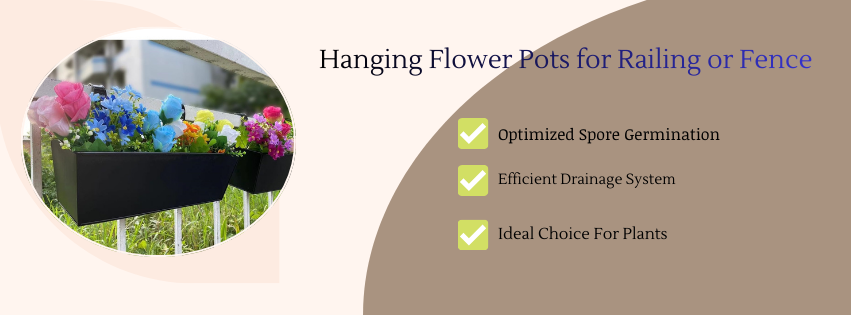
    Hnaging Flower Pots

    Most homeowners overcomplicate flower boxes. They mix too many plants, underestimate root space, ignore drainage, or choose flowers that don’t match their sun exposure. The result? Leggy growth, constant watering, and mid-season burnout.

    Simple flower box ideas succeed because they focus on:

    • Proper container depth
    • Correct soil composition
    • Matching plants to sun direction
    • Controlled color palettes
    • Manageable maintenance

    In this guide, you’ll learn how to design front-of-house flower boxes that look intentional, balanced, and easy to care for whether you’re in USDA Zone 4 or Zone 10.

    Before You Plant: The Foundation of a Successful Flower Box

    Choose the Right Planter (Why It Matters)

    Depth determines plant health. Most flowering annuals develop roots 6–10 inches deep. Shallow boxes dry out quickly and restrict growth.

    Recommended Specifications:

    • Minimum depth: 8 inches
    • Ideal depth: 10–12 inches
    • Material options:
      • Plastic (Budget): Lightweight, retains moisture
      • Wood/Cedar (Mid-range): Natural look, good insulation
      • Metal (Premium): Modern look but heats up in full sun

    If mounting under windows, ensure secure brackets rated for wet soil weight.

    Soil Composition for Long-Lasting Blooms

    Never use garden soil. It compacts in containers and suffocates roots.

    Ideal Mix:

    • 70% premium potting mix
    • 20% compost (adds nutrients and moisture retention)
    • 10% perlite (improves drainage and airflow)

    Why this works: Flowering plants need oxygen around roots. Perlite prevents soggy soil, especially important for front-facing boxes exposed to rain.

    Cost impact: High-quality soil costs more upfront but reduces plant replacement expenses.

    17 Simple Flower Box Ideas for Front of House

    Each idea includes light requirements and maintenance realities.

    1. Classic Red Geranium Box (Full Sun)

    Best for: South- or west-facing homes.

    • 3–5 zonal geraniums evenly spaced
    • Add trailing white alyssum along the front

    Why it works: Geraniums tolerate heat and dry spells better than most annuals.

    Watering: 2–3 times per week in summer.

    Beginner mistake: Overwatering. Let the top inch dry before watering.

    2. White Petunia Simplicity Box (Full Sun)

    Plant only white trailing petunias.

    Why it works: A single color looks clean and high-end.

    Maintenance: Deadhead monthly; fertilize every 2 weeks.

    Cost: Budget-friendly starter packs.

    3. Shade-Friendly Begonia Box (North-Facing)

    Wax or fibrous begonias spaced 6 inches apart.

    Why it works: Reliable bloomers without direct sunlight.

    Watering: Keep soil evenly moist but never soggy.

    Zones: Annual in 3–9; perennial in 10–11.

    4. Purple & Lime Contrast (Partial Sun)

    • Purple petunias
    • Lime sweet potato vine (trailing)

    Why it works: Strong color contrast without complexity.

    Maintenance impact: Sweet potato vine grows aggressively; trim monthly.

    5. All-Green Texture Box

    Mix:

    • Fern
    • Ivy
    • Heuchera

    Best for: Modern homes or shaded entries.

    Why it works: Texture replaces flower maintenance.

    Lower deadheading workload.

    6. Lavender & White Combo (Full Sun)

    • Lavender (center)
    • White bacopa trailing

    Container depth: Minimum 12 inches (lavender needs root space).

    Soil adjustment: Add extra perlite; lavender requires sharp drainage.

    Mistake: Overwatering causes root rot.

    7. Monochrome Pink Statement

    Use only pink impatiens (shade) or pink geraniums (sun).

    Why it works: Repetition creates visual strength.

    Simple layout = minimal planning.

    8. Evergreen Boxwood + Seasonal Flowers

    Plant dwarf boxwood at ends; rotate annuals in center.

    Why it works: Year-round structure.

    Higher upfront cost but reduces replanting needs.

    Zones: Boxwood hardy in 5–9.

    9. Blue Lobelia Cascade (Partial Shade)

    Plant densely along front edge.

    Why it works: Softens brick or siding.

    Requires mid-season trim for rebloom.

    10. Herb Flower Box (Functional & Beautiful)

    Best herbs for front boxes:

    • Parsley
    • Thyme
    • Chives
    • Compact basil (full sun only)

    Why it works: Dual-purpose design.

    Container depth: 8–10 inches minimum.

    Saves grocery costs long-term.

    11. Fuchsia for Covered Porches

    Ideal for bright shade.

    Watering: Consistent moisture required.

    High-maintenance compared to begonias but visually dramatic.

    12. Caladium Foliage Box (Warm Climates)

    Zones 8–11 perennial.

    Adds bold color in shade without flowers.

    Plant after soil warms above 65°F.

    13. Black & White Modern Contrast

    • White petunias
    • Black sweet potato vine

    Clean and architectural.

    Works best on contemporary homes.

    14. Fall Swap Box (Seasonal Rotation)

    Replace summer annuals with:

    • Ornamental cabbage
    • Pansies
    • Ivy

    Extends curb appeal into late fall.

    15. Minimalist Three-Plant Rule

    Use:

    • One upright plant
    • One filler
    • One trailing plant

    Example (Full Sun):

    • Salvia
    • Geranium
    • Bacopa

    Balanced and simple.

    16. Self-Watering Setup for Busy Homes

    Choose window boxes with built-in reservoirs.

    Buying criteria:

    • 10–12 inch depth
    • Overflow drainage
    • UV-resistant material

    Reduces watering frequency by 30–40%.

    Higher upfront cost but lower maintenance.

    17. Perennial Low-Maintenance Box

    Combine:

    • Heuchera
    • Dwarf grasses
    • Ivy

    Zones vary (many hardy 4–9).

    Less seasonal replanting, lower annual cost.

    Watering & Maintenance Guide

    Front-of-house boxes dry faster due to wind exposure.

    General Schedule:

    • Spring: 1–2 times weekly
    • Summer: 3–4 times weekly
    • Fall: Reduce gradually

    Always check soil 2 inches deep before watering.

    Overwatering is more damaging than underwatering.

    Common Beginner Mistakes

    • Using shallow planters
    • Ignoring sun direction
    • Skipping fertilizer
    • Overcrowding plants
    • No drainage holes

    Each mistake reduces bloom performance and increases plant replacement costs.

    Budget vs Premium Setup Comparison

    Budget Setup ($60–$120)

    • Plastic window box
    • Annual flowers
    • Standard potting mix

    Pros: Affordable and flexible Cons: Replant yearly

    Premium Setup ($200–$400)

    • Cedar or metal planter
    • Self-watering system
    • Perennials + seasonal accents

    Pros: Long-term structure, less maintenance Cons: Higher upfront investment

    Frequently Asked Questions

    What flowers are easiest for front window boxes?

    Geraniums (sun), begonias (shade), petunias (sun), and impatiens (shade) are the most beginner-friendly.

    How deep should a flower box be?

    At least 8 inches. For best results, choose 10–12 inches to support root growth and moisture stability.

    How often should I fertilize window boxes?

    Every 2–3 weeks with balanced liquid fertilizer during the growing season.

    Can I use perennials in flower boxes?

    Yes, but choose compact varieties and ensure adequate depth (10–12 inches minimum).

    Why do my flower boxes dry out so fast?

    Shallow containers, full sun exposure, and wind increase evaporation. Upgrade depth or use self-watering systems.

    What direction-facing windows are hardest to plant?

    West-facing windows are toughest due to intense afternoon heat. Choose heat-tolerant plants like geraniums or lantana.

    Final Thoughts

    Simple flower box ideas work because they focus on structure, light awareness, and manageable plant combinations. You don’t need elaborate designs or exotic plants to create curb appeal just proper depth, quality soil, and flowers suited to your sun exposure.

    Start with one well-designed box. Match plants to your window direction. Prioritize drainage. Keep the color palette controlled.

    With the right setup, your front-of-house flower boxes can stay full, vibrant, and welcoming all season without turning into a daily maintenance chore.

    Small upgrades. Big visual impact. Long-term curb appeal.

  • Shade window box ideas

    Every product is independently reviewed and selected by our editors. If you buy something through our links, we may earn an affiliate commission at no extra cost to you.

    A shady window doesn’t have to mean a lifeless window box. In fact, some of the most elegant, textured, and long-lasting container displays thrive without direct sun. When designed correctly, shade window boxes can look richer and more sophisticated than full-sun arrangements without the constant watering stress.

    If you’ve struggled with leggy plants, yellow leaves, or flower boxes that fade by mid-summer, this guide will show you exactly what works, why it works, and how to build shade window boxes that stay lush all season.

    Many gardeners assume window boxes need full sun to succeed. That’s one of the biggest beginner mistakes I see. North-facing windows, shaded balconies, tree-covered facades, and apartment courtyards actually create ideal microclimates for shade-loving plants.

    The key is understanding:

    • Light direction and intensity
    • Root depth and soil volume
    • Moisture retention vs drainage balance
    • Seasonal plant performance

    In this guide, you’ll get practical, field-tested shade window box ideas, complete with soil recommendations, container depth guidelines, watering schedules, and maintenance realities so your low-light window can become your home’s best feature.

    Understanding Shade Before You Plant

    Not all shade is equal. Matching plant selection to actual light exposure is critical.

    Types of Shade for Window Boxes

    1. Full Shade

    • North-facing exposure
    • No direct sunlight
    • Bright indirect light only

    Best for: Ferns, hostas, caladiums, impatiens.

    2. Partial Shade

    • East-facing windows (morning sun)
    • Dappled tree light

    Best for: Begonias, coleus, heuchera, fuchsia.

    3. Deep Shade

    • Covered porches
    • Narrow alley light wells

    Best for: Ivy, ferns, certain begonias.

    Why this matters: Plants adapted to low light have thinner leaves and slower photosynthesis rates. Too much sun burns them. Too little light for sun plants causes weak growth.

    15 Proven Shade Window Box Ideas

    1. Classic Fern + Ivy Combo (Evergreen Texture)

    Why it works: Ferns provide vertical texture; trailing ivy softens edges and spills beautifully.

    How to implement:

    • Use Boston fern or Kimberly Queen fern.
    • Add English ivy (Hedera helix) for cascading structure.
    • Container depth: 10–12 inches.

    Soil mix: Moisture-retentive but well-draining; add 15% compost and perlite.

    Maintenance: Moderate watering (2–3x per week in summer).

    Cost level: Budget-friendly; starter ferns are inexpensive.

    Beginner mistake: Overwatering without drainage holes.

    2. Shade-Loving Flower Box (Impatiens + Begonias)

    Best for: Brightening dark windows.

    Why it works: Both bloom heavily without direct sun.

    • Use New Guinea impatiens for larger flowers.
    • Pair with wax begonias for reliability.

    Watering: Keep consistently moist but not soggy.

    USDA zones: Annual in Zones 3–9; perennial in Zone 10+.

    Pro tip: Use slow-release fertilizer at planting to maintain blooms.

    3. Hostas in Deep Window Boxes

    Yes, hostas can work in window boxes if depth allows.

    Container depth: Minimum 12 inches.

    Why it works: Hostas tolerate full shade and offer bold foliage contrast.

    Maintenance reality: Slug protection required in humid climates.

    Cost impact: Larger hostas cost more initially but return yearly in Zones 3–9.

    4. Caladium for Bold Color

    Caladium thrives in warm shade (Zones 8–11 perennial; annual elsewhere).

    Why it works: Dramatic foliage adds color without flowers.

    Soil: Rich, organic mix with excellent drainage.

    Watering: Regular moisture; never let dry completely.

    Mistake to avoid: Planting too early in cool soil (<65°F).

    5. Monochromatic Green Texture Garden

    Mix:

    • Ferns
    • Heuchera
    • Creeping Jenny
    • Ivy

    Why it works: Layered foliage adds depth in low light where flowers may underperform.

    Maintenance: Lower deadheading needs than flowering boxes.

    Best for: Modern, minimalist homes.

    6. Heuchera Color Contrast Box

    Heuchera (coral bells) offers purple, lime, and bronze foliage.

    Container depth: 8–10 inches minimum.

    Light: Partial shade preferred.

    Why it works: Leaf color intensifies in filtered light.

    Cost note: Mid-range plant cost but perennial in Zones 4–9.

    7. Trailing Lobelia for Soft Edges

    Perfect for partial shade.

    Why it works: Cascading blue or white flowers brighten shadowed spaces.

    Maintenance: Moderate watering; trim mid-season for rebloom.

    8. Fuchsia for Dramatic Hanging Blooms

    Ideal for cooler climates.

    Light: Bright shade; avoid afternoon sun.

    Watering: High moisture needs.

    Why it works: Pendant blooms stand out against dark walls.

    Beginner mistake: Letting soil dry out once causes bud drop.

    9. Coleus Foliage Statement Box

    Coleus thrives in shade and provides vibrant color without flowers.

    Soil: Loose, well-draining mix.

    Maintenance: Pinch tips to prevent legginess.

    Budget tip: Easily propagated from cuttings.

    10. Evergreen Winter Window Box (Cold Zones 5–9)

    For fall and winter:

    • Dwarf boxwood
    • Ornamental cabbage
    • Ivy
    • Spruce tips (cut greens)

    Why it works: Structure remains after annuals fade.

    Maintenance: Minimal watering in winter.

    11. Succulents for Bright Shade

    Works in bright indirect light (not deep shade).

    Soil: 50% cactus mix + 50% perlite or pumice.

    Drainage: Critical.

    Watering: Every 2–3 weeks.

    Mistake: Treating them like tropical plants.

    12. Herb Window Box for Partial Shade

    Best herbs:

    • Mint
    • Parsley
    • Chives
    • Lemon balm

    Container depth: 8–10 inches.

    Soil: Herb potting mix with good drainage.

    Cost advantage: Ongoing kitchen savings.

    13. Japanese Forest Grass Accent

    Adds graceful movement.

    Light: Partial to full shade.

    Zones: 5–9.

    Maintenance: Cut back in late winter.

    14. Low-Maintenance Perennial Shade Box

    Combine:

    • Hellebores
    • Heuchera
    • Ivy

    Why it works: Year-round interest.

    Cost: Higher upfront, lower annual replacement cost.

    15. Self-Watering Shade Box Setup

    Ideal for apartments.

    Why it works: Shade slows evaporation; reservoir systems extend watering intervals.

    Buying criteria:

    • 10–12 inch depth
    • Overflow drainage system
    • UV-resistant material

    Maintenance impact: Reduced watering frequency by 30–50%.

    Soil & Drainage: The Foundation of Success

    Shade does not mean wet soil.

    Use:

    • 70% high-quality potting mix
    • 20% compost
    • 10% perlite

    Avoid garden soil—it compacts and suffocates roots.

    Drainage holes are mandatory. Elevate boxes slightly to prevent waterlogging.

    Watering Guidelines for Shade Window Boxes

    • Spring: 1–2 times per week
    • Summer: 2–3 times per week
    • Fall: Reduce gradually

    Always check soil 2 inches deep before watering.

    Overwatering is the #1 cause of failure in shade boxes.

    Budget vs Premium Setup Comparison

    Budget Setup ($50–$100)

    • Plastic window box
    • Standard potting mix
    • Annual shade plants

    Pros: Affordable, flexible design. Cons: Seasonal replacement needed.

    Premium Setup ($150–$300+)

    • Cedar or metal window box
    • Self-watering system
    • Perennial mix

    Pros: Long-term savings, reduced maintenance. Cons: Higher upfront cost.

    Pest Prevention Basics

    Common issues:

    • Slugs (hostas)
    • Aphids (impatiens)
    • Fungus gnats (overwatering)

    Prevention:

    • Improve airflow
    • Avoid soggy soil
    • Use neem oil if needed

    Frequently Asked Questions

    What flowers grow best in full shade window boxes?

    Impatiens, begonias, fuchsia, and caladium perform reliably in full shade with bright indirect light.

    How deep should a shade window box be?

    Minimum 8 inches. For perennials or hostas, 10–12 inches is ideal for proper root development.

    How often should I water shade window boxes?

    Typically 1–3 times per week depending on temperature and airflow. Always check soil moisture first.

    Can herbs grow in a shady window box?

    Yes. Mint, parsley, chives, and lemon balm tolerate partial shade well.

    Why are my shade plants turning yellow?

    Usually overwatering or poor drainage. Check for compacted soil and ensure drainage holes are clear.

    Are self-watering window boxes worth it?

    Yes for apartments or busy homeowners. They reduce watering frequency but still require occasional monitoring.

    Final Thoughts

    Shade window boxes aren’t a compromise they’re an opportunity. When you understand light direction, soil structure, and proper plant selection, shaded windows can produce richer textures, longer-lasting foliage, and lower maintenance displays than many full-sun arrangements.

    Start with proper depth, invest in quality soil, choose plants adapted to your specific shade type, and prioritize drainage over everything else.

    The result? A lush, layered window box that thrives quietly and beautifully without constant stress, watering panic, or mid-season failure.

    Shade, when used correctly, becomes your advantage.

  • Mosquito Planter Ideas

    Every product is independently reviewed and selected by our editors. If you buy something through our links, we may earn an affiliate commission at no extra cost to you.

    Mosquitoes can ruin even the most carefully designed balcony or backyard garden. You water your plants, step outside to relax, and within minutes you’re swatting and retreating indoors. The good news: with the right mosquito planter ideas, you can turn your containers into functional pest deterrents without sacrificing beauty.

    This guide walks you through horticulturally sound, research-backed planting strategies that reduce mosquito presence while elevating your outdoor space.

    If you garden in a small backyard, patio, or balcony, you’ve likely experienced this frustration: your plants are thriving, but so are the mosquitoes. Standing water, dense foliage, and warm temperatures create ideal breeding conditions.

    The solution isn’t random citronella candles. It’s intentional container planting using specific aromatic and oil-producing plants, strategic placement, and proper drainage management.

    In this guide, you’ll learn:

    • Which plants actually help deter mosquitoes
    • How to design mosquito-repelling planters
    • Soil and drainage best practices (to avoid breeding grounds)
    • Container depth and root requirements
    • Budget vs. premium planter setup options
    • Maintenance realities most blogs ignore

    By the end, you’ll know exactly how to build a mosquito-resistant planting system that works long-term.

    Do Mosquito-Repelling Planters Actually Work

    Before investing in plants, understand this: mosquito-repelling plants do not eliminate mosquitoes entirely.

    What they do:

    • Release aromatic oils that disrupt mosquito scent detection
    • Reduce mosquito landing behavior near seating areas
    • Provide mild deterrence when foliage is brushed or crushed

    Why it works: Mosquitoes locate humans via carbon dioxide and body odor compounds. Strong essential oil–producing plants interfere with their sensory cues.

    But effectiveness depends on:

    • Plant density
    • Proximity to seating areas
    • Wind conditions
    • Plant health

    Healthy plants produce stronger oils. Stressed plants do not.

    Best Mosquito Planter Ideas for Small Spaces

    1. Citronella Grass Statement Planter

    Why It Works

    Citronella grass (Cymbopogon nardus) produces citronellal oil, widely used in commercial repellents.

    How to Implement

    • Container size: Minimum 14–16 inches deep and wide
    • Root depth: 12–16 inches
    • Soil: Well-draining mix with added perlite
    • Sun: Full sun (6–8 hours daily)
    • USDA Zones: 9–11 perennial; annual elsewhere

    Place one large planter near:

    • Patio seating
    • Balcony entrances
    • Outdoor dining tables

    Cost Consideration

    • Starter plant: $15–$25
    • Large decorative planter: $40–$120
    • Premium self-watering planter: $80–$150

    Maintenance Impact

    • Water 1–2 times per week in summer
    • Trim outer blades regularly
    • Protect from frost in zones below 9

    Beginner mistake: Using small pots. Root restriction stunts oil production.

    2. Herb-Based Mosquito Repellent Planter Mix

    Ideal Combination

    • Lemon basil
    • Rosemary
    • Lavender
    • Thyme

    Why Mixed Planters Work

    Layering multiple aromatic plants increases scent diversity, improving deterrence.

    Container Requirements

    • Depth: 10–12 inches
    • Width: 14–18 inches for 3–4 plants
    • Drainage holes essential

    Soil Composition

    Use:

    • 60% high-quality potting soil
    • 20% compost
    • 20% perlite

    Herbs hate soggy roots. Standing moisture attracts fungus gnats and mosquitoes.

    Sun Exposure

    South-facing balcony preferred. Minimum 6 hours direct light.

    Maintenance

    • Water when top 1 inch of soil dries
    • Prune frequently to stimulate oil production
    • Harvest regularly

    Cost range:

    • DIY setup: $40–$75
    • Premium ceramic planter system: $120+

    Maintenance level: Moderate

    3. Elevated Mosquito-Repelling Raised Bed

    If you have a small yard, a raised bed filled with repellent herbs provides broader coverage.

    Why It Works

    Raised beds:

    • Improve drainage
    • Warm soil faster
    • Allow dense planting

    Ideal Bed Specs

    • Height: 10–12 inches minimum
    • Soil depth: 8–12 inches for herbs
    • Soil blend: 50% topsoil, 30% compost, 20% aeration material

    Layout Idea

    Outer border:

    • Marigolds

    Middle rows:

    • Basil
    • Rosemary
    • Lavender

    Budget vs Premium

    Budget cedar raised bed: $100–$150 Premium composite bed: $200–$400

    Maintenance:

    • Weekly watering in summer
    • Seasonal compost refresh

    USDA zones 5–10 ideal for most herbs listed.

    4. Hanging Mosquito-Repelling Planters for Balconies

    Best plants:

    • Trailing rosemary
    • Mint (contained only)
    • Lemon balm

    Why Hanging Planters Work

    Elevating plants:

    • Places scent closer to breathing height
    • Prevents ground-level moisture accumulation

    Critical Warning

    Mint and lemon balm spread aggressively. Always contain them in pots.

    Container Requirements

    • 8–10 inches deep
    • Lightweight potting mix
    • Strong drainage

    Watering:

    • 2–3 times per week in summer
    • Check daily in hot climates

    Beginner mistake: Overwatering hanging baskets. Excess runoff creates drip areas mosquitoes use.

    5. Marigold Border Planters

    Marigolds contain pyrethrum compounds used in insecticides.

    Why They Help

    They deter certain flying insects and improve overall pest balance.

    How to Use

    • Plant in 8–10 inch deep containers
    • Full sun only
    • Space 6–8 inches apart

    Zones:

    • Annual in most climates
    • Perennial in zones 9–11

    Cost-effective option:

    • Seed packets under $5
    • Very low maintenance

    Water:

    • When top 1–2 inches dry

    Drainage: The Most Overlooked Mosquito Factor

    You cannot repel mosquitoes while providing breeding habitat.

    Mosquitoes lay eggs in standing water, even small saucers.

    Best Practices

    • Never allow water to sit in planter trays longer than 30 minutes
    • Use pot feet to elevate containers
    • Drill extra drainage holes if necessary
    • Add 1–2 inches of coarse gravel at base only if drainage holes are adequate

    Self-watering planters:

    • Choose systems with sealed reservoirs
    • Avoid exposed water trays

    Maintenance impact:

    • Weekly inspection required
    • After heavy rain, empty saucers immediately

    This step matters more than plant choice.

    Light Requirements for Mosquito-Repelling Plants

    Most aromatic plants require:

    • 6–8 hours full sun
    • South or west exposure ideal
    • East exposure acceptable with 5+ hours light

    Low light = weak oil production = minimal deterrent effect.

    Indoor setups:

    • Use full-spectrum LED grow lights
    • Minimum 12–14 hours per day
    • Position 12–18 inches above foliage

    Budget grow light: $40–$80 Premium adjustable system: $120–$250

    Watering Guidelines by Plant Type

    PlantFrequencySoil Moisture
    Basil2–3x weeklySlightly moist
    RosemaryWeeklyDry between watering
    LavenderEvery 7–10 daysVery well-drained
    Mint2–3x weeklyConsistently moist
    Citronella1–2x weeklyEven moisture

    Overwatering reduces essential oil concentration.

    Common Beginner Mistakes

    • Using decorative pots without drainage
    • Overcrowding containers
    • Placing planters too far from seating areas
    • Expecting total mosquito elimination
    • Letting saucers collect rainwater
    • Using garden soil instead of potting mix

    These errors reduce effectiveness and increase maintenance problems.

    Pest Prevention Beyond Mosquitoes

    Healthy aromatic plants resist pests better.

    Prevent:

    • Aphids on basil
    • Spider mites on rosemary
    • Whiteflies on marigolds

    Use:

    • Neem oil spray (weekly preventative)
    • Strong water spray for aphids
    • Proper spacing for airflow

    Good airflow reduces fungal problems and increases oil production.

    Budget vs Premium Mosquito Planter Setup

    Budget Setup ($75–$150)

    • 2 medium plastic planters
    • Herb starter plants
    • Basic potting mix
    • Manual watering

    Maintenance: Higher (frequent watering)

    Premium Setup ($250–$600)

    • Large ceramic or composite planters
    • Self-watering system
    • Drip irrigation kit
    • Premium organic soil blend
    • Grow light (for shaded balconies)

    Maintenance: Lower long-term

    Investment reduces labor, especially in hot climates.

    FAQ

    Do mosquito-repelling plants really keep mosquitoes away?

    They reduce activity near the plant but do not eliminate mosquitoes. Effectiveness increases with density and proximity.

    What is the best plant to repel mosquitoes in pots?

    Citronella grass is the strongest single option, but mixed herb planters provide better layered scent protection.

    Can I grow mosquito-repelling plants indoors?

    Yes, with 12–14 hours of full-spectrum grow light. Without adequate light, oil production drops significantly.

    How deep should mosquito-repelling planters be?

    Herbs need 8–12 inches. Citronella grass requires 12–16 inches for healthy root development.

    Do these plants require full sun?

    Most require 6–8 hours of direct sunlight. Lavender and rosemary especially demand high light.

    How often should I water mosquito-repelling plants?

    Depends on plant type and climate. Most herbs prefer soil drying slightly between watering.

    Final Thoughts

    Mosquito planter ideas work best when approached strategically not decoratively.

    Choose the right plants. Use proper soil. Prioritize drainage. Position containers near where you actually sit. Maintain them consistently.

    When implemented correctly, these planters:

    • Reduce mosquito activity
    • Improve air fragrance
    • Enhance balcony or patio aesthetics
    • Provide usable culinary herbs
    • Increase long-term garden health

    The transformation is practical: fewer bites, more usable outdoor space, and a garden that works as hard as it looks good.

    Start with one well-designed planter. Place it strategically. Maintain it properly. Then expand.

    That’s how you build a mosquito-resistant small-space garden that actually performs.

  • Indoor window planter ideas

    Every product is independently reviewed and selected by our editors. If you buy something through our links, we may earn an affiliate commission at no extra cost to you.

    A well-designed indoor window planter can turn an ordinary sill into a productive herb garden, a sculptural plant display, or a calming green focal point. But indoors, success depends on more than style. Light intensity, container depth, drainage, and soil composition matter far more inside than outside.

    Most failed indoor window planters suffer from three preventable problems: poor drainage, wrong plant-to-light matching, and shallow containers that restrict roots.

    This guide walks you through indoor window planter ideas that are modern, practical, and horticulturally sound so your plants don’t just look good for a few weeks, they thrive long term.

    If your windowsill plants have ever become leggy, yellow, or root-bound, you’re not alone. Indoor environments are controlled but limited:

    • Light comes from one direction
    • Air circulation is reduced
    • Soil dries unevenly
    • Drainage mistakes cause root rot quickly

    The key is designing your window planter system intentionally. When you combine the right container depth, drainage strategy, soil mix, and plant selection for your window exposure, maintenance drops significantly.

    Hnaging Flower Pots

    Below, you’ll learn how to design indoor window planters that work in real homes  not just styled photos.

    Quick Short Summary

    • Match plants to window direction (N, S, E, W)
    • Minimum planter depth: 6–8 inches (10–12 for herbs/shrubs)
    • Always use well-draining potting mix (never garden soil)
    • Include drainage holes or internal drainage layer
    • Rotate plants weekly for even growth
    • Avoid overcrowding roots
    • Consider grow lights for low-light windows
    • Use saucers to protect interior surfaces

    Understand Your Window’s Light

    Indoor success depends entirely on light direction.

    South-Facing Windows (Northern Hemisphere)

    • Brightest light
    • 6+ hours direct sun
    • Best for herbs, succulents, citrus

    West-Facing Windows

    • Strong afternoon sun
    • Can cause leaf scorch
    • Suitable for succulents and drought-tolerant plants

    East-Facing Windows

    • Gentle morning sun
    • Ideal for herbs, pothos, spider plants

    North-Facing Windows

    • Indirect light only
    • Choose low-light foliage plants
    • Grow lights often required

    Beginner mistake: Choosing sun-loving plants for north-facing windows without supplemental lighting.

    Soil Composition for Indoor Window Planters

    Indoor soil must balance moisture retention with drainage.

    Ideal Indoor Potting Mix

    • 50–60% peat moss or coco coir
    • 20–30% perlite or pumice
    • 10–20% compost or worm castings
    • Optional: slow-release fertilizer

    Why this works:

    • Retains moisture without staying soggy
    • Encourages root oxygen flow
    • Reduces fungus gnat issues

    Avoid heavy garden soil. It compacts quickly indoors and suffocates roots.

    Drainage: The Non-Negotiable Factor

    Indoors, excess water has nowhere to go.

    Best Options

    1. Planters With Drainage Holes

    Always preferred. Use a saucer underneath.

    2. Double Pot Method

    Decorative outer pot + inner nursery pot with drainage.

    3. Self-Watering Planters

    Great for herbs and consistent moisture plants. Ensure overflow protection.

    Root rot is the most common indoor failure always prioritize drainage.

    12 Indoor Window Planter Ideas (Practical & Stylish)

    1. Minimalist Herb Garden

    Best for: South or east-facing windows Depth Required: 10–12 inches

    Plants

    • Basil
    • Thyme
    • Rosemary
    • Parsley

    Why it works: Herbs thrive in strong light and frequent harvesting reduces legginess.

    Watering: 2–3 times per week depending on light and temperature.

    Maintenance: Rotate weekly for even growth.

    Cost: Moderate. Herb starter kits are beginner-friendly but choose deep containers.

    2. Succulent Window Trough

    Best for: South or west-facing windows Depth: 6–8 inches

    Plants

    • Echeveria
    • Haworthia
    • Sedum

    Soil: Cactus mix with at least 60% grit.

    Water: Every 2–3 weeks.

    Most common mistake: Overwatering.

    3. Edible Greens Planter

    Exposure: South-facing Depth: 8–10 inches

    Plants

    • Leaf lettuce
    • Kale
    • Spinach

    Why it works: Shallow-rooted greens adapt well to containers.

    Maintenance: Harvest frequently to promote regrowth.

    Budget tip: Grow from seed to reduce cost.

    4. Trailing Plant Display

    Exposure: East, west, or bright north

    Plants

    • Pothos
    • Philodendron
    • String of Hearts

    Why it works: Trailing plants maximize vertical space and soften window frames.

    Water: Weekly or when top inch dries.

    5. Indoor Citrus Planter

    USDA Zones: 9–11 outdoors; indoor container anywhere Exposure: South-facing only Depth: 14–16 inches

    Requires:

    • High-drainage soil
    • Regular feeding
    • Strong light

    Higher maintenance but rewarding.

    6. Shade-Tolerant Foliage Box

    Exposure: North-facing

    Plants

    • Snake Plant
    • ZZ Plant
    • Ferns

    Low maintenance and adaptable.

    Avoid overwatering.

    7. Modern Monochrome Green Box

    Use:

    • Dwarf snake plant
    • Compact pothos
    • Small peperomia

    Why it works: Textural contrast without visual clutter.

    8. Microgreens Tray System

    Very shallow trays (2–3 inches deep).

    Fast harvest cycle (10–14 days).

    Best under grow lights for consistency.

    Low cost, high yield.

    9. Aromatic Kitchen Window Planter

    Combine:

    • Mint (separate container invasive roots)
    • Oregano
    • Chives

    Requires moderate sun.

    Mint must be isolated to prevent root takeover.

    10. Tropical Foliage Statement

    For bright indirect light:

    • Calathea
    • Maranta
    • Alocasia (small varieties)

    Requires consistent humidity.

    Higher maintenance.

    11. Industrial Metal Planter + Grasses

    Use dwarf indoor grasses or mondo grass (bright light).

    Modern aesthetic.

    Ensure proper drainage to prevent rust issues indoors.

    12. Self-Watering Herb Rail System

    Best for busy households.

    Reduces watering frequency.

    Higher upfront cost but reduces plant loss.

    Container Size Guidelines

    • Herbs: 10–12 inches deep
    • Succulents: 6–8 inches
    • Greens: 8–10 inches
    • Citrus: 14–16 inches
    • Trailing foliage: 8–10 inches

    More soil volume = less frequent watering.

    Watering Frequency Guidelines

    Indoor watering varies by:

    • Light intensity
    • Indoor temperature
    • Humidity

    General rule: Water when top 1 inch of soil is dry.

    Overwatering causes more plant deaths than underwatering.

    Pest Prevention Indoors

    Common issues:

    • Fungus gnats
    • Aphids
    • Spider mites

    Prevention:

    • Avoid soggy soil
    • Improve airflow
    • Use sticky traps if needed
    • Apply neem oil cautiously

    Healthy roots prevent infestations.

    Budget vs Premium Setup

    Budget Setup

    • Plastic window trough
    • Standard potting mix
    • Manual watering

    Lower cost, more monitoring required.

    Premium Setup

    • Ceramic or fiberglass planter
    • Self-watering reservoir
    • Grow light strip
    • Quality soil mix

    Higher upfront cost, lower long-term frustration.

    Common Beginner Mistakes

    • Choosing plants without checking light direction
    • Overwatering
    • Using decorative pots without drainage
    • Planting herbs in shallow containers
    • Ignoring plant rotation

    Indoor success is about consistency.

    FAQ

    What are the best plants for indoor window planters?

    Herbs, succulents, pothos, snake plants, and leafy greens perform best when matched to light exposure.

    Do indoor window planters need drainage holes?

    Yes. Drainage prevents root rot. Use saucers or double pots.

    How deep should an indoor window planter be?

    6–8 inches minimum. Herbs and shrubs require 10–12 inches or more.

    Can I grow vegetables in a window planter?

    Leafy greens and herbs grow well in bright south-facing windows.

    How often should I water indoor window plants?

    When the top inch of soil dries. Frequency depends on light and temperature.

    Do I need grow lights?

    For north-facing windows or winter months, yes especially for herbs and vegetables.

    Final Thoughts

    Indoor window planter ideas succeed when design meets horticultural discipline. The right planter depth, proper drainage, quality soil, and accurate light matching dramatically reduce maintenance and plant loss.

    Start by evaluating your window direction. Choose plants that fit the light, not the trend. Invest in drainage and adequate soil depth. Water consistently but not excessively.

    When built properly, an indoor window planter becomes more than decoration it becomes a functional, productive, and calming element in your daily environment.

    Design thoughtfully. Plant intentionally. Maintain consistently.

    That’s how indoor window gardening works long term.

  • Modern window box ideas for beginner

    Every product is independently reviewed and selected by our editors. If you buy something through our links, we may earn an affiliate commission at no extra cost to you.

    A modern window box should look intentional not overstuffed, not seasonal, and not high-maintenance. Clean lines. Structured foliage. Strong silhouettes against your home’s facade.

    The problem? Most window boxes are planted like cottage gardens: crowded annuals, shallow soil, poor drainage, and constant replanting. Within weeks, they look tired.

    This guide shows you how to design modern window box ideas that are horticulturally sound, proportionally balanced, and built for long-term performance not just spring photos.

    If you want window boxes that elevate a contemporary home, you need more than attractive plants. You need:

    • The right planter depth
    • Proper soil composition
    • Sun-matched plant selection
    • Controlled plant palette
    • A realistic maintenance plan

    Modern design rewards restraint. When you combine architectural plants with correct container setup, your window boxes can last multiple seasons with minimal intervention.

    Below, you’ll learn exactly how to design, plant, and maintain modern window boxes that perform as well as they look.

    Quick Summary

    • Minimum window box depth: 10–12 inches
    • Always include drainage holes
    • Use high-quality container potting mix (never garden soil)
    • Match plants to window direction (north, south, east, west)
    • Limit plant varieties (3–5 max per box)
    • Combine structure + texture + controlled trailing elements
    • Consider drip irrigation for multiple boxes
    • Avoid overcrowding  negative space is part of modern design

    What Makes a Window Box “Modern”

    Modern window boxes are defined by:

    • Clean geometry
    • Strong plant structure
    • Repetition and symmetry
    • Limited color palette
    • Intentional spacing

    Unlike traditional window boxes filled with mixed annuals, modern designs focus on foliage, evergreen structure, and architectural forms.

    The biggest mistake homeowners make is planting too many varieties. Modern design thrives on simplicity.

    Choose the Right Modern Planter

    Your planter is the foundation. Poor-quality boxes warp, crack, or lack drainage.

    Best Materials for Modern Window Boxes

    1. Powder-Coated Aluminum

    • Lightweight
    • Rust-resistant
    • Sleek appearance
    • Mid-to-high cost

    2. Fiberglass

    • Extremely durable
    • Handles freeze-thaw cycles
    • Premium look
    • Higher upfront cost but long lifespan

    3. Composite/PVC

    • Budget-friendly
    • Low maintenance
    • Slightly less refined aesthetic

    Avoid untreated wood unless you’re prepared for annual sealing.

    Depth & Root Space Requirements

    Modern planters are often slim — but roots still need space.

    • Minimum depth: 10 inches
    • Ideal depth: 12–14 inches
    • Small shrubs: 14–16 inches

    Shallow boxes dry out quickly and cause root binding within months.

    More soil volume = better moisture retention and healthier plants.

    Understand Your Window Exposure

    Light direction determines plant success more than design trends.

    South-Facing (Full Sun)

    • 6+ hours direct sunlight
    • High heat reflection from glass
    • Choose drought-tolerant species

    West-Facing

    • Intense afternoon sun
    • Risk of leaf scorch
    • Use resilient foliage plants

    East-Facing

    • Morning sun
    • Ideal for most structured plantings

    North-Facing

    • Bright shade
    • Requires shade-adapted plants

    Ignoring exposure is the #1 cause of failure.

    Soil Composition for Long-Term Success

    Never use ground soil in window boxes.

    Ideal Container Soil Mix

    • 50–60% peat moss or coco coir
    • 20–30% perlite or pumice
    • 10–20% compost
    • Slow-release fertilizer (optional but recommended)

    Why this works:

    • Promotes drainage
    • Prevents compaction
    • Retains moisture without suffocating roots

    Premium potting mix costs more upfront but prevents plant loss — which is more expensive long term.

    12 Modern Window Box Ideas (Expert-Level Concepts)

    1. Monochrome Evergreen Minimalism

    Best for: Contemporary facades USDA Zones: 5–9

    Plant Combination

    • Dwarf Boxwood (center anchor)
    • Carex ‘Evergold’
    • Trailing English ivy

    Why it works: Consistent green tones with varied leaf texture create a calm, structured aesthetic.

    Maintenance: Trim boxwood 1–2 times yearly. Moderate watering in summer.

    2. Black Planter + Silver Foliage Contrast

    A strong, high-impact modern look.

    Plant Options

    • Artemisia
    • Lavender (for foliage structure)
    • Dichondra ‘Silver Falls’

    Sun Requirement: Full sun Soil: Add 30–40% coarse sand for improved drainage.

    Silver foliage reflects heat and complements black or charcoal planters.

    3. Sculptural Single-Plant Statement

    One plant per box. No fillers.

    Examples:

    • Dwarf Olive (Zones 8–11)
    • Compact Juniper (Zones 4–9)
    • Columnar Boxwood

    Why it works: Strong silhouette. No clutter. Extremely low maintenance.

    Requires deeper box (14–16 inches minimum).

    4. Ornamental Grass Linear Design

    Best for long, narrow window boxes.

    Plant Choices

    • Blue Fescue
    • Japanese Forest Grass (partial shade)
    • Pennisetum (warmer zones)

    Grasses add movement without excessive debris.

    Cut back once annually.

    5. Succulent Architectural Layout

    Zones: 9–11 outdoors; seasonal elsewhere Sun: Full sun

    Plants

    • Agave (compact variety)
    • Echeveria
    • Sedum
    • String of Pearls

    Soil: Cactus mix with at least 60% grit.

    Water every 2–3 weeks.

    Most common mistake: overwatering.

    6. Symmetrical Twin Shrubs

    Two identical shrubs placed equidistant.

    Options:

    • Dwarf Boxwood
    • Compact Holly
    • Small Juniper

    Why it works: Symmetry enhances modern architecture.

    Maintenance: Light annual pruning.

    7. All-Green Textural Layers

    No color contrast just texture.

    • Fern (center)
    • Heuchera (foliage focus)
    • Trailing ivy

    Ideal for east or north-facing windows.

    8. Mediterranean Minimalist

    Full sun required.

    • Dwarf Olive
    • Lavender
    • Silver Artemisia

    Add 30% sand to potting mix.

    Very drought tolerant once established.

    9. Edible Modern Design

    South-facing exposure.

    • Rosemary
    • Thyme
    • Kale (ornamental varieties)

    Maintenance includes harvesting to prevent legginess.

    10. Dark Foliage Drama

    For bold architectural contrast.

    • Heuchera ‘Obsidian’
    • Black Mondo Grass
    • Trailing Vinca

    Works best in partial sun.

    11. Layered Green Cascade

    Three-tier look:

    • Upright shrub
    • Mounding sedge
    • Cascading dichondra

    Creates dimension without visual chaos.

    12. Winter-Strong Evergreen Design

    For colder climates (Zones 4–7):

    • Boxwood
    • Dwarf Spruce
    • Creeping Jenny

    Choose frost-resistant containers.

    Irrigation Strategy

    Window boxes dry quickly due to:

    • Airflow
    • Limited soil volume
    • Reflected heat

    Best Options

    Manual Watering

    Low cost, higher labor.

    Self-Watering Window Boxes

    Moderate investment. Reduces frequency but must include overflow drainage.

    Drip Irrigation Kit

    Best for multiple boxes. Higher upfront cost but lowest maintenance long term.

    Deep, infrequent watering promotes stronger root systems.

    Pest & Disease Prevention

    Common problems:

    • Aphids
    • Spider mites
    • Root rot

    Prevention tips:

    • Avoid overwatering
    • Ensure airflow
    • Inspect weekly
    • Use neem oil if needed

    Healthy soil structure prevents most issues.

    Budget vs Premium Setup

    Budget Setup

    • PVC window box
    • Standard potting mix
    • Manual watering

    Lower cost, higher long-term effort.

    Premium Setup

    • Fiberglass or metal planter
    • Drip irrigation
    • High-quality soil
    • Slow-release fertilizer

    Higher initial investment, lower plant loss, reduced labor.

    Common Beginner Mistakes

    • Overcrowding plants
    • Choosing tall plants that block windows
    • Using garden soil
    • Skipping drainage holes
    • Ignoring mature plant width

    Modern window boxes look best when plants have room to breathe.

    FAQ

    What plants look most modern in window boxes?

    Evergreens, succulents, ornamental grasses, and structured shrubs create clean architectural lines.

    How deep should a window box be?

    At least 10–12 inches. Shrubs require 14–16 inches.

    Are flowers necessary for a modern look?

    No. Foliage-focused designs often look more refined and require less maintenance.

    How often should I water modern window boxes?

    Typically once or twice weekly in summer. Succulents require less frequent watering.

    Can window boxes stay planted year-round?

    Yes, if you choose plants suited to your USDA hardiness zone and use frost-resistant containers.

    What is the lowest maintenance option?

    Evergreen shrubs or succulent designs with drip irrigation

    Conclusion

    Modern window box ideas succeed when design discipline meets horticultural practicality. Clean-lined planters, limited plant palettes, proper soil composition, and correct sun matching create a display that enhances your home without becoming a chore.

    Invest in adequate depth. Ensure drainage. Avoid overcrowding. Choose structure over seasonal color.

    When built correctly, modern window boxes don’t just look sharp for a few weeks they stay strong for years with minimal intervention.

    Design with intention. Plant with precision. Maintain with simplicity.

    That’s modern done right.