Every product is independently reviewed and selected by our editors. If you buy something through our links, we may earn an affiliate commission at no extra cost to you.
There’s a reason corrugated metal raised garden beds are showing up in serious home gardens, urban backyards, and even small balcony setups. They’re clean-lined, long-lasting, and surprisingly practical. But beyond the aesthetic, these beds solve real soil, drainage, and durability problems that plague traditional wood frames.
If you want a raised bed that performs well for 10–20 years with minimal maintenance and actually improves plant health this guide will walk you through exactly how to choose, build, and manage one correctly.
Many gardeners start with untreated wood raised beds. Within three to five years, the boards warp, rot, attract termites, or leach unwanted compounds into the soil. Poor drainage, shallow depth, and overheated soil often follow.
Corrugated metal raised garden beds solve most of these issues but only if installed properly.
In this comprehensive guide, you’ll learn:
- Why corrugated steel outperforms wood
- The correct soil depth and composition
- How to prevent overheating and drainage problems
- What to plant (and what to avoid)
- Budget vs premium setup considerations
- Maintenance realities most blogs ignore
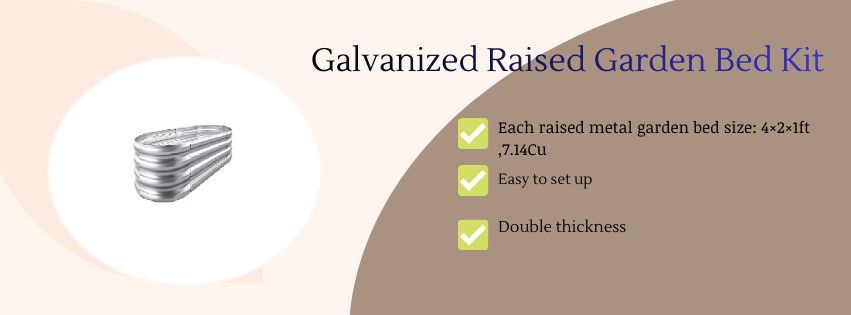
Whether you’re gardening in USDA Zone 4 or Zone 10, this guide will help you build a raised bed system that lasts.
- Best For: Long-term durability, modern landscapes, high-drainage gardens
- Ideal Depth: 12–24 inches depending on crop type
- Soil Mix: 40% compost, 40% topsoil, 20% aeration material
- Sun Requirement: 6–8 hours direct sun (south or west exposure preferred)
- Drainage: Open-bottom design recommended
- Lifespan: 15–20+ years (galvanized steel)
- Beginner Mistake: Underfilling soil depth and ignoring internal heat buffering
Why Corrugated Metal Raised Garden Beds Are Superior to Wood
1. Longevity and Structural Integrity
Galvanized corrugated steel resists rot, pests, and moisture breakdown. Unlike cedar (which still degrades over time), metal does not decompose when in contact with soil.
Why it works: Galvanization coats steel with zinc, preventing rust formation even in moist soil environments.
Maintenance impact: Minimal. Occasional inspection for scratches or corrosion is sufficient.
Cost comparison:
- Budget wood bed: $100–$200, lifespan 3–6 years
- Corrugated metal bed: $150–$400, lifespan 15–20+ years
Long-term, metal is significantly cheaper per year of use.
2. Improved Drainage Performance
Corrugated metal beds are typically open-bottomed.
Why this matters: Open bottoms allow:
- Natural drainage
- Deeper root penetration
- Earthworm migration
- Reduced root rot risk
This is especially beneficial in USDA Zones 6–10 where heavy spring rain can cause waterlogged soil.
Implementation tip: Install over:
- Bare soil (best option)
- Compacted soil loosened 8–12 inches deep
- Weed barrier fabric (only if invasive weeds are present)
Avoid placing directly on concrete unless you install a drainage layer (gravel + geotextile).
3. Better Soil Warming in Spring
Metal conducts heat more efficiently than wood.
Why it works: In early spring, sunlight warms the metal sides, slightly increasing soil temperature near edges.
Benefit:
- Earlier planting by 1–2 weeks in colder climates (USDA Zones 4–6)
- Faster germination of warm-season crops
Important: This effect is moderate not extreme overheating, contrary to common myths.
Do Corrugated Metal Beds Overheat
This is one of the biggest concerns and often misunderstood.
The Truth About Heat Retention
Soil mass acts as insulation. In beds at least 12 inches deep, interior soil temperature remains stable even if outer walls heat up.
Problems occur only when:
- Beds are under 8 inches deep
- Soil is dry
- Located in extreme desert climates (Zone 9–11 full west exposure)
How to Prevent Overheating
- Use beds at least 12–18 inches deep
- Maintain consistent soil moisture
- Mulch with 2–3 inches of straw or shredded leaves
- Avoid reflective surfaces nearby
In hot climates, east-facing placement reduces afternoon heat stress.
Choosing the Right Corrugated Metal Raised Bed
1. Depth Guidelines (Critical)
Depth determines what you can grow.
| Depth | Best For |
| 8–10 inches | Lettuce, herbs, shallow greens |
| 12 inches | Peppers, bush beans, strawberries |
| 18 inches | Tomatoes, cucumbers, eggplant |
| 24 inches | Root vegetables, potatoes, carrots |
If budget allows, 18 inches is the most versatile depth.
2. Galvanized vs Powder-Coated Steel
- Galvanized Steel: Affordable, durable, industrial look
- Powder-Coated: Extra corrosion resistance, decorative colors
Premium option: Aluzinc-coated steel (aluminum + zinc alloy) offers superior rust resistance.
3. Thickness Matters
Look for:
- 0.6mm to 1.0mm thickness minimum
- Reinforced corners
- Cross-bracing for beds over 6 feet long
Thin, low-cost beds warp under soil pressure.
Soil Composition for Corrugated Metal Raised Garden Beds
Soil is the single most important factor in raised bed success.
Ideal Soil Mix (High-Performance Blend)
- 40% screened topsoil
- 40% finished compost
- 20% aeration material (perlite, pumice, or coarse sand)
Why this works:
- Compost provides nutrients and microbial life
- Topsoil gives mineral structure
- Aeration material prevents compaction
Avoid using only bagged potting soil it compacts and dries too quickly in deep beds.
Filling Cost Considerations
For a 4x8x18” bed:
- Requires ~24 cubic feet of soil
- Bulk delivery is significantly cheaper than bagged soil
Budget method:
- Bottom 6 inches: logs and branches (hugelkultur base)
- Top 12 inches: high-quality growing mix
This reduces soil cost by 20–30%.
Light Requirements and Placement Strategy
Corrugated metal raised garden beds should be placed where they receive:
- 6–8 hours direct sunlight
- South-facing exposure (best)
- West-facing (acceptable with mulching)
- East-facing (good for leafy greens)
Avoid north-facing locations in Zones 4–7.
On balconies, consider:
- Reflective heat from walls
- Wind exposure
- Weight limits (soil is heavy approx. 100 lbs per cubic foot)
What Grows Best in Corrugated Metal Raised Garden Beds?
Excellent Choices
- Tomatoes (indeterminate varieties need 18” depth)
- Peppers
- Zucchini
- Kale
- Spinach
- Garlic
- Root crops (with 18–24” depth)
Avoid or Use Caution
- Large shrubs
- Deep fruit trees
- Perennial woody plants (better in-ground)
Watering and Irrigation Strategy
Raised beds drain faster than in-ground gardens.
Watering Frequency
- Spring: 1–2 times per week
- Summer: 2–4 times per week depending on climate
- Hot Zones (8–11): possibly daily during peak heat
Best Irrigation Systems
Drip Irrigation Kits
- Most efficient
- Reduces fungal disease
- Saves water
Soaker Hoses
- Budget-friendly
- Good for larger beds
Self-Watering Systems
- Ideal for balconies
- Higher upfront cost
- Reduced daily maintenance
Always water deeply to encourage deep root growth.
Pest Prevention and Maintenance
Metal beds do not prevent pests but they reduce habitat for termites and rot-related insects.
Common Issues
- Aphids
- Cabbage worms
- Slugs (especially in moist climates)
Prevention Strategy
- Install hardware cloth under beds (rodent prevention)
- Use neem oil preventatively
- Practice crop rotation annually
- Refresh compost yearly (1–2 inches top layer)
Maintenance time: approximately 30–60 minutes per week in peak season.
Beginner Mistakes to Avoid
- Choosing shallow beds under 10 inches
- Using poor-quality soil to save money
- Ignoring drainage base preparation
- Overcrowding plants
- Underestimating soil weight on balconies
These mistakes reduce yield and plant health dramatically.
Budget vs Premium Setup Comparison
Budget Setup (~$250–$400)
- Galvanized steel bed
- Bulk soil mix
- Manual watering or soaker hose
- Organic mulch
Best for: Backyard gardeners with ground space
Premium Setup ($600–$1,200+)
- Powder-coated steel
- High-performance compost blend
- Drip irrigation timer
- Trellis systems
- Automatic watering system
Best for: Urban gardeners, busy homeowners, high-yield vegetable production
Long-term, premium setups reduce labor and increase yield consistency.
Are Corrugated Metal Raised Garden Beds Safe for Growing Food?
Yes when made from galvanized steel designed for agricultural use.
The zinc coating is stable and does not leach harmful levels into soil under normal conditions.
Avoid:
- Recycled industrial metal
- Unknown coatings
- Painted steel not labeled for garden use
FAQ
Are corrugated metal raised garden beds better than wood?
Yes for longevity and structural durability. Wood may be cheaper initially but requires replacement within 3–6 years.
Do metal raised beds rust?
Galvanized steel resists rust for 15–20 years. Scratches can eventually corrode, but damage is minimal if maintained.
How deep should a corrugated metal raised garden bed be?
Minimum 12 inches. For tomatoes and root crops, 18–24 inches is ideal.
Do metal beds make soil too hot?
Not when filled to proper depth and mulched. Soil mass regulates internal temperature effectively.
Can I use corrugated metal beds on a balcony?
Yes, but calculate weight load. Wet soil is extremely heavy. Use lightweight soil blends and confirm structural limits.
What is the best soil for metal raised beds?
A blend of 40% compost, 40% topsoil, and 20% aeration material provides optimal drainage and nutrient retention.
Final Thoughts
Corrugated metal raised garden beds are not just a design trend they’re a structural upgrade for serious gardeners.
They last longer. They drain better. They support healthier root systems. They reduce long-term costs.
When installed at proper depth, filled with high-quality soil, and paired with efficient irrigation, these beds can produce abundant harvests for decades.
If you’re building a garden system meant to grow with you not fall apart in five years corrugated metal is one of the most reliable choices available.
Invest once. Build it correctly. Maintain it seasonally. Your future harvests will reflect the difference.
