Every product is independently reviewed and selected by our editors. If you buy something through our links, we may earn an affiliate commission at no extra cost to you.
Indoor plants can completely change the feel of a room soften hard edges, clean up visual clutter, and add movement and texture. But here’s what many design-forward planter guides ignore: the container you choose directly affects root health, watering frequency, pest pressure, and long-term plant survival.
Unique indoor planter ideas should never sacrifice drainage, soil aeration, or correct root depth for aesthetics.
This guide combines creative indoor planter concepts with real horticultural standards so your plants don’t just look good they actually thrive.
Introduction
Search intent: Informational with light commercial investigation (readers want creative ideas but may purchase planters or accessories).
Most indoor plant problems stem from three issues:
- Poor drainage
- Overpotting (container too large)
- Incorrect soil structure
When you experiment with unique planters vintage bowls, baskets, sculptural vessels those risks increase.
In this article, you’ll learn:
- 17 unique indoor planter ideas (done correctly)
- Proper drainage setup methods
- Soil composition guidelines
- Root depth recommendations
- Window direction light guidance
- Budget vs premium comparisons
- Maintenance impact of each choice
Quick Summary
- Always prioritize drainage holes (or use a nursery pot inside)
- Most houseplants need 6–12 inches root depth
- Use well-aerated indoor mix (potting soil + perlite + bark)
- South-facing windows = brightest light
- North-facing windows = lowest light
- Self-watering systems reduce overwatering mistakes
- Root rot is the #1 indoor plant killer
What Makes an Indoor Planter Truly “Unique”
A unique indoor planter combines:
- Visual contrast (texture, height, shape)
- Proper water management
- Appropriate root space
- Stability for mature plant weight
The key question isn’t “Does it look interesting?”
It’s “Will excess water escape and will roots breathe?”
17 Unique Indoor Planter Ideas (With Practical Setup Guidance)
1. Designer Cachepot + Nursery Pot System
This is the safest way to use decorative containers without drainage holes.
How It Works
- Keep plant in original nursery pot (with drainage).
- Place inside decorative outer pot.
- Remove to water thoroughly in sink.
Why It Works
Prevents water pooling at the bottom a common cause of fungus gnats and root rot.
Best For
Monstera, rubber plant, fiddle leaf fig.
Maintenance Impact
Low risk if excess water is discarded within 10–15 minutes.
2. Sculptural Concrete Planters
Modern, heavy, and architecturally bold.
Buying Criteria
- Pre-drilled drainage holes
- Sealed interior to prevent lime leaching
- Weight appropriate for flooring
Why It Works
Concrete stabilizes soil temperature and prevents tipping for tall plants.
Cost
$60–$250 depending on size.
Downside
Heavy and difficult to move.
3. Woven Baskets with Hidden Insert Pots
Natural fiber baskets add warmth.
Correct Setup
- Insert waterproof liner or plastic saucer
- Keep plant in nursery pot inside
Why It Works
Maintains breathability while protecting floors.
4. Transparent Orchid Planters
Clear plastic pots allow root monitoring.
Why It Works
Orchid roots require airflow and partial light exposure.
Soil Mix
- 70% orchid bark
- 20% perlite
- 10% charcoal
Never use standard potting soil.
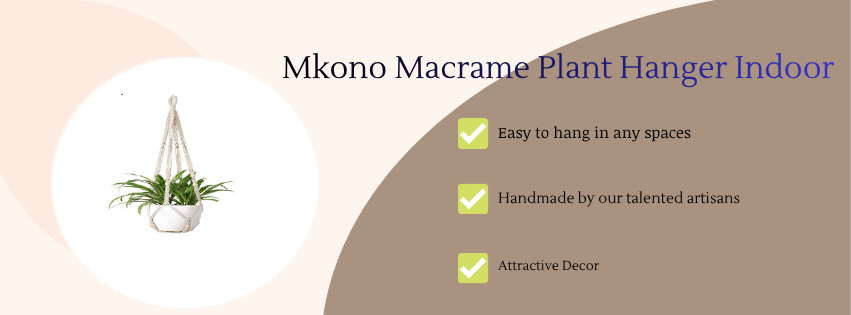
5. Hanging Ceramic Planters
Ideal for trailing plants.
Light Placement
Best near east- or south-facing windows.
Plants That Work
- Pothos
- Philodendron
- String of hearts
Maintenance
Dry faster due to air exposure.
6. Repurposed Vintage Bowls (Modified)
Wide, shallow containers work well for:
- Succulents
- Bonsai
- Cacti
Soil Mix for Succulents
- 50% cactus mix
- 25% perlite
- 25% coarse sand
Must drill drainage holes or use inner pot system.
7. Self-Watering Planters (Modern Minimalist)
Built-in reservoir systems.
Why They Work
Consistent moisture reduces stress for tropical plants.
Ideal For
- Peace lily
- Calathea
- Ferns
Cost
$40–$120.
Maintenance Impact
Refill reservoir every 1–3 weeks depending on light.
8. Tiered Indoor Planter Stands
Instead of one large container, create vertical plant layering.
Why It Works
Improves light access for multiple plants.
Light Strategy
- Top tier: high light plants
- Lower tiers: shade-tolerant plants
9. Wall-Mounted Modular Planters
Perfect for small apartments.
Soil Requirement
Lightweight, aerated mix to reduce wall load.
Safety Tip
Confirm mounting anchors can support moist soil weight.
10. Industrial Metal Planters (With Insert)
Metal alone can trap moisture and rust.
Always use removable inner plastic pot.
11. Wooden Crate Planters (Lined)
Seal interior with waterproof liner.
Best for larger floor plants.
Why It Works
Wood softens modern interiors and insulates roots.
12. Large Floor Urn Planters
Create dramatic scale for tall plants.
Root Depth
Minimum 12–16 inches for fiddle leaf fig.
Avoid oversizing container more than 2 inches wider than root ball.
13. Glass Terrarium Planters (Closed or Open)
Best for humidity-loving plants.
Important
No drainage holes requires precise watering.
Ideal for moss, fittonia, small ferns.
14. Upcycled Drawer Planters
Decorative only.
Insert waterproof tray and nursery pot inside.
15. Smart Planters with Moisture Sensors
Digital monitoring reduces overwatering mistakes.
Useful for beginners or high-value plants.
16. Minimalist White Cylinder Planters
Clean aesthetic that highlights foliage.
Ensure drainage holes exist many decorative versions don’t include them.
17. Rolling Planters for Large Indoor Trees
Useful for:
- Indoor olive trees
- Dwarf citrus (Zones 9–11 outdoors; indoors in winter elsewhere)
Allows repositioning for seasonal light shifts.
Soil Composition for Indoor Planters
Indoor soil must drain faster than outdoor blends.
Standard houseplant mix:
- 50–60% quality potting soil
- 20–30% perlite or pumice
- 10–20% orchid bark
- Optional 5–10% worm castings
Why this works: Indoor environments lack wind and strong evaporation.
Dense soil leads to root suffocation.
Root Depth Guidelines
- Pothos: 6–8 inches
- Snake plant: 8–10 inches
- Monstera: 10–14 inches
- Fiddle leaf fig: 12–16 inches
- Indoor citrus: 14–18 inches
Avoid containers dramatically larger than root ball excess soil stays wet longer.
Light Direction Matters Indoors
- South-facing: 6–8+ hours bright light
- West-facing: Strong afternoon sun
- East-facing: Gentle morning light
- North-facing: Low light only
Low light = slower drying = less frequent watering.
Many indoor failures are actually light mismatch issues.
Budget vs Premium Indoor Planters
| Feature | Budget Option | Premium Option |
| Cost | $15–$40 | $80–$300 |
| Material | Plastic, ceramic | Fiberglass, stone |
| Durability | 3–7 years | 10+ years |
| Plant Health | Equal (with drainage) | Equal |
Price rarely determines plant success drainage does.
Common Beginner Mistakes
- No drainage holes
- Overpotting
- Using garden soil indoors
- Leaving standing water in cachepots
- Ignoring seasonal light changes
FAQ
Can I use decorative pots without drainage?
Yes, but only as outer cachepots. Keep the plant in a draining inner pot.
What is the best soil for indoor planters?
A well-aerated mix with perlite and bark to improve airflow and drainage.
How often should I water indoor plants?
Typically every 7–14 days depending on plant type and window direction.
Are self-watering planters worth it?
Yes for moisture-loving plants or busy households, but monitor reservoir levels.
Do indoor plants need deep pots?
Most tropical plants need 8–12 inches. Always match container to root mass.
Can I grow herbs indoors in decorative planters?
Yes, but they require south-facing windows or grow lights (12–14 hours daily).
Conclusion
Unique indoor planter ideas should elevate both your design and your plant health. The secret isn’t finding the most unusual container it’s pairing creativity with correct horticultural fundamentals:
- Proper drainage
- Appropriate root depth
- Well-aerated soil
- Correct light placement
- Realistic watering habits
When you combine structure and style, your plants grow fuller, stronger, and more resilient and your space feels intentional rather than cluttered.
Start with one standout planter done correctly. Monitor drainage. Adjust watering to light levels. Over time, you’ll build a layered indoor plant display that looks curated and actually thrives long term.
