Every product is independently reviewed and selected by our editors. If you buy something through our links, we may earn an affiliate commission at no extra cost to you.
A great container can make an ordinary plant look intentional. A bad one can stunt growth, rot roots, or dry out soil in days. If you’re exploring creative ideas for plant containers DIY, the goal isn’t just aesthetics it’s building something that supports healthy roots, proper drainage, and long-term plant performance.
This guide goes beyond Pinterest-style inspiration. You’ll learn how to design DIY plant containers that are functional, affordable, and horticulturally sound.
Introduction
Many DIY plant container ideas look beautiful in photos but fail in real-world conditions. No drainage. Poor soil depth. Overheating roots. Materials that break down in one season.
If you’re gardening on a balcony, patio, small backyard, or indoors, your container is your plant’s entire ecosystem. Root space, moisture retention, oxygen flow, and nutrient stability all depend on it.
In this guide, I’ll walk you through creative DIY container ideas that actually work including soil composition, depth requirements, drainage solutions, cost comparisons, and maintenance realities.
You’ll finish knowing exactly how to build containers that are both attractive and biologically functional.
Quick Summary
- Always prioritize drainage holes (minimum 3–5 per container)
- Match container depth to root depth (6–8” herbs, 12” vegetables, 18” root crops)
- Use lightweight potting mix: 40% compost, 40% coco coir/peat, 20% perlite
- South- and west-facing spaces require heat-resistant materials
- Budget builds can work but drainage and soil quality are non-negotiable
- Avoid sealing containers airtight without airflow
Why DIY Plant Containers Can Outperform Store-Bought Options
DIY containers allow you to:
- Customize depth for specific crops
- Improve drainage beyond cheap retail pots
- Save 40–70% compared to designer planters
- Upcycle durable materials
- Design for small-space gardening
However, poor planning leads to:
- Root rot
- Nutrient leaching
- Overheating in summer
- Structural collapse after one season
Let’s break down ideas that balance creativity and horticultural performance.
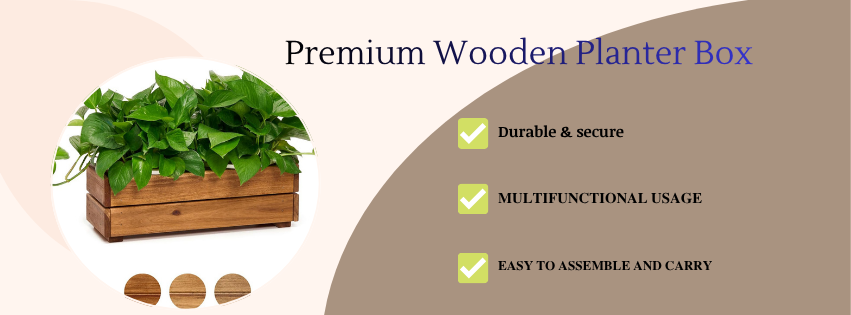
1. Wooden Crate Planters (With Proper Lining)
Why It Works
Wood breathes. It allows air exchange, which reduces waterlogging and improves root oxygenation critical for vegetables and herbs.
Wood also moderates temperature better than plastic in full sun.
How to Build It Properly
- Choose untreated cedar or pine (avoid pressure-treated wood for edibles)
- Line interior with landscape fabric (not plastic)
- Drill drainage holes in the base
- Elevate slightly with feet or bricks
Ideal Depth Guidelines
- Lettuce, basil, spinach: 6–8 inches
- Peppers, bush beans: 10–12 inches
- Tomatoes: minimum 14–16 inches
Soil Mix
Use a lightweight raised bed blend:
- 40% compost
- 40% coco coir
- 20% perlite
Never use garden soil it compacts in containers.
Cost Consideration
- DIY crate: $15–$40 depending on wood
- Store-bought cedar planter: $80–$150
Maintenance Impact
Wood lasts 3–5 years untreated. Seal exterior with food-safe oil annually.
2. 5-Gallon Bucket Planters (High-Yield Budget Option)
One of the most underrated DIY container ideas.
Why It Works
Buckets provide:
- Deep root space
- Excellent drainage potential
- Low cost
- Portability
They’re ideal for tomatoes, potatoes, and peppers.
How to Do It Right
- Drill at least 6–8 drainage holes (½ inch diameter)
- Add 1 inch coarse gravel at bottom (optional for stability)
- Use full-depth potting mix
- Paint exterior light colors to reduce heat absorption
Root Depth Compatibility
- Determinate tomatoes: 14–16 inches
- Indeterminate tomatoes: 18 inches preferred
- Potatoes: full bucket depth
Light Requirements
- South-facing balcony: 6–8 hours direct sun
- East-facing: suitable for leafy greens
Beginner Mistake
Underwatering. Buckets dry faster than ceramic pots.
Expect watering:
- Summer: every 1–2 days
- Mild weather: 2–3 times weekly
Cost Impact
- Bucket: $5–$10
- Soil: $8–$15 per fill
- Total per plant: under $25
3. Fabric Grow Bag Containers
Technically not rigid containers, but one of the best DIY-friendly solutions.
Why It Works
Fabric grow bags air-prune roots. When roots hit air, they stop circling and branch instead. This creates a denser root system and better nutrient uptake.
They also prevent root rot by improving drainage.
Best Uses
- Potatoes
- Carrots
- Tomatoes
- Dwarf fruit trees
Depth Guide
- 5-gallon bag: herbs, peppers
- 10-gallon: tomatoes
- 15–20 gallon: dwarf fruit trees
Cost Consideration
Budget bags: $3–$6 each Premium thick fabric: $8–$15 each
Premium lasts 3–5 seasons.
Maintenance Impact
They dry faster than plastic pots.
In USDA Zones 8–11, expect daily watering in peak summer.
4. Repurposed Drawer or Dresser Planters
Highly creative but requires modification.
Why It Works
Drawers offer wide planting surfaces, ideal for shallow-rooted plants.
How to Make It Functional
- Remove drawer bottom and replace with exterior-grade plywood
- Drill multiple drainage holes
- Line with breathable landscape fabric
- Elevate slightly for airflow
Best Plants
- Succulents (6 inches depth)
- Lettuce
- Shallow herbs like thyme
Soil Mix Adjustment
For succulents:
- 50% cactus mix
- 25% coarse sand
- 25% perlite
Drainage is critical.
Beginner Mistake
Skipping drainage because “it’s decorative.” That guarantees root rot.
5. DIY Concrete Planters (Modern and Durable)
Why It Works
Concrete provides insulation, protecting roots from temperature swings.
Excellent for:
- Perennials
- Small shrubs
- Outdoor herbs
Important Considerations
Concrete retains moisture longer. Overwatering is common.
Use:
- 3–4 drainage holes minimum
- Elevated pot feet
Weight Warning
Not balcony-friendly unless structurally rated. Concrete is heavy.
Check load capacity if gardening in apartments.
Cost Impact
DIY mold build: $20–$60 Store-bought concrete planter: $120+
Long lifespan: 10+ years.
6. Vertical Gutter Planters for Small Spaces
Perfect for balconies and narrow patios.
Why It Works
Maximizes vertical wall space.
Best for shallow-rooted plants.
Installation Tips
- Use vinyl gutters
- Drill drainage every 12 inches
- Slightly tilt for water flow
- Secure firmly into studs or masonry anchors
Suitable Crops
- Lettuce
- Strawberries
- Cilantro
- Arugula
Light Considerations
South-facing walls can overheat soil. Monitor moisture daily.
Avoid west-facing in very hot USDA Zones (9–11) without shade.
7. Raised Bed Boxes from Pallets
One of the most popular DIY container builds.
Why It Works
Provides:
- Deep root systems
- Improved drainage
- Soil control
Proper Construction
- Use heat-treated (HT) pallets only
- Avoid chemically treated wood
- Build minimum 10–12 inch depth
Root Depth Guide
- Carrots: 12 inches
- Beets: 10–12 inches
- Tomatoes: 14–18 inches
Soil Volume Formula
1 cubic foot per square foot at 12-inch depth.
High-quality raised bed mix costs $6–$12 per cubic foot.
Soil Composition for DIY Containers (Critical Section)
Container soil must:
- Drain quickly
- Retain moisture
- Provide nutrients
- Resist compaction
Ideal Base Mix:
- 40% compost
- 40% coco coir or peat moss
- 20% perlite or pumice
For heavy feeders (tomatoes, squash): Add organic slow-release fertilizer.
Avoid:
- Garden soil
- Clay soil
- Pure compost (too dense)
Drainage: The Most Common DIY Failure
Every container needs:
- Multiple drainage holes
- Elevated base
- Fast-draining soil
Why?
Roots need oxygen. Standing water suffocates roots and encourages fungal pathogens like Pythium.
If placing containers indoors:
Use saucers but never let pots sit in standing water longer than 30 minutes.
Light Exposure and Container Placement
Understanding direction matters.
- South-facing: strongest sun, best for fruiting crops
- West-facing: hot afternoon sun (watch for overheating)
- East-facing: gentle morning light, ideal for herbs
- North-facing: low light, better for shade-tolerant plants
Rotate containers weekly for even growth.
Pest Prevention in DIY Containers
Common issues:
- Aphids
- Spider mites
- Fungus gnats
Prevention:
- Avoid overwatering
- Ensure airflow
- Inspect weekly
- Use neem oil or insecticidal soap early
Containers reduce soil-borne pests compared to in-ground beds one major advantage.
Budget vs Premium DIY Container Setup
| Feature | Budget | Premium |
| Planter Material | Buckets, pallets | Cedar, concrete |
| Soil | Basic potting mix | Custom blended |
| Irrigation | Hand watering | Drip irrigation kit |
| Longevity | 1–3 years | 5–10+ years |
Premium setups reduce maintenance time and long-term replacement costs.
Drip irrigation kits are worth considering if growing 5+ containers.
Common Beginner Mistakes
- No drainage holes
- Containers too shallow
- Using garden soil
- Ignoring sun direction
- Overcrowding plants
- Choosing dark containers in hot climates
Each mistake directly impacts root health and yield.
FAQ Section
What is the best material for DIY plant containers?
Cedar wood and fabric grow bags offer the best balance of drainage, insulation, and durability. Plastic is affordable but can overheat in full sun.
How deep should a DIY planter be?
- Herbs: 6–8 inches
- Leafy greens: 8–10 inches
- Tomatoes: 14–18 inches
- Root vegetables: 12 inches minimum
Depth directly impacts root expansion and nutrient uptake.
Can I use household items as plant pots?
Yes if you add sufficient drainage holes and use proper potting mix. Avoid airtight containers without modification.
How often should I water DIY containers?
Typically:
- Summer: daily or every other day
- Mild seasons: 2–3 times weekly
Frequency depends on container size, material, and sun exposure.
Do DIY containers need fertilizer?
Yes. Nutrients leach faster in containers. Use slow-release organic fertilizer every 6–8 weeks during growing season.
Are DIY planters safe for vegetables?
Only if materials are non-toxic. Avoid treated lumber and containers that previously held chemicals.
Conclusion
Creative ideas for plant containers DIY are more than aesthetic experiments they are functional root environments that determine plant health.
When you prioritize:
- Proper depth
- Reliable drainage
- High-quality soil mix
- Correct sun exposure
- Consistent watering
Your DIY containers can outperform many store-bought planters.
Start simple. A well-drilled bucket with premium soil will grow better tomatoes than a designer pot with poor drainage.
As your garden expands, consider upgrading to cedar raised beds, drip irrigation systems, and long-lasting materials that reduce maintenance over time.
The real transformation isn’t decorative it’s growing healthier plants with confidence.
Build smart. Plant intentionally. Maintain consistently.
That’s how DIY containers become long-term garden infrastructure.
