Every product is independently reviewed and selected by our editors. If you buy something through our links, we may earn an affiliate commission at no extra cost to you.
Large planters instantly make patios, entryways, and decks feel intentional and layered. But when you start pricing oversized pots, the numbers escalate fast $200, $400, even $800 for a single container. The reality? Plants don’t care about designer finishes. They care about root space, drainage, soil structure, and light.
If you want bold scale without overspending, these inexpensive large planter ideas will help you build containers that look substantial, perform well horticulturally, and last for years.
Introduction
Many gardeners assume “large” automatically means “expensive.” That’s only true if you’re buying decorative retail containers. The real investment in large planters is not the shell it’s:
- Proper soil volume
- Drainage design
- Correct root depth
- Structural stability
Most budget planter failures happen because people skip drainage holes, use heavy garden soil, or choose containers too shallow for mature plants.
This guide shows you how to build or source inexpensive large planters correctly so they support healthy growth in USDA Zones 3–11, depending on plant selection.
Search intent: Informational + commercial (DIY ideas with buying guidance).
Quick Summary
- Minimum planter depth for shrubs: 16–24 inches
- Small trees: 24–30 inches deep
- Always drill multiple ½–1 inch drainage holes
- Use lightweight potting mix never native soil
- Fill bottom 20–30% with lightweight filler to reduce soil cost
- South- and west-facing placements require heat-tolerant plants
- Budget planters perform as well as premium when drainage is correct
Why Large Planters Don’t Need to Be Expensive
Large outdoor planters cost more at retail because of:
- Thick fiberglass or concrete construction
- Brand markup
- Shipping weight
- Decorative finishes
But horticulturally, plants require:
- Adequate root depth
- Air-filled porosity in soil
- Reliable drainage
- Proper light exposure
If those conditions are met, a $40 planter can perform as well as a $400 one.
14 Inexpensive Large Planter Ideas That Actually Work
1. Heavy-Duty Plastic Storage Totes (Modified)
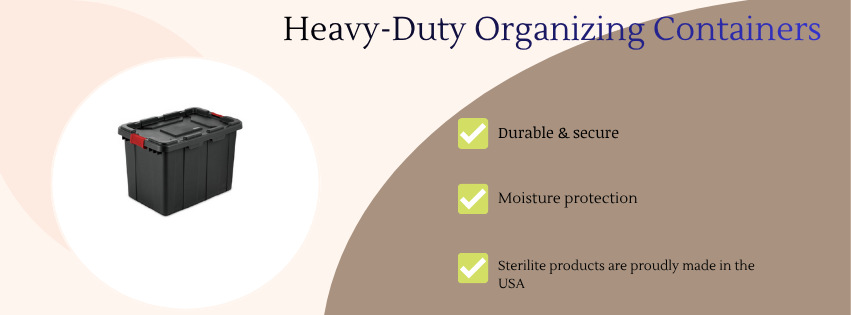
Cost: $15–$40 Best for: Vegetables, annuals, privacy grasses
Choose UV-resistant, thick-walled bins at least 18–24 inches deep.
How to Implement
- Drill 6–10 drainage holes in the bottom
- Add 2–4 holes along lower sides to prevent water pooling
- Elevate on bricks or pot feet
Why It Works
Plastic retains moisture well and resists cracking during freeze-thaw cycles (Zones 5–8).
Maintenance
May fade after 2–3 seasons in full sun exposure.
Common Mistake
Using thin bins that warp once filled with 3–5 cubic feet of soil.
2. DIY Cedar or Pine Planter Boxes
Cost: $60–$150 depending on size Ideal depth: 16–24 inches
Cedar naturally resists rot. Pine is cheaper but may last 3–5 years untreated.
Soil Mix
- 60% high-quality potting mix
- 25% compost
- 15% perlite or pine bark fines
Why It Works
Wood insulates roots better than thin resin and allows airflow along sidewalls.
Cost Comparison
Composite raised beds cost 2–3x more but last 10+ years.
3. Repurposed Whiskey Barrels
Cost: $50–$120
Ensure drainage holes are drilled and metal bands secured.
Ideal For
- Dwarf citrus (Zones 9–11)
- Japanese maple (Zones 5–8)
- Hydrangea (Zones 4–9)
Depth Requirement
Minimum 20 inches for shrubs or small trees.
Downside
Wood degrades after 5–7 years in wet climates.
4. Galvanized Stock Tanks
Cost: $80–$200
Large, durable, and excellent for patio vegetable gardens.
Why It Works
- Deep root space
- Excellent structural durability
- Modern aesthetic
Important
Drill at least 8–12 drainage holes before planting.
Soil Cost Tip
Large tanks may require 8–15 cubic feet of mix. Use lightweight filler in bottom third.
5. Concrete Mixing Tubs
Cost: $15–$25
Typically 20–24 inches wide but only 8–12 inches deep.
Best For
- Herbs
- Lettuce
- Shallow-rooted annuals
Limitation
Not suitable for shrubs or tomatoes (need 18+ inches).
6. Large Fabric Grow Bags (15–30 Gallon)
Cost: $10–$30
Why They Work
- Excellent aeration
- Prevent root circling
- Lightweight and affordable
Maintenance Impact
Dry out faster, especially on south-facing patios.
Watering
Daily during peak summer in Zones 8–10.
7. Painted 5–7 Gallon Buckets (Grouped Display)
Cost: $5–$12 each
Group multiple buckets for visual mass.
Best For
- Tomatoes (minimum 7-gallon size)
- Peppers
- Eggplant
Drill 4–6 drainage holes per bucket.
8. Cinder Block Planter Structures
Cost: $2–$3 per block
Stack 2–3 layers for 16–24 inches soil depth.
Why It Works
Concrete blocks provide thermal mass, stabilizing soil temperature swings.
Cost Advantage
Highly affordable for large perimeter planters.
9. Repurposed Food-Grade Trash Cans
Cost: $20–$50
Choose heavy-duty, BPA-free plastic.
Drill multiple drainage holes.
Good For
Tall ornamental grasses for privacy screens.
10. Resin Planters (Budget Retail Versions)
Cost: $40–$100
Look for:
- Double-wall construction
- UV inhibitors
- Pre-drilled drainage
These mimic ceramic or stone but weigh far less.
11. Pallet Wood Planters
Cost: Minimal if pallets sourced free
Only use heat-treated (HT) pallets never chemically treated.
Line interior with landscape fabric.
Shorter lifespan unless sealed.
12. Large Rope-Wrapped Plastic Planters (DIY Upgrade)
Wrap inexpensive plastic containers with marine-grade rope for texture.
Improves aesthetics without affecting function.
13. Stacked Tire Planters (Hidden Design)
Painted and stacked tires can create deep planting wells.
Ensure proper drainage and liner installation.
Best for decorative annual displays.
14. Faux Terra Cotta Resin Pots
True terra cotta cracks in freeze-prone climates (Zones 5–7).
Resin alternatives:
- Lighter
- More durable
- Less expensive
How to Reduce Soil Costs in Large Planters
Large containers require significant soil volume:
- 24-inch diameter pot = approx. 3–5 cubic feet
- Stock tank = 8–15 cubic feet
Smart Fill Strategy
Bottom 20–30%:
- Empty capped plastic bottles
- Foam blocks
- Lightweight packing material
Top 70–80%:
- Quality potting mix blend
Why this works: Most feeder roots occupy upper soil layers in containers.
Avoid using rocks they reduce drainage efficiency.
Ideal Soil Composition for Budget Large Planters
Never use native garden soil.
Recommended blend:
- 50–60% high-quality potting mix
- 20–30% compost
- 10–20% perlite, pumice, or pine bark fines
Why aeration matters: Large containers drain slower at lower levels. Without airflow, roots suffocate.
Light Exposure Planning (Critical for Success)
- South-facing: Full sun (6–8+ hrs)
- West-facing: Hot afternoon exposure
- East-facing: Gentle morning sun
- North-facing: Shade plants only
Many “failed” budget planters are actually light mismatch problems.
Budget vs Premium Planter Comparison
| Feature | Budget Option | Premium Option |
| Cost | $20–$150 | $200–$800 |
| Lifespan | 3–7 years | 10–20 years |
| Aesthetic | DIY customizable | Finished designer look |
| Weight | Lighter | Heavier |
| Plant Health | Equal (if drainage correct) | Equal |
The soil and drainage determine success not price.
Common Beginner Mistakes
- Not drilling drainage holes
- Using heavy clay soil
- Choosing containers under 16 inches deep for shrubs
- Ignoring sun direction
- Underestimating watering needs in fabric grow bags
FAQ
What is the cheapest way to create a large planter?
Heavy-duty storage totes or fabric grow bags are usually the lowest-cost options under $30.
How deep should a large outdoor planter be?
Shrubs: 16–24 inches Tomatoes: 18+ inches Small trees: 24–30 inches
Can I use rocks at the bottom to save soil?
No. Rocks create perched water tables and worsen drainage.
Are inexpensive planters durable?
Plastic and resin last 3–5 years. Cedar 5–10 years. Composite lasts longer but costs more.
Do large planters need more watering?
They actually need less frequent watering than small pots, but volume requires thorough soaking.
What are the best plants for budget large planters?
Tomatoes, peppers, ornamental grasses, dwarf shrubs, hydrangeas, and compact fruit trees (zone dependent).
Final Thoughts
Inexpensive large planter ideas are not about cutting corners they’re about investing wisely. The container itself is simply a shell. What determines long-term success is:
- Adequate root depth
- Proper soil structure
- Reliable drainage
- Correct plant-to-light matching
Start with one well-built budget planter. Use quality soil. Drill proper drainage. Choose plants suited to your USDA zone and sun exposure.
Within a single season, you’ll have a space that looks structured, lush, and professionally designed without spending designer prices.
Large impact does not require a large budget. It requires smart horticultural decisions.
