• Cheap extra large pots for trees

    Every product is independently reviewed and selected by our editors. If you buy something through our links, we may earn an affiliate commission at no extra cost to you.

    Large trees need large containers and large containers get expensive fast.

    If you’re searching for cheap extra large pots for trees, you’re likely trying to balance:

    • Budget constraints
    • Root space requirements
    • Drainage performance
    • Long-term durability
    • Weight and portability

    The mistake most people make? Buying the cheapest oversized pot they can find only to lose a $150–$400 tree to root rot within months.

    This guide shows you how to save money intelligently: what materials to choose, how big to go, how to modify budget pots for proper drainage, and which shortcuts are safe and which aren’t.

    Introduction

    Search intent here is commercial with strong informational intent. Buyers want:

    • Affordable oversized planters
    • Large pots for indoor or patio trees
    • Drainage guidance
    • Alternatives to expensive ceramic or fiberglass

    What you need is not just “cheap,” but cost-efficient and root-safe.

    In this guide, you’ll learn:

    • Minimum size requirements for large trees
    • The cheapest materials that still work
    • DIY modifications for drainage
    • Soil blends that prevent failure in budget containers
    • Weight considerations
    • Budget vs mid-range comparisons

    Done correctly, you can grow large trees successfully without spending $500 on a designer planter.

    Quick Summary

    Best Cheap Extra Large Pots for Trees:

    • Heavy-duty plastic (HDPE or resin)
    • Large nursery grower pots
    • Food-grade utility tubs (modified)
    • Half whiskey barrels (wood)
    • Stock tanks (for outdoor use)

    Minimum Size for Most Indoor Trees:

    • 20–24 inch diameter
    • 18–24 inch depth

    Drainage: Must have holes (drill if needed) Soil Mix: 2 parts potting mix + 1 part perlite/pumice Repotting Frequency: Every 2–3 years

    How Big Does a Tree Pot Actually Need to Be

    Oversizing wastes money — and harms roots.

    The Correct Rule

    Choose a pot:

    • 2–4 inches wider than the current root ball
    • Equal or slightly deeper than the root system

    Jumping from a 10-inch pot to a 28-inch pot causes soil to stay wet too long, increasing root rot risk.

    Size Guidelines by Tree Type

    Fiddle Leaf Fig (6–8 ft)

    • 20–24 inch diameter
    • 18–22 inch depth

    Rubber Tree

    • 18–22 inch diameter
    • 16–20 inch depth

    Olive Tree (Indoor)

    • 22–30 inch diameter
    • Minimum 20 inch depth

    Citrus Tree

    • 20–24 inch diameter
    • 20+ inch depth

    Depth matters for stability.

    Cheapest Materials That Actually Work

    Not all “cheap” pots are equal.

    1. Heavy-Duty Plastic (Best Budget Option)

    Why It Works

    • Lightweight
    • Affordable
    • Easy to drill
    • Durable if thick enough

    Look for:

    • Thick walls (avoid thin flexible plastic)
    • UV-stabilized resin
    • Pre-drilled drainage holes

    Cost Range: $40–$120 for 20–24 inch pots.

    Best overall budget choice.

    2. Nursery Grower Pots

    Large black nursery containers are extremely affordable.

    Pros

    • Designed for trees
    • Excellent drainage
    • Lightweight

    Cons

    • Not decorative

    Solution: Place inside a decorative cachepot or wrap with woven baskets.

    Cost: Often $20–$60 for very large sizes.

    This is the most cost-efficient functional option.

    3. Food-Grade Utility Tubs (DIY Option)

    Heavy-duty storage bins can be converted.

    Steps:

    • Drill 5–8 drainage holes in bottom.
    • Elevate slightly on pot feet.
    • Use aerated soil mix.

    Important: Only use thick plastic. Thin bins crack under soil weight.

    Cost: $25–$70 depending on size.

    4. Half Whiskey Barrels (Outdoor Use)

    Great for patios and decks.

    Pros:

    • Deep root space
    • Good insulation

    Cons:

    • Heavy
    • Wood rots over time
    • Requires drainage holes

    Cost: $60–$150.

    Best for USDA Zones 7–10 outdoor trees.

    5. Stock Tanks (Large Outdoor Trees)

    Galvanized metal stock tanks are popular.

    Pros:

    • Extremely durable
    • Massive capacity

    Cons:

    • Heavy
    • Must drill drainage holes
    • Heats up in full sun

    Best for: Outdoor olive or citrus trees in warm climates (Zones 8–11).

    Drainage: Where Cheap Pots Fail

    Cheap pots often lack proper drainage.

    Without drainage:

    • Roots suffocate
    • Fungal pathogens develop
    • Tree declines quickly

    Minimum Drainage Standard

    For 20–24 inch pots:

    • At least 3–5 large drainage holes

    Drill holes if necessary using a step bit.

    Never rely on:

    • Rocks at bottom
    • Gravel layers
    • “False drainage” myths

    These create perched water tables.

    Soil Mix for Budget Planters

    Cheap pots often retain moisture longer.

    Use an aerated mix:

    • 2 parts high-quality indoor potting mix
    • 1 part perlite or pumice
    • Optional: 10–20% orchid bark

    WHY: Large containers hold water longer. Aeration prevents root suffocation.

    Cost: $25–$50 for enough soil to fill a large pot.

    Avoid:

    • Garden soil
    • Straight compost
    • Pure peat moss

    Weight Considerations

    Large pots become extremely heavy when filled.

    Example: 24-inch container + moist soil = 150–250 lbs.

    Consider:

    • Floor load limits (apartments)
    • Use of rolling plant caddies
    • Protective pads for hardwood floors

    Plastic is best for upper floors due to weight savings.

    Indoor vs Outdoor Considerations

    Indoor Trees

    • Use saucers to protect floors
    • Monitor watering carefully
    • Ensure bright indirect light

    Outdoor Patio Trees

    • Confirm UV resistance
    • Elevate pot slightly
    • Check frost tolerance by USDA Zone

    Tropical trees (Zones 9–11) must be overwintered indoors in colder climates.

    Watering Large Trees in Cheap Pots

    Budget pots often lack insulation.

    Check moisture 3–4 inches deep before watering.

    Typical watering frequency:

    • Indoors: Every 10–14 days
    • Outdoors (summer): Weekly or more

    Overwatering kills more trees than underwatering.

    Budget vs Mid-Range Comparison

    Ultra Budget ($50–$150)

    • Nursery grower pot
    • Basic potting mix + perlite
    • Saucer tray

    Function over aesthetics.

    Smart Budget ($150–$300)

    • Thick resin planter
    • Aerated soil blend
    • Built-in drainage
    • Rolling base

    Best value balance.

    Premium ($500+)

    • Fiberglass or ceramic
    • Designer aesthetic
    • Custom soil blend

    Not necessary for plant health mainly aesthetic.

    Common Beginner Mistakes

    • Buying too large too quickly
    • No drainage holes
    • Using heavy soil
    • Overwatering in plastic pots
    • Ignoring floor weight

    Cheap pots fail only when setup is wrong.

    FAQ

    1. What is the cheapest option for large tree pots?

    Nursery grower pots are the most cost-effective functional choice.

    2. Can I use a plastic storage bin?

    Yes, if thick and properly drilled for drainage.

    3. How big should a pot be for a tree?

    2–4 inches wider than the root ball.

    4. Are cheap plastic pots bad for trees?

    No — poor drainage and soil are the real problems.

    5. Should I add rocks to improve drainage?

    No. This creates water retention issues.

    6. How long will a cheap plastic pot last?

    Heavy-duty resin can last 5–10+ years indoors.

    Final Thoughts

    Finding cheap extra large pots for trees is completely achievable if you prioritize function over branding.

    The formula for success:

    • Choose thick, durable plastic
    • Ensure multiple drainage holes
    • Use highly aerated soil
    • Avoid dramatic oversizing
    • Monitor watering carefully

    You don’t need a $700 designer planter to grow a healthy indoor or patio tree.

    Healthy roots depend on oxygen, drainage, and proper sizing not price tags.

    Spend smart. Drill holes if needed. Focus on root health. That’s how you save money without sacrificing your tree.
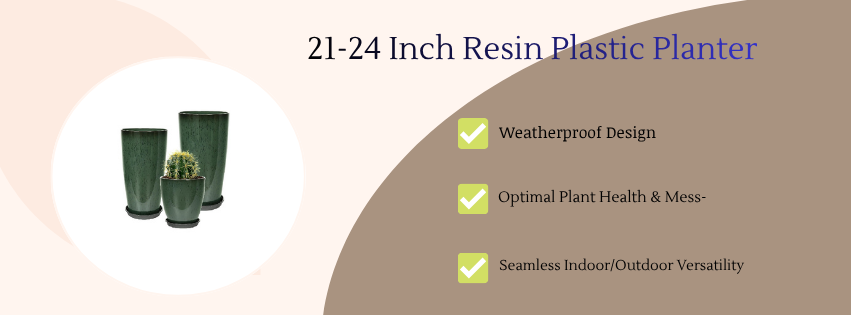
  • Extra large plastic planters for trees

    Every product is independently reviewed and selected by our editors. If you buy something through our links, we may earn an affiliate commission at no extra cost to you.

    Large indoor and patio trees make a statement but the planter you choose determines whether that tree thrives or slowly declines. If you’re looking for extra large plastic planters for trees, you’re likely trying to balance:

    • Size and root space
    • Weight and portability
    • Drainage control
    • Budget
    • Long-term durability

    Plastic planters are one of the most practical options for large trees, especially in apartments, upper floors, balconies, and patios where weight matters. This guide covers everything you need to know before buying: proper sizing, root depth requirements, soil composition, drainage setup, material grades, cost comparison, and common mistakes that kill trees in oversized containers.

    A tree can live 5–10+ years in a high-quality plastic planter.

    Quick Summary Box

    Best Size for Extra Large Plastic Planters (Indoor Trees):

    • 20–24 inches diameter (medium trees)
    • 24–30+ inches diameter (large trees)
    • Depth: 18–24 inches minimum

    Soil Mix: 2 parts indoor potting mix + 1 part perlite/pumice Drainage: Mandatory holes + saucer or risers Best Materials: Thick resin, polyethylene, UV-stabilized plastic Ideal for: Fiddle leaf fig, olive tree, rubber tree, palms, citrus

    Why Choose Plastic for Large Tree Planters

    Plastic is often overlooked because it feels less “premium,” but for large trees, it has serious advantages.

    Advantages

    • Lightweight (critical for large containers)
    • Affordable
    • Weather-resistant
    • Less fragile than ceramic
    • Easy to drill drainage holes if needed

    Disadvantages

    • Can look less high-end
    • Thin plastic can crack
    • May fade without UV protection

    For most homeowners, heavy-duty resin or polyethylene plastic offers the best balance of function and price.

    Correct Size: The Most Important Factor

    Oversizing is one of the biggest mistakes people make.

    Repotting Rule

    Choose a planter:

    • 2–4 inches wider than the current root ball
    • Equal or slightly deeper than the root mass

    Jumping from a 10-inch pot to a 24-inch pot can cause soil to stay wet too long, leading to root rot.

    Recommended Sizes by Tree Type

    Fiddle Leaf Fig (6–8 ft)

    • 20–24 inch diameter
    • 18–22 inch depth

    Rubber Tree (Ficus elastica)

    • 18–22 inch diameter
    • 16–20 inch depth

    Indoor Olive Tree

    • 22–30 inch diameter
    • Minimum 20 inch depth

    Indoor Citrus Tree

    • 20–24 inch diameter
    • 20+ inch depth

    Areca or Majesty Palm

    • 24–30 inch diameter
    • 20–24 inch depth

    Root depth stabilizes tall canopies.

    Drainage: Non-Negotiable for Plastic Planters

    Plastic retains moisture longer than terracotta.

    Without drainage:

    • Roots suffocate
    • Fungal pathogens multiply
    • Soil becomes anaerobic

    What to Look For

    • Multiple drainage holes (at least 3–5 for large pots)
    • Raised bottom channels
    • Compatible saucer or drip tray

    If holes are absent, drill them yourself using a step drill bit.

    Do NOT rely on rocks at the bottom this creates a perched water table.

    Soil Mix for Trees in Large Plastic Planters

    Large plastic containers hold moisture longer than clay or ceramic.

    That means aeration is critical.

    Recommended Soil Blend

    • 2 parts high-quality indoor potting mix
    • 1 part perlite or pumice
    • Optional: 10–20% orchid bark

    WHY this works:

    • Perlite increases oxygen availability
    • Bark improves drainage
    • Prevents compaction in deep containers

    Avoid:

    • Garden soil
    • Pure compost
    • Peat-heavy mixes without aeration

    Cost: $25–$50 depending on volume.

    Best Types of Plastic Planters for Trees

    Not all plastic is equal.

    1. High-Density Polyethylene (HDPE)

    Best overall choice.

    Pros:

    • Thick walls
    • UV resistant
    • Crack resistant
    • Lightweight

    Ideal for patios and indoor spaces.

    2. Resin Composite

    Pros:

    • Mimics stone or ceramic
    • Lightweight
    • Durable

    Often slightly more expensive but better aesthetics.

    3. Thin Injection-Molded Plastic

    Pros:

    • Cheapest option
    • Lightweight

    Cons:

    • Warps under weight
    • Can crack in cold weather

    Not recommended for large trees long-term.

    Weight Considerations (Critical for Large Planters)

    A 24-inch planter filled with moist soil can weigh 150–250 lbs.

    Plastic reduces container weight, but soil weight remains.

    Before purchasing, consider:

    • Floor load limits (especially apartments)
    • Elevator access
    • Need for rolling plant caddies
    • Protective pads for hardwood floors

    Plastic is ideal for upper floors compared to concrete or ceramic.

    Watering Large Trees in Plastic Planters

    Plastic slows evaporation.

    Expect to water:

    • Every 10–14 days indoors
    • Weekly outdoors in summer (depending on sun exposure)

    Check moisture 3–4 inches deep before watering.

    Overwatering is the #1 cause of failure.

    Light Requirements Still Apply

    A large planter won’t compensate for poor lighting.

    General guidelines:

    • South-facing: best for olive and citrus
    • East-facing: ideal for fiddle leaf fig
    • Bright indirect: rubber tree
    • Moderate light: palms

    If natural light is limited:

    • Use 20–40 watt full-spectrum LED grow lights
    • 12–14 hours daily

    Indoor vs Outdoor Use

    Indoor Use

    • Ensure saucer compatibility
    • Protect floors from water overflow
    • Monitor humidity

    Outdoor Patio Use

    • Choose UV-stabilized plastic
    • Confirm frost resistance
    • Elevate pot slightly for drainage

    USDA Zones matter outdoors:

    • Tropical trees: Zones 9–11
    • Cold climates require overwintering indoors

    Common Beginner Mistakes

    • Buying too large too quickly
    • No drainage holes
    • Using compacted soil
    • Overwatering in plastic containers
    • Placing heavy planter on weak flooring

    Large plastic planters amplify watering errors.

    Budget vs Premium Comparison

    Budget Setup ($120–$300)

    • 20–24 inch HDPE planter
    • Indoor potting mix + perlite
    • Basic saucer tray

    Works well for fiddle leaf figs and rubber trees.

    Premium Setup ($400–$900)

    • 24–30 inch resin composite planter
    • Custom aerated soil blend
    • Built-in drainage system
    • Hidden wheeled base

    Best for large olive trees or indoor citrus.

    Maintenance Impact

    Pros:

    • Less frequent repotting
    • Stable root temperatures
    • Easier to move than ceramic

    Cons:

    • Soil replacement is labor-intensive
    • Heavy once filled
    • Requires careful watering control

    Plan for repotting every 2–3 years.

    FAQ:

    1. Are plastic planters good for large trees?

    Yes, if they are thick, durable, and have proper drainage.

    2. What size plastic planter do I need?

    2–4 inches wider than the root ball and at least as deep as the root system.

    3. Do plastic pots cause root rot?

    Not directly poor drainage and overwatering do.

    4. Should I put rocks at the bottom?

    No. This worsens drainage by creating a perched water layer.

    5. How often should I repot?

    Every 2–3 years or when roots circle heavily.

    6. Is plastic better than ceramic?

    For weight and portability, yes. For aesthetics, ceramic may win.

    Final Thoughts

    Extra large plastic planters for trees offer one of the most practical solutions for growing large indoor and patio trees especially where weight and budget matter.

    Success comes down to:

    • Correct sizing (don’t overshoot)
    • Mandatory drainage holes
    • Highly aerated soil mix
    • Conservative watering
    • Proper light exposure

    When you support root oxygen and moisture balance, your tree will reward you with stable growth and long-term health.

    Choose thickness over thin plastic. Prioritize drainage over design. Focus on root space over decorative trends.

    Healthy roots determine everything  and the planter you choose controls the entire underground environment.

  • Extra large indoor planters for trees

    Every product is independently reviewed and selected by our editors. If you buy something through our links, we may earn an affiliate commission at no extra cost to you.

    A mature indoor tree instantly elevates a space but if it’s planted in the wrong container, it becomes unstable, root-bound, or worse, waterlogged and dying.

    Choosing extra large indoor planters for trees isn’t just about aesthetics. It’s about root volume, drainage mechanics, weight load, floor protection, and long-term plant health.

    This guide covers everything you need to know before investing in a large indoor planter: sizing rules, soil composition, drainage strategy, root depth guidelines, cost comparisons, materials breakdown, and common mistakes that kill indoor trees.

    If you’re planting a fiddle leaf fig, olive tree, rubber plant, palm, or indoor citrus this is the technical guide you actually need.

    Most lifestyle articles focus on style and ignore root health and structural stability. That’s where expensive mistakes happen.

    In this guide, you’ll learn:

    • How large an indoor planter really needs to be
    • Proper container depth for common indoor trees
    • Drainage systems that prevent root rot
    • Soil blends that support tree roots
    • Budget vs premium planter options
    • Maintenance impact of oversized containers

    Done correctly, your indoor tree can thrive for 5–10+ years in one container.

    Quick Summary Box

    Best Planter Size for Indoor Trees:

    • 18–30 inches diameter (minimum for medium trees)
    • 16–24 inches depth
    • 1–2 inches larger than root ball when repotting

    Drainage: Mandatory holes or internal drainage layer Soil Type: Indoor potting mix + 30% perlite or bark Materials: Fiberglass (lightweight), resin, concrete, ceramic Best Trees for Large Planters: Fiddle leaf fig, rubber tree, olive tree, bird of paradise, indoor palms

    Why Planter Size Matters for Indoor Trees

    Tree roots are different from small houseplants.

    They require:

    • Depth for anchor roots
    • Lateral space for feeder roots
    • Oxygen flow
    • Stable base weight

    If the planter is too small:

    • Roots circle and strangle themselves
    • Soil dries too fast
    • Tree becomes top-heavy

    If the planter is too large:

    • Soil stays wet too long
    • Root rot risk increases
    • Growth slows

    Correct sizing supports balanced root-to-canopy growth.

    Ideal Planter Dimensions for Indoor Trees

    General Rule

    Choose a planter:

    • 2–4 inches wider than current root ball
    • Equal or slightly deeper than root mass

    Avoid jumping up more than 4 inches in diameter when repotting.

    Common Indoor Tree Planter Sizes

    Fiddle Leaf Fig (6–8 ft tall)

    • 20–24 inch diameter
    • 18–22 inch depth

    Rubber Tree (Ficus elastica)

    • 18–22 inch diameter
    • 16–20 inch depth

    Olive Tree (Indoor)

    • 22–30 inch diameter
    • Minimum 20 inch depth

    Bird of Paradise

    • 18–24 inch diameter
    • 18–24 inch depth

    Indoor Palm (Areca, Majesty)

    • 20–30 inch diameter
    • 20+ inch depth

    Roots need vertical depth to stabilize tall growth.

    Drainage: The Non-Negotiable Feature

    Most indoor tree failures come from poor drainage.

    Best Option: Planters with Drainage Holes

    Always choose containers with:

    • Multiple bottom holes
    • Elevated base or pot feet
    • Saucer or internal catch tray

    If No Drainage Holes

    Only use this method if necessary:

    • Add 2–3 inches of expanded clay pebbles (LECA)
    • Use well-aerated soil
    • Water conservatively

    However, this is still higher risk than true drainage.

    Soil Composition for Large Indoor Planters

    Indoor trees need oxygen at the root zone.

    Recommended Soil Blend

    • 2 parts high-quality indoor potting mix
    • 1 part perlite or pumice
    • Optional: 10–20% orchid bark

    WHY:

    Large containers retain moisture longer. Without aeration, soil compacts and suffocates roots.

    Avoid:

    • Garden soil
    • Heavy compost-only blends
    • Pure peat mixes

    Cost: $20–$40 per large bag (depending on brand and additives).

    Best Materials for Extra Large Indoor Planters

    Material impacts weight, cost, and moisture retention.

    1. Fiberglass (Best Overall)

    Pros:

    • Lightweight
    • Durable
    • Modern appearance
    • Crack-resistant

    Cons:

    • Higher cost

    Best for:

    • Large trees in apartments
    • Upper floors

    2. Resin/Plastic

    Pros:

    • Affordable
    • Lightweight
    • Easy to move

    Cons:

    • Less premium look
    • May warp in heat

    Best for:

    • Budget setups
    • Rental properties

    3. Ceramic

    Pros:

    • Elegant
    • Stable weight

    Cons:

    • Extremely heavy
    • Fragile
    • Expensive shipping

    Best for:

    • Permanent installations

    4. Concrete

    Pros:

    • Very stable
    • Modern aesthetic

    Cons:

    • Extremely heavy
    • Can crack floors without padding

    Best for:

    • Ground-level homes

    Weight Considerations (Often Ignored)

    Large indoor planters filled with soil are heavy.

    Example:

    24-inch planter filled with soil = 150–250 lbs easily.

    Before purchasing, consider:

    • Floor load capacity
    • Elevator access
    • Moving logistics
    • Furniture sliders or casters

    Premium option: hidden wheeled plant caddies.

    Watering Large Indoor Trees

    Large planters change watering frequency.

    Because soil volume is greater:

    • Water thoroughly but less often
    • Check moisture 3–4 inches deep
    • Use moisture meter if unsure

    Typical watering frequency:

    • Every 10–14 days (varies by species and light)

    Overwatering is more dangerous than underwatering.

    Light Exposure Requirements

    Indoor trees in large containers still need proper light.

    General guidelines:

    • South-facing windows: best for olive trees
    • East-facing: good for fiddle leaf figs
    • Bright indirect: ideal for rubber trees
    • Low light: palms tolerate better

    If no natural light, install:

    • 20–40 watt full-spectrum LED grow light
    • 12–14 hours daily

    Beginner Mistakes with Extra Large Planters

    • Going too big too fast
    • No drainage holes
    • Using decorative-only cachepots
    • Compact soil with no aeration
    • Placing large trees in low light
    • Ignoring floor weight limits

    Large containers amplify mistakes.

    Budget vs Premium Setup Comparison

    Budget Setup ($150–$400)

    • 20-inch resin planter
    • Indoor potting mix + perlite
    • Saucer tray
    • Natural window light

    Works well for rubber trees, palms, fiddle leaf figs.

    Premium Setup ($600–$1,500+)

    • 24–30 inch fiberglass or ceramic planter
    • Custom soil blend with bark and pumice
    • Built-in drainage tray
    • Integrated grow light
    • Hidden rolling base

    Best for designer interiors and large specimen trees.

    Maintenance Impact of Extra Large Planters

    Pros:

    • Fewer repottings
    • Stable root temperature
    • Less frequent watering

    Cons:

    • Harder to move
    • Heavy when saturated
    • Soil replacement is labor-intensive

    Plan accordingly.

    FAQ

    1. How big should a planter be for an indoor tree?

    2–4 inches wider than the root ball. Avoid dramatic upsizing.

    2. Can I plant directly into a decorative planter?

    Only if it has drainage holes. Otherwise use a nursery pot inside.

    3. What is the best material for large indoor planters?

    Fiberglass offers the best balance of weight and durability.

    4. Do large planters reduce watering frequency?

    Yes, but overwatering risk increases if drainage is poor.

    5. Should I add rocks at the bottom?

    No. This does not improve drainage and can create perched water tables.

    6. How often should I repot a large indoor tree?

    Every 2–3 years, or when roots become root-bound.

    Final Thoughts

    Extra large indoor planters for trees are an investment  not just in decor, but in plant longevity.

    The formula for success:

    • Correct planter diameter and depth
    • Mandatory drainage
    • Highly aerated soil mix
    • Appropriate light exposure
    • Conservative watering

    When done properly, a well-planted indoor tree becomes a long-term focal point that can thrive for years with minimal intervention.

    Start with the right size. Prioritize drainage. Support root oxygen. Respect weight considerations.

    Healthy roots create stable, beautiful indoor trees  and the planter you choose determines everything that happens below the soil line.

  • Plants that Absorb Moisture and Mold | A Complete Guideline for New Gardener

    Every product is independently reviewed and selected by our editors. If you buy something through our links, we may earn an affiliate commission at no extra cost to you.

    Damp corners. Peeling paint. A faint musty odor that returns no matter how often you clean. If you’re searching for plants that absorb moisture and mold, you’re likely dealing with excess indoor humidity  the root cause of most mold problems. While plants are not a replacement for proper ventilation or dehumidification, certain species thrive in humid conditions and can help stabilize moisture levels, improve airflow perception, and reduce conditions that allow mold to spread. This expert guide explains what plants can realistically do, which varieties perform best in damp environments, and how to set them up correctly so you don’t create mold in the potting soil itself.

    Quick Summary

    Best Plants for Moisture and Mold-Prone Rooms:

    • Peace Lily
    • Boston Fern
    • English Ivy
    • Spider Plant
    • Reed Palm
    • Areca Palm
    • Snake Plant (low-maintenance option)

    Ideal Indoor Humidity: 40–60% Soil Type: Indoor potting mix + 25–30% perlite Container Depth: 8–12 inches minimum Light Needs: Low to bright indirect (species-dependent) USDA Zones (outdoor reference): 9–12 for tropical species

    Can Plants Absorb Mold

    No plant “absorbs” mold growing on surfaces like drywall or tile grout.

    However:

    • Some plants (notably English ivy) have shown potential to reduce airborne mold spores in controlled studies.
    • Large-leaf tropical plants help stabilize indoor moisture levels.
    • Dense foliage improves micro-airflow, reducing condensation pockets.

    The real benefit comes from managing humidity because mold thrives when humidity consistently exceeds 60–70%.

    How Plants Help Control Moisture

    Plants regulate water through:

    • Root uptake – absorbing water from soil.
    • Transpiration – releasing water vapor through leaves.
    • Microclimate modification – influencing airflow and condensation.

    In moderately humid spaces, grouping several medium-sized plants can slightly buffer humidity swings.

    However, if humidity is above 70% regularly, mechanical ventilation or a dehumidifier is essential.

    1. Peace Lily (Best Overall for Humid Bathrooms)

    Why It Works

    Native to tropical forest understories (USDA Zones 10–12), peace lilies evolved in warm, damp environments.

    They:

    • Thrive in humidity
    • Maintain steady transpiration
    • Adapt well to bathrooms and kitchens

    Light Requirements

    • Low to medium indirect light
    • North- or east-facing windows ideal
    • Can grow under LED grow lights (12–14 hours daily)

    Soil Composition

    Use a moisture-balanced but aerated mix:

    • 2 parts indoor potting soil
    • 1 part perlite
    • 1 part coco coir

    WHY: Roots need oxygen. In humid homes, dense soil encourages fungal pathogens.

    Container Depth

    • 10–12 inches deep
    • Mandatory drainage holes

    Avoid sealed decorative pots without drainage.

    Watering Frequency

    • Every 7–10 days
    • Let top inch dry before watering

    Overwatering is the most common cause of failure.

    Maintenance Impact

    Moderate maintenance. Monitor for fungus gnats.

    2. Boston Fern (High-Humidity Specialist)

    Why It Works

    Boston ferns naturally grow in tropical swamps and forest floors.

    They:

    • Prefer 50–70% humidity
    • Absorb steady soil moisture
    • Increase leaf density, improving airflow

    Light Needs

    • Bright indirect light
    • East-facing window preferred
    • Requires grow lights in dark rooms

    Soil Requirements

    • Peat-based indoor mix
    • 25–30% perlite

    Container Depth

    • 8–10 inches
    • Hanging baskets ideal

    Watering

    • Keep soil consistently moist
    • Check every 3–5 days

    Higher maintenance than most houseplants.

    3. English Ivy (Airborne Mold Support)

    Why It Works

    Research suggests English ivy may reduce airborne mold spores in enclosed environments.

    It tolerates:

    • Damp air
    • Moderate humidity
    • Indoor container growing

    Light

    • Bright indirect light
    • Not suitable for dark corners

    Soil

    • Well-draining indoor mix
    • 20–30% perlite

    Watering

    • Weekly
    • Let surface soil dry slightly

    Root rot develops quickly in saturated soil.

    4. Spider Plant (Beginner-Friendly)

    Why It Works

    Spider plants adapt well to kitchens, bathrooms, and laundry rooms.

    They:

    • Tolerate humidity fluctuations
    • Require minimal care
    • Recover quickly from stress

    Light

    • Bright indirect ideal
    • Tolerates moderate light

    Soil

    • Standard indoor mix
    • 25% perlite

    Container Depth

    • 8–10 inches

    Watering

    • Every 7–10 days
    • Allow top inch to dry

    Budget-friendly and resilient.

    5. Reed Palm (Chamaedorea)

    Why It Works

    Palms transpire steadily and tolerate indoor humidity well.

    Light

    • Low to moderate indirect light
    • Suitable for bathrooms with some ambient light

    Soil

    • Palm mix or indoor mix + sand/perlite

    Container Depth

    • 10–12 inches minimum

    Watering

    • Weekly
    • Soil lightly moist, never soggy

    Moderate cost, elegant appearance.

    6. Areca Palm

    Best for larger living spaces with mold-prone areas.

    Light

    • Bright indirect light
    • Not suitable for dark basements

    Soil

    • Well-draining mix
    • 25% perlite recommended

    Container Depth

    • 12 inches or deeper

    Large foliage supports better microclimate regulation.

    7. Snake Plant (Low-Maintenance Stabilizer)

    While not a strong humidity absorber, snake plants tolerate damp air well.

    Soil

    • Fast-draining mix
    • 30% sand or perlite

    Watering

    • Every 2–3 weeks
    • Soil must dry fully

    Ideal for beginners.

    Preventing Mold in Potting Soil

    In humid homes, soil itself can develop fungal growth.

    Ideal Soil Formula

    • 2 parts indoor potting mix
    • 1 part perlite
    • Optional: orchid bark for airflow

    Never use garden soil indoors.

    Why Aeration Matters

    Roots need oxygen. Compacted soil promotes:

    • Root rot
    • Fungus gnats
    • Surface mold

    Container and Drainage Guidelines

    Choose:

    • Pots with drainage holes (non-negotiable)
    • 1–2 inches wider than root ball
    • Terracotta for overwatering control
    • Plastic for dry environments

    Avoid decorative cachepots without drainage.

    When Plants Are Not Enough

    Use a hygrometer (under $20).

    If humidity exceeds 70% consistently:

    • Install or repair exhaust fans
    • Improve ventilation
    • Use a 30–50 pint dehumidifier (depending on room size)

    Plants support moisture balance they do not correct severe structural humidity.

    Common Beginner Mistakes

    • Overwatering in already humid rooms
    • Using heavy peat-only soil
    • No drainage holes
    • Ignoring airflow
    • Placing humidity-loving plants in dark areas

    Humidity does not replace light or proper soil structure.

    Budget vs Premium Setup

    Budget Setup ($75–$150)

    • Spider plant or peace lily
    • Plastic pot with drainage
    • Indoor mix + perlite
    • Basic hygrometer

    Moderate humidity stabilization.

    Premium Setup ($400–$900)

    • Multiple palms and ferns
    • Large aerated soil blends
    • Designer planters
    • Dehumidifier integration
    • Ventilation upgrades

    Best for persistent damp environments.

    FAQ

    1. Can plants remove mold from walls?

    No. Mold must be cleaned and moisture source eliminated.

    2. Which plant is best for mold-prone bathrooms?

    Peace lily or Boston fern with proper ventilation.

    3. Do plants reduce airborne mold spores?

    English ivy may help in controlled conditions, but results vary.

    4. How many plants are needed?

    Several medium-sized plants in a small room can help stabilize humidity.

    5. Are succulents good for humid rooms?

    No. Most prefer dry air.

    6. What humidity level prevents mold?

    Maintain indoor humidity between 40–60%.

    Final Thoughts

    Plants that absorb moisture and mold are not miracle solutions they are part of a smart indoor humidity strategy.

    To make them effective:

    • Choose humidity-tolerant species
    • Use highly aerated soil
    • Ensure proper drainage
    • Maintain airflow
    • Monitor humidity levels consistently

    Start with one peace lily or spider plant in a humid area. Adjust watering carefully. Add more plants gradually while monitoring humidity.

    When roots stay healthy and moisture stays balanced, your indoor space becomes fresher, cleaner, and less hospitable to mold over time.

    Healthy soil. Proper airflow. Controlled humidity. That’s what truly works.

  • Bathroom plants that absorb moisture no light

    Every product is independently reviewed and selected by our editors. If you buy something through our links, we may earn an affiliate commission at no extra cost to you.

    A windowless bathroom is one of the hardest environments for houseplants.

    You have:

    • High humidity
    • Poor airflow
    • Zero natural sunlight
    • Frequent temperature swings

    And yet, many homeowners want greenery that helps absorb moisture and reduce that damp, musty feeling.

    Here’s the professional truth:

    No plant survives long-term in a bathroom with absolutely no light. But several moisture-tolerant plants can thrive in a windowless bathroom if you provide proper artificial lighting and drainage.This guide explains which plants work, why they tolerate humidity, how to set them up correctly, soil and container requirements, and how to prevent mold and root rot in already damp conditions.

    Quick Summary

    Best Bathroom Plants That Absorb Moisture (With Artificial Light):

    • Peace Lily
    • Boston Fern
    • Spider Plant
    • Cast Iron Plant
    • Chinese Evergreen
    • ZZ Plant (for durability)
    • Snake Plant (low maintenance)

    Lighting Requirement: Full-spectrum LED grow light, 10–20 watts, 12–14 hours daily Soil Type: Indoor potting mix + 30% perlite Container Depth: 8–12 inches minimum Ideal Humidity Range: 50–70% USDA Zones (outdoor reference): 9–12 for most tropical types

    The Reality: No Light = No Photosynthesis

    Plants require light to convert carbon dioxide into energy. In complete darkness, even shade plants decline within weeks.

    If your bathroom has:

    • No windows
    • No skylight
    • No consistent ambient hallway light

    You must install a grow light.

    Grow Light Buying Criteria

    Choose:

    • Full-spectrum LED (5000–6500K)
    • 10–20 watts per plant
    • Timer function (12–14 hours daily)
    • Adjustable mount or wall bracket

    Cost:

    • Budget clip-on: $25–$50
    • Premium integrated fixture: $80–$150

    Electricity cost is minimal.

    Without this step, no plant will survive long-term.

    How Plants Help in Humid Bathrooms

    Plants don’t “suck moisture out of the air” like a dehumidifier. Instead, they:

    • Thrive in humid air
    • Absorb consistent soil moisture
    • Improve air circulation through foliage
    • Help stabilize microclimates

    Several medium-sized plants in a small bathroom can modestly improve moisture balance — especially when combined with ventilation.

    If humidity exceeds 70% consistently, use an exhaust fan or dehumidifier.

    1. Peace Lily (Best Overall for Humid Bathrooms)

    Why It Works

    Native to tropical forest understories (USDA Zones 10–12), peace lilies evolved in warm, humid environments.

    They:

    • Tolerate high humidity
    • Absorb steady soil moisture
    • Transpire regularly

    Light Needs

    • Low to medium indirect light
    • Requires LED support in windowless bathrooms

    Soil Composition

    Use:

    • 2 parts indoor potting soil
    • 1 part perlite
    • 1 part coco coir

    WHY: Moisture retention with root aeration. In humid bathrooms, dense soil causes fungal issues quickly.

    Container Depth

    • 10–12 inches deep
    • Drainage holes mandatory

    Decorative pots without drainage cause root rot fast.

    Watering Frequency

    • Every 7–10 days
    • Allow top inch to dry

    Humidity slows evaporation, so water less than you think.

    Maintenance Level

    Moderate. Watch for fungus gnats if soil stays wet.

    2. Boston Fern (High Humidity Specialist)

    Why It Works

    Boston ferns naturally grow in swamps and tropical forest floors.

    They:

    • Prefer humidity above 50%
    • Absorb steady soil moisture
    • Create dense foliage that improves air movement

    Light Requirements

    • Bright indirect light preferred
    • Needs consistent LED lighting in windowless bathrooms

    Low light reduces fullness.

    Soil

    • Peat-based mix
    • 30% perlite for oxygen flow

    Container Depth

    • 8–10 inches
    • Hanging baskets ideal

    Watering

    • Keep soil consistently moist
    • Check every 4–5 days

    Higher maintenance than snake plants.

    3. Spider Plant (Low Maintenance Option)

    Why It Works

    Spider plants tolerate fluctuating humidity and occasional neglect.

    They:

    • Absorb moderate soil moisture
    • Adapt easily
    • Thrive in bathrooms with grow lights

    Light

    • Low to moderate artificial light
    • 12–14 hours daily

    Soil

    • Standard indoor mix
    • 25% perlite

    Container Depth

    • 8–10 inches
    • Can tolerate being slightly root-bound

    Watering

    • Every 7–10 days
    • Allow surface soil to dry

    Budget-friendly and reliable.

    4. Cast Iron Plant (Deep Shade Survivor)

    If your bathroom lighting is minimal, this is a strong candidate.

    Why It Works

    Native to shaded forest floors of Japan (Zones 8–11 outdoors), it tolerates very low light.

    Soil

    • Well-draining
    • Slightly acidic (pH 5.5–6.5)
    • 30% perlite

    Container Depth

    • 10 inches minimum

    Watering

    • Every 2–3 weeks
    • Let top 2 inches dry

    Low maintenance and durable.

    5. Chinese Evergreen (Aglaonema)

    Why It Works

    Broad leaves maximize limited light absorption.

    Light

    • Low to moderate artificial light
    • Avoid total darkness

    Soil

    • Peat-based indoor mix
    • 20–30% perlite

    Watering

    • Every 10–14 days
    • Avoid soggy soil

    Humidity is beneficial, but drainage remains critical.

    6. ZZ Plant (Durability Over Humidity Absorption)

    ZZ plants don’t absorb large amounts of moisture from the air, but they tolerate humid bathrooms extremely well.

    Soil

    • Fast-draining
    • 30–40% perlite

    Container Depth

    • 10–12 inches

    Watering

    • Every 2–4 weeks
    • Soil must dry completely

    Ideal for low-maintenance setups.

    7. Snake Plant (Simplest Option)

    Why It Works

    • Handles humidity fluctuations
    • Extremely drought tolerant
    • Minimal care required

    Soil

    • Cactus or well-draining indoor mix
    • 30% sand or perlite

    Watering

    • Every 2–3 weeks

    Best for beginners.

    Soil & Drainage: The Most Important Factor

    In humid bathrooms:

    • Soil dries slower
    • Fungal growth increases
    • Root rot risk doubles

    Ideal Bathroom Soil Blend

    • 2 parts quality indoor potting soil
    • 1 part perlite
    • Optional: orchid bark

    Never use garden soil indoors.

    Container Rules for Windowless Bathrooms

    Choose:

    • Pots with drainage holes (non-negotiable)
    • 1–2 inches wider than root ball
    • Terracotta if you overwater
    • Plastic if room is dry

    Avoid sealed decorative containers.

    Ventilation Still Matters

    Even with plants:

    • Run the exhaust fan after showers
    • Leave the door open periodically
    • Use a small hygrometer (under $20)

    Ideal humidity: 40–60%.

    Budget vs Premium Setup

    Budget Setup ($75–$150)

    • Spider plant or snake plant
    • Plastic pot with drainage
    • Indoor soil + perlite
    • Clip-on LED grow light

    Low maintenance, high success rate.

    Premium Setup ($300–$700)

    • Multiple plants (peace lily + fern + palm)
    • Designer ceramic planters
    • Integrated wall-mounted grow lighting
    • Hygrometer + ventilation upgrade

    Higher aesthetic impact and stronger microclimate effect.

    Common Beginner Mistakes

    • Assuming humidity replaces watering control
    • No grow light in windowless space
    • Using heavy soil
    • No drainage holes
    • Poor airflow

    Humidity helps plants but stagnant air harms roots.

    FAQ:

    1. Can plants survive in a bathroom with no windows?

    Yes, but only with artificial grow lights running 12–14 hours daily.

    2. What plant absorbs the most moisture in a bathroom?

    Peace lily and Boston fern perform best in humid conditions.

    3. How often should I water bathroom plants?

    Less often than other rooms. Check soil dryness before watering.

    4. Do I still need a dehumidifier?

    If humidity exceeds 70% regularly, yes.

    5. Are bathroom plants prone to mold?

    Yes, if soil stays wet and airflow is poor.

    6. What is the easiest bathroom plant?

    Snake plant or ZZ plant.

    Final Thoughts

    A windowless bathroom doesn’t eliminate your ability to grow plants it just requires strategy.

    The formula:

    • Install a proper grow light
    • Use highly aerated soil
    • Ensure drainage
    • Water conservatively
    • Maintain airflow

    Start with one resilient plant like a snake plant or spider plant. Monitor soil moisture carefully. Expand gradually if conditions remain stable.

    When done correctly, bathroom plants won’t just survive they’ll help create a healthier, fresher-feeling space that balances humidity naturally over time.

    Healthy roots. Proper light. Smart drainage. That’s the system that works.

  • Plants that absorb moisture indoors | Plant Actually Work

    Every product is independently reviewed and selected by our editors. If you buy something through our links, we may earn an affiliate commission at no extra cost to you.

    Condensation on windows. Damp bathroom walls. That persistent musty smell in the laundry room. Excess indoor humidity isn’t just uncomfortable it creates ideal conditions for mold, fungus gnats, dust mites, and even structural damage. Many homeowners look for natural solutions, and the idea of using plants that absorb moisture indoors is appealing. But here’s the professional reality is plants can help regulate moisture but they are not a substitute for proper ventilation or a dehumidifier in severe cases.

    This guide explains which plants truly tolerate and help balance humid environments, how they function biologically, and exactly how to pot and maintain them without creating root rot in already damp spaces.

    In this article, you’ll learn:

    • How plants interact with indoor humidity
    • The best moisture-tolerant houseplants
    • Proper soil composition and drainage strategies
    • Container depth recommendations
    • Watering frequency adjustments for humid homes
    • Cost considerations and maintenance realities
    • When you still need mechanical dehumidification

    If implemented correctly, you’ll create a healthier indoor microclimate without sacrificing plant health.

    Quick Summary

    Best Plants That Absorb Moisture Indoors:

    • Peace Lily
    • Boston Fern
    • Spider Plant
    • English Ivy
    • Reed Palm
    • Areca Palm
    • Air Plants (Tillandsia)

    Best Locations: Bathrooms, kitchens, laundry rooms Light Needs: Low to bright indirect (species-dependent) Soil Type: Indoor potting mix + 20–30% perlite Container Depth: 8–12 inches minimum Ideal Indoor Humidity Range: 40–60% USDA Zones (outdoor reference): 9–12 for tropical types

    Do Plants Actually Absorb Moisture From the Air

    The Science Explained Simply

    Plants interact with moisture in three ways:

    • Root uptake – absorbing water from soil.
    • Transpiration – releasing water vapor through leaf pores.
    • Leaf surface exchange – some species absorb minor humidity through foliage.

    Contrary to popular belief, most plants do not “dry out” a room dramatically. However, they:

    • Thrive in high humidity
    • Stabilize microclimates
    • Improve airflow around damp surfaces
    • Reduce condensation by increasing air movement

    In moderately humid spaces (60–70%), several medium-to-large plants can help balance conditions.

    If humidity consistently exceeds 70%, mechanical dehumidification is necessary.

    1. Peace Lily (Spathiphyllum)

    Why It Works

    Peace lilies are native to tropical forest understories (USDA Zones 10–12 outdoors). They evolved in high humidity and tolerate damp air exceptionally well.

    They:

    • Absorb consistent soil moisture
    • Transpire steadily
    • Thrive in bathroom conditions

    Light Requirements

    • Medium to low indirect light
    • Ideal near north- or east-facing windows
    • Can tolerate artificial LED lighting (12–14 hours daily)

    Avoid direct sunlight.

    Soil Composition

    Use a moisture-retentive but aerated mix:

    • 2 parts indoor potting soil
    • 1 part perlite
    • 1 part coco coir

    WHY: Peace lilies like evenly moist soil, but roots must breathe. In humid homes, compaction causes fungal issues quickly.

    Container Depth

    • Minimum 10–12 inches deep
    • Always use drainage holes

    Decorative pots without drainage are a common failure point.

    Watering Frequency

    • Once per week in average homes
    • Every 10–14 days in high humidity

    Allow top inch of soil to dry before watering.

    Maintenance Impact

    Moderate maintenance. Susceptible to fungus gnats if soil stays wet.

    2. Boston Fern (Nephrolepis exaltata)

    One of the strongest humidity-loving plants available.

    Why It Works

    Native to tropical swamps and forest floors, Boston ferns:

    • Prefer humidity above 50%
    • Absorb significant soil moisture
    • Increase air circulation via dense foliage

    Light Needs

    • Bright indirect light
    • East-facing window ideal
    • Not suitable for dark rooms

    Soil Requirements

    • Peat-based indoor mix
    • 25–30% perlite

    WHY: Fern roots require oxygen. Dense, wet soil suffocates them.

    Container Depth

    • 8–10 inches
    • Hanging baskets work well

    Watering Frequency

    • 2–3 times weekly in dry climates
    • 1–2 times weekly in humid homes

    Soil should remain consistently moist but never waterlogged.

    Cost & Maintenance

    Moderate cost ($25–$60 for mature plants). High maintenance compared to snake plants.

    3. Spider Plant (Chlorophytum comosum)

    Why It Works

    Spider plants adapt to fluctuating humidity and are excellent for kitchens and laundry rooms.

    They:

    • Absorb moderate soil moisture
    • Tolerate humid air
    • Produce offsets easily

    Light Requirements

    • Bright indirect preferred
    • Tolerates moderate light

    Soil Mix

    • Standard indoor mix
    • 20–30% perlite

    Container Depth

    • 8–10 inches
    • Slightly root-bound is acceptable

    Watering

    • Every 7–10 days
    • Allow top inch to dry

    Low-cost and beginner-friendly.

    4. English Ivy (Hedera helix)

    Why It Works

    English ivy is known to help reduce airborne mold spores in controlled studies.

    It tolerates:

    • Damp environments
    • Moderate humidity
    • Indoor containers (Zones 9–11 outdoors)

    Light

    • Bright indirect light preferred
    • Not ideal for dark bathrooms

    Soil

    • Well-draining potting mix
    • 20–30% perlite

    Watering

    • Weekly
    • Allow surface soil to dry

    Overwatering causes root rot quickly.

    5. Reed Palm (Chamaedorea seifrizii)

    Why It Works

    Palms naturally transpire steadily, stabilizing indoor moisture.

    They thrive in:

    • Moderate humidity
    • Low to medium indirect light

    Soil

    • Palm-specific mix or
    • Indoor potting soil + sand/perlite

    Container Depth

    • 10–12 inches minimum

    Watering

    • Weekly watering
    • Keep soil lightly moist

    Higher upfront cost but elegant and effective in larger rooms.

    6. Areca Palm (Dypsis lutescens)

    Often used in offices for humidity regulation.

    Light Requirements

    • Bright indirect light
    • Not suitable for low-light bathrooms

    Soil

    • Well-draining, slightly acidic
    • 25% perlite recommended

    Container Depth

    • 12 inches or deeper for mature plants

    Large plants increase surface transpiration  better humidity stabilization.

    7. Air Plants (Tillandsia)

    Unique option for small humid spaces.

    Why They Work

    Air plants absorb moisture directly through leaf trichomes.

    Ideal for:

    • Steamy bathrooms
    • Small humid rooms

    Light Needs

    • Bright indirect light
    • Not for dark corners

    Care

    • Soak 1–2 times weekly
    • Dry completely within 4 hours

    No soil required.

    Soil & Drainage: The Critical Factor in Humid Homes

    Humidity slows soil evaporation.

    If soil remains saturated:

    • Roots suffocate
    • Fungus gnats multiply
    • Mold develops

    Ideal Humid-Environment Soil Formula

    • 2 parts quality indoor potting mix
    • 1 part perlite
    • Optional: orchid bark for airflow

    Cost: $15–$30 per bag.

    Never use outdoor garden soil indoors.

    Container Selection Guidelines

    Choose:

    • Drainage holes (non-negotiable)
    • 1–2 inches wider than root ball
    • Terracotta for overwatering-prone homes
    • Plastic if room is dry

    Self-watering planters can work, but only if soil drains properly.

    When Plants Are Not Enough

    Use a hygrometer (under $15) to measure humidity.

    If levels exceed 70% consistently, you need:

    • Exhaust fans
    • Improved ventilation
    • Dehumidifier (30–50 pint capacity depending on room size)

    Plants support balance they do not solve severe moisture issues.

    Common Beginner Mistakes

    • Overwatering because “plants absorb moisture anyway”
    • No drainage holes
    • Poor airflow in bathrooms
    • Using heavy peat-only soil
    • Placing humidity-loving plants in dark rooms

    Humidity does not replace light.

    Budget vs Premium Humidity-Control Setup

    Budget Setup ($75–$150)

    • Spider plant or peace lily
    • Plastic pot with drainage
    • Indoor soil + perlite
    • Basic hygrometer

    Low investment, moderate impact.

    Premium Setup ($400–$900)

    • Multiple palms
    • Large decorative planters
    • Soil aeration amendments
    • Integrated ventilation system
    • Dehumidifier support

    Best for larger homes or persistent humidity.

    FAQ: 

    1. Which plant absorbs the most moisture?

    Boston ferns and peace lilies tolerate and regulate humidity best in typical homes.

    2. Can plants replace a dehumidifier?

    No. They help stabilize moisture but cannot correct severe humidity problems.

    3. How many plants do I need to reduce humidity?

    Several medium-to-large plants are needed for noticeable microclimate impact.

    4. Are succulents good for humid rooms?

    No. Most succulents prefer dry air and may rot in high humidity.

    5. Do plants help prevent mold?

    They improve air circulation perception but do not eliminate mold without ventilation.

    6. What’s the ideal indoor humidity level?

    40–60% for both plant health and human comfort.

    Final Thoughts

    Using plants that absorb moisture indoors is about balance, not miracles.

    The strategy that works:

    • Choose humidity-tolerant species
    • Use highly aerated soil
    • Ensure proper drainage
    • Monitor humidity with a hygrometer
    • Support with ventilation if needed

    When done correctly, you’ll create a stable indoor environment that:

    • Feels fresher
    • Reduces condensation
    • Supports healthy plant growth
    • Minimizes mold risk
    • Enhances long-term indoor air quality

    Start small. Add one peace lily or spider plant to a humid area. Adjust watering. Monitor results. Expand gradually.

    Healthy roots create healthy rooms but only when the environment supports both soil and air balance.

  • Best Plants for Bathroom No Light | A Perfect Guideline For Beginner

    Every product is independently reviewed and selected by our editors. If you buy something through our links, we may earn an affiliate commission at no extra cost to you.

    A windowless bathroom doesn’t have to feel sterile and lifeless. The right plants can soften hard tile, balance humidity, and make even the smallest powder room feel intentional. But here’s the truth most blogs won’t tell you that If your bathroom has absolutely no natural light, you must provide artificial lighting. The key is choosing plants that tolerate very low light and high humidity and setting them up correctly. This guide explains exactly which plants work, how to grow them successfully, soil and drainage requirements, container depth, watering schedules, common mistakes, and budget vs premium setup options. No guesswork. No unrealistic promises. Bathrooms without windows create a difficult growing environment:

    • Extremely low or no natural light
    • High humidity from showers
    • Poor airflow
    • Temperature fluctuations

    Most indoor plants fail here because they need light for photosynthesis even shade plants.

    The good news: several tough, low-light-tolerant species can thrive in bathrooms if you provide minimal artificial lighting and proper drainage. In this guide, you’ll learn which plants to choose, how to pot them correctly, and how to avoid the root rot and pest issues that are common in bathroom environments.

    Quick Summary

    Best Plants for a Bathroom with No Light (with artificial support):

    • Snake Plant (Sansevieria)
    • ZZ Plant (Zamioculcas zamiifolia)
    • Pothos
    • Cast Iron Plant
    • Chinese Evergreen
    • Parlor Palm
    • Lucky Bamboo (in water or soil)

    Light Requirement: Full-spectrum LED grow light, 10–20 watts, 12–14 hours daily Soil Type: Well-draining indoor potting mix + 20–30% perlite Container Depth: 8–12 inches minimum (depending on plant size) Watering Frequency: Every 2–3 weeks (varies by species) USDA Zones (reference for outdoor growth): Most are hardy in Zones 9–12

    Can Plants Live in a Bathroom with No Light?

    The Biological Reality

    All green plants require light to produce energy through photosynthesis. In complete darkness, even low-light plants will slowly decline and eventually die.

    However, they can thrive in:

    • Very low natural light
    • Artificial lighting
    • Indirect hallway spill light (if consistent)

    If your bathroom has zero windows and you rarely turn on lights, you’ll need a grow light.

    Why Artificial Light Works

    Modern full-spectrum LED grow lights provide the wavelengths plants need for chlorophyll production. Even a small 10–20 watt light can sustain low-light species.

    Cost impact:

    • Budget clip-on grow light: $25–$40
    • Premium integrated grow panel: $80–$150
    • Electricity cost: minimal (LED efficient)

    Without this setup, no plant will survive long-term.

    Best Plants for a Windowless Bathroom

    1. Snake Plant (Sansevieria)

    Why It Works

    Snake plants evolved in arid, shaded regions of West Africa. They:

    BubbleBlooms Sansevieria
    • Store water in thick leaves
    • Tolerate low light
    • Handle humidity fluctuations

    They’re one of the toughest houseplants available.

    Light Requirements

    • Tolerates very low light
    • Performs best with artificial LED light 12 hours daily

    Soil Composition

    Use a fast-draining mix:

    • 2 parts indoor potting soil
    • 1 part perlite or pumice
    • Optional: coarse sand

    Bathrooms already have humidity. Heavy soil leads to root rot quickly.

    Container Depth

    • Minimum 8–10 inches deep
    • Always use drainage holes

    Terracotta helps reduce excess moisture.

    Watering Frequency

    • Every 2–3 weeks
    • Allow soil to dry completely

    Beginner mistake: Overwatering due to humid air. The soil still needs to dry out.

    Maintenance Level

    Very low. Ideal for beginners.

    2. ZZ Plant (Zamioculcas zamiifolia)

    Why It Works

    Native to drought-prone Eastern Africa, the ZZ plant stores water in underground rhizomes. That makes it extremely resilient.

    Light Needs

    • Tolerates very low light
    • Requires artificial light in windowless spaces

    Soil Requirements

    Critical:

    • Well-draining potting mix
    • 25–30% perlite
    • Avoid moisture-retentive peat-heavy blends

    Container Depth

    • 10–12 inches minimum
    • Drainage holes mandatory

    Shallow decorative pots restrict rhizome expansion.

    Watering

    • Every 2–4 weeks
    • Soil must dry fully between waterings

    Why this works: Rhizomes store moisture, preventing drought stress.

    3. Pothos (Epipremnum aureum)

    Pothos adapts well to inconsistent conditions.

    Why It Works

    • Fast-growing
    • Tolerates humidity
    • Flexible light tolerance

    Light

    • Low to moderate artificial light
    • 12–14 hours under LED recommended

    Variegated varieties need slightly more light than solid green.

    Soil Mix

    • Standard indoor potting soil
    • Add 20% perlite

    Container Depth

    • 8-inch minimum
    • Hanging baskets work well in bathrooms

    Watering

    • Every 1–2 weeks
    • Allow top inch to dry

    In humid bathrooms, watering frequency decreases.

    4. Cast Iron Plant (Aspidistra elatior)

    If your bathroom is extremely dim, this is a strong option.

    Why It Works

    Native to forest floors of Japan, it evolved in deep shade.

    Light Requirements

    • Very low light tolerant
    • Still benefits from LED support

    Soil

    • Well-draining
    • Slightly acidic (pH 5.5–6.5)

    Container Depth

    • 10 inches minimum

    Watering

    • Every 2–3 weeks
    • Let top 2 inches dry

    Slower growing but very durable.

    5. Chinese Evergreen (Aglaonema)

    Popular in office environments for good reason.

    Why It Works

    Broad leaves maximize light absorption.

    Light Needs

    • Low to moderate indirect light
    • Works under LED lighting

    Soil Composition

    • Peat-based indoor mix
    • 20–30% perlite

    Watering

    • Every 10–14 days
    • Avoid soggy soil

    Humidity is beneficial, but poor drainage is not.

    6. Parlor Palm

    Softens hard bathroom lines.

    Light

    • Low to moderate light
    • Needs consistent artificial lighting

    Soil

    • Well-draining indoor mix
    • Add sand or perlite for airflow

    Container Depth

    • 10–12 inches

    Watering

    • Weekly light watering
    • Soil slightly moist but not wet

    More maintenance than snake or ZZ plant.

    7. Lucky Bamboo (Dracaena sanderiana)

    One of the few plants that tolerates growing in water.

    Why It Works

    • Can grow hydroponically
    • Tolerates low light

    Growing in Water

    • Use filtered water
    • Change water every 7–10 days
    • Clean container to prevent algae

    Growing in Soil

    • Well-draining mix
    • 6–8 inch container depth

    Low cost and compact.

    Soil and Drainage: The Most Important Factor in Bathrooms

    High humidity slows soil drying time.

    If your soil is too dense:

    • Roots suffocate
    • Fungus gnats appear
    • Root rot develops

    Ideal Bathroom Soil Mix

    • 2 parts indoor potting soil
    • 1 part perlite
    • Optional: orchid bark for airflow

    Avoid garden soil indoors.

    Cost: $15–$25 per large bag.

    Do You Need a Grow Light?

    yes. You need grow light if there is no window

    Buying Criteria

    Choose:

    • Full-spectrum LED
    • 10–20 watts per plant
    • Timer function preferred
    • Adjustable neck or mount

    Place 6–12 inches above plant canopy.

    Maintenance impact: Low once timer is set.

    Common Beginner Mistakes in Windowless Bathrooms

    1. Assuming humidity replaces watering
    2. Using decorative pots without drainage
    3. No airflow (keep door open periodically)
    4. Not wiping leaves (dust reduces light absorption)
    5. Placing plants too far from artificial light

    Pest and Mold Prevention

    Bathrooms increase risk of:

    • Fungus gnats
    • Moldy soil
    • Mealybugs

    Prevention Tips

    • Allow soil surface to dry
    • Improve airflow
    • Wipe leaves monthly
    • Use neem oil if needed

    Hydrogen peroxide soil drench (diluted) can control gnat larvae.

    Budget vs Premium Bathroom Plant Setup

    Budget Setup ($60–$120)

    • Snake plant or ZZ plant
    • Plastic pot with drainage
    • Basic indoor soil + perlite
    • Clip-on LED grow light

    Low maintenance and reliable.

    Premium Setup ($200–$400)

    • Multiple plants
    • Designer ceramic planters
    • Integrated LED wall-mounted lights
    • Self-watering planters

    Self-watering systems help, but still require monitoring in humid environments.

    FAQ:

    1. Can any plant survive in complete darkness?

    No. All plants require light. Artificial grow lights are necessary in windowless bathrooms.

    2. What is the easiest plant for a dark bathroom?

    Snake plant or ZZ plant.

    3. How long should a grow light stay on?

    12–14 hours daily for low-light plants.

    4. Do bathroom plants need less water because of humidity?

    Yes. Soil dries slower. Always check dryness before watering.

    5. Are bathroom plants prone to mold?

    Yes, if soil remains wet and airflow is poor.

    6. Can I rotate plants in and out of light?

    Yes. Some people rotate plants weekly into brighter rooms, but grow lights are more consistent.

    Final Thoughts

    A windowless bathroom isn’t a dead zone for greenery but it does require strategy.

    The formula is simple:

    • Choose biologically tough, low-light plants
    • Use well-draining soil
    • Ensure containers have proper depth and drainage
    • Install a modest full-spectrum LED grow light
    • Water less than you think

    Do this correctly, and your bathroom becomes more than functional it becomes a living, humid microclimate that actually supports plant health.

    Start with one resilient plant like a snake plant or ZZ plant. Set up the light. Monitor soil moisture. Adjust slowly.

    With the right setup, even a bathroom with no windows can sustain long-term, healthy greenery.

  • Best indoor plants for low light and clean air | A Beginner Guideline

    Every product is independently reviewed and selected by our editors. If you buy something through our links, we may earn an affiliate commission at no extra cost to you.

    Soft light. Quiet corners. Fresh air without expensive machines.If your home lacks bright windows but you still want healthier indoor air and thriving greenery, you’re not alone. Many homeowners struggle with dim apartments, north-facing rooms, or offices lit mostly by artificial light. The good news: certain plants are biologically adapted to survive and even flourish in low-light conditions while contributing to improved indoor air quality.

    This guide covers the best indoor plants for low light and clean air, with practical growing details, soil requirements, container depth, watering schedules, USDA considerations, common mistakes, and smart buying advice.

    Low-light homes create two common problems:

    • Plants decline quickly due to insufficient photosynthesis.
    • Indoor air feels stale, especially in winter when windows stay closed.

    Many lifestyle blogs suggest random plants without explaining root depth, soil drainage, or long-term care requirements. That’s where beginners fail.

    In this guide, you’ll learn:

    • Which plants genuinely tolerate low light
    • How to pot and maintain them correctly
    • What soil mixes prevent root rot
    • Realistic air-purifying expectations
    • Budget vs premium setup options

    Understanding Low Light and Air Purification Indoors

    What “Low Light” Actually Means

    Low light does not mean no light.

    In horticulture terms:

    • Low light: 50–250 foot-candles
    • Typically north-facing windows
    • 5–10 feet away from east/west windows
    • Rooms with sheer curtains

    South-facing windows provide bright light — not low light.

    Why This Matters

    Plants adapted to forest understories evolved to:

    • Use filtered light efficiently
    • Store water in roots or leaves
    • Grow slowly

    Placing high-light plants in dim corners causes stretched growth, yellowing, and pest susceptibility.

    Can Plants Really Clean Indoor Air

    Let’s be realistic.

    NASA research showed certain plants can remove volatile organic compounds (VOCs) in controlled lab settings. However:

    • Real homes require multiple plants for measurable impact.
    • Ventilation plays a larger role.
    • Plants improve humidity and psychological well-being significantly.

    The benefit is cumulative especially when paired with good airflow.

    1. Snake Plant (Sansevieria): The Most Reliable Choice

    Why It Works

    Snake plants are native to arid regions of West Africa. They:

    BubbleBlooms Sansevieria
    • Store water in thick leaves
    • Tolerate low light
    • Use CAM photosynthesis (absorbing CO₂ at night)

    They’re extremely forgiving.

    Light Requirements

    • Thrives in low to moderate indirect light
    • Survives artificial office lighting
    • Avoid direct harsh afternoon sun

    Soil Composition

    Use:

    • 2 parts indoor potting soil
    • 1 part perlite or pumice
    • Optional: coarse sand for drainage

    Why? The roots are prone to rot in soggy soil.

    Container Depth

    Minimum:

    • 8–10 inches deep
    • Always use drainage holes

    Terracotta pots reduce overwatering risk.

    Watering Frequency

    • Every 2–3 weeks
    • Allow soil to dry completely

    Overwatering is the #1 beginner mistake.

    Cost & Maintenance

    • Budget-friendly ($15–$40 depending on size)
    • Extremely low maintenance
    • Rare pest issues

    2. ZZ Plant: Nearly Indestructible

    Why It Works

    Native to Eastern Africa, the ZZ plant stores water in rhizomes beneath the soil.

    It tolerates:

    • Low light
    • Irregular watering
    • Dry indoor air

    Soil & Drainage

    Critical:

    • Fast-draining potting mix
    • Add 25–30% perlite
    • Avoid moisture-retentive soils

    Container Depth

    • 10–12 inches deep
    • Must have drainage

    Shallow pots restrict rhizome expansion.

    Watering

    • Every 2–4 weeks
    • Allow soil to dry fully

    Beginner Mistake

    Watering on a schedule instead of checking soil dryness.

    Cost Consideration

    • Moderate price
    • Very slow-growing (minimal repotting)

    3. Peace Lily: Low Light with Visual Impact

    Peace lilies are often marketed as air-purifying champions.

    Light Requirements

    • Medium to low indirect light
    • Avoid direct sun (burns leaves)

    North or east-facing windows are ideal.

    Soil Type

    • Moisture-retentive but draining mix
    • 2 parts potting soil
    • 1 part perlite
    • 1 part coco coir

    They prefer slightly damp soil.

    Container Depth

    • Minimum 10 inches
    • Ensure drainage holes

    Watering Frequency

    • Once per week
    • When leaves droop slightly, water thoroughly

    Maintenance Impact

    Higher maintenance than snake or ZZ plants.

    They:

    • Require consistent watering
    • Attract fungus gnats if overwatered

    Air Quality Note

    Peace lilies transpire heavily, improving humidity — especially helpful in winter.

    4. Cast Iron Plant: True Low-Light Survivor

    If you have extremely dim conditions, this is your plant.

    Why It Works

    Native to forest floors of Japan and Taiwan, it evolved in deep shade.

    Light Needs

    • Tolerates very low light
    • Avoid bright sun

    Soil Requirements

    • Well-draining mix
    • Slightly acidic (pH 5.5–6.5)

    Watering

    • Every 2–3 weeks
    • Allow top 2 inches of soil to dry

    Cost & Growth Rate

    • Slower growth
    • Higher upfront cost
    • Long lifespan

    Low maintenance long term.

    5. Chinese Evergreen (Aglaonema)

    Popular in offices for a reason.

    Why It Works

    Broad leaves maximize light absorption.

    Light

    • Low to medium indirect light
    • Variegated types need slightly more light

    Soil

    • Peat-based indoor mix
    • 20–30% perlite

    Container Depth

    • 8–10 inches

    Watering

    • Every 10–14 days
    • Do not let sit in water

    Beginner mistake: placing in dark bathrooms without adequate airflow.

    6. Pothos: Trailing and Adaptable

    Technically medium-light tolerant, but adapts well.

    Light Needs

    • Low to bright indirect light
    • Avoid direct sun

    Soil Mix

    • Standard indoor mix
    • Add perlite for drainage

    Container

    • 8-inch depth minimum
    • Hanging baskets work well

    Watering

    • When top inch is dry
    • Roughly every 1–2 weeks

    Budget-friendly and easy to propagate.

    7. Parlor Palm: Softens Dark Corners

    Adds vertical softness to low-light rooms.

    Light

    • Bright indirect preferred
    • Tolerates low light

    Soil

    • Well-draining, slightly acidic
    • Add sand for airflow

    Container Depth

    • 10–12 inches

    Watering

    • Weekly light watering
    • Avoid soggy soil

    Requires occasional feeding during growing season.

    Choosing the Right Containers and Supplies

    Planters

    Choose:

    • Drainage holes mandatory
    • 1–2 inches wider than root ball
    • Terracotta for overwaterers
    • Plastic for moisture retention

    Potting Soil

    Avoid garden soil indoors.

    Best mix:

    • Indoor potting mix
    • 20–30% perlite
    • Optional orchid bark for aeration

    Cost: $10–$20 per large bag.

    Grow Lights (If Needed)

    If your room is extremely dark:

    Choose:

    • Full-spectrum LED
    • 10–20 watts per plant
    • 12–14 hours daily

    Budget lights: $25–$50 Premium panels: $80–$150

    Energy cost is minimal.

    Common Beginner Mistakes

    • Overwatering (most common)
    • Using decorative pots without drainage
    • Assuming “low light” means no light
    • Using heavy garden soil
    • Fertilizing too often

    Low-light plants grow slowly. Overfeeding causes salt buildup.

    Pest Prevention Basics

    Low-light plants are prone to:

    • Fungus gnats (overwatering)
    • Spider mites (dry air)
    • Mealybugs (dusty leaves)

    Prevention:

    • Wipe leaves monthly
    • Ensure airflow
    • Let soil dry properly

    Neem oil works for minor infestations.

    Budget vs Premium Indoor Setup

    Budget Setup ($50–$120)

    • Snake plant or pothos
    • Plastic pot with drainage
    • Basic indoor potting mix
    • Natural window light

    Low maintenance and highly effective.

    Premium Setup ($200–$500)

    • Multiple plant varieties
    • Designer ceramic planters
    • High-quality soil blends
    • Full-spectrum grow lights
    • Self-watering planters

    Higher upfront cost, reduced watering frequency.

    FAQ: 

    1. Which indoor plant purifies air the most?

    Peace lily and snake plant are commonly cited, but real-world air purification depends on plant quantity and room ventilation.

    2. Can plants survive in a room with no windows?

    Yes, with full-spectrum grow lights running 12–14 hours daily.

    3. How often should I water low-light plants?

    Typically every 2–3 weeks. Always check soil dryness first.

    4. Are air-purifying plants safe for pets?

    Snake plant and peace lily are toxic to pets. Choose pet-safe options like parlor palm if needed.

    5. What is the easiest low-light indoor plant?

    Snake plant or ZZ plant.

    6. Do I need fertilizer?

    Light feeding during spring/summer every 6–8 weeks with diluted balanced fertilizer.

    Final Thoughts

    Low-light rooms don’t have to feel lifeless or stagnant.

    By choosing biologically appropriate plants like snake plant, ZZ plant, or cast iron plant  and pairing them with proper soil drainage, correct container depth, and realistic watering schedules you create a sustainable indoor ecosystem.

    The transformation is gradual but powerful:

    • Cleaner-feeling air
    • Improved humidity
    • Reduced stress
    • Long-lasting greenery with minimal upkeep

    Start with one resilient plant. Set it up correctly. Monitor soil moisture. Adjust light if needed.

    Indoor gardening isn’t about luck it’s about understanding plant biology and giving roots the environment they evolved for.

    Do that, and even the darkest corner of your home can thrive.

  • Low-maintenance best indoor plants for living room

    Every product is independently reviewed and selected by our editors. If you buy something through our links, we may earn an affiliate commission at no extra cost to you.

    A living room should feel alive  but not demanding. The right indoor plants can soften furniture lines, improve perceived air freshness, and create visual calm without turning your space into a high-maintenance greenhouse.

    The problem? Many popular “easy” plants aren’t actually easy in real-world living rooms with inconsistent light, HVAC airflow, and irregular watering.

    This guide breaks down the low-maintenance best indoor plants for living room spaces, based on practical horticulture experience including light direction, soil composition, container depth, watering frequency, pest resistance, cost considerations, and realistic upkeep.

    No fluff. Just plants that survive and look good doing it.

    Introduction

    Most living rooms have three common challenges:

    • Indirect or inconsistent light
    • Dry air from heating or air conditioning
    • Busy homeowners who forget watering schedules

    The result? Yellowing leaves, fungus gnats, root rot, or plants that slowly decline.

    Choosing the right species and setting them up correctly with proper drainage, soil mix, and container sizing makes the difference between a thriving plant and a decorative regret.

    This guide will help you:

    • Select plants based on your living room light direction
    • Avoid overwatering mistakes
    • Choose the right pots and soil
    • Create layered plant styling without clutter
    • Balance budget and premium setups

    Quick Summary Box

    • Best overall low-maintenance plant: Snake Plant
    • Best for low light living rooms: ZZ Plant, Cast Iron Plant
    • Best large statement plant: Rubber Plant
    • Best trailing plant: Pothos
    • Ideal soil mix: 60% potting mix + 20% perlite + 20% bark
    • Watering range: Every 10–21 days depending on light
    • Always use pots with drainage holes
    • South-facing rooms allow more plant variety
    • North-facing rooms require low-light tolerant species

    Understanding Living Room Light (Before Buying Any Plant)

    Plant survival depends more on light than watering.

    South-Facing Living Room

    • 6+ hours of strong light
    • Ideal for larger tropical plants
    • May require sheer curtains

    East-Facing Living Room

    • Gentle morning light
    • Excellent for most foliage plants

    West-Facing Living Room

    • Intense afternoon sun
    • Watch for leaf scorch

    North-Facing Living Room

    • Lowest natural light
    • Choose shade-tolerant plants only

    Why this matters: Placing a high-light plant in a north-facing room forces you to overwater in compensation — leading to root rot.

    Beginner mistake: Buying based on aesthetics instead of light compatibility.

    1. Snake Plant (Sansevieria): The Most Reliable Choice

    Light: Low to bright indirect Watering: Every 2–3 weeks Container depth: 6–8 inches USDA zones (outdoor reference): 9–11

    Why it works:

    Snake plants store water in thick leaves, making them drought-tolerant. They tolerate low light and irregular watering better than almost any other indoor plant.

    BubbleBlooms Sansevieria

    Soil composition:

    • 50% cactus or succulent mix
    • 25% perlite
    • 25% potting soil

    Drainage is critical. These plants rot quickly in soggy soil.

    Maintenance impact: Extremely low.

    Cost range:

    • Small plant: $15–$30
    • Large architectural specimen: $80–$150

    Pros:

    • Sculptural look
    • Minimal watering
    • Pest resistant

    Cons:

    • Slow growth
    • Overwatering risk

    2. ZZ Plant (Zamioculcas zamiifolia): The Low-Light Performer

    Light: Low to medium indirect Watering: Every 2–3 weeks Container depth: 8–10 inches

    ZZ plants grow from rhizomes that store moisture.

    Why it works:

    Even in north-facing living rooms, ZZ plants maintain glossy foliage. They tolerate neglect and inconsistent care.

    Soil mix:

    • 60% potting soil
    • 20% perlite
    • 20% bark

    Avoid heavy, compacted soil.

    Beginner mistake: Watering weekly. Let soil dry almost completely.

    Cost:

    • Medium plant: $30–$60

    Maintenance level: Very low.

    3. Rubber Plant (Ficus elastica): Bold but Manageable

    Light: Medium to bright indirect Watering: Every 7–10 days in bright light Container depth: Minimum 10–12 inches

    Why it works:

    Large glossy leaves create strong visual impact in living rooms with higher ceilings.

    Soil:

    • 60% potting mix
    • 20% perlite
    • 20% coco coir or bark

    Pros:

    • Dramatic foliage
    • Faster growth in good light

    Cons:

    • Sensitive to sudden environmental changes
    • Requires occasional pruning

    Budget vs premium:

    • Budget plastic nursery pot inside decorative cover: affordable
    • Premium ceramic planter: $100+ depending on size

    Maintenance impact: Moderate but predictable.

    4. Pothos (Epipremnum aureum): The Easiest Trailing Plant

    Light: Low to bright indirect Watering: Every 7–14 days Container depth: 6–8 inches

    Why it works:

    Pothos adapts to various light levels and shows visible signs when thirsty (slight leaf droop).

    Ideal for:

    • Shelves
    • Bookcases
    • Hanging baskets

    Soil:

    • 60% potting mix
    • 20% perlite
    • 20% bark

    Maintenance: Trim every few months to prevent legginess.

    Cost:

    • $10–$25 per plant

    Pros:

    • Fast-growing
    • Easy to propagate

    Cons:

    • Can become sparse in very low light

    5. Cast Iron Plant: True Shade Tolerance

    Light: Low light tolerant Watering: Every 2–3 weeks Container depth: 8–10 inches

    Why it works:

    One of the most shade-tolerant houseplants available.

    Perfect for:

    • North-facing living rooms
    • Rooms with limited window access

    Soil:

    • Well-draining indoor potting mix with added perlite

    Maintenance: Minimal pruning needed.

    Downside: Slow growth rate.

    Cost:

    • $40–$80 depending on size

    6. Dracaena: Height Without Heavy Care

    Light: Medium indirect Watering: Every 10–14 days Container depth: 10–12 inches

    Why it works:

    Tall vertical growth without wide footprint.

    Important note: Sensitive to fluoride and chlorine. Use filtered or distilled water if leaf tips brown.

    Pros:

    • Architectural look
    • Moderate maintenance

    Cons:

    • Leaf tip browning in dry air

    Soil and Drainage: The Foundation of Low Maintenance

    Most indoor plant failures happen below the soil line.

    Ideal Indoor Potting Formula

    For most living room foliage plants:

    • 60% high-quality indoor potting soil
    • 20% perlite (improves aeration)
    • 20% orchid bark or coco chips

    Why this works:

    • Prevents compaction
    • Reduces fungus gnats
    • Improves root oxygen flow

    Never use: Outdoor garden soil indoors it compacts and suffocates roots.

    Container Selection: What Actually Matters

    Essential Features

    • Drainage holes
    • Proper depth for root system
    • Stable base for tall plants

    Self-Watering Planters

    Good for:

    • Pothos
    • Dracaena
    • Rubber plants

    Avoid for:

    • Snake plants
    • ZZ plants

    Buying criteria:

    Choose pots 1–2 inches larger than the root ball. Oversized pots increase risk of overwatering.

    Watering Strategy That Prevents Root Rot

    Forget fixed schedules.

    Instead:

    • Insert finger 2 inches into soil.
    • If dry, water thoroughly.
    • Empty drainage tray.

    Living room plants generally need water:

    • Bright rooms: Every 7–10 days
    • Low light rooms: Every 14–21 days

    Seasonal impact:

    Reduce watering by 30–50% in winter.

    Using Grow Lights in Dark Living Rooms

    If your living room lacks sufficient light:

    Choose:

    • Full-spectrum LED
    • 4000K–6500K color temperature
    • Timer function
    • Adjustable arm

    Placement: 12–24 inches above foliage.

    Run 10–12 hours daily.

    Cost:

    • Basic clamp grow light: $30–$60
    • Decorative standing grow lamp: $120–$250

    Why it works: Consistent light prevents leggy growth and reduces overwatering risk.

    Pest Prevention Basics

    Common indoor pests:

    • Spider mites
    • Fungus gnats
    • Mealybugs

    Prevention strategy:

    • Avoid soggy soil
    • Wipe leaves monthly
    • Inspect underside weekly
    • Improve airflow

    Neem oil or insecticidal soap works if issues arise.

    Prevention costs less than replacing plants.

    Common Beginner Mistakes in Living Rooms

    • Overwatering in low light
    • Choosing plants too large for space
    • Ignoring airflow from vents
    • Using decorative pots without drainage
    • Placing plants too far from windows

    Always plan for mature size not nursery size.

    FAQ

    1. What is the easiest indoor plant for a living room?

    Snake plant is the most forgiving. It tolerates low light, infrequent watering, and dry air.

    2. How many plants should I keep in a living room?

    For average spaces, 3–7 plants create visual balance without clutter. Use layered heights.

    3. Do indoor plants really purify air?

    They contribute slightly to air quality, but their primary benefit is psychological and aesthetic.

    4. How often should I repot living room plants?

    Typically every 1–2 years, depending on growth rate and root crowding.

    5. Can I grow plants in a living room with no windows?

    Yes, but you must use full-spectrum LED grow lights consistently.

    6. What size pots are best for living room plants?

    Most medium houseplants need 8–12 inch deep containers with drainage holes.

    Final Thoughts

    Low-maintenance best indoor plants for living room spaces are not about neglect  they’re about smart selection and proper setup.

    When you match plant type to light direction, use well-draining soil, choose appropriate containers, and water based on soil moisture rather than habit, indoor plants become easy.

    Start with one reliable anchor plant like a snake plant or rubber plant. Add a trailing pothos for dimension. Build gradually.

    Done correctly, your living room becomes a layered, breathable, living space that improves over time not one that demands constant troubleshooting.

    Choose wisely. Plant intentionally. Maintain consistently.

  • Indoor plants decoration ideas in bedroom

    Every product is independently reviewed and selected by our editors. If you buy something through our links, we may earn an affiliate commission at no extra cost to you.

    Your bedroom should feel like a retreat not a storage space with a bed in it. The right indoor plants don’t just decorate a bedroom; they soften hard lines, improve air quality perception, regulate humidity slightly, and create a calming biophilic environment that helps you unwind at night. But most people get it wrong They overcrowd small rooms, choose plants that outgrow the space, ignore light direction, or place moisture-sensitive plants in dry, heated bedrooms.

    This guide walks you through practical, horticulture-based indoor plants decoration ideas for bedrooms  with design strategy, plant care realities, container depth guidance, soil recommendations, lighting requirements, and budget vs premium setup comparisons.Many bedrooms lack natural warmth. Blank walls, artificial lighting, and electronics create a sterile environment. Adding plants seems simple until leaves start yellowing, fungus gnats appear, or the space looks cluttered instead of calming.

    The problem isn’t plants.

    It’s plant selection, placement, and maintenance planning.

    In this guide, you’ll learn:

    • How to choose bedroom plants based on light direction
    • The best plant types for low, medium, and bright light bedrooms
    • How to design with height, layers, and containers
    • Proper soil composition and drainage for indoor success
    • Budget and premium décor setup options
    • Common beginner mistakes to avoid

    Let’s build a bedroom that looks intentional not improvised.

    Quick Summary Box

    • South-facing bedrooms: ideal for bright light plants like fiddle leaf fig, rubber plant, or bird of paradise.
    • North-facing bedrooms: choose low-light tolerant plants like snake plant, ZZ plant, or pothos.
    • Use containers with drainage holes root rot is the #1 indoor plant killer.
    • Ideal indoor soil mix: 60% potting mix + 20% perlite + 20% bark for drainage.
    • Water most bedroom plants every 7–14 days (always check soil first).
    • Use grow lights in dark bedrooms instead of overwatering.
    • Avoid overcrowding negative space enhances design impact.

    Understanding Bedroom Light Before Decorating With Plants

    Before selecting plants, determine your light exposure direction.

    South-Facing Bedroom

    • 6+ hours of bright light
    • Strongest light intensity
    • Can support large statement plants

    East-Facing Bedroom

    • Gentle morning light
    • Ideal for most tropical foliage
    • Moderate light intensity

    West-Facing Bedroom

    • Harsh afternoon sun
    • May require sheer curtains

    North-Facing Bedroom

    • Lowest light intensity
    • Indirect, cool light
    • Choose low-light tolerant plants

    Why this matters: Light determines plant survival more than watering frequency.

    Beginner mistake: Choosing plants based on appearance rather than light availability.

    Statement Floor Plants:

    Large floor plants add height and softness to bedroom corners.

    Best Statement Plants for Bedrooms

    1. Fiddle Leaf Fig (Ficus lyrata)

    • Light: Bright indirect (south or west facing)
    • Container depth: Minimum 12–14 inches
    • Soil: Well-draining mix with bark and perlite
    • Watering: Every 7–10 days
    • USDA zone (outdoor reference): 9–11

    Why it works: Large leaves create architectural drama.

    Maintenance reality: Sensitive to overwatering and sudden movement.

    Cost: $40–$150 depending on size.

    2. Rubber Plant (Ficus elastica)

    • Light: Medium to bright indirect
    • Soil: 60% potting mix, 20% perlite, 20% coco coir
    • Container: 10–12 inches deep minimum
    • Watering: When top 2 inches dry

    Pros:

    • Thick glossy leaves
    • More forgiving than fiddle leaf

    Cons:

    • Can grow 6–8 feet indoors
    • Needs pruning in small bedrooms

    3. Bird of Paradise

    • Light: Bright direct or strong indirect
    • Depth: 14+ inches
    • Watering: Weekly in bright conditions
    • Requires higher humidity

    Best for large bedrooms only.

    Small-Space Bedroom Plant Styling (Apartments & Compact Rooms)

    In small bedrooms, vertical design works better than floor crowding.

    Floating Shelves with Trailing Plants

    Best Trailing Plants:

    • Pothos
    • Philodendron Brasil
    • String of Pearls
    • Heartleaf Philodendron

    Soil mix:

    • 50% indoor potting soil
    • 30% perlite
    • 20% orchid bark

    Why it works: Trailing plants draw the eye upward, creating visual depth without occupying floor space.

    Maintenance impact:

    • Water every 7–14 days
    • Trim quarterly to prevent legginess

    Cost:

    • Budget setup: $50–$100 total
    • Premium floating wood shelves: $200+

    Nightstand Plant Ideas

    Choose compact, low-maintenance species:

    • Snake Plant (Sansevieria)
    • ZZ Plant
    • Small Calathea (if humidity allows)

    Container depth:

    • 6–8 inches adequate

    Drainage: Always use pots with drainage holes. Use saucers to protect furniture.

    Beginner mistake: Placing plants in decorative pots without drainage, causing root rot within weeks.

    Bedroom Plants That Thrive in Low Light

    North-facing bedrooms require strategic plant selection.

    Top Low-Light Performers

    Snake Plant

    • Tolerates very low light
    • Water every 2–3 weeks
    • Shallow root system (6–8 inch pot depth)
    • Excellent for beginners

    Why it works: Stores water in leaves, reducing watering frequency.

    Maintenance impact: Extremely low.

    ZZ Plant

    • Survives in low light
    • Water every 2–3 weeks
    • Avoid soggy soil

    Common mistake: Overwatering. It prefers dry intervals.

    Cast Iron Plant

    • Very shade tolerant
    • Slow-growing
    • Good for darker bedrooms

    Designing With Height Layers for a Professional Look

    Professional plant styling uses three vertical layers:

    • Floor plants (3–6 feet)
    • Mid-level plants (dressers, benches)
    • Hanging or wall-mounted plants

    Why this works: Layering creates visual depth and avoids “clutter clusters.”

    How to implement:

    • One tall anchor plant
    • Two mid-height plants
    • One trailing accent

    Cost impact: Budget styling under $150 if using small plants. Premium styling with ceramic planters can exceed $400.

    Choosing the Right Containers for Bedroom Plants

    Planters affect root health and aesthetics.

    Must-Have Features

    • Drainage holes
    • Breathable material (terracotta ideal)
    • Proper depth for root growth

    Budget vs Premium

    Budget Plastic Pots

    Pros:

    • Lightweight
    • Inexpensive
    • Moisture-retentive

    Cons:

    • Can cause overwatering issues

    Terracotta

    Pros:

    • Breathable
    • Prevents root rot

    Cons:

    • Dries faster
    • Heavier

    Self-Watering Planters

    Good for:

    • Busy homeowners
    • Consistent moisture plants

    Avoid for:

    • Snake plants or succulents

    Buying tip: Choose pots 1–2 inches larger than root ball.

    Soil Composition for Healthy Bedroom Plants

    Indoor plants fail more from poor soil than poor light.

    Ideal Indoor Mix

    For tropical foliage:

    • 60% high-quality indoor potting soil
    • 20% perlite
    • 20% orchid bark or coco chips

    Why it works:

    • Promotes aeration
    • Prevents compaction
    • Reduces fungus gnats

    Cost: DIY mix is cheaper than premium branded mixes long term.

    Avoid: Heavy garden soil indoors it compacts and suffocates roots.

    Watering Strategy for Bedroom Plants

    Watering frequency depends on:

    • Light intensity
    • Pot size
    • Soil type
    • Season

    General guideline:

    • Bright light plants: every 7–10 days
    • Low light plants: every 14–21 days

    Always: Check top 2 inches of soil before watering.

    Common mistake: Watering on a fixed schedule without checking moisture.

    Using Grow Lights in Dark Bedrooms

    If your bedroom lacks sufficient light, grow lights are essential.

    What to Look For

    • Full spectrum LED
    • 4000K–6500K range
    • Timer function
    • Adjustable brightness

    Placement:

    • 12–24 inches above plant
    • 10–12 hours daily

    Cost:

    • Budget clamp light: $25–$50
    • Premium aesthetic grow lamps: $100–$250

    Why it works: Plants require adequate light for photosynthesis — artificial light supplements weak natural light.

    Maintenance impact: Improves growth and reduces overwatering issues.

    Pest Prevention in Bedroom Plants

    Common pests:

    • Spider mites
    • Fungus gnats
    • Mealybugs

    Prevention:

    • Avoid overwatering
    • Improve drainage
    • Inspect leaves weekly
    • Wipe foliage monthly

    If infestation occurs: Use neem oil or insecticidal soap.

    Cost impact: Preventive care is inexpensive compared to plant replacement.

    Common Bedroom Plant Decorating Mistakes

    • Overcrowding small rooms
    • Ignoring light direction
    • Using pots without drainage
    • Choosing plants too large for ceiling height
    • Overwatering in low-light conditions
    • Forgetting long-term growth size

    Plan for plant maturity, not nursery size.

    FAQ

    1. What are the best indoor plants for bedroom air quality?

    Snake plant, peace lily, and pothos are popular. While air purification claims are often exaggerated, plants can improve humidity balance and perceived air freshness.

    2. How many plants should I keep in a bedroom?

    For small bedrooms, 3–5 well-placed plants create balance. Large rooms can support 6–10 without overcrowding.

    3. Can I keep plants in a bedroom with no windows?

    Yes, but you must use full-spectrum LED grow lights for 10–12 hours daily.

    4. What size planter is best for bedroom plants?

    Choose a pot 1–2 inches larger than the root ball. Most bedroom plants thrive in 6–12 inch deep containers.

    5. How often should I water bedroom plants?

    Typically every 7–14 days, depending on light and plant type. Always check soil moisture first.

    6. Are plants safe in bedrooms at night?

    Yes. The oxygen reduction at night is negligible and not harmful.

    Conclusion

    Indoor plants decoration ideas in bedroom design are not just about aesthetics they’re about creating a living environment that feels restorative and intentional.

    When you choose plants based on light direction, use proper soil composition, ensure drainage, and plan for mature size, your bedroom becomes a sustainable green retreat rather than a high-maintenance frustration.

    Start with one anchor plant. Add a trailing accent. Layer thoughtfully.

    Over time, you’ll build a space that looks curated, improves your connection to nature, and enhances long-term well-being.

    Design with intention. Grow with knowledge.