Every product is independently reviewed and selected by our editors. If you buy something through our links, we may earn an affiliate commission at no extra cost to you.
A living room should feel alive but not demanding. The right indoor plants can soften furniture lines, improve perceived air freshness, and create visual calm without turning your space into a high-maintenance greenhouse.
The problem? Many popular “easy” plants aren’t actually easy in real-world living rooms with inconsistent light, HVAC airflow, and irregular watering.
This guide breaks down the low-maintenance best indoor plants for living room spaces, based on practical horticulture experience including light direction, soil composition, container depth, watering frequency, pest resistance, cost considerations, and realistic upkeep.
No fluff. Just plants that survive and look good doing it.
Introduction
Most living rooms have three common challenges:
- Indirect or inconsistent light
- Dry air from heating or air conditioning
- Busy homeowners who forget watering schedules
The result? Yellowing leaves, fungus gnats, root rot, or plants that slowly decline.
Choosing the right species and setting them up correctly with proper drainage, soil mix, and container sizing makes the difference between a thriving plant and a decorative regret.
This guide will help you:
- Select plants based on your living room light direction
- Avoid overwatering mistakes
- Choose the right pots and soil
- Create layered plant styling without clutter
- Balance budget and premium setups
Quick Summary Box
- Best overall low-maintenance plant: Snake Plant
- Best for low light living rooms: ZZ Plant, Cast Iron Plant
- Best large statement plant: Rubber Plant
- Best trailing plant: Pothos
- Ideal soil mix: 60% potting mix + 20% perlite + 20% bark
- Watering range: Every 10–21 days depending on light
- Always use pots with drainage holes
- South-facing rooms allow more plant variety
- North-facing rooms require low-light tolerant species
Understanding Living Room Light (Before Buying Any Plant)
Plant survival depends more on light than watering.
South-Facing Living Room
- 6+ hours of strong light
- Ideal for larger tropical plants
- May require sheer curtains
East-Facing Living Room
- Gentle morning light
- Excellent for most foliage plants
West-Facing Living Room
- Intense afternoon sun
- Watch for leaf scorch
North-Facing Living Room
- Lowest natural light
- Choose shade-tolerant plants only
Why this matters: Placing a high-light plant in a north-facing room forces you to overwater in compensation — leading to root rot.
Beginner mistake: Buying based on aesthetics instead of light compatibility.
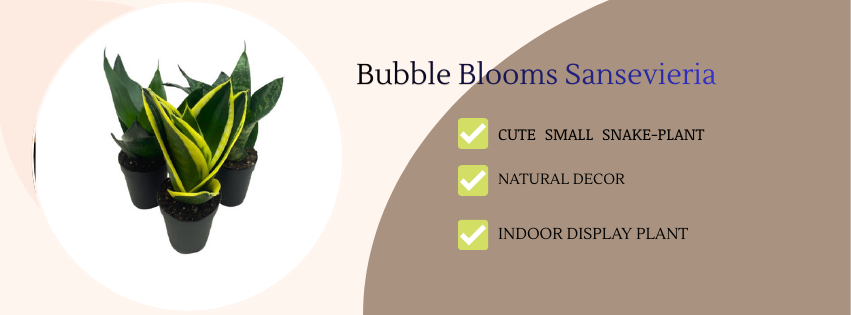
1. Snake Plant (Sansevieria): The Most Reliable Choice
Light: Low to bright indirect Watering: Every 2–3 weeks Container depth: 6–8 inches USDA zones (outdoor reference): 9–11
Why it works:
Snake plants store water in thick leaves, making them drought-tolerant. They tolerate low light and irregular watering better than almost any other indoor plant.
Soil composition:
- 50% cactus or succulent mix
- 25% perlite
- 25% potting soil
Drainage is critical. These plants rot quickly in soggy soil.
Maintenance impact: Extremely low.
Cost range:
- Small plant: $15–$30
- Large architectural specimen: $80–$150
Pros:
- Sculptural look
- Minimal watering
- Pest resistant
Cons:
- Slow growth
- Overwatering risk
2. ZZ Plant (Zamioculcas zamiifolia): The Low-Light Performer
Light: Low to medium indirect Watering: Every 2–3 weeks Container depth: 8–10 inches
ZZ plants grow from rhizomes that store moisture.
Why it works:
Even in north-facing living rooms, ZZ plants maintain glossy foliage. They tolerate neglect and inconsistent care.
Soil mix:
- 60% potting soil
- 20% perlite
- 20% bark
Avoid heavy, compacted soil.
Beginner mistake: Watering weekly. Let soil dry almost completely.
Cost:
- Medium plant: $30–$60
Maintenance level: Very low.
3. Rubber Plant (Ficus elastica): Bold but Manageable
Light: Medium to bright indirect Watering: Every 7–10 days in bright light Container depth: Minimum 10–12 inches
Why it works:
Large glossy leaves create strong visual impact in living rooms with higher ceilings.
Soil:
- 60% potting mix
- 20% perlite
- 20% coco coir or bark
Pros:
- Dramatic foliage
- Faster growth in good light
Cons:
- Sensitive to sudden environmental changes
- Requires occasional pruning
Budget vs premium:
- Budget plastic nursery pot inside decorative cover: affordable
- Premium ceramic planter: $100+ depending on size
Maintenance impact: Moderate but predictable.
4. Pothos (Epipremnum aureum): The Easiest Trailing Plant
Light: Low to bright indirect Watering: Every 7–14 days Container depth: 6–8 inches
Why it works:
Pothos adapts to various light levels and shows visible signs when thirsty (slight leaf droop).
Ideal for:
- Shelves
- Bookcases
- Hanging baskets
Soil:
- 60% potting mix
- 20% perlite
- 20% bark
Maintenance: Trim every few months to prevent legginess.
Cost:
- $10–$25 per plant
Pros:
- Fast-growing
- Easy to propagate
Cons:
- Can become sparse in very low light
5. Cast Iron Plant: True Shade Tolerance
Light: Low light tolerant Watering: Every 2–3 weeks Container depth: 8–10 inches
Why it works:
One of the most shade-tolerant houseplants available.
Perfect for:
- North-facing living rooms
- Rooms with limited window access
Soil:
- Well-draining indoor potting mix with added perlite
Maintenance: Minimal pruning needed.
Downside: Slow growth rate.
Cost:
- $40–$80 depending on size
6. Dracaena: Height Without Heavy Care
Light: Medium indirect Watering: Every 10–14 days Container depth: 10–12 inches
Why it works:
Tall vertical growth without wide footprint.
Important note: Sensitive to fluoride and chlorine. Use filtered or distilled water if leaf tips brown.
Pros:
- Architectural look
- Moderate maintenance
Cons:
- Leaf tip browning in dry air
Soil and Drainage: The Foundation of Low Maintenance
Most indoor plant failures happen below the soil line.
Ideal Indoor Potting Formula
For most living room foliage plants:
- 60% high-quality indoor potting soil
- 20% perlite (improves aeration)
- 20% orchid bark or coco chips
Why this works:
- Prevents compaction
- Reduces fungus gnats
- Improves root oxygen flow
Never use: Outdoor garden soil indoors it compacts and suffocates roots.
Container Selection: What Actually Matters
Essential Features
- Drainage holes
- Proper depth for root system
- Stable base for tall plants
Self-Watering Planters
Good for:
- Pothos
- Dracaena
- Rubber plants
Avoid for:
- Snake plants
- ZZ plants
Buying criteria:
Choose pots 1–2 inches larger than the root ball. Oversized pots increase risk of overwatering.
Watering Strategy That Prevents Root Rot
Forget fixed schedules.
Instead:
- Insert finger 2 inches into soil.
- If dry, water thoroughly.
- Empty drainage tray.
Living room plants generally need water:
- Bright rooms: Every 7–10 days
- Low light rooms: Every 14–21 days
Seasonal impact:
Reduce watering by 30–50% in winter.
Using Grow Lights in Dark Living Rooms
If your living room lacks sufficient light:
Choose:
- Full-spectrum LED
- 4000K–6500K color temperature
- Timer function
- Adjustable arm
Placement: 12–24 inches above foliage.
Run 10–12 hours daily.
Cost:
- Basic clamp grow light: $30–$60
- Decorative standing grow lamp: $120–$250
Why it works: Consistent light prevents leggy growth and reduces overwatering risk.
Pest Prevention Basics
Common indoor pests:
- Spider mites
- Fungus gnats
- Mealybugs
Prevention strategy:
- Avoid soggy soil
- Wipe leaves monthly
- Inspect underside weekly
- Improve airflow
Neem oil or insecticidal soap works if issues arise.
Prevention costs less than replacing plants.
Common Beginner Mistakes in Living Rooms
- Overwatering in low light
- Choosing plants too large for space
- Ignoring airflow from vents
- Using decorative pots without drainage
- Placing plants too far from windows
Always plan for mature size not nursery size.
FAQ
1. What is the easiest indoor plant for a living room?
Snake plant is the most forgiving. It tolerates low light, infrequent watering, and dry air.
2. How many plants should I keep in a living room?
For average spaces, 3–7 plants create visual balance without clutter. Use layered heights.
3. Do indoor plants really purify air?
They contribute slightly to air quality, but their primary benefit is psychological and aesthetic.
4. How often should I repot living room plants?
Typically every 1–2 years, depending on growth rate and root crowding.
5. Can I grow plants in a living room with no windows?
Yes, but you must use full-spectrum LED grow lights consistently.
6. What size pots are best for living room plants?
Most medium houseplants need 8–12 inch deep containers with drainage holes.
Final Thoughts
Low-maintenance best indoor plants for living room spaces are not about neglect they’re about smart selection and proper setup.
When you match plant type to light direction, use well-draining soil, choose appropriate containers, and water based on soil moisture rather than habit, indoor plants become easy.
Start with one reliable anchor plant like a snake plant or rubber plant. Add a trailing pothos for dimension. Build gradually.
Done correctly, your living room becomes a layered, breathable, living space that improves over time not one that demands constant troubleshooting.
Choose wisely. Plant intentionally. Maintain consistently.
