Every product is independently reviewed and selected by our editors. If you buy something through our links, we may earn an affiliate commission at no extra cost to you.
Soft light. Quiet corners. Fresh air without expensive machines.If your home lacks bright windows but you still want healthier indoor air and thriving greenery, you’re not alone. Many homeowners struggle with dim apartments, north-facing rooms, or offices lit mostly by artificial light. The good news: certain plants are biologically adapted to survive and even flourish in low-light conditions while contributing to improved indoor air quality.
This guide covers the best indoor plants for low light and clean air, with practical growing details, soil requirements, container depth, watering schedules, USDA considerations, common mistakes, and smart buying advice.
Low-light homes create two common problems:
- Plants decline quickly due to insufficient photosynthesis.
- Indoor air feels stale, especially in winter when windows stay closed.
Many lifestyle blogs suggest random plants without explaining root depth, soil drainage, or long-term care requirements. That’s where beginners fail.
In this guide, you’ll learn:
- Which plants genuinely tolerate low light
- How to pot and maintain them correctly
- What soil mixes prevent root rot
- Realistic air-purifying expectations
- Budget vs premium setup options
Understanding Low Light and Air Purification Indoors
What “Low Light” Actually Means
Low light does not mean no light.
In horticulture terms:
- Low light: 50–250 foot-candles
- Typically north-facing windows
- 5–10 feet away from east/west windows
- Rooms with sheer curtains
South-facing windows provide bright light — not low light.
Why This Matters
Plants adapted to forest understories evolved to:
- Use filtered light efficiently
- Store water in roots or leaves
- Grow slowly
Placing high-light plants in dim corners causes stretched growth, yellowing, and pest susceptibility.
Can Plants Really Clean Indoor Air
Let’s be realistic.
NASA research showed certain plants can remove volatile organic compounds (VOCs) in controlled lab settings. However:
- Real homes require multiple plants for measurable impact.
- Ventilation plays a larger role.
- Plants improve humidity and psychological well-being significantly.
The benefit is cumulative especially when paired with good airflow.
1. Snake Plant (Sansevieria): The Most Reliable Choice
Why It Works
Snake plants are native to arid regions of West Africa. They:
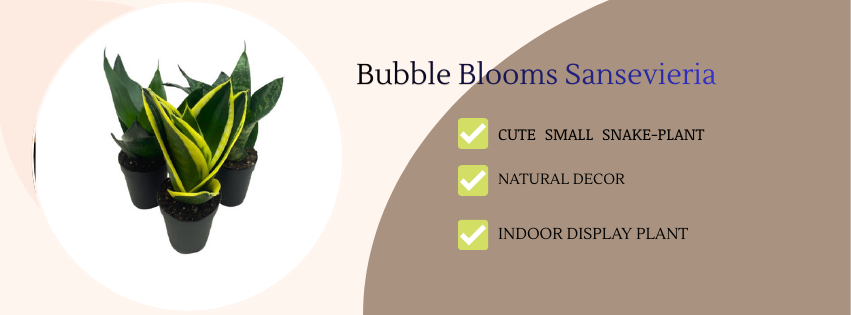
- Store water in thick leaves
- Tolerate low light
- Use CAM photosynthesis (absorbing CO₂ at night)
They’re extremely forgiving.
Light Requirements
- Thrives in low to moderate indirect light
- Survives artificial office lighting
- Avoid direct harsh afternoon sun
Soil Composition
Use:
- 2 parts indoor potting soil
- 1 part perlite or pumice
- Optional: coarse sand for drainage
Why? The roots are prone to rot in soggy soil.
Container Depth
Minimum:
- 8–10 inches deep
- Always use drainage holes
Terracotta pots reduce overwatering risk.
Watering Frequency
- Every 2–3 weeks
- Allow soil to dry completely
Overwatering is the #1 beginner mistake.
Cost & Maintenance
- Budget-friendly ($15–$40 depending on size)
- Extremely low maintenance
- Rare pest issues
2. ZZ Plant: Nearly Indestructible
Why It Works
Native to Eastern Africa, the ZZ plant stores water in rhizomes beneath the soil.
It tolerates:
- Low light
- Irregular watering
- Dry indoor air
Soil & Drainage
Critical:
- Fast-draining potting mix
- Add 25–30% perlite
- Avoid moisture-retentive soils
Container Depth
- 10–12 inches deep
- Must have drainage
Shallow pots restrict rhizome expansion.
Watering
- Every 2–4 weeks
- Allow soil to dry fully
Beginner Mistake
Watering on a schedule instead of checking soil dryness.
Cost Consideration
- Moderate price
- Very slow-growing (minimal repotting)
3. Peace Lily: Low Light with Visual Impact
Peace lilies are often marketed as air-purifying champions.
Light Requirements
- Medium to low indirect light
- Avoid direct sun (burns leaves)
North or east-facing windows are ideal.
Soil Type
- Moisture-retentive but draining mix
- 2 parts potting soil
- 1 part perlite
- 1 part coco coir
They prefer slightly damp soil.
Container Depth
- Minimum 10 inches
- Ensure drainage holes
Watering Frequency
- Once per week
- When leaves droop slightly, water thoroughly
Maintenance Impact
Higher maintenance than snake or ZZ plants.
They:
- Require consistent watering
- Attract fungus gnats if overwatered
Air Quality Note
Peace lilies transpire heavily, improving humidity — especially helpful in winter.
4. Cast Iron Plant: True Low-Light Survivor
If you have extremely dim conditions, this is your plant.
Why It Works
Native to forest floors of Japan and Taiwan, it evolved in deep shade.
Light Needs
- Tolerates very low light
- Avoid bright sun
Soil Requirements
- Well-draining mix
- Slightly acidic (pH 5.5–6.5)
Watering
- Every 2–3 weeks
- Allow top 2 inches of soil to dry
Cost & Growth Rate
- Slower growth
- Higher upfront cost
- Long lifespan
Low maintenance long term.
5. Chinese Evergreen (Aglaonema)
Popular in offices for a reason.
Why It Works
Broad leaves maximize light absorption.
Light
- Low to medium indirect light
- Variegated types need slightly more light
Soil
- Peat-based indoor mix
- 20–30% perlite
Container Depth
- 8–10 inches
Watering
- Every 10–14 days
- Do not let sit in water
Beginner mistake: placing in dark bathrooms without adequate airflow.
6. Pothos: Trailing and Adaptable
Technically medium-light tolerant, but adapts well.
Light Needs
- Low to bright indirect light
- Avoid direct sun
Soil Mix
- Standard indoor mix
- Add perlite for drainage
Container
- 8-inch depth minimum
- Hanging baskets work well
Watering
- When top inch is dry
- Roughly every 1–2 weeks
Budget-friendly and easy to propagate.
7. Parlor Palm: Softens Dark Corners
Adds vertical softness to low-light rooms.
Light
- Bright indirect preferred
- Tolerates low light
Soil
- Well-draining, slightly acidic
- Add sand for airflow
Container Depth
- 10–12 inches
Watering
- Weekly light watering
- Avoid soggy soil
Requires occasional feeding during growing season.
Choosing the Right Containers and Supplies
Planters
Choose:
- Drainage holes mandatory
- 1–2 inches wider than root ball
- Terracotta for overwaterers
- Plastic for moisture retention
Potting Soil
Avoid garden soil indoors.
Best mix:
- Indoor potting mix
- 20–30% perlite
- Optional orchid bark for aeration
Cost: $10–$20 per large bag.
Grow Lights (If Needed)
If your room is extremely dark:
Choose:
- Full-spectrum LED
- 10–20 watts per plant
- 12–14 hours daily
Budget lights: $25–$50 Premium panels: $80–$150
Energy cost is minimal.
Common Beginner Mistakes
- Overwatering (most common)
- Using decorative pots without drainage
- Assuming “low light” means no light
- Using heavy garden soil
- Fertilizing too often
Low-light plants grow slowly. Overfeeding causes salt buildup.
Pest Prevention Basics
Low-light plants are prone to:
- Fungus gnats (overwatering)
- Spider mites (dry air)
- Mealybugs (dusty leaves)
Prevention:
- Wipe leaves monthly
- Ensure airflow
- Let soil dry properly
Neem oil works for minor infestations.
Budget vs Premium Indoor Setup
Budget Setup ($50–$120)
- Snake plant or pothos
- Plastic pot with drainage
- Basic indoor potting mix
- Natural window light
Low maintenance and highly effective.
Premium Setup ($200–$500)
- Multiple plant varieties
- Designer ceramic planters
- High-quality soil blends
- Full-spectrum grow lights
- Self-watering planters
Higher upfront cost, reduced watering frequency.
FAQ:
1. Which indoor plant purifies air the most?
Peace lily and snake plant are commonly cited, but real-world air purification depends on plant quantity and room ventilation.
2. Can plants survive in a room with no windows?
Yes, with full-spectrum grow lights running 12–14 hours daily.
3. How often should I water low-light plants?
Typically every 2–3 weeks. Always check soil dryness first.
4. Are air-purifying plants safe for pets?
Snake plant and peace lily are toxic to pets. Choose pet-safe options like parlor palm if needed.
5. What is the easiest low-light indoor plant?
Snake plant or ZZ plant.
6. Do I need fertilizer?
Light feeding during spring/summer every 6–8 weeks with diluted balanced fertilizer.
Final Thoughts
Low-light rooms don’t have to feel lifeless or stagnant.
By choosing biologically appropriate plants like snake plant, ZZ plant, or cast iron plant and pairing them with proper soil drainage, correct container depth, and realistic watering schedules you create a sustainable indoor ecosystem.
The transformation is gradual but powerful:
- Cleaner-feeling air
- Improved humidity
- Reduced stress
- Long-lasting greenery with minimal upkeep
Start with one resilient plant. Set it up correctly. Monitor soil moisture. Adjust light if needed.
Indoor gardening isn’t about luck it’s about understanding plant biology and giving roots the environment they evolved for.
Do that, and even the darkest corner of your home can thrive.
