Every product is independently reviewed and selected by our editors. If you buy something through our links, we may earn an affiliate commission at no extra cost to you.
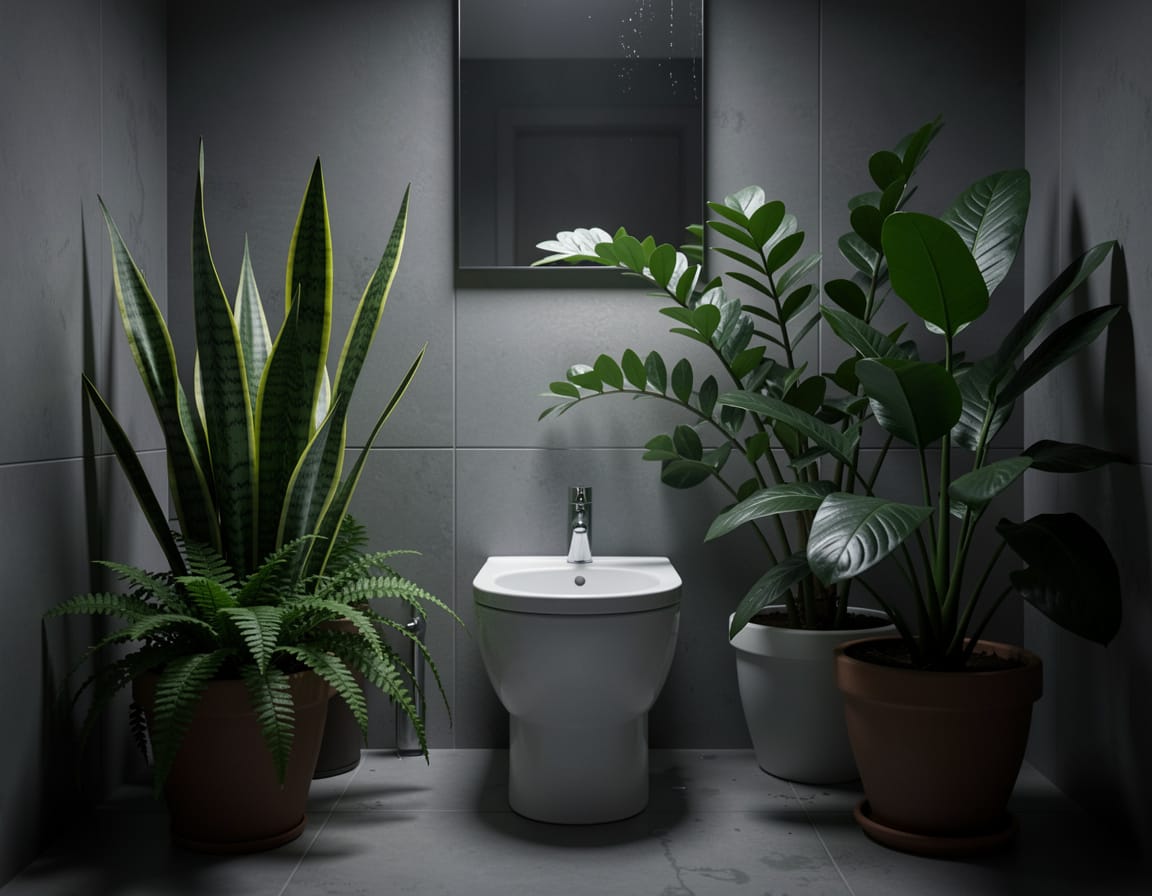
A windowless bathroom doesn’t have to feel sterile and lifeless. The right plants can soften hard tile, balance humidity, and make even the smallest powder room feel intentional. But here’s the truth most blogs won’t tell you that If your bathroom has absolutely no natural light, you must provide artificial lighting. The key is choosing plants that tolerate very low light and high humidity and setting them up correctly. This guide explains exactly which plants work, how to grow them successfully, soil and drainage requirements, container depth, watering schedules, common mistakes, and budget vs premium setup options. No guesswork. No unrealistic promises. Bathrooms without windows create a difficult growing environment:
- Extremely low or no natural light
- High humidity from showers
- Poor airflow
- Temperature fluctuations
Most indoor plants fail here because they need light for photosynthesis even shade plants.
The good news: several tough, low-light-tolerant species can thrive in bathrooms if you provide minimal artificial lighting and proper drainage. In this guide, you’ll learn which plants to choose, how to pot them correctly, and how to avoid the root rot and pest issues that are common in bathroom environments.
Quick Summary
Best Plants for a Bathroom with No Light (with artificial support):
- Snake Plant (Sansevieria)
- ZZ Plant (Zamioculcas zamiifolia)
- Pothos
- Cast Iron Plant
- Chinese Evergreen
- Parlor Palm
- Lucky Bamboo (in water or soil)
Light Requirement: Full-spectrum LED grow light, 10–20 watts, 12–14 hours daily Soil Type: Well-draining indoor potting mix + 20–30% perlite Container Depth: 8–12 inches minimum (depending on plant size) Watering Frequency: Every 2–3 weeks (varies by species) USDA Zones (reference for outdoor growth): Most are hardy in Zones 9–12
Can Plants Live in a Bathroom with No Light?
The Biological Reality
All green plants require light to produce energy through photosynthesis. In complete darkness, even low-light plants will slowly decline and eventually die.
However, they can thrive in:
- Very low natural light
- Artificial lighting
- Indirect hallway spill light (if consistent)
If your bathroom has zero windows and you rarely turn on lights, you’ll need a grow light.
Why Artificial Light Works
Modern full-spectrum LED grow lights provide the wavelengths plants need for chlorophyll production. Even a small 10–20 watt light can sustain low-light species.
Cost impact:
- Budget clip-on grow light: $25–$40
- Premium integrated grow panel: $80–$150
- Electricity cost: minimal (LED efficient)
Without this setup, no plant will survive long-term.
Best Plants for a Windowless Bathroom
1. Snake Plant (Sansevieria)
Why It Works
Snake plants evolved in arid, shaded regions of West Africa. They:
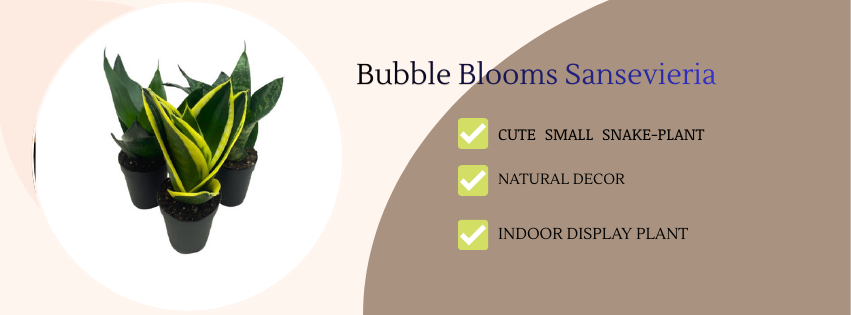
- Store water in thick leaves
- Tolerate low light
- Handle humidity fluctuations
They’re one of the toughest houseplants available.
Light Requirements
- Tolerates very low light
- Performs best with artificial LED light 12 hours daily
Soil Composition
Use a fast-draining mix:
- 2 parts indoor potting soil
- 1 part perlite or pumice
- Optional: coarse sand
Bathrooms already have humidity. Heavy soil leads to root rot quickly.
Container Depth
- Minimum 8–10 inches deep
- Always use drainage holes
Terracotta helps reduce excess moisture.
Watering Frequency
- Every 2–3 weeks
- Allow soil to dry completely
Beginner mistake: Overwatering due to humid air. The soil still needs to dry out.
Maintenance Level
Very low. Ideal for beginners.
2. ZZ Plant (Zamioculcas zamiifolia)
Why It Works
Native to drought-prone Eastern Africa, the ZZ plant stores water in underground rhizomes. That makes it extremely resilient.
Light Needs
- Tolerates very low light
- Requires artificial light in windowless spaces
Soil Requirements
Critical:
- Well-draining potting mix
- 25–30% perlite
- Avoid moisture-retentive peat-heavy blends
Container Depth
- 10–12 inches minimum
- Drainage holes mandatory
Shallow decorative pots restrict rhizome expansion.
Watering
- Every 2–4 weeks
- Soil must dry fully between waterings
Why this works: Rhizomes store moisture, preventing drought stress.
3. Pothos (Epipremnum aureum)
Pothos adapts well to inconsistent conditions.
Why It Works
- Fast-growing
- Tolerates humidity
- Flexible light tolerance
Light
- Low to moderate artificial light
- 12–14 hours under LED recommended
Variegated varieties need slightly more light than solid green.
Soil Mix
- Standard indoor potting soil
- Add 20% perlite
Container Depth
- 8-inch minimum
- Hanging baskets work well in bathrooms
Watering
- Every 1–2 weeks
- Allow top inch to dry
In humid bathrooms, watering frequency decreases.
4. Cast Iron Plant (Aspidistra elatior)
If your bathroom is extremely dim, this is a strong option.
Why It Works
Native to forest floors of Japan, it evolved in deep shade.
Light Requirements
- Very low light tolerant
- Still benefits from LED support
Soil
- Well-draining
- Slightly acidic (pH 5.5–6.5)
Container Depth
- 10 inches minimum
Watering
- Every 2–3 weeks
- Let top 2 inches dry
Slower growing but very durable.
5. Chinese Evergreen (Aglaonema)
Popular in office environments for good reason.
Why It Works
Broad leaves maximize light absorption.
Light Needs
- Low to moderate indirect light
- Works under LED lighting
Soil Composition
- Peat-based indoor mix
- 20–30% perlite
Watering
- Every 10–14 days
- Avoid soggy soil
Humidity is beneficial, but poor drainage is not.
6. Parlor Palm
Softens hard bathroom lines.
Light
- Low to moderate light
- Needs consistent artificial lighting
Soil
- Well-draining indoor mix
- Add sand or perlite for airflow
Container Depth
- 10–12 inches
Watering
- Weekly light watering
- Soil slightly moist but not wet
More maintenance than snake or ZZ plant.
7. Lucky Bamboo (Dracaena sanderiana)
One of the few plants that tolerates growing in water.
Why It Works
- Can grow hydroponically
- Tolerates low light
Growing in Water
- Use filtered water
- Change water every 7–10 days
- Clean container to prevent algae
Growing in Soil
- Well-draining mix
- 6–8 inch container depth
Low cost and compact.
Soil and Drainage: The Most Important Factor in Bathrooms
High humidity slows soil drying time.
If your soil is too dense:
- Roots suffocate
- Fungus gnats appear
- Root rot develops
Ideal Bathroom Soil Mix
- 2 parts indoor potting soil
- 1 part perlite
- Optional: orchid bark for airflow
Avoid garden soil indoors.
Cost: $15–$25 per large bag.
Do You Need a Grow Light?
yes. You need grow light if there is no window
Buying Criteria
Choose:
- Full-spectrum LED
- 10–20 watts per plant
- Timer function preferred
- Adjustable neck or mount
Place 6–12 inches above plant canopy.
Maintenance impact: Low once timer is set.
Common Beginner Mistakes in Windowless Bathrooms
- Assuming humidity replaces watering
- Using decorative pots without drainage
- No airflow (keep door open periodically)
- Not wiping leaves (dust reduces light absorption)
- Placing plants too far from artificial light
Pest and Mold Prevention
Bathrooms increase risk of:
- Fungus gnats
- Moldy soil
- Mealybugs
Prevention Tips
- Allow soil surface to dry
- Improve airflow
- Wipe leaves monthly
- Use neem oil if needed
Hydrogen peroxide soil drench (diluted) can control gnat larvae.
Budget vs Premium Bathroom Plant Setup
Budget Setup ($60–$120)
- Snake plant or ZZ plant
- Plastic pot with drainage
- Basic indoor soil + perlite
- Clip-on LED grow light
Low maintenance and reliable.
Premium Setup ($200–$400)
- Multiple plants
- Designer ceramic planters
- Integrated LED wall-mounted lights
- Self-watering planters
Self-watering systems help, but still require monitoring in humid environments.
FAQ:
1. Can any plant survive in complete darkness?
No. All plants require light. Artificial grow lights are necessary in windowless bathrooms.
2. What is the easiest plant for a dark bathroom?
Snake plant or ZZ plant.
3. How long should a grow light stay on?
12–14 hours daily for low-light plants.
4. Do bathroom plants need less water because of humidity?
Yes. Soil dries slower. Always check dryness before watering.
5. Are bathroom plants prone to mold?
Yes, if soil remains wet and airflow is poor.
6. Can I rotate plants in and out of light?
Yes. Some people rotate plants weekly into brighter rooms, but grow lights are more consistent.
Final Thoughts
A windowless bathroom isn’t a dead zone for greenery but it does require strategy.
The formula is simple:
- Choose biologically tough, low-light plants
- Use well-draining soil
- Ensure containers have proper depth and drainage
- Install a modest full-spectrum LED grow light
- Water less than you think
Do this correctly, and your bathroom becomes more than functional it becomes a living, humid microclimate that actually supports plant health.
Start with one resilient plant like a snake plant or ZZ plant. Set up the light. Monitor soil moisture. Adjust slowly.
With the right setup, even a bathroom with no windows can sustain long-term, healthy greenery.
