Every product is independently reviewed and selected by our editors. If you buy something through our links, we may earn an affiliate commission at no extra cost to you.
Condensation on windows. Damp bathroom walls. That persistent musty smell in the laundry room. Excess indoor humidity isn’t just uncomfortable it creates ideal conditions for mold, fungus gnats, dust mites, and even structural damage. Many homeowners look for natural solutions, and the idea of using plants that absorb moisture indoors is appealing. But here’s the professional reality is plants can help regulate moisture but they are not a substitute for proper ventilation or a dehumidifier in severe cases.
This guide explains which plants truly tolerate and help balance humid environments, how they function biologically, and exactly how to pot and maintain them without creating root rot in already damp spaces.
In this article, you’ll learn:
- How plants interact with indoor humidity
- The best moisture-tolerant houseplants
- Proper soil composition and drainage strategies
- Container depth recommendations
- Watering frequency adjustments for humid homes
- Cost considerations and maintenance realities
- When you still need mechanical dehumidification
If implemented correctly, you’ll create a healthier indoor microclimate without sacrificing plant health.
Quick Summary
Best Plants That Absorb Moisture Indoors:
- Peace Lily
- Boston Fern
- Spider Plant
- English Ivy
- Reed Palm
- Areca Palm
- Air Plants (Tillandsia)
Best Locations: Bathrooms, kitchens, laundry rooms Light Needs: Low to bright indirect (species-dependent) Soil Type: Indoor potting mix + 20–30% perlite Container Depth: 8–12 inches minimum Ideal Indoor Humidity Range: 40–60% USDA Zones (outdoor reference): 9–12 for tropical types
Do Plants Actually Absorb Moisture From the Air
The Science Explained Simply
Plants interact with moisture in three ways:
- Root uptake – absorbing water from soil.
- Transpiration – releasing water vapor through leaf pores.
- Leaf surface exchange – some species absorb minor humidity through foliage.
Contrary to popular belief, most plants do not “dry out” a room dramatically. However, they:
- Thrive in high humidity
- Stabilize microclimates
- Improve airflow around damp surfaces
- Reduce condensation by increasing air movement
In moderately humid spaces (60–70%), several medium-to-large plants can help balance conditions.
If humidity consistently exceeds 70%, mechanical dehumidification is necessary.
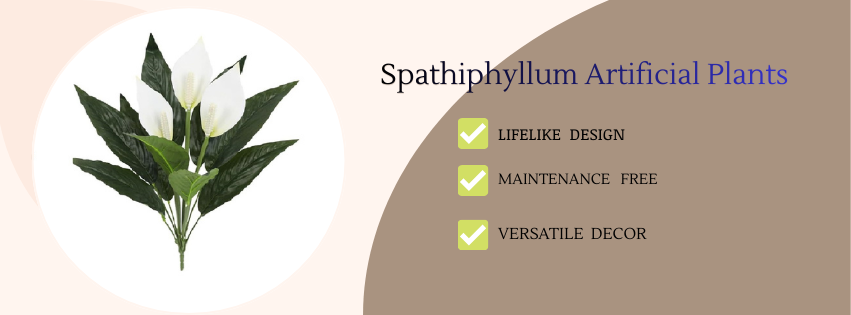
1. Peace Lily (Spathiphyllum)
Why It Works
Peace lilies are native to tropical forest understories (USDA Zones 10–12 outdoors). They evolved in high humidity and tolerate damp air exceptionally well.
They:
- Absorb consistent soil moisture
- Transpire steadily
- Thrive in bathroom conditions
Light Requirements
- Medium to low indirect light
- Ideal near north- or east-facing windows
- Can tolerate artificial LED lighting (12–14 hours daily)
Avoid direct sunlight.
Soil Composition
Use a moisture-retentive but aerated mix:
- 2 parts indoor potting soil
- 1 part perlite
- 1 part coco coir
WHY: Peace lilies like evenly moist soil, but roots must breathe. In humid homes, compaction causes fungal issues quickly.
Container Depth
- Minimum 10–12 inches deep
- Always use drainage holes
Decorative pots without drainage are a common failure point.
Watering Frequency
- Once per week in average homes
- Every 10–14 days in high humidity
Allow top inch of soil to dry before watering.
Maintenance Impact
Moderate maintenance. Susceptible to fungus gnats if soil stays wet.
2. Boston Fern (Nephrolepis exaltata)
One of the strongest humidity-loving plants available.
Why It Works
Native to tropical swamps and forest floors, Boston ferns:
- Prefer humidity above 50%
- Absorb significant soil moisture
- Increase air circulation via dense foliage
Light Needs
- Bright indirect light
- East-facing window ideal
- Not suitable for dark rooms
Soil Requirements
- Peat-based indoor mix
- 25–30% perlite
WHY: Fern roots require oxygen. Dense, wet soil suffocates them.
Container Depth
- 8–10 inches
- Hanging baskets work well
Watering Frequency
- 2–3 times weekly in dry climates
- 1–2 times weekly in humid homes
Soil should remain consistently moist but never waterlogged.
Cost & Maintenance
Moderate cost ($25–$60 for mature plants). High maintenance compared to snake plants.
3. Spider Plant (Chlorophytum comosum)
Why It Works
Spider plants adapt to fluctuating humidity and are excellent for kitchens and laundry rooms.
They:
- Absorb moderate soil moisture
- Tolerate humid air
- Produce offsets easily
Light Requirements
- Bright indirect preferred
- Tolerates moderate light
Soil Mix
- Standard indoor mix
- 20–30% perlite
Container Depth
- 8–10 inches
- Slightly root-bound is acceptable
Watering
- Every 7–10 days
- Allow top inch to dry
Low-cost and beginner-friendly.
4. English Ivy (Hedera helix)
Why It Works
English ivy is known to help reduce airborne mold spores in controlled studies.
It tolerates:
- Damp environments
- Moderate humidity
- Indoor containers (Zones 9–11 outdoors)
Light
- Bright indirect light preferred
- Not ideal for dark bathrooms
Soil
- Well-draining potting mix
- 20–30% perlite
Watering
- Weekly
- Allow surface soil to dry
Overwatering causes root rot quickly.
5. Reed Palm (Chamaedorea seifrizii)
Why It Works
Palms naturally transpire steadily, stabilizing indoor moisture.
They thrive in:
- Moderate humidity
- Low to medium indirect light
Soil
- Palm-specific mix or
- Indoor potting soil + sand/perlite
Container Depth
- 10–12 inches minimum
Watering
- Weekly watering
- Keep soil lightly moist
Higher upfront cost but elegant and effective in larger rooms.
6. Areca Palm (Dypsis lutescens)
Often used in offices for humidity regulation.
Light Requirements
- Bright indirect light
- Not suitable for low-light bathrooms
Soil
- Well-draining, slightly acidic
- 25% perlite recommended
Container Depth
- 12 inches or deeper for mature plants
Large plants increase surface transpiration better humidity stabilization.
7. Air Plants (Tillandsia)
Unique option for small humid spaces.
Why They Work
Air plants absorb moisture directly through leaf trichomes.
Ideal for:
- Steamy bathrooms
- Small humid rooms
Light Needs
- Bright indirect light
- Not for dark corners
Care
- Soak 1–2 times weekly
- Dry completely within 4 hours
No soil required.
Soil & Drainage: The Critical Factor in Humid Homes
Humidity slows soil evaporation.
If soil remains saturated:
- Roots suffocate
- Fungus gnats multiply
- Mold develops
Ideal Humid-Environment Soil Formula
- 2 parts quality indoor potting mix
- 1 part perlite
- Optional: orchid bark for airflow
Cost: $15–$30 per bag.
Never use outdoor garden soil indoors.
Container Selection Guidelines
Choose:
- Drainage holes (non-negotiable)
- 1–2 inches wider than root ball
- Terracotta for overwatering-prone homes
- Plastic if room is dry
Self-watering planters can work, but only if soil drains properly.
When Plants Are Not Enough
Use a hygrometer (under $15) to measure humidity.
If levels exceed 70% consistently, you need:
- Exhaust fans
- Improved ventilation
- Dehumidifier (30–50 pint capacity depending on room size)
Plants support balance they do not solve severe moisture issues.
Common Beginner Mistakes
- Overwatering because “plants absorb moisture anyway”
- No drainage holes
- Poor airflow in bathrooms
- Using heavy peat-only soil
- Placing humidity-loving plants in dark rooms
Humidity does not replace light.
Budget vs Premium Humidity-Control Setup
Budget Setup ($75–$150)
- Spider plant or peace lily
- Plastic pot with drainage
- Indoor soil + perlite
- Basic hygrometer
Low investment, moderate impact.
Premium Setup ($400–$900)
- Multiple palms
- Large decorative planters
- Soil aeration amendments
- Integrated ventilation system
- Dehumidifier support
Best for larger homes or persistent humidity.
FAQ:
1. Which plant absorbs the most moisture?
Boston ferns and peace lilies tolerate and regulate humidity best in typical homes.
2. Can plants replace a dehumidifier?
No. They help stabilize moisture but cannot correct severe humidity problems.
3. How many plants do I need to reduce humidity?
Several medium-to-large plants are needed for noticeable microclimate impact.
4. Are succulents good for humid rooms?
No. Most succulents prefer dry air and may rot in high humidity.
5. Do plants help prevent mold?
They improve air circulation perception but do not eliminate mold without ventilation.
6. What’s the ideal indoor humidity level?
40–60% for both plant health and human comfort.
Final Thoughts
Using plants that absorb moisture indoors is about balance, not miracles.
The strategy that works:
- Choose humidity-tolerant species
- Use highly aerated soil
- Ensure proper drainage
- Monitor humidity with a hygrometer
- Support with ventilation if needed
When done correctly, you’ll create a stable indoor environment that:
- Feels fresher
- Reduces condensation
- Supports healthy plant growth
- Minimizes mold risk
- Enhances long-term indoor air quality
Start small. Add one peace lily or spider plant to a humid area. Adjust watering. Monitor results. Expand gradually.
Healthy roots create healthy rooms but only when the environment supports both soil and air balance.
