Every product is independently reviewed and selected by our editors. If you buy something through our links, we may earn an affiliate commission at no extra cost to you.
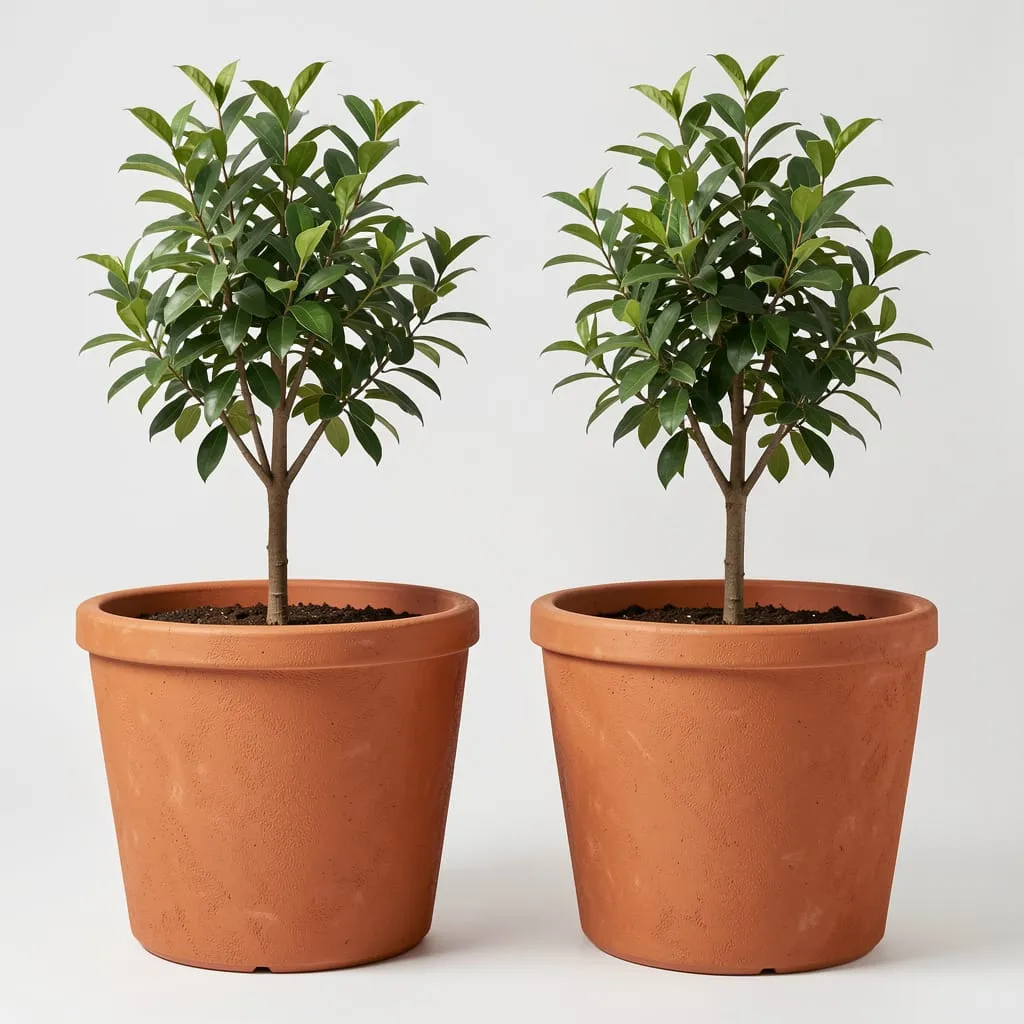
Large indoor and patio trees make a statement but the planter you choose determines whether that tree thrives or slowly declines. If you’re looking for extra large plastic planters for trees, you’re likely trying to balance:
- Size and root space
- Weight and portability
- Drainage control
- Budget
- Long-term durability
Plastic planters are one of the most practical options for large trees, especially in apartments, upper floors, balconies, and patios where weight matters. This guide covers everything you need to know before buying: proper sizing, root depth requirements, soil composition, drainage setup, material grades, cost comparison, and common mistakes that kill trees in oversized containers.
A tree can live 5–10+ years in a high-quality plastic planter.
Quick Summary Box
Best Size for Extra Large Plastic Planters (Indoor Trees):
- 20–24 inches diameter (medium trees)
- 24–30+ inches diameter (large trees)
- Depth: 18–24 inches minimum
Soil Mix: 2 parts indoor potting mix + 1 part perlite/pumice Drainage: Mandatory holes + saucer or risers Best Materials: Thick resin, polyethylene, UV-stabilized plastic Ideal for: Fiddle leaf fig, olive tree, rubber tree, palms, citrus
Why Choose Plastic for Large Tree Planters
Plastic is often overlooked because it feels less “premium,” but for large trees, it has serious advantages.
Advantages
- Lightweight (critical for large containers)
- Affordable
- Weather-resistant
- Less fragile than ceramic
- Easy to drill drainage holes if needed
Disadvantages
- Can look less high-end
- Thin plastic can crack
- May fade without UV protection
For most homeowners, heavy-duty resin or polyethylene plastic offers the best balance of function and price.
Correct Size: The Most Important Factor
Oversizing is one of the biggest mistakes people make.
Repotting Rule
Choose a planter:
- 2–4 inches wider than the current root ball
- Equal or slightly deeper than the root mass
Jumping from a 10-inch pot to a 24-inch pot can cause soil to stay wet too long, leading to root rot.
Recommended Sizes by Tree Type
Fiddle Leaf Fig (6–8 ft)
- 20–24 inch diameter
- 18–22 inch depth
Rubber Tree (Ficus elastica)
- 18–22 inch diameter
- 16–20 inch depth
Indoor Olive Tree
- 22–30 inch diameter
- Minimum 20 inch depth
Indoor Citrus Tree
- 20–24 inch diameter
- 20+ inch depth
Areca or Majesty Palm
- 24–30 inch diameter
- 20–24 inch depth
Root depth stabilizes tall canopies.
Drainage: Non-Negotiable for Plastic Planters
Plastic retains moisture longer than terracotta.
Without drainage:
- Roots suffocate
- Fungal pathogens multiply
- Soil becomes anaerobic
What to Look For
- Multiple drainage holes (at least 3–5 for large pots)
- Raised bottom channels
- Compatible saucer or drip tray
If holes are absent, drill them yourself using a step drill bit.
Do NOT rely on rocks at the bottom this creates a perched water table.
Soil Mix for Trees in Large Plastic Planters
Large plastic containers hold moisture longer than clay or ceramic.
That means aeration is critical.
Recommended Soil Blend
- 2 parts high-quality indoor potting mix
- 1 part perlite or pumice
- Optional: 10–20% orchid bark
WHY this works:
- Perlite increases oxygen availability
- Bark improves drainage
- Prevents compaction in deep containers
Avoid:
- Garden soil
- Pure compost
- Peat-heavy mixes without aeration
Cost: $25–$50 depending on volume.
Best Types of Plastic Planters for Trees
Not all plastic is equal.
1. High-Density Polyethylene (HDPE)
Best overall choice.
Pros:
- Thick walls
- UV resistant
- Crack resistant
- Lightweight
Ideal for patios and indoor spaces.
2. Resin Composite
Pros:
- Mimics stone or ceramic
- Lightweight
- Durable
Often slightly more expensive but better aesthetics.
3. Thin Injection-Molded Plastic
Pros:
- Cheapest option
- Lightweight
Cons:
- Warps under weight
- Can crack in cold weather
Not recommended for large trees long-term.
Weight Considerations (Critical for Large Planters)
A 24-inch planter filled with moist soil can weigh 150–250 lbs.
Plastic reduces container weight, but soil weight remains.
Before purchasing, consider:
- Floor load limits (especially apartments)
- Elevator access
- Need for rolling plant caddies
- Protective pads for hardwood floors
Plastic is ideal for upper floors compared to concrete or ceramic.
Watering Large Trees in Plastic Planters
Plastic slows evaporation.
Expect to water:
- Every 10–14 days indoors
- Weekly outdoors in summer (depending on sun exposure)
Check moisture 3–4 inches deep before watering.
Overwatering is the #1 cause of failure.
Light Requirements Still Apply
A large planter won’t compensate for poor lighting.
General guidelines:
- South-facing: best for olive and citrus
- East-facing: ideal for fiddle leaf fig
- Bright indirect: rubber tree
- Moderate light: palms
If natural light is limited:
- Use 20–40 watt full-spectrum LED grow lights
- 12–14 hours daily
Indoor vs Outdoor Use
Indoor Use
- Ensure saucer compatibility
- Protect floors from water overflow
- Monitor humidity
Outdoor Patio Use
- Choose UV-stabilized plastic
- Confirm frost resistance
- Elevate pot slightly for drainage
USDA Zones matter outdoors:
- Tropical trees: Zones 9–11
- Cold climates require overwintering indoors
Common Beginner Mistakes
- Buying too large too quickly
- No drainage holes
- Using compacted soil
- Overwatering in plastic containers
- Placing heavy planter on weak flooring
Large plastic planters amplify watering errors.
Budget vs Premium Comparison
Budget Setup ($120–$300)
- 20–24 inch HDPE planter
- Indoor potting mix + perlite
- Basic saucer tray
Works well for fiddle leaf figs and rubber trees.
Premium Setup ($400–$900)
- 24–30 inch resin composite planter
- Custom aerated soil blend
- Built-in drainage system
- Hidden wheeled base
Best for large olive trees or indoor citrus.
Maintenance Impact
Pros:
- Less frequent repotting
- Stable root temperatures
- Easier to move than ceramic
Cons:
- Soil replacement is labor-intensive
- Heavy once filled
- Requires careful watering control
Plan for repotting every 2–3 years.
FAQ:
1. Are plastic planters good for large trees?
Yes, if they are thick, durable, and have proper drainage.
2. What size plastic planter do I need?
2–4 inches wider than the root ball and at least as deep as the root system.
3. Do plastic pots cause root rot?
Not directly poor drainage and overwatering do.
4. Should I put rocks at the bottom?
No. This worsens drainage by creating a perched water layer.
5. How often should I repot?
Every 2–3 years or when roots circle heavily.
6. Is plastic better than ceramic?
For weight and portability, yes. For aesthetics, ceramic may win.
Final Thoughts
Extra large plastic planters for trees offer one of the most practical solutions for growing large indoor and patio trees especially where weight and budget matter.
Success comes down to:
- Correct sizing (don’t overshoot)
- Mandatory drainage holes
- Highly aerated soil mix
- Conservative watering
- Proper light exposure
When you support root oxygen and moisture balance, your tree will reward you with stable growth and long-term health.
Choose thickness over thin plastic. Prioritize drainage over design. Focus on root space over decorative trends.
Healthy roots determine everything and the planter you choose controls the entire underground environment.
