• Plant arrangement ideas indoor

    Every product is independently reviewed and selected by our editors. If you buy something through our links, we may earn an affiliate commission at no extra cost to you.

    Indoor plant arrangements can elevate a room instantly but only when they’re built around proper light exposure, drainage, soil structure, and realistic maintenance. Most failed indoor displays look great for a few weeks and then decline because the plants were styled first and supported second.

    If you want plant arrangements that feel intentional, modern, and biologically sound, this guide walks you through practical layouts that thrive in real homes not just staged photos.

    Indoor plant arrangement isn’t about filling every empty surface. It’s about strategic placement based on:

    • Window direction (north, south, east, west)
    • Container depth and drainage
    • Root growth habits
    • Humidity levels
    • Airflow

    When you combine design structure with horticultural fundamentals, you get displays that look balanced and stay healthy long term.

    This guide covers indoor plant arrangement ideas you can replicate in small apartments, living rooms, offices, and open-concept homes.

    Quick Summary

    • Identify light direction before arranging plants
    • Always use containers with drainage holes
    • Use indoor potting mix: 60% coco/peat, 20% perlite, 20% bark/compost
    • Group plants by similar watering needs
    • Keep 2–4 inches spacing between pots
    • Ideal humidity: 40–60%
    • Rotate plants every 2–3 weeks
    • Budget setup: $100–$300 | Premium setup: $500–$1,500

    Step 1: Evaluate Natural Light First

    Your arrangement must match your window exposure.

    South-Facing Windows (Bright Light)

    Best for:

    • Fiddle leaf fig
    • Bird of paradise
    • Rubber plant
    • Succulents

    Placement: 1–3 feet from window.

    Watering: Every 7–10 days depending on pot size.

    West-Facing Windows (Strong Afternoon Light)

    Good for:

    • Snake plant
    • Aloe
    • Jade
    • Euphorbia

    Avoid delicate foliage against glass.

    East-Facing Windows (Most Versatile)

    Ideal for:

    • Monstera
    • Pothos
    • Peace lily
    • Philodendron

    Watering: Every 7–10 days typically.

    North-Facing Windows (Low Light)

    Choose:

    • ZZ plant
    • Snake plant
    • Cast iron plant

    Consider grow lights for 10–14 hours daily if light is minimal.

    Step 2: Build Around the “Layering Principle”

    A well-arranged indoor plant display uses vertical variation.

    1. Anchor Plants (Floor Level)

    These provide structure and height.

    Examples:

    • Rubber plant
    • Dracaena
    • Monstera deliciosa
    • Fiddle leaf fig

    Container depth: 12–16 inches minimum.

    Place near the brightest part of the room without blocking walkways.

    2. Mid-Level Plants (Tables & Stands)

    Placed on:

    • Side tables
    • Consoles
    • Plant stands

    Good options:

    • Peace lily
    • Calathea (needs higher humidity)
    • Philodendron

    Container depth: 8–12 inches.

    3. Accent & Trailing Plants

    Use shelves or hanging planters.

    Examples:

    • Pothos
    • String of pearls (bright light only)
    • Spider plant

    Hanging plants dry faster check soil frequently.

    10 Indoor Plant Arrangement Ideas

    1. Minimalist Corner Statement

    One tall plant + one mid-size companion.

    Example:

    • Rubber plant (anchor)
    • Pothos on stand

    Why it works: Creates clean vertical balance without clutter.

    2. Symmetrical Entryway Layout

    Two identical plants flanking doorway or console.

    Options:

    • Snake plant
    • ZZ plant
    • Dwarf dracaena

    Symmetry enhances structure.

    3. Shelf Cascade Display

    Place trailing plants on upper shelves.

    Combine:

    • Pothos
    • Philodendron
    • Small fern

    Ensure adequate light reaches upper levels.

    4. Coffee Table Focal Plant

    Use compact plant only.

    Options:

    • Small monstera
    • Anthurium
    • Succulent bowl

    Keep container 6–8 inches deep.

    Avoid overcrowding functional surfaces.

    5. Indoor Plant Cluster (Humidity Boosting)

    Group 3–5 plants with similar watering needs.

    Benefits:

    • Increases local humidity
    • Simplifies care routine

    Leave airflow space between pots.

    6. Modern Monochrome Arrangement

    Use foliage-only plants in neutral pots.

    Combine:

    • Monstera (large leaf)
    • Snake plant (vertical leaf)
    • Pothos (trailing leaf)

    Texture contrast replaces flower color.

    7. Plant Ladder Stand Setup

    Use tiered stand near bright window.

    Top: Bright-light plants.

    Lower tiers: Medium-light plants.

    Cost: $40–$150 depending on quality.

    8. Indoor Tree as Divider

    Large plant used to subtly separate spaces.

    Examples:

    • Fiddle leaf fig
    • Areca palm

    Keep 2–3 feet walkway clearance.

    9. Succulent Centerpiece Bowl

    Soil mix: 70% cactus mix 30% pumice/perlite

    Water every 10–14 days.

    Low maintenance option.

    10. Window Ledge Herb Arrangement

    Best in south- or west-facing kitchens.

    Herbs:

    • Basil
    • Thyme
    • Parsley

    Depth: 6–8 inches.

    Ensure strong drainage to prevent root rot.

    Soil Composition for Indoor Arrangements

    Use structured indoor mix:

    • 60% coco coir or peat-based potting soil
    • 20% perlite
    • 20% orchid bark or compost

    Why: Prevents compaction and improves aeration.

    Repot every 1–2 years as roots expand.

    Watering Strategy for Indoor Displays

    General guidelines:

    • Bright light plants: Every 7–10 days
    • Low light plants: Every 10–21 days
    • Succulents: Every 14 days

    Always check soil 2 inches deep before watering.

    Avoid fixed schedulesmm adjust seasonally.

    Humidity and Airflow Considerations

    Most tropical plants prefer:

    • 40–60% humidity

    Improve humidity by:

    • Grouping plants
    • Using humidifier ($40–$120)
    • Avoiding HVAC vents

    Proper spacing reduces pest risk.

    Beginner Mistakes to Avoid

    • Using decorative pots without drainage.
    • Overwatering low-light plants.
    • Placing large plants too far from windows.
    • Overcrowding small rooms.
    • Ignoring mature plant size.

    Indoor arrangements evolve plan for growth.

    Budget vs Premium Setup

    FeatureBudgetPremium
    PotsPlastic nursery + cachepotDesigner ceramic/concrete
    LightingNatural onlyIntegrated grow lights
    PlantsSmall starter plantsMature statement plants
    HumidityGrouping methodSmart humidifier

    Budget: $100–$300

    Premium: $500–$1,500+

    Premium setups deliver faster visual impact.

    FAQ

    How many plants should I use in one indoor arrangement?

    Typically 3–5 plants per grouping to maintain balance and airflow.

    What are the easiest indoor plants to arrange?

    Snake plant, pothos, ZZ plant, philodendron, and peace lily.

    Do indoor arrangements need special soil?

    Yes. Use well-draining indoor potting mix with perlite and bark.

    How often should I rotate indoor plants?

    Every 2–3 weeks to promote even growth.

    Can I mix succulents with tropical plants?

    Not recommended—they have different watering needs.

    Do I need grow lights?

    If natural light is insufficient (especially north-facing rooms), yes 10–14 hours daily.

    Final Thoughts

    Indoor plant arrangement is both design and plant science. The most beautiful setups succeed because they respect:

    • Light direction
    • Proper drainage
    • Root depth
    • Airflow
    • Realistic watering schedules

    Start with one anchor plant. Add structured mid-level plants. Finish with restrained accents. Maintain spacing and monitor soil moisture consistently.

    Healthy plants are the foundation of good design. When arranged strategically, they bring calm, depth, and structure to indoor spaces without clutter or constant correction.

    Design thoughtfully. Care consistently. Adjust gradually.

    That’s how indoor plant arrangements stay beautiful long term.
  • Modern living room with plants

    Every product is independently reviewed and selected by our editors. If you buy something through our links, we may earn an affiliate commission at no extra cost to you.

    A modern living room with plants should feel intentional not cluttered, not chaotic, and definitely not like a greenhouse crammed into a tight space.

    The biggest mistake I see? People focus on aesthetics and ignore plant biology. The result is stretched stems, yellowing leaves, fungus gnats, and overcrowded corners.

    Modern design works best when paired with horticultural structure. That means understanding light direction, root space, drainage, airflow, and long-term maintenance before choosing your statement plant.

    This guide shows you how to build a modern plant-forward living room that thrives visually and biologically.

    Introduction

    Modern interiors emphasize clean lines, negative space, and strong focal points. Plants enhance that minimalism but only when placed strategically.

    Indoor plant success depends on:

    • Window orientation (north, south, east, west)
    • Proper container drainage
    • Soil composition suited for indoor conditions
    • Root depth and pot sizing
    • Humidity control

    When you design around these fundamentals, plants elevate the space rather than complicate it.

    Quick Summary Box

    • Identify window direction before choosing plants
    • Use 1–3 large anchor plants, not 10 small random ones
    • Always use pots with drainage holes
    • Indoor soil mix: 60% coco/peat, 20% perlite, 20% bark/compost
    • Ideal humidity: 40–60%
    • Rotate plants every 2–3 weeks
    • Budget setup: $150–$400 | Premium design: $800–$2,500

    Step 1: Start With Light Direction (Design Around It)

    Modern plant design begins with natural light assessment.

    South-Facing Living Room (Brightest Option)

    Receives 6+ hours of direct light.

    Ideal plants:

    • Fiddle leaf fig
    • Bird of paradise
    • Rubber plant
    • Olive tree (dwarf)

    Placement: 1–3 feet from window.

    Maintenance impact: Faster soil drying; expect watering every 7–10 days depending on pot size.

    West-Facing Room (Strong Afternoon Light)

    Good for:

    • Snake plant
    • Aloe
    • Euphorbia
    • Jade plant

    Avoid placing delicate foliage directly against glass.

    East-Facing Room (Most Balanced)

    Gentle morning sun.

    Best for:

    • Monstera
    • Philodendron
    • Peace lily
    • Pothos

    Watering: Every 7–10 days typically.

    North-Facing Room (Low Light)

    Choose:

    • ZZ plant
    • Snake plant
    • Cast iron plant

    Growth will be slower.

    Supplement with full-spectrum LED grow lights (10–14 hours daily) if needed.

    Step 2: Use the “Less but Larger” Modern Rule

    Modern interiors favor bold simplicity.

    Instead of: 8 small plants scattered randomly,

    Choose: 1–2 large statement plants 2–4 supporting mid-size plants 1–2 trailing accents

    Why it works: Creates structure and negative space.

    Overcrowding increases humidity imbalance and pest risk.

    Step 3: Choose Containers That Support Roots

    Minimalist ceramic or concrete pots are popular—but many lack drainage.

    Non-Negotiables

    • At least one drainage hole
    • Saucer or hidden tray
    • Pot size 1–2 inches larger than root ball

    Container depth guidelines:

    • Floor plants: 12–16 inches deep
    • Medium plants: 8–12 inches
    • Small accents: 6–8 inches

    Avoid oversized pots excess soil retains moisture and leads to root rot.

    Step 4: Use the Modern Anchor Layout

    1. Corner Anchor Plant

    Place near brightest window corner.

    Best options:

    • Rubber plant
    • Fiddle leaf fig
    • Dracaena

    Creates height and vertical presence.

    2. Mid-Level Structure Plants

    Use stands or sideboards.

    Examples:

    • Monstera deliciosa
    • Peace lily
    • Calathea (higher humidity required)

    Keep 2–3 feet clear walking space.

    3. Trailing Accents

    Place on:

    • Floating shelves
    • Console edges
    • Wall planters

    Plants:

    • Pothos
    • Philodendron
    • String of pearls (bright light only)

    Vertical layering enhances modern aesthetics.

    Step 5: Soil Composition for Indoor Modern Spaces

    Indoor soil must drain quickly but retain moisture.

    Use:

    • 60% coco coir or peat-based indoor mix
    • 20% perlite
    • 20% orchid bark or compost

    Why: Prevents compaction and root suffocation.

    Replace soil every 12–24 months.

    Step 6: Maintain Proper Spacing and Airflow

    Modern design thrives on breathing room—and so do plants.

    Keep:

    • 2–4 inches between pots
    • Plants away from HVAC vents
    • Leaves off cold window glass

    Crowded plants invite fungus gnats and mold.

    Step 7: Manage Humidity Strategically

    Most tropical houseplants prefer 40–60% humidity.

    If your living room is below 30%:

    • Use a humidifier ($40–$150)
    • Group plants together
    • Avoid placing near heaters

    Low humidity causes brown leaf tips.

    Modern Styling Concepts That Actually Work

    1. Black and Green Contrast

    Use matte black planters with deep green foliage like rubber plant or monstera.

    Clean and bold.

    2. Neutral Concrete and Olive Tree

    Dwarf olive in concrete pot.

    Best in bright south-facing rooms.

    Low water needs once established.

    3. Monochrome Green Palette

    Use foliage-only plants.

    No bright blooms.

    Focus on texture variation:

    • Large leaf (monstera)
    • Narrow leaf (dracaena)
    • Trailing leaf (pothos)

    4. Plant as Divider in Open Concept

    Tall plant like fiddle leaf fig placed between seating zones.

    Avoid blocking light pathways.

    5. Sculptural Succulent Display

    Use shallow concrete bowl.

    Soil: 70% cactus mix 30% pumice

    Water every 10–14 days.

    Low maintenance.

    Beginner Mistakes in Modern Plant Design

    • Buying plants before evaluating light.
    • Using decorative pots without drainage.
    • Overwatering low-light plants.
    • Overcrowding small living rooms.
    • Ignoring long-term growth size.

    Always research mature plant height and spread.

    Budget vs Premium Modern Setup

    FeatureBudgetPremium
    PotsPlastic nursery inside cachepotDesigner ceramic/concrete
    LightingNatural onlyArchitectural grow lighting
    PlantsSmall startsMature statement trees
    HumidityPassive groupingSmart humidifier

    Budget: $150–$400

    Premium: $800–$2,500+

    Premium creates faster impact but requires higher upfront investment.

    Maintenance Schedule for Modern Living Room Plants

    Weekly:

    • Check soil moisture
    • Inspect for pests

    Biweekly:

    • Rotate plants
    • Wipe leaves clean

    Monthly:

    • Light fertilization during growing season

    Annually:

    • Refresh soil
    • Repot if root-bound

    Consistency maintains clean modern aesthetic.

    FAQ

    What are the best plants for a modern living room?

    Rubber plant, fiddle leaf fig, monstera, snake plant, ZZ plant, and pothos are reliable choices.

    How many plants should a modern living room have?

    Typically 3–7 well-placed plants depending on square footage and light availability.

    Do modern ceramic pots need drainage holes?

    Yes. Always prioritize drainage even if using a decorative outer pot.

    Can I use grow lights in a modern design?

    Yes. Choose sleek full-spectrum LED bars integrated into shelving.

    How often should I water indoor plants?

    Most tropical plants every 7–10 days. Drought-tolerant plants every 2–3 weeks.

    What humidity level is ideal?

    40–60% for most tropical houseplants.

    Conclusion

    A modern living room with plants isn’t about quantity it’s about structure, light awareness, and long-term plant health.

    Start by assessing:

    • Window direction
    • Available vertical space
    • Walkway clearance
    • Humidity levels

    Choose fewer, larger plants. Give them proper drainage and soil structure. Rotate and monitor consistently.

    When plants are positioned intentionally and maintained realistically, they elevate a modern space rather than overwhelm it.

    Healthy plants are the real aesthetic.

    Design around their needs, and your modern living room will feel balanced, clean, and alive for years not just for the first month.

  • How to arrange plants in small living room

    Every product is independently reviewed and selected by our editors. If you buy something through our links, we may earn an affiliate commission at no extra cost to you.

    A small living room can feel instantly calmer and more refined with plants if they’re arranged correctly. When they’re not, they block light, crowd walkways, and struggle due to poor placement.

    The key isn’t adding more plants. It’s arranging them strategically based on light direction, root space, airflow, and maintenance reality.

    In this guide, I’ll show you how to arrange plants in a small living room using practical indoor horticulture principles so your space looks balanced and your plants actually thrive.

    Introduction

    Most small-space plant problems come down to three mistakes:

    • Placing plants where they don’t receive adequate light
    • Using decorative pots without drainage
    • Overcrowding the floor and reducing airflow

    Unlike outdoor gardening, indoor plant health depends heavily on window direction, humidity levels, container drainage, and realistic watering habits.

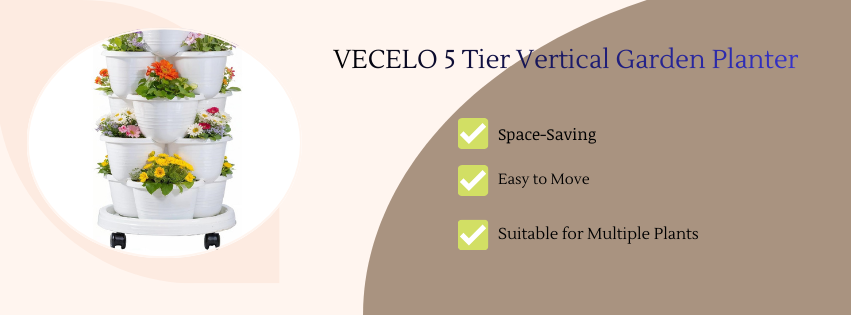
    vertical garden planter

    Done correctly, a small living room can comfortably support 5–10 well-chosen plants without feeling cramped. The difference is layout strategy not quantity.

    Quick Summary Box

    • Identify window direction (north, south, east, west) before placing plants
    • Use vertical space: shelves, wall planters, plant stands
    • Choose containers with drainage holes
    • Use well-draining indoor potting mix (never garden soil)
    • Keep 2–3 feet of walkway clearance
    • Group plants with similar watering needs
    • Ideal humidity: 40–60% for most tropical houseplants
    • Budget setup: $80–$200 | Premium setup: $300–$800

    Step 1: Assess Light Direction (This Determines Everything)

    Light direction is the foundation of indoor plant placement.

    South-Facing Windows (Brightest)

    Best for:

    • Fiddle leaf fig
    • Rubber plant
    • Bird of paradise
    • Succulents

    Plants can sit 1–3 feet from the window.

    Maintenance impact: More frequent watering due to faster drying.

    West-Facing Windows (Strong Afternoon Sun)

    Good for:

    • Snake plant
    • Aloe
    • Jade plant

    Avoid placing delicate foliage directly against glass.

    East-Facing Windows (Ideal for Most Plants)

    Gentle morning sun.

    Best for:

    • Pothos
    • Peace lily
    • Philodendron
    • ZZ plant

    Lower stress environment for beginners.

    North-Facing Windows (Lowest Light)

    Use:

    • Snake plant
    • ZZ plant
    • Cast iron plant

    Expect slower growth.

    If natural light is insufficient, use LED grow lights for 10–14 hours daily.

    Step 2: Choose the Right Containers (Drainage First, Style Second)

    Indoor plants fail quickly in decorative pots without drainage.

    Minimum Requirements

    • At least one drainage hole
    • Saucer or catch tray
    • 1–2 inches of space between root ball and pot wall

    Container depth guidelines:

    • Small plants: 6–8 inches
    • Medium plants: 8–12 inches
    • Floor plants: 12–16 inches

    Use indoor potting mix:

    • 60% peat or coco coir
    • 20% perlite
    • 20% compost or bark fines

    Why: Improves aeration and prevents root rot.

    Step 3: Use Vertical Space (The Secret to Small Rooms)

    Small rooms run out of floor space quickly.

    Practical Vertical Solutions

    • Tiered plant stands
    • Floating shelves
    • Wall-mounted planters
    • Hanging baskets near windows

    Why it works: Draws the eye upward, reduces clutter, and improves airflow.

    Cost considerations:

    • Basic metal stand: $30–$60
    • Premium wood shelving: $150+

    Maintenance impact: Hanging plants dry out faster—check moisture more frequently.

    Step 4: Follow the “Anchor, Mid-Level, Accent” Layout

    Instead of scattering plants randomly, structure them intentionally.

    1. Anchor Plant (1–2 Large Plants)

    Place in corners near bright windows.

    Good options:

    • Rubber plant
    • Dracaena
    • Fiddle leaf fig (if light allows)

    These create height and fill empty vertical space.

    2. Mid-Level Plants (Eye-Level Interest)

    Use:

    • Plant stands
    • Side tables
    • Media console tops

    Plants:

    • Monstera (compact variety)
    • Peace lily
    • Calathea (higher humidity needed)

    Keep at least 2–3 feet clearance from pathways.

    3. Accent Plants (Small Touches)

    Place on:

    • Coffee tables
    • Bookshelves
    • Window sills

    Options:

    • Pothos
    • Succulents
    • Small ferns

    Avoid overloading surfaces.

    Step 5: Group Plants by Watering Needs

    This reduces maintenance errors.

    Low-Water Group

    • Snake plant
    • ZZ plant
    • Succulents

    Water every 2–3 weeks.

    Moderate-Water Group

    • Pothos
    • Philodendron
    • Peace lily

    Water every 7–10 days.

    Grouping prevents overwatering drought-tolerant species.

    Step 6: Maintain Proper Spacing for Airflow

    Crowded plants increase:

    • Fungus gnats
    • Mold
    • Leaf disease

    Keep at least 2–4 inches between pots.

    Rotate plants every 2–3 weeks to promote even growth.

    Soil and Repotting Basics

    Indoor plants eventually become root-bound.

    Signs:

    • Roots circling bottom
    • Water running straight through soil
    • Slowed growth

    Repot every 1–2 years.

    Increase pot size only 1–2 inches in diameter each time.

    Avoid oversized pots excess soil retains moisture too long.

    Humidity Considerations in Small Living Rooms

    Most tropical plants prefer 40–60% humidity.

    If your space drops below 30%:

    • Use a small humidifier ($40–$100)
    • Group plants together
    • Avoid placing near heating vents

    Low humidity causes brown leaf tips.

    Beginner Mistakes to Avoid

    • Blocking windows with large plants
    • Using pots without drainage
    • Overcrowding floor space
    • Ignoring light direction
    • Overwatering low-light plants

    Small spaces magnify mistakes.

    Budget vs Premium Setup Comparison

    FeatureBudgetPremium
    PotsPlastic nursery potsCeramic/stone
    LightingNatural light onlyFull-spectrum grow lights
    StandsBasic metalCustom wood or metal
    PlantsSmall startersMature statement plants

    Budget setup: $80–$200

    Premium aesthetic layout: $300–$800+

    Premium setups reduce time to visual impact but increase initial cost.

    Layout Ideas for Different Small Living Room Types

    Apartment with One Window

    • One anchor plant near window
    • Two mid-level plants on stands
    • Two trailing shelf plants

    Keep floor space open.

    Narrow Living Room

    • Vertical shelving along one wall
    • One tall corner plant
    • Avoid large coffee-table plants

    Focus on upward growth.

    Studio Apartment

    • Use plants as subtle dividers
    • Tall plant between living and sleeping area
    • Low-light plants in interior zones

    FAQ

    How many plants should I have in a small living room?

    Typically 5–10 depending on square footage and light availability. Avoid overcrowding walkways.

    Where should I place plants in a small living room?

    Near natural light sources first. Then build vertically using shelves and stands.

    What are the easiest plants for small spaces?

    Snake plant, pothos, ZZ plant, philodendron, and peace lily.

    Do I need grow lights?

    If you have north-facing windows or limited light, yes. Provide 10–14 hours daily.

    How often should I water indoor plants?

    Most tropical plants every 7–10 days. Drought-tolerant plants every 2–3 weeks.

    Can I mix plant types together?

    Yes, but group by similar light and watering needs.

    Final Thoughts

    Arranging plants in a small living room isn’t about fitting as many as possible it’s about strategic placement based on light, airflow, and maintenance capacity.

    Start by:

    • Identifying window direction
    • Choosing containers with proper drainage
    • Building vertical layers
    • Grouping plants by care requirements

    When structured intentionally, even a compact living room can feel lush without feeling cluttered. Over time, as you learn your room’s light patterns and humidity levels, you can refine placements and upgrade containers or lighting.

    The goal is balance: Healthy plants. Clear walkways. Strong visual anchors.

    Do that, and your small living room will feel larger, calmer, and more alive.

  • Simple plant arrangement ideas outdoor

    Every product is independently reviewed and selected by our editors. If you buy something through our links, we may earn an affiliate commission at no extra cost to you.

    A simple outdoor plant arrangement should do two things well: look balanced and stay healthy with realistic maintenance. Most failures happen because plants are chosen for color alone without considering root depth, soil composition, drainage, sun exposure direction, or watering needs.

    When those fundamentals are handled correctly, even the most basic arrangement can outperform elaborate designs.

    This guide covers simple outdoor plant arrangement ideas built on horticultural principles, not just styling trends so they actually thrive in USDA Zones 4–10.

    Introduction

    If your past container arrangements started strong but declined mid-season, you likely ran into one of these common issues:

    • Shallow containers restricting root growth
    • Poor drainage causing root rot
    • Mixing sun and shade plants
    • Overcrowding roots
    • Inconsistent watering

    The solution isn’t more complexity it’s better structure. With the right soil blend, container depth, and plant compatibility, you can create outdoor arrangements that require less correction and deliver consistent results.

    Let’s build them properly from the ground up.

    Quick Summary Box

    • Minimum container depth: 10–12 inches for mixed plant arrangements
    • Drainage: 4–8 holes (½ inch diameter) required
    • Soil mix: 60% potting mix, 20% compost, 10% perlite, 10% coco coir
    • Match plants to sun exposure: south/west = full sun, east = partial, north = shade
    • Watering: Every 1–3 days in summer depending on size
    • Fertilize every 2–3 weeks during peak growth
    • Budget setup: $50–$120 | Premium setup: $150–$400

    Foundations of a Successful Outdoor Arrangement

    Before choosing plants, get these essentials right.

    Soil Composition (Why It Matters)

    Never use heavy garden soil in containers.

    Recommended blend:

    • 60% high-quality container potting mix
    • 20% well-aged compost
    • 10% perlite
    • 10% coco coir or peat moss

    Why it works:

    • Potting mix ensures lightweight structure.
    • Compost provides steady nutrients.
    • Perlite prevents compaction.
    • Coco coir improves moisture retention without waterlogging.

    Maintenance impact: Better aeration reduces root rot and nutrient deficiencies.

    Cost: $15–$30 per large container.

    Drainage Requirements

    Every outdoor planter must allow excess water to escape.

    Minimum:

    • 4–8 drainage holes (½ inch diameter)
    • Optional: 1 inch gravel or expanded clay at base

    Without proper drainage, even drought-tolerant plants will decline.

    Sunlight Direction (Often Ignored)

    South or west-facing:

    • 6–8 hours of direct sun
    • Best for flowering annuals, herbs, and Mediterranean plants

    East-facing:

    • Morning sun only
    • Ideal for leafy greens and partial-shade flowers

    North-facing:

    • Shade plants only

    Mixing plants with different light requirements is one of the biggest beginner mistakes.

    15 Simple Plant Arrangement Ideas Outdoor

    1. Classic Thriller–Filler–Spiller Planter

    Best for patios and entryways.

    Structure:

    • Thriller (height): Ornamental grass or salvia
    • Filler (mid-level): Geraniums or petunias
    • Spiller (trailing): Calibrachoa or sweet potato vine

    Container depth: Minimum 12 inches.

    Why it works: Layering creates visual fullness without overcrowding.

    Maintenance: Deadhead weekly. Fertilize every 2–3 weeks.

    2. Single Statement Grass Planter

    Plant one ornamental grass in a large container.

    Options:

    • Fountain grass (Zones 5–9)
    • Blue fescue (Zones 4–8)
    • Dwarf miscanthus (Zones 5–9)

    Why it works: Texture replaces color complexity.

    Watering: Every 2–3 days during hot periods.

    Low maintenance once established.

    3. Monochrome Flower Pot

    Choose one color family only.

    Example:

    • All white: petunias, verbena, alyssum
    • All purple: salvia, petunias, verbena

    Why it works: Reduces visual chaos and simplifies design decisions.

    4. Simple Herb Container

    Perfect for east-facing patios.

    Plants:

    • Basil
    • Thyme
    • Parsley
    • Oregano

    Depth: 8–10 inches.

    Why it works: Herbs prefer well-draining soil and moderate root restriction.

    Maintenance: Harvest regularly.

    5. Succulent Bowl for Full Sun

    Best for Zones 8–11 outdoors.

    Soil:

    • 70% cactus mix
    • 30% pumice/perlite

    Water: Every 10–14 days.

    Why it works: Low water needs reduce maintenance workload.

    6. Three-Pot Cluster Display

    Group three containers of varying heights.

    Example:

    • Tall: Olive tree or grass
    • Medium: Geraniums
    • Low: Trailing ivy

    Why it works: Creates depth without overfilling one container.

    Budget advantage: Build gradually.

    7. Shade Greenery Arrangement

    North-facing or heavily shaded areas.

    Plants:

    • Ferns
    • Heuchera
    • Dwarf hostas

    Add 30% compost to soil mix to improve moisture retention.

    Water: Every 3–4 days.

    8. Edible Greens Patio Planter

    Plants:

    • Leaf lettuce
    • Spinach
    • Arugula
    • Green onions

    Depth: 8–10 inches.

    Water daily in hot weather.

    Light liquid feeding every 3 weeks.

    9. Lavender & Rosemary Pot

    South-facing only.

    Soil:

    • 50% potting mix
    • 30% coarse sand
    • 20% gravel

    Water: Every 7–10 days once established.

    Why it works: Replicates Mediterranean drainage conditions.

    Common mistake: Overwatering.

    10. Symmetrical Entry Planters

    Use matching containers on both sides of a doorway.

    Plant:

    • Boxwood (Zones 5–9)
    • Upright grass
    • Seasonal underplanting

    Why it works: Symmetry provides instant structure.

    Maintenance: Light pruning twice per season.

    11. Minimalist Green-Only Arrangement

    Use foliage only.

    Plants:

    • Coleus
    • Ferns
    • Sweet potato vine
    • Heuchera

    Why it works: Texture contrast replaces flower dependency.

    Lower maintenance than high-bloom containers.

    12. Raised Bed Flower Strip

    Use a raised bed at least 10–12 inches deep.

    Layout:

    • Back: Tall zinnias
    • Middle: Marigolds
    • Front: Alyssum

    Why it works: Layering improves airflow and bloom visibility.

    Raised beds improve drainage and root development.

    13. Seasonal Rotation Container

    Use the same container year-round.

    Spring:

    • Pansies
    • Tulips

    Summer:

    • Petunias
    • Zinnias

    Fall:

    • Ornamental kale
    • Mums

    Winter (Zones 7–10):

    • Dwarf evergreen

    Why it works: Reuse structure, rotate plants.

    14. Low-Maintenance Perennial Pot

    Plants:

    • Coreopsis
    • Sedum
    • Dwarf daylily

    Depth: 12–14 inches minimum.

    Check USDA hardiness zone for winter survival.

    15. Modern Concrete Planter with One Tree

    Plant:

    • Dwarf Japanese maple (Zones 5–8)
    • Dwarf citrus (Zones 8–11)

    Container depth: 16+ inches.

    Why it works: One focal plant simplifies care.

    Cost: $150–$400 depending on tree.

    Watering Strategy

    General summer guidelines:

    Small containers (under 12 inches): Daily or every other day.

    Medium containers: Every 1–2 days.

    Large containers: Every 2–3 days.

    Always check soil 2 inches deep before watering.

    Drip irrigation kits ($40–$120) reduce maintenance and stabilize moisture.

    Fertilization Plan

    Containers lose nutrients faster than in-ground beds.

    Use:

    • Slow-release fertilizer at planting
    • Liquid fertilizer every 2–3 weeks

    Why: Frequent watering leaches nutrients.

    Maintenance impact: Consistent feeding improves bloom density and leaf color.

    Beginner Mistakes to Avoid

    • Overcrowding plants
    • Using garden soil
    • Ignoring sunlight direction
    • Skipping drainage holes
    • Underestimating watering frequency in summer

    Simplicity works only when plant compatibility is respected.

    Budget vs Premium Setup

    FeatureBudgetPremium
    ContainersResin/plasticCeramic/concrete
    SoilStandard potting mixOrganic enriched mix
    IrrigationManual wateringDrip irrigation system
    PlantsSeeds/small startsMature nursery plants

    Budget total: $50–$120

    Premium: $150–$400

    Premium setups reduce labor and replacement costs.

    FAQ

    What is the easiest outdoor plant arrangement?

    A thriller–filler–spiller container matched to your sun exposure is the simplest reliable method.

    How deep should outdoor planters be?

    At least 10–12 inches for mixed arrangements. Deeper for shrubs and vegetables.

    How often should I water outdoor arrangements?

    Typically every 1–3 days during summer, depending on size and sun exposure.

    What are the lowest maintenance plants?

    Succulents, ornamental grasses, lavender, rosemary, sedum, and hardy perennials.

    Can I mix annuals and perennials?

    Yes, but ensure similar light and water requirements.

    Do I need fertilizer for outdoor containers?

    Yes. Nutrients leach quickly in containers, so consistent feeding is essential.

    Final Thoughts

    Simple outdoor plant arrangements succeed when built on strong horticultural fundamentals not complicated design trends.

    Focus on:

    • Proper drainage
    • Quality soil structure
    • Adequate container depth
    • Matching plants to sun direction
    • Realistic watering and feeding schedules

    When these are handled correctly, even the most straightforward arrangement can look intentional, lush, and well-maintained throughout the growing season.

    Start with one properly structured container. Monitor how it performs in your specific USDA zone and exposure. Adjust watering and feeding based on plant response.

    Simple doesn’t mean careless. Simple means strategic and strategic arrangements last.

  • Mini Garden Wheelbarrow Planter

    Every product is independently reviewed and selected by our editors. If you buy something through our links, we may earn an affiliate commission at no extra cost to you.

    A mini garden wheelbarrow planter is one of the most charming ways to add personality to a patio, balcony, or small yard. But most miniature wheelbarrow planters fail for one simple reason: they’re treated like décor instead of real growing systems.

    Even a small container needs proper drainage, balanced soil composition, correct root depth, and thoughtful plant selection. When built correctly, a mini wheelbarrow planter becomes a functional micro‑garden that can grow herbs, flowers, succulents, or even compact vegetables for an entire season.

    This guide shows you how to design one that thrives not just looks good for a week.

    Introduction

    Mini decorative wheelbarrows are often sold as ready-to-plant garden accents. Unfortunately, many have no drainage holes, shallow basins, and poor airflow. Beginners fill them with heavy soil, overwater, and within weeks plants decline.

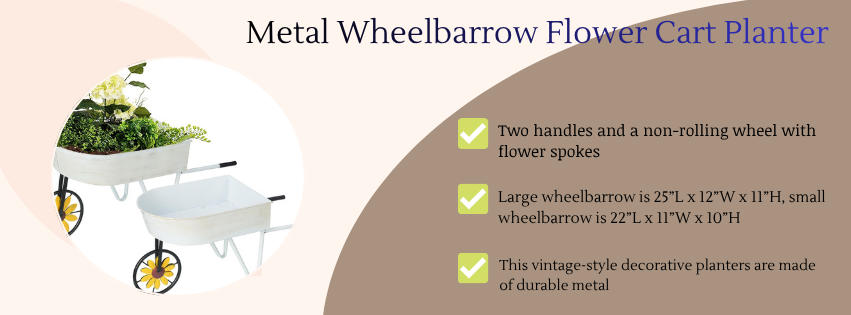
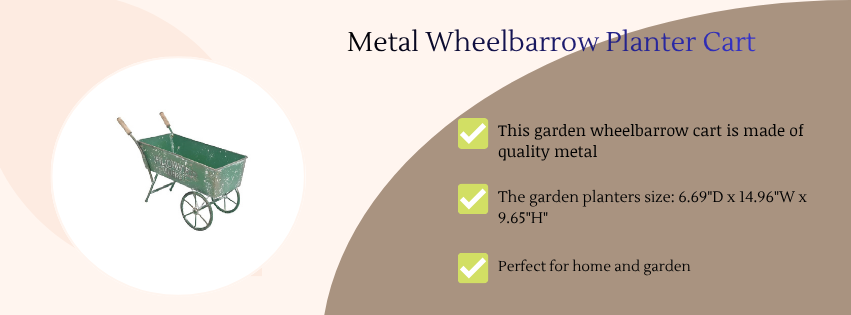
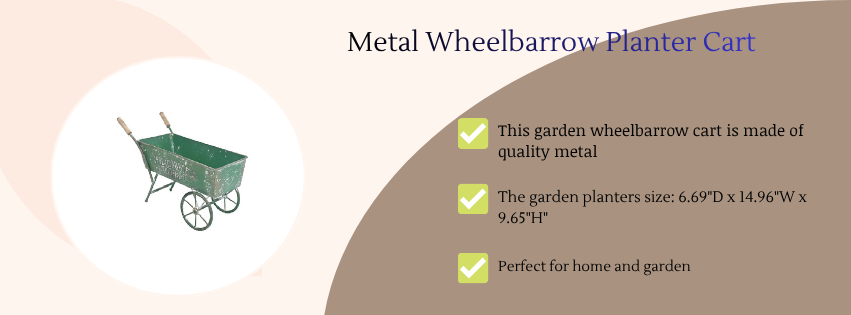
    Metal Wheelbarrow Flower Cart Planter

    The goal is to treat your mini wheelbarrow planter like a small raised bed on wheels. With the right setup, you’ll get:

    • Strong root development
    • Even moisture control
    • Seasonal flexibility
    • Low maintenance upkeep
    • High visual impact in small spaces

    Whether you’re gardening in USDA Zone 4 or Zone 10, this structure can work with proper adjustments.

    Quick Summary Box

    • Minimum soil depth: 6–8 inches (flowers/herbs), 8–10 inches (compact vegetables)
    • Always drill drainage holes (¼–½ inch)
    • Use lightweight container mix (never garden soil)
    • Best placement: South- or east-facing exposure
    • Watering frequency: Every 1–3 days in summer
    • Ideal for USDA Zones 4–10 (seasonal use in colder zones)
    • Budget setup: $30–$80
    • Premium decorative setup: $120–$250

    Why a Mini Wheelbarrow Planter Works in Small Spaces

    Mini wheelbarrow planters function similarly to container gardens and shallow raised beds.

    1. Elevated Drainage

    Because the planter sits above ground, excess water escapes quickly when proper holes are drilled.

    2. Mobility

    Even small models can be repositioned to optimize sunlight critical for balconies where exposure shifts seasonally.

    3. Controlled Soil Environment

    You completely control soil composition, which is often superior to compacted yard soil.

    Common beginner mistake: Using decorative mini wheelbarrows without modifying drainage. Decorative metal versions often trap water at the base.

    Step 1: Choosing the Right Mini Wheelbarrow

    Mini garden wheelbarrows range from 12–24 inches long.

    Ideal Specifications

    • Depth: At least 6 inches minimum
    • Width: 10–14 inches
    • Material: Sealed wood or powder-coated metal
    • Base stability: Wide enough to prevent tipping

    Avoid extremely shallow (under 4 inches deep) decorative models unless planting only succulents.

    Cost considerations:

    • Basic decorative planter: $20–$40
    • Durable outdoor-grade metal/wood: $60–$150

    If you’re serious about plant health, durability matters more than aesthetics.

    Step 2: Drainage Setup (Non-Negotiable)

    Mini planters dry out faster—but they also rot faster if water stagnates.

    Proper Drainage Method

    • Drill 4–6 holes (¼–½ inch each).
    • Add ½–1 inch of coarse gravel or expanded clay pellets.
    • Optional: Line with landscape fabric to prevent soil loss.

    Why it works: Roots require oxygen. Waterlogged soil leads to root rot within 7–10 days in warm conditions.

    Maintenance impact: Good drainage reduces fungal disease and extends plant lifespan.

    Step 3: Soil Composition for Mini Planters

    Because volume is limited, soil quality matters more.

    Use this formula:

    • 60% high-quality container potting mix
    • 20% compost (screened and well-aged)
    • 10% perlite
    • 10% coco coir or peat moss

    Why this works:

    • Lightweight structure prevents compaction.
    • Compost feeds plants gradually.
    • Perlite improves aeration.
    • Coco coir stabilizes moisture.

    Avoid:

    • Heavy topsoil
    • Clay-based mixes
    • Pure compost (too dense for small containers)

    Budget option: Pre-mixed all-purpose container soil ($12–$18 per bag).

    Premium option: Organic blends with added mycorrhizae ($20–$30 per bag) improve nutrient uptake.

    Best Plant Types for a Mini Garden Wheelbarrow Planter

    Plant selection must match root depth and sun exposure.

    1. Mini Flower Garden

    Best for south- or west-facing placement (6+ hours sun).

    Great choices:

    • Dwarf marigolds (6–8 inch depth)
    • Alyssum
    • Compact petunias
    • Lobelia
    • Dwarf zinnias

    Why it works: These plants have shallow to moderate root systems and tolerate confined spaces.

    Watering: Every 1–2 days in summer heat.

    Maintenance: Deadhead weekly for prolonged blooms.

    2. Compact Herb Garden

    Perfect for balconies and patios.

    Best herbs:

    • Basil (6–8 inches soil)
    • Thyme
    • Oregano
    • Parsley
    • Chives

    Avoid large rosemary varieties unless depth exceeds 8 inches and drainage is excellent.

    Why it works: Most culinary herbs prefer slightly restricted root zones and good drainage.

    Maintenance: Harvest regularly to encourage bushy growth.

    3. Succulent Mini Landscape

    Ideal for hot climates (USDA Zones 8–11).

    Soil mix:

    • 70% cactus/succulent mix
    • 30% pumice or perlite

    Sun: South-facing preferred.

    Watering: Every 10–14 days.

    Low maintenance and very beginner-friendly if drainage is excellent.

    4. Edible Micro-Garden

    Yes, you can grow food in a mini wheelbarrow strategically.

    Good options:

    • Leaf lettuce (6 inches depth)
    • Arugula
    • Green onions
    • Spinach
    • Strawberries

    Avoid:

    • Carrots (unless 8–10 inches deep)
    • Tomatoes (unless compact dwarf varieties and 10 inches depth minimum)

    Fertilize lightly every 3 weeks with diluted liquid fertilizer.

    Sun Exposure: Direction Matters

    South or West-Facing

    • Best for flowering annuals and herbs.
    • Expect faster drying.
    • Requires more frequent watering.

    East-Facing

    • Gentle morning sun.
    • Ideal for lettuce, herbs, and partial-shade flowers.

    North-Facing

    • Use shade-tolerant plants:
      • Impatiens
      • Ferns
      • Heuchera

    Light directly affects bloom density and growth rate.

    Watering Strategy for Small Containers

    Mini containers dry out faster than larger ones due to reduced soil volume.

    Check moisture daily in summer.

    Best practice: Insert finger 2 inches deep. If dry, water slowly until runoff appears from drainage holes.

    Avoid: Quick surface watering. It doesn’t hydrate the full root zone.

    Optional upgrade: Install a small self-watering insert or moisture-retentive reservoir system. Cost: $15–$40. Reduces watering frequency by up to 30%.

    Fertilization Schedule

    Small containers leach nutrients quickly.

    Use:

    • Slow-release granular fertilizer at planting.
    • Liquid feed every 2–3 weeks during active growth.

    Why: Frequent watering flushes nutrients from confined soil.

    Maintenance impact: Regular feeding dramatically improves bloom color and leaf production.

    Seasonal Design Ideas

    Spring

    Plant:

    • Pansies
    • Dwarf tulips (plant bulbs 2–3x their height in fall)

    Summer

    Bright annual mix with trailing accents over edges.

    Fall

    Use:

    • Ornamental kale
    • Mums
    • Small pumpkins around base

    Winter (Zones 7–10)

    Add:

    • Small evergreen shrubs
    • Ivy
    • Pinecones

    In Zones 4–6, store indoors or empty to prevent freeze damage.

    Pest Prevention Basics

    Common pests in small containers:

    • Aphids
    • Spider mites
    • Fungus gnats

    Prevention:

    • Avoid overwatering.
    • Ensure airflow.
    • Inspect weekly.
    • Use neem oil spray early if needed.

    Small containers can decline quickly monitor consistently.

    Budget vs Premium Setup Comparison

    FeatureBudget SetupPremium Setup
    WheelbarrowDecorative basicOutdoor-grade sealed
    SoilStandard potting mixOrganic enriched mix
    PlantsSeed-grownNursery-grown mature
    IrrigationManual wateringSelf-watering insert

    Estimated costs:

    • Budget: $30–$80
    • Premium decorative display: $120–$250

    Beginner Mistakes to Avoid

    • Skipping drainage holes.
    • Overcrowding plants.
    • Using heavy soil.
    • Ignoring sun exposure direction.
    • Letting soil dry completely in summer.

    Small containers require more frequent monitoring than larger raised beds.

    FAQ

    How deep should a mini wheelbarrow planter be?

    Minimum 6 inches for flowers and herbs. Ideally 8–10 inches for vegetables and stronger root systems.

    Can I use a mini wheelbarrow indoors?

    Yes, but use a drainage tray beneath it. Place near a bright east- or south-facing window or use grow lights for 12–14 hours daily.

    Do mini wheelbarrow planters dry out faster?

    Yes. Smaller soil volume means faster evaporation. Check moisture daily in hot weather.

    What are the best low-maintenance plants?

    Succulents, thyme, oregano, and alyssum require less frequent watering and pruning.

    Can I leave it outside in winter?

    In Zones 7–10, yes with hardy plants. In colder zones, empty soil or store indoors to prevent cracking or frost damage.

    Is wood or metal better?

    Wood insulates roots better but requires sealing. Metal is more durable but heats up quickly in full sun.

    Conclusion

    A mini garden wheelbarrow planter is more than decorative charm. When built with proper drainage, balanced soil composition, and smart plant selection, it becomes a functional micro‑garden that thrives in tight spaces.

    The transformation is simple:

    Drill for drainage. Use the right soil. Match plants to sun exposure. Water consistently.

    With minimal investment, you gain a movable, adaptable growing space that works on patios, balconies, entryways, or small yards. Over time, it can become a seasonal rotating display spring bulbs, summer flowers, fall textures, and winter greenery.

    Start small. Build it correctly. Maintain it intentionally.

    Your mini wheelbarrow planter can outperform many oversized decorative containers because it’s designed to grow, not just decorate.

  • Spilled wheelbarrow planter

    Every product is independently reviewed and selected by our editors. If you buy something through our links, we may earn an affiliate commission at no extra cost to you.

    A spilled wheelbarrow planter can turn a quiet corner of your yard into a living focal point. When designed correctly, it looks like flowers are pouring out in a colorful cascade. When done poorly, it becomes a soggy, struggling mess with uneven growth and dead patches.

    The difference isn’t creativity. It’s horticultural structure.

    In this guide, I’ll walk you through how to build a spilled wheelbarrow planter that not only looks dramatic but supports healthy root systems, proper drainage, and season-long performance.

    Introduction

    Many gardeners attempt the “spilled” look using random annuals and garden soil, only to watch plants rot at the base while the outer trail dries out too quickly. The problem is imbalance uneven moisture distribution, shallow soil depth, and poor plant selection.

    A properly built spilled wheelbarrow planter:

    • Controls drainage
    • Supports consistent moisture
    • Uses layered planting for depth and movement
    • Aligns with sun exposure direction
    • Works within your USDA hardiness zone

    By the end of this guide, you’ll know exactly how to construct one that lasts all season with manageable maintenance.

    Quick Summary Box

    • Minimum wheelbarrow soil depth: 8–12 inches
    • Use lightweight container mix (never heavy garden soil)
    • Drill 6–10 drainage holes (½ inch diameter)
    • Best exposure: South or west-facing for sun flowers
    • Watering: Every 1–3 days in summer
    • Best plants: Trailing annuals, creeping groundcovers, compact perennials
    • USDA Zones: 4–9 (seasonal), 7–10 (longer perennial use)
    • Budget range: $60–$250 depending on plant maturity

    Why a Spilled Wheelbarrow Planter Works

    The spilled design works because it creates:

    1. Vertical Interest

    The raised back of the wheelbarrow adds height, while trailing plants soften the transition into the landscape.

    2. Root-Zone Elevation

    Elevated planting improves drainage compared to in-ground beds.

    3. Visual Motion

    The illusion of plants “pouring” outward draws the eye across the garden.

    But the key is structural planning.

    Step 1: Choosing the Right Wheelbarrow

    Metal vs. Wooden

    Metal wheelbarrows

    • More durable
    • Heat up quickly in full sun
    • Require rust-resistant paint

    Wooden wheelbarrows

    • More rustic appearance
    • Require sealing to prevent rot
    • Slightly better insulation for roots

    Cost consideration:

    • Repurposed old wheelbarrow: Free–$50
    • Decorative new versions: $120–$300

    If buying new, choose one at least:

    • 24–30 inches long
    • 12 inches deep

    Depth matters for root stability.

    Step 2: Drainage Setup (Critical for Long-Term Success)

    Most failed spilled planters fail here.

    Proper Drainage Method

    • Drill 6–10 holes in the base (½ inch each).
    • Add 1 inch of coarse gravel or expanded clay pellets.
    • Line with landscape fabric (optional for wooden models).

    Why this works: Wheelbarrows aren’t engineered as planters. Without drainage, water pools at the lowest tilt point causing root rot at the back and drought stress at the spill edge.

    Maintenance impact: Proper drainage reduces fungal disease and root decay by over 50%.

    Step 3: Soil Composition for Even Moisture Distribution

    The biggest challenge in spilled designs is uneven moisture. The rear section stays wetter than the cascading edge.

    Use a structured mix:

    • 60% high-quality container potting mix
    • 20% compost (well-aged, screened)
    • 10% perlite
    • 10% coco coir

    Why this works:

    • Potting mix keeps soil lightweight.
    • Compost provides nutrients.
    • Perlite prevents compaction.
    • Coco coir improves moisture balance.

    Avoid:

    • Clay-heavy garden soil
    • Pure compost (too dense)
    • Topsoil blends (poor aeration)

    Cost: $15–$30 per cubic foot.

    Step 4: Creating the “Spill” Effect Properly

    The illusion depends on layering.

    Inside the Wheelbarrow (The Source)

    Plant upright or mounding plants:

    • Geraniums
    • Upright petunias
    • Dwarf marigolds
    • Salvia
    • Coleus (for partial shade)

    Soil depth here should be at least 10–12 inches.

    These act as the “core” of the spill.

    At the Lip (The Transition)

    Use semi-trailing plants:

    • Calibrachoa
    • Lobelia
    • Bacopa
    • Verbena

    Plant densely to create fullness.

    On the Ground (The Flow)

    Extend the design into the soil with:

    • Creeping Jenny
    • Sweet alyssum
    • Trailing petunias
    • Creeping phlox (Zones 4–8)
    • Dichondra ‘Silver Falls’

    Prepare the ground beneath with:

    • 6–8 inches loosened soil
    • Compost amendment (20–30%)

    This ensures continuity between container and landscape.

    Sunlight Placement: Direction Matters

    Before planting, assess exposure.

    Full Sun (6–8 hours, south or west-facing)

    Best for:

    • Petunias
    • Verbena
    • Marigolds
    • Zinnias
    • Lavender

    Expect:

    • Daily watering in peak summer
    • Higher bloom production

    Partial Shade (4–6 hours, east-facing ideal)

    Best for:

    • Impatiens
    • Begonias
    • Coleus
    • Lobelia

    Avoid placing full-sun flowers in north-facing shade. Bloom performance drops significantly.

    Watering Strategy for Spilled Designs

    Because of the tilt, water flows downward.

    Best Practice:

    • Water slowly from the back.
    • Allow runoff to hydrate spill plants.
    • Check soil moisture 2 inches deep.

    Summer frequency:

    • Every 1–2 days in Zones 7–9
    • Every 2–3 days in Zones 4–6

    Drip irrigation option: Install a micro-drip line at the back section. Cost: $40–$80. Reduces watering labor significantly.

    Fertilization Plan

    Annual flower displays are nutrient-demanding.

    Use:

    • Slow-release granular fertilizer (every 8–10 weeks)
    • Liquid feed every 2–3 weeks during peak bloom

    Why: Frequent watering flushes nutrients quickly from containers.

    Maintenance impact: Regular feeding dramatically improves bloom density and color saturation.

    Seasonal Variations for a Spilled Wheelbarrow Planter

    Spring Bulb Spill

    Plant tulips or daffodils inside the wheelbarrow. Use pansies or alyssum as the spill.

    Bulb depth: 2–3 times bulb height.

    Zones 4–8 ideal.

    Summer Flower Cascade

    Classic colorful overflow.

    Best for: Zones 4–9

    High maintenance due to watering needs.

    Fall Harvest Spill

    Use:

    • Ornamental kale
    • Mums
    • Mini pumpkins
    • Trailing ivy

    Lower watering needs as temperatures drop.

    Winter Evergreen Display (Zones 6–9)

    Fill with:

    • Dwarf conifers
    • Boxwood
    • Pine branches
    • Decorative branches

    Wrap base with burlap in colder climates.

    Beginner Mistakes to Avoid

    • Overcrowding plants (leads to fungal issues).
    • Using heavy soil.
    • Ignoring sun direction.
    • Not anchoring the wheelbarrow (wind tipping risk).
    • Allowing spill plants to dry out faster than the base.

    Budget vs Premium Setup Comparison

    ElementBudgetPremium
    PlantsSeedlingsMature nursery plants
    IrrigationHand wateringDrip irrigation
    SoilStandard potting mixOrganic enriched blend
    FinishNatural patinaPainted + sealed

    Budget project: $60–$100

    High-impact display: $200–$400

    Pest Prevention Basics

    Common issues:

    • Aphids
    • Spider mites
    • Slugs (especially in shaded designs)

    Preventative steps:

    • Inspect weekly
    • Use neem oil spray (early stage)
    • Avoid overhead watering late evening

    Healthy airflow is critical. Don’t pack plants too tightly.

    FAQ

    How deep should soil be in a spilled wheelbarrow planter?

    Minimum 8 inches for shallow-rooted flowers. Ideally 10–12 inches for strong seasonal growth.

    Can I leave a spilled wheelbarrow planter outside year-round?

    In USDA Zones 7–10, yes with hardy plants. In colder zones, empty or protect before hard freeze to prevent soil expansion damage.

    What plants create the best spilling effect?

    Trailing petunias, calibrachoa, creeping Jenny, lobelia, and dichondra create the most natural cascade.

    Does a metal wheelbarrow overheat roots?

    Yes, in full sun. Mitigate by:

    • Using light-colored paint
    • Increasing watering frequency
    • Adding thicker soil depth

    How do I keep the spill looking full all season?

    Deadhead regularly, fertilize consistently, and trim leggy growth every 3–4 weeks to encourage branching.

    Can vegetables work in a spilled design?

    Leaf lettuce and strawberries work well. Avoid deep-rooted crops like carrots unless depth exceeds 12 inches.

    Final Thoughts

    A spilled wheelbarrow planter is more than decorative nostalgia. When structured correctly with proper drainage, balanced soil composition, and thoughtful plant layering it becomes a high-impact, season-long garden feature.

    The secret is understanding water flow and root depth.

    Get those right, and your planter will:

    • Bloom longer
    • Require fewer corrections
    • Resist disease
    • Stay visually dense and vibrant

    Start with strong structure. Choose plants suited to your sun exposure and USDA zone. Feed consistently. Monitor moisture carefully.

    Do that, and your spilled wheelbarrow won’t just look beautiful on day one it will remain a living, flowing centerpiece all season long.

  • Decorating ideas for old wheelbarrows

    Every product is independently reviewed and selected by our editors. If you buy something through our links, we may earn an affiliate commission at no extra cost to you.

    An old wheelbarrow doesn’t have to rust behind the shed. With the right design approach, it can become the most eye-catching feature in your garden, balcony, or even entryway. The key is not just styling it beautifully but building it in a way that drains properly, supports plant roots, and survives the seasons.

    Introduction

    Most people either throw out an old wheelbarrow or let it slowly decay in the corner of the yard. The problem? They don’t know how to convert it into something functional without creating a soggy, root-rotting mess.

    Used correctly, an old wheelbarrow can become:

    • A movable raised garden bed
    • A seasonal flower display
    • A rustic herb planter
    • A small-space vegetable garden
    • A decorative focal point for patios or balconies

    In this guide, I’ll show you practical, horticulture-backed decorating ideas for old wheelbarrows with proper soil depth, drainage strategy, plant selection, and maintenance considerations. These aren’t Pinterest-only ideas. These are designs that actually work long-term.

    Quick Summary Box

    • Ensure proper drainage: Drill 6–10 holes (½ inch) if none exist.
    • Minimum soil depth: 8–12 inches for flowers, 12+ inches for vegetables.
    • Use lightweight, well-draining potting mix (not garden soil).
    • Ideal placement: South- or west-facing for sun plants; north- or east-facing for shade.
    • USDA Zones 4–9: Works best outdoors year-round (with winter prep).
    • Budget setup: $40–$80
    • Premium decorative setup: $150–$300 depending on plants and materials.

    Why Old Wheelbarrows Make Excellent Garden Planters

    1. Elevated Root Protection

    Wheelbarrows sit above ground, improving drainage and protecting roots from soil compaction.

    2. Mobility

    You can reposition them seasonally:

    • Move into full sun (south exposure) in spring.
    • Shift to partial shade (east-facing) during summer heat.
    • Roll into shelter before frost in Zones 5 and below.

    3. Rustic Aesthetic Appeal

    Weathered metal or aged wood adds texture that modern plastic planters can’t replicate.

    Common beginner mistake: Filling directly with heavy garden soil. This leads to poor drainage and root rot within weeks.

    Step One: Preparing Your Wheelbarrow Properly

    Before decorating, structure matters.

    Drainage Requirements (Critical)

    If your wheelbarrow doesn’t have holes:

    • Drill 6–10 drainage holes in the base.
    • Each hole: ½ inch diameter.
    • Add a thin layer (1 inch) of coarse gravel or expanded clay pellets.

    Why it works: Roots need oxygen. Standing water suffocates root systems and promotes fungal disease.

    Maintenance impact: Proper drainage reduces watering frequency and prevents disease issues.

    Cost impact: Drilling + gravel typically under $20.

    Soil Composition for Long-Term Success

    Never use native garden soil alone.

    Use this mix:

    • 60% high-quality potting mix
    • 20% compost (well-aged)
    • 10% perlite
    • 10% coco coir or peat moss

    This ensures:

    • Moisture retention without waterlogging
    • Lightweight structure (important for mobility)
    • Balanced nutrient profile

    Budget option: Pre-mixed container soil ($12–$18 per bag). Premium option: Organic container blends with mycorrhizae ($20–$30 per bag).

    17 Decorating Ideas for Old Wheelbarrows

    1. Cottage-Style Flower Overflow

    Best for: Full sun (south or west exposure)

    Plant:

    • Petunias
    • Calibrachoa
    • Geraniums
    • Sweet alyssum

    Why it works: Trailing plants soften hard metal edges and create visual abundance.

    Soil depth: 8–10 inches minimum.

    Watering: Every 2–3 days in summer.

    Maintenance: Deadhead weekly for continuous blooms.

    2. Rustic Herb Garden on Wheels

    Perfect for balconies or patios.

    Plant:

    • Basil (8 inches soil)
    • Thyme
    • Oregano
    • Parsley
    • Rosemary (needs excellent drainage)

    USDA Zones: 5–10 (bring indoors in cold zones)

    Why it works: Herbs thrive in slightly confined root systems.

    Beginner mistake: Overwatering rosemary. Let top 2 inches dry first.

    3. Succulent Rock Display

    Ideal for hot climates (Zones 8–11).

    Soil:

    • 70% cactus mix
    • 30% pumice or perlite

    Sun: South-facing.

    Watering: Every 10–14 days.

    Maintenance impact: Very low.

    Why it works: Shallow-rooted succulents don’t require deep soil and thrive in fast-draining conditions.

    4. Mini Raised Vegetable Garden

    Grow:

    • Lettuce (6–8 inches depth)
    • Spinach
    • Radishes (6 inches)
    • Cherry tomatoes (12 inches minimum)
    • Peppers (12 inches)

    Why it works: Wheelbarrow depth mimics a raised bed.

    Critical: At least 12 inches soil for fruiting crops.

    Add a small trellis for vertical support.

    Cost comparison:

    • Budget: Seeds + soil ($50 total)
    • Premium: Heirloom starts + organic fertilizers ($150+)

    5. Seasonal Pumpkin & Fall Display

    Decorate with:

    • Ornamental kale
    • Mums
    • Mini pumpkins
    • Straw bales

    Why it works: Wheelbarrow creates height variation in fall landscapes.

    Sun: Full to partial sun.

    Watering: Twice weekly for mums.

    6. Fairy Garden for Small Spaces

    Use:

    • Dwarf ferns (shade)
    • Moss
    • Miniature decor
    • Creeping Jenny

    Placement: North- or east-facing.

    Soil depth: 6–8 inches.

    Why it works: Wheelbarrows contain miniature ecosystems effectively.

    Maintenance: Keep consistently moist.

    7. Lavender Showcase

    USDA Zones 5–9.

    Soil:

    • 50% potting mix
    • 30% sand
    • 20% gravel

    Sun: Full south exposure.

    Watering: Every 7–10 days once established.

    Why it works: Excellent drainage mimics Mediterranean conditions.

    8. Painted Statement Piece

    Paint the exterior with:

    • Rust-resistant metal paint
    • Outdoor wood sealant (if wooden)

    Color ideas:

    • Matte black (modern)
    • Sage green (cottage)
    • Distressed white (farmhouse)

    Cost: $30–$60 in materials.

    Maintenance: Recoat every 2–3 years.

    9. Shade-Loving Woodland Arrangement

    Plant:

    • Hostas
    • Heuchera
    • Ferns
    • Impatiens

    Exposure: North-facing patio.

    Soil: Rich in compost (30%).

    Watering: Every 3–4 days.

    10. Winter Evergreen Display

    Fill with:

    • Dwarf spruce
    • Boxwood
    • Ivy
    • Pinecones

    Zones: 4–9.

    Why it works: Cold-hardy shrubs tolerate container freezing better than tender plants.

    Add burlap wrap in Zones 4–5.

    11. Drip-Irrigated Mobile Garden

    Install a small drip irrigation kit.

    Why it works:

    • Consistent moisture
    • Reduced plant stress
    • Ideal for vegetables

    Cost: $40–$80.

    Maintenance: Check emitters monthly.

    12. Wildflower Meadow Wheelbarrow

    Sow native wildflower mix.

    Soil depth: 8 inches.

    Sun: Full sun required.

    Watering: Daily until germination, then weekly.

    Best for pollinator gardens.

    13. Vertical Trellis Insert

    Add:

    • Obelisk trellis
    • Climbing peas
    • Clematis

    Soil: 12–14 inches.

    Stabilize with heavy base.

    14. Spring Bulb Explosion

    Plant in fall:

    • Tulips
    • Daffodils
    • Crocus

    Depth: 3x bulb height.

    Drainage is critical to prevent rot.

    15. Edible Salad Station

    Combine:

    • Leaf lettuce
    • Arugula
    • Green onions
    • Parsley

    Harvest-and-come-again strategy.

    Maintenance: Fertilize lightly every 3 weeks.

    16. Coastal Driftwood Theme

    Add:

    • Ornamental grasses
    • Blue fescue
    • White petunias

    Top with decorative stones.

    17. Indoor Decorative Wheelbarrow Planter

    Use lightweight indoor potting mix.

    Add:

    • Pothos
    • Snake plant
    • ZZ plant

    Place near bright east-facing window.

    Water every 2–3 weeks.

    Add grow lights if natural light is insufficient (minimum 12–14 hours for healthy growth).

    Common Beginner Mistakes to Avoid

    • No drainage holes.
    • Using heavy clay soil.
    • Overcrowding plants.
    • Ignoring sun direction.
    • Forgetting winter protection in Zones 4–6.

    Budget vs Premium Setup Comparison

    FeatureBudgetPremium
    SoilStandard potting mixOrganic + mycorrhizae
    IrrigationManual wateringDrip irrigation kit
    PlantsSeed-grownMature nursery plants
    FinishBasic paintProfessional rust-seal coating

    Budget setup: $50–$100 Premium decorative showpiece: $200–$400

    FAQ

    Can I plant directly into a metal wheelbarrow?

    Yes, but only if you drill proper drainage holes. Metal heats quickly in full sun, so monitor moisture levels closely.

    How deep should soil be in a wheelbarrow planter?

    Minimum 8 inches for flowers and herbs. At least 12 inches for vegetables like tomatoes and peppers.

    Do wheelbarrow planters dry out faster?

    Yes. Elevated containers drain quickly and heat up. Expect to water 20–30% more often than in-ground beds.

    Can I use an old wooden wheelbarrow?

    Yes, but seal it with outdoor wood preservative. Line the interior with landscape fabric to slow wood rot.

    What plants should I avoid?

    Avoid large shrubs or deep-rooted trees. They require 18–24 inches of soil depth and long-term root space.

    Can I leave it outside in winter?

    In Zones 7–9, yes. In Zones 4–6, protect roots with mulch or move to sheltered location.

    Final Thoughts

    An old wheelbarrow isn’t junk it’s a mobile raised garden bed with character.

    When you prioritize drainage, correct soil composition, and proper sun exposure, it becomes more than decor. It becomes functional gardening infrastructure that can grow herbs, vegetables, flowers, or even small shrubs.

    The transformation is simple: Drill. Fill correctly. Plant strategically.

    Over time, you’ll gain:

    • Improved plant health
    • Seasonal flexibility
    • A striking focal point
    • Better small-space productivity

    Start with one wheelbarrow. Build it correctly. Maintain it properly. And it will outperform most decorative planters you can buy.

  • Large decorative wheelbarrow planter

    Every product is independently reviewed and selected by our editors. If you buy something through our links, we may earn an affiliate commission at no extra cost to you.

    A large decorative wheelbarrow planter is one of those statement pieces that instantly adds charm to a front yard, farmhouse landscape, or cottage garden. But if it’s treated like a prop instead of a functional container garden, it often becomes a soggy, root-bound, high-maintenance disappointment.

    When designed properly with correct drainage, soil structure, root-depth planning, and climate-aware plant choices a large decorative wheelbarrow can function as a movable raised bed that looks polished for months.

    This guide walks you through exactly how to build, plant, and maintain a large decorative wheelbarrow planter so it thrives season after season.

    Introduction

    Most homeowners buy a decorative wheelbarrow for curb appeal. They fill it with generic potting soil, plant a few annuals, and place it in full sun.

    By midsummer, they’re dealing with:

    • Soil drying out daily
    • Wilting plants despite watering
    • Root rot from poor drainage
    • Rust (metal) or rot (wood)
    • Overcrowded plants struggling in shallow soil

    A large decorative wheelbarrow planter behaves differently than standard pots. Its shape, depth, and material all affect root health and watering needs.

    In this guide, you’ll learn how to turn that decorative piece into a high-performing container garden with practical longevity.

    Quick Summary Box

    • Ideal soil depth: 10–16 inches
    • Drill 4–8 drainage holes (½ inch diameter)
    • Soil mix: 60% premium potting mix + 20% compost + 20% perlite or pine bark
    • Best plants: Shallow-rooted annuals, herbs, compact grasses, dwarf shrubs
    • Watering: Daily in full sun during summer
    • USDA Zones 3–6: Provide winter protection or empty soil
    • Avoid plastic liners and heavy garden soil

    What Makes a Large Decorative Wheelbarrow Planter Different

    Large decorative models typically measure:

    • 30–48 inches long
    • 18–24 inches wide
    • 10–16 inches deep

    Despite their size, depth is still limited compared to traditional raised beds.

    That means:

    • You must match plants to soil depth
    • Drainage must be carefully managed
    • Watering must be consistent but controlled

    Think of it as a shallow raised bed on wheels.

    Wood vs Metal Decorative Wheelbarrows

    Wooden Decorative Wheelbarrow

    Pros

    • Better root insulation from heat
    • Classic rustic appearance
    • Cooler soil temperatures in summer

    Cons

    • Prone to rot without sealing
    • Shorter lifespan if exposed to constant moisture

    Maintenance impact: Requires annual sealing and winter protection in cold climates.

    Metal Decorative Wheelbarrow

    Pros

    • Highly durable
    • Long lifespan
    • Modern farmhouse aesthetic

    Cons

    • Retains heat in full sun
    • Can rust if water pools

    Maintenance impact: Requires proper drainage and occasional rust touch-up.

    Preparing a Large Decorative Wheelbarrow for Planting

    1. Ensure Proper Drainage

    This is the most common failure point.

    Steps:

    • Drill 4–8 holes (½ inch diameter).
    • Confirm the lowest part of the base drains fully.
    • Elevate slightly using bricks or pot feet.

    Why it works: Standing water suffocates roots and accelerates wood rot or metal corrosion.

    Avoid placing gravel at the bottom. It reduces effective drainage by creating a perched water table.

    2. Protect the Material

    For Wood:

    • Apply exterior-grade, plant-safe sealant.
    • Reapply annually.

    For Metal:

    • Ensure no standing water.
    • Touch up scratches with rust-resistant paint.

    Cost consideration: $15–$30 annually for maintenance products.

    3. Use the Correct Soil Composition

    Never use native garden soil.

    Ideal mix:

    • 60% high-quality potting mix
    • 20% compost
    • 20% perlite or pine bark fines

    Why this ratio works:

    • Compost improves nutrient availability.
    • Perlite prevents compaction.
    • Potting mix retains balanced moisture.

    Estimated cost: $25–$50 depending on planter size.

    Soil quality directly impacts plant performance.

    Choosing the Right Location

    Sun exposure determines plant selection and watering frequency.

    Sun Exposure Guide

    • South-facing: 6–8+ hours direct sun (highest heat)
    • West-facing: Intense afternoon sun
    • East-facing: Ideal balance
    • North-facing: Shade or bright indirect light

    In USDA Zones 8–11, east-facing placement is often ideal for metal models to reduce root-zone overheating.

    16 Large Decorative Wheelbarrow Planter Ideas

    Each idea includes WHY it works, HOW to implement, and maintenance impact.

    1. Cottage Garden Explosion (Full Sun)

    Thriller: Dwarf sunflower Filler: Zinnias Spiller: Alyssum

    Why: Bright, informal design complements rustic style.

    Water: Daily in summer.

    Maintenance: Deadhead weekly.

    2. Elegant White & Green Display

    Plants:

    • White petunias
    • Dusty miller
    • Trailing ivy

    Works in partial to full sun.

    Low to moderate maintenance.

    3. Pollinator-Friendly Garden

    Plants:

    • Salvia
    • Lantana
    • Verbena

    Attracts bees and butterflies.

    Fertilize every 2–4 weeks.

    4. Herb Harvest Wheelbarrow

    Plants:

    • Basil
    • Thyme
    • Oregano
    • Parsley

    Depth: 10–12 inches minimum.

    Avoid overwatering Mediterranean herbs.

    5. Compact Vegetable Display

    Plants:

    • Determinate cherry tomato
    • Lettuce
    • Radishes

    Requires 14–16 inches depth for tomatoes.

    Water daily.

    6. Ornamental Grass & Color Contrast

    Thriller: Dwarf fountain grass Spiller: Calibrachoa

    Adds movement and height.

    Needs at least 14 inches depth.

    7. Succulent Showcase (Low Water)

    Best for Zones 9–11.

    Soil: 50% cactus mix + 50% perlite.

    Water: Every 7–10 days.

    Very low maintenance.

    8. Shaded Fern & Coleus Mix

    Best for north-facing placement.

    Water: Every 2–3 days.

    Pinch coleus to maintain shape.

    9. Monochrome Purple Design

    Plants:

    • Deep purple petunias
    • Verbena
    • Alternanthera

    High visual impact.

    10. Mediterranean Lavender & Rosemary

    Best in Zones 8–11.

    Add extra perlite (30%) for sharp drainage.

    Water less frequently.

    11. Spring Bulb Display

    Tulips or daffodils layered in fall.

    Requires excellent drainage to prevent bulb rot.

    12. Fall Harvest Arrangement

    Plants:

    • Ornamental cabbage
    • Pansies
    • Decorative gourds

    Lower water demand in cool weather.

    13. Tropical Foliage Statement

    Plants:

    • Caladium
    • Sun-tolerant coleus
    • Sweet potato vine

    Higher water needs.

    Better in partial sun.

    14. Rustic Wildflower Look

    Plants:

    • Dwarf cosmos
    • Coreopsis
    • Black-eyed Susan

    Low maintenance once established.

    15. Seasonal Rotation Plan

    Rotate plantings each season for year-round interest.

    Higher maintenance but strong curb appeal.

    16. Low-Maintenance Heat Combo

    Plants:

    • Angelonia
    • Vinca
    • Scaevola

    Minimal deadheading.

    Excellent for busy homeowners.

    Watering Strategy

    Large decorative wheelbarrows hold more soil than small containers but still dry faster than ground beds.

    General guidelines:

    • Full sun summer: Daily
    • Partial sun: Every 1–2 days
    • Shade: 2–3 times per week

    Always check soil 2 inches deep before watering.

    Drip irrigation kits can reduce maintenance significantly.

    Fertilizing Schedule

    Frequent watering leaches nutrients.

    Recommended:

    • Slow-release fertilizer at planting
    • Liquid fertilizer every 2–4 weeks

    Without feeding, flowering plants decline by midseason.

    Seasonal cost: $15–$30.

    Pest Prevention Basics

    Common issues:

    • Aphids
    • Spider mites (hot climates)
    • Slugs

    Prevention:

    • Avoid overcrowding
    • Maintain airflow
    • Inspect weekly
    • Use neem oil if needed

    USDA Zone Considerations

    Zones 3–6

    • Empty soil before hard freeze.
    • Store under cover if possible.

    Zones 7–11

    • Year-round display possible.
    • Monitor heat stress in summer.

    Budget vs Premium Setup

    Budget ($100–$300)

    • Decorative wheelbarrow
    • Annual flowers
    • Manual watering

    Higher plant replacement frequency.

    Premium ($400–$1,000+)

    • Heavy-duty model
    • Drip irrigation
    • Seasonal rotation strategy
    • High-quality soil

    Lower long-term maintenance.

    Common Beginner Mistakes

    • Not drilling drainage holes
    • Using heavy garden soil
    • Overcrowding plants
    • Choosing deep-root crops in shallow container
    • Ignoring fertilization

    Large containers amplify both good and bad practices.

    Frequently Asked Questions

    How deep should soil be in a large decorative wheelbarrow planter?

    Ideally 12–16 inches for flowers and vegetables. Shallow-rooted crops can grow in 8–10 inches.

    What grows best in a decorative wheelbarrow planter?

    Annual flowers, herbs, compact vegetables, ornamental grasses, and shallow-root perennials.

    How often should you water?

    Daily in full sun during summer. Adjust based on exposure.

    Can you grow perennials long term?

    Yes, if depth allows and winter protection matches your USDA zone.

    Does metal overheat roots?

    Yes, especially in south- or west-facing locations. Mulch and placement adjustments help.

    Should you line the inside?

    Use breathable landscape fabric only. Avoid plastic liners.

    Final Thoughts

    A large decorative wheelbarrow planter is more than a charming garden accent it’s a functional growing space with specific horticultural needs.

    When you:

    • Ensure proper drainage
    • Use a structured soil mix
    • Match plants to depth and exposure
    • Maintain consistent watering and feeding
    • Protect the material from moisture damage

    You create a long-lasting focal point that enhances curb appeal and garden structure.

    Approach it as a container garden with design intention not just decoration and your large decorative wheelbarrow planter will reward you with season-long performance and multi-year durability.

  • Large garden wheelbarrow planter

    Every product is independently reviewed and selected by our editors. If you buy something through our links, we may earn an affiliate commission at no extra cost to you.

    A large garden wheelbarrow planter makes a bold statement. It blends vintage charm with practical growing space, creating a movable raised bed that can anchor a front yard, patio, or cottage-style garden.

    But size alone doesn’t guarantee success.

    Large wheelbarrows hold more soil weight, retain more heat (if metal), trap more moisture (if poorly drained), and require thoughtful plant selection based on root depth and sun exposure.

    If you want a large garden wheelbarrow planter that thrives not just survives this guide walks you through soil composition, drainage setup, container depth strategy, USDA zone considerations, watering frequency, plant combinations, and maintenance realities.

    Introduction

    Many gardeners purchase a large decorative wheelbarrow and treat it like a flower basket. Within one season, they face:

    • Compacted soil
    • Root rot from poor drainage
    • Wood rot or metal corrosion
    • Overgrown plants crowding shallow space
    • Inconsistent watering

    A large wheelbarrow planter functions as a shallow raised bed on wheels. When you build the right foundation soil, drainage, plant layering it becomes one of the most versatile focal points in your landscape.

    This guide gives you practical, real-world strategies to make it work long term.

    Quick Summary Box

    • Ideal soil depth: 10–16 inches
    • Minimum drainage: 4–8 holes (½ inch diameter)
    • Soil mix: 60% potting mix + 20% compost + 20% perlite/pine bark
    • Best plants: Shallow-rooted annuals, herbs, compact shrubs
    • Watering: Daily in full sun during summer
    • USDA Zones 3–6: Empty or protect during winter
    • Avoid garden soil and plastic liners

    Understanding Large Garden Wheelbarrow Planters

    A “large” wheelbarrow planter typically measures:

    • 30–48 inches long
    • 18–24 inches wide
    • 10–16 inches deep

    That gives you more flexibility than small decorative models but depth remains the limiting factor.

    Why Size Changes Everything

    More soil volume means:

    • Better moisture retention
    • More stable root temperature
    • Larger plant options

    But it also means:

    • Increased weight (wet soil is heavy)
    • Greater drainage demand
    • More nutrient leaching from frequent watering

    Wood vs Metal Large Wheelbarrow Planters

    Wooden Wheelbarrow (Rustic Appeal)

    Pros

    • Insulates roots from heat
    • Traditional aesthetic
    • Lighter weight

    Cons

    • Susceptible to rot
    • Requires sealing annually

    Best for: Cottage gardens, Zones 4–10 (with winter protection)

    Metal Wheelbarrow (Durability)

    Pros

    • Long lifespan
    • Resistant to structural breakdown
    • Modern farmhouse look

    Cons

    • Retains heat
    • Can rust if water pools

    Best for: Zones 7–11 year-round use

    Preparing a Large Wheelbarrow Planter

    1. Drainage Setup

    This is the most critical step.

    • Drill 4–8 holes (½ inch diameter).
    • Ensure the lowest point drains fully.
    • Elevate slightly using bricks or pot feet.

    Why it works: Standing water suffocates roots within days in warm weather.

    Never place gravel in the bottom it restricts drainage instead of improving it.

    2. Soil Composition for Large Wheelbarrow Planters

    Never use native garden soil.

    Ideal blend:

    • 60% high-quality potting mix
    • 20% compost
    • 20% perlite or pine bark fines

    Why:

    • Compost improves moisture buffering.
    • Perlite increases aeration.
    • Potting mix maintains structure.

    Cost: $25–$50 depending on size.

    Soil is not the place to cut corners.

    3. Soil Depth Guidelines

    Root depth requirements:

    • Lettuce, spinach: 6–8 inches
    • Annual flowers: 10–12 inches
    • Ornamental grasses: 12–16 inches
    • Dwarf shrubs: 14–16 inches minimum

    If your wheelbarrow is under 10 inches deep, limit to shallow-rooted plants.

    Choosing the Right Location

    Sun Exposure Considerations

    • South-facing: 6–8+ hours direct sun (highest heat)
    • West-facing: Intense afternoon heat
    • East-facing: Ideal balance
    • North-facing: Shade-tolerant plants required

    Large metal wheelbarrows perform better in east-facing locations in hot climates (Zones 8–11).

    15 Large Garden Wheelbarrow Planter Ideas

    Each includes WHY it works, HOW to implement, and maintenance impact.

    1. Cottage Flower Explosion (Full Sun)

    Thriller: Dwarf sunflower Filler: Zinnias Spiller: Alyssum

    Why: Bright, informal look complements rustic shape.

    Water: Daily in summer.

    Maintenance: Deadhead weekly.

    2. Layered Pollinator Garden

    Thriller: Salvia Filler: Lantana Spiller: Verbena

    Attracts bees and butterflies.

    Fertilize: Every 2–4 weeks.

    3. Herb Harvest Wheelbarrow

    Plants:

    • Basil
    • Thyme
    • Oregano
    • Parsley

    Soil: Well-draining, slightly lean (extra perlite).

    Water: Every 1–2 days.

    Avoid overwatering Mediterranean herbs.

    4. Compact Vegetable Garden

    Plants:

    • Cherry tomato (determinate)
    • Lettuce
    • Radishes

    Depth: Minimum 12–16 inches for tomatoes.

    Fertilize: Biweekly with vegetable fertilizer.

    5. Ornamental Grass Feature

    Thriller: Dwarf fountain grass Spiller: Calibrachoa

    Adds height and movement.

    Requires 14–16 inches depth.

    6. Succulent Statement (Low Maintenance)

    Best for Zones 9–11.

    Soil: 50% cactus mix + 50% perlite.

    Water: Every 7–10 days.

    Minimal maintenance.

    7. White & Green Elegant Display

    Plants:

    • White petunias
    • Dusty miller
    • Trailing ivy

    Works in partial to full sun.

    8. Tropical Summer Design

    Plants:

    • Caladium
    • Coleus (sun varieties)
    • Sweet potato vine

    High watering demand.

    Better in partial sun.

    9. Fall Harvest Theme

    Plants:

    • Ornamental cabbage
    • Pansies
    • Decorative gourds

    Lower watering needs in cooler weather.

    10. Lavender & Rosemary Mediterranean Mix

    Best for Zones 8–11.

    Soil: Add extra perlite (30%).

    Avoid overwatering.

    11. Spring Bulb Display

    Tulips or daffodils layered in fall.

    Requires winter chill (Zones 3–7).

    Allow drainage to prevent bulb rot.

    12. Monochrome Purple Drama

    Plants:

    • Petunias
    • Verbena
    • Alternanthera

    High visual impact.

    13. Shaded Fern Garden

    For north-facing placements.

    Plants:

    • Boston fern
    • Coleus
    • Creeping Jenny

    Water: Every 2–3 days.

    14. Rustic Wildflower Look

    Mix cosmos, coreopsis, and black-eyed Susan (dwarf varieties).

    Low maintenance but needs full sun.

    15. Seasonal Rotation Planter

    Rotate:

    • Spring bulbs
    • Summer annuals
    • Fall mums
    • Winter evergreen branches

    Maximizes year-round curb appeal.

    Watering Strategy

    Large wheelbarrow planters hold more soil but still dry faster than ground beds.

    General schedule:

    • Full sun summer: Daily
    • Partial sun: Every 1–2 days
    • Shade: 2–3 times per week

    Check moisture 2 inches deep before watering.

    Drip irrigation kits are highly effective for consistent watering.

    Fertilizing

    Frequent watering leaches nutrients.

    Use:

    • Slow-release fertilizer at planting
    • Liquid feed every 2–4 weeks

    Cost: $15–$30 per season.

    Without fertilizing, plants decline by mid-summer.

    Pest & Disease Prevention

    Common issues:

    • Aphids
    • Spider mites (hot climates)
    • Slugs (if near ground)

    Prevention:

    • Maintain airflow
    • Avoid overcrowding
    • Inspect weekly
    • Use neem oil if needed

    USDA Zone Considerations

    Zones 3–6

    • Empty soil before freeze if wood.
    • Store under cover if possible.

    Zones 7–11

    • Year-round use possible.
    • Monitor heat stress in summer.

    Budget vs Premium Setup

    Budget ($100–$300)

    • Decorative wheelbarrow
    • Annual flowers
    • Manual watering

    Higher seasonal plant replacement.

    Premium ($400–$900+)

    • Heavy-duty wheelbarrow
    • Drip irrigation system
    • High-quality soil
    • Seasonal rotation

    Lower long-term maintenance.

    Common Beginner Mistakes

    • No drainage holes
    • Using heavy garden soil
    • Overcrowding plants
    • Choosing deep-root crops in shallow container
    • Ignoring fertilization

    Large containers amplify both good and bad practices.

    Frequently Asked Questions

    How deep should soil be in a large wheelbarrow planter?

    Ideally 12–16 inches for most flowers and vegetables. Shallow crops can grow in 8–10 inches.

    What plants grow best in a large wheelbarrow planter?

    Annual flowers, herbs, shallow-root vegetables, dwarf ornamental grasses, and compact shrubs.

    How often should you water?

    Daily in full sun during summer; less frequently in partial sun.

    Can you grow perennials?

    Yes, if depth allows and winter protection matches your USDA zone.

    How do you prevent rot or rust?

    Ensure proper drainage and avoid standing water. Seal wood annually.

    Is a large wheelbarrow planter heavy?

    Yes wet soil is very heavy. Position before filling if mobility is limited.

    Final Thoughts

    A large garden wheelbarrow planter is more than decorative it’s a movable raised bed that can elevate your landscape design when properly built.

    Focus on:

    • Drainage
    • Soil structure
    • Root depth compatibility
    • Sun exposure matching
    • Consistent watering and fertilizing

    When you approach it with horticultural intention rather than decoration alone, a wheelbarrow planter becomes a long-lasting focal point that evolves beautifully with the seasons.

    Start with one well-designed planting plan suited to your climate and exposure. With the right foundation, your large garden wheelbarrow planter can thrive for years not just one season.

  • Metal wheelbarrow planter ideas

    Every product is independently reviewed and selected by our editors. If you buy something through our links, we may earn an affiliate commission at no extra cost to you.

    A metal wheelbarrow planter brings instant farmhouse charm and vintage character to a garden. But unlike wood, metal introduces a different challenge: heat retention and drainage control.

    Without the right setup, soil overheats, roots cook, and plants decline fast especially in full sun.

    Done properly, though, a metal wheelbarrow becomes one of the most durable, low-maintenance decorative planters you can own.

    This guide covers practical, horticulture-based metal wheelbarrow planter ideas, including soil composition, drainage strategy, root depth planning, sun exposure management, USDA zone considerations, watering frequency, and long-term care.

    Introduction

    Most gardeners treat metal wheelbarrows as decorative props. They fill them with potting soil, plant a few flowers, and place them in direct sun.

    Within weeks they notice:

    • Soil drying out daily
    • Wilting despite watering
    • Leaf scorch
    • Poor drainage
    • Rust forming around pooled water

    Metal containers behave differently than wood or resin. They heat faster, cool faster, and amplify sun exposure.

    If you want a metal wheelbarrow planter that lasts and plants that thrive you need to design with heat, drainage, and root health in mind.

    Quick Summary

    • Ideal soil depth: 8–14 inches
    • Always drill multiple ½-inch drainage holes
    • Soil mix: 60% potting mix + 20% compost + 20% perlite or pine bark
    • Full sun placement increases watering frequency
    • Watering: Daily in summer (full sun)
    • Best plants: Heat-tolerant annuals, shallow-rooted herbs, succulents
    • USDA Zones: Year-round use in Zones 7–11; seasonal in colder zones

    Is a Metal Wheelbarrow Good for Planting

    Yes if modified properly.

    Advantages:

    • Extremely durable
    • Long lifespan
    • Resistant to rot
    • Rustic aesthetic
    • Rodent resistant

    Challenges:

    • Retains heat in full sun
    • Requires proper drainage
    • Can rust if water pools

    Metal planters are best treated as shallow raised beds with thermal sensitivity.

    Preparing a Metal Wheelbarrow for Planting

    1. Drainage Is Non-Negotiable

    Most decorative metal wheelbarrows do not have adequate drainage.

    How to fix it:

    • Drill 4–8 holes (½ inch diameter) in the bottom.
    • Slightly elevate the front so water drains away.
    • Raise the entire wheelbarrow on bricks or pot feet if possible.

    Why it works: Metal traps water without escape. Roots suffocate quickly in saturated soil.

    Avoid adding rocks at the bottom. That creates a perched water table and worsens root rot.

    2. Manage Heat Retention

    Metal absorbs and radiates heat.

    In south- or west-facing exposure, soil temperatures can exceed 100°F.

    Solutions:

    • Use light-colored paint if repainting.
    • Add a 1-inch mulch layer (bark fines or shredded hardwood).
    • Position where it receives morning sun, afternoon shade if possible.

    Why this matters: Roots are more sensitive to heat than foliage.

    3. Soil Composition for Metal Containers

    Metal containers need balanced moisture retention and airflow.

    Ideal mix:

    • 60% high-quality potting mix
    • 20% compost
    • 20% perlite or pine bark fines

    Why this ratio works:

    • Compost buffers moisture loss.
    • Perlite prevents compaction and improves drainage.
    • Lightweight mix reduces stress on wheel structure.

    Cost: Expect $10–$25 depending on size.

    Never use garden soil it compacts and holds too much moisture.

    Choosing the Right Location

    Sun Exposure Guide

    • South-facing: 6–8+ hours, highest heat
    • West-facing: Intense afternoon heat
    • East-facing: Ideal balance
    • North-facing: Shade-tolerant plant selection required

    In hot climates (Zones 8–11), east-facing placement significantly improves performance.

    14 Metal Wheelbarrow Planter Ideas

    Each idea includes WHY it works, HOW to implement it, and maintenance impact.

    1. Heat-Tolerant Cottage Display (Full Sun)

    Thriller: Dwarf sunflower Filler: Zinnias Spiller: Alyssum

    Why it works: All tolerate high heat and shallow root zones.

    Soil depth: 10–12 inches.

    Water: Daily in summer.

    Maintenance: Deadhead weekly for continuous bloom.

    2. Succulent Showcase (Low Water Option)

    Best for Zones 9–11 or seasonal in cooler zones.

    Plants:

    • Sedum
    • Echeveria
    • Sempervivum

    Soil: 50% cactus mix + 50% perlite.

    Water: Every 7–10 days.

    Low maintenance and minimal heat stress issues.

    3. Rustic Herb Garden

    Plants:

    • Thyme
    • Oregano
    • Basil
    • Sage

    Best exposure: Morning sun.

    Water: Every 1–2 days in heat.

    Avoid rosemary in shallow soil unless drainage is excellent.

    4. Pollinator-Friendly Mix

    Plants:

    • Salvia
    • Verbena
    • Lantana

    Why it works: Heat-tolerant and attracts bees and butterflies.

    Fertilize: Every 2–4 weeks.

    5. Vintage White & Green Theme

    Plants:

    • White petunias
    • Dusty miller
    • Trailing ivy

    Elegant contrast against galvanized metal.

    Moderate maintenance.

    6. Mini Vegetable Planter

    Suitable crops:

    • Lettuce
    • Arugula
    • Radishes
    • Spinach

    Depth required: 6–8 inches.

    Harvest cycle: 30–45 days.

    Best in spring/fall in Zones 7–10.

    7. Ornamental Grass Feature

    Thriller: Dwarf fountain grass Spiller: Calibrachoa

    Why it works: Movement contrasts rigid metal form.

    Depth: Minimum 12 inches.

    Water: Daily in peak heat.

    8. Tropical Summer Display

    Plants:

    • Caladium
    • Sun-tolerant coleus
    • Sweet potato vine

    High water demand.

    Better suited to partial sun.

    9. Fall Harvest Arrangement

    Plants:

    • Ornamental cabbage
    • Pansies
    • Trailing ivy

    Performs well in cooler temperatures (Zones 3–8 fall season).

    Lower watering needs.

    10. Monochrome Purple Design

    Plants:

    • Purple petunias
    • Verbena
    • Alternanthera

    Striking against galvanized finish.

    11. Desert-Inspired Combo

    Plants:

    • Gaillardia
    • Coreopsis
    • Trailing lantana

    Best for hot climates.

    Requires excellent drainage.

    12. Seasonal Rotation Planter

    Rotate:

    • Spring bulbs
    • Summer annuals
    • Fall mums
    • Winter evergreen branches

    Maximizes year-round visual interest.

    Higher maintenance commitment.

    13. Compact Balcony Display

    Plants:

    • Portulaca
    • Bacopa
    • Dwarf marigolds

    Great for small-space gardening.

    14. Low-Maintenance Vinca & Angelonia Mix

    Reliable heat performers.

    Minimal deadheading required.

    Ideal for busy homeowners.

    Watering Strategy for Metal Wheelbarrows

    Metal accelerates evaporation.

    General guidelines:

    • Full sun summer: Daily
    • Partial sun: Every 1–2 days
    • Shade: 2–3 times weekly

    Check soil moisture 2 inches deep.

    Morning watering is essential to reduce heat stress.

    For convenience: Use a small drip irrigation kit if near water access.

    Avoid overwatering ensure water exits freely through drainage holes.

    Fertilizing Requirements

    Frequent watering flushes nutrients.

    Use:

    • Slow-release fertilizer at planting
    • Liquid feed every 2–4 weeks

    Cost: $10–$25 per growing season.

    Without fertilization, flowering declines by mid-season.

    Rust Management & Longevity

    Galvanized metal resists rust but not indefinitely.

    Tips:

    • Ensure proper drainage
    • Avoid standing water
    • Touch up scratched paint
    • Store empty in winter in Zones 3–6

    Expect lifespan: 10+ years with maintenance.

    USDA Zone Considerations

    Zones 3–6

    • Empty soil before freeze.
    • Store under cover to reduce corrosion.

    Zones 7–11

    • Year-round outdoor use possible.
    • Monitor for heat stress in summer.

    Budget vs Premium Setup

    Budget ($75–$200)

    • Vintage metal wheelbarrow
    • Annual flowers
    • Manual watering

    Moderate maintenance.

    Premium ($300–$700)

    • Heavy-gauge galvanized steel
    • Drip irrigation system
    • Seasonal planting rotation

    Lower long-term plant replacement costs.

    Common Beginner Mistakes

    • No drainage holes
    • Placing in extreme full afternoon sun
    • Using heavy garden soil
    • Overcrowding shallow space
    • Ignoring fertilization

    Metal containers amplify mistakes quickly.

    Frequently Asked Questions

    Do metal wheelbarrows get too hot for plants?

    Yes, especially in full sun. Use mulch, proper soil mix, and consider partial sun placement to reduce root stress.

    What grows best in a metal wheelbarrow planter?

    Heat-tolerant annuals, shallow-rooted herbs, succulents, and ornamental grasses perform best.

    How deep should soil be?

    Minimum 8–12 inches for most annuals. Vegetables like lettuce need 6–8 inches.

    How often should you water?

    Daily in peak summer heat if in full sun.

    Will a metal wheelbarrow rust?

    Over time, yes especially if water pools. Proper drainage dramatically slows corrosion.

    Should I line the inside?

    Avoid plastic liners. If desired, use breathable landscape fabric.

    Final Thoughts

    A metal wheelbarrow planter offers durability and visual character that wooden versions can’t match but it requires smarter thermal and drainage management.

    When you:

    • Drill adequate drainage holes
    • Use the correct soil structure
    • Choose heat-tolerant plant combinations
    • Adjust watering frequency
    • Manage sun exposure

    You create a long-lasting focal point that thrives through the season.

    Start with a simple heat-tolerant design in the appropriate exposure for your climate. With proper care, your metal wheelbarrow planter can become a versatile, durable, and seasonally adaptable statement piece for years to come.