Every product is independently reviewed and selected by our editors. If you buy something through our links, we may earn an affiliate commission at no extra cost to you.
A small living room can feel instantly calmer and more refined with plants if they’re arranged correctly. When they’re not, they block light, crowd walkways, and struggle due to poor placement.
The key isn’t adding more plants. It’s arranging them strategically based on light direction, root space, airflow, and maintenance reality.
In this guide, I’ll show you how to arrange plants in a small living room using practical indoor horticulture principles so your space looks balanced and your plants actually thrive.
Introduction
Most small-space plant problems come down to three mistakes:
- Placing plants where they don’t receive adequate light
- Using decorative pots without drainage
- Overcrowding the floor and reducing airflow
Unlike outdoor gardening, indoor plant health depends heavily on window direction, humidity levels, container drainage, and realistic watering habits.
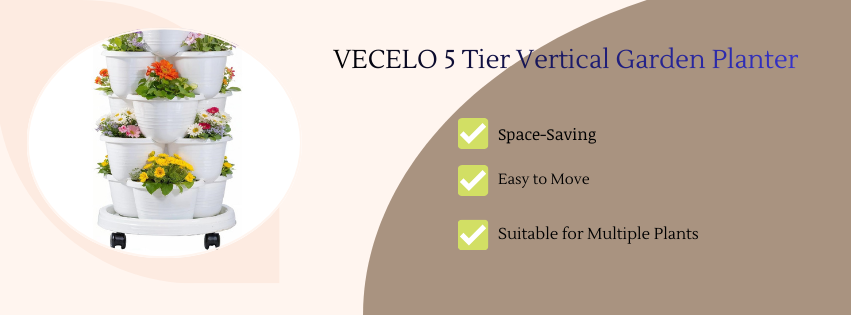
Done correctly, a small living room can comfortably support 5–10 well-chosen plants without feeling cramped. The difference is layout strategy not quantity.
Quick Summary Box
- Identify window direction (north, south, east, west) before placing plants
- Use vertical space: shelves, wall planters, plant stands
- Choose containers with drainage holes
- Use well-draining indoor potting mix (never garden soil)
- Keep 2–3 feet of walkway clearance
- Group plants with similar watering needs
- Ideal humidity: 40–60% for most tropical houseplants
- Budget setup: $80–$200 | Premium setup: $300–$800
Step 1: Assess Light Direction (This Determines Everything)
Light direction is the foundation of indoor plant placement.
South-Facing Windows (Brightest)
Best for:
- Fiddle leaf fig
- Rubber plant
- Bird of paradise
- Succulents
Plants can sit 1–3 feet from the window.
Maintenance impact: More frequent watering due to faster drying.
West-Facing Windows (Strong Afternoon Sun)
Good for:
- Snake plant
- Aloe
- Jade plant
Avoid placing delicate foliage directly against glass.
East-Facing Windows (Ideal for Most Plants)
Gentle morning sun.
Best for:
- Pothos
- Peace lily
- Philodendron
- ZZ plant
Lower stress environment for beginners.
North-Facing Windows (Lowest Light)
Use:
- Snake plant
- ZZ plant
- Cast iron plant
Expect slower growth.
If natural light is insufficient, use LED grow lights for 10–14 hours daily.
Step 2: Choose the Right Containers (Drainage First, Style Second)
Indoor plants fail quickly in decorative pots without drainage.
Minimum Requirements
- At least one drainage hole
- Saucer or catch tray
- 1–2 inches of space between root ball and pot wall
Container depth guidelines:
- Small plants: 6–8 inches
- Medium plants: 8–12 inches
- Floor plants: 12–16 inches
Use indoor potting mix:
- 60% peat or coco coir
- 20% perlite
- 20% compost or bark fines
Why: Improves aeration and prevents root rot.
Step 3: Use Vertical Space (The Secret to Small Rooms)
Small rooms run out of floor space quickly.
Practical Vertical Solutions
- Tiered plant stands
- Floating shelves
- Wall-mounted planters
- Hanging baskets near windows
Why it works: Draws the eye upward, reduces clutter, and improves airflow.
Cost considerations:
- Basic metal stand: $30–$60
- Premium wood shelving: $150+
Maintenance impact: Hanging plants dry out faster—check moisture more frequently.
Step 4: Follow the “Anchor, Mid-Level, Accent” Layout
Instead of scattering plants randomly, structure them intentionally.
1. Anchor Plant (1–2 Large Plants)
Place in corners near bright windows.
Good options:
- Rubber plant
- Dracaena
- Fiddle leaf fig (if light allows)
These create height and fill empty vertical space.
2. Mid-Level Plants (Eye-Level Interest)
Use:
- Plant stands
- Side tables
- Media console tops
Plants:
- Monstera (compact variety)
- Peace lily
- Calathea (higher humidity needed)
Keep at least 2–3 feet clearance from pathways.
3. Accent Plants (Small Touches)
Place on:
- Coffee tables
- Bookshelves
- Window sills
Options:
- Pothos
- Succulents
- Small ferns
Avoid overloading surfaces.
Step 5: Group Plants by Watering Needs
This reduces maintenance errors.
Low-Water Group
- Snake plant
- ZZ plant
- Succulents
Water every 2–3 weeks.
Moderate-Water Group
- Pothos
- Philodendron
- Peace lily
Water every 7–10 days.
Grouping prevents overwatering drought-tolerant species.
Step 6: Maintain Proper Spacing for Airflow
Crowded plants increase:
- Fungus gnats
- Mold
- Leaf disease
Keep at least 2–4 inches between pots.
Rotate plants every 2–3 weeks to promote even growth.
Soil and Repotting Basics
Indoor plants eventually become root-bound.
Signs:
- Roots circling bottom
- Water running straight through soil
- Slowed growth
Repot every 1–2 years.
Increase pot size only 1–2 inches in diameter each time.
Avoid oversized pots excess soil retains moisture too long.
Humidity Considerations in Small Living Rooms
Most tropical plants prefer 40–60% humidity.
If your space drops below 30%:
- Use a small humidifier ($40–$100)
- Group plants together
- Avoid placing near heating vents
Low humidity causes brown leaf tips.
Beginner Mistakes to Avoid
- Blocking windows with large plants
- Using pots without drainage
- Overcrowding floor space
- Ignoring light direction
- Overwatering low-light plants
Small spaces magnify mistakes.
Budget vs Premium Setup Comparison
| Feature | Budget | Premium |
| Pots | Plastic nursery pots | Ceramic/stone |
| Lighting | Natural light only | Full-spectrum grow lights |
| Stands | Basic metal | Custom wood or metal |
| Plants | Small starters | Mature statement plants |
Budget setup: $80–$200
Premium aesthetic layout: $300–$800+
Premium setups reduce time to visual impact but increase initial cost.
Layout Ideas for Different Small Living Room Types
Apartment with One Window
- One anchor plant near window
- Two mid-level plants on stands
- Two trailing shelf plants
Keep floor space open.
Narrow Living Room
- Vertical shelving along one wall
- One tall corner plant
- Avoid large coffee-table plants
Focus on upward growth.
Studio Apartment
- Use plants as subtle dividers
- Tall plant between living and sleeping area
- Low-light plants in interior zones
FAQ
How many plants should I have in a small living room?
Typically 5–10 depending on square footage and light availability. Avoid overcrowding walkways.
Where should I place plants in a small living room?
Near natural light sources first. Then build vertically using shelves and stands.
What are the easiest plants for small spaces?
Snake plant, pothos, ZZ plant, philodendron, and peace lily.
Do I need grow lights?
If you have north-facing windows or limited light, yes. Provide 10–14 hours daily.
How often should I water indoor plants?
Most tropical plants every 7–10 days. Drought-tolerant plants every 2–3 weeks.
Can I mix plant types together?
Yes, but group by similar light and watering needs.
Final Thoughts
Arranging plants in a small living room isn’t about fitting as many as possible it’s about strategic placement based on light, airflow, and maintenance capacity.
Start by:
- Identifying window direction
- Choosing containers with proper drainage
- Building vertical layers
- Grouping plants by care requirements
When structured intentionally, even a compact living room can feel lush without feeling cluttered. Over time, as you learn your room’s light patterns and humidity levels, you can refine placements and upgrade containers or lighting.
The goal is balance: Healthy plants. Clear walkways. Strong visual anchors.
Do that, and your small living room will feel larger, calmer, and more alive.
