Every product is independently reviewed and selected by our editors. If you buy something through our links, we may earn an affiliate commission at no extra cost to you.
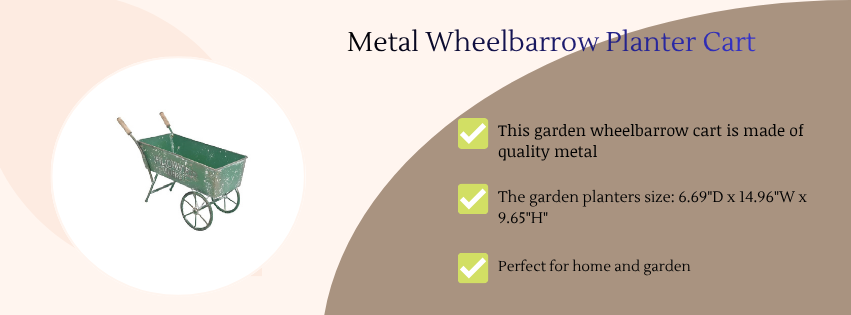
A large garden wheelbarrow planter makes a bold statement. It blends vintage charm with practical growing space, creating a movable raised bed that can anchor a front yard, patio, or cottage-style garden.
But size alone doesn’t guarantee success.
Large wheelbarrows hold more soil weight, retain more heat (if metal), trap more moisture (if poorly drained), and require thoughtful plant selection based on root depth and sun exposure.
If you want a large garden wheelbarrow planter that thrives not just survives this guide walks you through soil composition, drainage setup, container depth strategy, USDA zone considerations, watering frequency, plant combinations, and maintenance realities.
Introduction
Many gardeners purchase a large decorative wheelbarrow and treat it like a flower basket. Within one season, they face:
- Compacted soil
- Root rot from poor drainage
- Wood rot or metal corrosion
- Overgrown plants crowding shallow space
- Inconsistent watering
A large wheelbarrow planter functions as a shallow raised bed on wheels. When you build the right foundation soil, drainage, plant layering it becomes one of the most versatile focal points in your landscape.
This guide gives you practical, real-world strategies to make it work long term.
Quick Summary Box
- Ideal soil depth: 10–16 inches
- Minimum drainage: 4–8 holes (½ inch diameter)
- Soil mix: 60% potting mix + 20% compost + 20% perlite/pine bark
- Best plants: Shallow-rooted annuals, herbs, compact shrubs
- Watering: Daily in full sun during summer
- USDA Zones 3–6: Empty or protect during winter
- Avoid garden soil and plastic liners
Understanding Large Garden Wheelbarrow Planters
A “large” wheelbarrow planter typically measures:
- 30–48 inches long
- 18–24 inches wide
- 10–16 inches deep
That gives you more flexibility than small decorative models but depth remains the limiting factor.
Why Size Changes Everything
More soil volume means:
- Better moisture retention
- More stable root temperature
- Larger plant options
But it also means:
- Increased weight (wet soil is heavy)
- Greater drainage demand
- More nutrient leaching from frequent watering
Wood vs Metal Large Wheelbarrow Planters
Wooden Wheelbarrow (Rustic Appeal)
Pros
- Insulates roots from heat
- Traditional aesthetic
- Lighter weight
Cons
- Susceptible to rot
- Requires sealing annually
Best for: Cottage gardens, Zones 4–10 (with winter protection)
Metal Wheelbarrow (Durability)
Pros
- Long lifespan
- Resistant to structural breakdown
- Modern farmhouse look
Cons
- Retains heat
- Can rust if water pools
Best for: Zones 7–11 year-round use
Preparing a Large Wheelbarrow Planter
1. Drainage Setup
This is the most critical step.
- Drill 4–8 holes (½ inch diameter).
- Ensure the lowest point drains fully.
- Elevate slightly using bricks or pot feet.
Why it works: Standing water suffocates roots within days in warm weather.
Never place gravel in the bottom it restricts drainage instead of improving it.
2. Soil Composition for Large Wheelbarrow Planters
Never use native garden soil.
Ideal blend:
- 60% high-quality potting mix
- 20% compost
- 20% perlite or pine bark fines
Why:
- Compost improves moisture buffering.
- Perlite increases aeration.
- Potting mix maintains structure.
Cost: $25–$50 depending on size.
Soil is not the place to cut corners.
3. Soil Depth Guidelines
Root depth requirements:
- Lettuce, spinach: 6–8 inches
- Annual flowers: 10–12 inches
- Ornamental grasses: 12–16 inches
- Dwarf shrubs: 14–16 inches minimum
If your wheelbarrow is under 10 inches deep, limit to shallow-rooted plants.
Choosing the Right Location
Sun Exposure Considerations
- South-facing: 6–8+ hours direct sun (highest heat)
- West-facing: Intense afternoon heat
- East-facing: Ideal balance
- North-facing: Shade-tolerant plants required
Large metal wheelbarrows perform better in east-facing locations in hot climates (Zones 8–11).
15 Large Garden Wheelbarrow Planter Ideas
Each includes WHY it works, HOW to implement, and maintenance impact.
1. Cottage Flower Explosion (Full Sun)
Thriller: Dwarf sunflower Filler: Zinnias Spiller: Alyssum
Why: Bright, informal look complements rustic shape.
Water: Daily in summer.
Maintenance: Deadhead weekly.
2. Layered Pollinator Garden
Thriller: Salvia Filler: Lantana Spiller: Verbena
Attracts bees and butterflies.
Fertilize: Every 2–4 weeks.
3. Herb Harvest Wheelbarrow
Plants:
- Basil
- Thyme
- Oregano
- Parsley
Soil: Well-draining, slightly lean (extra perlite).
Water: Every 1–2 days.
Avoid overwatering Mediterranean herbs.
4. Compact Vegetable Garden
Plants:
- Cherry tomato (determinate)
- Lettuce
- Radishes
Depth: Minimum 12–16 inches for tomatoes.
Fertilize: Biweekly with vegetable fertilizer.
5. Ornamental Grass Feature
Thriller: Dwarf fountain grass Spiller: Calibrachoa
Adds height and movement.
Requires 14–16 inches depth.
6. Succulent Statement (Low Maintenance)
Best for Zones 9–11.
Soil: 50% cactus mix + 50% perlite.
Water: Every 7–10 days.
Minimal maintenance.
7. White & Green Elegant Display
Plants:
- White petunias
- Dusty miller
- Trailing ivy
Works in partial to full sun.
8. Tropical Summer Design
Plants:
- Caladium
- Coleus (sun varieties)
- Sweet potato vine
High watering demand.
Better in partial sun.
9. Fall Harvest Theme
Plants:
- Ornamental cabbage
- Pansies
- Decorative gourds
Lower watering needs in cooler weather.
10. Lavender & Rosemary Mediterranean Mix
Best for Zones 8–11.
Soil: Add extra perlite (30%).
Avoid overwatering.
11. Spring Bulb Display
Tulips or daffodils layered in fall.
Requires winter chill (Zones 3–7).
Allow drainage to prevent bulb rot.
12. Monochrome Purple Drama
Plants:
- Petunias
- Verbena
- Alternanthera
High visual impact.
13. Shaded Fern Garden
For north-facing placements.
Plants:
- Boston fern
- Coleus
- Creeping Jenny
Water: Every 2–3 days.
14. Rustic Wildflower Look
Mix cosmos, coreopsis, and black-eyed Susan (dwarf varieties).
Low maintenance but needs full sun.
15. Seasonal Rotation Planter
Rotate:
- Spring bulbs
- Summer annuals
- Fall mums
- Winter evergreen branches
Maximizes year-round curb appeal.
Watering Strategy
Large wheelbarrow planters hold more soil but still dry faster than ground beds.
General schedule:
- Full sun summer: Daily
- Partial sun: Every 1–2 days
- Shade: 2–3 times per week
Check moisture 2 inches deep before watering.
Drip irrigation kits are highly effective for consistent watering.
Fertilizing
Frequent watering leaches nutrients.
Use:
- Slow-release fertilizer at planting
- Liquid feed every 2–4 weeks
Cost: $15–$30 per season.
Without fertilizing, plants decline by mid-summer.
Pest & Disease Prevention
Common issues:
- Aphids
- Spider mites (hot climates)
- Slugs (if near ground)
Prevention:
- Maintain airflow
- Avoid overcrowding
- Inspect weekly
- Use neem oil if needed
USDA Zone Considerations
Zones 3–6
- Empty soil before freeze if wood.
- Store under cover if possible.
Zones 7–11
- Year-round use possible.
- Monitor heat stress in summer.
Budget vs Premium Setup
Budget ($100–$300)
- Decorative wheelbarrow
- Annual flowers
- Manual watering
Higher seasonal plant replacement.
Premium ($400–$900+)
- Heavy-duty wheelbarrow
- Drip irrigation system
- High-quality soil
- Seasonal rotation
Lower long-term maintenance.
Common Beginner Mistakes
- No drainage holes
- Using heavy garden soil
- Overcrowding plants
- Choosing deep-root crops in shallow container
- Ignoring fertilization
Large containers amplify both good and bad practices.
Frequently Asked Questions
How deep should soil be in a large wheelbarrow planter?
Ideally 12–16 inches for most flowers and vegetables. Shallow crops can grow in 8–10 inches.
What plants grow best in a large wheelbarrow planter?
Annual flowers, herbs, shallow-root vegetables, dwarf ornamental grasses, and compact shrubs.
How often should you water?
Daily in full sun during summer; less frequently in partial sun.
Can you grow perennials?
Yes, if depth allows and winter protection matches your USDA zone.
How do you prevent rot or rust?
Ensure proper drainage and avoid standing water. Seal wood annually.
Is a large wheelbarrow planter heavy?
Yes wet soil is very heavy. Position before filling if mobility is limited.
Final Thoughts
A large garden wheelbarrow planter is more than decorative it’s a movable raised bed that can elevate your landscape design when properly built.
Focus on:
- Drainage
- Soil structure
- Root depth compatibility
- Sun exposure matching
- Consistent watering and fertilizing
When you approach it with horticultural intention rather than decoration alone, a wheelbarrow planter becomes a long-lasting focal point that evolves beautifully with the seasons.
Start with one well-designed planting plan suited to your climate and exposure. With the right foundation, your large garden wheelbarrow planter can thrive for years not just one season.
