Every product is independently reviewed and selected by our editors. If you buy something through our links, we may earn an affiliate commission at no extra cost to you.
A metal wheelbarrow planter brings instant farmhouse charm and vintage character to a garden. But unlike wood, metal introduces a different challenge: heat retention and drainage control.
Without the right setup, soil overheats, roots cook, and plants decline fast especially in full sun.
Done properly, though, a metal wheelbarrow becomes one of the most durable, low-maintenance decorative planters you can own.
This guide covers practical, horticulture-based metal wheelbarrow planter ideas, including soil composition, drainage strategy, root depth planning, sun exposure management, USDA zone considerations, watering frequency, and long-term care.
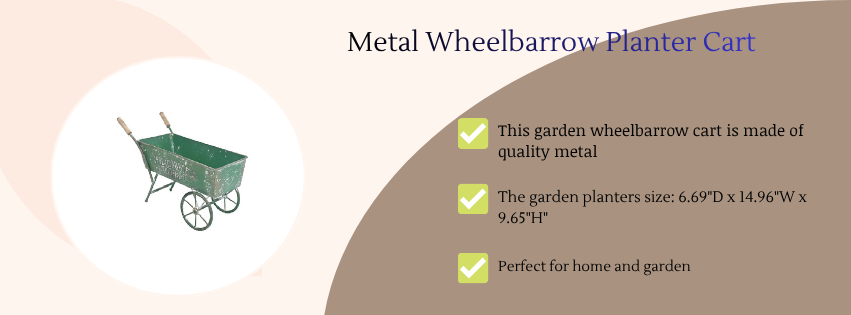
Introduction
Most gardeners treat metal wheelbarrows as decorative props. They fill them with potting soil, plant a few flowers, and place them in direct sun.
Within weeks they notice:
- Soil drying out daily
- Wilting despite watering
- Leaf scorch
- Poor drainage
- Rust forming around pooled water
Metal containers behave differently than wood or resin. They heat faster, cool faster, and amplify sun exposure.
If you want a metal wheelbarrow planter that lasts and plants that thrive you need to design with heat, drainage, and root health in mind.
Quick Summary
- Ideal soil depth: 8–14 inches
- Always drill multiple ½-inch drainage holes
- Soil mix: 60% potting mix + 20% compost + 20% perlite or pine bark
- Full sun placement increases watering frequency
- Watering: Daily in summer (full sun)
- Best plants: Heat-tolerant annuals, shallow-rooted herbs, succulents
- USDA Zones: Year-round use in Zones 7–11; seasonal in colder zones
Is a Metal Wheelbarrow Good for Planting
Yes if modified properly.
Advantages:
- Extremely durable
- Long lifespan
- Resistant to rot
- Rustic aesthetic
- Rodent resistant
Challenges:
- Retains heat in full sun
- Requires proper drainage
- Can rust if water pools
Metal planters are best treated as shallow raised beds with thermal sensitivity.
Preparing a Metal Wheelbarrow for Planting
1. Drainage Is Non-Negotiable
Most decorative metal wheelbarrows do not have adequate drainage.
How to fix it:
- Drill 4–8 holes (½ inch diameter) in the bottom.
- Slightly elevate the front so water drains away.
- Raise the entire wheelbarrow on bricks or pot feet if possible.
Why it works: Metal traps water without escape. Roots suffocate quickly in saturated soil.
Avoid adding rocks at the bottom. That creates a perched water table and worsens root rot.
2. Manage Heat Retention
Metal absorbs and radiates heat.
In south- or west-facing exposure, soil temperatures can exceed 100°F.
Solutions:
- Use light-colored paint if repainting.
- Add a 1-inch mulch layer (bark fines or shredded hardwood).
- Position where it receives morning sun, afternoon shade if possible.
Why this matters: Roots are more sensitive to heat than foliage.
3. Soil Composition for Metal Containers
Metal containers need balanced moisture retention and airflow.
Ideal mix:
- 60% high-quality potting mix
- 20% compost
- 20% perlite or pine bark fines
Why this ratio works:
- Compost buffers moisture loss.
- Perlite prevents compaction and improves drainage.
- Lightweight mix reduces stress on wheel structure.
Cost: Expect $10–$25 depending on size.
Never use garden soil it compacts and holds too much moisture.
Choosing the Right Location
Sun Exposure Guide
- South-facing: 6–8+ hours, highest heat
- West-facing: Intense afternoon heat
- East-facing: Ideal balance
- North-facing: Shade-tolerant plant selection required
In hot climates (Zones 8–11), east-facing placement significantly improves performance.
14 Metal Wheelbarrow Planter Ideas
Each idea includes WHY it works, HOW to implement it, and maintenance impact.
1. Heat-Tolerant Cottage Display (Full Sun)
Thriller: Dwarf sunflower Filler: Zinnias Spiller: Alyssum
Why it works: All tolerate high heat and shallow root zones.
Soil depth: 10–12 inches.
Water: Daily in summer.
Maintenance: Deadhead weekly for continuous bloom.
2. Succulent Showcase (Low Water Option)
Best for Zones 9–11 or seasonal in cooler zones.
Plants:
- Sedum
- Echeveria
- Sempervivum
Soil: 50% cactus mix + 50% perlite.
Water: Every 7–10 days.
Low maintenance and minimal heat stress issues.
3. Rustic Herb Garden
Plants:
- Thyme
- Oregano
- Basil
- Sage
Best exposure: Morning sun.
Water: Every 1–2 days in heat.
Avoid rosemary in shallow soil unless drainage is excellent.
4. Pollinator-Friendly Mix
Plants:
- Salvia
- Verbena
- Lantana
Why it works: Heat-tolerant and attracts bees and butterflies.
Fertilize: Every 2–4 weeks.
5. Vintage White & Green Theme
Plants:
- White petunias
- Dusty miller
- Trailing ivy
Elegant contrast against galvanized metal.
Moderate maintenance.
6. Mini Vegetable Planter
Suitable crops:
- Lettuce
- Arugula
- Radishes
- Spinach
Depth required: 6–8 inches.
Harvest cycle: 30–45 days.
Best in spring/fall in Zones 7–10.
7. Ornamental Grass Feature
Thriller: Dwarf fountain grass Spiller: Calibrachoa
Why it works: Movement contrasts rigid metal form.
Depth: Minimum 12 inches.
Water: Daily in peak heat.
8. Tropical Summer Display
Plants:
- Caladium
- Sun-tolerant coleus
- Sweet potato vine
High water demand.
Better suited to partial sun.
9. Fall Harvest Arrangement
Plants:
- Ornamental cabbage
- Pansies
- Trailing ivy
Performs well in cooler temperatures (Zones 3–8 fall season).
Lower watering needs.
10. Monochrome Purple Design
Plants:
- Purple petunias
- Verbena
- Alternanthera
Striking against galvanized finish.
11. Desert-Inspired Combo
Plants:
- Gaillardia
- Coreopsis
- Trailing lantana
Best for hot climates.
Requires excellent drainage.
12. Seasonal Rotation Planter
Rotate:
- Spring bulbs
- Summer annuals
- Fall mums
- Winter evergreen branches
Maximizes year-round visual interest.
Higher maintenance commitment.
13. Compact Balcony Display
Plants:
- Portulaca
- Bacopa
- Dwarf marigolds
Great for small-space gardening.
14. Low-Maintenance Vinca & Angelonia Mix
Reliable heat performers.
Minimal deadheading required.
Ideal for busy homeowners.
Watering Strategy for Metal Wheelbarrows
Metal accelerates evaporation.
General guidelines:
- Full sun summer: Daily
- Partial sun: Every 1–2 days
- Shade: 2–3 times weekly
Check soil moisture 2 inches deep.
Morning watering is essential to reduce heat stress.
For convenience: Use a small drip irrigation kit if near water access.
Avoid overwatering ensure water exits freely through drainage holes.
Fertilizing Requirements
Frequent watering flushes nutrients.
Use:
- Slow-release fertilizer at planting
- Liquid feed every 2–4 weeks
Cost: $10–$25 per growing season.
Without fertilization, flowering declines by mid-season.
Rust Management & Longevity
Galvanized metal resists rust but not indefinitely.
Tips:
- Ensure proper drainage
- Avoid standing water
- Touch up scratched paint
- Store empty in winter in Zones 3–6
Expect lifespan: 10+ years with maintenance.
USDA Zone Considerations
Zones 3–6
- Empty soil before freeze.
- Store under cover to reduce corrosion.
Zones 7–11
- Year-round outdoor use possible.
- Monitor for heat stress in summer.
Budget vs Premium Setup
Budget ($75–$200)
- Vintage metal wheelbarrow
- Annual flowers
- Manual watering
Moderate maintenance.
Premium ($300–$700)
- Heavy-gauge galvanized steel
- Drip irrigation system
- Seasonal planting rotation
Lower long-term plant replacement costs.
Common Beginner Mistakes
- No drainage holes
- Placing in extreme full afternoon sun
- Using heavy garden soil
- Overcrowding shallow space
- Ignoring fertilization
Metal containers amplify mistakes quickly.
Frequently Asked Questions
Do metal wheelbarrows get too hot for plants?
Yes, especially in full sun. Use mulch, proper soil mix, and consider partial sun placement to reduce root stress.
What grows best in a metal wheelbarrow planter?
Heat-tolerant annuals, shallow-rooted herbs, succulents, and ornamental grasses perform best.
How deep should soil be?
Minimum 8–12 inches for most annuals. Vegetables like lettuce need 6–8 inches.
How often should you water?
Daily in peak summer heat if in full sun.
Will a metal wheelbarrow rust?
Over time, yes especially if water pools. Proper drainage dramatically slows corrosion.
Should I line the inside?
Avoid plastic liners. If desired, use breathable landscape fabric.
Final Thoughts
A metal wheelbarrow planter offers durability and visual character that wooden versions can’t match but it requires smarter thermal and drainage management.
When you:
- Drill adequate drainage holes
- Use the correct soil structure
- Choose heat-tolerant plant combinations
- Adjust watering frequency
- Manage sun exposure
You create a long-lasting focal point that thrives through the season.
Start with a simple heat-tolerant design in the appropriate exposure for your climate. With proper care, your metal wheelbarrow planter can become a versatile, durable, and seasonally adaptable statement piece for years to come.
