Every product is independently reviewed and selected by our editors. If you buy something through our links, we may earn an affiliate commission at no extra cost to you.
There’s something deeply satisfying about turning a pile of scrap wood into a productive planter box that grows herbs, flowers, or vegetables. But scrap builds fail quickly when drainage is ignored, wood isn’t reinforced, or untreated boards start rotting within a season. If you’re going to build a planter box from scrap wood, do it in a way that supports healthy roots, proper drainage, and structural strength not just rustic aesthetics.This guide shows you how to build a long-lasting planter from reclaimed or leftover wood, while avoiding the common beginner mistakes that cause collapse, rot, or poor plant growth.Scrap wood projects are appealing because they’re inexpensive and sustainable. But gardening adds a complication: soil is heavy, moisture is constant, and wood decay is inevitable without planning. Most DIY scrap planters fail because:
- Boards are too thin
- No internal bracing is added
- Drainage holes are skipped
- Treated or chemically contaminated wood is unknowingly used
- Garden soil is used instead of container mix
In this guide, you’ll learn:
- How to safely select scrap wood
- How thick your boards must be
- Structural reinforcement techniques
- Proper drainage design
- The best soil composition for container health
- Cost-saving but durable build strategies
By the end, you’ll have a structurally sound planter that performs like a store-bought raised bed at a fraction of the cost.
Quick Summary Box
- Minimum board thickness: ¾ inch (1 inch ideal)
- Minimum depth: 10–12 inches for most plants
- Best scrap wood sources: Untreated pine, cedar fencing, pallet boards (heat-treated only)
- Drainage holes: ½ inch holes every 6–8 inches
- Soil mix: 40% compost, 40% potting mix, 20% aeration
- Estimated cost: $0–$60 depending on hardware needed
- Expected lifespan: 3–8 years depending on wood type
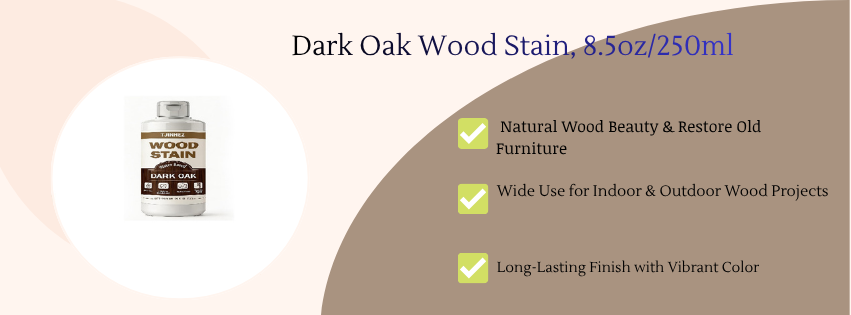
Step 1: Identify Safe Scrap Wood
Not all scrap wood is safe for growing food.
Safe Options
- Untreated pine
- Cedar fence boards
- Redwood scraps
- Heat-treated (HT stamped) pallet wood
Avoid
- Pressure-treated wood older than 2004 (CCA treated)
- Painted wood (possible lead contamination)
- Railroad ties
- Stained deck boards
- Plywood or OSB (delaminates with moisture)
Why this matters: Vegetable roots absorb moisture continuously. Chemicals in old treated wood can leach into soil over time.
If in doubt, use scrap wood for ornamental flowers only not edibles.
Step 2: Decide on Planter Dimensions
Scrap wood often dictates size, but plant health dictates depth.
Minimum Depth Guidelines
| Plant Type | Required Depth |
| Lettuce | 6–8 inches |
| Herbs | 8–10 inches |
| Peppers | 10–12 inches |
| Tomatoes | 12–18 inches |
| Carrots | 12 inches |
Best all-purpose depth: 12 inches.
If your scrap boards are only 6 inches wide, stack two boards vertically.
Ideal Beginner Size
- 3–4 feet long
- 12–18 inches wide
- 10–12 inches deep
Smaller boxes reduce structural stress and soil weight important with mixed scrap materials.
Step 3: Understand Soil Weight Before Building
This is where many scrap builds fail.
One cubic foot of moist soil weighs 75–100 pounds.
A 3x1x1 ft planter holds roughly 3 cubic feet of soil.
That’s 225–300 pounds pressing outward and downward.
Thin scrap boards without bracing will bow or split.
Step 4: Reinforce the Structure Properly
Even if your boards are thin, you can strengthen them.
Add Corner Posts
Use 2×2 or 2×4 scrap pieces vertically inside each corner.
Screw side panels into the posts.
Why this works: Corner posts transfer soil pressure vertically rather than stressing screws alone.
Add Mid-Span Bracing (For Boxes Over 3 Feet)
Install a vertical support in the center of long walls.
This prevents outward bowing.
Use Exterior-Grade Screws
Do not use drywall screws.
Choose:
- Deck screws (2½–3 inches)
- Corrosion-resistant coating
Cost impact: $8–$20 for a box.
Maintenance impact: prevents annual rebuild.
Step 5: Build the Base with Proper Drainage
Drainage is non-negotiable.
Roots need oxygen. Waterlogged soil suffocates them.
Bottom Panel Options
- Solid boards spaced ¼ inch apart
- Single panel with drainage holes
- Slatted pallet boards
Drill Drainage Holes
- ½ inch diameter
- Every 6–8 inches
- Minimum 6 holes for small box
Do NOT add gravel at the bottom.
Gravel can create a perched water table effect, trapping moisture above the rock layer.
Proper drainage holes + correct soil mix is enough.
Step 6: Line the Interior (Optional but Recommended)
Use breathable landscape fabric.
Why:
- Reduces soil loss
- Slows wood rot
- Keeps fine soil from escaping gaps
Do not use plastic sheeting — it traps water.
Cost: $10–$15 roll lasts multiple builds.
Step 7: Choose the Right Soil Mix
Never fill with garden soil from your yard.
It compacts, drains poorly, and increases disease risk.
Ideal Raised Planter Mix
- 40% compost (nutrients)
- 40% high-quality potting mix (structure + moisture retention)
- 20% aeration material (perlite, pumice, or coarse sand)
Why this works:
- Compost feeds soil biology
- Potting mix prevents compaction
- Aeration ensures oxygen at root level
Budget Option
Bulk compost + generic potting soil.
Premium Option
Organic raised bed mix + worm castings.
Estimated soil cost:
- Small planter: $25–$60
- Larger planter: $60–$120
Step 8: Placement & Sunlight Requirements
Most vegetables require:
- 6–8 hours direct sunlight
- South-facing exposure ideal
- West-facing acceptable with afternoon shade in USDA Zones 8–10
Balcony gardeners should monitor sun patterns for a full day before final placement.
In Zones 3–5, maximize sun exposure to extend growing season.
Step 9: Watering Strategy
Scrap wood planters often have more air gaps, meaning soil dries faster.
General Watering Frequency
- Spring: 2–3 times weekly
- Summer: Daily in hot climates
- Fall: Reduce frequency
Check moisture 2 inches below surface.
If dry, water deeply until runoff appears.
Upgrade Option: Drip Irrigation Kit
Look for:
- Adjustable emitters
- Pressure regulator
- Timer compatibility
Cost range: $30–$100.
Maintenance impact: reduces plant stress and leaf diseases.
Step 10: Beginner Mistakes to Avoid
- Using thin boards without bracing
- Forgetting drainage holes
- Using interior screws
- Filling with heavy clay soil
- Overcrowding plants
- Skipping annual soil refresh
Budget vs Premium Scrap Build
| Feature | Budget Build | Reinforced Build |
| Wood | Mixed scrap | Cedar + scrap |
| Fasteners | Basic screws | Exterior deck screws |
| Bracing | Minimal | Corner + mid bracing |
| Lifespan | 2–3 years | 5–8 years |
| Cost | $0–$30 | $40–$80 |
Even a small investment in hardware dramatically extends lifespan.
Pest Prevention Basics
Raised containers reduce:
- Slugs
- Rabbits
- Ground beetles
Still monitor for:
- Aphids
- Spider mites
- Fungus gnats (from overwatering)
Preventive steps:
- Space plants properly
- Avoid overwatering
- Use neem oil if needed
- Improve airflow
Expected Lifespan of Scrap Wood Planters
- Untreated pine: 3–5 years
- Cedar scrap: 5–8 years
- Redwood: 7–10 years
Applying an exterior wood sealer yearly can extend lifespan by 1–3 years.
Avoid sealing interior surfaces if growing edibles unless using food-safe products.
FAQ
Can I use pallet wood to build a planter box?
Yes, if stamped “HT” (heat-treated). Avoid chemically treated pallets.
How deep should a scrap wood planter be?
At least 10–12 inches for most vegetables. Root crops require 12–18 inches.
Do I need to seal the wood?
Exterior sealing extends lifespan. Avoid interior chemical sealers for edible plants.
Can I grow tomatoes in a scrap wood planter?
Yes, if depth is at least 12–18 inches and full sun (6–8 hours) is available.
Is lining the planter necessary?
Not mandatory, but landscape fabric slows rot and reduces soil loss.
How often should I replace the soil?
Refresh with 2–3 inches compost annually. Replace 30–50% every 2–3 years.
Conclusion
Building a planter box from scrap wood is one of the most cost-effective ways to start container gardening but only if built with structural reinforcement, proper drainage, and the right soil composition.
The transformation is simple:
- Scrap lumber becomes productive growing space.
- Waste becomes sustainability.
- Small investment becomes multi-season harvests.
Remember:
Depth determines root health. Drainage prevents rot. Bracing prevents collapse. Soil quality determines yield. Build it once, reinforce it properly, maintain it yearly, and even a low-cost scrap wood planter can produce herbs, vegetables, and flowers reliably for years. With the right approach, your “leftover wood project” becomes a long-term garden asset not a one-season experiment.
