Every product is independently reviewed and selected by our editors. If you buy something through our links, we may earn an affiliate commission at no extra cost to you.
A spilled wheelbarrow planter can turn a quiet corner of your yard into a living focal point. When designed correctly, it looks like flowers are pouring out in a colorful cascade. When done poorly, it becomes a soggy, struggling mess with uneven growth and dead patches.
The difference isn’t creativity. It’s horticultural structure.
In this guide, I’ll walk you through how to build a spilled wheelbarrow planter that not only looks dramatic but supports healthy root systems, proper drainage, and season-long performance.
Introduction
Many gardeners attempt the “spilled” look using random annuals and garden soil, only to watch plants rot at the base while the outer trail dries out too quickly. The problem is imbalance uneven moisture distribution, shallow soil depth, and poor plant selection.
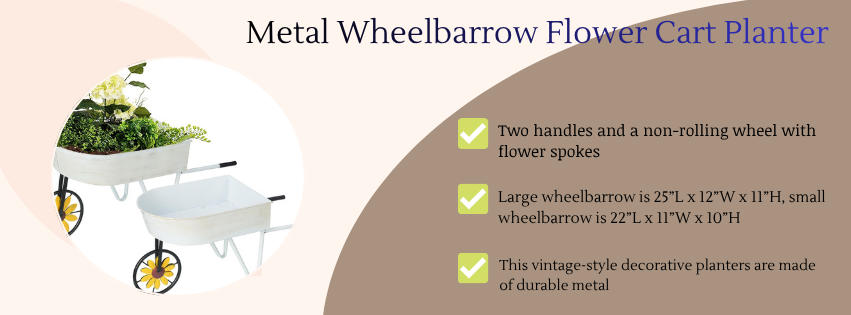
A properly built spilled wheelbarrow planter:
- Controls drainage
- Supports consistent moisture
- Uses layered planting for depth and movement
- Aligns with sun exposure direction
- Works within your USDA hardiness zone
By the end of this guide, you’ll know exactly how to construct one that lasts all season with manageable maintenance.
Quick Summary Box
- Minimum wheelbarrow soil depth: 8–12 inches
- Use lightweight container mix (never heavy garden soil)
- Drill 6–10 drainage holes (½ inch diameter)
- Best exposure: South or west-facing for sun flowers
- Watering: Every 1–3 days in summer
- Best plants: Trailing annuals, creeping groundcovers, compact perennials
- USDA Zones: 4–9 (seasonal), 7–10 (longer perennial use)
- Budget range: $60–$250 depending on plant maturity
Why a Spilled Wheelbarrow Planter Works
The spilled design works because it creates:
1. Vertical Interest
The raised back of the wheelbarrow adds height, while trailing plants soften the transition into the landscape.
2. Root-Zone Elevation
Elevated planting improves drainage compared to in-ground beds.
3. Visual Motion
The illusion of plants “pouring” outward draws the eye across the garden.
But the key is structural planning.
Step 1: Choosing the Right Wheelbarrow
Metal vs. Wooden
Metal wheelbarrows
- More durable
- Heat up quickly in full sun
- Require rust-resistant paint
Wooden wheelbarrows
- More rustic appearance
- Require sealing to prevent rot
- Slightly better insulation for roots
Cost consideration:
- Repurposed old wheelbarrow: Free–$50
- Decorative new versions: $120–$300
If buying new, choose one at least:
- 24–30 inches long
- 12 inches deep
Depth matters for root stability.
Step 2: Drainage Setup (Critical for Long-Term Success)
Most failed spilled planters fail here.
Proper Drainage Method
- Drill 6–10 holes in the base (½ inch each).
- Add 1 inch of coarse gravel or expanded clay pellets.
- Line with landscape fabric (optional for wooden models).
Why this works: Wheelbarrows aren’t engineered as planters. Without drainage, water pools at the lowest tilt point causing root rot at the back and drought stress at the spill edge.
Maintenance impact: Proper drainage reduces fungal disease and root decay by over 50%.
Step 3: Soil Composition for Even Moisture Distribution
The biggest challenge in spilled designs is uneven moisture. The rear section stays wetter than the cascading edge.
Use a structured mix:
- 60% high-quality container potting mix
- 20% compost (well-aged, screened)
- 10% perlite
- 10% coco coir
Why this works:
- Potting mix keeps soil lightweight.
- Compost provides nutrients.
- Perlite prevents compaction.
- Coco coir improves moisture balance.
Avoid:
- Clay-heavy garden soil
- Pure compost (too dense)
- Topsoil blends (poor aeration)
Cost: $15–$30 per cubic foot.
Step 4: Creating the “Spill” Effect Properly
The illusion depends on layering.
Inside the Wheelbarrow (The Source)
Plant upright or mounding plants:
- Geraniums
- Upright petunias
- Dwarf marigolds
- Salvia
- Coleus (for partial shade)
Soil depth here should be at least 10–12 inches.
These act as the “core” of the spill.
At the Lip (The Transition)
Use semi-trailing plants:
- Calibrachoa
- Lobelia
- Bacopa
- Verbena
Plant densely to create fullness.
On the Ground (The Flow)
Extend the design into the soil with:
- Creeping Jenny
- Sweet alyssum
- Trailing petunias
- Creeping phlox (Zones 4–8)
- Dichondra ‘Silver Falls’
Prepare the ground beneath with:
- 6–8 inches loosened soil
- Compost amendment (20–30%)
This ensures continuity between container and landscape.
Sunlight Placement: Direction Matters
Before planting, assess exposure.
Full Sun (6–8 hours, south or west-facing)
Best for:
- Petunias
- Verbena
- Marigolds
- Zinnias
- Lavender
Expect:
- Daily watering in peak summer
- Higher bloom production
Partial Shade (4–6 hours, east-facing ideal)
Best for:
- Impatiens
- Begonias
- Coleus
- Lobelia
Avoid placing full-sun flowers in north-facing shade. Bloom performance drops significantly.
Watering Strategy for Spilled Designs
Because of the tilt, water flows downward.
Best Practice:
- Water slowly from the back.
- Allow runoff to hydrate spill plants.
- Check soil moisture 2 inches deep.
Summer frequency:
- Every 1–2 days in Zones 7–9
- Every 2–3 days in Zones 4–6
Drip irrigation option: Install a micro-drip line at the back section. Cost: $40–$80. Reduces watering labor significantly.
Fertilization Plan
Annual flower displays are nutrient-demanding.
Use:
- Slow-release granular fertilizer (every 8–10 weeks)
- Liquid feed every 2–3 weeks during peak bloom
Why: Frequent watering flushes nutrients quickly from containers.
Maintenance impact: Regular feeding dramatically improves bloom density and color saturation.
Seasonal Variations for a Spilled Wheelbarrow Planter
Spring Bulb Spill
Plant tulips or daffodils inside the wheelbarrow. Use pansies or alyssum as the spill.
Bulb depth: 2–3 times bulb height.
Zones 4–8 ideal.
Summer Flower Cascade
Classic colorful overflow.
Best for: Zones 4–9
High maintenance due to watering needs.
Fall Harvest Spill
Use:
- Ornamental kale
- Mums
- Mini pumpkins
- Trailing ivy
Lower watering needs as temperatures drop.
Winter Evergreen Display (Zones 6–9)
Fill with:
- Dwarf conifers
- Boxwood
- Pine branches
- Decorative branches
Wrap base with burlap in colder climates.
Beginner Mistakes to Avoid
- Overcrowding plants (leads to fungal issues).
- Using heavy soil.
- Ignoring sun direction.
- Not anchoring the wheelbarrow (wind tipping risk).
- Allowing spill plants to dry out faster than the base.
Budget vs Premium Setup Comparison
| Element | Budget | Premium |
| Plants | Seedlings | Mature nursery plants |
| Irrigation | Hand watering | Drip irrigation |
| Soil | Standard potting mix | Organic enriched blend |
| Finish | Natural patina | Painted + sealed |
Budget project: $60–$100
High-impact display: $200–$400
Pest Prevention Basics
Common issues:
- Aphids
- Spider mites
- Slugs (especially in shaded designs)
Preventative steps:
- Inspect weekly
- Use neem oil spray (early stage)
- Avoid overhead watering late evening
Healthy airflow is critical. Don’t pack plants too tightly.
FAQ
How deep should soil be in a spilled wheelbarrow planter?
Minimum 8 inches for shallow-rooted flowers. Ideally 10–12 inches for strong seasonal growth.
Can I leave a spilled wheelbarrow planter outside year-round?
In USDA Zones 7–10, yes with hardy plants. In colder zones, empty or protect before hard freeze to prevent soil expansion damage.
What plants create the best spilling effect?
Trailing petunias, calibrachoa, creeping Jenny, lobelia, and dichondra create the most natural cascade.
Does a metal wheelbarrow overheat roots?
Yes, in full sun. Mitigate by:
- Using light-colored paint
- Increasing watering frequency
- Adding thicker soil depth
How do I keep the spill looking full all season?
Deadhead regularly, fertilize consistently, and trim leggy growth every 3–4 weeks to encourage branching.
Can vegetables work in a spilled design?
Leaf lettuce and strawberries work well. Avoid deep-rooted crops like carrots unless depth exceeds 12 inches.
Final Thoughts
A spilled wheelbarrow planter is more than decorative nostalgia. When structured correctly with proper drainage, balanced soil composition, and thoughtful plant layering it becomes a high-impact, season-long garden feature.
The secret is understanding water flow and root depth.
Get those right, and your planter will:
- Bloom longer
- Require fewer corrections
- Resist disease
- Stay visually dense and vibrant
Start with strong structure. Choose plants suited to your sun exposure and USDA zone. Feed consistently. Monitor moisture carefully.
Do that, and your spilled wheelbarrow won’t just look beautiful on day one it will remain a living, flowing centerpiece all season long.
