• Strawberry planter ideas from pallets

    Every product is independently reviewed and selected by our editors. If you buy something through our links, we may earn an affiliate commission at no extra cost to you.

    Fresh strawberries grown steps from your kitchen are hard to beat. But if you’re short on ground space, traditional rows aren’t practical. That’s where strawberry planter ideas from pallets become powerful. A properly built pallet planter can turn a small patio, balcony, or narrow yard wall into a high-yield vertical strawberry garden.

    The key is building it correctly. Most pallet strawberry projects fail because of poor drainage, shallow root space, untreated wood concerns, or improper soil structure.

    This guide walks you through how to build, plant, and maintain a pallet strawberry planter that actually produces.

    Introduction

    Many gardeners try pallet strawberry planters after seeing inspiring photos online only to end up with dry soil pockets, stunted plants, or rotting boards within a season.

    Strawberries (Fragaria × ananassa) have specific needs:

    • 6–8 hours of direct sun
    • Well-draining, nutrient-rich soil
    • Root depth of at least 6–8 inches
    • Consistent moisture without waterlogging

    In this comprehensive guide, you’ll learn:

    • How to choose a safe pallet
    • Step-by-step construction methods
    • Proper soil composition
    • Best strawberry varieties for vertical growing
    • Watering and fertilizing strategies
    • Budget vs premium setup comparisons

    Done correctly, a pallet planter can produce fruit for 3–4 seasons before plants need replacing.

    Quick Summary

    • Use only heat-treated (HT) pallets, never chemically treated
    • Minimum soil depth: 6–8 inches
    • Full sun exposure (south-facing preferred)
    • Use high-quality potting mix with compost and perlite
    • Install landscape fabric to retain soil
    • Water consistently vertical systems dry faster
    • Replace plants every 3–4 years

    Why Use a Pallet for Strawberry Planters

    1. Vertical Space Efficiency
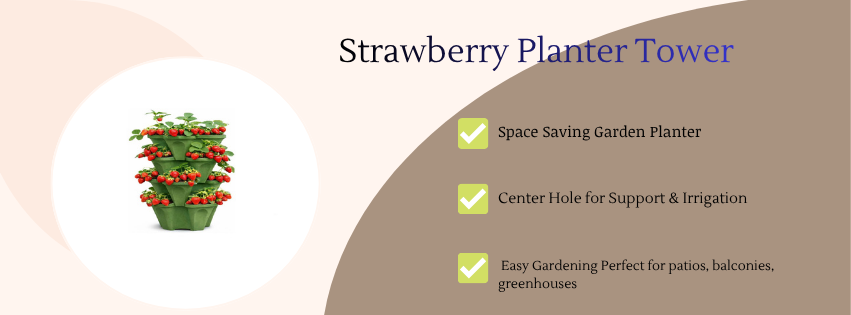
    Strawberries have shallow root systems. They don’t need deep raised beds like tomatoes. This makes them ideal for vertical structures.

    Why it works:

    • Roots require only 6–8 inches
    • Plants naturally trail outward
    • Air circulation reduces fungal disease

    Maintenance impact:

    • Easier harvesting
    • Reduced bending strain

    2. Improved Drainage & Disease Reduction

    Elevated planting reduces:

    • Soil-borne pathogens
    • Slug damage
    • Fruit rot from soil contact

    Especially helpful in humid USDA Zones 7–10.

    Step 1: Choosing the Right Pallet (Safety First)

    Not all pallets are safe for food production.

    Look for the “HT” Stamp

    • HT = Heat Treated (Safe)
    • Avoid pallets marked MB (Methyl Bromide)

    Cost:

    • Free from local stores (inspect carefully)
    • $10–$25 from garden suppliers

    Avoid pallets with:

    • Oil stains
    • Strong chemical odor
    • Mold

    Beginner mistake: Using painted or treated wood not rated for food use.

    Step 2: Building a Strawberry Planter from a Pallet

    Materials Needed

    • Heat-treated pallet
    • Landscape fabric or geotextile liner
    • Heavy-duty stapler
    • Potting mix
    • Optional: wood screws for reinforcement
    • Optional: exterior wood sealant (food-safe)

    Estimated cost:

    • Budget build: $40–$80
    • Premium build with sealant and irrigation: $100–$250

    Construction Method (Vertical Standing Planter)

    1. Reinforce the Frame

    Add screws to secure loose boards.

    Why:

    • Soil weight adds significant pressure.
    • Prevents warping after watering.

    2. Attach Landscape Fabric

    Staple fabric across the back and bottom.

    Double-layer recommended.

    Why it works:

    • Holds soil in place
    • Allows drainage
    • Prevents soil erosion

    Maintenance note:

    • Replace fabric every 3–5 years.

    3. Create Soil Compartments

    If pallet slats are widely spaced, add backing boards to deepen pockets.

    Minimum soil depth: 6–8 inches.

    Shallower than 6 inches leads to:

    • Drought stress
    • Reduced fruit size

    4. Fill with Proper Soil Mix

    Ideal strawberry container mix:

    • 40% high-quality potting soil
    • 30% compost
    • 20% perlite
    • 10% worm castings

    pH target: 5.5–6.8

    Why this matters: Strawberries prefer slightly acidic soil. Improper pH reduces nutrient uptake and berry production.

    Best Strawberry Varieties for Pallet Planters

    Choose compact or everbearing types.

    June-Bearing (Large Harvest Once)

    • Chandler (Zones 5–8)
    • Allstar (Zones 4–8)

    Everbearing (Multiple Harvests)

    • Ozark Beauty (Zones 4–8)
    • Quinault (Zones 4–8)

    Day-Neutral (Continuous Production)

    • Albion (excellent for containers)
    • Seascape

    Why day-neutral works best:

    • Continuous fruiting
    • Better suited for container feeding cycles

    Sunlight Requirements

    Strawberries need:

    • 6–8 hours of direct sun daily
    • South-facing wall ideal
    • East-facing acceptable with strong morning sun

    Insufficient sun leads to:

    • Fewer berries
    • Smaller fruit
    • Increased fungal issues

    Maintenance impact: More sun = more frequent watering.

    Watering Strategy for Pallet Strawberry Planters

    Vertical planters dry out faster than horizontal beds.

    Watering Frequency

    • Spring: Every 2–3 days
    • Summer (full sun): Daily
    • Fall: Reduce gradually

    Check moisture 2 inches deep.

    Beginner mistake: Watering the top only bottom pockets stay dry.

    Upgrade Option: Drip Irrigation

    Install a small drip line along the top row.

    Benefits:

    • Even moisture distribution
    • Saves time
    • Reduces leaf wetness (prevents mildew)

    Cost:

    • Basic drip kit: $30–$70

    Highly recommended for hot climates (Zones 8–11).

    Fertilizing for Maximum Yield

    Strawberries are moderate feeders.

    Fertilization Schedule

    • Slow-release balanced fertilizer at planting
    • Liquid feed every 2–3 weeks during fruiting

    Avoid high nitrogen fertilizers.

    Why: Too much nitrogen = lush leaves, fewer berries.

    Maintenance impact: Consistent feeding dramatically improves fruit size and sweetness.

    Pest & Disease Prevention

    Common Issues:

    • Slugs (less common in vertical systems)
    • Spider mites (hot climates)
    • Powdery mildew

    Prevention:

    • Ensure airflow
    • Avoid overhead watering
    • Inspect weekly
    • Use neem oil if needed

    Vertical systems naturally reduce fruit rot compared to ground planting.

    Seasonal Care & Overwintering

    USDA Zones 3–6

    • Lay pallet flat in winter
    • Add straw mulch
    • Protect roots from freeze-thaw cycles

    Zones 7–10

    • Minimal protection required
    • Reduce watering

    Replace plants every 3–4 years as productivity declines.

    5 Creative Strawberry Planter Ideas from Pallets

    1. Leaning Wall Garden

    Prop pallet against fence.

    Best for renters.

    Low build cost.

    2. Freestanding A-Frame Pallet

    Attach two pallets together.

    Benefits:

    • Doubled growing space
    • Stable structure

    Higher material cost but increased yield.

    3. Painted Decorative Pallet Planter

    Use exterior non-toxic paint.

    Adds curb appeal.

    Maintenance: Repaint every 2–3 years.

    4. Hanging Horizontal Pallet

    Mounted flat on wall.

    Requires secure anchoring.

    Best for lightweight soil mix.

    5. Pallet with Built-In Drip Irrigation

    Install tubing during construction.

    Best long-term option.

    Reduces maintenance dramatically.

    Budget vs Premium Setup Comparison

    Budget Setup ($60–$120)

    • Free pallet
    • DIY soil mix
    • Manual watering
    • Everbearing plants

    Higher daily watering demand.

    Premium Setup ($200–$400)

    • Reinforced pallet
    • Drip irrigation system
    • Premium soil blend
    • Day-neutral varieties

    Lower maintenance, higher yield consistency.

    Common Beginner Mistakes

    • Using chemically treated pallets
    • Shallow soil depth
    • Inconsistent watering
    • Overcrowding plants
    • Overfertilizing with nitrogen

    Avoiding these dramatically increases success.

    FAQ

    Are pallet strawberry planters safe?

    Yes, if you use heat-treated (HT) pallets and avoid chemically treated wood.

    How many strawberry plants fit in a pallet?

    Typically 8–20 plants depending on pallet size and spacing (6–8 inches apart).

    How deep should soil be for strawberries?

    Minimum 6–8 inches. Deeper improves moisture stability.

    Do pallet planters need drainage holes?

    Landscape fabric allows drainage, but bottom must remain open.

    How long do strawberry plants produce?

    3–4 years before productivity declines.

    Can strawberries survive winter in a pallet planter?

    Yes, but protect roots in colder USDA zones (3–6).

    Final Thoughts

    Strawberry planter ideas from pallets are more than a trendy DIY project they’re a practical, space-saving solution for growing sweet, productive fruit in small spaces.

    Success depends on:

    • Using safe, heat-treated pallets
    • Providing adequate soil depth
    • Maintaining consistent watering
    • Feeding moderately but regularly
    • Matching sun exposure to strawberry needs

    Build it correctly once, and you can enjoy fresh berries for multiple seasons with manageable maintenance.

    Start small. Focus on soil quality and irrigation consistency. Within a single growing season, your vertical pallet planter can produce flavorful, homegrown strawberries just steps from your door no traditional garden bed required.
  • Outdoor potted plant arrangement ideas

    Every product is independently reviewed and selected by our editors. If you buy something through our links, we may earn an affiliate commission at no extra cost to you.

    A thoughtfully arranged collection of outdoor potted plants can elevate a porch, patio, balcony, or entryway from flat and forgettable to layered and dynamic. The difference between a random cluster of pots and a professionally styled display comes down to plant compatibility, container sizing, soil structure, drainage, and long-term maintenance planning.

    If you want outdoor potted plant arrangement ideas that actually thrive not just look good for two weeks this guide walks you through the exact design principles, plant combinations, and setup strategies professionals use.

    Introduction

    Most homeowners buy beautiful plants… only to watch them decline within a month. Leaves yellow. Soil stays soggy. Or everything dries out daily in summer heat.

    The problem isn’t creativity. It’s improper container depth, mismatched light requirements, poor soil aeration, and unrealistic watering expectations.

    In this guide, you’ll learn:

    • How to design balanced outdoor potted plant arrangements
    • Which container sizes support healthy root systems
    • Soil compositions that prevent root rot
    • How to match plants to sun direction
    • Watering and fertilizing systems that reduce maintenance

    By the end, you’ll know how to build arrangements that look intentional and perform season after season.

    Quick Summary

    • Use containers at least 10–12 inches deep for mixed arrangements
    • Always prioritize drainage holes
    • Follow the “Thriller, Filler, Spiller” design method
    • Group plants with similar light and water needs
    • Use high-quality potting mix (never garden soil)
    • Adjust watering frequency based on sun exposure
    • Plan for seasonal rotation

    Understanding Outdoor Microclimates Before You Arrange

    Before selecting plants, assess your outdoor exposure.

    Sun Direction Matters

    • South-facing areas: 6–8+ hours of full sun (ideal for geraniums, petunias, lavender)
    • West-facing areas: Intense afternoon heat (choose heat-tolerant plants)
    • East-facing areas: Gentle morning sun (great for begonias, herbs)
    • North-facing areas: Predominantly shade (ferns, hostas, coleus)

    Why this works: Photosynthesis directly affects flowering, growth rate, and pest resistance. Mismatched light is the #1 cause of failure in potted arrangements.

    Maintenance impact: Full-sun displays may require daily watering in summer (USDA Zones 7–10).

    vertical garden planter

    The Core Design Formula: Thriller, Filler, Spiller

    Professional outdoor potted plant arrangements rely on structure.

    1. Thriller (Height & Drama)

    These are upright focal-point plants placed in the center or back.

    Examples:

    • Ornamental grasses
    • Canna lilies
    • Cordyline
    • Dwarf evergreen shrubs
    • Elephant ears (Zones 8–11)

    Container depth: Minimum 12–16 inches.

    Why it works: Adds vertical movement and anchors the arrangement visually.

    Maintenance note: Taller plants may require staking in windy areas.

    2. Filler (Volume & Texture)

    These mid-height plants create fullness.

    Examples:

    • Calibrachoa
    • Geraniums
    • Dusty miller
    • Heuchera
    • Compact hydrangea varieties (large containers)

    Root depth: 8–12 inches.

    Why it works: Covers soil surface, reduces moisture evaporation, and softens transitions.

    3. Spiller (Movement & Softness)

    Trailing plants that cascade over container edges.

    Examples:

    • Sweet potato vine
    • Trailing lobelia
    • Bacopa
    • Ivy
    • Dichondra

    Why it works: Visually expands small containers and creates professional polish.

    Maintenance impact: Spillers often require trimming mid-season to prevent legginess.

    Choosing the Right Container (Depth, Width & Material)

    Depth Guidelines

    • Annual arrangements: 10–12 inches minimum
    • Mixed perennial/shrub containers: 16–24 inches
    • Small trees or privacy containers: 20–30 inches

    Shallow containers dry rapidly and stunt roots.

    Drainage Is Non-Negotiable

    Every outdoor pot must have:

    • Multiple drainage holes
    • Elevated feet to prevent water pooling

    Poor drainage causes root rot, especially in humid climates (Zones 8–10).

    Material Comparison

    Plastic/Resin

    • Lightweight
    • Retains moisture
    • Budget-friendly
    • Less breathable

    Terracotta

    • Excellent airflow
    • Dries quickly
    • Higher watering frequency required

    Glazed Ceramic

    • Stylish
    • Heavy
    • Good moisture retention

    Wood Planters (Cedar Preferred)

    • Good insulation
    • Ideal for larger displays
    • Moderate cost

    Budget setup per container: $40–$100 Premium decorative container: $150–$400+

    Soil Composition for Healthy Arrangements

    Never use ground soil.

    Ideal Potting Mix Composition

    • 40–50% peat moss or coco coir
    • 25–30% compost
    • 20–30% perlite or pumice

    Optional additions:

    • Slow-release fertilizer
    • Worm castings

    Why it works: Prevents compaction, improves drainage, and maintains oxygen around roots.

    Maintenance impact: Quality soil reduces watering frequency and disease issues.

    7 Outdoor Potted Plant Arrangement Ideas

    1. Symmetrical Entryway Statement

    Use matching tall containers on either side of a door.

    Plant combination:

    • Thriller: Dwarf arborvitae (Zones 3–7)
    • Filler: White begonias
    • Spiller: Trailing ivy

    Why it works: Creates architectural balance.

    Maintenance: Minimal pruning; evergreen focal point lasts year-round.

    2. Modern Monochrome Arrangement

    Choose one color family (all white, purple, or green).

    Example:

    • White petunias
    • White bacopa
    • Silver dusty miller

    Why it works: Clean, high-impact aesthetic.

    Maintenance: Deadhead regularly to maintain bloom volume.

    3. Tropical Patio Cluster (Warm Zones 8–11)

    • Elephant ear (thriller)
    • Croton (filler)
    • Sweet potato vine (spiller)

    Use large 18–24 inch containers.

    Watering: Every 1–2 days in peak heat.

    Cost: Higher plant investment but dramatic visual return.

    4. Low-Maintenance Drought Arrangement

    Best for hot, dry patios.

    Soil adjustment:

    • 50% potting mix
    • 50% pumice/perlite

    Plant options:

    • Succulents
    • Sedum
    • Lavender
    • Rosemary

    Water every 10–14 days once established.

    Maintenance benefit: Reduced watering workload.

    5. Edible Container Arrangement

    Functional and beautiful.

    • Thriller: Tomato (determinate variety)
    • Filler: Basil
    • Spiller: Nasturtium

    Container depth: 16–18 inches.

    Why it works: Companion planting improves airflow and productivity.

    Fertilize every 2–3 weeks.

    6. Shade-Loving Porch Arrangement

    North-facing patios thrive with:

    • Ferns
    • Caladium
    • Coleus
    • Impatiens

    Watering: Every 3–4 days.

    Watch for fungal issues in humid climates.

    7. Tiered Height Display

    Use plant stands or staggered pots.

    Why it works:

    • Maximizes vertical space
    • Improves light access
    • Prevents overcrowding

    Budget option: Metal shelving rack. Premium option: Custom cedar plant ladder.

    Watering Strategies That Prevent Failure

    Overwatering kills more container plants than drought.

    General Frequency

    • Full sun summer: Daily or every other day
    • Partial shade: Every 3–4 days
    • Drought plants: Every 10–14 days

    Always test soil 2 inches deep.

    Upgrade Options

    Self-Watering Planters

    • Ideal for busy homeowners
    • Reduce daily watering
    • Higher upfront cost

    Drip Irrigation Kits

    • Excellent for multiple pots
    • Saves long-term labor
    • Requires timer installation

    Fertilizing for Continuous Performance

    Containers deplete nutrients quickly.

    Recommended schedule:

    • Slow-release fertilizer at planting
    • Liquid feed every 2–3 weeks for flowering plants

    Signs of deficiency:

    • Yellowing leaves
    • Reduced blooms
    • Stunted growth

    Common Beginner Mistakes

    • Overcrowding plants
    • Mixing sun and shade varieties
    • Ignoring mature plant size
    • Using decorative pots without drainage
    • Forgetting mid-season pruning

    Avoiding these dramatically increases longevity and reduces replacement costs.

    Budget vs Premium Arrangement Setup

    Budget Approach ($150–$300)

    • Plastic pots
    • Annual plants
    • DIY potting mix
    • Manual watering

    Higher seasonal replacement rate.

    Premium Approach ($800–$2,000+)

    • Large ceramic or cedar containers
    • Perennials and dwarf shrubs
    • Drip irrigation
    • Designer soil blends

    Lower long-term maintenance and improved plant longevity.

    Frequently Asked Questions

    What plants grow best in outdoor pots year-round?

    Evergreen shrubs like boxwood, dwarf arborvitae, and hardy grasses perform well in USDA Zones suited to their hardiness rating.

    How deep should outdoor planters be?

    At least 10–12 inches for annual arrangements. Shrubs require 18–24 inches.

    How often should I water outdoor potted plants?

    Daily in hot full sun. Every 3–4 days in partial shade. Always check soil moisture first.

    Can I mix perennials and annuals in one pot?

    Yes, but ensure similar water and light requirements.

    What’s the best soil for outdoor containers?

    A lightweight potting mix with compost and perlite for drainage and aeration.

    How do I prevent pests in potted arrangements?

    Inspect weekly. Ensure airflow. Use neem oil or insecticidal soap at first sign of infestation.

    Final Thoughts

    Outdoor potted plant arrangements succeed when design meets horticulture. Height layering creates visual impact. Proper container depth supports healthy roots. Quality soil prevents rot. Matching plants to your sun direction eliminates stress before it starts.

    Start with fewer containers but build them correctly. Invest in drainage. Choose plants suited to your USDA zone. Feed consistently. Trim when necessary.

    Within one season, your outdoor space transforms from scattered pots into a cohesive, thriving display that enhances curb appeal, supports pollinators, and reduces ongoing maintenance frustration.

    Thoughtful arrangement is not about buying more plants it’s about building a system that allows them to flourish long term.

  • Container garden ideas for patio

    Every product is independently reviewed and selected by our editors. If you buy something through our links, we may earn an affiliate commission at no extra cost to you.

    A bare patio feels unfinished. Too much concrete, not enough life. The right container garden transforms that space into a productive, beautiful outdoor room whether you want fresh herbs steps from the kitchen or a lush privacy screen that softens the sun. The key isn’t just choosing pretty pots. It’s designing a container garden that thrives in your specific light, climate, and maintenance routine.

    Introduction

    Many patio gardeners struggle with the same problems: plants drying out too fast, overcrowded pots, poor drainage, or containers that look good for a month and decline by mid-season. The solution isn’t more plants it’s better planning.

    In this guide, you’ll learn practical, high-performance container garden ideas for patio spaces that work in real-world conditions. We’ll cover soil composition, drainage, container depth, sun exposure, watering frequency, USDA zones, and smart product choices. Whether your patio is 40 square feet or 400, you’ll walk away with a plan you can execute confidently.

    Quick Summary

    • Use containers with drainage holes and 12–18 inches depth for most vegetables.
    • Match plants to sun exposure direction (south = full sun, north = shade tolerant).
    • Choose a high-quality potting mix, not garden soil.
    • Group containers by watering needs.
    • Consider self-watering planters for hot climates.
    • Add vertical elements for privacy and productivity.
    • Plan for seasonal transitions (spring, summer, fall swaps).

    Start With the Right Foundation: Containers, Soil & Drainage

    Before choosing plants, build a system that supports healthy roots.

    Why Drainage Is Non-Negotiable

    Container plants rely entirely on you. Without drainage holes, water pools at the bottom, suffocating roots and leading to root rot (especially in warm climates).

    What to look for:

    • At least one large drainage hole (½–1 inch diameter)
    • Elevated pot feet to allow airflow underneath
    • Saucers only if you empty them regularly

    Beginner mistake: Adding gravel at the bottom. This does not improve drainage it creates a perched water table. Use proper potting mix instead.

    Soil Composition for Patio Containers

    Never use garden soil in containers. It compacts and drains poorly.

    Ideal container mix includes:

    • 50–60% peat moss or coco coir (moisture retention)
    • 20–30% compost (nutrients)
    • 10–20% perlite or pumice (aeration)
    • Slow-release organic fertilizer

    Premium mixes cost more upfront but reduce fertilizer needs and improve plant health. Budget mixes may require additional compost and perlite.

    Maintenance impact: High-quality soil reduces watering frequency and root stress.

    Edible Container Garden Ideas for Patio Spaces

    Growing food on your patio is one of the highest-return upgrades you can make.

    A. Compact Herb Garden Station

    Perfect for small patios or apartment balconies.

    Best Herbs for Containers

    • Basil (6–8 inches deep)
    • Thyme (6 inches)
    • Parsley (8 inches)
    • Rosemary (12 inches minimum)
    • Mint (separate container aggressive spreader)

    Light Requirements

    • South-facing patio: Ideal for basil and rosemary.
    • East-facing: Great for parsley and cilantro.
    • North-facing: Focus on shade-tolerant herbs like mint and chives.

    Watering Frequency

    • 2–4 times per week in summer.
    • Allow top inch of soil to dry between watering.

    Cost: $40–$150 depending on number of containers and soil quality.

    Affiliate-ready suggestion: Look for herb planters with drainage trays and at least 8-inch depth.

    B. Patio Salad Garden

    High productivity, low maintenance.

    Crops That Thrive in Containers

    • Leaf lettuce (6–8 inches depth)
    • Arugula
    • Spinach
    • Radishes (8–10 inches depth)

    These shallow-rooted crops are perfect for 10–12 inch deep planters.

    Why it works: Leafy greens mature quickly and don’t require deep root space.

    USDA Zones:

    • Best in Zones 3–9 during spring and fall.
    • In Zones 8–10, grow in partial shade to prevent bolting.

    Maintenance impact: Requires consistent moisture; drip irrigation kits simplify care.

    C. Patio Tomato & Pepper Planters

    For sunny patios (6–8+ hours of sun).

    Container Requirements

    • Minimum 12–18 inches deep
    • 5-gallon capacity per tomato plant
    • Sturdy staking or cage support

    Soil tip: Mix in extra compost and slow-release fertilizer.

    Watering: Daily in peak summer heat, especially in terracotta pots.

    Common mistake: Planting multiple tomatoes in one pot. One plant per 5-gallon container.

    Budget vs Premium:

    • Budget: Plastic nursery pots (retain moisture).
    • Premium: Self-watering planters (reduce watering frequency by 30–50%).

    Decorative Container Garden Ideas for Patio Aesthetics

    Not every patio garden needs to be edible. Structural and ornamental designs elevate the space dramatically.

    A. Layered Height Design (The Designer Trick)

    Use three height levels:

    • Tall focal plant (center/back)
    • Medium filler
    • Trailing spiller

    Example:

    • Tall: Dwarf ornamental grass (12–24 inches deep)
    • Medium: Petunias
    • Trailing: Sweet potato vine

    Why it works: Mimics natural layering, creating visual depth.

    Maintenance: Deadheading flowering plants weekly improves blooms.

    B. Privacy Screen Container Garden

    Ideal for close neighbors.

    Best Plants for Screening

    • Bamboo (clumping varieties only)
    • Arborvitae (large planters)
    • Tall ornamental grasses
    • Trellised climbing jasmine or clematis

    Container depth:

    • Minimum 18–24 inches for shrubs
    • Large rectangular planters provide root stability

    Cost consideration: Privacy planters are more expensive due to soil volume and plant size.

    USDA Zones:

    • Arborvitae: Zones 3–8
    • Jasmine: Zones 7–10

    Vertical Container Gardening for Small Patios

    If floor space is limited, go vertical.

    A. Wall-Mounted Planters

    Great for herbs and shallow-rooted greens.

    Depth: Minimum 6 inches.

    Ensure:

    • Secure mounting
    • Proper drainage
    • Lightweight potting mix

    Maintenance: Dries out faster check daily in summer.

    B. Tiered Planter Stands

    Allows stacking without wall drilling.

    Why it works: Improves airflow and light distribution.

    Cost range:

    • Budget metal stands
    • Premium cedar tier systems

    Shade Patio Container Garden Ideas

    North-facing patios or heavily covered patios require plant selection adjustments.

    Best Shade Plants for Containers

    • Hostas (12-inch depth)
    • Ferns
    • Heuchera
    • Impatiens
    • Caladium

    Watering: Less frequent than full-sun containers.

    Common mistake: Overwatering shade plants due to slower evaporation.

    Soil tip: Add extra perlite for drainage in low-light areas.

    Low-Maintenance Patio Container Gardens

    If you travel or prefer minimal upkeep:

    A. Drought-Tolerant Setup

    Plants:

    • Lavender
    • Sedum
    • Rosemary
    • Ornamental grasses

    Soil modification:

    • Add 20–30% extra perlite or pumice
    • Use terracotta for airflow

    Watering: Every 5–10 days depending on climate.

    B. Self-Watering Systems

    Ideal for:

    • Hot climates (Zones 8–11)
    • Busy homeowners

    Benefits:

    • Consistent moisture
    • Reduced stress on plants
    • Less frequent watering

    Buying criteria:

    • Reservoir capacity
    • Easy refill access
    • Durable UV-resistant plastic

    Cost impact: Higher upfront cost, lower maintenance long term.

    Seasonal Patio Container Planning

    Avoid the common mistake of planting once and ignoring seasonal changes.

    Spring

    • Cool-season greens
    • Pansies
    • Snapdragons

    Summer

    • Tomatoes
    • Peppers
    • Zinnias
    • Basil

    Fall

    • Kale
    • Mums
    • Ornamental cabbage

    In Zones 9–11, winter herbs and leafy greens remain productive.

    Maintenance impact: Seasonal rotation reduces pest buildup and soil nutrient depletion.

    Pest Prevention Basics for Patio Containers

    Common pests:

    • Aphids
    • Spider mites
    • Whiteflies

    Prevention:

    • Inspect weekly
    • Use neem oil spray early
    • Improve airflow between containers

    Beginner mistake: Overcrowding pots, which invites fungal issues.

    FAQ

    What is the best container size for patio gardening?

    For most vegetables, use containers at least 12–18 inches deep. Herbs can thrive in 6–8 inches, while tomatoes require 5-gallon pots minimum.

    How often should I water patio container plants?

    In summer, daily watering may be required for sun-exposed patios. In spring and fall, 2–3 times weekly is typical. Always check soil moisture first.

    Can I use regular garden soil in containers?

    No. Garden soil compacts in pots and restricts drainage. Use a high-quality container mix with compost and perlite.

    What direction-facing patio is best for container gardening?

    South-facing patios provide the most sun (ideal for vegetables). East-facing works well for herbs. North-facing requires shade-tolerant plants.

    Are self-watering containers worth it?

    Yes, especially in hot climates or for frequent travelers. They reduce watering frequency and improve plant consistency but cost more upfront.

    How deep should a container be for shrubs?

    At least 18–24 inches deep with adequate width for root spread. Large planters prevent instability and root binding.

    Final Thoughts

    A successful patio container garden isn’t about buying the most plants—it’s about designing a system that supports healthy roots, matches your sun exposure, and fits your maintenance capacity.

    Choose the right container depth. Use proper potting mix. Match plants to your patio’s direction. Group by watering needs. Plan seasonally.

    When done correctly, a patio container garden delivers fresh food, privacy, and year-round beauty even in the smallest spaces. It increases usable living space, boosts home appeal, and gives you control over soil quality and plant health in ways in-ground gardens can’t.

    Start with one well-designed container grouping. Get it right. Then expand.

    Your patio doesn’t need more décor. It needs living structure.

  • Cheap container gardening ideas

    Every product is independently reviewed and selected by our editors. If you buy something through our links, we may earn an affiliate commission at no extra cost to you.

    A great container can make an ordinary plant look intentional. A bad one can stunt growth, rot roots, or dry out soil in days. If you’re exploring creative ideas for plant containers DIY, the goal isn’t just aesthetics it’s building something that supports healthy roots, proper drainage, and long-term plant performance.

    This guide goes beyond Pinterest-style inspiration. You’ll learn how to design DIY plant containers that are functional, affordable, and horticulturally sound.

    Introduction

    Many DIY plant container ideas look beautiful in photos but fail in real-world conditions. No drainage. Poor soil depth. Overheating roots. Materials that break down in one season.

    If you’re gardening on a balcony, patio, small backyard, or indoors, your container is your plant’s entire ecosystem. Root space, moisture retention, oxygen flow, and nutrient stability all depend on it.

    In this guide, I’ll walk you through creative DIY container ideas that actually work including soil composition, depth requirements, drainage solutions, cost comparisons, and maintenance realities.

    You’ll finish knowing exactly how to build containers that are both attractive and biologically functional.

    Quick Summary

    • Always prioritize drainage holes (minimum 3–5 per container)
    • Match container depth to root depth (6–8” herbs, 12” vegetables, 18” root crops)
    • Use lightweight potting mix: 40% compost, 40% coco coir/peat, 20% perlite
    • South- and west-facing spaces require heat-resistant materials
    • Budget builds can work but drainage and soil quality are non-negotiable
    • Avoid sealing containers airtight without airflow

    Why DIY Plant Containers Can Outperform Store-Bought Options

    DIY containers allow you to:

    • Customize depth for specific crops
    • Improve drainage beyond cheap retail pots
    • Save 40–70% compared to designer planters
    • Upcycle durable materials
    • Design for small-space gardening

    However, poor planning leads to:

    • Root rot
    • Nutrient leaching
    • Overheating in summer
    • Structural collapse after one season

    Let’s break down ideas that balance creativity and horticultural performance.

    1. Wooden Crate Planters (With Proper Lining)

    Why It Works

    Wood breathes. It allows air exchange, which reduces waterlogging and improves root oxygenation critical for vegetables and herbs.

    Wood also moderates temperature better than plastic in full sun.

    How to Build It Properly

    • Choose untreated cedar or pine (avoid pressure-treated wood for edibles)
    • Line interior with landscape fabric (not plastic)
    • Drill drainage holes in the base
    • Elevate slightly with feet or bricks

    Ideal Depth Guidelines

    • Lettuce, basil, spinach: 6–8 inches
    • Peppers, bush beans: 10–12 inches
    • Tomatoes: minimum 14–16 inches

    Soil Mix

    Use a lightweight raised bed blend:

    • 40% compost
    • 40% coco coir
    • 20% perlite

    Never use garden soil it compacts in containers.

    Cost Consideration

    • DIY crate: $15–$40 depending on wood
    • Store-bought cedar planter: $80–$150

    Maintenance Impact

    Wood lasts 3–5 years untreated. Seal exterior with food-safe oil annually.

    2. 5-Gallon Bucket Planters (High-Yield Budget Option)

    One of the most underrated DIY container ideas.

    Why It Works

    Buckets provide:

    • Deep root space
    • Excellent drainage potential
    • Low cost
    • Portability

    They’re ideal for tomatoes, potatoes, and peppers.

    How to Do It Right

    • Drill at least 6–8 drainage holes (½ inch diameter)
    • Add 1 inch coarse gravel at bottom (optional for stability)
    • Use full-depth potting mix
    • Paint exterior light colors to reduce heat absorption

    Root Depth Compatibility

    • Determinate tomatoes: 14–16 inches
    • Indeterminate tomatoes: 18 inches preferred
    • Potatoes: full bucket depth

    Light Requirements

    • South-facing balcony: 6–8 hours direct sun
    • East-facing: suitable for leafy greens

    Beginner Mistake

    Underwatering. Buckets dry faster than ceramic pots.

    Expect watering:

    • Summer: every 1–2 days
    • Mild weather: 2–3 times weekly

    Cost Impact

    • Bucket: $5–$10
    • Soil: $8–$15 per fill
    • Total per plant: under $25

    3. Fabric Grow Bag Containers

    Technically not rigid containers, but one of the best DIY-friendly solutions.

    Why It Works

    Fabric grow bags air-prune roots. When roots hit air, they stop circling and branch instead. This creates a denser root system and better nutrient uptake.

    They also prevent root rot by improving drainage.

    Best Uses

    • Potatoes
    • Carrots
    • Tomatoes
    • Dwarf fruit trees

    Depth Guide

    • 5-gallon bag: herbs, peppers
    • 10-gallon: tomatoes
    • 15–20 gallon: dwarf fruit trees

    Cost Consideration

    Budget bags: $3–$6 each Premium thick fabric: $8–$15 each

    Premium lasts 3–5 seasons.

    Maintenance Impact

    They dry faster than plastic pots.

    In USDA Zones 8–11, expect daily watering in peak summer.

    4. Repurposed Drawer or Dresser Planters

    Highly creative but requires modification.

    Why It Works

    Drawers offer wide planting surfaces, ideal for shallow-rooted plants.

    How to Make It Functional

    • Remove drawer bottom and replace with exterior-grade plywood
    • Drill multiple drainage holes
    • Line with breathable landscape fabric
    • Elevate slightly for airflow

    Best Plants

    • Succulents (6 inches depth)
    • Lettuce
    • Shallow herbs like thyme

    Soil Mix Adjustment

    For succulents:

    • 50% cactus mix
    • 25% coarse sand
    • 25% perlite

    Drainage is critical.

    Beginner Mistake

    Skipping drainage because “it’s decorative.” That guarantees root rot.

    5. DIY Concrete Planters (Modern and Durable)

    Why It Works

    Concrete provides insulation, protecting roots from temperature swings.

    Excellent for:

    • Perennials
    • Small shrubs
    • Outdoor herbs

    Important Considerations

    Concrete retains moisture longer. Overwatering is common.

    Use:

    • 3–4 drainage holes minimum
    • Elevated pot feet

    Weight Warning

    Not balcony-friendly unless structurally rated. Concrete is heavy.

    Check load capacity if gardening in apartments.

    Cost Impact

    DIY mold build: $20–$60 Store-bought concrete planter: $120+

    Long lifespan: 10+ years.

    6. Vertical Gutter Planters for Small Spaces

    Perfect for balconies and narrow patios.

    Why It Works

    Maximizes vertical wall space.

    Best for shallow-rooted plants.

    Installation Tips

    • Use vinyl gutters
    • Drill drainage every 12 inches
    • Slightly tilt for water flow
    • Secure firmly into studs or masonry anchors

    Suitable Crops

    • Lettuce
    • Strawberries
    • Cilantro
    • Arugula

    Light Considerations

    South-facing walls can overheat soil. Monitor moisture daily.

    Avoid west-facing in very hot USDA Zones (9–11) without shade.

    7. Raised Bed Boxes from Pallets

    One of the most popular DIY container builds.

    Why It Works

    Provides:

    • Deep root systems
    • Improved drainage
    • Soil control

    Proper Construction

    • Use heat-treated (HT) pallets only
    • Avoid chemically treated wood
    • Build minimum 10–12 inch depth

    Root Depth Guide

    • Carrots: 12 inches
    • Beets: 10–12 inches
    • Tomatoes: 14–18 inches

    Soil Volume Formula

    1 cubic foot per square foot at 12-inch depth.

    High-quality raised bed mix costs $6–$12 per cubic foot.

    Soil Composition for DIY Containers (Critical Section)

    Container soil must:

    • Drain quickly
    • Retain moisture
    • Provide nutrients
    • Resist compaction

    Ideal Base Mix:

    • 40% compost
    • 40% coco coir or peat moss
    • 20% perlite or pumice

    For heavy feeders (tomatoes, squash): Add organic slow-release fertilizer.

    Avoid:

    • Garden soil
    • Clay soil
    • Pure compost (too dense)

    Drainage: The Most Common DIY Failure

    Every container needs:

    • Multiple drainage holes
    • Elevated base
    • Fast-draining soil

    Why?

    Roots need oxygen. Standing water suffocates roots and encourages fungal pathogens like Pythium.

    If placing containers indoors:

    Use saucers but never let pots sit in standing water longer than 30 minutes.

    Light Exposure and Container Placement

    Understanding direction matters.

    • South-facing: strongest sun, best for fruiting crops
    • West-facing: hot afternoon sun (watch for overheating)
    • East-facing: gentle morning light, ideal for herbs
    • North-facing: low light, better for shade-tolerant plants

    Rotate containers weekly for even growth.

    Pest Prevention in DIY Containers

    Common issues:

    • Aphids
    • Spider mites
    • Fungus gnats

    Prevention:

    • Avoid overwatering
    • Ensure airflow
    • Inspect weekly
    • Use neem oil or insecticidal soap early

    Containers reduce soil-borne pests compared to in-ground beds one major advantage.

    Budget vs Premium DIY Container Setup

    FeatureBudgetPremium
    Planter MaterialBuckets, palletsCedar, concrete
    SoilBasic potting mixCustom blended
    IrrigationHand wateringDrip irrigation kit
    Longevity1–3 years5–10+ years

    Premium setups reduce maintenance time and long-term replacement costs.

    Drip irrigation kits are worth considering if growing 5+ containers.

    Common Beginner Mistakes

    • No drainage holes
    • Containers too shallow
    • Using garden soil
    • Ignoring sun direction
    • Overcrowding plants
    • Choosing dark containers in hot climates

    Each mistake directly impacts root health and yield.

    FAQ

    What is the best material for DIY plant containers?

    Cedar wood and fabric grow bags offer the best balance of drainage, insulation, and durability. Plastic is affordable but can overheat in full sun.

    How deep should a DIY planter be?

    • Herbs: 6–8 inches
    • Leafy greens: 8–10 inches
    • Tomatoes: 14–18 inches
    • Root vegetables: 12 inches minimum

    Depth directly impacts root expansion and nutrient uptake.

    Can I use household items as plant pots?

    Yes if you add sufficient drainage holes and use proper potting mix. Avoid airtight containers without modification.

    How often should I water DIY containers?

    Typically:

    • Summer: daily or every other day
    • Mild seasons: 2–3 times weekly

    Frequency depends on container size, material, and sun exposure.

    Do DIY containers need fertilizer?

    Yes. Nutrients leach faster in containers. Use slow-release organic fertilizer every 6–8 weeks during growing season.

    Are DIY planters safe for vegetables?

    Only if materials are non-toxic. Avoid treated lumber and containers that previously held chemicals.

    Final Thoughts

    Creative ideas for plant containers DIY are more than aesthetic experiments they are functional root environments that determine plant health.

    When you prioritize:

    • Proper depth
    • Reliable drainage
    • High-quality soil mix
    • Correct sun exposure
    • Consistent watering

    Your DIY containers can outperform many store-bought planters.

    Start simple. A well-drilled bucket with premium soil will grow better tomatoes than a designer pot with poor drainage.

    As your garden expands, consider upgrading to cedar raised beds, drip irrigation systems, and long-lasting materials that reduce maintenance over time.

    The real transformation isn’t decorative it’s growing healthier plants with confidence.

    Build smart. Plant intentionally. Maintain consistently.

    That’s how DIY containers become long-term garden infrastructure.

  • Creative ideas for plant containers diy

    Every product is independently reviewed and selected by our editors. If you buy something through our links, we may earn an affiliate commission at no extra cost to you.

    A great container can make an ordinary plant look intentional. A bad one can stunt growth, rot roots, or dry out soil in days. If you’re exploring creative ideas for plant containers DIY, the goal isn’t just aesthetics it’s building something that supports healthy roots, proper drainage, and long-term plant performance.

    This guide goes beyond Pinterest-style inspiration. You’ll learn how to design DIY plant containers that are functional, affordable, and horticulturally sound.

    Introduction

    Many DIY plant container ideas look beautiful in photos but fail in real-world conditions. No drainage. Poor soil depth. Overheating roots. Materials that break down in one season.

    If you’re gardening on a balcony, patio, small backyard, or indoors, your container is your plant’s entire ecosystem. Root space, moisture retention, oxygen flow, and nutrient stability all depend on it.

    In this guide, I’ll walk you through creative DIY container ideas that actually work including soil composition, depth requirements, drainage solutions, cost comparisons, and maintenance realities.

    You’ll finish knowing exactly how to build containers that are both attractive and biologically functional.

    Quick Summary

    • Always prioritize drainage holes (minimum 3–5 per container)
    • Match container depth to root depth (6–8” herbs, 12” vegetables, 18” root crops)
    • Use lightweight potting mix: 40% compost, 40% coco coir/peat, 20% perlite
    • South- and west-facing spaces require heat-resistant materials
    • Budget builds can work but drainage and soil quality are non-negotiable
    • Avoid sealing containers airtight without airflow

    Why DIY Plant Containers Can Outperform Store-Bought Options

    DIY containers allow you to:

    • Customize depth for specific crops
    • Improve drainage beyond cheap retail pots
    • Save 40–70% compared to designer planters
    • Upcycle durable materials
    • Design for small-space gardening

    However, poor planning leads to:

    • Root rot
    • Nutrient leaching
    • Overheating in summer
    • Structural collapse after one season

    Let’s break down ideas that balance creativity and horticultural performance.

    1. Wooden Crate Planters (With Proper Lining)

    Why It Works

    Wood breathes. It allows air exchange, which reduces waterlogging and improves root oxygenation critical for vegetables and herbs.

    Wood also moderates temperature better than plastic in full sun.

    How to Build It Properly

    • Choose untreated cedar or pine (avoid pressure-treated wood for edibles)
    • Line interior with landscape fabric (not plastic)
    • Drill drainage holes in the base
    • Elevate slightly with feet or bricks

    Ideal Depth Guidelines

    • Lettuce, basil, spinach: 6–8 inches
    • Peppers, bush beans: 10–12 inches
    • Tomatoes: minimum 14–16 inches

    Soil Mix

    Use a lightweight raised bed blend:

    • 40% compost
    • 40% coco coir
    • 20% perlite

    Never use garden soil it compacts in containers.

    Cost Consideration

    • DIY crate: $15–$40 depending on wood
    • Store-bought cedar planter: $80–$150

    Maintenance Impact

    Wood lasts 3–5 years untreated. Seal exterior with food-safe oil annually.

    2. 5-Gallon Bucket Planters (High-Yield Budget Option)

    One of the most underrated DIY container ideas.

    Why It Works

    Buckets provide:

    • Deep root space
    • Excellent drainage potential
    • Low cost
    • Portability

    They’re ideal for tomatoes, potatoes, and peppers.

    How to Do It Right

    • Drill at least 6–8 drainage holes (½ inch diameter)
    • Add 1 inch coarse gravel at bottom (optional for stability)
    • Use full-depth potting mix
    • Paint exterior light colors to reduce heat absorption

    Root Depth Compatibility

    • Determinate tomatoes: 14–16 inches
    • Indeterminate tomatoes: 18 inches preferred
    • Potatoes: full bucket depth

    Light Requirements

    • South-facing balcony: 6–8 hours direct sun
    • East-facing: suitable for leafy greens

    Beginner Mistake

    Underwatering. Buckets dry faster than ceramic pots.

    Expect watering:

    • Summer: every 1–2 days
    • Mild weather: 2–3 times weekly

    Cost Impact

    • Bucket: $5–$10
    • Soil: $8–$15 per fill
    • Total per plant: under $25

    3. Fabric Grow Bag Containers

    Technically not rigid containers, but one of the best DIY-friendly solutions.

    Why It Works

    Fabric grow bags air-prune roots. When roots hit air, they stop circling and branch instead. This creates a denser root system and better nutrient uptake.

    They also prevent root rot by improving drainage.

    Best Uses

    • Potatoes
    • Carrots
    • Tomatoes
    • Dwarf fruit trees

    Depth Guide

    • 5-gallon bag: herbs, peppers
    • 10-gallon: tomatoes
    • 15–20 gallon: dwarf fruit trees

    Cost Consideration

    Budget bags: $3–$6 each Premium thick fabric: $8–$15 each

    Premium lasts 3–5 seasons.

    Maintenance Impact

    They dry faster than plastic pots.

    In USDA Zones 8–11, expect daily watering in peak summer.

    4. Repurposed Drawer or Dresser Planters

    Highly creative but requires modification.

    Why It Works

    Drawers offer wide planting surfaces, ideal for shallow-rooted plants.

    How to Make It Functional

    • Remove drawer bottom and replace with exterior-grade plywood
    • Drill multiple drainage holes
    • Line with breathable landscape fabric
    • Elevate slightly for airflow

    Best Plants

    • Succulents (6 inches depth)
    • Lettuce
    • Shallow herbs like thyme

    Soil Mix Adjustment

    For succulents:

    • 50% cactus mix
    • 25% coarse sand
    • 25% perlite

    Drainage is critical.

    Beginner Mistake

    Skipping drainage because “it’s decorative.” That guarantees root rot.

    5. DIY Concrete Planters (Modern and Durable)

    Why It Works

    Concrete provides insulation, protecting roots from temperature swings.

    Excellent for:

    • Perennials
    • Small shrubs
    • Outdoor herbs

    Important Considerations

    Concrete retains moisture longer. Overwatering is common.

    Use:

    • 3–4 drainage holes minimum
    • Elevated pot feet

    Weight Warning

    Not balcony-friendly unless structurally rated. Concrete is heavy.

    Check load capacity if gardening in apartments.

    Cost Impact

    DIY mold build: $20–$60 Store-bought concrete planter: $120+

    Long lifespan: 10+ years.

    6. Vertical Gutter Planters for Small Spaces

    Perfect for balconies and narrow patios.

    Why It Works

    Maximizes vertical wall space.

    Best for shallow-rooted plants.

    Installation Tips

    • Use vinyl gutters
    • Drill drainage every 12 inches
    • Slightly tilt for water flow
    • Secure firmly into studs or masonry anchors

    Suitable Crops

    • Lettuce
    • Strawberries
    • Cilantro
    • Arugula

    Light Considerations

    South-facing walls can overheat soil. Monitor moisture daily.

    Avoid west-facing in very hot USDA Zones (9–11) without shade.

    7. Raised Bed Boxes from Pallets

    One of the most popular DIY container builds.

    Why It Works

    Provides:

    • Deep root systems
    • Improved drainage
    • Soil control

    Proper Construction

    • Use heat-treated (HT) pallets only
    • Avoid chemically treated wood
    • Build minimum 10–12 inch depth

    Root Depth Guide

    • Carrots: 12 inches
    • Beets: 10–12 inches
    • Tomatoes: 14–18 inches

    Soil Volume Formula

    1 cubic foot per square foot at 12-inch depth.

    High-quality raised bed mix costs $6–$12 per cubic foot.

    Soil Composition for DIY Containers (Critical Section)

    Container soil must:

    • Drain quickly
    • Retain moisture
    • Provide nutrients
    • Resist compaction

    Ideal Base Mix:

    • 40% compost
    • 40% coco coir or peat moss
    • 20% perlite or pumice

    For heavy feeders (tomatoes, squash): Add organic slow-release fertilizer.

    Avoid:

    • Garden soil
    • Clay soil
    • Pure compost (too dense)

    Drainage: The Most Common DIY Failure

    Every container needs:

    • Multiple drainage holes
    • Elevated base
    • Fast-draining soil

    Why?

    Roots need oxygen. Standing water suffocates roots and encourages fungal pathogens like Pythium.

    If placing containers indoors:

    Use saucers but never let pots sit in standing water longer than 30 minutes.

    Light Exposure and Container Placement

    Understanding direction matters.

    • South-facing: strongest sun, best for fruiting crops
    • West-facing: hot afternoon sun (watch for overheating)
    • East-facing: gentle morning light, ideal for herbs
    • North-facing: low light, better for shade-tolerant plants

    Rotate containers weekly for even growth.

    Pest Prevention in DIY Containers

    Common issues:

    • Aphids
    • Spider mites
    • Fungus gnats

    Prevention:

    • Avoid overwatering
    • Ensure airflow
    • Inspect weekly
    • Use neem oil or insecticidal soap early

    Containers reduce soil-borne pests compared to in-ground beds one major advantage.

    Budget vs Premium DIY Container Setup

    FeatureBudgetPremium
    Planter MaterialBuckets, palletsCedar, concrete
    SoilBasic potting mixCustom blended
    IrrigationHand wateringDrip irrigation kit
    Longevity1–3 years5–10+ years

    Premium setups reduce maintenance time and long-term replacement costs.

    Drip irrigation kits are worth considering if growing 5+ containers.

    Common Beginner Mistakes

    • No drainage holes
    • Containers too shallow
    • Using garden soil
    • Ignoring sun direction
    • Overcrowding plants
    • Choosing dark containers in hot climates

    Each mistake directly impacts root health and yield.

    FAQ Section

    What is the best material for DIY plant containers?

    Cedar wood and fabric grow bags offer the best balance of drainage, insulation, and durability. Plastic is affordable but can overheat in full sun.

    How deep should a DIY planter be?

    • Herbs: 6–8 inches
    • Leafy greens: 8–10 inches
    • Tomatoes: 14–18 inches
    • Root vegetables: 12 inches minimum

    Depth directly impacts root expansion and nutrient uptake.

    Can I use household items as plant pots?

    Yes if you add sufficient drainage holes and use proper potting mix. Avoid airtight containers without modification.

    How often should I water DIY containers?

    Typically:

    • Summer: daily or every other day
    • Mild seasons: 2–3 times weekly

    Frequency depends on container size, material, and sun exposure.

    Do DIY containers need fertilizer?

    Yes. Nutrients leach faster in containers. Use slow-release organic fertilizer every 6–8 weeks during growing season.

    Are DIY planters safe for vegetables?

    Only if materials are non-toxic. Avoid treated lumber and containers that previously held chemicals.

    Conclusion

    Creative ideas for plant containers DIY are more than aesthetic experiments they are functional root environments that determine plant health.

    When you prioritize:

    • Proper depth
    • Reliable drainage
    • High-quality soil mix
    • Correct sun exposure
    • Consistent watering

    Your DIY containers can outperform many store-bought planters.

    Start simple. A well-drilled bucket with premium soil will grow better tomatoes than a designer pot with poor drainage.

    As your garden expands, consider upgrading to cedar raised beds, drip irrigation systems, and long-lasting materials that reduce maintenance over time.

    The real transformation isn’t decorative it’s growing healthier plants with confidence.

    Build smart. Plant intentionally. Maintain consistently.

    That’s how DIY containers become long-term garden infrastructure.

  • Unique planter ideas indoor

    Every product is independently reviewed and selected by our editors. If you buy something through our links, we may earn an affiliate commission at no extra cost to you.

    Indoor plants can completely change the feel of a room soften hard edges, clean up visual clutter, and add movement and texture. But here’s what many design-forward planter guides ignore: the container you choose directly affects root health, watering frequency, pest pressure, and long-term plant survival.

    Unique indoor planter ideas should never sacrifice drainage, soil aeration, or correct root depth for aesthetics.

    This guide combines creative indoor planter concepts with real horticultural standards so your plants don’t just look good  they actually thrive.

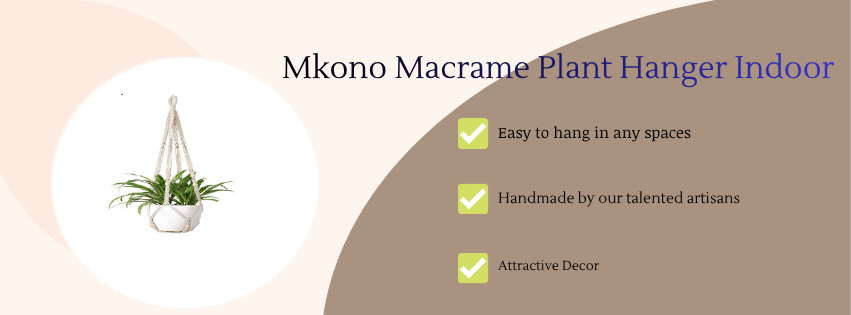
    Mkono Macrame Plant Hanger Indoor

    Introduction

    Search intent: Informational with light commercial investigation (readers want creative ideas but may purchase planters or accessories).

    Most indoor plant problems stem from three issues:

    • Poor drainage
    • Overpotting (container too large)
    • Incorrect soil structure

    When you experiment with unique planters vintage bowls, baskets, sculptural vessels those risks increase.

    In this article, you’ll learn:

    • 17 unique indoor planter ideas (done correctly)
    • Proper drainage setup methods
    • Soil composition guidelines
    • Root depth recommendations
    • Window direction light guidance
    • Budget vs premium comparisons
    • Maintenance impact of each choice

    Quick Summary

    • Always prioritize drainage holes (or use a nursery pot inside)
    • Most houseplants need 6–12 inches root depth
    • Use well-aerated indoor mix (potting soil + perlite + bark)
    • South-facing windows = brightest light
    • North-facing windows = lowest light
    • Self-watering systems reduce overwatering mistakes
    • Root rot is the #1 indoor plant killer

    What Makes an Indoor Planter Truly “Unique”

    A unique indoor planter combines:

    • Visual contrast (texture, height, shape)
    • Proper water management
    • Appropriate root space
    • Stability for mature plant weight

    The key question isn’t “Does it look interesting?”

    It’s “Will excess water escape and will roots breathe?”

    17 Unique Indoor Planter Ideas (With Practical Setup Guidance)

    1. Designer Cachepot + Nursery Pot System

    This is the safest way to use decorative containers without drainage holes.

    How It Works

    • Keep plant in original nursery pot (with drainage).
    • Place inside decorative outer pot.
    • Remove to water thoroughly in sink.

    Why It Works

    Prevents water pooling at the bottom a common cause of fungus gnats and root rot.

    Best For

    Monstera, rubber plant, fiddle leaf fig.

    Maintenance Impact

    Low risk if excess water is discarded within 10–15 minutes.

    2. Sculptural Concrete Planters

    Modern, heavy, and architecturally bold.

    Buying Criteria

    • Pre-drilled drainage holes
    • Sealed interior to prevent lime leaching
    • Weight appropriate for flooring

    Why It Works

    Concrete stabilizes soil temperature and prevents tipping for tall plants.

    Cost

    $60–$250 depending on size.

    Downside

    Heavy and difficult to move.

    3. Woven Baskets with Hidden Insert Pots

    Natural fiber baskets add warmth.

    Correct Setup

    • Insert waterproof liner or plastic saucer
    • Keep plant in nursery pot inside

    Why It Works

    Maintains breathability while protecting floors.

    4. Transparent Orchid Planters

    Clear plastic pots allow root monitoring.

    Why It Works

    Orchid roots require airflow and partial light exposure.

    Soil Mix

    • 70% orchid bark
    • 20% perlite
    • 10% charcoal

    Never use standard potting soil.

    5. Hanging Ceramic Planters

    Ideal for trailing plants.

    Light Placement

    Best near east- or south-facing windows.

    Plants That Work

    • Pothos
    • Philodendron
    • String of hearts

    Maintenance

    Dry faster due to air exposure.

    6. Repurposed Vintage Bowls (Modified)

    Wide, shallow containers work well for:

    • Succulents
    • Bonsai
    • Cacti

    Soil Mix for Succulents

    • 50% cactus mix
    • 25% perlite
    • 25% coarse sand

    Must drill drainage holes or use inner pot system.

    7. Self-Watering Planters (Modern Minimalist)

    Built-in reservoir systems.

    Why They Work

    Consistent moisture reduces stress for tropical plants.

    Ideal For

    • Peace lily
    • Calathea
    • Ferns

    Cost

    $40–$120.

    Maintenance Impact

    Refill reservoir every 1–3 weeks depending on light.

    8. Tiered Indoor Planter Stands

    Instead of one large container, create vertical plant layering.

    Why It Works

    Improves light access for multiple plants.

    Light Strategy

    • Top tier: high light plants
    • Lower tiers: shade-tolerant plants

    9. Wall-Mounted Modular Planters

    Perfect for small apartments.

    Soil Requirement

    Lightweight, aerated mix to reduce wall load.

    Safety Tip

    Confirm mounting anchors can support moist soil weight.

    10. Industrial Metal Planters (With Insert)

    Metal alone can trap moisture and rust.

    Always use removable inner plastic pot.

    11. Wooden Crate Planters (Lined)

    Seal interior with waterproof liner.

    Best for larger floor plants.

    Why It Works

    Wood softens modern interiors and insulates roots.

    12. Large Floor Urn Planters

    Create dramatic scale for tall plants.

    Root Depth

    Minimum 12–16 inches for fiddle leaf fig.

    Avoid oversizing container more than 2 inches wider than root ball.

    13. Glass Terrarium Planters (Closed or Open)

    Best for humidity-loving plants.

    Important

    No drainage holes requires precise watering.

    Ideal for moss, fittonia, small ferns.

    14. Upcycled Drawer Planters

    Decorative only.

    Insert waterproof tray and nursery pot inside.

    15. Smart Planters with Moisture Sensors

    Digital monitoring reduces overwatering mistakes.

    Useful for beginners or high-value plants.

    16. Minimalist White Cylinder Planters

    Clean aesthetic that highlights foliage.

    Ensure drainage holes exist  many decorative versions don’t include them.

    17. Rolling Planters for Large Indoor Trees

    Useful for:

    • Indoor olive trees
    • Dwarf citrus (Zones 9–11 outdoors; indoors in winter elsewhere)

    Allows repositioning for seasonal light shifts.

    Soil Composition for Indoor Planters

    Indoor soil must drain faster than outdoor blends.

    Standard houseplant mix:

    • 50–60% quality potting soil
    • 20–30% perlite or pumice
    • 10–20% orchid bark
    • Optional 5–10% worm castings

    Why this works: Indoor environments lack wind and strong evaporation.

    Dense soil leads to root suffocation.

    Root Depth Guidelines

    • Pothos: 6–8 inches
    • Snake plant: 8–10 inches
    • Monstera: 10–14 inches
    • Fiddle leaf fig: 12–16 inches
    • Indoor citrus: 14–18 inches

    Avoid containers dramatically larger than root ball excess soil stays wet longer.

    Light Direction Matters Indoors

    • South-facing: 6–8+ hours bright light
    • West-facing: Strong afternoon sun
    • East-facing: Gentle morning light
    • North-facing: Low light only

    Low light = slower drying = less frequent watering.

    Many indoor failures are actually light mismatch issues.

    Budget vs Premium Indoor Planters

    FeatureBudget OptionPremium Option
    Cost$15–$40$80–$300
    MaterialPlastic, ceramicFiberglass, stone
    Durability3–7 years10+ years
    Plant HealthEqual (with drainage)Equal

    Price rarely determines plant success drainage does.

    Common Beginner Mistakes

    • No drainage holes
    • Overpotting
    • Using garden soil indoors
    • Leaving standing water in cachepots
    • Ignoring seasonal light changes

    FAQ

    Can I use decorative pots without drainage?

    Yes, but only as outer cachepots. Keep the plant in a draining inner pot.

    What is the best soil for indoor planters?

    A well-aerated mix with perlite and bark to improve airflow and drainage.

    How often should I water indoor plants?

    Typically every 7–14 days depending on plant type and window direction.

    Are self-watering planters worth it?

    Yes for moisture-loving plants or busy households, but monitor reservoir levels.

    Do indoor plants need deep pots?

    Most tropical plants need 8–12 inches. Always match container to root mass.

    Can I grow herbs indoors in decorative planters?

    Yes, but they require south-facing windows or grow lights (12–14 hours daily).

    Conclusion

    Unique indoor planter ideas should elevate both your design and your plant health. The secret isn’t finding the most unusual container it’s pairing creativity with correct horticultural fundamentals:

    • Proper drainage
    • Appropriate root depth
    • Well-aerated soil
    • Correct light placement
    • Realistic watering habits

    When you combine structure and style, your plants grow fuller, stronger, and more resilient and your space feels intentional rather than cluttered.

    Start with one standout planter done correctly. Monitor drainage. Adjust watering to light levels. Over time, you’ll build a layered indoor plant display that looks curated and actually thrives long term.

  • Inexpensive large planter ideas

    Every product is independently reviewed and selected by our editors. If you buy something through our links, we may earn an affiliate commission at no extra cost to you.

    Large planters instantly make patios, entryways, and decks feel intentional and layered. But when you start pricing oversized pots, the numbers escalate fast  $200, $400, even $800 for a single container. The reality? Plants don’t care about designer finishes. They care about root space, drainage, soil structure, and light.

    If you want bold scale without overspending, these inexpensive large planter ideas will help you build containers that look substantial, perform well horticulturally, and last for years.

    Introduction

    Many gardeners assume “large” automatically means “expensive.” That’s only true if you’re buying decorative retail containers. The real investment in large planters is not the shell it’s:

    • Proper soil volume
    • Drainage design
    • Correct root depth
    • Structural stability

    Most budget planter failures happen because people skip drainage holes, use heavy garden soil, or choose containers too shallow for mature plants.

    This guide shows you how to build or source inexpensive large planters correctly so they support healthy growth in USDA Zones 3–11, depending on plant selection.

    Search intent: Informational + commercial (DIY ideas with buying guidance).

    Quick Summary

    • Minimum planter depth for shrubs: 16–24 inches
    • Small trees: 24–30 inches deep
    • Always drill multiple ½–1 inch drainage holes
    • Use lightweight potting mix never native soil
    • Fill bottom 20–30% with lightweight filler to reduce soil cost
    • South- and west-facing placements require heat-tolerant plants
    • Budget planters perform as well as premium when drainage is correct

    Why Large Planters Don’t Need to Be Expensive

    Large outdoor planters cost more at retail because of:

    • Thick fiberglass or concrete construction
    • Brand markup
    • Shipping weight
    • Decorative finishes

    But horticulturally, plants require:

    • Adequate root depth
    • Air-filled porosity in soil
    • Reliable drainage
    • Proper light exposure

    If those conditions are met, a $40 planter can perform as well as a $400 one.

    14 Inexpensive Large Planter Ideas That Actually Work

    1. Heavy-Duty Plastic Storage Totes (Modified)

    Cost: $15–$40 Best for: Vegetables, annuals, privacy grasses

    Choose UV-resistant, thick-walled bins at least 18–24 inches deep.

    How to Implement

    • Drill 6–10 drainage holes in the bottom
    • Add 2–4 holes along lower sides to prevent water pooling
    • Elevate on bricks or pot feet

    Why It Works

    Plastic retains moisture well and resists cracking during freeze-thaw cycles (Zones 5–8).

    Maintenance

    May fade after 2–3 seasons in full sun exposure.

    Common Mistake

    Using thin bins that warp once filled with 3–5 cubic feet of soil.

    2. DIY Cedar or Pine Planter Boxes

    Cost: $60–$150 depending on size Ideal depth: 16–24 inches

    Cedar naturally resists rot. Pine is cheaper but may last 3–5 years untreated.

    Soil Mix

    • 60% high-quality potting mix
    • 25% compost
    • 15% perlite or pine bark fines

    Why It Works

    Wood insulates roots better than thin resin and allows airflow along sidewalls.

    Cost Comparison

    Composite raised beds cost 2–3x more but last 10+ years.

    3. Repurposed Whiskey Barrels

    Cost: $50–$120

    Ensure drainage holes are drilled and metal bands secured.

    Ideal For

    • Dwarf citrus (Zones 9–11)
    • Japanese maple (Zones 5–8)
    • Hydrangea (Zones 4–9)

    Depth Requirement

    Minimum 20 inches for shrubs or small trees.

    Downside

    Wood degrades after 5–7 years in wet climates.

    4. Galvanized Stock Tanks

    Cost: $80–$200

    Large, durable, and excellent for patio vegetable gardens.

    Why It Works

    • Deep root space
    • Excellent structural durability
    • Modern aesthetic

    Important

    Drill at least 8–12 drainage holes before planting.

    Soil Cost Tip

    Large tanks may require 8–15 cubic feet of mix. Use lightweight filler in bottom third.

    5. Concrete Mixing Tubs

    Cost: $15–$25

    Typically 20–24 inches wide but only 8–12 inches deep.

    Best For

    • Herbs
    • Lettuce
    • Shallow-rooted annuals

    Limitation

    Not suitable for shrubs or tomatoes (need 18+ inches).

    6. Large Fabric Grow Bags (15–30 Gallon)

    Cost: $10–$30

    Why They Work

    • Excellent aeration
    • Prevent root circling
    • Lightweight and affordable

    Maintenance Impact

    Dry out faster, especially on south-facing patios.

    Watering

    Daily during peak summer in Zones 8–10.

    7. Painted 5–7 Gallon Buckets (Grouped Display)

    Cost: $5–$12 each

    Group multiple buckets for visual mass.

    Best For

    • Tomatoes (minimum 7-gallon size)
    • Peppers
    • Eggplant

    Drill 4–6 drainage holes per bucket.

    8. Cinder Block Planter Structures

    Cost: $2–$3 per block

    Stack 2–3 layers for 16–24 inches soil depth.

    Why It Works

    Concrete blocks provide thermal mass, stabilizing soil temperature swings.

    Cost Advantage

    Highly affordable for large perimeter planters.

    9. Repurposed Food-Grade Trash Cans

    Cost: $20–$50

    Choose heavy-duty, BPA-free plastic.

    Drill multiple drainage holes.

    Good For

    Tall ornamental grasses for privacy screens.

    10. Resin Planters (Budget Retail Versions)

    Cost: $40–$100

    Look for:

    • Double-wall construction
    • UV inhibitors
    • Pre-drilled drainage

    These mimic ceramic or stone but weigh far less.

    11. Pallet Wood Planters

    Cost: Minimal if pallets sourced free

    Only use heat-treated (HT) pallets never chemically treated.

    Line interior with landscape fabric.

    Shorter lifespan unless sealed.

    12. Large Rope-Wrapped Plastic Planters (DIY Upgrade)

    Wrap inexpensive plastic containers with marine-grade rope for texture.

    Improves aesthetics without affecting function.

    13. Stacked Tire Planters (Hidden Design)

    Painted and stacked tires can create deep planting wells.

    Ensure proper drainage and liner installation.

    Best for decorative annual displays.

    14. Faux Terra Cotta Resin Pots

    True terra cotta cracks in freeze-prone climates (Zones 5–7).

    Resin alternatives:

    • Lighter
    • More durable
    • Less expensive

    How to Reduce Soil Costs in Large Planters

    Large containers require significant soil volume:

    • 24-inch diameter pot = approx. 3–5 cubic feet
    • Stock tank = 8–15 cubic feet

    Smart Fill Strategy

    Bottom 20–30%:

    • Empty capped plastic bottles
    • Foam blocks
    • Lightweight packing material

    Top 70–80%:

    • Quality potting mix blend

    Why this works: Most feeder roots occupy upper soil layers in containers.

    Avoid using rocks they reduce drainage efficiency.

    Ideal Soil Composition for Budget Large Planters

    Never use native garden soil.

    Recommended blend:

    • 50–60% high-quality potting mix
    • 20–30% compost
    • 10–20% perlite, pumice, or pine bark fines

    Why aeration matters: Large containers drain slower at lower levels. Without airflow, roots suffocate.

    Light Exposure Planning (Critical for Success)

    • South-facing: Full sun (6–8+ hrs)
    • West-facing: Hot afternoon exposure
    • East-facing: Gentle morning sun
    • North-facing: Shade plants only

    Many “failed” budget planters are actually light mismatch problems.

    Budget vs Premium Planter Comparison

    FeatureBudget OptionPremium Option
    Cost$20–$150$200–$800
    Lifespan3–7 years10–20 years
    AestheticDIY customizableFinished designer look
    WeightLighterHeavier
    Plant HealthEqual (if drainage correct)Equal

    The soil and drainage determine success not price.

    Common Beginner Mistakes

    • Not drilling drainage holes
    • Using heavy clay soil
    • Choosing containers under 16 inches deep for shrubs
    • Ignoring sun direction
    • Underestimating watering needs in fabric grow bags

    FAQ

    What is the cheapest way to create a large planter?

    Heavy-duty storage totes or fabric grow bags are usually the lowest-cost options under $30.

    How deep should a large outdoor planter be?

    Shrubs: 16–24 inches Tomatoes: 18+ inches Small trees: 24–30 inches

    Can I use rocks at the bottom to save soil?

    No. Rocks create perched water tables and worsen drainage.

    Are inexpensive planters durable?

    Plastic and resin last 3–5 years. Cedar 5–10 years. Composite lasts longer but costs more.

    Do large planters need more watering?

    They actually need less frequent watering than small pots, but volume requires thorough soaking.

    What are the best plants for budget large planters?

    Tomatoes, peppers, ornamental grasses, dwarf shrubs, hydrangeas, and compact fruit trees (zone dependent).

    Final Thoughts

    Inexpensive large planter ideas are not about cutting corners they’re about investing wisely. The container itself is simply a shell. What determines long-term success is:

    • Adequate root depth
    • Proper soil structure
    • Reliable drainage
    • Correct plant-to-light matching

    Start with one well-built budget planter. Use quality soil. Drill proper drainage. Choose plants suited to your USDA zone and sun exposure.

    Within a single season, you’ll have a space that looks structured, lush, and professionally designed without spending designer prices.

    Large impact does not require a large budget. It requires smart horticultural decisions.

  • Large outdoor planter ideas

    Every product is independently reviewed and selected by our editors. If you buy something through our links, we may earn an affiliate commission at no extra cost to you.

    Large outdoor planters change the entire presence of a space. A bare patio becomes layered and intentional. A flat front entry gains height and structure. A small backyard suddenly feels curated instead of crowded. The right planter used strategically does more than hold soil. It shapes how your outdoor space feels and functions.

    If you’ve struggled with empty corners, boring walkways, or plants that look underwhelming in small pots, this guide will show you exactly how to use large outdoor planters correctly based on real horticultural principles, not just styling trends.

    Most homeowners underestimate how powerful large planters can be. They either choose containers that are too small for mature roots, use the wrong soil, or place them where light exposure doesn’t match the plant’s needs. The result? Stunted growth, root rot, constant watering problems, and expensive plant replacements.

    Done correctly, large outdoor planters:

    • Support healthier root systems
    • Reduce watering frequency
    • Improve plant longevity
    • Create architectural structure
    • Maximize small-space design

    In this guide, you’ll learn exactly how to choose, fill, place, and maintain large outdoor planters for long-term success whether you have a balcony, patio, rooftop, or front entry.

    Quick Summary

    • Minimum planter depth for shrubs: 16–24 inches
    • Use well-draining potting mix (never garden soil)
    • Ensure drainage holes or install internal drainage layers
    • Match planter size to mature root depth
    • South- and west-facing areas require heat-tolerant plants
    • Large planters reduce watering frequency but increase upfront soil cost
    • Best USDA zones for year-round outdoor planters: 7–10 (with proper plant selection)

    Why Large Outdoor Planters Work So Well

    Large containers create healthier root environments because they:

    • Stabilize soil temperature (less stress in heat waves)
    • Hold moisture longer (fewer watering cycles)
    • Support deeper root systems
    • Allow layered planting designs

    Small pots dry out quickly and restrict roots. Large planters buffer environmental stress and allow plants to reach mature form.

    However, they require proper setup.

    15 Large Outdoor Planter Ideas (With Practical Setup Advice)

    1. Statement Entryway Planters (Tall & Structured)

    Best for: Front doors, gates, driveways Recommended depth: 20–28 inches

    Use tall planters (24–36 inches high) flanking an entry to create symmetry.

    Best Plant Choices:

    • Dwarf boxwood (Zones 5–9)
    • Sky Pencil holly (Zones 6–9)
    • Ornamental grasses (Zones 5–10)

    Soil Mix:

    • 60% high-quality potting mix
    • 20% compost
    • 20% pine bark fines or perlite

    Why this works: Structured plants with upright growth create vertical lines that visually frame entryways.

    Maintenance: Trim 1–2 times per year. Fertilize early spring.

    Cost range: $150–400 per planter setup depending on material.

    2. Oversized Trough Planters for Patio Privacy

    Best for: Apartment patios, rooftops Minimum depth: 16–20 inches

    Long rectangular planters create instant privacy screens.

    Good Plant Options:

    • Clumping bamboo (non-invasive varieties only)
    • Feather reed grass
    • Dwarf arborvitae (Zones 3–8)

    Why it works: Mass planting in one large container creates a hedge effect without in-ground planting.

    Watering: 1–2 times weekly in summer depending on sun exposure.

    Mistake to avoid: Using invasive running bamboo without containment.

    3. Layered “Thriller, Filler, Spiller” Combinations

    This classic design method works best in wide planters (18+ inches diameter).

    • Thriller: Vertical focal plant (cordyline, dwarf tree)
    • Filler: Mid-height plants (coleus, lantana)
    • Spiller: Trailing plants (sweet potato vine, ivy)

    Why it works: Mimics natural plant layering for fullness.

    Maintenance impact: Requires deadheading and seasonal refresh in Zones 6 and below.

    4. Modern Minimalist Concrete Planters

    Concrete provides excellent insulation for roots.

    Pros:

    • Durable
    • Wind resistant
    • Stable temperature control

    Cons:

    • Heavy
    • Expensive
    • May require sealing in freeze-prone climates (Zones 6 and below)

    Ideal soil: Lightweight potting mix to reduce overall weight.

    5. Large Planters for Small Trees

    Yes, you can grow small trees in containers long term.

    Minimum Requirements:

    • 24–30 inches deep
    • Excellent drainage
    • Annual root pruning every 2–3 years

    Good tree choices:

    • Olive (Zones 8–11)
    • Japanese maple (Zones 5–8)
    • Dwarf citrus (Zones 9–11)

    Why it works: Large volume prevents root binding.

    Maintenance cost: Higher soil volume means more fertilizer annually.

    6. Edible Garden in Oversized Planters

    Large planters are ideal for:

    • Tomatoes (18+ inches deep)
    • Peppers (12–16 inches)
    • Eggplant (16+ inches)
    • Herbs (8–12 inches)

    Use vegetable-specific potting mix enriched with compost.

    Watering frequency:

    • South-facing patio: Daily in peak summer
    • East-facing patio: Every 1–2 days

    Install drip irrigation kits for consistency.

    7. Self-Watering Large Planters

    Best for busy homeowners.

    Features to look for:

    • Reservoir system
    • Overflow drain
    • UV-resistant plastic or composite

    Why it works: Reduces watering stress and prevents root rot from overwatering.

    Cost: Higher upfront, lower long-term plant loss.

    8. Rustic Wood Barrel Planters

    Depth: 16–20 inches Ensure drainage holes are drilled.

    Line with landscape fabric to prolong wood life.

    Maintenance note: Wood may deteriorate after 3–5 years depending on climate.

    9. Raised Planter Boxes for Decks

    Elevated planters prevent staining and improve drainage.

    Look for:

    • Cedar or composite material
    • At least 12 inches soil depth
    • Drainage slots underneath

    Ideal for herbs and compact vegetables.

    10. Succulent & Drought-Tolerant Mega Planters

    Best for west-facing patios.

    Soil mix:

    • 50% cactus mix
    • 25% perlite
    • 25% coarse sand

    Water every 10–14 days in summer.

    Common mistake: Using regular potting soil → causes rot.

    11. Seasonal Color Rotation Planters

    Swap plants 2–3 times per year:

    • Spring bulbs
    • Summer annuals
    • Fall mums
    • Winter evergreens

    Budget consideration: Higher seasonal plant cost but high visual impact.

    12. Monochromatic Green Designer Planters

    Use only foliage plants:

    • Ferns
    • Hostas
    • Caladium
    • Heuchera

    Works best in shaded north-facing patios.

    13. Tropical Statement Containers

    Best for Zones 9–11 (or summer display in colder zones).

    Plants:

    • Banana
    • Elephant ear
    • Canna lily

    Requires heavy feeding and consistent watering.

    14. Sculptural Agave or Yucca Planters

    Full sun only (south or west exposure).

    Excellent drainage required.

    Low maintenance once established.

    15. Mixed Shrub & Perennial Combinations

    Use shrubs as anchor plants and add seasonal flowers.

    Container depth: Minimum 18–24 inches.

    Annual soil refresh recommended (remove top 2–3 inches and replace with compost).

    Choosing the Right Soil for Large Outdoor Planters

    Never use garden soil. It compacts in containers and suffocates roots.

    Ideal mix:

    • 50–60% potting soil
    • 20–30% compost
    • 10–20% drainage material (perlite, pumice, bark)

    Large planters need aeration because excess water drains slower.

    Cost note: Filling a 24-inch planter can require 3–5 cubic feet of mix. Budget accordingly.

    Drainage Requirements

    Every large planter must have:

    • Drainage holes
    • Elevation from ground
    • Well-aerated soil

    If no drainage holes exist:

    • Drill them
    • Or add a drainage layer (least ideal long-term)

    Root rot is the #1 failure point in large containers.

    Light Exposure Guidelines

    • South-facing: Full sun (6–8+ hours)
    • West-facing: Hot afternoon sun
    • East-facing: Gentle morning light
    • North-facing: Shade tolerant plants only

    Choosing the wrong plant for exposure causes more problems than watering mistakes.

    Common Beginner Mistakes

    • Choosing planter too small for mature roots
    • Skipping drainage holes
    • Overwatering large containers
    • Using heavy garden soil
    • Ignoring winter freeze damage in Zones 5–7

    FAQ

    What size is considered a large outdoor planter?

    Generally 16 inches or more in diameter and depth. For shrubs or small trees, 24+ inches is ideal.

    How often should I water large outdoor planters?

    In summer: 1–3 times per week depending on exposure. Always check top 2 inches of soil before watering.

    Can large planters survive winter?

    Yes, if plants match your USDA zone and containers are frost-resistant. Insulate roots in Zones below 6.

    What is the best material for large outdoor planters?

    Composite and fiberglass offer durability and lighter weight. Concrete offers stability but is heavy.

    How do I prevent root rot in large planters?

    Use fast-draining soil, ensure drainage holes, and avoid watering on a fixed schedule.

    Can I grow trees permanently in containers?

    Yes, but choose dwarf varieties and plan for root pruning every few years.

    Final Thoughts

    Large outdoor planters are one of the most powerful design tools in small-space gardening. When chosen correctly and filled with proper soil, they support healthier roots, reduce watering stress, and create architectural structure that smaller pots simply cannot achieve.

    The key is thinking long-term:

    • Match container depth to mature root size
    • Prioritize drainage over aesthetics
    • Align plants with sun exposure
    • Budget realistically for soil volume

    When implemented correctly, large planters don’t just decorate a space they transform it into a structured, layered garden that improves year after year.

    Start with one well-designed statement planter. Build from there. Done right, the impact is immediate and lasting.

  • Creative ideas for plant containers outdoor

    Every product is independently reviewed and selected by our editors. If you buy something through our links, we may earn an affiliate commission at no extra cost to you.

    There’s something transformative about stepping into an outdoor space filled with containers that feel intentional rather than improvised. The right planter doesn’t just hold soil it controls drainage, root health, temperature, and long-term maintenance. When done well, container gardening can outperform in-ground beds, especially in small yards, patios, and balconies.

    If your outdoor space feels flat, cluttered, or uninspired, the solution isn’t always “more plants.” It’s smarter containers. In this guide, I’ll walk you through creative outdoor plant container ideas that are both visually striking and horticulturally sound with soil depth guidance, drainage strategy, climate considerations, and cost comparisons built in.

    Introduction

    Many gardeners focus on what to plant, not where to plant it. That’s a costly mistake.

    Outdoor container gardening fails most often due to:

    • Poor drainage
    • Incorrect container depth
    • Overheating roots
    • Cheap materials that degrade quickly
    • Soil that compacts after one season

    The good news? With the right container choices and setup, you can grow vegetables, herbs, perennials, and even dwarf trees successfully even in tight spaces.

    This guide gives you practical, experience-based solutions that combine design creativity with horticultural best practices.

    Quick Summary

    • Minimum container depth: 8–12” for herbs, 12–18” for vegetables, 18–24” for shrubs
    • Always ensure drainage holes (at least 1 per 6” diameter)
    • Use high-quality potting mix (never garden soil)
    • South- or west-facing patios need heat-tolerant containers
    • Add saucers only in dry climates avoid standing water
    • Budget containers can work if properly modified
    • Lightweight materials reduce structural load on balconies

    1. Oversized Statement Planters for Structural Impact

    Large containers instantly elevate patios and entryways. They also offer horticultural advantages.

    Why It Works

    Bigger containers:

    • Retain moisture longer
    • Insulate roots from temperature swings
    • Allow deeper root systems
    • Require less frequent watering

    Small pots dry out quickly, especially in full sun exposure (south- or west-facing spaces).

    Ideal Specs

    • Depth: 18–24 inches for shrubs, dwarf fruit trees
    • Width: At least 20 inches for stability
    • Drainage: Multiple holes (minimum ½” diameter)
    • Material: Fiberglass, resin, or sealed concrete

    Best Plants

    • Dwarf citrus (USDA Zones 8–11 outdoors)
    • Boxwood (Zones 5–9)
    • Ornamental grasses
    • Hydrangea (morning sun exposure preferred)

    Cost & Maintenance

    • Budget: $40–$80 (plastic/resin)
    • Premium: $150–$400 (fiberglass, stone)

    Maintenance is lower than small pots because watering frequency decreases.

    Common mistake: Choosing dark-colored pots in hot climates. They overheat roots.

    2. Raised Wooden Crates and Box Planters

    Perfect for herbs, salad greens, and shallow-root vegetables.

    Why It Works

    Wood moderates temperature better than metal or plastic. Raised height improves drainage and accessibility.

    Soil Composition

    Use:

    • 60% high-quality potting mix
    • 30% compost
    • 10% perlite or coarse sand

    Never use native soil it compacts and suffocates roots.

    Depth Guidelines

    • Herbs: 8–10 inches
    • Lettuce & spinach: 6–8 inches
    • Peppers: 12 inches
    • Carrots: 12–15 inches

    Buying Criteria

    Choose:

    • Rot-resistant wood (cedar or redwood)
    • Thickness minimum ¾ inch
    • Lined with breathable landscape fabric (not plastic)

    Cost:

    • DIY cedar box: $60–$120
    • Prebuilt raised bed: $100–$250

    Maintenance:

    • Seal exterior annually
    • Replace after 5–7 years depending on climate

    3. Repurposed Metal Containers (With Proper Drainage Modifications)

    Stock tanks, galvanized tubs, and old buckets add rustic character.

    Why It Works

    Metal containers:

    • Are durable
    • Provide modern farmhouse appeal
    • Hold large soil volumes

    But they require modification.

    Critical Adjustments

    • Drill drainage holes (3–5 holes minimum)
    • Elevate on bricks for airflow
    • Add 2-inch gravel layer ONLY if holes are limited (otherwise skip gravel)

    In hot climates (Zones 8+), line interior with bubble wrap insulation to prevent root overheating.

    Best Uses

    • Tomatoes (18” depth minimum)
    • Zucchini (24” wide container)
    • Mixed annual flower displays

    Common mistake: Forgetting drainage holes. This leads to root rot within weeks.

    Cost:

    • $50–$200 depending on size

    4. Tiered Vertical Planters for Small Spaces

    Ideal for balconies and compact patios.

    Why It Works

    Vertical containers:

    • Maximize sunlight exposure
    • Increase plant count per square foot
    • Improve airflow (reduces fungal disease)

    Light Considerations

    • South-facing: Ideal for herbs and strawberries
    • East-facing: Leafy greens thrive
    • North-facing: Choose shade-tolerant plants (ferns, begonias)

    Depth Guidelines

    Each tier should allow:

    • 6–8 inches for herbs
    • 10–12 inches for strawberries

    Avoid ultra-shallow pocket planters for edible crops.

    Watering Impact

    Vertical systems dry faster. Expect watering:

    • Every 1–2 days in summer
    • 2–3 times weekly in moderate climates

    Self-watering vertical systems reduce maintenance significantly.

    Cost:

    • Budget plastic towers: $40–$80
    • Premium modular systems: $150–$300

    5. Concrete and Stone Containers for Permanence

    Best for long-term landscape structure.

    Why It Works

    Concrete:

    • Stabilizes temperature
    • Resists wind tipping
    • Provides excellent insulation in cooler climates

    However, it’s heavy and expensive.

    Best Plants

    • Small evergreen shrubs
    • Lavender (excellent drainage required)
    • Rosemary (Zones 8–10 outdoors)

    Soil Drainage

    Add extra perlite (15%) to prevent compaction.

    Ensure drainage holes are clear annually.

    Cost:

    • $120–$500+

    Maintenance:

    • Minimal
    • Check for cracks in freeze-thaw climates (Zones 4–6)

    6. Hanging Baskets and Wall-Mounted Containers

    Perfect for maximizing unused vertical space.

    Why It Works

    Improves air circulation and:

    • Reduces pest pressure
    • Keeps trailing plants off the ground

    Depth & Soil

    Minimum 8–10 inches depth.

    Use moisture-retentive potting mix with:

    • Coconut coir
    • Vermiculite
    • Slow-release fertilizer

    Watering Reality

    Daily watering in peak summer heat (especially south-facing exposure).

    Budget option:

    • Plastic baskets ($10–$25)

    Premium:

    • Metal-framed coco-lined baskets ($40–$80)

    Common mistake: Underestimating watering frequency.

    7. Self-Watering Containers for Busy Gardeners

    If consistency is your struggle, these are game changers.

    Why It Works

    A water reservoir at the base allows roots to draw moisture gradually.

    Reduces:

    • Overwatering
    • Underwatering stress
    • Daily maintenance

    Best Uses

    • Tomatoes
    • Cucumbers
    • Basil
    • Patio eggplant

    Minimum depth: 14–18 inches.

    Cost:

    • $40–$150 depending on size

    Maintenance:

    • Clean reservoir each season
    • Prevent salt buildup with occasional flush watering

    8. Upcycled Creative Containers (With Caution)

    Old wheelbarrows, ceramic bowls, whiskey barrels all can work.

    Rules for Success

    • Ensure adequate depth
    • Drill drainage holes
    • Avoid treated wood barrels for edibles

    Whiskey barrels:

    • Minimum 16–18 inches deep
    • Excellent for mixed flowers or dwarf shrubs

    Common beginner mistake: Choosing containers too shallow for the plant’s root system.

    Choosing the Right Soil for Outdoor Containers

    Container soil is different from garden soil.

    Ideal Potting Mix Composition

    • Peat moss or coco coir (moisture retention)
    • Perlite (drainage)
    • Compost (nutrients)

    Avoid:

    • Heavy clay soil
    • Pure compost (compacts over time)

    Refresh top 2–3 inches annually.

    Replace soil every 2–3 years for best results.

    Pest Prevention Basics in Outdoor Containers

    Common pests:

    • Aphids
    • Spider mites
    • Fungus gnats

    Prevention:

    • Ensure proper drainage
    • Avoid overwatering
    • Space containers for airflow

    Inspect weekly during growing season.

    Neem oil works well for early infestations.

    Beginner Mistakes to Avoid

    • No drainage holes
    • Containers too small
    • Using garden soil
    • Ignoring sun direction
    • Overcrowding plants
    • Skipping fertilizer

    Container plants require feeding every 4–6 weeks during growing season.

    FAQ

    What is the best material for outdoor plant containers?

    Resin and fiberglass offer durability, lightweight handling, and weather resistance. Concrete is excellent for permanence but heavy.

    How deep should outdoor containers be?

    Minimum 8 inches for herbs, 12 inches for vegetables, 18–24 inches for shrubs or dwarf trees.

    Do I need drainage holes in outdoor planters?

    Yes. Without drainage holes, roots suffocate and rot. Always prioritize drainage over aesthetics.

    How often should I water outdoor container plants?

    Typically 2–4 times per week. Daily in peak summer heat for small containers.

    Can I use garden soil in containers?

    No. Garden soil compacts and restricts airflow. Always use potting mix designed for containers.

    Are self-watering planters worth it?

    Yes for high-water crops like tomatoes and for busy gardeners. They reduce maintenance and improve consistency.

    Final Thoughts

    Creative outdoor plant containers do more than decorate a space — they determine plant health, maintenance workload, and long-term success.

    When you choose containers with proper depth, drainage, and material suited to your climate, you dramatically reduce common failures. Whether you invest in statement concrete planters, modular vertical systems, or budget-friendly cedar boxes, the key is pairing aesthetics with horticultural fundamentals.

    Start with one well-designed container setup. Use high-quality potting mix. Match plant root depth to container size. Monitor sunlight direction. Adjust watering based on exposure.

    Done correctly, outdoor container gardening offers flexibility, mobility, and season-to-season creativity that in-ground gardening often can’t match.

    Build it right once, and your containers will reward you for years.

  • All year round plants for troughs

    Every product is independently reviewed and selected by our editors. If you buy something through our links, we may earn an affiliate commission at no extra cost to you.

    There’s nothing more disappointing than a trough planter that looks stunning in May and lifeless by November. With the right plant combinations, soil structure, and seasonal planning, your troughs can stay vibrant and structured every single month of the year.

    Introduction

    Most gardeners struggle with trough planters because they treat them like seasonal displays. Summer flowers go in, winter kills them, and the container sits empty for months. The real issue isn’t plant quality it’s plant selection, root depth planning, and year-round structure strategy.

    In this guide, I’ll show you exactly how to choose all year round plants for troughs, how to layer them for continuous interest, and how to build a low-maintenance system that works in small spaces, balconies, patios, and narrow gardens. You’ll learn what survives winter, what thrives in heat, and how to design troughs that never look empty again.

    Quick Summary

    • Use evergreen structural plants as your foundation
    • Choose troughs at least 10–14 inches deep for root stability
    • Use well-draining potting mix (not garden soil)
    • Combine evergreen shrubs, perennials, grasses, and trailing plants
    • Ensure drainage holes and consider a gravel base layer
    • Adjust plant choices based on USDA hardiness zone
    • Refresh with seasonal accents, not full replanting

    Understanding Trough Gardening Success

    Before selecting plants, you must understand why troughs behave differently than garden beds.

    Why Troughs Are Challenging

    Trough planters:

    • Dry out faster
    • Freeze faster in winter
    • Have restricted root space
    • Experience temperature swings

    This means plant survival depends heavily on:

    • Proper soil composition
    • Adequate drainage
    • Sufficient container depth
    • Climate-appropriate plant choices

    If you ignore these factors, even “hardy” plants can fail.

    Choosing the Right Trough for Year-Round Planting

    Ideal Depth and Size

    For year-round success:

    • Minimum depth: 10–12 inches
    • Ideal depth: 14–18 inches
    • Width: At least 12 inches for mixed plantings

    Why this matters: Deep troughs insulate roots in winter and allow stronger root systems, especially for dwarf shrubs and ornamental grasses.

    Shallow troughs (under 8 inches) are best reserved for seasonal displays only.

    Material Matters

    • Fiberglass/resin: Lightweight, frost-resistant, excellent for balconies
    • Wood (lined): Good insulation but requires maintenance
    • Metal: Attractive but heats up quickly in summer
    • Terracotta: Breathable but prone to cracking in freezing climates

    For USDA Zones 4–7, frost-resistant materials are essential.

    The Best Soil Mix for All Year Round Troughs

    Never use garden soil in containers.

    Ideal Potting Mix Formula

    For long-term planting:

    • 60% high-quality peat-free potting compost
    • 20% horticultural grit or perlite
    • 20% composted bark or loam-based compost

    Why it works:

    • Compost retains moisture
    • Grit/perlite improves drainage
    • Bark improves structure and longevity

    Drainage is critical. Roots sitting in water during winter is the #1 cause of failure.

    Drainage Setup

    • Ensure drainage holes are clear
    • Add a thin layer of coarse gravel at the base
    • Elevate trough slightly using pot feet

    Cost impact: Premium potting mixes cost more upfront but reduce plant replacement costs long term.

    Maintenance impact: Refresh the top 2–3 inches of soil each spring.

    Best All Year Round Plants for Troughs

    To maintain interest in every season, think in three layers:

    • Structural evergreens
    • Seasonal interest plants
    • Trailing spillers

    1. Evergreen Structural Plants (Foundation Layer)

    These provide shape in winter when everything else fades.

    Boxwood (Buxus sempervirens)

    • USDA Zones: 5–9
    • Light: Full sun to partial shade
    • Root depth: 12–18 inches
    • Watering: Weekly in summer

    Why it works: Dense foliage stays green year-round.

    Maintenance: Light pruning twice per year.

    Beginner mistake: Overwatering in winter.

    Dwarf Conifers (e.g., Juniper, Dwarf Spruce)

    • Zones: 3–8
    • Light: Full sun
    • Deep trough required

    They provide winter color and structure when flowers die back.

    Cost: Higher upfront, but last for years.

    Skimmia japonica

    • Zones: 6–8
    • Light: Shade to partial shade
    • Produces winter berries

    Excellent for north-facing balconies.

    Requires acidic soil mix for best performance.

    2. Long-Lasting Perennials

    These give seasonal flowers without annual replanting.

    Heuchera (Coral Bells)

    • Zones: 4–9
    • Light: Partial shade
    • Evergreen in mild climates

    Foliage colors range from lime green to deep purple.

    Root depth: 8–12 inches.

    Why it works: Strong foliage color year-round, small flower spikes in summer.

    Hellebores

    • Zones: 4–9
    • Light: Shade to partial shade
    • Blooms late winter to early spring

    Perfect for winter interest.

    Require rich, well-draining soil.

    Lavender (Dwarf Varieties)

    • Zones: 5–9
    • Full sun
    • Requires gritty, sharply draining soil

    Do not overwater. Great for south-facing troughs.

    Beginner mistake: Using moisture-retentive compost.

    3. Ornamental Grasses for Movement

    Grasses provide texture and winter structure.

    Carex

    • Shade tolerant
    • Semi-evergreen

    Festuca glauca

    • Full sun
    • Blue foliage year-round

    Root depth: 10–12 inches minimum.

    Cut back lightly in early spring.

    4. Trailing Plants for Edge Softening

    These prevent troughs from looking rigid.

    Ivy (Hedera)

    • Shade tolerant
    • Evergreen
    • Very low maintenance

    Creeping Jenny (Lysimachia)

    • Bright chartreuse foliage
    • Best in partial shade

    Monitor spread can become vigorous.

    Planting Formula for Year-Round Troughs

    Use the “Thriller, Filler, Spiller” method but adapt it for permanence.

    Example layout for a 36-inch trough:

    • 1 dwarf conifer (center)
    • 2 heuchera (mid-layer)
    • 2 carex grasses
    • 2 trailing ivy

    This combination ensures winter structure, summer texture, and year-round greenery.

    Sun vs Shade Trough Planting Plans

    South-Facing (Full Sun)

    Best plants:

    • Lavender
    • Dwarf juniper
    • Festuca
    • Trailing rosemary

    Watering: 2–3 times weekly in summer.

    Add mulch layer to reduce evaporation.

    North-Facing (Shade)

    Best plants:

    • Skimmia
    • Heuchera
    • Ferns
    • Ivy

    Water less frequently. Check drainage carefully to avoid root rot.

    Watering Strategy for Year-Round Troughs

    Overwatering kills more trough plants than drought.

    General rule:

    • Spring/Summer: When top 1–2 inches dry out
    • Autumn: Reduce frequency
    • Winter: Water sparingly, only if dry

    Self-watering planters can help in hot climates but must have overflow drainage.

    Budget option: Manual watering + moisture meter.

    Premium option: Drip irrigation kit with timer.

    Maintenance impact: Automated systems reduce plant stress and labor.

    Fertilizing Without Overfeeding

    Use:

    • Slow-release granular fertilizer in spring
    • Liquid feed every 4–6 weeks during growing season

    Avoid feeding in late autumn.

    Too much fertilizer leads to weak growth and winter damage.

    Common Beginner Mistakes

    • Using shallow troughs
    • Planting only seasonal flowers
    • Ignoring drainage holes
    • Overcrowding
    • Forgetting winter watering

    Each mistake shortens plant lifespan and increases replacement costs.

    Budget vs Premium Trough Setup

    Budget Setup

    • Resin trough
    • Multi-purpose compost + added grit
    • Evergreen ivy + heuchera mix

    Cost-effective but may need soil refresh yearly.

    Premium Setup

    • Frost-proof fiberglass trough
    • Loam-based compost blend
    • Dwarf conifers + layered perennials
    • Drip irrigation

    Higher upfront cost, but long-term stability and lower plant replacement.

    Pest Prevention Basics

    Common trough pests:

    • Aphids
    • Vine weevil (in containers)
    • Spider mites

    Prevention:

    • Inspect leaves weekly
    • Avoid waterlogged soil
    • Use biological nematodes for vine weevil

    Healthy plants resist pests better.

    Seasonal Refresh Strategy (Without Replanting Everything)

    Instead of replacing core plants:

    • Add spring bulbs between shrubs
    • Insert small annuals for summer color
    • Add winter ornamental cabbage

    This keeps troughs dynamic while preserving structure.

    FAQ: All Year Round Plants for Troughs

    1. What are the best low-maintenance plants for troughs year-round?

    Evergreen shrubs like boxwood, dwarf conifers, heuchera, and ivy provide structure with minimal upkeep. Choose plants suited to your USDA zone.

    2. How deep should a trough be for permanent planting?

    At least 10–12 inches deep, ideally 14–18 inches for shrubs and grasses.

    3. Can trough plants survive winter frost?

    Yes, if the plants are hardy in your zone and the trough has proper drainage. Frost-resistant containers are important in Zones 4–7.

    4. How often should I water trough plants?

    In summer, 2–3 times per week depending on sun exposure. In winter, only when soil is dry.

    5. What soil is best for trough planters?

    A well-draining mix: 60% compost, 20% grit/perlite, 20% bark or loam-based compost.

    6. Do trough plants need fertilizer?

    Yes. Apply slow-release fertilizer in spring and supplement lightly during growing season.

    Final Thoughts

    Creating beautiful all year round plants for troughs isn’t about constantly replacing flowers it’s about smart structure, proper soil preparation, and climate-appropriate plant choices.

    When you build a trough with adequate depth, well-draining soil, evergreen anchors, and layered textures, you create a living design that survives winter, thrives in summer, and requires far less maintenance over time.

    The long-term benefit is consistency. No empty containers. No seasonal frustration. Just dependable greenery and color in every month of the year.

    Start with one well-designed trough. Choose plants suited to your sun exposure and USDA zone. Invest in good soil and drainage. Within a year, you’ll see the difference between temporary decoration and sustainable container gardening.