Every product is independently reviewed and selected by our editors. If you buy something through our links, we may earn an affiliate commission at no extra cost to you.
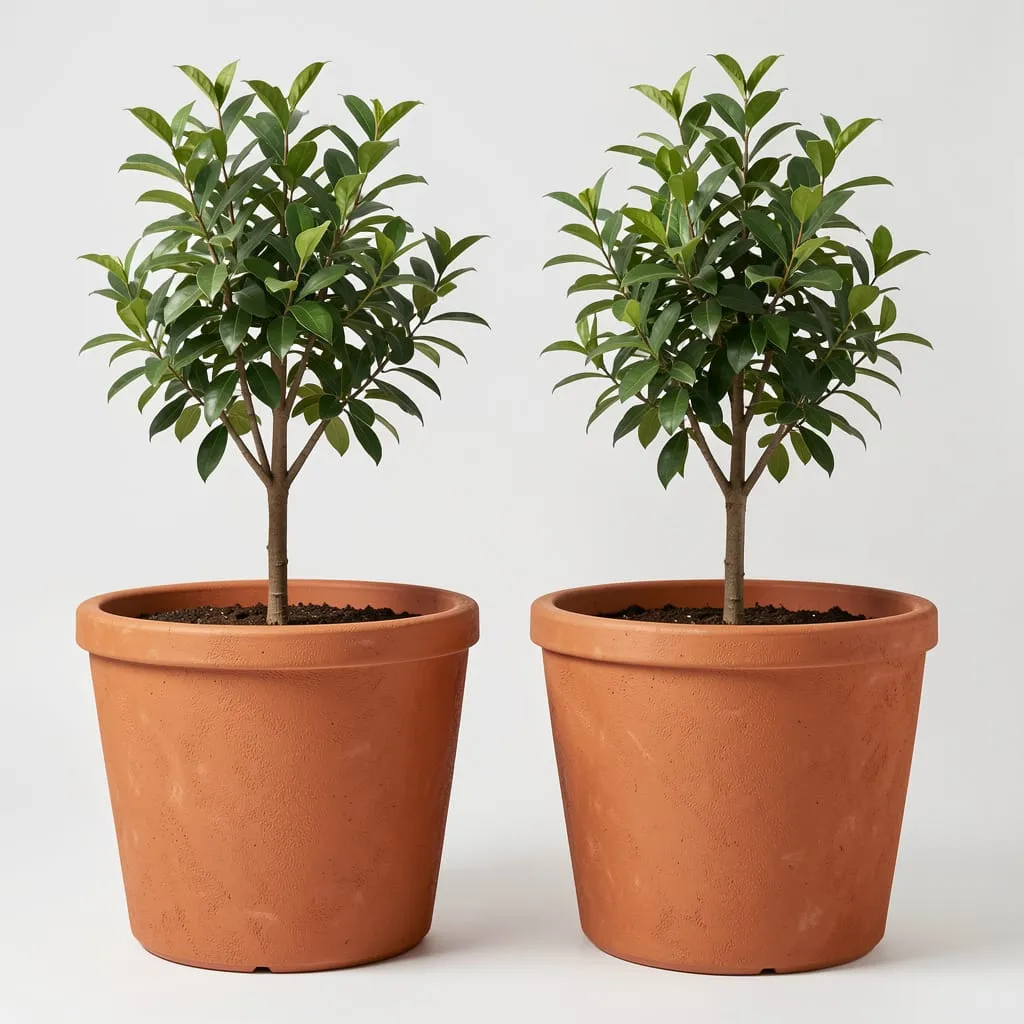
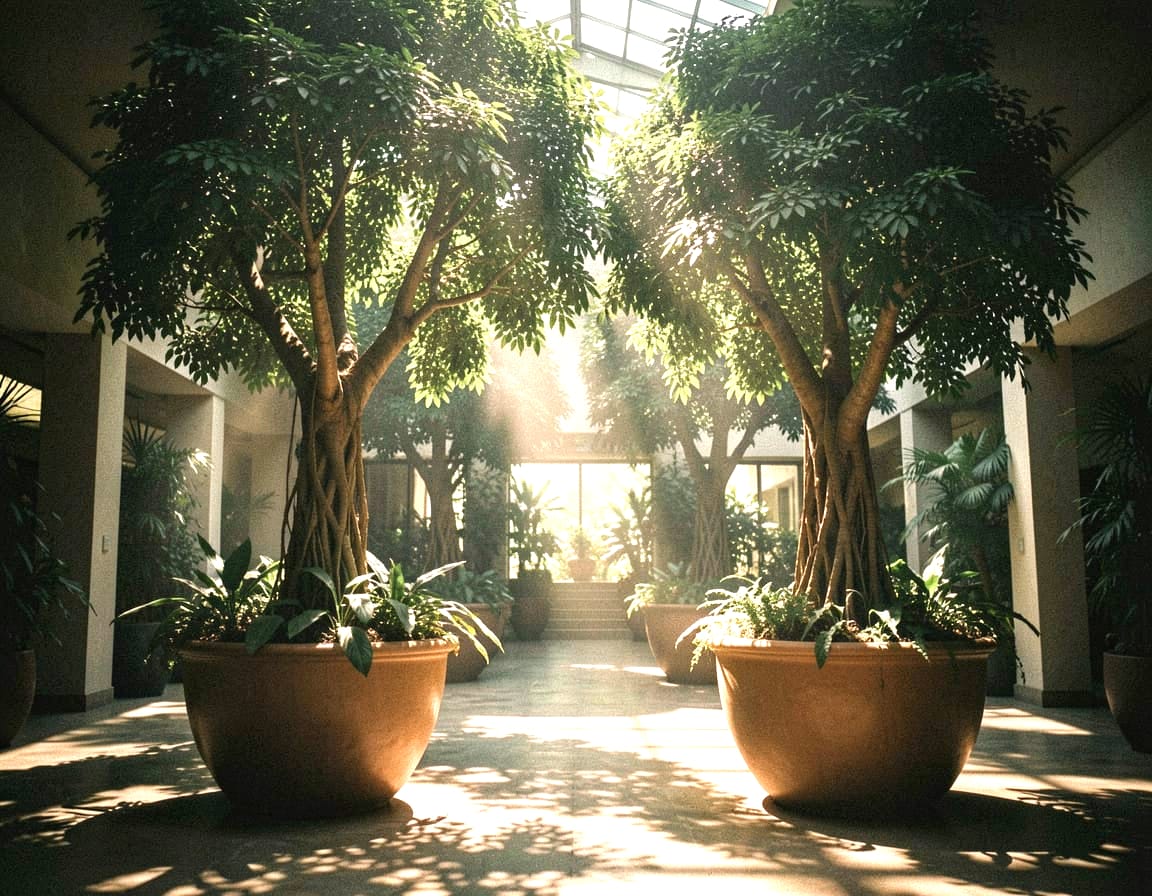
Large trees need large containers and large containers get expensive fast.If you’re searching for cheap extra large pots for trees, you’re likely trying to balance:
- Budget constraints
- Root space requirements
- Drainage performance
- Long-term durability
- Weight and portability
The mistake most people make? Buying the cheapest oversized pot they can find only to lose a $150–$400 tree to root rot within months. This guide shows you how to save money intelligently: what materials to choose, how big to go, how to modify budget pots for proper drainage, and which shortcuts are safe and which aren’t.Done correctly, you can grow large trees successfully without spending $500 on a designer planter.
Quick Summary
Best Cheap Extra Large Pots for Trees:
- Heavy-duty plastic (HDPE or resin)
- Large nursery grower pots
- Food-grade utility tubs (modified)
- Half whiskey barrels (wood)
- Stock tanks (for outdoor use)
Minimum Size for Most Indoor Trees:
- 20–24 inch diameter
- 18–24 inch depth
Drainage: Must have holes (drill if needed) Soil Mix: 2 parts potting mix + 1 part perlite/pumice Repotting Frequency: Every 2–3 years
How Big Does a Tree Pot Actually Need to Be
Oversizing wastes money — and harms roots.
The Correct Rule
Choose a pot:
- 2–4 inches wider than the current root ball
- Equal or slightly deeper than the root system
Jumping from a 10-inch pot to a 28-inch pot causes soil to stay wet too long, increasing root rot risk.
Size Guidelines by Tree Type
Fiddle Leaf Fig (6–8 ft)
- 20–24 inch diameter
- 18–22 inch depth
Rubber Tree
- 18–22 inch diameter
- 16–20 inch depth
Olive Tree (Indoor)
- 22–30 inch diameter
- Minimum 20 inch depth
Citrus Tree
- 20–24 inch diameter
- 20+ inch depth
Depth matters for stability.
Cheapest Materials That Actually Work
Not all “cheap” pots are equal.
1. Heavy-Duty Plastic (Best Budget Option)
Why It Works
- Lightweight
- Affordable
- Easy to drill
- Durable if thick enough
Look for:
- Thick walls (avoid thin flexible plastic)
- UV-stabilized resin
- Pre-drilled drainage holes
Cost Range: $40–$120 for 20–24 inch pots.
Best overall budget choice.
2. Nursery Grower Pots
Large black nursery containers are extremely affordable.
Pros
- Designed for trees
- Excellent drainage
- Lightweight
Cons
- Not decorative
Solution: Place inside a decorative cachepot or wrap with woven baskets.
Cost: Often $20–$60 for very large sizes.
This is the most cost-efficient functional option.
3. Food-Grade Utility Tubs (DIY Option)
Heavy-duty storage bins can be converted.
Steps:
- Drill 5–8 drainage holes in bottom.
- Elevate slightly on pot feet.
- Use aerated soil mix.
Important: Only use thick plastic. Thin bins crack under soil weight.
Cost: $25–$70 depending on size.
4. Half Whiskey Barrels (Outdoor Use)
Great for patios and decks.
Pros:
- Deep root space
- Good insulation
Cons:
- Heavy
- Wood rots over time
- Requires drainage holes
Cost: $60–$150.
Best for USDA Zones 7–10 outdoor trees.
5. Stock Tanks (Large Outdoor Trees)
Galvanized metal stock tanks are popular.
Pros:
- Extremely durable
- Massive capacity
Cons:
- Heavy
- Must drill drainage holes
- Heats up in full sun
Best for: Outdoor olive or citrus trees in warm climates (Zones 8–11).
Drainage: Where Cheap Pots Fail
Cheap pots often lack proper drainage.
Without drainage:
- Roots suffocate
- Fungal pathogens develop
- Tree declines quickly
Minimum Drainage Standard
For 20–24 inch pots:
- At least 3–5 large drainage holes
Drill holes if necessary using a step bit.
Never rely on:
- Rocks at bottom
- Gravel layers
- “False drainage” myths
These create perched water tables.
Soil Mix for Budget Planters
Cheap pots often retain moisture longer.
Use an aerated mix:
- 2 parts high-quality indoor potting mix
- 1 part perlite or pumice
- Optional: 10–20% orchid bark
WHY: Large containers hold water longer. Aeration prevents root suffocation.
Cost: $25–$50 for enough soil to fill a large pot.
Avoid:
- Garden soil
- Straight compost
- Pure peat moss
Weight Considerations
Large pots become extremely heavy when filled.
Example: 24-inch container + moist soil = 150–250 lbs.
Consider:
- Floor load limits (apartments)
- Use of rolling plant caddies
- Protective pads for hardwood floors
Plastic is best for upper floors due to weight savings.
Indoor vs Outdoor Considerations
Indoor Trees
- Use saucers to protect floors
- Monitor watering carefully
- Ensure bright indirect light
Outdoor Patio Trees
- Confirm UV resistance
- Elevate pot slightly
- Check frost tolerance by USDA Zone
Tropical trees (Zones 9–11) must be overwintered indoors in colder climates.
Watering Large Trees in Cheap Pots
Budget pots often lack insulation.
Check moisture 3–4 inches deep before watering.
Typical watering frequency:
- Indoors: Every 10–14 days
- Outdoors (summer): Weekly or more
Overwatering kills more trees than underwatering.
Budget vs Mid-Range Comparison
Ultra Budget ($50–$150)
- Nursery grower pot
- Basic potting mix + perlite
- Saucer tray
Function over aesthetics.
Smart Budget ($150–$300)
- Thick resin planter
- Aerated soil blend
- Built-in drainage
- Rolling base
Best value balance.
Premium ($500+)
- Fiberglass or ceramic
- Designer aesthetic
- Custom soil blend
Not necessary for plant health mainly aesthetic.
Common Beginner Mistakes
- Buying too large too quickly
- No drainage holes
- Using heavy soil
- Overwatering in plastic pots
- Ignoring floor weight
Cheap pots fail only when setup is wrong.
FAQ
1. What is the cheapest option for large tree pots?
Nursery grower pots are the most cost-effective functional choice.
2. Can I use a plastic storage bin?
Yes, if thick and properly drilled for drainage.
3. How big should a pot be for a tree?
2–4 inches wider than the root ball.
4. Are cheap plastic pots bad for trees?
No — poor drainage and soil are the real problems.
5. Should I add rocks to improve drainage?
No. This creates water retention issues.
6. How long will a cheap plastic pot last?
Heavy-duty resin can last 5–10+ years indoors.
Final Thoughts
Finding cheap extra large pots for trees is completely achievable if you prioritize function over branding.
The formula for success:
- Choose thick, durable plastic
- Ensure multiple drainage holes
- Use highly aerated soil
- Avoid dramatic oversizing
- Monitor watering carefully
You don’t need a $700 designer planter to grow a healthy indoor or patio tree.
Healthy roots depend on oxygen, drainage, and proper sizing not price tags.
Spend smart. Drill holes if needed. Focus on root health. That’s how you save money without sacrificing your tree.