Every product is independently reviewed and selected by our editors. If you buy something through our links, we may earn an affiliate commission at no extra cost to you.
A small front porch doesn’t limit your design potential it forces you to design smarter. The difference between a cramped, cluttered entry and a polished, welcoming one usually comes down to planter scale, soil depth, drainage, and plant selection. When those elements are handled correctly, even a narrow 3–4 foot porch can look layered, balanced, and professionally styled year-round.This guide delivers practical, horticulture-backed small front porch planter ideas that go beyond aesthetics. You’ll learn how to choose the right containers, match plants to light exposure, build proper soil structure, and avoid the common mistakes that cause plant decline and wasted money.Most homeowners make two mistakes with small porches: they either overcrowd the space with too many small pots, or they choose decorative containers that are too shallow to support healthy root systems. The result is constant watering, stunted growth, and seasonal plant replacement. The goal isn’t more planters it’s better-performing planters. In this guide, you’ll learn how to design a small front porch planter layout that:
- Maximizes visual impact
- Supports long-term plant health
- Reduces watering frequency
- Works with your USDA hardiness zone
- Fits your budget
Quick Summary Box
- Ideal planter depth: 12–18 inches for shrubs or mixed arrangements
- Best soil mix: 40% peat/coir, 30% compost, 20% perlite, 10% bark fines
- Drainage requirement: Multiple holes + pot feet (never sealed bottoms)
- Sun exposure: Match plants to north, south, east, or west-facing porch
- USDA zones: Choose cold-hardy perennials if planters stay outdoors year-round
- Watering frequency: 2–4 times weekly in summer
- Design rule: Fewer large containers outperform many small ones
- Budget range: $150–$800 depending on materials and irrigation
Step 1: Evaluate Your Porch Conditions Before Buying Planters
Design decisions should follow environmental realities.
Light Exposure by Direction
Understanding sunlight prevents 80% of porch planter problems.
- South-facing (Northern Hemisphere): 6–8+ hours direct sun. Best for flowering annuals, dwarf shrubs, herbs.
- West-facing: Intense afternoon sun. Requires heat-tolerant varieties.
- East-facing: Gentle morning sun. Excellent for hydrangeas, begonias, ferns.
- North-facing: Mostly shade. Choose foliage plants and shade perennials.
Why this matters: Plants mismatched to light become leggy, stop flowering, or develop fungal disease.
Maintenance impact: Full sun = faster soil drying. Shade = slower evaporation but higher fungal risk if airflow is poor.
Wind and Exposure
Front porches often create wind tunnels.
Wind causes:
- Rapid moisture loss
- Broken stems
- Soil compaction
Solution:
- Choose heavier planters (fiberglass, sealed wood, composite resin)
- Avoid ultra-light plastic unless weighted at the base
Porch Size and Traffic Flow
For porches under 4 feet deep:
- Use tall, narrow containers (12–14 inches wide)
- Avoid oversized round bowls that block door swing
For wider porches:
- Anchor the doorway with symmetrical planters
- Layer additional containers along walls
High-Impact Small Front Porch Planter Ideas
1. The Symmetrical Entry Frame (Most Reliable Design)
Why It Works
Symmetry visually enlarges small spaces and frames the doorway.
Implementation
- Two planters, 18–24 inches tall
- Minimum 12–16 inches soil depth
- Positioned on each side of the door
Plant Suggestions by USDA Zone
Zones 5–8
- Boxwood
- Dwarf arborvitae
- Ornamental grasses
- Seasonal underplanting (pansies, violas)
Zones 9–11
- Dwarf palms
- Crotons
- Hibiscus
- Ixora
Soil Setup
- 40% coco coir or peat moss
- 30% compost
- 20% perlite
- 10% pine bark
This combination provides moisture retention, drainage, and aeration.
Cost Considerations
- Budget resin planters: $70–$120 each
- Premium fiberglass: $150–$300 each
Larger containers reduce watering frequency and increase plant survival.
2. The Single Statement Planter (Minimalist, High-End Look)
Sometimes one large container outperforms multiple small ones.
Container Specs
- Diameter: 20–24 inches
- Depth: 16–20 inches
- Must include drainage holes
Ideal Plants
- Dwarf Japanese maple (Zones 5–8)
- Olive tree (Zones 8–10)
- Ficus or citrus (warm climates)
- Mixed thriller-filler-spiller seasonal combo
Why it works:
A single large planter creates a focal point without clutter.
Maintenance impact:
Larger soil volume stabilizes moisture and root temperature.
3. Vertical Layered Planters for Narrow Porches
When square footage is limited, build upward.
How to Implement
Use:
- Tiered plant stands
- Stacked modular planters
- Tall narrow containers
Follow the thriller-filler-spiller structure:
- Thriller: Height (grass, spike, dwarf shrub)
- Filler: Mid-level fullness (geraniums, petunias)
- Spiller: Trailing plants (ivy, calibrachoa)
Why It Works
Layering mimics natural plant communities and maximizes vertical space.
Beginner mistake:
Overcrowding reduces airflow and increases fungal disease risk.
4. Rectangular Trough Planters Along Walls
Best for narrow porches with wall space.
Specs
- Depth: 10–12 inches minimum
- Length: 24–36 inches
- Drainage holes every 6–8 inches
Best Uses
- Herb garden (basil, thyme, rosemary)
- Compact lavender
- Seasonal flowers
Maintenance:
Shallow troughs dry faster. Expect watering every 1–2 days in peak summer.
Consider self-watering trough systems if you travel frequently.
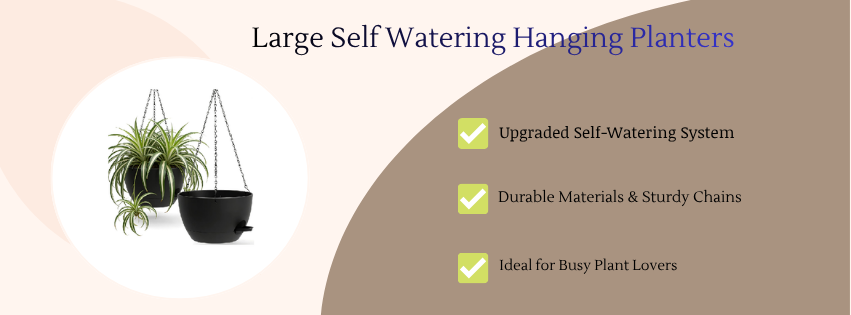
5. Hanging Planters and Wall-Mounted Containers
Ideal for extremely tight porches.
Key Requirements
- Secure brackets anchored into studs
- Lightweight potting mix
- Drip trays to protect flooring
Depth should be at least 6–8 inches for herbs and annuals.
Why it works:
Frees up floor space while adding vertical greenery.
Soil and Drainage: The Foundation of Porch Planter Success
Never use garden soil in containers.
Garden soil compacts, blocks oxygen, and promotes root rot.
Proper Drainage Setup
- One drainage hole per 4–6 inches of container width
- Elevate pots with pot feet
- Do NOT add rocks at bottom (reduces usable soil depth)
Why drainage matters:
Roots require oxygen. Poor drainage suffocates them.
Watering Strategy for Small Porch Planters
Water deeply until moisture exits drainage holes.
General Frequency
- Summer: 2–4 times weekly
- Spring/Fall: 1–2 times weekly
- Winter (mild climates): Every 10–14 days
Check soil 2 inches deep before watering.
Self-Watering Planters
Good option for:
- Full sun porches
- Busy homeowners
- Travel schedules
They reduce watering frequency by up to 50%.
Higher upfront cost, but fewer plant losses long-term.
Fertilization Schedule
Container plants exhaust nutrients quickly.
Use:
- Slow-release fertilizer at planting
- Liquid fertilizer every 4–6 weeks during growing season
Avoid over-fertilizing it causes weak growth and salt buildup.
Pest Prevention for Front Porch Planters
Common pests:
- Aphids
- Spider mites
- Mealybugs
- Fungus gnats
Prevention:
- Inspect weekly
- Avoid soggy soil
- Ensure airflow
- Use neem oil every 10–14 days
Healthy soil and proper drainage significantly reduce infestations.
Beginner Mistakes That Waste Money
- Choosing decorative pots without drainage
- Using containers too small for root depth
- Ignoring sun direction
- Overcrowding plants
- Forgetting fertilizer
- Using cheap, compacted potting mix
These mistakes increase plant replacement costs every season.
Budget vs Premium Porch Planter Setup
Budget Setup ($150–$250)
- Two large resin planters
- Quality container soil
- Slow-release fertilizer
- Hand watering
Ideal for beginners and renters.
Premium Setup ($500–$900)
- Fiberglass or sealed wood planters
- Self-watering inserts
- Drip irrigation kit with timer
- Seasonal plant rotation
Lower long-term maintenance and higher plant survival.
FAQ
What size planter is best for a small front porch?
At least 12–16 inches deep for shrubs or mixed plantings. Larger containers reduce watering frequency.
How often should I water porch planters?
In summer, 2–4 times per week depending on sun exposure and wind.
Can planters stay outside in winter?
Depends on material and USDA zone. Resin and fiberglass tolerate freezing better than ceramic.
What plants grow best on a shaded porch?
Ferns, hostas (Zones 3–9), impatiens, coleus, and ivy perform well in shade.
Are self-watering planters worth it?
Yes for hot climates or travel. They stabilize soil moisture and reduce stress.
How do I prevent root rot in porch containers?
Use proper drainage holes, airy potting mix, and avoid overwatering.
Conclusion
Small front porch planter ideas succeed when they balance design and horticulture. The right container depth, proper drainage, high-quality soil mix, and plant choices matched to your light exposure make all the difference. Start with two strong anchor planters or one statement container. Invest in larger pots rather than multiple small ones. Prioritize soil quality and drainage first aesthetics second. With thoughtful planning, even the smallest porch can feel intentional, welcoming, and seasonally dynamic without constant maintenance. Design smarter, plant deeper, and your porch will deliver curb appeal that lasts year after year.
