Every product is independently reviewed and selected by our editors. If you buy something through our links, we may earn an affiliate commission at no extra cost to you.
Round railing design isn’t just a visual upgrade it directly impacts safety, airflow, wind exposure, planter compatibility, and even plant health in small-space gardens. Whether you’re designing a balcony, deck, terrace, or rooftop garden, curved and circular railing elements create softer sightlines while offering practical benefits for container gardening. Done right, a round railing design supports hanging planters securely, improves spatial flow, and withstands weather across USDA zones. Done poorly, it limits mounting options and increases maintenance headaches. This guide breaks down structural considerations, material choices, installation details, gardening compatibility, and cost planning so your round railing system is both beautiful and functional.
Most homeowners think of railings as purely structural. Gardeners know better.
Railings determine:
- What types of hanging planters you can install
- How much sun reaches your plants
- Wind flow across containers
- Drainage management on decks and balconies
If you’re planning a round railing design, you must consider material, curvature radius, mounting hardware, weight limits, and exposure conditions.
This guide gives you practical design insight from both a horticultural and structural perspective—so your railing supports plant growth as effectively as it supports people.
Quick Summary Box
- Best materials: Powder-coated steel, aluminum, stainless steel
- Ideal height: 36–42 inches (standard residential code)
- Curvature radius: Minimum 24 inches for functional mounting
- USDA considerations: Rust resistance critical in zones 8–10
- Planter compatibility: Requires adjustable or curved brackets
- Maintenance level: Moderate (metal) to low (aluminum)
- Budget range: $60–$250 per linear foot depending on material
What Is Round Railing Design
Round railing design refers to:
- Curved horizontal rails
- Circular balcony perimeters
- Rounded top rails
- Cylindrical balusters
- Tubular metal construction
These designs soften architectural lines and are especially popular in:
- Contemporary homes
- Rooftop terraces
- Apartment balconies
- Wraparound decks
From a gardening perspective, curved railings create microclimates altering sun reflection and wind flow patterns.
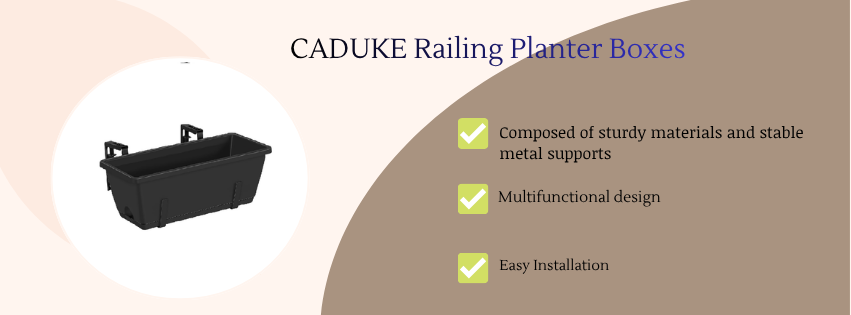
Why Round Railing Design Works for Outdoor Spaces
1. Improved Visual Flow
Curved lines draw the eye naturally, making small balconies appear larger.
Why it works: Sharp angles visually “box in” tight spaces. Curves create openness and smoother sightlines.
Maintenance impact: Minimal, but curved rails may require custom-fit accessories.
2. Better Wind Distribution
On elevated decks, wind tunnels form along straight rails. Rounded perimeters disperse wind flow more evenly.
Why this matters for plants:
- Reduces plant stress
- Lowers risk of tipping containers
- Improves moisture retention
Especially important in high-rise settings.
3. Enhanced Planter Aesthetics
Round railing systems pair naturally with:
- Round hanging railing planters
- Curved metal baskets
- Semi-circular planter boxes
Visually, curved elements look intentional rather than retrofitted.
Best Materials for Round Railing Systems
Material selection determines durability, maintenance, and compatibility with garden installations.
1. Powder-Coated Steel
Pros:
- Strong and durable
- Supports heavier hanging planters
- Modern aesthetic
Cons:
- Can rust if coating chips
- Heavier than aluminum
Best for: Permanent deck installations in USDA zones 5–10.
Cost: $90–$180 per linear foot installed.
Maintenance: Inspect annually for scratches; touch up coating to prevent corrosion.
2. Aluminum (Low Maintenance Option)
Pros:
- Lightweight
- Rust-resistant
- Ideal for coastal zones (8–10)
Cons:
- Slightly less load-bearing capacity
- Can dent under heavy impact
Best for: Balconies with multiple hanging planters.
Cost: $70–$150 per linear foot.
Maintenance: Low—wash annually with mild soap.
3. Stainless Steel
Pros:
- Highest corrosion resistance
- Excellent for humid climates
- Modern architectural look
Cons:
- Expensive
- Requires occasional polishing
Cost: $150–$250 per linear foot.
Best for: Coastal homes and luxury rooftop gardens.
Structural Considerations for Round Railings
Railing Height
Standard residential height: 36 inches (decks) 42 inches (balconies, commercial buildings)
Higher railings provide better safety but can reduce sunlight for low-growing plants placed behind them.
Curvature Radius
A minimum radius of 24 inches is recommended if you plan to mount:
- Round metal hanging railing planters
- Curved planter brackets
- Drip irrigation clips
Tight curves limit bracket compatibility.
Weight Capacity
Always verify:
- Post anchoring strength
- Load-bearing rating
- Deck structural support
Hanging planters saturated with water can weigh 15–25 pounds each.
Even distribution is critical on curved systems.
Integrating Gardening Into Round Railing Design
If you plan to grow plants, design accordingly.
Planter Compatibility
Choose railing systems with:
- Tubular top rails (1.5–2 inches diameter common)
- Flat mounting surfaces for brackets
- Adjustable clamp systems
Round tubular rails require specialized adjustable planter hooks.
Irrigation Planning
Drip irrigation for railing planters requires:
- Secure tubing clips
- Even water pressure along curved lines
- Proper drainage management
Drip kits for container gardens cost $60–$150 and reduce watering time by up to 80%.
Maintenance impact: Low once installed, but inspect for leaks seasonally.
Sun Exposure and Microclimate Effects
Curved railings can reflect and redirect light.
South-facing curved balconies in USDA zones 8–10:
- Experience intense reflected heat
- Require heat-tolerant plants
Best plants:
- Geraniums
- Lantana
- Portulaca
- Rosemary
North-facing curved balconies:
- Lower evaporation
- Better for shade plants
Best plants:
- Ferns
- Begonias
- Impatiens
Always match plant selection to exposure direction.
Soil and Container Planning for Railing Gardens
If incorporating hanging or mounted planters, use proper soil composition.
Ideal mix:
- 40% coco coir
- 25% perlite
- 25% compost
- 10% worm castings
Why:
- Lightweight for railing load safety
- Excellent drainage
- Balanced nutrients
Never use garden soil—it compacts and stresses rail systems due to excess weight.
Drainage Management on Curved Decks
Water runoff can stain decking.
Best practices:
- Use removable drip trays
- Install slight inward slope for drainage control
- Avoid blocked drainage holes
Wood decks require more protection than composite decking.
Beginner Mistakes With Round Railing Design
Choosing Style Over Function
Some decorative railings lack flat surfaces for mounting planters.
Ignoring Wind Exposure
Curved high-rise balconies still face strong wind pressure.
Overloading With Heavy Planters
Even steel systems have weight limits.
Skipping Rust Protection
In humid climates, small scratches lead to corrosion.
Budget vs Premium Round Railing Design
Budget System ($60–$90 per linear foot)
- Powder-coated aluminum
- Standard curvature
- Basic mounting brackets
Maintenance: Low to moderate Best for homeowners upgrading existing decks
Premium System ($150–$250 per linear foot)
- Stainless steel or custom curved steel
- Integrated planter brackets
- Hidden fasteners
- Pre-designed irrigation channels
Maintenance: Low Best for long-term rooftop or architectural installations
Seasonal Maintenance by USDA Zone
Zones 3–6:
- Inspect weld joints after winter
- Remove heavy planters before freeze
Zones 7–10:
- Monitor rust in humid summers
- Clean salt buildup in coastal areas
Annual inspection prevents long-term structural issues.
FAQ
Is round railing design more expensive than straight railing?
Yes. Curved fabrication requires specialized bending and custom installation.
Can I hang planters on round railings?
Yes, but you need adjustable or curved mounting brackets.
What material is best for humid climates?
Stainless steel or aluminum perform best in zones 8–10.
Does round railing improve wind resistance?
It helps distribute wind flow but does not eliminate exposure risks.
What height is required by building code?
Typically 36 inches for decks and 42 inches for balconies.
Can drip irrigation be installed on curved railings?
Yes, with flexible tubing and secure clips designed for rounded surfaces.
Final Thoughts
Round railing design offers more than visual elegance it reshapes how your outdoor space functions.
For gardeners, curved railings:
- Improve airflow
- Support hanging planters beautifully
- Create dynamic visual movement
- Maximize vertical growing opportunities
Success depends on material quality, structural integrity, proper weight management, and climate-aware plant selection. If you’re building or renovating, plan for planter compatibility and irrigation integration from the beginning. Done correctly, a round railing system becomes not just a safety feature but the backbone of a thriving small-space garden. Invest in durable materials, design with plant weight in mind, and match your setup to your USDA zone. The result is a railing that supports both your home’s architecture and your garden’s long-term success.
