Every product is independently reviewed and selected by our editors. If you buy something through our links, we may earn an affiliate commission at no extra cost to you.
A bare balcony railing is wasted growing space. With the right round railing planter box, that overlooked edge can transform into a dense wall of herbs, cascading flowers, or even compact vegetables. When chosen and installed correctly, these planters don’t just look beautiful they solve real space limitations while improving light access and airflow for healthier plants.If you garden on a balcony, terrace, or small deck, you already know the biggest challenge: limited floor space. Traditional pots crowd walkways, restrict seating, and limit how much you can grow. A round railing planter box changes that equation by using vertical perimeter space but only if you select the right size, material, drainage system, and mounting style. In this guide, I’ll break down exactly how to choose, install, and maintain round railing planters for maximum growth, structural safety, and long-term durability. You’ll avoid common beginner mistakes and build a thriving small-space garden that actually performs.
Quick Summary Box
- Best for: Balconies, terraces, decks, condo railings
- Ideal depth: 6–12 inches depending on plant type
- Best soil: Lightweight, well-draining container mix (not garden soil)
- Sun requirements: South- or west-facing railings produce highest yields
- Drainage: Mandatory drainage holes + saucer or drip control
- USDA zones: Material durability varies (plastic vs metal vs wood)
- Beginner mistake: Overloading railing weight capacity
- Budget range: $25–$150 per planter depending on size and material
Why a Round Railing Planter Box Works So Well in Small Spaces
1. It Maximizes Vertical Perimeter Space
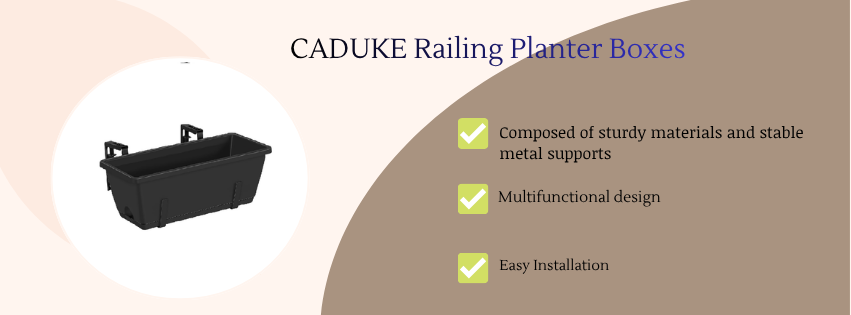
Railings receive some of the strongest light exposure because they are unobstructed. South-facing railings (Northern Hemisphere) often provide 6–8 hours of direct sun perfect for herbs, tomatoes, and flowering annuals. Why this matters: More direct light means stronger stems, higher yields, and fewer fungal issues.
2. Improved Air Circulation
Unlike floor containers tucked into corners, railing-mounted planters get superior airflow. Good airflow reduces:
- Powdery mildew
- Aphid infestations
- Fungus gnats
- Root rot from stagnant humidity
3. Better Heat Regulation (When Positioned Correctly)
Metal railings can radiate heat. In USDA Zones 8–11, this boosts growth for heat-loving crops like:
- Basil
- Peppers
- Petunias
- Strawberries
However, in Zones 5–7, you may need insulating liner material to protect roots from temperature swings.
Choosing the Right Round Railing Planter Box
Not all railing planters are equal. Your choice directly impacts root development, drainage efficiency, and plant health.
1. Correct Depth and Root Space
Minimum depth guidelines:
| Plant Type | Minimum Soil Depth |
| Herbs (basil, thyme) | 6–8 inches |
| Leafy greens | 8 inches |
| Strawberries | 8–10 inches |
| Dwarf peppers | 10–12 inches |
| Trailing flowers | 6–8 inches |
Why depth matters: Shallow containers dry out faster and restrict root growth, leading to stunted plants.
Maintenance impact: Deeper containers require less frequent watering.
Cost impact: Larger planters cost more upfront but reduce soil replacement frequency.
2. Material Comparison: Budget vs Premium
Plastic / Resin (Budget-Friendly)
Pros:
- Lightweight
- Affordable ($25–$50)
- Frost-resistant
- Easy installation
Cons:
- Can fade in direct sun
- Less insulating in extreme heat
Best for renters and beginner gardeners.
Metal (Modern Look)
Pros:
- Durable
- Sleek aesthetic
- Long lifespan
Cons:
- Conducts heat quickly
- Requires rust-resistant coating
- Higher cost ($60–$120)
Best for Zones 6–9 with moderate climate.
Wood (Premium Natural Look)
Pros:
- Natural insulation
- Attractive finish
Cons:
- Needs sealing
- Heavier
- $80–$150+
Best for permanent installations.
Soil Composition: The Most Overlooked Factor
Never use garden soil in a round railing planter box.
Use a lightweight container mix:
- 40–50% peat moss or coco coir
- 20–30% compost
- 20–30% perlite or pumice
- Slow-release balanced fertilizer (10-10-10 or 5-5-5)
Why this works:
- Peat/coir retains moisture
- Perlite improves drainage
- Compost provides nutrients
Drainage is critical because railing planters dry faster but can also waterlog if poorly designed.
Beginner mistake: Overpacking soil. Keep it fluffy to preserve oxygen around roots.
Drainage Requirements You Cannot Ignore
Every round railing planter box must have:
- Multiple drainage holes (at least 3–5 for 24-inch planters)
- A removable drip tray OR controlled drainage outlet
Why drainage matters:
Root rot occurs when oxygen cannot reach roots. In railing planters exposed to rain, overwatering is common.
Maintenance tip:
Elevate soil slightly from drainage holes with a thin layer of coarse bark or mesh — not rocks (rocks do not improve drainage long-term).
Light Exposure by Direction
South-Facing (Northern Hemisphere)
- 6–8+ hours sun
- Ideal for vegetables and flowering annuals
- Requires more frequent watering
West-Facing
- Intense afternoon sun
- Good for peppers and geraniums
- Watch for heat stress in Zones 9+
East-Facing
- Gentle morning sun
- Ideal for herbs and lettuce
North-Facing
- Low light
- Choose shade plants: ferns, ivy, coleus
Pro Tip: If your balcony lacks direct sun, invest in LED grow lights rated for full-spectrum output. Choose adjustable clamp models with 12–16 hour timers.
Safe Installation: Weight and Stability
Before installation:
- Check railing load capacity (especially in apartments).
- Wet soil weighs significantly more.
- A 24-inch planter can weigh 25–40 pounds when saturated.
Use:
- Adjustable metal brackets
- Locking stabilizers
- Anti-tip securing straps
Never rely solely on hook-style hangers in high-wind areas.
Wind exposure increases at elevation. Secure properly to prevent accidents.
Best Plants for Round Railing Planter Boxes
Edibles
- Basil
- Parsley
- Chives
- Dwarf chili peppers
- Strawberries
- Cherry tomatoes (compact varieties)
Choose determinate or patio varieties for tomatoes.
Ornamentals
- Petunias
- Calibrachoa
- Geraniums
- Trailing verbena
- Ivy
- Sweet potato vine
Mix upright and trailing plants for a cascading effect.
Watering Strategy for Balcony Rail Planters
Railing planters dry faster than floor pots.
General watering frequency:
- Summer: Every 1–2 days
- Spring/Fall: 2–3 times per week
- Winter (mild climates): Weekly
Check moisture 2 inches below surface.
Consider:
Self-watering railing planter boxes with built-in reservoirs. These reduce watering frequency by 30–50% and are ideal for busy professionals.
Cost comparison:
- Standard planter: Lower upfront cost
- Self-watering system: Higher upfront cost but reduces plant loss
Pest Prevention in Elevated Planters
Common balcony pests:
- Aphids
- Spider mites
- Fungus gnats
Prevention:
- Inspect weekly
- Avoid overwatering
- Use neem oil spray every 14 days
- Encourage airflow
Healthy soil drainage dramatically reduces pest issues.
Beginner Mistakes to Avoid
- Choosing shallow decorative planters
- Overloading railing weight capacity
- Using garden soil
- Ignoring sun direction
- Overcrowding plants
- Skipping fertilizer after 6–8 weeks
Most container plants need feeding every 4–6 weeks during growing season.
Budget vs Premium Setup Example
Budget Setup ($150–$250 total)
- 2–3 plastic railing planters
- High-quality potting mix
- Basic slow-release fertilizer
- Hand watering
Low maintenance, great for renters.
Premium Setup ($400–$700+)
- Powder-coated metal planters
- Self-watering reservoir system
- Drip irrigation kit with timer
- Full-spectrum grow light backup
Lower long-term plant loss, less manual watering.
FAQ
What size round railing planter box is best for vegetables?
At least 10–12 inches deep for vegetables like peppers or tomatoes. Herbs can grow in 6–8 inches.
Do railing planters dry out faster?
Yes. Increased airflow and sun exposure cause faster evaporation. Expect more frequent watering.
Can I use garden soil in a railing planter?
No. Garden soil compacts in containers and prevents proper drainage.
How much weight can a balcony railing hold?
It varies by building code. Always check property guidelines. Wet soil significantly increases load weight.
Are self-watering railing planters worth it?
Yes, especially in hot climates. They reduce watering frequency and stabilize moisture levels.
What plants grow best in a north-facing railing planter?
Shade-tolerant plants like ferns, ivy, coleus, and certain leafy greens.
Conclusion
A round railing planter box is one of the most efficient ways to expand growing space without sacrificing valuable balcony floor area. When you choose the correct depth, use high-quality container soil, ensure proper drainage, and match plants to sun exposure, the results are dramatic.
You gain:
- More usable space
- Better light access
- Improved airflow
- Higher plant yields
- Stronger visual impact
Start with one well-installed planter. Focus on soil quality and drainage first. Upgrade to self-watering systems or drip irrigation as your garden expands.Small-space gardening rewards precision. When done correctly, a simple railing becomes a productive, living wall of greenery that performs season after season.
