• Easiest way to compost at home | A Practical Method

    Every product is independently reviewed and selected by our editors. If you buy something through our links, we may earn an affiliate commission at no extra cost to you.

    If you’re gardening in a small backyard, balcony, terrace, or even a rented space, the easiest way to compost at home is a simple, low-maintenance “cold composting” setup using a basic bin or bucket. This method has worked reliably in my own garden for years without smells, pests, or complicated layering.

    Below is the exact approach I use when I want quick, beginner-safe compost without spending money or fussing with special tools.

    Many new gardeners tell me the same thing: “I want to compost, but it seems hard, smelly, or messy.” I remember feeling that way too, especially when I lived in a small apartment with a tiny balcony.

    Most composting guides make it sound scientific layers, ratios, temperatures but in real home gardens, we just need a system that:

    • Breaks down kitchen scraps
    • Doesn’t attract insects or rodents
    • Doesn’t smell
    • Works with limited space

    The easiest way to compost at home is a simple cold compost bin or bucket. It relies on natural decomposition no turning, no aerators, no fancy equipment just steady, slow breakdown. It’s low effort, beginner-friendly, and fits small spaces.

    Why This Method Works In Small Home Space

    Cold composting works because:

    • Microbes naturally break down organic matter over time
    • Adding dry material (browns) prevents odors and sogginess
    • A closed container keeps pests out
    • Slow decomposition requires no active management

    In my experience, this method works especially well in small gardens because:

    • It tolerates imperfect ingredient ratios
    • It doesn’t heat up (safer around kids and pets)
    • It handles everyday kitchen scraps without attracting fruit flies
    • It fits in any corner with indirect sunlight

    Even in humid climates, adding enough dry leaves keeps it clean and smell-free.

    What Materials Actually You’ll Need

    All of these are inexpensive or easily found at home.

    Tools & Materials

    • One bucket with lid (10–20 liters) OR a plastic bin with a snap-on lid
    • A few handfuls of dry leaves, shredded cardboard, or cocopeat
    • A small garden trowel (optional)
    • A drill or heated nail to make air holes
    • A compost starter (optional): finished compost, soil, or cow dung

    Eco-Friendly Options

    • Reuse old paint buckets (well-rinsed)
    • Use fallen leaves instead of buying cocopeat
    • Use garden soil as the starter instead of commercial activators

    Step-by-Step: Easiest Way to Compost at Home

    1. Prepare Your Compost Bin (Day 1)

    • Drill or poke 6–10 small holes around the upper sides of the bucket for airflow.
    • Do not make holes at the bottom (to avoid mess indoors).
    • Add a 2-inch layer of dry leaves or shredded cardboard.

    This base layer prevents soggy compost and absorbs moisture from kitchen scraps.

    2. Add the First Batch of Scraps

    Add:

    • Fruit and vegetable peels
    • Coffee grounds
    • Tea leaves (without plastic tea bags)
    • Crushed eggshells

    Avoid:

    • Oily food
    • Meat or dairy
    • Cooked leftovers (they attract pests)

    3. Cover With Browns Each Time

    Every time you add kitchen scraps, cover them with:

    • Dry leaves
    • Paper towels (non-printed)
    • Shredded paper
    • Cocopeat

    Visual cue: If the compost looks too wet or shiny, it needs more browns.

    4. Mix Lightly Once a Week

    Use a trowel or stick to gently stir. You don’t need perfect turning just loosen the top 6–8 inches.

    This prevents anaerobic zones (the source of bad smells).

    5. Keep Moisture Like a “Squeezed Sponge”

    If your compost is:

    • Too dry: Sprinkle a little water
    • Too wet: Add more dry leaves
    • Smelly: Add browns and mix gently

    6. Place the Bin in the Right Spot

    Best location:

    • Shaded or semi-shaded
    • Protected from heavy rain
    • Near your kitchen for convenience

    Avoid direct sun if using thin plastic, as it may warp.

    7. Wait 8–12 Weeks (Hands-Off Phase)

    Cold composting is slow but steady.

    Signs it’s working:

    • Mild earthy smell
    • Heat in the center (sometimes)
    • Gradual reduction in volume
    • Scraps turning brown and crumbly

    8. Harvest Your Compost

    When the contents look like dark soil with no recognizable food scraps, it’s ready.

    Tip: Sift if you want a fine texture.

    Professional Tips & Best Practices

    • Chop large scraps (banana peels, melon rinds) to speed up composting.
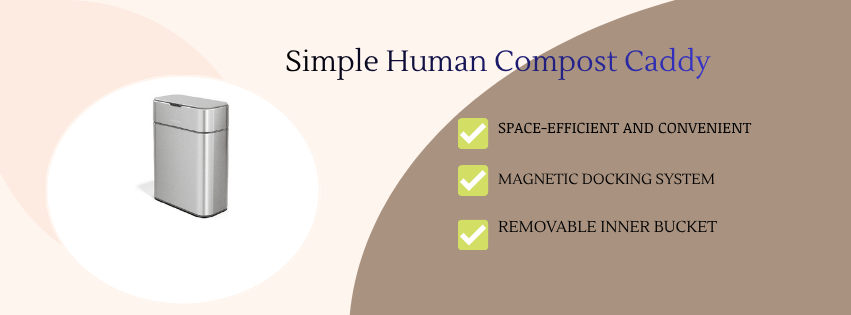
    • Keep a small kitchen caddy or bowl to collect scraps daily.
    • If ants appear, sprinkle turmeric or add more browns.
    • In monsoons, add extra browns to balance humidity.
    • In winters, decomposition slows be patient.

    Common beginner mistakes:

    • Adding too many wet scraps (causes smell)
    • Not covering food waste (attracts fruit flies)
    • Using cooked or oily food (invites pests)
    • Keeping bin in hot sun (dries out compost)

    FAQ: Easiest Way to Compost at Home

    1. Why does my compost smell bad? Usually too much moisture or too many wet kitchen scraps. Add dry leaves and mix lightly.

    2. Can I compost on a balcony? Yes. Use a lidded bucket and enough browns. I’ve done this for years without any odor.

    3. How often should I add scraps? Anytime. Just remember to add an equal handful of browns.

    4. Can I compost citrus peels? Yes, in small amounts. Chop them for faster breakdown.

    5. Can this method work in cold climates? Yes, composting slows but continues. Keep the bin indoors or in a sheltered area.

    6. What if I don’t have dry leaves? Use shredded cardboard, paper, cocopeat, or sawdust (untreated only).

    When NOT to Use This Method

    Avoid this method if:

    • You need compost urgently (it’s slow; choose hot composting instead)
    • You live in an area with rats and can’t keep a sealed bin
    • You’re composting large volumes of garden waste (need a bigger system)

    If your climate is extremely cold (freezing long-term), composting will pause.

    Alternative Composting Methods

    1. Hot Composting (Fast but High-Maintenance)

    Pros: Ready in 3–4 weeks Cons: Needs turning, monitoring, larger space

    2. Bokashi Composting (Indoor-Friendly)

    Pros: Ferments food fast Cons: Requires Bokashi bran; stronger learning curve

    3. Vermicomposting (Worm Composting)

    Pros: Makes premium compost Cons: Sensitive to heat, cold, and overfeeding

    4. Trench Composting

    Pros: Zero equipment Cons: Requires backyard soil access

    For beginners, the simple cold compost bucket remains the easiest and most forgiving.

    Conclusion: The Easiest Way to Compost at Home Works in Any Small Space

    The easiest way to compost at home is a simple lidded bucket system with kitchen scraps and dry leaves. It’s low-maintenance, odor-free, and perfect for beginners. I’ve used this method in apartments, balconies, and small backyards, and it consistently produces healthy, nutrient-rich compost without fuss.

    Start small, keep adding dry materials, and let nature do the rest. In a few weeks, your garden will get a free, sustainable boost no fertilizers needed.
  • Why should we put fence around the garden

    Every product is independently reviewed and selected by our editors. If you buy something through our links, we may earn an affiliate commission at no extra cost to you.

    If you’ve ever walked out to your garden and found shredded tomato plants, missing hostas, or hoofprints in freshly mulched beds, you’ve met the quiet destroyers of home gardens: deer. In my own backyard, I learned quickly that even a sturdy 6‑foot fence wasn’t enough. Deer cleared it like it wasn’t even there.

    So the real question is: How high should a garden fence be to keep deer out? From hands‑on experience and what consistently works for home gardeners, the reliable height is 7–8 feet, with 8 feet being the safest choice if you can manage it.

    This guide covers why that height works, alternatives if you can’t go that tall, and practical tips learned from maintaining deer‑safe gardens over several seasons.

    Why Deer Need Tall Fences (Simple Biology)

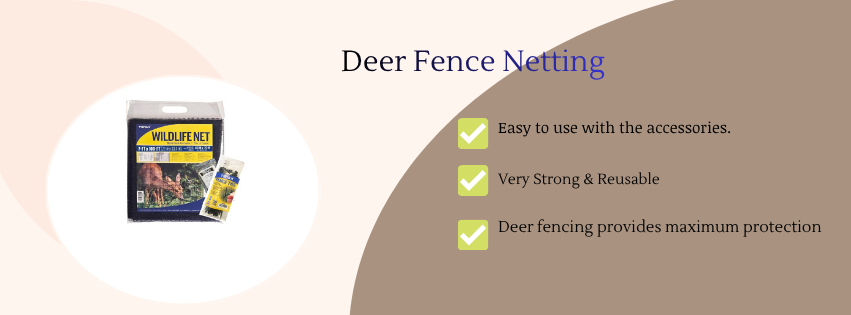
    Deer Fence Netting

    Deer are strong, quiet jumpers. Mature whitetails can easily leap 6–7 feet from a standing position, especially when food is scarce. But they dislike:

    • Unstable landing zones
    • Tight spaces
    • Confusing or leaning barriers
    • Fences they can’t gauge height on

    A properly built tall fence removes the “easy jump” option and taps into these natural avoidance behaviors. That’s why height + visual clarity is so important.

    What Actually You’ll Need

    Materials depend on your fence type, but for most gardens you’ll want: • Sturdy wooden, metal, or T‑posts • Welded wire, deer netting, or livestock fencing • Zip ties or galvanized staples • Post driver or mallet • Wire cutters • Optional: angled brackets for leaning fences • Budget option: UV‑resistant plastic deer netting

    Eco‑note: Metal fencing lasts decades and is the most sustainable long-term choice.

    Step-by-Step: How High Your Fence Should Be (And How to Build It Right)

    1. For Reliable Protection: Build an 8‑Foot Fence

    8 feet is the gold standard. I’ve used 8‑foot welded wire around my vegetable beds for five years with zero deer breaches.

    Tips:

    • Keep the bottom secured deer may push under loose fencing.
    • Use sturdy corner posts to prevent sagging.
    • Space posts 6–8 feet apart for stability.

    2. If Space or Budget is Tight: Use a 7‑Foot Fence

    Seven feet can work if:

    • Deer pressure is moderate
    • Food sources nearby are plentiful
    • You maintain good tension in the fence

    In my experience, gardens near woods or open fields need the full 8 feet.

    3. If You Can’t Build Tall: Create a Double Fence

    Deer won’t jump into narrow spaces. Build two 4–5 foot fences spaced 3–5 feet apart.

    This method works surprisingly well: deer can jump high, or far not both at once.

    4. Use an Angled Fence (Space-Saver)

    Build a 6‑foot fence that leans outward at a 30° angle. This confuses deer depth perception and makes them think the fence is taller.

    Best for:

    • Small backyards
    • Areas where height restrictions apply

    5. Add Visual Height Without Real Height

    Deer hate unclear landing zones. You can “fake height” by tying: • Flags • Reflective tape • Twine lines above the fence • Hanging CDs or ribbons (budget but surprisingly effective)

    Not a primary barrier use only as reinforcement.

    Professional Tips & Best Practices

    • Secure the bottom of the fence tightly; deer often nose under loose wire. • Avoid gaps wider than 6 inches. • Keep vegetation trimmed around the fence deer use shrubs as leverage. • In high‑snow areas, account for winter drifts that reduce effective height. • Use metal posts at corners; wooden posts tend to loosen over time in soft soil.

    Common mistake: building a strong 6‑foot fence and assuming it’s enough. It rarely is.

    FAQ

    Will a 6-foot fence keep deer out?

    Almost never. Deer regularly clear 6 feet without effort.

    Do deer jump an 8-foot fence?

    It’s extremely rare, especially if they don’t have a running start.

    Are deer netting fences effective?

    Yes if installed at 7–8 feet and kept taut. Sagging netting invites jumping.

    How close can a fence be to plants?

    At least 1–2 feet away to prevent deer from nibbling through the fence.

    What’s the cheapest deer-proof fence?

    8‑foot UV-resistant plastic netting on metal T‑posts is the best budget option.

    When NOT to Use a Tall Fence

    Avoid tall fencing if: • Local rules restrict fence height • You’re gardening in a tiny front yard (visual impact matters) • Soil is too shallow for deep-set posts • You rent the property and cannot install permanent posts

    In these cases, double fencing or angled fencing is safer.

    Alternative Methods

    • Electric fencing Very effective but requires maintenance and careful placement. • Motion-sensor sprinklers Good for low deer pressure; not reliable long-term. • Scent and taste repellents  Useful for supplementing fencing, not replacing it. • Hedge barriers Dense shrubs like boxwood or holly deter deer over time.

    Conclusion

    To truly keep deer out, your garden fence should be at least 7–8 feet high, with 8 feet being the most reliable for long-term protection. If building tall isn’t possible, double fencing or angled barriers work remarkably well and cost less than many gardeners expect.

    Once I upgraded to an 8‑foot fence around my vegetable beds, deer damage dropped to zero and it has stayed that way for years. With the right structure, your garden can finally grow in peace too.

  • How high should a garden fence be to keep deer out

    Every product is independently reviewed and selected by our editors. If you buy something through our links, we may earn an affiliate commission at no extra cost to you.

    If you’ve ever walked out to your garden and found shredded tomato plants, missing hostas, or hoofprints in freshly mulched beds, you’ve met the quiet destroyers of home gardens: deer. In my own backyard, I learned quickly that even a sturdy 6‑foot fence wasn’t enough. Deer cleared it like it wasn’t even there.

    So the real question is: How high should a garden fence be to keep deer out? From hands‑on experience and what consistently works for home gardeners, the reliable height is 7–8 feet, with 8 feet being the safest choice if you can manage it.

    This guide covers why that height works, alternatives if you can’t go that tall, and practical tips learned from maintaining deer‑safe gardens over several seasons.

    Why Deer Need Tall Fences (Simple Biology)

    Deer are strong, quiet jumpers. Mature whitetails can easily leap 6–7 feet from a standing position, especially when food is scarce. But they dislike:

    • Unstable landing zones
    • Tight spaces
    • Confusing or leaning barriers
    • Fences they can’t gauge height on

    A properly built tall fence removes the “easy jump” option and taps into these natural avoidance behaviors. That’s why height + visual clarity is so important.

    What Materials You’ll Need

    Materials depend on your fence type, but for most gardens you’ll want: • Sturdy wooden, metal, or T‑posts • Welded wire, deer netting, or livestock fencing • Zip ties or galvanized staples • Post driver or mallet • Wire cutters • Optional: angled brackets for leaning fences • Budget option: UV‑resistant plastic deer netting

    Eco‑note: Metal fencing lasts decades and is the most sustainable long-term choice.

    Step-by-Step: How High Your Fence Should Be (And How to Build It Right)

    1. For Reliable Protection: Build an 8‑Foot Fence

    8 feet is the gold standard. I’ve used 8‑foot welded wire around my vegetable beds for five years with zero deer breaches.

    Tips:

    • Keep the bottom secured deer may push under loose fencing.
    • Use sturdy corner posts to prevent sagging.
    • Space posts 6–8 feet apart for stability.

    2. If Space or Budget is Tight: Use a 7‑Foot Fence

    Seven feet can work if:

    • Deer pressure is moderate
    • Food sources nearby are plentiful
    • You maintain good tension in the fence

    In my experience, gardens near woods or open fields need the full 8 feet.

    3. If You Can’t Build Tall: Create a Double Fence

    Deer won’t jump into narrow spaces. Build two 4–5 foot fences spaced 3–5 feet apart.

    This method works surprisingly well: deer can jump high, or far not both at once.

    4. Use an Angled Fence (Space-Saver)

    Build a 6‑foot fence that leans outward at a 30° angle. This confuses deer depth perception and makes them think the fence is taller.

    Best for:

    • Small backyards
    • Areas where height restrictions apply

    5. Add Visual Height Without Real Height

    Deer hate unclear landing zones. You can “fake height” by tying: • Flags • Reflective tape • Twine lines above the fence • Hanging CDs or ribbons (budget but surprisingly effective)

    Not a primary barrier use only as reinforcement.

    Professional Tips & Best Practices

    • Secure the bottom of the fence tightly; deer often nose under loose wire. • Avoid gaps wider than 6 inches. • Keep vegetation trimmed around the fence deer use shrubs as leverage. • In high‑snow areas, account for winter drifts that reduce effective height. • Use metal posts at corners; wooden posts tend to loosen over time in soft soil.

    Common mistake: building a strong 6‑foot fence and assuming it’s enough. It rarely is.

    FAQ

    Will a 6-foot fence keep deer out?

    Almost never. Deer regularly clear 6 feet without effort.

    Do deer jump an 8-foot fence?

    It’s extremely rare, especially if they don’t have a running start.

    Are deer netting fences effective?

    Yes—if installed at 7–8 feet and kept taut. Sagging netting invites jumping.

    How close can a fence be to plants?

    At least 1–2 feet away to prevent deer from nibbling through the fence.

    What’s the cheapest deer-proof fence?

    8‑foot UV-resistant plastic netting on metal T‑posts is the best budget option.

    When NOT to Use a Tall Fence

    Avoid tall fencing if: • Local rules restrict fence height • You’re gardening in a tiny front yard (visual impact matters) • Soil is too shallow for deep-set posts • You rent the property and cannot install permanent posts

    In these cases, double fencing or angled fencing is safer.

    Alternative Methods

    • Electric fencing  Very effective but requires maintenance and careful placement. • Motion-sensor sprinklers Good for low deer pressure; not reliable long-term. • Scent and taste repellents Useful for supplementing fencing, not replacing it. • Hedge barriers Dense shrubs like boxwood or holly deter deer over time.

    Conclusion

    To truly keep deer out, your garden fence should be at least 7–8 feet high, with 8 feet being the most reliable for long-term protection. If building tall isn’t possible, double fencing or angled barriers work remarkably well and cost less than many gardeners expect.

    Once I upgraded to an 8‑foot fence around my vegetable beds, deer damage dropped to zero and it has stayed that way for years. With the right structure, your garden can finally grow in peace too.

  • How to build a raised garden bed with legs from pallets

    Every product is independently reviewed and selected by our editors. If you buy something through our links, we may earn an affiliate commission at no extra cost to you.

    Raised beds with legs are a game‑changer for small‑space gardeners. They save your back, fit nicely on patios or balconies, and let you control soil quality. But store‑bought versions can be expensive. I built my first elevated bed using two old pallets from a neighbor’s renovation project. It cost almost nothing, and it held up for several seasons with only basic maintenance.

    If you want a practical, low‑cost, real‑world guide on how to build a raised garden bed with legs from pallets, here’s the method I’ve tested in my home garden. It’s simple, sturdy, and very beginner‑friendly.

    Why This Pallet Raised Bed Method Works

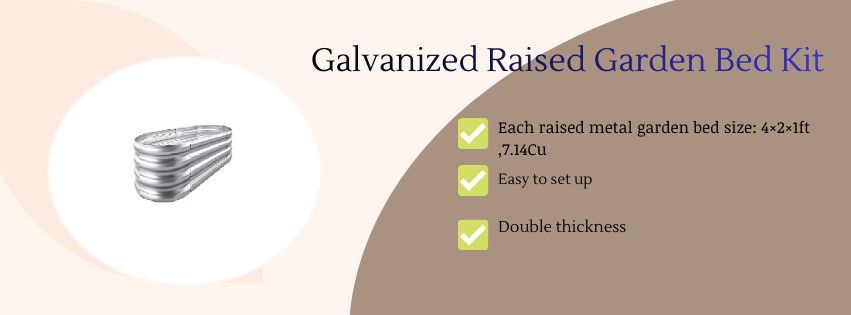
    Galavanized Raised Garden Bed Kit

    Pallet wood is lightweight but strong, especially the thicker stringer boards. When used correctly:

    • The legs stay solid under soil weight
    • Slatted bottoms allow good drainage
    • The bed lasts longer than expected (especially when kept off the ground)
    • The cost stays extremely low

    The biggest advantage is that pallets provide almost everything side boards, slats, and legs so you only need screws and a liner.

    What You’ll Need

    Most of this is free or inexpensive.

    • Two safe, heat‑treated pallets (marked “HT”) • Pallet pry bar, hammer, or reciprocating saw • Drill + outdoor screws • Landscape fabric, burlap, or old feed bags • Measuring tape and pencil • Saw (hand saw or circular saw) • Bricks/pavers (optional but recommended)

    Eco‑note: Only use HT pallets for edible gardens. Avoid pallets marked MB (methyl bromide).

    Step-by-Step: How to Build a Raised Garden Bed With Legs From Pallets

    1. Disassemble the Pallets

    Use a pry bar or saw to remove pallet deck boards. Save:

    • The flat boards (for the box and bottom slats)
    • The thicker 2×3 or 2×4 pallet stringers (these become legs)

    Tip from experience: Saw through nails instead of prying if boards keep splitting.

    2. Choose Your Bed Size

    For stability and easy building, aim for:

    • Length: 3 to 4 feet
    • Width: 18 to 24 inches
    • Depth: 8 to 12 inches

    Pallet wood isn’t ideal for very large raised beds because of soil weight.

    3. Build the Box

    • Lay out two long boards and two short boards.
    • Screw them together to form a box.
    • Use two screws at each connection.

    Check squareness an uneven box makes wobbly legs.

    4. Prepare the Legs

    Cut four pallet stringers to equal length:

    • For table‑height beds: 28–32 inches
    • For shorter beds: 20–24 inches

    Make sure cuts are even. Uneven legs = rocking bed.

    5. Attach Legs to the Box

    • Stand the box upright.
    • Position one leg at each outside corner.
    • Screw through the side boards into the leg use at least 3–4 screws per leg.

    Sturdiness tip: Attach legs on the outside of the box, not inside. This supports weight better.

    6. Install Bottom Slats

    Soil is heavy never use a solid sheet of plywood.

    Use several pallet boards:

    • Space slats 1 to 1.5 inches apart
    • Attach across the underside of the bed
    • Add one or two support rails if the bed is longer than 4 feet

    Proper spacing allows healthy drainage without losing soil.

    7. Line the Inside

    Use:

    • Landscape fabric
    • Burlap
    • Old feed bags (poked with holes)

    Staple or tack it inside the box. This keeps soil in place and reduces wood rot.

    8. Set the Bed on Bricks or Pavers

    This small detail doubles the lifespan of pallet legs by keeping them out of standing water.

    9. Fill With Lightweight Soil Mix

    A simple raised‑bed mix:

    • 40% compost
    • 40% topsoil
    • 20% coco coir or peat

    Avoid using heavy native soil; pallet beds aren’t meant for excessive weight.

    10. Water, Test, and Plant

    Water lightly to settle the soil. Check for wobble by pushing the sides gently. Add a diagonal brace if needed.

    Expert Tips & Best Practices

    • Add a cross‑brace between two legs to stop side‑to‑side sway. • Apply linseed oil to prolong wood life. • Keep bed depth shallow—pallet wood flexes if overfilled. • For balconies, use lighter soil blends and check weight limits. • Replace liners annually for best drainage and wood protection.

    Common mistake: Overfilling with wet soil. Add soil gradually.

    FAQ

    Are pallets safe for vegetable gardens?

    Yes if they are heat-treated (HT). Avoid chemically treated pallets (MB).

    How long will a pallet raised bed with legs last?

    Typically 2–4 years, longer if kept dry and lined well.

    How deep should the soil be?

    8–12 inches is enough for herbs, lettuce, dwarf tomatoes, peppers, radishes, flowers.

    Can I build a pallet raised bed without power tools?

    Yes. A handsaw, manual screwdriver, and hammer work just slower.

    Will the legs hold the weight?

    Yes, if made from pallet stringers and supported with multiple bottom slats.

    When Not to Use This Method

    Avoid pallet‑leg raised beds if: • You’re growing deep-rooted crops like full-size tomatoes, potatoes, or corn • Your soil mix is heavy and clay‑rich • You live in extremely wet climates where pallet wood rots fast • You need a very large or deep raised bed (use standard lumber instead)

    Alternative Methods

    • Use a plastic tote or storage bin on a pallet‑wood stand • Build a no‑leg pallet bed directly on the ground • Create a hybrid bed: pallet frame with purchased metal legs

    These work well in tight spaces or where pallets are scarce.

    Conclusion

    Learning how to build a raised garden bed with legs from pallets gives you an inexpensive, practical way to grow food or flowers in small spaces. With one or two heat‑treated pallets, a handful of screws, and basic tools, you can build a sturdy elevated bed that lasts several seasons and keeps gardening easy on your back

  • How to build a raised garden bed cheap with legs

    Every product is independently reviewed and selected by our editors. If you buy something through our links, we may earn an affiliate commission at no extra cost to you.

    Many new gardeners want raised beds with legs because they save your back, fit perfectly on balconies or patios, and keep soil away from pests. But pre-made stands can be expensive. I built my first waist‑high raised bed from scrap wood and low‑cost materials after getting tired of bending over my ground‑level beds and it held up for years.

    If you want to know how to build a raised garden bed cheap with legs, this guide walks you through a simple build using basic tools, affordable lumber, and a design that works for tight spaces. Everything here is based on what I’ve tested in my own small backyard and balcony setups.

    Why This Cheap Raised Bed With Legs Works

    A raised bed with legs is essentially a shallow planter box sitting on a stable frame. It works because:

    Galavanized Raised Garden Bed Kit
    • It lifts soil to a comfortable working height
    • Drainage improves naturally
    • Soil warms faster in spring
    • Legs allow airflow underneath (reducing rot and pests)
    • You control soil quality completely

    The method below balances cost, durability, and beginner‑friendly construction.

    What You’ll Need (Budget Options Included)

    • Lumber:
      • 1×6 or 1×8 boards for the sides (pine or fir is the cheapest)
      • 2×2 or 2×3 wood for legs and corner supports
    • Screws (1.5–2.5 inches)
    • Drill or screwdriver
    • Handsaw or circular saw (hardware stores will cut wood for free/cheap)
    • Landscaping fabric or burlap
    • Optional: leftover bricks or pallets for ultra‑budget builds
    • Liner options: old feed bags, burlap sacks, weed fabric
    • Soil mix: compost + topsoil + coco coir or peat

    Eco‑note: Avoid pressure‑treated wood if growing edibles. Pine lasts plenty long when raised off the ground and lined properly.

    Step-by-Step: How to Build a Raised Garden Bed Cheap With Legs

    1. Choose the Right Size

    For sturdiness and affordability:

    • Recommended: 3–4 feet long, 1.5–2 feet wide, 8–12 inches deep
    • Depth of 10 inches works for lettuce, herbs, greens, radishes, dwarf tomatoes, peppers

    Avoid very long boxes soil gets heavy and legs wobble.

    2. Cut Your Wood

    You need:

    • 2 long boards for the front/back
    • 2 shorter boards for the sides
    • 4 sturdy legs (cut from 2×2 or 2×3 lumber)
    • 2–3 bottom support rails

    Tip from experience: slightly taper the ends of the legs that touch the ground to reduce water retention and rot.

    3. Assemble the Box First

    • Attach short boards to the ends of the long ones to form a rectangle.
    • Use at least 2 screws per corner.
    • Keep everything square wobbly boxes lead to wobbly legs.

    4. Add Bottom Support Rails

    Since soil is heavy, attach 2–3 rails under the box, spaced evenly. These prevent sagging one of the most common failures in cheap raised beds.

    5. Attach the Legs

    • Place legs on the outside corners.
    • Screw them securely to the side boards and support rails.
    • Ensure all legs are the same length so the bed doesn’t rock.

    Tip: For extra stability, add a diagonal brace between two legs.

    6. Add the Bottom Layer

    For drainage, don’t use solid wood sheets. Use:

    • Slats spaced 1–1.5 inches apart
    • Or reused pallet planks

    Line the inside with:

    • Landscape fabric
    • Burlap
    • Feed bags with drainage holes

    This keeps soil in while allowing excellent drainage.

    7. Fill With Lightweight Raised Bed Soil Mix

    A cheap, effective blend:

    • 40% compost
    • 40% topsoil
    • 20% coco coir or peat moss

    Avoid heavy garden soil it compacts and stresses the legs.

    8. Water and Check Stability

    Water lightly to settle soil. Test wobble by gently pushing the bed from the side. If needed, add small lateral braces between legs.

    Professional Tips & Best Practices

    • Raise beds on bricks or pavers to keep legs dry and increase lifespan.
    • Reapply wood oil (linseed) once a year for longevity.
    • Don’t overfill with wet soil add soil gradually.
    • For balconies, check weight limits; soil is extremely heavy when saturated.
    • Add wheels only if the legs are reinforced otherwise they’ll bow.

    Common beginner mistake: using plywood bottoms. Plywood absorbs water, sags, and rots fast.

    FAQ

    How deep should a raised garden bed with legs be?

    8–12 inches is enough for most vegetables and herbs.

    What’s the cheapest wood for raised beds with legs?

    Pine or fir. They’re not rot-proof but last years when elevated and lined.

    Can I build a raised bed with pallet wood?

    Yes—just remove nails, choose heat‑treated pallets (marked HT), and sand edges.

    How much weight can a legged bed hold?

    A small box filled with damp soil can weigh 200–300 lbs. Use 2×2 or 2×3 legs and multiple bottom supports.

    Do I need to line the bed?

    Yes. It extends wood life and prevents soil loss.

    Can I use this design for balconies?

    Yes, but always check load limits and use lighter soil blends.

    When NOT to Use This Method

    • If your balcony or deck can’t support heavy loads
    • If your area receives extremely heavy rainfall (legs may weaken faster)
    • If your crops require deep roots (e.g., potatoes, full-size tomatoes)
    • If you have termites use metal legs or cedar instead

    Alternative Methods

    • Plastic storage tubs on stands: Cheap, waterproof, quick setup.
    • Metal stock-tank planters with cinder block legs: Very durable.
    • Stacked concrete blocks without legs: Best for ground-level gardening.

    Each has its pros, but the wooden raised bed with legs is the most flexible and budget-friendly.

    Conclusion

    Learning how to build a raised garden bed cheap with legs gives you an affordable, space-saving way to grow vegetables, herbs, and flowers anywhere from a small patio to a balcony. With simple lumber, a handful of screws, and a practical design, you can build a sturdy raised bed that lasts for years and makes gardening easier on your back.

  • What are the 10 ways to control soil erosion

    Every product is independently reviewed and selected by our editors. If you buy something through our links, we may earn an affiliate commission at no extra cost to you.

    Soil erosion shows up quietly in home gardens: thinning topsoil, exposed roots, plants that seem stunted no matter how much you feed them, and mulch washing away after every rain. I first noticed it on the sloped corner of my backyard each storm carved a little more soil downhill. Most beginners don’t realize erosion steals nutrients, weakens plant roots, and gradually ruins soil structure.

    The good news is that controlling erosion is absolutely possible, even in small gardens. The 10 ways to control soil erosion in this guide come directly from what has worked in my own spaces terrace gardens, balcony pots, and a slightly uneven backyard. These methods are simple, inexpensive, and beginner‑friendly.

    Why These Soil Erosion Control Methods Work

    Soil erodes when water or wind dislodges loose particles. Healthy, well‑covered, well‑structured soil naturally resists this. Each of the ten methods below either:

    Erosion Control Liner Blanket
    • Slows down water flow
    • Increases soil stability
    • Adds protective cover
    • Improves root structure
    • Reduces wind exposure

    In real gardens, erosion usually worsens when the soil is bare, compacted, or on any slope. By improving coverage and structure, you’re essentially giving the soil “anchors” and “shields.”

    What You’ll Need

    You don’t need all of these pick what fits your space:

    • Mulch (wood chips, straw, leaves)
    • Ground‑cover plants (creeping thyme, mondo grass, sweet potato vine)
    • Organic matter (compost, aged manure)
    • Rocks or stones for simple barriers
    • Landscape fabric or biodegradable coir mats
    • Tools: hand trowel, rake, watering can
    • Shrubs or small trees for windbreaks
    • Materials for raised beds or terraces (bricks, timber, stones)

    The 10 Ways to Control Soil Erosion

    1. Plant Ground Covers

    Low-growing plants form a living mat that shields soil from rain impact and wind. What works well locally: creeping thyme, ajuga, mondo grass, native grasses. My own experience: thyme filled gaps within a season and held soil beautifully.

    2. Add a Thick Layer of Mulch

    Mulch prevents runoff, keeps soil moist, and protects the delicate top layer. Use 2–4 inches of:

    • shredded leaves
    • wood chips
    • straw (not hay, which often contains seeds)

    3. Build Contour Beds on Slopes

    Instead of planting straight up a slope, curve your beds horizontally to slow water flow. In my sloped corner, contouring decreased soil loss almost immediately.

    4. Install Erosion-Control Fabric or Coir Mats

    Best for steep banks or newly planted areas. Coir mats biodegrade naturally and are safer for wildlife than plastic mesh.

    5. Create Windbreaks

    Wind erosion is common in terrace and balcony gardens. Use:

    • bamboo screens
    • tall container shrubs
    • potted small trees like ficus or olive

    6. Improve Soil with Organic Matter

    Organic matter increases water absorption and helps soil bind together. Signs you need this: water runs off quickly or soil feels dusty and loose.

    7. Add Swales or Berms

    A swale is a shallow trench that redirects rainwater calmly instead of letting it rush downhill. A berm is a low mound acting as a gentle barrier. They’re simple, invisible, and extremely effective.

    8. Build Retaining Walls on Steep Slopes

    For significant slopes, small stone or timber walls help create flat planting pockets. Choose this if your garden loses soil even with ground covers and mulch.

    9. Maintain Healthy Turf or Dense Vegetation

    Bare patches of lawn erode quickly. Overseed thin areas in early fall or spring. Water lightly but consistently until established.

    10. Reduce Tilling or Switch to No‑Till Gardening

    Tilling breaks soil structure and exposes it. In my vegetable beds, switching to no‑till helped earthworms multiply and virtually ended runoff.

    Professional Expert Tips & Best Practices

    • Always cover bare soil erosion accelerates fast when soil is exposed.
    • On slopes, water gently and slowly to avoid washing soil downhill.
    • Use native plants whenever possible they root deeply and adapt well.
    • If mulch keeps sliding, apply a coarser bottom layer (wood chips) and a softer top layer.
    • For balconies and terraces, ensure containers have trays to capture runoff.

    FAQ

    Why does my soil wash away even with mulch?

    Often the mulch layer is too thin or too light. Wood chips hold better on slopes than straw or leaves.

    Can I control erosion in a very small garden?

    Yes. Ground covers, denser planting, and mulching are more than enough for small spaces.

    How often should I replace mulch?

    Once or twice per year. Replace it immediately if you see bare patches forming.

    Does erosion mean my soil is poor?

    Not always, but it does indicate poor structure. Adding organic matter helps.

    Can container gardens have erosion?

    Yes. Water can wash soil out of drainage holes use a mesh layer and heavier potting mix.

    What plants are best for erosion control on slopes?

    Creeping juniper, vetiver grass, liriope, creeping rosemary, and native grasses.

    When NOT to Use Certain Erosion Control Methods

    • Avoid heavy retaining walls on unstable or waterlogged soil use professional installation.
    • Don’t use plastic landscape fabric; it compacts the soil and harms soil life.
    • Avoid overwatering after planting on slopes it can undo your work.
    • Some ground covers spread aggressively; check local invasive species lists.

    Alternative Solutions

    • Raised beds: Great for areas with very poor or compacted soil.
    • Rock gardens: Excellent for steep, dry slopes where plants struggle.
    • Terracing: More labor-intensive but the most durable long‑term option.

    Choose alternatives when your slope is too steep or the soil keeps slipping despite basic measures.

    Conclusion

    The 10 ways to control soil erosion above work because they combine simple physics with healthy gardening practices: slowing water, protecting soil, and encouraging strong root systems. Start by covering bare soil, improving structure, and stabilizing slopes with plants.

    Erosion control doesn’t need to be complicated just consistent. With a little patience and the right techniques, even a sloped or wind‑exposed garden can become stable, fertile, and ready for planting.

  • How to stop erosion on sloped yard diy

    Every product is independently reviewed and selected by our editors. If you buy something through our links, we may earn an affiliate commission at no extra cost to you.

    If you have a sloped yard, you’ve probably watched rainstorms undo hours of work mulch sliding downhill, roots exposed, gullies forming in the soil. I’ve dealt with this firsthand in my own backyard, where even a gentle slope kept losing topsoil during heavy spring rains.

    The good news: learning how to stop erosion on a sloped yard DIY is completely doable with simple, low‑cost methods. You don’t need a retaining wall or heavy equipment just smart ways to slow water, protect bare soil, and let roots do most of the work.

    Everything in this guide comes from real use in home gardens and small backyard slopes.

    Why DIY Erosion Control Works

    Erosion happens because water moves faster down a slope, picking up and carrying soil with it. But you can control it by:

    • Breaking the slope into smaller sections • Adding materials that absorb or slow water • Using plants whose roots grip the soil • Creating controlled paths for runoff

    These are the same principles used in professional landscaping, just scaled down for at‑home use.

    What Actually You’ll Need

    You don’t need special equipment. Most materials are inexpensive and available at hardware or garden stores.

    Materials you can use: • Mulch (wood chips or shredded bark) • Native plants or groundcovers • Jute or coir erosion-control netting • Straw wattles or coir logs • Landscape staples • Rocks or small boulders • Compost or topsoil • Shovel, rake, gloves

    Eco-friendly alternatives: • Jute netting instead of plastic mesh • Locally produced wood chips • Native shrubs and grasses for long-term stability

    Step-by-Step: How to Stop Erosion on a Sloped Yard DIY

    1. Cover Bare Soil Immediately

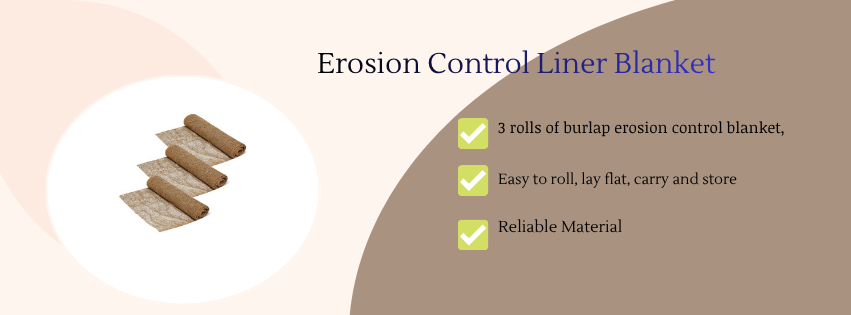
    Erosion Control Liner Blanket

    Bare soil erodes fastest. In my yard, simply adding mulch reduced soil loss dramatically.

    Use: • 2–3 inches of shredded bark • 3–4 inches of wood chips for steeper slopes

    Avoid light mulches like straw they blow away unless netted.

    2. Plant Roots That Hold Soil in Place

    Plants are the most important long-term erosion control. Dense roots knit soil together and slow water naturally.

    Great DIY slope plants (region varies): • Creeping juniper • Native grasses (fescue, switchgrass, little bluestem) • Creeping thyme • Cotoneaster • Creeping phlox • Rosemary • Vinca minor or ajuga (fast coverage)

    Plant closer together on slopes about 12–18 inches apart so roots connect sooner.

    3. Add Erosion-Control Netting for Steeper Yards

    For unstable or freshly disturbed slopes, jute or coir netting gives the soil temporary stability.

    How to do it:

    • Roll out the netting from top to bottom.
    • Pin down with landscape staples every 2–3 feet.
    • Cut X‑shaped slits to plant through it.

    Jute slowly decomposes as plants take over no plastic waste.

    4. Install Straw Wattles or Coir Logs

    These act like “speed bumps” that slow water and catch soil during heavy rain.

    DIY steps:

    • Lay wattles horizontally across the slope along the contour.
    • Stake them in tightly.
    • Add mulch behind them to prevent gaps.

    I install one row every 6–8 feet depending on slope steepness.

    5. Create Mini Terraces (Simple Shovel Work)

    This is one of the easiest DIY fixes I’ve used.

    How to build mini terraces:

    • Use a shovel to carve shallow, level ledges across the slope.
    • Build up the outer edge with soil, small rocks, or wood.
    • Mulch and plant directly on the ledge.

    This slows water and gives roots a stable place to grow.

    6. Improve Soil Structure

    Healthy soil absorbs water better and resists erosion.

    Mix in: • Compost • Leaf mold • Some coarse sand for clay soils

    If water runs off your slope instantly, it’s often because the soil is compacted loosening the top few inches helps immensely.

    7. Redirect Heavy Water Flow

    If water is channeling through a specific spot, redirect it safely.

    You can add: • A shallow rock-lined swale • A dry creek bed • Gravel trenches • A perforated drainage pipe (if needed)

    A simple dry creek solved 90% of my runoff problems in one season.

    Professonal Tips & Best Practices

    • Plant in early spring or fall roots establish faster with natural moisture. • Use heavier mulch; shredded bark locks together better than nuggets. • Mix root types: grasses + groundcovers + shrubs = stronger hold. • Water new plants deeply so roots grow downward. • Avoid smooth slopes small ridges help slow water. • Refresh mulch each year; slopes lose it faster.

    Common DIY Mistakes to Avoid

    • Using landscape fabric without covering it (causes more runoff). • Relying on mulch alone on steep slopes. • Leaving big gaps between plants. • Trying to flatten the entire slope minor contours help. • Using sheets of plastic this worsens erosion and kills soil life.

    FAQ

    How do I stop mulch from slipping down my slope? Use heavier wood chips, pin them with jute netting, or install small stone borders to hold them.

    What is the cheapest way to stop erosion on a slope? Mulch + fast-growing groundcovers. Jute netting is a low-cost upgrade for steeper areas.

    Can I plant vegetables on a slope? Yes, but use mini terraces or raised rows so water doesn’t wash seeds away.

    How long does erosion netting last? Jute and coir typically last 1–2 years long enough for roots to establish.

    Is grass enough to stop erosion? Grasses help, but slopes usually need mulch and contouring as well.

    When NOT to Use Certain Methods

    • Don’t use straw alone it blows away without netting. • Don’t plant shallow-rooted annuals on steep slopes they won’t anchor soil. • Avoid rock-only solutions unless water has a controlled outlet they can speed runoff if misused. • Don’t dig terraces after heavy rain soil collapses easily.

    Alternative Methods

    • Retaining walls: best for very steep or sliding slopes, but expensive and not DIY-friendly. • Terracing: fantastic for vegetable gardens but requires more time and soil movement. • Boulders or riprap: strong erosion control but usually overkill for small yards.

    For typical home slopes, plants + mulch + wattles/netting is the sweet spot.

    Conclusion

    Stopping erosion on a sloped yard DIY is all about working with water instead of fighting it. Cover the soil, add deep-rooted plants, use simple barriers, and give water a safe path to flow. These methods are affordable, beginner-friendly, and proven in real backyards even small ones.

  • How to keep soil from washing away on a slope

    Every product is independently reviewed and selected by our editors. If you buy something through our links, we may earn an affiliate commission at no extra cost to you.

    If you’ve ever tried planting on a hillside or even a small sloped backyard, you’ve probably watched rainstorms undo hours of work soil sliding downhill, roots exposed, mulch scattered everywhere. I’ve dealt with this in my own backyard, where a gentle slope kept losing topsoil every rainy season.

    The good news: once you understand why erosion happens on slopes, you can stop it with a few simple, practical methods. The steps below come from hands-on use in real gardens, not theory.

    This guide explains exactly how to keep soil from washing away on a slope, using solutions that even beginner gardeners can install in a single afternoon.

    Why Soil Washes Away on Slopes

    Erosion happens because water moves faster downhill, picking up loose soil as it flows. A slope becomes even more vulnerable when:

    • Soil is bare or recently disturbed
    • Roots are shallow or sparse
    • Heavy rain falls on dry, crumbly soil
    • Foot traffic compacts the ground
    • There’s nothing slowing or redirecting runoff

    The methods below work because they add:

    • Root structure
    • Barriers that slow water
    • Surface cover that protects the soil
    • Small grading adjustments that change the water’s path

    What Materials You’ll Need

    You don’t need expensive landscaping materials most items are affordable or already in your yard.

    Possible supplies:

    • Mulch (wood chips, shredded bark, or straw)
    • Landscape staples or small stakes
    • Coir logs or straw wattles
    • Landscape fabric (optional, eco-safe type preferred)
    • Erosion-control netting (jute or coir)
    • Plants with strong, fibrous roots
    • A shovel and hand rake
    • Stones or small boulders (optional but helpful)

    Eco-friendly options:

    • Jute or coir netting instead of plastic mesh
    • Native plants for root stability
    • Recycled wood chips or shredded leaves as mulch

    How to Keep Soil From Washing Away on a Slope: Step-by-Step

    1. Start by Covering Bare Soil

    Bare soil loses nutrients and washes away fastest. Mulch is your first line of defense.

    Use:

    • 2–3 inches of shredded bark
    • 3–4 inches of wood chips on steeper areas
    • Straw or pine needles for temporary cover

    What I’ve learned: chunkier mulch stays in place better during storms. Avoid dyed mulches they’re too light and slide easily.

    2. Add Plants With Strong, Spreading Roots

    Plants hold soil together better than any fabric or barrier.

    Best slope-stabilizing plants (varies by region):

    • Creeping thyme
    • Creeping juniper
    • Native grasses (blue fescue, switchgrass)
    • Salvia
    • Small shrubs like cotoneaster or rosemary
    • Groundcovers like vinca or ajuga

    Plant densely so roots interlock. I space mine closer on slopes than on flat ground about 12–18 inches apart so coverage fills in quickly.

    3. Install Simple Terraces or Mini-Ridges

    You don’t need to build full retaining walls. Even small ridges made with soil or stones slow the water dramatically.

    How to do it:

    • Use a shovel to carve a shallow horizontal ledge (4–6 inches deep).
    • Place stones or a wooden board at the outer edge.
    • Fill the ledge with mulch or compost and plant on top.

    These mini-terraces interrupt water flow and give plants a stable area to root.

    4. Use Erosion-Control Netting on Steeper Slopes

    For slopes steeper than a gentle hill, netting adds temporary stability until roots grow in.

    Steps:

    • Lay jute or coir netting over the slope.
    • Anchor it with landscape staples every 2–3 feet.
    • Cut X-shaped holes where you want to plant.

    Jute breaks down naturally after the plants establish no plastic left in the soil.

    5. Install Coir Logs or Straw Wattles Along the Slope

    These act like speed bumps for water, catching soil before it runs off.

    To install:

    • Place logs horizontally across the slope, following the natural contour.
    • Stake them in firmly.
    • Add mulch behind them to fill small gaps.

    I usually install one row every 6–8 feet on steep areas.

    6. Improve Soil Structure

    Soils with poor structure wash away faster. Mix in:

    • Compost
    • Leaf mold
    • A small amount of coarse sand (if your soil is heavy)

    Better structure means better drainage, firmer rooting, and less erosion.

    7. Redirect Excess Water Safely

    If water is rushing down a particular path, add:

    • A gravel channel
    • A dry creek bed
    • A perforated drainage pipe

    These give water a controlled route instead of letting it carve its way through your slope.

    Pro Tips & Best Practices

    • Plant in early spring or fall when rain helps roots settle in.
    • Water new plants deeply so roots grow downward, not sideways.
    • Replace mulch yearly; slopes lose it faster than flat beds.
    • Don’t use sheet plastic it causes runoff, not stability.
    • Mix different root types (grasses, shrubs, groundcovers) for a stronger hold.
    • For very steep slopes, fix the water source above before working on soil.

    Common Beginner Mistakes

    • Using light mulch that floats away
    • Leaving large gaps between plants
    • Installing landscape fabric without mulch (it exposes and tears)
    • Ignoring water flow patterns
    • Planting too shallow roots need depth on slopes
    • Trying to make the slope perfectly smooth (small irregularities actually help)

    FAQ

    Why does my mulch keep sliding down the slope? It’s probably too light. Switch to heavier wood chips or anchor them with netting.

    Can I plant vegetables on a slope? Yes, but use mini-terraces or raised mounds so water doesn’t wash seeds away.

    How long does erosion-control netting need to stay in place? Typically 8–24 months until plants root in fully.

    Will groundcovers alone stop erosion? They help a lot, but mulch or netting is usually needed until they fill in.

    Is landscape fabric good for slopes? It can help, but only if topped with 2–3 inches of mulch. Bare fabric actually increases runoff.

    Do rocks help control erosion? Yes especially small retaining stones or a dry creek bed to slow water flow.

    When NOT to Use Certain Methods

    • Avoid loose straw alone on steep slopes It blows or washes away.
    • Skip plastic sheeting it creates faster runoff and damages soil life.
    • Don’t plant heavy, top‑heavy shrubs near the edge of a steep drop they can topple.
    • Don’t rely on plants alone if the slope is actively sliding this needs structural support.

    Alternative Methods (When They Make More Sense)

    • Retaining walls: best for very steep or unstable slopes but require more skill.
    • Terrace beds: great if you want to grow vegetables or flowers in organized rows.
    • Groundcover-only approach: works on gentle slopes but takes longer to stabilize.

    Choose based on slope steepness, rainfall, and how quickly you need results.

    Conclusion

    Keeping soil from washing away on a slope is all about working with water, not fighting it. By combining mulch, smart planting, small barriers, and good soil structure, you create a slope that stays put even during heavy rain.

    Start with covering the soil, then add plants and simple erosion controls. With a bit of attention in the first year, the slope becomes much easier to maintain long-term.

  • How to care for orchids indoors

    Every product is independently reviewed and selected by our editors. If you buy something through our links, we may earn an affiliate commission at no extra cost to you.

    If your indoor orchids keep dropping buds, refusing to bloom again, or developing wrinkled leaves, you’re not alone. When I first started keeping orchids on a small apartment windowsill, I lost more than I’d like to admit usually because I treated them like regular houseplants. Indoor orchids have specific needs, but once you understand them, they’re surprisingly easy and rewarding.

    This guide walks you through how to care for orchids indoors using practical, real‑garden experience from small-space growing. Everything here is designed for beginners who want clear, step-by-step advice they can apply immediately.

    Why This Method Works

    Better gro special orchid mix

    Orchids aren’t demanding they’re just different. Most common indoor orchids (especially Phalaenopsis) naturally grow on tree branches, where:

    • Roots get bright, indirect light
    • Airflow dries them quickly after rain
    • They absorb moisture from humid air, not soggy soil

    When you recreate these conditions indoors even in a small apartment they thrive. The tips below follow plant biology but in simple, real-world terms you can actually use.

    What Actually You’ll Need

    • Orchid pot with drainage holes
    • Orchid bark mix (not regular potting soil)
    • Room-temperature water
    • A humidity tray or small pebble tray
    • Sharp, clean scissors
    • Optional: orchid fertilizer (weak, balanced, liquid)
    • Optional: grow light for dark rooms

    Eco-friendly alternatives:

    • Use rainwater or filtered water if tap water is hard
    • Repurpose shallow containers as humidity trays

    How to Care for Orchids Indoors: Step-by-Step

    1. Choose the Right Spot

    Pick a bright area with indirect light. In my own home, orchids do best on an east-facing window or a few feet back from a south window. Signs your orchid needs more light: dark green leaves and no blooms. Signs of too much light: yellow, leathery, or sunburned patches.

    2. Water the Right Way

    Most orchids fail indoors because of watering mistakes. Rule I follow: Water only when the bark is dry to the touch.

    How to water properly:

    • Take the orchid to a sink.
    • Slowly pour water through the bark until it drains completely.
    • Let excess water drip out for a minute.
    • Return it to its pot never leave it sitting in water.

    In my dry climate, I water weekly. In humid areas, every 10–14 days is enough.

    3. Maintain Healthy Humidity

    Indoor air especially in heated homes dries orchids out. Simple fix: use a pebble tray filled with water under the pot. This raises humidity without soaking the roots.

    Orchids prefer around 40–60% humidity. If tips of leaves or roots look crispy, your air is too dry.

    4. Feed Gently, Not Heavily

    Orchids burn easily if over-fertilized. I use a diluted liquid fertilizer once or twice a month during active growth.

    Beginners can follow: “Weakly, weekly” but only while the plant is growing or blooming. Skip fertilizing during winter rest.

    5. Repot Every 1–2 Years

    Orchid bark breaks down over time, suffocating the roots. Repot if you see:

    • Mushy roots
    • Bark turning to compost
    • Roots circling tightly

    Best time: right after blooming.

    6. Keep the Temperature Comfortable

    If you’re comfortable, your orchid usually is too. Indoor orchids prefer:

    • Day: 70–80°F
    • Night: 60–70°F

    A slight nighttime drop encourages blooming.

    Professional Tips & Best Practices From Real Indoor Growing

    • Let roots stay slightly exposed. Orchid roots like light and air.
    • Avoid misting; it just promotes leaf spots indoors.
    • Rotate your plant weekly so it grows evenly.
    • Never pack bark tightly orchid roots need airflow.
    • Don’t chase perfect humidity; light and watering matter more.
    • After blooms fall, don’t cut the entire spike cut above a node to encourage a side bloom.

    Common Beginner Mistakes to Avoid

    • Using regular potting soil (smothers roots)
    • Watering on a schedule instead of checking moisture
    • Leaving water in the crown (can cause fatal crown rot)
    • Keeping orchids in dark corners
    • Repotting while the plant is blooming

    FAQ

    Why are my orchid leaves wrinkled? Usually underwatering or dehydrated roots. Check the bark if it’s bone dry, water thoroughly.

    What if my orchid won’t bloom again indoors? It may need more light. Move it closer to a bright window or use a small grow light.

    How often should I water an orchid indoors? Only when the bark is dry. For most homes, that’s every 7–14 days.

    Can orchids survive in low light rooms? Yes, but they rarely bloom without supplemental lighting.

    Why are my orchid roots turning brown? Likely overwatering or aged, soggy bark. Repot and trim mushy roots.

    Is tap water okay for orchids? If your tap water is very hard, switch to filtered or rainwater to avoid salt buildup.

    When NOT to Use Certain Care Methods

    • Don’t mist orchids in small indoor spaces leads to fungal issues.
    • Avoid placing orchids near heating vents or AC units dries them out quickly.
    • Don’t use self-watering pots for orchids unless designed specifically for them.

    Alternative Indoor Care Approaches

    • Semi-hydro (LECA) works well if you’re consistent with watering but can confuse beginners.
    • Mounted orchids look beautiful but dry extremely fast indoors.
    • Closed terrariums are risky too humid for most common orchids.

    For beginners, bark mix in a ventilated pot is the most forgiving method.

    Conclusion

    Learning how to care for orchids indoors becomes much easier once you understand what they naturally need: bright indirect light, airy roots, careful watering, and just a bit of humidity. You don’t need fancy equipment or a greenhouse just consistent habits and a good spot near a window.

    With the steps above, your orchids should stay healthier, bloom longer, and rebloom more reliably. Be patient, observe your plant, and adjust slowly. Orchids reward steady care, not perfection.

  • Phalaenopsis Orchid Leaf Problems | Practical Experience From Real Home Growing

    Every product is independently reviewed and selected by our editors. If you buy something through our links, we may earn an affiliate commission at no extra cost to you.

    If you grow moth orchids long enough, you will run into phalaenopsis orchid leaf problems yellowing, wrinkling, black spots, limp leaves, or leaves that twist for no clear reason. In my own home and balcony setups, even healthy orchids will occasionally throw a leaf tantrum when temperatures swing, watering slips, or their roots get stressed.

    The good news: most leaf issues on Phalaenopsis orchids come from a short list of causes, and once you understand what the plant is trying to tell you, the fixes are straightforward. Below is a clear, practical guide based entirely on what I’ve learned from caring for these orchids indoors for years.

    Why Phalaenopsis Orchid Leaf Problems Happen

    Better gro special orchid mix

    Leaf problems almost always trace back to one of three things: • Watering mistakes • Root stress • Environmental imbalance

    Phalaenopsis orchids store water in their leaves (they don’t have pseudobulbs), so any issue with hydration or root function shows up on the foliage first. When the roots stay too wet, too dry, or too compacted, the leaves flag you down long before the plant dies.

    What Materials You’ll Need

    • Clean scissors or pruners • Fresh orchid bark or bark‑mix • A breathable pot with drainage • 70% isopropyl alcohol (tool cleaning) • Room-temperature water • Orchid fertilizer (weak, balanced, once a month)

    Eco‑safe tips: • Use bark rather than sphagnum moss if you tend to overwater. • Always sanitize tools before touching leaves or roots.

    Step-by-Step Troubleshooting for Phalaenopsis Orchid Leaf Problems (With Fixes)

    1. Yellow Leaves

    Most common cause: Natural aging or overwatering.

    How to diagnose: • If the lowest leaf turns yellow first, it’s usually just old. • If multiple leaves start yellowing at once, suspect overwatering or root rot.

    Fix:

    • Check the roots through the clear pot.
    • If roots look brown/mushy, repot immediately in fresh bark.
    • Water only when the bark is almost dry (usually every 7–10 days indoors).

    Pro tip: In my home conditions (bright indirect light, average humidity), a healthy Phalaenopsis rarely needs watering twice a week even in summer.

    2. Wrinkled or Limp Leaves

    Cause: Underwatering or root damage.

    How to diagnose: • Wrinkled leaves but firm roots = not enough water. • Wrinkled leaves and brown roots = overwatered in the past and roots rotted away.

    Fix:

    • Soak the pot for 10–15 minutes, then let excess water drain.
    • If roots are damaged, trim mushy ones and repot.
    • Improve watering consistency.

    Important: Wrinkled leaves take weeks to plump up even after the problem is fixed.

    3. Black or Brown Spots

    Cause: Sunburn, fungal spots, or bacterial infection.

    How to diagnose: • Sharp, dry brown patches = sunburn. • Soft, spreading spots = fungal or bacterial.

    Fix:

    • Move the plant out of direct sun (east windows are safest).
    • Cut away soft, infected tissue with sanitized scissors.
    • Improve air movement around the plant.

    Indoor gardeners’ note: I’ve found sunburn happens fastest on orchids kept too close to south-facing windows in summer. The leaf feels hot before it burns always check with your hand.

    4. Soft, Mushy Leaves

    Cause: Crown rot or severe overwatering.

    Symptoms: • Soft leaves near the base • Brown, mushy crown • Leaves may fall off with gentle tugging

    Fix:

    • Tilt the plant after watering so no moisture remains in the crown.
    • Remove severely affected leaves.
    • Dust cinnamon lightly on cut surfaces (natural antifungal).
    • Improve airflow and reduce watering.

    5. Leaves Curling, Folding, or Twisting

    Cause: Light imbalance, uneven watering, or root stress.

    Fix:

    • Rotate the plant weekly so each side gets equal light.
    • Ensure it receives bright but indirect light.
    • Check for root congestion repot if roots are overflowing.

    My observation: Twisting leaves are rarely dangerous. They’re usually a sign the orchid is leaning toward light.

    Professional Tips & Best Practices

    • Use a clear pot healthy orchid roots should be green or silvery, not brown. • Never pack bark tightly; orchids need air as much as water. • If your home is dry, place a tray of pebbles and water near the orchid, not under it. • Water early in the day so leaves dry before nightfall. • Avoid misting the crown this is how beginners accidentally cause crown rot.

    Frequently Asked Questions

    Why are my Phalaenopsis orchid leaves turning yellow at the tips? Likely mild overwatering or fertilizer salts. Flush the pot with clean water and adjust watering.

    Why do my orchid leaves feel rubbery? The plant isn’t absorbing enough water. Either the roots are dry or roots are damaged and can’t hydrate the leaves.

    Can I cut off damaged leaves? Yes only if the leaf is diseased, mushy, or mostly dead. Always sanitize tools first.

    How often should I water my indoor Phalaenopsis? Typically every 7–10 days. Watering frequency depends on temperature, bark type, and pot size.

    Why is there black on the leaf edges? Could be fungal infection or sunburn. Check whether the spot is dry (sunburn) or soft (infection).

    When NOT to Use These Fixes

    Avoid repotting if: • The plant is in full bloom (unless roots are rotting) • Your home is under 60°F orchids stress easily in cold

    Avoid trimming leaves if: • The issue is minor sunburn or natural aging • You’re unsure if it’s infection cutting creates an open wound

    Alternative Approaches

    Semi-hydroponics (LECA) • Pros: Stable moisture, great for chronic underwaterers • Cons: Not ideal in cool homes; needs careful transition

    Keeping in sphagnum moss • Pros: Good for very dry homes • Cons: High risk of overwatering for beginners

    Traditional orchid bark mix (my usual) • Pros: Best airflow, easiest to monitor • Cons: Dries faster, so watering must be consistent

    Choose based on your watering habits and local humidity.

    Conclusion: A Calm, Practical Approach to Phalaenopsis Orchid Leaf Problems

    Most phalaenopsis orchid leaf problems yellowing, wrinkling, curling, spots come from simple issues like watering mistakes, root stress, or too much sun. Once you start reading the visual clues your orchid gives you, diagnosing becomes second nature.

    Check the roots first, adjust light and water second, and be patient. Orchids recover slowly but reliably when their environment is stable.

    With steady care, your Phalaenopsis will return to firm, glossy, healthy leaves and bloom again without drama.