• Why are my orchid leaves wrinkled

    Every product is independently reviewed and selected by our editors. If you buy something through our links, we may earn an affiliate commission at no extra cost to you.

    If you’ve discovered wrinkled orchid leaves, you’re not alone this is one of the top issues I see when helping friends rescue their Phalaenopsis and other indoor orchids. The first time I ran into it in my own balcony setup, the leaves felt limp and accordion-like, even though the plant still looked green. It turned out to be a hydration problem, but not always for the reasons beginners assume.

    Wrinkled leaves almost always signal stress in the plant’s water system either the roots can’t take up moisture, or the plant isn’t receiving it consistently. The good news is that wrinkling is reversible in most cases if you catch it early.

    Why Orchid Leaves Become Wrinkled
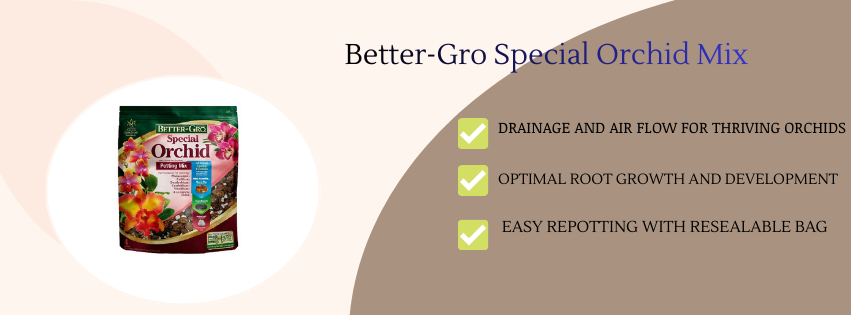
    Better gro special orchid mix

    Wrinkling happens when the plant’s water-storage system in the leaves collapses slightly from dehydration or root stress. Here are the real-world causes I encounter most often:

    1. Underwatering (Most Common)

    When orchids go too long between waterings, the leaves lose turgor pressure and wrinkle. This happens faster in:

    • Warm rooms
    • Dry indoor air
    • Bark mixes that dry very quickly

    2. Root Damage or Rot (Equally Common)

    This surprises beginners: even if you water regularly, dead or rotted roots can’t absorb water, so the leaves wrinkle exactly as they would with underwatering.

    Causes include:

    • Overwatering
    • Old, decomposed potting mix
    • Poor drainage
    • Water sitting in the pot base

    3. Overdry Potting Mix (Especially Old Bark)

    Orchid bark becomes hydrophobic as it ages. You water it, but the water runs straight through, leaving roots too dry.

    4. Sun or Heat Stress

    Hot light and warm rooms dehydrate leaves quickly.

    Signs:

    • Wrinkling
    • Folded or limp leaves
    • Slight yellowing at edges

    5. Recently Repotted Orchid

    After repotting, roots often stop absorbing water for several weeks while they adjust. Wrinkled leaves are common during this transition.

    6. Dehydrated Aerial Roots

    If all the healthy roots are outside the pot and they’re not being misted or watered, the plant may still wrinkle despite watering the pot.

    What Actually You’ll Need

    • Sterile scissors or pruning shears
    • New orchid potting mix (bark + perlite + charcoal)
    • Transparent orchid pot with drainage
    • Bowl or bucket (for soaking dry bark)
    • Clean water (rainwater or filtered is ideal)

    Optional but helpful:

    • Humidity tray
    • Moisture meter for orchids (low-read type)

    Step-by-Step: How to Fix Wrinkled Orchid Leaves

    1. Check the Roots First (This Is the Real Answer)

    Gently lift the orchid from its pot and inspect.

    Healthy roots:

    • Firm
    • Silvery when dry
    • Green when wet

    Unhealthy roots:

    • Brown
    • Mushy
    • Hollow
    • Smelly

    If most roots are dead, the leaves wrinkle because the plant literally can’t drink.

    2. Trim Rot and Refresh the Potting Mix

    If roots are unhealthy:

    • Trim dead roots with sterile scissors.
    • Replace the potting mix with fresh, pre-soaked orchid bark.
    • Use a pot only slightly larger than the root system.
    • Water thoroughly and let drain.

    3. Adjust Watering Frequency

    For Phalaenopsis orchids in bark:

    • Water every 5–9 days
    • In warm seasons, water more frequently
    • In cool seasons, water less often

    Signs it’s time to water:

    • The pot feels very light
    • Roots look silvery-white
    • Leaves feel a bit softer than normal

    Avoid watering on a strict schedule water according to the plant’s cues.

    4. Hydrate the Mix Properly

    Old bark repels water. Fix by:

    • Soaking dry bark for 10–20 minutes before use
    • Watering more slowly so bark actually absorbs moisture

    5. Increase Humidity (But Don’t Overdo It)

    Wrinkled leaves improve faster at 40–60% humidity.

    Simple methods:

    • Pebble tray
    • Grouping plants together
    • Light morning misting of aerial roots

    Don’t mist the crown this can cause rot.

    6. Improve Light and Temperature

    Orchids with adequate light grow stronger leaves and recover faster.

    Ideal conditions:

    • Bright, indirect light
    • No harsh afternoon sun
    • Stable temperatures (18–26°C / 65–80°F)

    7. Support New Growth

    Wrinkled leaves won’t un-wrinkle completely, but new leaves will grow plump once the plant is healthy again.

    Fertilize lightly:

    • Half-strength orchid fertilizer
    • Every 2–3 weeks during active growth

    Professional Tips & Best Practices

    • Never assume wrinkled leaves mean underwatering check the roots first.
    • Roots always tell the truth about what’s happening underground.
    • Avoid keeping orchids in decorative pots without drainage.
    • Water early in the day so excess moisture evaporates.
    • Repot every 1–2 years old bark suffocates roots.
    • Don’t fertilize a severely stressed orchid until new roots appear.

    FAQ

    Why are my orchid leaves wrinkled even though I water regularly?

    Probably root rot. Water isn’t reaching the plant because the roots are damaged.

    Can wrinkled orchid leaves recover?

    Mild wrinkling improves, but deep accordion wrinkles usually stay. Focus on producing healthy new leaves.

    Should I water more if my orchid leaves are wrinkled?

    Only if the roots are healthy. Overwatering a root-rotted orchid makes the problem worse.

    How long does it take for an orchid to recover from wrinkled leaves?

    2–8 weeks depending on root condition and growing environment.

    Is wrinkling a sign of drought?

    Sometimes, yes but in orchids, root issues are the more common cause.

    Should I mist wrinkled leaves?

    Lightly mist aerial roots, not the leaves or crown.

    When NOT to Use This Method

    Avoid heavy watering or soaking if:

    • Roots are mushy
    • Soil stays wet for days
    • Temperature is below 16°C (60°F)

    In these cases:

    • Repot first
    • Increase airflow
    • Reduce watering temporarily

    Alternative Solutions

    Water Culture (Short-Term Rehab)

    Pros: helps dehydrated orchids regrow roots Cons: not ideal long-term; risk of rot if overdone

    Semi-Hydroponics (LECA)

    Pros: consistent hydration, fewer watering mistakes Cons: needs monitoring during transition

    Sphagnum Moss Top Layer

    Pros: raises humidity Cons: must avoid suffocating roots

    Conclusion

    If you’re wondering “why are my orchid leaves wrinkled?”, the answer almost always comes down to the plant’s roots and hydration balance. Once you identify whether it’s underwatering or root damage and adjust watering, repotting, and humidity your orchid will start producing firm, healthy new leaves again.

    Be patient. Orchids recover slowly, but they do recover beautifully when given the right conditions.


  • Bird of paradise leaves splitting and curling

    Every product is independently reviewed and selected by our editors. If you buy something through our links, we may earn an affiliate commission at no extra cost to you.

    When bird of paradise leaves start splitting and curling, most home gardeners panic. I’ve grown several birds of paradise on my terrace and in a bright indoor corner, and leaf damage is one of the most common issues I see especially in homes with dry air, inconsistent watering, or drafty windows.

    The good news: splits and curl usually point to environmental stress, not a permanent disease. And once you adjust a few key conditions, new leaves grow out clean, wide, and glossy again.

    This guide walks you through exactly how I troubleshoot these symptoms in real home-growing conditions.

    Why Bird of Paradise Leaves Split and Curl

    Understanding the plant’s biology helps you fix the problem faster.

    Natural Splitting (One Cause)

    Bird of paradise leaves naturally tear in the wind in their native climates. This helps reduce wind resistance. Indoors, however, splits usually come from stress factors like:

    cannadew humidity packs
    • Low humidity (indoor heating and AC make this worse)
    • Underwatering or uneven watering
    • Direct drafts from vents or fans
    • Low light that weakens leaf structure
    • Physical rubbing against walls or furniture

    Curling Has Its Own Causes

    Curling is usually a moisture or root problem:

    • Dehydration (most common)
    • Salt buildup from fertilizer
    • Compacted soil holding too little air
    • Root-bound plants
    • Cold drafts or sudden temperature swings

    Together, these stressors weaken leaves, making them stiff, curled, and prone to splitting at the edges or midrib.

    What Actually You’ll Need

    • Clean pruning shears (optional, for trimming damaged sections)
    • Soil moisture meter (optional but helpful for beginners)
    • Pebble tray or humidifier
    • Well-draining potting mix (I use chunky indoor plant mix with perlite)
    • Rainwater or filtered water (helps with salt-sensitive leaves)
    • Balanced liquid fertilizer (diluted)

    Budget-friendly alternatives:

    • A shallow tray + stones works as a humidity tray.
    • You can flush soil with tap water if your water isn’t extremely hard.

    Step-by-Step Instructions to Fix Splitting and Curling

    1. Increase Humidity

    Bird of paradise prefers 50–60% humidity. Indoors, homes often sit at 25–35%.

    Ways to raise humidity:

    • Set the pot on a pebble tray with water (water level below pot base).
    • Group plants together.
    • Run a small humidifier nearby, especially in winter.

    Signs humidity is too low: crispy leaf edges, curled new leaves, brittle tips that tear easily.

    2. Fix the Watering Routine

    Most splitting or curling I see in beginners’ plants comes from underwatering. This plant has large leaves that need steady hydration.

    General watering rules (from real use):

    • Water deeply until water flows out of the drainage holes.
    • Let the top 1–2 inches of soil dry before watering again.
    • In summer: water every 5–7 days.
    • In winter: water every 10–14 days (depending on light).

    Avoid:

    • Small “sips” of water
    • Letting the soil become bone dry Both lead to leaf curl and weak growth.

    3. Check Lighting Conditions

    Bird of paradise needs bright, direct light for several hours daily. If grown in low light, the leaves stay thin and tear more easily.

    Best indoor spot:

    • Near a south- or west-facing window
    • 1–2 hours of gentle direct sun is ideal

    If light is too low, new leaves unfurl poorly and curl inward.

    4. Stop Drafts and Harsh Airflow

    Cold or hot air blowing directly on leaves makes them curl and split.

    Common sources:

    • AC vents
    • Heater vents
    • Strong fans
    • Gaps under doors Move the plant if you feel air movement hitting the leaves.

    5. Improve Soil Drainage and Check the Roots

    Compacted or old soil holds water unevenly, stressing the roots.

    What to look for:

    • Roots circling the pot = root-bound
    • Dark, mushy roots = rot
    • Soil that stays wet for more than 5–7 days = poor drainage

    Fixes:

    • Repot in a slightly larger pot (1–2 inches wider)
    • Use a chunky mix: indoor potting soil + perlite + pine bark
    • Cut off rotted roots with clean shears

    6. Flush Fertilizer Salts

    Leaf curl with crispy edges often comes from fertilizer salt buildup.

    How to flush:

    • Place pot in sink or outdoors.
    • Run clean water through the soil for 1–2 minutes.
    • Let it drain completely.

    Repeat every 2–3 months.

    7. Trim Only When Necessary

    Splits don’t heal, but removing damaged parts is optional. I usually trim only when:

    • A split keeps widening
    • The leaf catches on furniture
    • The edge browns and curls inward

    Cut along the natural shape of the leaf to avoid new tears.

    Professional Tips & Best Practices

    • Rotate your plant monthly so leaves don’t lean and twist.
    • Keep leaves clean; dust blocks light and dries the leaf surface.
    • Water early in the day so leaves unfurl smoothly.
    • Avoid pushing new leaves when they’re emerging they tear easily.
    • Outdoors, protect from strong wind; it causes natural splitting.

    Common beginner mistakes:

    • Watering only the surface
    • Leaving the plant in medium-to-low light
    • Keeping it too close to heaters
    • Using overly tight or dense soil

    FAQ

    Why are my bird of paradise leaves splitting indoors?

    Usually low humidity, underwatering, or physical rubbing. Indoors, leaves stay more brittle than in tropical outdoor conditions.

    How do I stop bird of paradise leaves from curling?

    Increase humidity, water more consistently, and check for salt buildup or drafts.

    Will split leaves grow back?

    No. The damage is permanent, but new leaves will grow clean if conditions improve.

    Should I cut off curled or split leaves?

    Only if they’re more than 50% damaged or catching on things. Otherwise, leave them.

    Why is my bird of paradise curling even though I water it?

    Could be:

    • Low humidity
    • Compacted soil
    • Cold drafts
    • Fertilizer salt buildup

    Can low light cause curling?

    Yes. Low light weakens new leaves, making them unfurl poorly and curl inward.

    When NOT to Use These Methods

    Avoid heavy watering or humidity-boosting if:

    • The soil stays wet for long periods
    • You see root rot or fungus gnats
    • The plant is in a very cold room (humidity plus cold = rot risk)

    In these cases, repot and correct the soil first.

    Alternative Methods or Solutions

    Grow Light Supplementation

    Pros: strong, consistent growth indoors Cons: energy use, upfront cost

    Semi-hydroponics (LECA)

    Pros: stable moisture, fewer curling issues Cons: requires careful nutrient management

    Outdoors in Partial Sun (Warm Climates)

    Pros: ideal conditions for strong leaves Cons: wind can naturally split leaves

    Choose the method based on your environment indoor growers in dry climates benefit most from humidity and watering corrections, while outdoor growers should shield from wind.

    Conclusion

    When you see bird of paradise leaves splitting and curling, think of it as the plant’s way of telling you what conditions need adjusting. With steadier watering, brighter light, and higher humidity, your plant will push out wide, glossy new leaves that stay intact.

    Give it time bird of paradise responds slowly, but once settled, it becomes one of the most resilient and rewarding plants in any home or garden.

  • Orchid leaf split at tip | Practical Fixes and Prevention for Healthier Orchids

    Every product is independently reviewed and selected by our editors. If you buy something through our links, we may earn an affiliate commission at no extra cost to you.

    Few things worry new orchid growers more than discovering an orchid leaf split at the tip. I still remember the first time it happened in my small balcony orchid corner it looked serious, almost like the leaf was cracking open from stress. The truth is, tip splits usually come from a mix of dryness, mechanical damage, or irregular watering, not disease. And with a little care, they rarely affect long-term plant health.

    Over the years, I’ve seen this happen most often during hot, dry spells or when I accidentally brushed leaves while turning pots. With the right routine adjustments, you can prevent further splitting and keep new leaves growing cleanly.

    Why Orchid Leaves Split at the Tip

    Orchid leaves tear more easily than many beginners expect. A few common biological and environmental causes:

    • Low humidity: Orchid leaves are thick, but when the edges dry out, the tip becomes brittle and prone to cracking.
    • Sudden hydration changes: A very dry leaf that suddenly swells with water may split like dry wood taking on moisture.
    • Mechanical stress: Even a gentle bump while watering can cause a weakened tip to tear.
    • Sun stress or heat stress: Leaves that overheat lose flexibility.
    • Aging leaves: Older leaves (especially on Phalaenopsis) naturally become more fragile.

    Tip splits do not usually spread down the leaf unless the plant is actively stressed. In healthy orchids, the damage stays cosmetic.

    What You’ll Need Actually

    Better gro special orchid mix
    • Clean scissors or pruning shears (optional)
    • 3% hydrogen peroxide (optional, for cleaning a cut edge)
    • Humidity tray or pebble tray
    • Spray bottle of clean water
    • Orchid-safe fertilizer
    • Proper orchid potting mix (bark, perlite, charcoal)

    Budget-friendly alternatives:

    • A shallow plate plus small stones works fine as a humidity tray.
    • Rainwater or filtered water reduces leaf stress in hard-water areas.

    Step-by-Step: What to Do When Your Orchid Leaf Splits at the Tip

    1. Inspect the Leaf

    Look for:

    • Brown edges (often dryness)
    • Melted or mushy spots (a sign of rot—rare with splits)
    • Sudden crease lines (mechanical damage)

    If the leaf is firm and green aside from the split, the plant is fine.

    2. Decide Whether to Trim (Optional)

    You don’t need to trim a tip split unless:

    • The split is catching on things and worsening
    • The edge looks ragged or torn

    If trimming:

    • Cut only the split portion, following the natural shape of the leaf.
    • Wipe the scissors with hydrogen peroxide before cutting.
    • Dab the cut edge with a tiny amount of peroxide if you want (not required).

    3. Increase Humidity

    Most tip splits I see in home setups come from dry indoor air. Aim for 45–60% humidity.

    You can:

    • Place the pot on a pebble tray with water (water should not touch the pot bottom)
    • Group plants together
    • Mist lightly in the morning if your climate is dry

    4. Adjust Your Watering Routine

    Water consistently not too dry, not soaked.

    For Phalaenopsis orchids in bark:

    • Water every 5–9 days depending on climate
    • Water when the bark feels dry and lightweight
    • Avoid long periods of dehydration

    5. Improve Air Movement

    Gentle airflow helps leaves stay flexible without drying out too fast. I use a small desk fan on low, pointed near (not at) my orchids.

    6. Check for Heat or Light Stress

    Splits worsen when leaves get too warm.

    Keep orchids:

    • Out of direct afternoon sun
    • In bright but filtered light
    • In temperatures below 30°C (86°F) during the day

    7. Support Healthy New Growth

    A split tip won’t heal, but new leaves will emerge clean and smooth if conditions improve.

    Use:

    • A mild orchid fertilizer once every 2–3 weeks
    • Half-strength during warm seasons
    • Clean water to prevent salt buildup

    Professional Tips & Best Practices

    • Humidity changes matter more than watering frequency for preventing leaf splits.
    • Never pull apart a split leaf it encourages deeper tearing.
    • Avoid handling orchid leaves during watering; they tear more easily when turgid.
    • Keep orchids away from walls or furniture edges that rub their leaves.
    • In winter, indoor heating can dry leaves quickly; pebble trays help a lot.

    FAQ

    Why is my orchid leaf splitting even though I water regularly?

    Watering alone isn’t enough. Low humidity and dry indoor air cause most tip splits.

    Should I cut off split orchid leaves?

    Only if the split is spreading or catching on things. Otherwise, leave it.

    Can a split leaf kill my orchid?

    No. It’s a cosmetic issue unless accompanied by rot or pests.

    How long until my orchid grows new leaves?

    Phalaenopsis typically produce 1–3 new leaves per year, depending on light and health.

    My orchid leaf split after repotting why?

    Repot stress, temporary dehydration, or handling can weaken tips and cause splits.

    Is a split leaf a sign of disease?

    Not usually. Disease involves spots, mushy patches, or discoloration not a clean tear.

    When NOT to Use This Method

    Avoid trimming if:

    • The leaf shows signs of black rot or bacterial infection (mushy, wet areas)
    • The split is near the crown cutting may introduce moisture and risk crown rot

    In these cases:

    • Improve airflow
    • Keep water out of the crown
    • Treat rot issues separately

    Alternative Methods

    Using a Humidifier

    Pros:

    • Reliable humidity control Cons:
    • Requires electricity and maintenance

    Switching to Semi-Hydroponics

    Pros:

    • Even moisture, fewer dehydration swings Cons:
    • Not ideal for very cool homes; requires LECA setup

    Growing Under Grow Lights

    Pros:

    • Stable conditions, steady growth Cons:
    • Initial cost

    Choose the method that best fits your climate and home setup.

    Conclusion

    An orchid leaf split at the tip is more of a cosmetic annoyance than a true health crisis. In my experience, once humidity, watering consistency, and handling habits improve, orchids grow strong new leaves without any splitting at all. Focus on stable moisture, gentle airflow, and avoiding sudden environmental changes. With a little attention, your orchid will continue growing beautifully split leaf and all.

  • Bird of paradise leaves splitting

    Every product is independently reviewed and selected by our editors. If you buy something through our links, we may earn an affiliate commission at no extra cost to you.

    If you grow a bird of paradise (Strelitzia) indoors, on a balcony, or in a small backyard, you’ve probably noticed its leaves eventually splitting. The first time this happened to me, I thought I’d done something wrong until I learned that splitting is not only common but sometimes completely normal.

    However, excessive or early splitting usually means the plant is dealing with stress. Understanding why bird of paradise leaves split helps you keep the foliage looking fuller, greener, and healthier.

    Why Bird of Paradise Leaves Split

    Bird of paradise leaves split for two different reasons: one natural, one environmental.

    1. Natural Splitting (Normal)

    In nature, the leaves intentionally split to let strong winds pass through. It prevents the plant from being torn out of the ground. Outdoor plants often have dramatic splits for this reason.

    2. Environmental Splitting (Not Ideal)

    Indoor or balcony bird of paradise leaves split when their tissues become dry, stressed, or brittle.

    Common environmental causes:

    • Low humidity
    • Strong indoor airflow (fans, vents, AC)
    • Underwatering or irregular watering
    • Physical damage from walls or furniture
    • New leaves tearing while unfurling
    • Temperature swings

    If you’re growing your plant indoors, most splitting falls into this second category.

    Why This Splitting Matters For Bird of paradise

    A few splits are normal. But excessive or early splits tell you:

    • Humidity is too low
    • The leaf dried out while forming
    • The plant is brushing against something
    • Air movement is too strong

    Fixing those conditions helps new leaves grow large and intact.

    What Actually You’ll Need

    • Humidifier (or humidity tray)
    • Soft cloth for cleaning leaves
    • Sharp, sterilized scissors (only if trimming damaged tips)
    • Moisture meter (optional)
    • A stable spot away from strong airflow
    • Larger pot (if rootbound)

    These simple tools make a big difference in preventing splitting.

    Step-by-Step: How to Prevent Bird of Paradise Leaves From Splitting

    1. Increase Humidity

    Bird of paradise loves 50–60% humidity or higher.

    Easy ways to boost humidity:

    • Use a small humidifier near the plant
    • Place it on a pebble tray with water
    • Group it with other plants
    • Move it into a naturally humid room (bright bathroom works)

    In my home, just raising the humidity in winter stopped 90% of new splits.

    2. Water Consistently

    Uneven watering makes new leaves fragile.

    Guidelines:

    • Keep soil lightly moist during spring/summer
    • Let the top 1–2 inches dry before watering again
    • Reduce watering slightly in winter
    • Never let the plant sit in water

    Consistent moisture = flexible leaves.

    3. Protect the Plant From Drafts

    The worst offenders:

    • AC vent airflow
    • Heating vents
    • Oscillating fans
    • Open windows during cold or windy weather

    Even gentle but constant airflow can dry leaf edges and trigger splitting.

    4. Give the Plant Space

    Large leaves tear if they rub against:

    • Walls
    • Windowsills
    • Furniture
    • Other plants
    • Rough pot edges

    Give at least 6–12 inches of clearance around the plant.

    5. Support New Leaf Unfurling

    New leaves tear easily when:

    • Humidity is low
    • Light is too low (weak growth)
    • The leaf catches on another leaf or stem

    What helps:

    • Raise humidity during new growth
    • Gently clean dust from older leaves
    • Provide bright, indirect sunlight
    • Ensure the plant isn’t cramped in a corner

    When a new leaf tears early, it will have a permanent split.

    6. Only Trim if Absolutely Necessary

    Split leaves won’t heal, but they still work perfectly.

    Trim only if:

    • The split leaf has crispy brown edges
    • The tear is collecting moisture
    • Mold is developing
    • A large split is hanging in strands

    If trimming, use sterilized scissors and cut just the damaged portion.

    Professional Tips & Best Practices

    • Outdoor bird of paradise always splits more normal for wind resistance.
    • Indoors, use bright indirect light; low light causes thin, weak leaves.
    • Don’t mist heavily water droplets can scorch in direct sun or attract fungus.
    • Clean leaves monthly to help them stay strong and flexible.
    • If your plant is rootbound, new leaves often come in smaller and more fragile. Repotting helps.

    Beginner mistake: placing the plant near an AC vent because “it gets good sun there” this almost guarantees splitting.

    FAQ

    1. Is it normal for bird of paradise leaves to split? Yes. Outdoor plants split naturally. Indoor plants split from dryness, drafts, or handling.

    2. Can a split leaf heal? No. The split is permanent, but the leaf still works.

    3. Should I cut off split leaves? Only if the split leaf is browning or damaged. Otherwise, leave it.

    4. Why do new leaves split before they even open? Low humidity or physical obstruction during unfurling.

    5. Does splitting mean my plant is unhealthy? A few splits are normal. Excessive splitting means the environment needs adjustment.

    When Splitting Might Indicate a Bigger Problem

    Watch for:

    • Leaves splitting and turning brown
    • Multiple leaves splitting suddenly
    • Splits with yellowing or spotting
    • Cold damage from drafts
    • Very weak, floppy new leaves

    These signs suggest low humidity, poor light, or watering issues.

    Conclusion

    Bird of paradise leaves split either naturally or due to environmental stress. While a few splits are nothing to worry about, you can prevent excessive tearing by improving humidity, watering consistently, protecting the plant from drafts, and giving it enough space to grow.

    Once you dial in those conditions, new leaves will grow larger, stronger, and far less prone to splitting giving your plant that lush, tropical look it’s known for.

  • What to do with split orchid leaves

    Every product is independently reviewed and selected by our editors. If you buy something through our links, we may earn an affiliate commission at no extra cost to you.

    Finding a split orchid leaf can be confusing especially if you’re new to orchid care. I remember worrying the first time my phalaenopsis orchid developed a long tear down the center of a leaf. I assumed it meant the plant was dying, but the orchid went on blooming as if nothing had happened.

    The truth is: split orchid leaves are common, not fatal, and often preventable. The key is understanding what caused the split and how to care for the plant so new leaves grow healthy and strong.

    This guide explains exactly what to do with split orchid leaves, when to trim them, when to leave them alone, and how to prevent splits from happening again.

    Why Orchid Leaves Split

    Orchid leaves usually split because of stress or physical damage, not disease.

    The most common causes are:

    • Mechanical injury (brushing against something, handling the plant, pets)
    • Low humidity (leaves dry out and crack)
    • Sudden temperature changes
    • Water sitting on the leaf during hot or cold conditions
    • Tight growing spaces causing leaf pressure
    • Strong drafts or fan exposure

    In my own indoor orchids, most splits came from minor bumps or from dry winter air when humidity dropped below 30%.

    Why This Matters

    A split leaf:

    • Cannot heal
    • Does not spread
    • Does not mean the plant is sick
    • Still functions normally

    Your orchid can bloom beautifully even with a split leaf.

    What You’ll Need

    • Clean, sharp scissors or pruners
    • Rubbing alcohol or hydrogen peroxide (for sterilizing)
    • Paper towel or soft cloth
    • Orchid-safe potting mix (bark or sphagnum moss) if repotting is needed
    • Humidity tray or room humidifier (optional)

    These basic tools help you safely manage damaged leaves without spreading bacteria.

    Step-by-Step: What to Do With Split Orchid Leaves

    1. Decide Whether to Trim or Leave It

    Leave the split leaf if:

    • The split is small or clean
    • The leaf is still green and firm
    • The tear isn’t spreading
    • The plant is otherwise healthy

    The leaf will continue photosynthesizing and supporting the orchid.

    Trim the leaf if:

    • The split reaches more than halfway
    • The leaf is yellowing or rotting
    • The split edge looks black, mushy, or infected
    • The torn section traps moisture (risk of fungus)

    In most cases, I leave minor splits alone they cause no harm.

    2. How to Trim a Split Orchid Leaf (If Needed)

    If trimming is necessary, do it safely:

    • Sterilize your scissors with alcohol.
    • Cut along the natural V-shape of the leaf, removing only the damaged portion.
    • Avoid cutting into healthy tissue unnecessarily.
    • Blot the cut edge with a dry tissue to remove moisture.
    • Keep the plant dry for 24 hours after trimming to prevent bacteria.

    Orchids seal cut edges naturally. Avoid using cinnamon or powders; they can irritate the tissue.

    3. Check the Growing Conditions

    Splits are usually a sign of something in the environment stressing the plant.

    Check for:

    Low humidity:

    • Ideal: 40–60%
    • Below 30% makes leaves brittle

    Temperature swings:

    • Cold drafts from windows
    • Warm blasts from heaters
    • Fans blowing directly on the plant

    Leaf interference:

    • Leaves pressed against shelves, pots, or walls

    Wet leaves at the wrong time: Water sitting on leaves overnight can weaken tissue or trigger cracking.

    4. Improve Humidity and Airflow

    Orchids are tropical, and better humidity prevents brittle, crack-prone leaves.

    Simple ways to boost humidity:

    • Use a humidity tray with pebbles
    • Group orchids together
    • Use a small room humidifier
    • Mist lightly in the morning only (never at night)

    Healthy humidity makes new leaves more flexible and less prone to splitting.

    5. Adjust Watering Habits

    Water stress is a hidden cause of leaf damage.

    Tips:

    • Water early in the day so leaves dry by night
    • Avoid splashing water into the crown or onto leaves
    • Let water run through the pot to prevent salt buildup
    • Keep the potting mix moist but never soggy

    If you’ve ever seen a leaf split down the middle after watering, it’s often from water pooling in a crease during temperature changes.

    6. Make Sure Your Orchid Has Space

    If your orchid is pressed against:

    • A wall
    • Window
    • Shelf
    • Another plant

    …the leaves can split along the pressure point.

    Give each leaf room to grow and spread naturally.

    Professional Tips & Best Practices

    • Dust your orchid leaves regularly clean leaves are stronger and less prone to cracking.
    • Avoid shifting or rotating orchids too often; moving them around can cause accidental bumps.
    • If you notice repeated splitting, monitor humidity for a week it’s often lower than you realize.
    • In winter, move orchids away from heaters and vents; these dry leaves quickly.
    • Never tape or glue split leaves this traps moisture and encourages rot.

    FAQ

    1. Will a split orchid leaf heal? No. Leaves cannot repair tears, but they continue functioning normally.

    2. Should I cut off a split orchid leaf? Only if it’s severely damaged, rotting, or trapping moisture.

    3. Is a split leaf a sign of disease? Rarely. Most splits are mechanical or environmental.

    4. Can humidity prevent leaf splitting? Yes. Adequate humidity keeps orchid leaves flexible.

    5. Will a split leaf affect flowering? No. Orchids bloom based on root health and light, not leaf appearance.

    When Not to Trim the Leaf

    Avoid trimming if:

    • The leaf is healthy and green
    • The split is small or stable
    • The plant is in bloom
    • You’re unsure what caused the split

    Removing too many leaves reduces the plant’s ability to make energy.

    Conclusion

    When you discover a split orchid leaf, don’t panic. Most splits are harmless and result from everyday stress like low humidity, physical bumps, or sudden temperature changes. You can leave small splits alone or trim larger, damaged sections safely.

    Focus on creating stable growing conditions good humidity, gentle airflow, careful watering, and enough space for the leaves to grow freely. With consistent care, your orchid will produce new, healthy leaves and continue blooming beautifully.

  • Why are my plant leaves splitting

    Every product is independently reviewed and selected by our editors. If you buy something through our links, we may earn an affiliate commission at no extra cost to you.

    If you’ve ever walked past your plant and suddenly noticed a long tear or crack running through a leaf, you’re not alone. I’ve seen leaf splitting on many of my own indoor plants especially on the bird of paradise near my balcony door and my peace lilies during dry winter months.

    Leaf splitting isn’t usually a sign that your plant is dying. Most of the time, it’s the plant reacting to physical stress or environmental conditions that weakened the leaf tissue. Once you understand why your plant leaves are splitting, it becomes much easier to prevent future damage and keep new foliage looking healthy.

    This guide breaks down the real causes, how to diagnose them, and what you can do right now to protect your plant.

    Why Leaves Split: The Simple Explanation

    Leaves split when their tissues become dry, stretched, weakened, or physically stressed. Most houseplants grow in environments very different from their natural habitats, and certain conditions increase the risk of splitting.

    In real home gardens especially on balconies, small patios, or indoor corners leaves are often exposed to:

    • Dry air
    • Physical movement
    • Low light
    • Drafts
    • Irregular watering

    These factors make otherwise strong leaves vulnerable to tearing.

    The Most Common Reasons Plant Leaves Split

    1. Low Humidity

    This is the number one cause I see in indoor gardening especially for tropical plants.

    Dry air makes leaves:

    • Brittle
    • Thin or papery
    • More likely to crack along their veins

    This affects:

    • Bird of paradise
    • Monstera
    • Peace lily
    • Calathea
    • Banana plants

    If you notice brown, crispy edges along with splitting, humidity is almost certainly the culprit.

    2. Physical Damage

    Even slight movement can cause leaf tears.

    Common sources:

    • Brushing against walls or furniture
    • Pets brushing past plants
    • Strong wind on balconies
    • Oscillating fans indoors
    • Rough handling during watering

    Large leaves like Monstera, fiddle leaf fig, or bird of paradise are especially prone to splitting if they’re placed in tight spaces.

    3. Underwatering or Irregular Watering

    When plants dry out too much:

    • Leaves lose elasticity
    • New growth becomes fragile
    • Older leaves crack more easily

    In my own experience, peace lilies and pothos split far more when I let their soil dry beyond what they prefer.

    4. Sudden Temperature Changes

    Drafts cause rapid contraction and expansion in leaf tissue.

    The biggest offenders:

    • AC vents
    • Space heaters
    • Open windows during cold weather
    • Sudden temperature drops at night on balconies

    Cold drafts combined with low humidity almost guarantee leaf splitting.

    5. Leaves Tearing While Unfurling

    Young leaves are delicate. They need:

    • Steady humidity
    • Clear space to open
    • Good light

    If humidity is too low or the leaf rubs against other leaves or the pot, it may split as it unrolls.

    This is very common in:

    • Bird of paradise
    • Banana plants
    • Philodendrons
    • Monsteras

    6. Natural Aging

    Older leaves become weaker over time.

    Signs it’s just age:

    • Leaf is lower on the plant
    • Color is fading
    • Plant is producing new, healthy growth at the top

    A few splits on old leaves are not a concern.

    What You’ll Need to Fix or Prevent Leaf Splitting

    • Humidity tray, humidifier, or spray bottle
    • Sharp pruning scissors
    • Moisture meter (optional but helpful)
    • Larger pot (if plant is cramped)
    • Soft cloth for cleaning dust from leaves
    • Gentle plant ties (only if needed)

    Eco tip: Use rainwater or filtered water if your tap water leaves mineral spots minerals can also stress leaf edges.

    Step-by-Step: How to Prevent Your Plant Leaves From Splitting

    1. Increase Humidity

    Aim for:

    • 40–60% humidity for most houseplants
    • 60–70% for tropicals like calathea and banana plants

    Easy ways:

    • Use a small humidifier
    • Group plants together (microclimate)
    • Place plants on a tray with water and pebbles

    2. Adjust Watering Routine

    Check the soil:

    • Water when the top 1–2 inches are dry for most plants
    • Do not let soil turn bone-dry unless the plant prefers it

    Consistent moisture keeps leaves flexible.

    3. Protect Plants From Drafts

    Move the plant away from:

    • AC vents
    • Heaters
    • Cold windows
    • Balcony areas with strong winds

    Even shifting a plant 2 feet away from a draft can stop new splits.

    4. Give the Plant More Space

    If leaves are touching walls or furniture:

    • Rotate the pot
    • Move it slightly forward
    • Repot into a wider pot if root-bound

    Large leaves need open space to grow without tearing.

    5. Support New Growth

    For tender new leaves:

    • Increase humidity temporarily
    • Make sure the plant isn’t rubbing against another stem
    • Clean dust off older leaves to help the plant breathe

    6. Prune Damaged Leaves Only If Needed

    Split leaves won’t heal, but they don’t hurt the plant.

    Trim only if:

    • The split affects more than half the leaf
    • The leaf is turning yellow
    • It disrupts airflow or traps moisture

    Professional Tips & Best Practices

    • Bird of paradise naturally splits outdoors some splitting is normal.
    • Don’t mist plants with hard tap water; it leaves mineral spots and can burn leaf edges.
    • Check for spider mites if splits come with tiny webs or pinprick dots.
    • Avoid letting soil stay bone-dry once leaves crack, new growth is at risk.
    • Don’t place big-leaf plants in high-traffic areas; even brushing against them can cause splitting.

    FAQ

    1. Should I cut off split leaves? Only if they’re very damaged. Splits won’t heal, but the leaf still functions normally.

    2. Why do my bird of paradise leaves always split? Outdoors, this is normal. Indoors, low humidity or wind from fans is the main cause.

    3. Why are my Monstera leaves splitting weirdly? Monsteras naturally split as they mature, but torn splits come from low humidity or physical stress.

    4. Why are new leaves splitting before fully opening? Humidity is too low, or the leaf rubbed against something while unfurling.

    5. Can too much sun cause leaf splitting? Indirectly, yes. Strong sun dries leaves out and makes them more fragile.

    When Splitting Might Indicate a Bigger Issue

    Watch for:

    • Splits paired with brown, crispy edges
    • Multiple leaves splitting suddenly
    • Leaves splitting along with drooping or wilting
    • Visible pests under the leaves

    These usually point to low humidity, cold drafts, or watering issues.

    Conclusion

    Plant leaves split because they’re reacting to stress most often dry air, physical damage, irregular watering, or temperature swings. The good news is that it’s easy to prevent new splits once you identify what’s happening.

    Improve humidity, keep watering consistent, protect leaves from drafts and movement, and give your plant enough space. With these small adjustments, new leaves will grow stronger, smoother, and far less prone to tearing.

  • Why do sensitive plants close at night

    Every product is independently reviewed and selected by our editors. If you buy something through our links, we may earn an affiliate commission at no extra cost to you.

    If you’ve ever grown a sensitive plant (Mimosa pudica) on your windowsill or balcony, you’ve probably noticed something curious: the leaves fold tightly at night even when untouched. The first time I spotted this in my own terrace garden, I thought something was wrong until the plant opened again the next morning as if nothing happened.

    Sensitive plants are known for snapping shut instantly when touched, but the nighttime closing is a different behavior entirely. Understanding why sensitive plants close at night can help you care for them better, especially if you’re growing them indoors or in small containers.

    Why Sensitive Plants Close at Night (The Simple Explanation)

    Sensitive plants close their leaves at night because of a natural movement called nyctinasty a daily opening and closing cycle driven by the plant’s internal clock.

    Here’s what’s happening inside the plant:

    • When light decreases in the evening, water pressure (turgor pressure) drops in special hinge-like cells at the base of the leaf.
    • When these cells lose pressure, the leaves fold downward.
    • At sunrise, the process reverses, pressure builds again, and the leaves reopen.

    This rhythm repeats every 24 hours, even if the plant is kept in darkness.

    Why This Behavior Helps the Plant

    From growing sensitive plants in warm balcony conditions and cooler indoor spots, I’ve noticed that nighttime leaf folding helps them stay healthier and perkier throughout the day.

    Here’s why this built-in movement is beneficial:

    1. Water Conservation

    Closed leaves reduce surface area and limit moisture loss during cooler, drier night air. In pots where soil dries out faster this is especially helpful.

    2. Protection From Nighttime Herbivores

    Closed leaves make the plant less noticeable and slightly harder for insects to feed on.

    3. Temperature Regulation

    Folding leaves reduce exposure to cooler temperatures, which sensitive plants don’t tolerate well.

    4. Energy Management

    Since photosynthesis stops at night, closing the leaves helps the plant shift its energy toward internal recovery and cellular repair.

    All of these reasons help explain why healthy sensitive plants display this movement consistently.

    What Actually You’ll Need to Observe This Behavior

    You don’t need any special tools, just:

    • A healthy sensitive plant (Mimosa pudica)
    • Adequate sunlight during the day
    • Stable temperature (above 60°F / 15°C)
    • A consistent day/night cycle
    • Good-quality potting mix and drainage

    If you’re keeping the plant indoors, a bright window or grow light helps maintain a reliable schedule.

    Step-by-Step: How to Support Natural Nighttime Closing

    1. Give the Plant Bright Light During the Day

    Sensitive plants open wide when they get 6+ hours of bright, indirect sunlight. This strengthens their daily rhythm.

    2. Maintain a Consistent Light/Dark Cycle

    Sudden artificial lighting at night can confuse the plant. If it’s in a room where lights stay on late, move it to a quieter spot in the evening.

    3. Water Carefully

    Keep the soil evenly moist but not soggy. Underwatered plants may close prematurely—even in daytime.

    4. Maintain Warm Temperatures

    Sensitive plants dislike cool drafts. Nighttime temperatures below 60°F can cause earlier closing or drooping.

    5. Avoid Overhandling at Night

    Touch still triggers rapid closing even after dark, but this can stress the plant if repeated too often.

    Professional Tips & Best Practices

    • Plants kept under grow lights will still close at “night” if you run lights on a timer.
    • Outdoor plants close more dramatically on cool nights or before storms this is normal.
    • If your plant stays closed all day, check for dryness or root issues.
    • Avoid placing the plant near air conditioners or fans; cold air disrupts its rhythm.
    • Sensitive plants grown in small pots dry out faster and may close early if thirsty.

    FAQ

    1. Is it normal for sensitive plants to close at night? Yes. This is a natural, daily movement called nyctinasty.

    2. Why does my sensitive plant stay closed during the day? Likely causes: underwatering, low light, cold temperatures, or stress.

    3. Will a sensitive plant close at night even without sunlight? Yes. The rhythm continues for several days in darkness, guided by the plant’s internal clock.

    4. Do sensitive plants close at night for the same reason they close when touched? No. Although both involve leaf-folding, nighttime closing is slow and controlled by turgor pressure changes not physical stimulation.

    5. Do sensitive plants close before rain? Sometimes. Drops in barometric pressure or sudden dimming of light can trigger partial closing.

    When Nighttime Closing Might Indicate a Problem

    Although closing at night is normal, closing during the day can signal trouble. Avoid misinterpreting these conditions:

    • Soil completely dry
    • Soil waterlogged
    • Not enough light
    • Cold nighttime temperatures
    • Pest issues (especially spider mites)
    • Pot-bound roots

    If leaves stay closed for more than 48 hours, gently inspect the soil and check for pests.

    Alternative Explanations for Leaf Movement

    Sensitive plants also close their leaves when:

    Touched

    Mechanical stimulation causes an instant reaction.

    Shaken or Vibrated

    Wind, pets, or movement can trigger leaf folding.

    Transplanted

    Stress can temporarily disrupt their normal rhythm.

    Understanding the difference helps you diagnose issues accurately.

    Conclusion

    Sensitive plants close at night because of nyctinasty, a natural leaf-folding rhythm driven by changes in water pressure and the plant’s internal clock. This nightly behavior helps the plant conserve moisture, protect itself, and recover energy for the next day.

    As long as your plant reopens in the morning, the movement is a sign of good health. Give it steady light, warm temperatures, and careful watering, and you’ll see a consistent, fascinating rhythm day after day.

  • How much rain is too much for grass seed

    Every product is independently reviewed and selected by our editors. If you buy something through our links, we may earn an affiliate commission at no extra cost to you.

    If you’ve ever put down grass seed right before a rainy spell, you probably know the sinking feeling of looking outside and seeing sheets of water moving across your freshly prepared soil. I’ve been there after one early‑spring overseeding in my own backyard, a single thunderstorm carved tiny channels downhill and took half the seed with it.

    Grass seed loves moisture, but it can’t handle flooding, puddling, or fast-moving water. Knowing how much rain is too much for grass seed can be the difference between a full, even lawn and a thin, patchy mess.

    This guide explains exactly how much rainfall is safe, what’s too much, and how to protect your seeded area using simple, beginner‑friendly steps.

    Why This Method Works

    Rain affects grass seed in two main ways:

    • Moisture: Seeds need consistent, shallow moisture (not soaking) to activate germination.
    • Seed stability: Until roots form, seed sits on or just under the soil surface, making it easy to wash away.

    In real gardens even on a small backyard slope seed can shift several feet with just one heavy downpour. Understanding rainfall intensity helps you keep the seed in place and maintain the moisture balance seedlings need.

    How Much Rain Is Too Much for Grass Seed

    Safe Amounts of Rain

    Light, steady rainfall is ideal:

    • Drizzle or gentle showers
    • Less than ¼ inch per hour
    • No soil movement or puddling

    This is the kind of rainfall that keeps the seed bed evenly moist without disturbing the soil.

    When Rain Becomes Too Much

    Grass seed becomes vulnerable when rain is:

    • More than 1 inch in 24 hours
    • Heavy enough to create puddles
    • Fast enough to cause runoff
    • Strong enough to leave bare streaks or moved soil

    In my experience, anything that forms small channels or exposes tiny white seed roots (radicles) is considered too much.

    The Most Dangerous Scenario for New Seed

    • Downpours on sloped or uneven ground
    • Repeated storms within the first 7–10 days
    • Heavy rainfall on sandy soil (seed sinks or washes)
    • Puddling on clay soil (seed rots)

    If the soil turns muddy or water stands longer than 30–60 minutes, germination is at risk.

    What You’ll Need to Protect Grass Seed

    • Straw mulch or paper pellet mulch
    • Compost or screened topsoil
    • Rake
    • Lawn roller (optional)
    • Erosion-control blankets (for slopes)
    • Garden hose with light spray setting

    Eco tip: Compost increases moisture retention and soil health without synthetic additives.

    Step-by-Step Instructions to Protect Grass Seed From Heavy Rain

    1. Prepare the Soil Properly

    A stable soil surface reduces washout.

    • Loosen the top 2–3 inches.
    • Break clumps and rake smooth.
    • Avoid powdery, overly fine surfaces those wash away fastest.

    2. Apply Grass Seed Correctly

    Even distribution helps prevent thin patches after storms.

    • Use a spreader, not hand tossing.
    • Lightly rake the seed in (⅛–¼ inch depth).

    3. Add Light Topdressing

    One of my most reliable tricks:

    • Spread a thin layer of compost (¼ inch).
    • This anchors seed and improves moisture control.

    4. Mulch the Seed Bed

    Mulch protects against splash erosion.

    • Straw or paper mulch should cover about 50% of the soil.
    • Avoid heavy layers that block sunlight.

    5. Protect Sloped Areas

    If you’re working on a hill:

    • Use erosion-control blankets.
    • Create tiny horizontal ridges with a rake to trap water.
    • Add a compost berm at the base of the slope.

    6. Watch the Weather Window

    Avoid seeding within:

    • 24–48 hours of a predicted thunderstorm
    • Multi-day rain events

    If the forecast looks unstable, delay seeding until conditions settle.

    7. After the Rain: Inspect & Repair

    Once the soil dries just enough to walk on:

    • Look for washed-out channels
    • Check for exposed seed
    • Re-rake and reseed thin areas
    • Add fresh compost and mulch if needed

    Quick repairs give the lawn time to recover before heat or weeds arrive.

    Professional Tips & Best Practices

    • Rougher soil surfaces hold seed better during storms.
    • Clay soils need more topdressing to prevent puddles.
    • Sandy soils need mulch to prevent seed sinking below germination depth.
    • If you overseed an existing lawn, mow short beforehand so seed reaches the soil.
    • Avoid watering heavily with a hose new gardeners often “flood” the seed bed accidentally.

    Beginner mistake to avoid: Seeding right before a rainstorm because “the rain will water it in.” Heavy rain often ruins more seed than it helps.

    FAQ

    1. Will one heavy rain ruin my grass seed? It might, depending on your soil. If you see puddles or soil movement, you’ll likely need to patch the area.

    2. Can grass seed survive two or three days of rain? Yes if the rain is light. Continuous heavy storms can cause rot or erosion.

    3. What if it rains right after I seed? Light rain is beneficial. Heavy rain or thunderstorms can wash seed away, especially on slopes.

    4. Does grass seed drown? Yes. If submerged or waterlogged for hours, seed can suffocate and rot.

    5. Should I reseed after heavy rain? If you see bare spots or exposed seed, lightly rake and reseed as soon as soil is workable.

    When NOT to Seed

    Avoid planting grass seed when:

    • A storm or downpour is in the forecast
    • Soil is already saturated
    • You’re in a rainy season where runoff is frequent
    • You have steep slopes without erosion control
    • Drainage problems create frequent puddles

    Seeding during these conditions almost always leads to patchy growth.

    Alternative Methods for Rainy Climates

    If your region sees frequent rainfall during seeding season, consider:

    Sod

    • Rain doesn’t displace it
    • Roots quickly anchor
    • Most reliable for wet climates
    • Higher cost

    Hydroseeding

    • Sticky mulch helps seed stay put
    • Great for slopes
    • Professional installation required

    Warm-season plugs (for southern lawns)

    • Establish well in wet soil
    • Excellent for small sections
    • Not suitable for cool-season grasses

    Conclusion

    When it comes to how much rain is too much for grass seed, remember:

    Light rain is good. Heavy, fast, or pooling rain is too much. Anything over 1 inch in 24 hours can wash out or drown your seed.

    With simple prep mulch, compost, weather timing you can protect your seed from storms and get fuller, healthier germination across your yard. Give the seed a stable, moisture-balanced environment, and it will reward you with a strong, even lawn.

  • When’s the best time to plant grass seed

    Every product is independently reviewed and selected by our editors. If you buy something through our links, we may earn an affiliate commission at no extra cost to you.

    One of the most common frustrations I hear from new gardeners is: “I planted grass seed, but nothing happened,” or “It sprouted and then died.” I’ve seen this firsthand in my own backyard seed scattered at the wrong time of year struggles or fails completely.

    Grass seed only germinates well when soil temperature, moisture, and daylight line up just right. Planting at the wrong time forces the seed to fight heat, weeds, drought, or frost.

    The good news? When you understand the best time to plant grass seed, your lawn practically does the hard work for you. With the right timing, germination is faster, watering needs drop, and the new grass grows stronger with fewer weeds.

    Why Timing Matters When Planting Grass Seed

    Grass seed germinates based on soil temperature, not air temperature. From hands-on experience, here’s what I’ve found:

    • If the soil is too cold, seed just sits there and rots.
    • If it’s too hot, the seedlings stress and burn.
    • If weeds are active (spring and summer), they outcompete tender grass.

    The ideal planting window depends on the type of grass:

    • Cool-season grasses (fescue, bluegrass, ryegrass): Thrive in cooler weather.
    • Warm-season grasses (Bermuda, zoysia, centipede): Need heat to establish.

    Understanding this simple distinction prevents 90% of new-lawn failures.

    Best Time to Plant Grass Seed (By Grass Type)

    Cool-Season Grasses

    Best time: Early fall (late August–mid October, depending on climate) Second-best time: Early spring

    Why fall works best:

    • Soil is warm enough for quick germination.
    • Air temperatures are cooler, reducing stress.
    • Fall rains keep soil consistently moist.
    • Weeds are less aggressive than in spring.

    What I see in real gardens: Fall-planted cool-season lawns bulk up faster and survive the following summer better. Spring lawns often struggle when that first heatwave arrives.

    Warm-Season Grasses

    Best time: Late spring to early summer (soil temps 65–70°F and rising)

    Why late spring works:

    • Warm-season grasses need heat to wake up.
    • Soil warms faster than the air; that’s when germination really starts.
    • Seedlings get the entire growing season to build deep roots.

    Real-world note: If you plant warm-season seeds too early, you’ll stare at bare soil for weeks they simply won’t sprout until the ground is warm enough.

    What Actually You’ll Need

    • High‑quality grass seed suitable for your climate
    • Garden rake
    • Lawn roller (optional but helpful)
    • Compost or topsoil for light topdressing
    • Hose with fine spray nozzle or sprinkler
    • Soil thermometer (cheap and extremely helpful)

    Eco‑friendly bonus: Choose organic compost improves seed-to-soil contact and soil health.

    Step-by-Step: How to Plant Grass Seed at the Right Time

    1. Check Soil Temperature

    Ideal germination soil temps:

    • Cool-season: 50–65°F
    • Warm-season: 65–75°F

    Use a soil thermometer early in the morning for accuracy.

    2. Prepare the Soil

    Do this a few days before seeding:

    • Remove rocks, old roots, and debris.
    • Loosen the top 2–3 inches of soil.
    • Rake it smooth.

    If your soil is compacted, lightly core-aerate first this makes a huge difference in root development.

    3. Spread the Seed Evenly

    Use a spreader for consistency. Lightly rake to work seed 1/8 inch into the soil don’t bury it deeper.

    4. Topdress With Compost

    This is one of the most beginner-friendly tricks I’ve used:

    • Apply a thin ¼‑inch layer of compost over the seed.
    • It helps keep moisture in and protects seed from birds.

    5. Water Gently

    First 2 weeks:

    • Keep soil lightly damp at all times.
    • Water lightly 2–3 times a day, depending on sun and wind.

    Once seedlings reach 1–1.5 inches:

    • Water deeply 3–4 times a week.

    6. Mow at the Right Time

    Begin mowing when grass reaches 3–3.5 inches. Set mower high young roots need shade.

    Professional Tips and Best Practices

    • Soil temps matter more than the calendar check before planting.
    • Don’t overwater; soggy soil suffocates seed.
    • Avoid planting before a heavy storm; rain can wash seed away.
    • If you’re overseeding, mow lawn very short first so seed reaches soil.
    • Keep foot traffic off newly seeded areas for at least 3 weeks.

    Common beginner mistake: Planting in mid-summer. The heat dries out soil faster than most beginners can water.

    FAQ

    1. Can I plant grass seed in summer? Not recommended. High heat and weeds make summer the worst time for germination, especially in cool-season lawns.

    2. Why isn’t my grass seed sprouting? Most common reasons: cold soil, dry soil, buried too deep, or expired seed.

    3. Can I plant grass seed after the first frost? You can do dormant seeding in late fall, but it won’t sprout until spring. Works best for cool-season climates.

    4. How often should I water newly planted grass seed? Keep soil lightly moist at all times usually 1–3 light waterings a day for the first two weeks.

    5. Can I plant grass seed on an existing lawn? Yes, overseeding is effective, but mow low and rake aggressively to expose soil first.

    When NOT to Plant Grass Seed

    • Mid-summer heatwaves (kills seedlings quickly)
    • Frozen or waterlogged soil
    • During drought restrictions if you can’t water consistently
    • Shady, compacted, or poor-draining areas without preparation

    If your lawn gets heavy shade, consider shade-tolerant fescues or even groundcovers instead.

    Alternatives to Standard Seeding

    • Sod: Instant lawn; more expensive but reliable.
    • Hydroseeding: Good for large areas; fast coverage.
    • Plugs or sprigs: Great for warm-season grasses like zoysia or Bermuda.

    For beginners, traditional seeding or overseeding is the easiest and most budget-friendly method, as long as timing is right.

    Conclusion

    The best time to plant grass seed depends on your grass type, but fall for cool-season and late spring for warm-season grasses is almost always the winning formula. Good timing means less watering, stronger roots, and a lawn that can handle heat, foot traffic, and seasonal stress.

    Be patient, follow the temperature cues, and your lawn will reward you with steady, healthy growth. If you get the timing right, the rest becomes much easier.

    If you want, I can also help you choose the best grass variety for your climate or specific yard conditions.

  • Best time to plant plants morning or evening

    Every product is independently reviewed and selected by our editors. If you buy something through our links, we may earn an affiliate commission at no extra cost to you.

    Many beginners ask the same question I struggled with in my first few years of gardening: “Is it better to plant in the morning or evening?” The answer matters more than most people expect. Planting at the wrong time can shock young seedlings, wilt transplants, or slow down root establishment especially in hot or dry climates.

    After years of planting in a small backyard garden and helping neighbors with terrace and balcony setups, I’ve seen the difference the right timing makes. Plants settle in faster, experience less stress, and need fewer “recovery days” when planted at the correct time.

    In this guide, I’ll break down the best time to plant plants morning or evening and exactly why it matters, using simple, beginner-friendly explanations.

    Why Planting Time Matters

    Plants experience transplant shock when moved, even if you’re gentle. This happens because:

    • Roots are disturbed
    • Leaves lose moisture rapidly
    • Soil temperature changes suddenly

    When the sun is strong and temperatures are high, plants lose water through their leaves faster than their roots can absorb it. This is where timing becomes crucial.

    The best planting window is when sunlight and heat are at their lowest, giving roots a calm, cool environment to settle in.

    What Happens in Real Gardens

    In my own garden:

    • Plants I transplanted late afternoon / early evening perked up by morning.
    • Plants I tried to plant at 10 a.m. or later often drooped, even if watered properly.
    • On cloudy days, plants hardly showed any stress at all.

    These observations are consistent across vegetables, herbs, ornamentals, and small shrubs.

    Why Evening Is Often the Best Time (The Science Made Simple)

    Gardening gloves

    Evening transplanting gives plants:

    • Cooler temperatures
    • Lower evaporation
    • 12+ hours of gentle conditions before facing full sun
    • Better hydration overnight

    Roots can start bonding with the soil without the stress of midday heat. This is especially helpful for:

    • Lettuce, basil, cilantro, spinach
    • Tomatoes, peppers, eggplants
    • Hydrangeas, ferns, shade-loving plants
    • Seedlings and tender starts

    The only time morning works better is when the climate is cool, or evenings stay warm and humid (more on that in the “When NOT to Plant in the Evening” section).

    What You’ll Need Actually

    • Watering can or hose with a soft shower setting
    • Mulch (dry leaves, straw, coco husk, compost)
    • Hand trowel
    • Gloves (optional, but safer for sensitive skin)
    • Rooting stimulant (organic seaweed extract works well) optional
    • Shade cloth (for extremely sunny balconies) optional

    Eco-friendly options:

    • Use homemade compost as planting mix
    • Use leaf mulch instead of plastic mulches
    • Collect rainwater when available

    Step-by-Step: How to Plant Correctly (Evening or Morning)

    1. Choose the Right Time

    • Best: Late afternoon to early evening (4 p.m.–7 p.m.)
    • Second-best: Early morning (before 8 a.m.)
    • Avoid: 9 a.m.–4 p.m. on sunny days

    2. Pre‑Water the Plant

    About 1–2 hours before planting:

    • Moisten the pot the plant is currently in
    • This hydrates roots and reduces shock

    3. Prepare the Planting Hole

    • Dig a hole slightly larger than the root ball
    • Water the hole lightly (very effective in dry soil)
    • Ensure good drainage roots suffocate in soggy spots

    4. Gently Remove the Plant

    • Squeeze the pot to loosen roots
    • Avoid pulling stems
    • Keep the root ball intact as much as possible

    5. Set the Plant at the Correct Depth

    • The top of the root ball should match soil level
    • Do NOT bury stems (except tomatoes, which can be planted deeper)

    6. Water Thoroughly

    Water slowly to help soil settle around the roots.

    7. Add Mulch

    A 1–2 inch layer:

    • Conserves moisture
    • Reduces heat stress
    • Keeps soil temperature steady

    8. Provide Temporary Shade (If Needed)

    For hot balconies or summer heat:

    • Use a 50% shade cloth for 1–2 days
    • Or place a chair, bamboo mat, or cardboard shield

    Professional Tips & Best Practices

    • Overcast days are perfect for planting.
    • Avoid planting right before heavy rain soil gets compacted.
    • If planting seedlings, harden them off for 3–5 days first.
    • In pots, choose evening planting it reduces water stress dramatically.
    • After transplanting, avoid fertilizer for 7–10 days. Let roots settle first.

    Common Beginner Mistakes to Avoid

    • Planting in strong sunlight
    • Watering too lightly after planting
    • Planting too deep
    • Breaking the root ball
    • Not giving newly planted seedlings shade during heatwaves

    FAQ (Beginner-Friendly Answers)

    1. Is morning or evening better for planting plants?

    Evening is best in most climates because it gives plants the whole night to adjust and recover without heat stress.

    2. Can I plant during the day if I’m busy?

    Only if it’s:

    • Cloudy
    • Cool weather
    • Or you can shade the plant afterward

    Avoid midday sun.

    3. Does the rule change for indoor or balcony plants?

    Yes. Balconies with reflected heat (walls, tiles, metal railings) are harsher. Evening planting is much safer.

    4. What if my plants wilt after planting?

    This is normal. Water well, add light shade, and they usually perk up within 12–24 hours.

    5. Can I plant in the evening during rainy season?

    Yes, but check that the soil drains well. Avoid waterlogged spots.

    6. How long should I water a newly planted plant?

    Enough to moisten the soil 4–6 inches deep. In containers, water until it drains from the bottom.

    When NOT to Plant in the Evening

    Evening planting is not ideal when:

    • Nights are very humid and warm (can encourage fungal growth)
    • You’re planting succulents or cactus (morning is better)
    • You live in a frost-prone region (cold nights can shock plants)

    In these cases: Early morning is safer.

    Alternative Methods or Solutions

    Planting in the Morning

    Good for:

    • Cool climates
    • Winter planting
    • Succulents
    • Areas with high nighttime humidity

    Planting at Midday (Not Recommended)

    Only safe if:

    • Cloudy
    • You shade the plant afterward
    • You water deeply before and after

    Soaking Roots Before Planting

    Some gardeners soak roots in diluted seaweed solution. Helps reduce shock but not essential.

    Conclusion

    The best time to plant plants morning or evening is almost always the evening, especially for beginners and home gardeners. Cooler temperatures, lower light, and overnight moisture help plants settle in with minimal stress.

    Whether you’re planting vegetables on a balcony, herbs on a terrace, or flowering plants in a backyard bed, choosing the right time makes a noticeable difference. Slow, patient planting with the right timing leads to healthier roots, stronger growth, and far fewer problems later.

    If you stick to planting late afternoon or early evening, your plants will thank you with faster establishment and healthier growth no extra effort required.