• Cheap Container Vegetable Gardening Ideas That Actually Produce Food

    Every product is independently reviewed and selected by our editors. If you buy something through our links, we may earn an affiliate commission at no extra cost to you.

    You don’t need designer planters or a $500 raised bed to grow real food. Some of my most productive vegetable harvests have come from $3 buckets, repurposed storage bins, and basic potting mix bought on sale. When you understand root depth, drainage, and sunlight, cheap container vegetable gardening can outperform expensive setups.

    If your budget is tight but you still want fresh tomatoes, crisp lettuce, and homegrown herbs, this guide shows you exactly how to do it without cutting corners that reduce yield.

    Many beginners assume gardening is expensive because they see premium cedar beds, decorative ceramic pots, and elaborate irrigation systems. The truth: vegetables don’t care what your container looks like. They care about soil volume, drainage, sunlight, and consistent watering.

    This guide focuses on low-cost container vegetable gardening ideas that are practical, scalable, and proven. You’ll learn what works, why it works, how to build it cheaply, and how to avoid beginner mistakes that waste money.
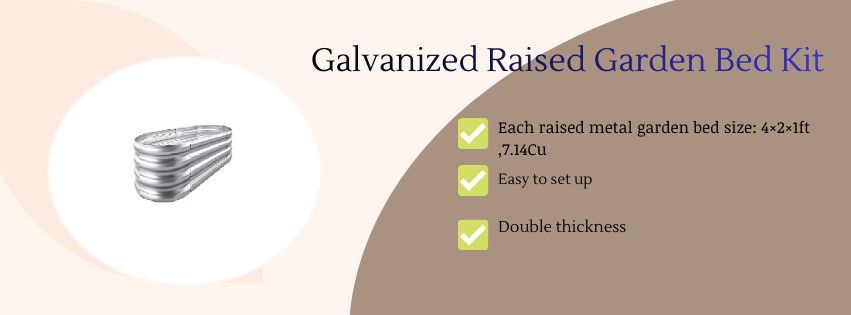
    Galavanized Raised Garden Bed Kit

    Summary Box

    • Use food-grade 5-gallon buckets for tomatoes and peppers
    • Repurpose storage totes (12–16 inches deep) for raised-bed style planters
    • Always drill drainage holes (critical for root health)
    • Use high-quality potting mix never garden soil
    • Prioritize south-facing sunlight (6–8 hours)
    • Choose compact or bush vegetable varieties
    • Expect daily watering in summer
    • Invest first in soil quality, not fancy containers

    Why Cheap Container Gardening Works

    Vegetables need three main things:

    • Adequate root space
    • Well-draining, aerated soil
    • Consistent moisture and sunlight

    Expensive containers don’t improve these factors. Proper depth and drainage do.

    Why This Matters

    Roots need oxygen. In containers without drainage, water fills air pockets, suffocating roots and causing rot. A $3 bucket with proper holes performs better than a $60 decorative pot without drainage.

    Cost Impact

    • Budget setup (5–8 containers): $80–$150 total
    • Premium decorative setup: $400+
    • Yield difference: Minimal if soil and depth are correct

    1. 5-Gallon Bucket Vegetable Garden

    The most reliable cheap container system.

    Why It Works

    A 5-gallon bucket provides about 12 inches of soil depth — enough for:

    • Tomatoes (determinate varieties)
    • Peppers
    • Eggplant
    • Bush cucumbers
    • Zucchini (compact types)

    That volume buffers moisture better than small pots, reducing watering stress.

    How to Set It Up

    Materials:

    • Food-grade 5-gallon buckets
    • Drill (6–10 drainage holes in bottom)
    • Optional: 1–2 holes on lower sides for extra drainage

    Soil Mix (Do Not Skip This):

    • 60% quality potting mix
    • 30% compost
    • 10% perlite or coarse sand

    Never use backyard soil it compacts and causes root suffocation.

    Light Requirements

    • South-facing exposure preferred
    • Minimum 6–8 hours direct sun for fruiting vegetables

    USDA Zones 3–11: Works everywhere during warm season.

    Watering

    • Daily in summer heat (especially Zones 7–11)
    • Water until it drains from bottom

    Cost

    • Buckets: $3–$6 each
    • Soil per bucket: $5–$8

    Extremely cost-effective per pound of produce.

    2. Repurposed Storage Tote Raised Beds

    A powerful low-cost alternative to wooden raised beds.

    Why It Works

    Large plastic storage bins (15–30 gallons) mimic shallow raised beds and hold more soil volume, which stabilizes moisture and nutrients.

    More soil volume = less watering stress.

    Setup

    • Drill 10–15 drainage holes in bottom
    • Ideal depth: 12–16 inches
    • Place on bricks for airflow underneath

    Best Crops

    • Lettuce
    • Spinach
    • Kale
    • Radishes
    • Bush beans
    • Beets

    Soil Strategy

    Fill with:

    • 50% potting mix
    • 30% compost
    • 20% aeration material (perlite/pumice)

    Cost Comparison

    • Storage tote: $10–$20
    • Comparable cedar raised bed: $150+

    Same productivity at a fraction of the cost.

    3. Cheap Fabric Grow Bags

    Budget-friendly and root-friendly.

    Why They Work

    Fabric allows air pruning. When roots hit the fabric edge, they stop elongating and branch instead. This creates a dense, fibrous root system that absorbs nutrients more efficiently.

    Ideal Uses

    • Potatoes (12–16 inch depth)
    • Carrots (10–12 inches)
    • Onions
    • Garlic

    Drainage Advantage

    Fabric prevents waterlogging ideal for beginners who overwater.

    Maintenance Trade-Off

    They dry out faster than plastic. Expect more frequent watering.

    Cost

    Often $3–$8 per bag online in multipacks.

    4. Recycled Containers (Done Safely)

    You can grow vegetables in:

    • Old coolers
    • Paint buckets (cleaned, food-safe)
    • Large nursery pots
    • Crates lined with landscape fabric

    Critical Rule

    Ensure:

    • Food-safe plastic
    • Proper drainage holes
    • Minimum 8–12 inches soil depth

    Common Mistake

    Using containers that are too shallow. Depth matters more than width for most vegetables.

    5. DIY Self-Watering Bucket System

    For slightly higher upfront cost but lower maintenance.

    Why It Works

    Consistent moisture prevents:

    • Blossom end rot in tomatoes
    • Bitter cucumbers
    • Stress-induced flower drop

    How to Build

    • 5-gallon bucket
    • Insert perforated cup at bottom as water reservoir
    • Fill soil above
    • Add watering tube

    Cost

    $10–$15 per system (DIY) Commercial self-watering planters: $40–$80

    Huge savings with similar results.

    Best Cheap Vegetables for Containers

    Some crops give better returns per dollar invested.

    High-Yield, Low-Cost Winners

    Cherry Tomatoes

    • 1 plant per 5-gallon bucket
    • Produces continuously for 2–3 months
    • High grocery store value

    Lettuce

    • 6–8 plants in 12-inch deep tote
    • Harvest outer leaves repeatedly

    Green Onions

    • Extremely shallow root system
    • Can regrow from kitchen scraps

    Bush Beans

    • Compact
    • Heavy producer in small space

    Radishes

    • 25–30 day harvest cycle
    • Minimal soil depth required

    Soil: Where You Should NOT Go Cheap

    This is where many beginners sabotage their results.

    Why Soil Quality Matters

    Cheap, dense soil reduces:

    • Root oxygen
    • Drainage
    • Nutrient availability

    Roots in containers have no escape route.

    Budget Strategy

    Buy high-quality potting mix in bulk during spring sales. Blend with homemade compost to stretch it further.

    Avoid:

    • Topsoil bags
    • “Garden soil” products

    Sunlight Strategy for Maximum Yield

    Full sun vegetables require:

    • 6–8 hours direct sunlight
    • South-facing exposure preferred
    • West-facing acceptable (watch heat stress in Zones 8–11)

    Leafy greens tolerate:

    • 4–6 hours
    • East-facing balconies ideal

    No container setup compensates for insufficient light.

    Watering Realities (The Hidden Cost)

    Cheap containers often mean thinner plastic, which heats up and dries soil faster.

    Expect:

    • Daily watering in summer
    • Twice daily in extreme heat (Zones 9–11)

    To reduce maintenance:

    • Group containers together
    • Use mulch (straw or shredded leaves)
    • Consider an inexpensive drip irrigation kit

    Drip kits cost $30–$60 and dramatically reduce labor.

    Pest Prevention on a Budget

    Containers reduce soil-borne pests but not flying insects.

    Common issues:

    • Aphids
    • Whiteflies
    • Spider mites

    Low-cost prevention:

    • Weekly leaf inspection
    • Insecticidal soap spray
    • Strong water spray for aphids

    Healthy plants in proper soil resist pests better.

    Common Beginner Mistakes That Waste Money

    • Buying decorative pots without drainage
    • Choosing indeterminate tomatoes for small buckets
    • Underestimating watering needs
    • Overcrowding plants to “save space”
    • Using cheap soil that compacts

    Each mistake reduces yield more than limited budget ever will.

    Budget vs Premium Setup Comparison

    FeatureBudget SetupPremium Setup
    ContainersBuckets, totesCedar beds, ceramic pots
    IrrigationManual wateringAutomatic drip system
    Cost$100–$150$400–$800
    Yield PotentialHigh (if done right)High
    Longevity2–4 seasons5–10+ seasons

    Yield difference is minimal. Longevity and aesthetics differ.

    FAQ

    What is the cheapest container for growing vegetables?

    Food-grade 5-gallon buckets are the most cost-effective option. They provide sufficient depth and durability at low cost.

    Can I use regular garden soil in containers?

    No. Garden soil compacts in pots, reducing drainage and oxygen. Always use potting mix with compost and aeration material.

    How deep should cheap containers be?

    • Leafy greens: 6–8 inches
    • Root vegetables: 10–12 inches
    • Tomatoes and peppers: 12–18 inches

    Depth directly impacts yield.

    How often should I water cheap container gardens?

    Usually daily during warm months. Check soil 1–2 inches deep before watering.

    Are fabric grow bags better than plastic buckets?

    They provide better root aeration but dry out faster. Both work well if watering is consistent.

    What vegetables give the best return on investment?

    Cherry tomatoes, lettuce, bush beans, green onions, and radishes provide high yield for low cost.

    Final Thoughts

    Cheap container vegetable gardening isn’t about cutting corners. It’s about investing where it matters: soil quality, drainage, depth, and sunlight.

    Start with 3–5 buckets. Grow cherry tomatoes, lettuce, and bush beans. Focus on proper soil mix and consistent watering. Add mulch to reduce maintenance. Upgrade to drip irrigation when budget allows.

    Over time, your small, low-cost setup can produce pounds of fresh food each season reducing grocery bills and increasing food security.

    Productivity in container gardening is determined by plant science, not price tags. When you understand the fundamentals, budget systems can deliver serious results.
  • Vegetable container gardening ideas

    Every product is independently reviewed and selected by our editors. If you buy something through our links, we may earn an affiliate commission at no extra cost to you.

    Fresh vegetables grown just steps from your kitchen change how you cook and eat. Even a 4-foot balcony or sunny windowsill can produce crisp lettuce, sweet cherry tomatoes, and fragrant herbs if you design your containers correctly. Done right, container vegetable gardening is not a compromise. It’s controlled, efficient, and surprisingly productive.

    Many aspiring gardeners assume they need a backyard to grow meaningful amounts of food. The real limitation isn’t space it’s strategy. Containers give you control over soil quality, drainage, and placement, often outperforming in-ground beds in urban environments.

    This guide provides practical, high-yield vegetable container gardening ideas backed by horticultural principles. You’ll learn what works, why it works, and how to implement each idea based on root depth, light exposure, drainage, and USDA hardiness zone considerations.

    Galavanized Raised Garden Bed Kit

    Quick Summary Box

    • Use containers at least 10–12 inches deep for most vegetables
    • Ensure drainage holes and well-aerated potting mix (never garden soil)
    • Position fruiting vegetables in south- or west-facing sun (6–8 hours minimum)
    • Water consistently containers dry out faster than ground beds
    • Choose compact or “dwarf” varieties bred for pots
    • Feed regularly with balanced organic fertilizer or slow-release granules
    • Prioritize pest monitoring in tight balcony environments

    Why Vegetable Container Gardening Works So Well

    Container gardening works because it isolates and optimizes the root environment.

    Why It Works

    • You control soil composition.
    • Drainage is predictable.
    • Fertility levels are consistent.
    • You can move containers to adjust sun exposure.

    In USDA Zones 3–6, containers warm faster in spring, allowing earlier planting. In Zones 8–11, they can be moved to partial shade during peak summer heat to prevent root stress.

    Cost & Maintenance Impact

    • Initial container and soil setup: $100–$300 for a small balcony system.
    • Ongoing costs: Fertilizer and occasional soil refresh.
    • Maintenance: More frequent watering than in-ground beds.

    1. 5-Gallon Bucket Gardens for Tomatoes and Peppers

    A classic, budget-friendly system that consistently produces.

    Why It Works

    Tomatoes and peppers develop deep root systems (12–18 inches). A 5-gallon container provides enough soil volume to buffer moisture and nutrients.

    How to Implement

    • Use food-grade 5-gallon buckets with 5–8 drainage holes.
    • Soil mix:
      • 60% high-quality potting mix
      • 20% compost
      • 20% perlite or pumice for drainage
    • Add slow-release organic fertilizer at planting.
    • Place in full sun (south-facing preferred).
    • Stake or use a tomato cage at planting time.

    Watering

    • Daily in peak summer heat.
    • Keep soil evenly moist not soggy.

    Beginner Mistake

    Using garden soil. It compacts in containers and suffocates roots.

    Cost

    Budget-friendly. Buckets are inexpensive. Premium upgrade: self-watering tomato planters.

    2. Tiered Planter Systems for Leafy Greens

    Ideal for balconies and patios.

    Why It Works

    Leafy greens (lettuce, spinach, arugula) have shallow roots 6–8 inches deep. Vertical stacking maximizes production per square foot.

    Implementation

    • Use tiered vertical planters with built-in drainage.
    • Depth requirement: Minimum 6–8 inches.
    • Soil: Lightweight potting mix with compost for moisture retention.
    • Ideal exposure: East-facing light (morning sun, afternoon shade).

    Watering

    Every 1–2 days depending on temperature.

    Maintenance Impact

    Greens require frequent harvesting to prevent bolting.

    Best USDA Zones

    Zones 3–9 spring and fall; avoid midsummer heat in Zones 8–11.

    3. Fabric Grow Bags for Root Vegetables

    Excellent for carrots, radishes, and potatoes.

    Why It Works

    Fabric grow bags provide air pruning, preventing root circling and improving root structure.

    Container Depth Guidelines

    • Carrots: 10–12 inches
    • Beets: 10 inches
    • Potatoes: 12–16 inches

    Soil Mix

    • 50% potting mix
    • 30% compost
    • 20% coarse sand (for carrots)

    Loose soil prevents forked roots.

    Drainage

    Fabric bags naturally drain well but require more frequent watering.

    Cost

    Mid-range. High-quality thick fabric lasts 3–5 seasons.

    4. Self-Watering Containers for Busy Gardeners

    A practical solution for consistent moisture.

    Why It Works

    Vegetables like tomatoes and cucumbers suffer from inconsistent watering, leading to blossom end rot or bitterness. Self-watering systems provide steady moisture from below.

    How to Choose

    • Reservoir size: At least 1 gallon per large plant.
    • Depth: 12 inches minimum for fruiting vegetables.
    • UV-resistant plastic for durability.

    Maintenance Impact

    Refill reservoir every 2–4 days in summer.

    Budget vs Premium

    • Budget: DIY bucket with reservoir insert.
    • Premium: Commercial sub-irrigated planters.

    5. Window Box Herb and Salad Gardens

    Perfect for renters.

    Why It Works

    Herbs have shallow root systems and prefer slightly lean soil.

    Ideal Soil Composition

    • 70% potting mix
    • 20% compost
    • 10% perlite

    Depth

    6–8 inches minimum.

    Light Requirements

    • South or west-facing for basil and thyme.
    • East-facing works for parsley and cilantro.

    Beginner Mistake

    Over-fertilizing herbs. It reduces flavor intensity.

    6. Raised Bed Planters for Patios

    For serious production without ground planting.

    Why It Works

    Raised planters 12–18 inches deep allow root vegetables and fruiting crops to thrive.

    Buying Criteria

    • Depth: 12 inches minimum.
    • Material: Cedar (naturally rot-resistant) or powder-coated steel.
    • Built-in drainage holes.

    Soil Fill Strategy

    Use the “container raised bed mix”:

    • 50% potting soil
    • 30% compost
    • 20% aeration material

    Cost

    $150–$400 depending on size and material.

    7. Hanging Basket Vegetables

    Surprisingly productive.

    Best Crops

    • Cherry tomatoes (trailing varieties)
    • Strawberries
    • Bush cucumbers

    Why It Works

    Trailing varieties reduce disease risk by improving airflow.

    Maintenance

    Requires daily watering in hot weather.

    Common Mistake

    Using baskets smaller than 12 inches wide.

    Light Exposure Strategy for Maximum Yield

    Vegetables fall into two main categories:

    Full Sun (6–8+ hours) Tomatoes, peppers, cucumbers, eggplant.

    Partial Sun (4–6 hours) Leafy greens, herbs, radishes.

    South-facing balconies are ideal. West-facing can cause heat stress in Zones 8–11 provide afternoon shade cloth if necessary.

    Watering Strategy for Containers

    Containers dry out faster because they’re exposed on all sides.

    Best Practice

    • Check soil 1–2 inches deep daily.
    • Water until it drains from the bottom.
    • Avoid shallow sprinkling.

    Drip irrigation kits are excellent for multiple containers and reduce maintenance time significantly.

    Fertilizing in Containers

    Nutrients leach quickly.

    Recommended Approach

    • Slow-release fertilizer at planting.
    • Liquid feed every 2–3 weeks during active growth.

    Avoid overfeeding leafy greens it causes excess nitrogen buildup.

    Pest Prevention Basics

    Balconies reduce soil-borne pests but not insects.

    Common Issues:

    • Aphids
    • Spider mites
    • Whiteflies

    Prevention:

    • Inspect leaves weekly.
    • Use neem oil or insecticidal soap as needed.
    • Improve airflow between containers.

    Common Beginner Mistakes

    • Using garden soil in pots
    • Choosing containers too small
    • Ignoring drainage holes
    • Overcrowding plants
    • Inconsistent watering

    Each mistake reduces yield more than lack of space ever will.

    FAQ

    What vegetables grow best in containers?

    Tomatoes, peppers, lettuce, spinach, herbs, radishes, carrots, bush beans, and compact cucumbers perform exceptionally well when given adequate depth and drainage.

    How deep should a container be for vegetables?

    • Leafy greens: 6–8 inches
    • Herbs: 6 inches
    • Tomatoes/peppers: 12–18 inches
    • Root vegetables: 10–16 inches

    How often should I water container vegetables?

    Typically daily in summer. Always check soil moisture before watering.

    Can I reuse potting soil?

    Yes, if refreshed with compost and aeration material. Avoid reusing soil from diseased plants.

    Do container vegetables need fertilizer?

    Yes. Containers lose nutrients quickly. Use slow-release fertilizer and supplement every few weeks.

    What is the best container material?

    Plastic retains moisture. Fabric improves aeration. Wood looks attractive but costs more. Choose based on climate and watering habits.

    Final Thoughts

    Vegetable container gardening is not about limitation it’s about precision. When you control soil composition, drainage, light exposure, and watering, even a small balcony can produce consistent harvests.

    Start with one or two reliable systems: a 5-gallon tomato bucket and a tiered greens planter. Invest in quality potting mix and proper drainage. Monitor watering closely.

    Over time, you’ll refine your setup, extend your growing season, and reduce grocery costs while enjoying vegetables harvested minutes before your meal.

    Small space. Serious yield. The results depend on your setup not your square footage.

  • How to stop grass from growing permanently naturally

    Every product is independently reviewed and selected by our editors. If you buy something through our links, we may earn an affiliate commission at no extra cost to you.

    When I first tried turning an overgrown side strip of my yard into a mulch path, I made the classic beginner mistake: I just pulled the grass and spread bark on top. Within a month, the grass was poking right back through. Real grass especially tough species like Bermuda, rye, or fescue doesn’t stop growing unless you remove light, root access, and moisture for long enough.

    The good news? The most reliable way to stop grass from growing permanently naturally doesn’t require chemicals. It’s a combination of long-term smothering, root disruption, and barrier layering. These methods work in real home gardens because they address the biology of grass: its underground runners and its ability to regenerate from tiny root pieces.

    Below is the exact process I use when I need an area permanently grass‑free garden paths, borders, under raised beds, and around sheds.

    Why This Method Works

    Grass survives because it can:

    • Photosynthesize (light)
    • Spread through roots, stolons, or rhizomes
    • Access moisture in the soil

    To stop grass permanently, you must remove all three for several weeks to months. Natural methods succeed by:

    • Blocking sunlight until roots die
    • Overheating the soil (solarizing)
    • Creating a physical, long‑lasting barrier
    • Keeping new seeds from germinating

    This eliminates the root system not just the blades you see.

    What You’ll Need Actually

    Simple, inexpensive materials work best:

    • Non-glossy cardboard or 8–10 layers of newspaper
    • Thick mulch (wood chips, gravel, or stone)
    • Clear plastic sheeting for solarization (optional)
    • Landscape fabric (high-quality woven type, optional)
    • A mower or shears for initial cutting
    • A hose for watering cardboard
    • Gloves, boots, and eye protection

    Eco-friendly options:

    • Free cardboard from deliveries
    • Local tree-trimming mulch
    • Repurposed stones or bricks to weigh edges down

    Step-by-Step: How to Stop Grass From Growing Permanently Naturally

    1. Cut the Grass as Low as Possible

    Do this on a dry day. Lower grass = faster kill.

    Signs it’s trimmed well:

    • Blades are nearly flush with the soil
    • No tall stalks remaining

    2. Water the Area Lightly

    Moist soil makes smothering and solarization more effective because:

    • Heat transfers better
    • Cardboard breaks down faster
    • Roots weaken quicker

    3. Apply Smothering Layers (Sheet Mulching)

    This is the most reliable long-term natural method I’ve ever used.

    • Lay down cardboard with 6–8 inches of overlap so grass can’t squeeze through.
    • Add 4–6 inches of mulch on top.
    • Water the mulch layer to help it settle.
    • Keep it fully covered—no exposed edges.

    Time required: 6–10 weeks to kill grass fully; longer for tough species like Bermuda.

    Expected signs:

    • Grass turns pale, then brown
    • Mulch sinks as the cardboard softens
    • No green shoots appear

    4. For Hot Climates: Solarize for Extra Power

    If you’re in a sunny, warm area, use solarization before mulching:

    • Lay clear plastic tightly over the area.
    • Weigh down the edges.
    • Leave for 4–8 weeks in summer.

    Soil can reach 120–140°F, cooking the roots and seeds.

    5. Install a Permanent Natural Barrier

    To prevent regrowth over the years, especially for pathways or non‑planting zones:

    Options that last:

    • Deep mulch (4–6 inches) maintained yearly
    • Thick gravel or crushed stone paths
    • High‑quality woven landscape fabric beneath mulch or gravel

    This keeps light from reaching the soil and stops seeds from germinating.

    6. Maintain Edges Carefully

    Grass often sneaks in from the sides, especially creeping types.

    Every 2–3 months:

    • Check edges for gaps
    • Add mulch or gravel where it thins
    • Keep borders tight and covered

    Professional Expert Tips & Best Practices

    • Use two layers of cardboard for aggressive grasses like Bermuda, zoysia, or kikuyu.
    • Avoid tilling it brings buried seeds to the surface and spreads root pieces.
    • Check after heavy rain to ensure mulch hasn’t shifted.
    • Add a new thin layer of mulch yearly to maintain the barrier.
    • Use stones or logs along edges to keep borders intact.
    • Never bury glossy cardboard or taped boxes they contain inks and plastics.

    Safety Notes:

    • Wear gloves when handling cardboard with staples.
    • Keep pets away during solarization they may tear the plastic.
    • Avoid deep mulch near wooden structures during fire‑risk seasons.

    FAQ

    How long does it take to kill grass permanently using natural methods?

    Usually 6–10 weeks, but 12+ weeks for heat-tolerant or creeping grasses.

    Will cardboard alone kill grass forever?

    Not forever. It kills grass once, but you must maintain a mulch layer to block future growth and seeds.

    Can I plant on top of cardboard after killing the grass?

    Yes once decomposed, cardboard improves soil health. Add compost and plant through the mulch.

    Does boiling water work for permanent removal?

    It works only for small spots; not effective for large areas or deep-rooted grasses.

    How do I keep grass from coming back under gravel?

    Use woven landscape fabric plus 3–4 inches of gravel. Avoid cheap perforated fabrics.

    Can I stop grass without blocking sunlight?

    No. All natural methods depend on light deprivation or heat.

    When NOT to Use These Methods

    Avoid cardboard + mulch if:

    • Soil drains poorly (risk of soggy, anaerobic soil)
    • You need immediate grass removal (this takes weeks)
    • You have woody weeds or shrubs smothering doesn’t always work alone

    Avoid solarization if:

    • You live in a cool, cloudy climate
    • It’s fall or winter
    • Area receives heavy shade

    Alternative Natural Methods

    Vinegar + Salt Mixtures (Caution)

    Pros: Kills top growth fast Cons: Salt sterilizes soil for years avoid near planting areas

    Dense Groundcovers

    Pros: Choke out grass naturally Cons: Takes time; not suitable for pathways or patios

    Manual Digging with Root Removal

    Pros: Immediate results Cons: Hard work; grass may regrow from missed roots

    Conclusion

    The most dependable way to stop grass from growing permanently naturally is to combine:

    • Long-term smothering with cardboard
    • Thick mulch or gravel barriers
    • Solarization in warm climates

    These methods don’t just kill the visible grass they exhaust the root system and prevent new growth. The key is consistency: cover every gap, maintain your mulch layer, and protect the edges. With a little patience, you can create a truly permanent grass-free area that stays clean, low-maintenance, and ready for pathways, garden beds, or any new project.

  • Best way to kill grass and weeds in large area

    Every product is independently reviewed and selected by our editors. If you buy something through our links, we may earn an affiliate commission at no extra cost to you.

    When I converted a patch of my backyard into a vegetable garden years ago, the biggest challenge wasn’t building raised beds it was getting rid of the thick, stubborn grass and weeds covering the whole space. Many beginners try to dig everything out by hand, only to watch the weeds return even thicker a few weeks later. That usually happens because the roots, rhizomes, or seed bank weren’t fully eliminated.

    The best way to kill grass and weeds in a large area is a combination of smothering, solarizing, and if necessary targeted organic herbicides. These methods work because they attack both the visible growth and the underground root systems without damaging the soil’s long-term health.

    What follows is the same process I use in real gardens when preparing large planting areas, restoring neglected lawns, or clearing weedy corners of a property.

    Why This Method Works

    Grass and most weeds survive because of three things:

    • Light
    • Moisture
    • Active root systems or seed banks

    To clear a large area effectively, you must interrupt at least two of those three. Smothering and solarization do exactly that:

    • Smothering deprives plants of light long enough to exhaust their energy reserves.
    • Solarization cooks weed seeds and roots using trapped heat under clear plastic.
    • Selective organic herbicides weaken persistent patches that survive both methods.

    Unlike simply cutting or tilling (which often spreads weed seeds and rhizomes), these approaches exhaust weeds at the root level.

    What Actually You’ll Need

    Most supplies are inexpensive or already available:

    • Cardboard (non-glossy) or thick layers of newspaper
    • Mulch (wood chips, straw, leaves)
    • Clear plastic sheeting (UV-stable, 2–6 mil thick) for solarization
    • A garden hose or watering can
    • Landscape staples or rocks/bricks to weigh things down
    • Organic herbicide (optional): horticultural vinegar, clove oil, or iron-based formulas
    • Gloves, boots, and protective eyewear
    • Rake or mower for initial cleanup

    Eco-friendly options:

    • Use repurposed cardboard from deliveries
    • Mulch from local tree trimmers
    • Solar power (sunlight) instead of chemicals

    Step-by-Step: Best Way to Kill Grass and Weeds in a Large Area

    1. Mow or Cut Down All Vegetation (Dry Weather Works Best)

    Trim the area as low as possible. This speeds the process and helps the smothering layers sit flat.

    Signs you did it right:

    • Grass cut close to soil
    • No thick stalks sticking up

    2. Choose Your Main Method: Smothering or Solarization

    Your environment determines which is most effective:

    • Smothering (Sheet Mulching) – Best for cooler climates, shady areas, and long-term soil improvement.
    • Solarization – Best for hot climates, full sun, and when you need faster results.

    You can use both together if you’re dealing with extremely aggressive weeds.

    Method A: Smothering (Sheet Mulching)

    This is the method I’ve used countless times when prepping new beds. It’s slow but incredibly effective and soil-friendly.

    Steps:

    • Water the area lightly. Moist soil helps cardboard mold to the ground and accelerates decomposition.
    • Lay down cardboard in overlapping sheets (6–8 inches of overlap). Weeds will find any crack you leave—don’t give them that chance.
    • Add 4–6 inches of mulch on top. Wood chips are best for long-term suppression.
    • Keep the area moist for the first few weeks. Moisture helps break down cardboard and suffocate roots.
    • Wait 6–10 weeks depending on climate. In hot weather, grass dies faster; in cool conditions, it takes longer.

    What you’ll see:

    • Cardboard starts softening in 2–3 weeks
    • Grass turns pale yellow, then brown
    • Mulch settles by an inch or two

    Method B: Solarization (Fastest for Hot Climates)

    In my experience, solarization is unbeatable during peak summer heat.

    Steps:

    • Rake area smooth and remove large debris.
    • Water the soil thoroughly. Moist soil conducts heat much better than dry soil.
    • Spread clear plastic tightly over the area. Clear plastic works better than black because it traps heat like a greenhouse.
    • Secure edges using rocks, bricks, or landscape staples.
    • Leave in place 4–8 weeks. In very hot climates, 3–4 weeks may be enough.

    What you’ll see:

    • Condensation under the plastic
    • Soil temperature reaching 120–140°F on hot days
    • Grass roots collapsing and weeds turning mushy

    Optional Step: Targeted Organic Herbicide

    Use only for persistent patches like Bermuda grass, bindweed, or nutsedge.

    Best eco-friendly options:

    • 20% horticultural vinegar
    • Clove oil-based sprays
    • Iron-based broadleaf weed killers

    Apply early morning on a sunny day for best burn-down.

    Professional Tips & Best Practices

    • Avoid tilling before weeds are dead. It brings buried seeds to the surface.
    • Use two layers of cardboard for areas with Bermuda or kikuyu grass.
    • Don’t skip the watering before smothering or solarizing. Dry soil slows everything down.
    • Mulch deeply. Shallow mulch invites regrowth.
    • Check for gaps weekly wind can shift cardboard or plastic.
    • Work with the seasons. Solarization is most effective June–August.
    • Keep pets away from vinegar sprays; they can irritate paws and noses.

    FAQ

    How long does it take to kill grass and weeds over a large area?

    Anywhere from 3 to 10 weeks depending on the method and weather. Solarization is fastest.

    Can I plant immediately after killing the grass?

    After smothering, yes—add compost and plant directly into the mulch. After solarization, wait 1–2 weeks to let the soil cool.

    Will cardboard bring pests?

    If you keep mulch thick and edges secure, it rarely attracts pests. Avoid cardboard with tape or food stains.

    Can I use boiling water for large areas?

    It’s ineffective for anything bigger than a few square feet. Better for spot treatment.

    Is chemical herbicide necessary?

    Not unless dealing with extremely aggressive perennial weeds. Organic methods work for most home gardens.

    Can I use black plastic instead of clear?

    Black plastic suppresses growth but doesn’t heat the soil as deeply. Clear plastic is better for true solarization.

    When NOT to Use This Method

    Avoid smothering or plastic if:

    • Soil stays waterlogged (risk of anaerobic conditions)
    • You’re preparing an area under trees plastic can overheat and damage roots
    • You’re in extremely windy areas with no way to secure coverings
    • You need an area cleared within 24–48 hours (in that case, use mowing + organic herbicide)

    Solarization is ineffective:

    • In cool or cloudy climates
    • During fall/winter

    Alternative Methods

    Manual Removal

    Pros: Immediate results, no materials needed Cons: Hard work, roots often regrow, spreads rhizomes if done wrongly

    Sod Cutter

    Pros: Fast, clean Cons: Rentals can be pricey; removes topsoil

    Non-selective Chemical Herbicides (Glyphosate)

    Pros: Fast and effective Cons: Not organic, safety concerns, not suited for edible garden prep

    Flame Weeding

    Pros: Good for large gravel areas Cons: Not ideal around dry vegetation or wooden structures; fire hazard

    Conclusion

    The best way to kill grass and weeds in a large area especially for home gardeners is a combination of:

    • Smothering with cardboard and mulch
    • Solarization during the hottest part of the year
    • Light, targeted organic herbicide only when needed

    These methods work with nature, not against it, and leave your soil healthier for future planting. Be patient, keep the layers tight, and check occasionally for gaps. Clearing a weedy area the right way now saves you months of frustration later and gives your new garden the best possible start.

  • How to stop grass from growing naturally

    Every product is independently reviewed and selected by our editors. If you buy something through our links, we may earn an affiliate commission at no extra cost to you.

    Whether you’re trying to keep grass out of your flower beds, stop lawn grass from invading vegetable beds, or prevent regrowth in an area you’ve already cleared, unwanted turf can be incredibly persistent. I’ve dealt with this in my own terrace garden and backyard borders grass creeping under fence lines, pushing into raised beds, even popping up through mulch.

    The good news is you can learn how to stop grass from growing naturally using safe, soil-friendly methods that actually work in real home gardens. These approaches rely on smothering, blocking, or exhausting the grass not chemicals so your soil and plants stay healthy.

    Why Natural Grass Control Works

    Grass grows aggressively because:

    • It spreads through roots, rhizomes, or stolons
    • It stores energy underground
    • It quickly regrows when cut
    • Sunlight and air help it bounce back fast

    To stop grass naturally, you have to remove or block the conditions it depends on: light, air, moisture access, and root growth space.

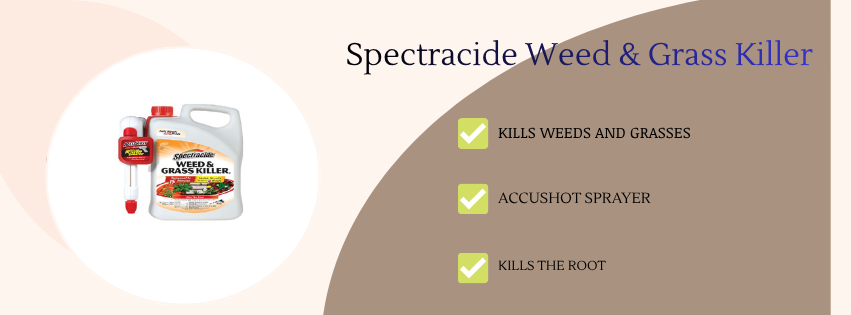
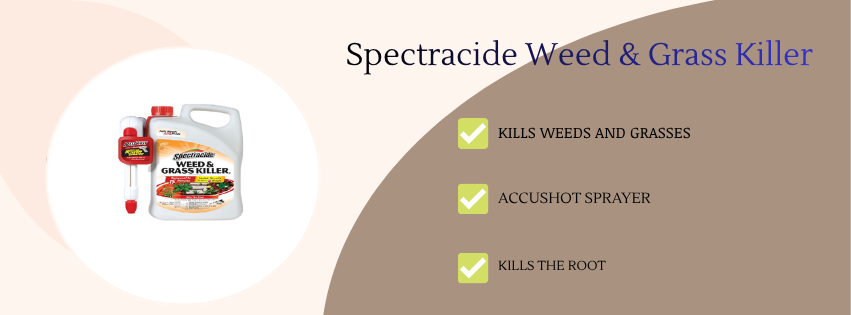
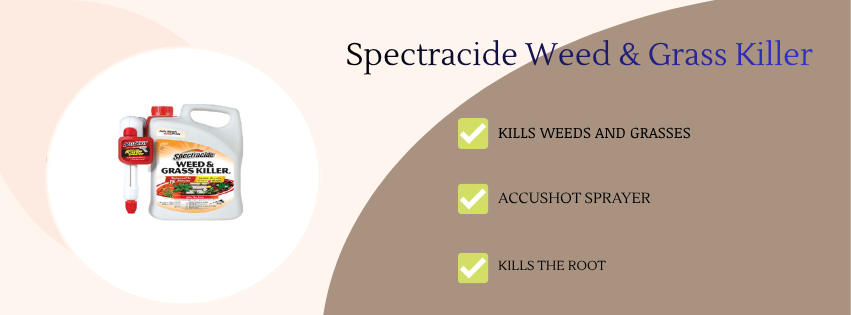
    Spectracide Weed & Grass Killer

    What You’ll Need Actually

    Depending on your chosen method:

    • Unwaxed cardboard
    • Thick mulch (wood chips, straw, dried leaves, or bark)
    • Weed barrier fabric (permeable)
    • Garden spade or edging tool
    • Compost (optional)
    • Sharp knife or hoe
    • Watering can or hose
    • Gloves

    All methods below are organic, safe for pets, and environmentally friendly.

    Best Natural Ways to Stop Grass From Growing

    1. Use a Cardboard Barrier + Mulch

    This is my go‑to method for stopping grass from sneaking into beds. It blocks sunlight, prevents rhizomes from pushing through, and improves soil while it breaks down.

    Steps

    • Cut the grass as short as possible.
    • Lay down thick, overlapping cardboard (2–3 layers if grass is vigorous).
    • Wet the cardboard thoroughly.
    • Add 3–6 inches of mulch (wood chips hold up longest).
    • Extend the barrier at least 8–12 inches past where the grass normally invades.

    Why It Works

    • Blocks sunlight
    • Suffocates grass blades and roots
    • Worms break down cardboard into healthy organic matter

    Real-World Tip

    Under shrubs or perennial beds, this keeps grass away for an entire season or more with minimal upkeep.

    2. Install a Physical Root Barrier

    For aggressive grasses like Bermuda, couch, or St. Augustine, above-surface mulching alone isn’t enough.

    Steps

    • Dig a shallow trench 6–8 inches deep.
    • Insert landscape edging, metal, or plastic root barrier.
    • Ensure the barrier sits 1–2 inches above soil level to block stolons.
    • Backfill the trench firmly.

    Why It Works

    It stops rhizomes and runners physically something mulch can’t always do.

    Best For

    • Fencelines
    • Vegetable garden borders
    • Flower beds

    Personal Note

    I installed a barrier around my raised beds, and it cut grass incursions by 90%.

    3. Thick Organic Mulching

    Grass cannot thrive without sunlight. A deep mulch layer keeps it suppressed.

    Steps

    • Pull or scalp existing grass.
    • Apply 4–6 inches of mulch (wood chips are best for long-term control).
    • Reapply annually as mulch breaks down.

    Best For

    • Paths
    • Under fruit trees
    • Around large plants

    Tip

    Dried leaves + wood chips = the best, longest-lasting mulch combination.

    4. Solarization (Stops Grass Regrowth for Months)

    Solarization kills grass AND seeds, reducing future regrowth.

    Steps

    • Water the soil (moist soil heats faster).
    • Lay clear plastic over the area.
    • Bury edges.
    • Leave for 2–6 weeks depending on heat.

    Why It Works

    High heat sterilizes the topsoil layer where grass seeds and roots sit.

    Best For

    • Converting lawn to garden
    • Large weedy patches

    5. Plant Groundcovers That Outcompete Grass

    In spots where you want living cover but not grass, groundcovers can create a dense mat that shades out new grass.

    Good options:

    • Creeping thyme
    • Ajuga
    • Clover
    • Lamium
    • Mondo grass
    • Creeping Jenny

    Notes

    Once established, these plants block sunlight and make it hard for grass to return.

    6. Cut the Grass Repeatedly to Exhaust Roots

    This method is slow but completely natural and works best along edges.

    Steps

    • Keep cutting or pulling grass every 3–5 days.
    • Never let blades photosynthesize.
    • After several weeks, roots weaken and die.

    Best For

    • Small patches
    • Areas near delicate plants

    Professional Tips & Best Practices

    • Apply mulch in thick layers; thin mulch encourages grass.
    • Always overlap cardboard heavily grass finds any gap.
    • Avoid tilling; it spreads grass roots everywhere.
    • Water cardboard before mulching to help it settle.
    • Use a hoe for small regrowth before it becomes established.
    • For aggressive spreading grasses, combine barrier + mulch for best results.

    FAQ

    1. What is the most effective natural way to stop grass from growing? A combination of cardboard + 4–6 inches of mulch provides the most reliable, long-lasting control.

    2. How long does cardboard take to kill grass? Usually 4–8 weeks, depending on the grass type.

    3. Does mulch alone stop grass? Mulch suppresses grass but usually needs 4–6 inches to prevent regrowth.

    4. Will grass grow through weed barrier fabric? Quality fabric stops most grass, but aggressive rhizomes can creep over the top mulch helps prevent this.

    5. How do I stop grass from invading raised beds? Install a root barrier 6–8 inches deep and mulch around the outer edge.

    6. Can I use boiling water to stop grass permanently? It kills grass but not deep roots; best for cracks or pavement edges only.

    When NOT to Use Certain Methods

    • Avoid cardboard against wooden structures (possible termite bridge).
    • Avoid solarization in shady or cool regions it won’t heat enough.
    • Avoid deep mulch around seedlings they may be smothered.
    • Avoid barriers in areas with poor drainage they can trap water.

    Alternative Natural Options

    • Newspaper layering (use 6–10 sheets)
    • Thick compost layering (no-dig method)
    • Flame weeding (use with caution and only in nonflammable areas)
    • Repeated hoeing to exhaust roots

    Conclusion

    The best way to stop grass from growing naturally combines smothering, blocking, and ongoing maintenance. For most home gardeners, a layered approach works best:

    • Cardboard + mulch for long-term suppression
    • Root barriers for aggressive spreading grasses
    • Deep mulch for maintenance
    • Solarization for large or stubborn patches

    These methods protect your soil, support beneficial insects and microbes, and keep your garden beds clean and manageable without chemicals or damage to your ecosystem.

  • Best way to kill grass naturally

    Every product is independently reviewed and selected by our editors. If you buy something through our links, we may earn an affiliate commission at no extra cost to you.

    Most home gardeners eventually need to clear a patch of grass whether you’re expanding a vegetable bed, creating a flower border, or removing turf invading your walkway. I’ve had to do all of this in my own small backyard and terrace garden, and after years of trial and error, I’ve learned that the best way to kill grass naturally isn’t about harsh chemicals. It’s about choosing a method that kills the grass and protects your soil long-term.

    Grass survives because its roots store energy. To kill it naturally, you need to remove or starve the roots. The methods below are the safest, most effective, and most soil-friendly options I’ve personally tested in real home gardens.

    Why Natural Grass Removal Works

    Natural methods work by disrupting the things grass needs to survive:

    • Light (for photosynthesis)
    • Air (for root respiration)
    • Moisture balance
    • Energy stored in roots

    These methods either smother, heat, or physically remove the root zone all without harming your garden ecosystem.

    What Actually You’ll Need

    Depending on your method:

    • Unwaxed cardboard
    • Mulch (wood chips, straw, dried leaves)
    • Compost
    • Clear plastic sheeting
    • Watering can or hose
    • Sharp shovel or spade
    • Gloves
    • Optional: newspaper layers

    All options below are organic, eco-friendly, and safe for kids, pets, and soil life.

    Best Natural Ways to Kill Grass (Ranked)

    1. Cardboard + Mulch Smothering (Best Overall – Soil Building + Effective)

    If I had to pick only one natural method, this would be it. It’s reliable, low-effort, and transforms the soil underneath.

    Steps

    • Mow the grass as short as possible.
    • Lay thick, unwaxed cardboard directly on top (overlap edges).
    • Water the cardboard thoroughly this activates decomposition.
    • Add 3–4 inches of mulch or compost on top.
    • Leave for 4–8 weeks depending on grass type.

    Why It’s the Best

    • Kills grass and most roots
    • Feeds earthworms
    • Builds rich soil for planting
    • Zero chemicals
    • Works in any season

    Real-World Tip

    I’ve used this under raised beds and around fruit trees—it keeps weeds down for months and improves soil texture dramatically.

    2. Solarization (Fastest Natural Method in Hot Climates)

    Solarization uses intense heat to kill grass, weed seeds, pests, and pathogens.

    Steps

    • Water the grass thoroughly.
    • Cover with clear plastic sheeting.
    • Seal all edges with soil or rocks.
    • Leave for 2–6 weeks depending on temperature.

    Why It Works

    Moist soil + trapped heat = lethal temperatures for grass roots.

    Best For

    • Large patches
    • Full-sun areas
    • Fast results in summer

    Result

    Grass turns straw-like and can be easily raked up.

    3. Cut and Lift the Sod (Instant, Completely Natural)

    This is the fastest way if you need a planting area today.

    Steps

    • Water the area lightly to soften soil.
    • Use a flat shovel or sod cutter.
    • Slice just below the roots.
    • Lift grass in strips.

    Pros

    • Instant results
    • No waiting period
    • Zero chemicals
    • Bed is immediately plantable

    Real Tip

    Slightly moist soil (not soggy) makes sod removal much easier.

    4. Compost Layering (“No-Dig Kill”)

    A thick compost layer naturally kills grass by smothering and decomposing it.

    Steps

    • Mow grass low.
    • Add 4–6 inches of compost directly on top.
    • Plant into the compost or wait 4–6 weeks.

    Why It Works

    Grass dies from lack of sunlight and oxygen.

    Best For

    • Creating new beds without digging
    • Improving poor soil

    5. Boiling Water (Best for Small Patches)

    This method is simple and surprisingly effective for small areas.

    Steps

    • Boil water in a kettle.
    • Pour directly on grass you want gone.
    • Repeat after 2–3 days if needed.

    Best For

    • Cracks in driveways
    • Pathways
    • Fence-line escapes

    Caution

    Avoid splashing near wanted plants.

    Professional Tips & Best Practices

    • Water soil before manual removal roots release more easily.
    • Never leave cleared soil bare mulch immediately to prevent new weeds.
    • Use cardboard smothering under raised beds for zero regrowth.
    • For stubborn grasses like Bermuda or couch grass, combine smothering + removal for best results.
    • Avoid tilling this spreads grass roots and weed seeds.

    FAQ

    1. What is the best way to kill grass naturally without chemicals? Cardboard + mulch smothering it kills grass, builds soil, and is completely natural.

    2. How long does cardboard take to kill grass? Anywhere from 4 to 8 weeks depending on grass thickness and climate.

    3. Can I plant immediately after killing grass? Yes, if you use sod removal or thick compost layering. For smothering and solarization, wait until the process finishes.

    4. Does boiling water really work? Yes, but only for small, targeted areas it’s not practical for large beds.

    5. What’s the most eco-friendly method? Sheet mulching with cardboard it improves soil and supports beneficial insects and microbes.

    6. Will solarization kill bad soil organisms too? Yes, it kills both pests and some beneficial microbes, but they return quickly once compost is added.

    When NOT to Use Certain Natural Methods

    • Avoid cardboard near wooden structures (to prevent termite risk).
    • Avoid solarization in shade (not enough heat).
    • Avoid boiling water near delicate garden beds (roots may be damaged).
    • Avoid compost layering over very tall grass (mow first).

    Alternative Natural Methods

    • Thick newspaper layering
    • Grass scalping + repeated smothering
    • Hoeing + weekly follow-ups
    • Flame weeding (works but must be used cautiously)

    Conclusion

    The best way to kill grass naturally depends on your timeline and gardening style:

    • For the healthiest soil: cardboard + mulch smothering
    • For fast results: cut and lift
    • For hot climates: solarization
    • For tiny areas: boiling water

    All of these methods avoid chemicals, protect soil life, and prepare your garden for healthier, more productive planting. With a little planning, you can clear any patch of grass naturally and build richer soil in the process.

    If you want, tell me your garden size and climate and I can recommend the most efficient method for your exact conditions.

  • What is the fastest way to kill grass

    Every product is independently reviewed and selected by our editors. If you buy something through our links, we may earn an affiliate commission at no extra cost to you.

    Most home gardeners eventually reach a point where a patch of grass becomes a problem maybe you’re converting a lawn into a vegetable bed, clearing space for raised beds, or removing turf invading your flower borders. I’ve dealt with all of these situations in my own small backyard and terrace garden, and I’ve tested nearly every method out there.

    The real challenge? Grass grows back fast if you don’t kill both the blades and the root zone. The fastest method depends on your goal quick planting, soil health, or minimal labor. Below, you’ll find the most effective, real-world ways to kill grass quickly without damaging the soil you’ll soon use for gardening.

    Why Fast Grass Removal Works Differently

    Grass survives because it stores energy in its roots. Simply cutting it doesn’t kill it. Fast removal requires one of these:

    • Removing the root zone
    • Heating the roots until they die
    • Suffocating the roots
    • Burning the leaves repeatedly
    • Blocking photosynthesis

    Understanding this helps you choose the right method based on how quickly you need a plantable area.

    What Actually You’ll Need

    Depending on your method, gather:

    • Sharp flat shovel or garden spade
    • Clear plastic sheeting (2–4 mil) for solarization
    • Cardboard and mulch for smothering
    • Boiling water kettle (for cracks or small areas)
    • Horticultural vinegar (20%) and protective gear
    • Gloves, eye protection, knee pads
    • Watering can or hose

    Eco-friendly options are included below.

    Fastest Ways to Kill Grass (Ranked by Speed + Practicality)

    1. Cut and Lift (Instant Results)

    This is the method I use when I need a bed today. Works best for: small to medium areas

    Steps:

    • Water the area lightly to soften the soil.
    • Use a flat shovel to slice just below the roots.
    • Lift the grass in strips and shake off soil.
    • Compost the grass or dry it out before disposal.

    Visual cue: If the roots come up in a single sheet, you’ve removed it correctly.

    Why it’s great:

    • Fastest non-chemical option
    • Soil is instantly ready for planting
    • No waiting weeks for grass to die

    Tip: Mulch the cleared area immediately to prevent weeds.

    2. Solarization (2–4 Weeks, Extremely Effective)

    Solarization works by trapping heat under clear plastic, literally cooking the grass and its seeds.

    Best for: larger areas, hot climates, gardeners wanting organic sterilization

    Steps:

    • Water soil thoroughly. Moist soil heats faster.
    • Lay clear plastic tight over the grass.
    • Bury edges so no air escapes.
    • Leave for 2–4 weeks (or 6 weeks in mild climates).

    Results:

    • Kills grass, weeds, seeds, and pathogens
    • Ideal before planting vegetables

    From my experience: Solarized soil becomes easier to dig and has fewer weeds for months.

    3. Cardboard + Mulch Smothering (2–6 Weeks, Soil-Building)

    This is my favorite method when I’m planning ahead and want healthier soil.

    Best for: new garden beds, raised beds, eco-friendly gardeners

    Steps:

    • Flatten thick, unwaxed cardboard over the grass.
    • Overlap pieces so no light leaks through.
    • Water the cardboard fully.
    • Add 3–4 inches of mulch or compost on top.

    Why it works: Grass dies from lack of light and air, and the cardboard breaks down into organic matter.

    Bonus: Earthworms love this method and aerate the soil.

    4. Horticultural Vinegar (Burns Quickly, Reapply for Roots)

    Use 20% acetic acid, not kitchen vinegar (too weak). Safety: Wear gloves and eye protection.

    Best for: spot-treating persistent or small patches

    Steps:

    • Spray on a sunny day.
    • Coat leaves fully.
    • Reapply in 3–5 days.

    Note: Fast burn on leaves, but roots may need repeat treatment.

    Avoid if: Spraying near desirable plants vinegar kills anything it touches.

    5. Boiling Water (Best for Cracks and Edges)

    This is the fastest method for tiny areas.

    Steps:

    • Pour boiling water directly onto grass.
    • Repeat after 2–3 days if needed.

    Where it works best:

    • Driveway cracks
    • Between pavers
    • Along fence lines

    Warning: Can harm nearby plant roots if splashed.

    Professional Tips & Best Practices

    • Water the area before removal; moist soil makes root lifting easier.
    • Always cover cleared soil with mulch bare soil invites weeds.
    • For deep-rooted grasses like Bermuda, expect to repeat treatments.
    • Avoid chemical herbicides in home food gardens they linger in soil.
    • Use solarization in peak summer for maximum effectiveness.
    • Cardboard smothering creates rich soil for vegetables with minimal digging.

    FAQ

    1. What is the absolute fastest non-chemical way to kill grass? Cut and lift. You remove the entire root system instantly.

    2. Will vinegar kill grass permanently? Not usually on the first try it burns the top but often needs repeat applications for roots.

    3. Can I plant immediately after killing grass? Yes, if you remove the grass manually. For vinegar or boiling water, wait a few days. For cardboard or solarization, plant after the process is complete.

    4. Does smothering with cardboard attract pests? Not if mulch is used properly. Termites rarely bother cardboard outdoors unless it’s touching wooden structures.

    5. What’s the best method for a large lawn? Solarization or cutting/lifting with a sod cutter.

    When NOT to Use Certain Methods

    • Not solarization: in shady areas (not enough heat).
    • Not vinegar: near vegetables or flowers it’s non-selective.
    • Not cardboard: if you need to plant the same day.
    • Not boiling water: near delicate roots or irrigation systems.

    Alternative Options

    • Sod cutter rental: fast for large lawns but labor-intensive.
    • Sheet mulching with compost: smothers grass and enriches soil.
    • No-dig layering: similar to cardboard smothering but uses thick compost layers.

    Conclusion

    The fastest way to kill grass depends on your timeline and goals.

    • If you need instant results: cut and lift.
    • If you want soil sterilization: solarization.
    • If you want long-term soil improvement: cardboard + mulch smothering.

    Choose the method that fits your space, climate, and gardening plans. With the right approach, you can turn any grassy patch into a productive, plant-ready garden bed without harming your soil or the environment.

  • Garden plants to attract beneficial insects

    Every product is independently reviewed and selected by our editors. If you buy something through our links, we may earn an affiliate commission at no extra cost to you.

    Most home gardeners eventually notice the same pattern , pests show up faster than the solutions do. I struggled with aphids, caterpillars, and whiteflies on my terrace garden for years until I started planting specifically for beneficial insects.

    Certain flowers and herbs act like magnets for ladybugs, lacewings, parasitic wasps, hoverflies, and pollinators. When these “garden helpers” move in, pest problems drop naturally. Below is a practical, experience-based guide to the best garden plants to attract beneficial insects, especially for small spaces and beginner gardeners.

    Why Beneficial Insects Need These Plants

    In real gardens, predatory insects don’t stay unless they have:

    • Nectar for energy
    • Pollen for reproduction
    • Shelter for resting and nesting
    • Steady access to small prey (aphids, mites, whiteflies)

    Plants with small, open flowers especially from the carrot and daisy families give beneficial insects easy access to nectar and pollen.

    What Actually You’ll Need

    • Seeds or seedlings (herbs, flowers, companion plants)
    • Containers or small-bed spaces
    • Organic potting soil
    • Watering can or hose with gentle pressure
    • Mulch (optional)
    • Native plant varieties when possible

    Best Garden Plants to Attract Beneficial Insects

    1. Marigolds

    Attract: Hoverflies, bees, parasitic wasps Real benefit: I plant these at the ends of vegetable rows; they bring in hoverflies that devour aphids within days. Care: Full sun, moderate watering.

    2. Dill

    Attract: Lacewings, parasitic wasps, ladybugs Note from experience: Let at least one dill plant flower the blooms are excellent for beneficial insects. Care: Light, well-drained soil.

    3. Fennel

    Attract: Ladybugs, hoverflies, predatory beetles Warning: Fennel can inhibit growth of some plants keep it in its own pot.

    4. Sweet Alyssum

    Attract: Hoverflies (one of the best aphid predators) Why it works: Blooms nonstop and fits perfectly in small containers. Care: Cool-season favorite; partial sun is fine.

    5. Yarrow

    Attract: Ladybugs, parasitic wasps Extra benefit: Very drought-tolerant; ideal for low-maintenance gardeners.

    6. Calendula (Pot Marigold)

    Attract: Pollinators, hoverflies Personal tip: Flowers through winter in mild climates and reseeds easily.

    7. Lavender

    Attract: Bees and predatory wasps Environmental note: Needs excellent drainage; avoid overwatering.

    8. Basil (Especially When Allowed to Flower)

    Attract: Bees and tiny parasitic wasps Real-world trick: Keep one basil strictly for flowers pollinators love it.

    9. Coneflowers (Echinacea)

    Attract: Butterflies, bees Bonus: Very hardy; works in balcony planters.

    10. Zinnias

    Attract: Bees and hoverflies Experience note: They thrive in heat and continue blooming with deadheading.

    11. Parsley (Flowering Stage)

    Attract: Black swallowtail butterflies Tip: Leave 1–2 plants to bolt for beneficial insects.

    12. Lemon Balm

    Attract: Bees Caution: Spreads easily best in containers.

    Professional Tips & Best Practices

    • Use mixed planting beneficial insects stay longer when multiple food sources are available.
    • Avoid chemical pesticides; even “mild” sprays harm beneficial insects.
    • Let some herbs bolt (flower); they become insect hubs.
    • Plant in clusters rather than single plants more visible and attractive to insects.
    • Include native flowering plants; they bring in local beneficial species.
    • Keep some pest presence; predators need something to feed on.

    FAQ

    1. Which plants attract ladybugs the most? Dill, fennel, yarrow, and cosmos are excellent for attracting ladybugs.

    2. Can I attract beneficial insects in a small balcony garden? Yes use compact plants like alyssum, dill, basil, calendula, and marigolds.

    3. Do flowering herbs really help? Absolutely. Flowering basil, mint, thyme, and oregano provide tiny nectar sources ideal for beneficial insects.

    4. How long does it take for beneficial insects to show up? Usually 1–3 weeks after flowers open, depending on your local ecosystem.

    5. Can I plant these near vegetables? Yes, and you should. Most of these plants are excellent companions for tomatoes, peppers, cucumbers, and leafy greens.

    6. Will these plants attract pests too? Some may bring a few pests, but this is normal and necessary beneficial insects need prey.

    When NOT to Rely on Beneficial-Insect Plants Alone

    • Severe infestations (like spider mites in extreme heat) may require additional organic controls.
    • Indoor plants rarely get enough beneficial insect activity.
    • Extremely cold seasons reduce insect presence use row covers instead.

    Alternative Methods to Support Beneficial Insects

    • Create shallow water dishes with pebbles for resting spots.
    • Add insect shelters or bug hotels (use natural materials).
    • Reduce nighttime lighting many beneficial insects are light-sensitive.
    • Apply compost teas to encourage healthy plant growth and reduce pests naturally.

    Conclusion

    Planting garden plants to attract beneficial insects is one of the simplest and most effective ways to build a naturally balanced garden. Choose a mix of herbs and flowers, let some bloom freely, avoid harsh pesticides, and your garden will start regulating pests on its own. With consistent planting and observation, you’ll see healthier plants, fewer outbreaks, and a more vibrant ecosystem no special equipment required.

  • How to manage soil moisture

    Every product is independently reviewed and selected by our editors. If you buy something through our links, we may earn an affiliate commission at no extra cost to you.

    If you’ve ever wondered why your plants wilt one day and look waterlogged the next, you’re dealing with inconsistent soil moisture a common frustration in home gardens, balcony pots, and small backyard beds. I’ve run into this problem countless times, especially in containers on my sunny terrace where soil dries out unevenly and water sometimes runs straight through.

    This usually happens because soil loses moisture faster than the roots can absorb it, or because water stays trapped, suffocating the root zone. Learning how to manage soil moisture keeps plants consistently hydrated without drowning them a balance most beginners overlook.

    The strategies below come from real-world use in containers, raised beds, and in-ground garden plots, and they work in nearly any climate.

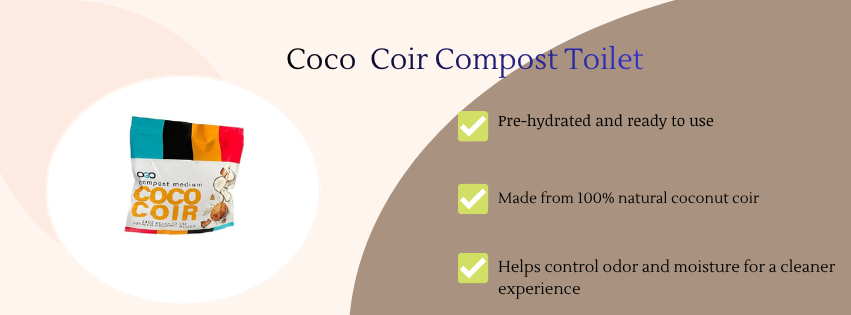
    Coco Coir Compost Toilet

    Why Managing Soil Moisture Matters

    Plants thrive when soil moisture stays within a stable range:

    • Too dry: leaves wilt, growth stalls, roots shrink.
    • Too wet: roots rot, pests increase, oxygen levels drop.

    Good soil moisture management ensures:

    • Stronger root systems
    • Healthier microbial life
    • More efficient nutrient uptake
    • Reduced watering frequency
    • Better resistance to heat and drought

    The key is balancing water retention with proper drainage—something you can control with a few simple adjustments.

    What Actually You’ll Need

    • Compost or well-rotted organic matter
    • Coco coir or peat-free moisture-retentive materials
    • Mulch (straw, leaves, wood chips, or dry grass clippings)
    • A watering can with a gentle rose or a hose with a fine spray
    • Moisture meter (optional but helpful for beginners)
    • Well-draining containers or raised beds
    • Optional: biochar, perlite, pumice, worm castings

    Step-by-Step: How to Manage Soil Moisture

    1. Build a Soil Mix That Holds and Drains Properly

    The goal is a balance: moisture-holding materials + drainage materials.

    • Add compost to improve structure and moisture retention.
    • Mix in coco coir for sponge-like water-holding ability.
    • Use perlite or pumice in containers to prevent waterlogging.

    Visual cues: Soil should crumble easily but feel lightly moist when squeezed.

    2. Water Deeply and Infrequently

    Shallow watering keeps roots close to the surface where soil dries faster. Instead:

    • Water slowly until moisture reaches 6–8 inches deep.
    • Let the top 1–2 inches dry between waterings (varies by plant).

    Timing: Early morning watering reduces evaporation and fungal issues.

    3. Use Mulch to Maintain Even Moisture

    A mulch layer dramatically slows evaporation.

    • Apply 1–3 inches around the base of plants.
    • Leaves, straw, or wood chips all work well.
    • Refresh every 2–3 months in warm climates.

    Real-world note: In my terrace pots, mulch can reduce watering by 30–50%.

    4. Improve Drainage Where Needed

    If soil stays soggy:

    • Add coarse sand, perlite, or small gravel to large containers.
    • Raise containers slightly so excess water can escape.
    • In garden beds, loosen compacted areas with a garden fork, not a shovel, to avoid smearing clay.

    Warning: Overusing sand in clay soil can create concrete-like clumps add organic matter instead.

    5. Use Self-Watering Methods for Containers

    Container gardens dry out very quickly. Solutions:

    • Self-watering pots
    • Wick systems
    • Bottom-watering trays
    • Water reservoirs at the base

    These maintain consistent moisture without daily attention.

    6. Monitor Soil Moisture Regularly

    You don’t need a gadget, but a moisture meter helps beginners. Old-school method:

    • Push your finger 2–3 inches into the soil.
    • If it feels dry at that depth, it’s time to water.

    7. Adjust Watering for Climate and Season

    • Hot, windy climates: water earlier and mulch heavily.
    • Humid climates: reduce watering frequency to avoid fungal issues.
    • Cooler seasons: plants drink less cut back accordingly.

    8. Support Soil Life

    Healthy microbial activity naturally improves moisture regulation. Add:

    • Worm castings
    • Homemade compost
    • Leaf mold

    Avoid chemical fertilizers that harm beneficial soil organisms.

    Professional Tips & Best Practices

    • Add biochar that’s been soaked in compost tea it holds moisture extremely well.
    • Avoid overwatering seedlings; their roots are shallow and easy to rot.
    • In balconies exposed to wind, use windbreaks to reduce moisture loss.
    • Group plants with similar watering needs to avoid over- or under-watering.
    • Repot old, tired potting soil yearly moisture retention declines over time.

    FAQ

    1. Why does my soil stay wet on top but dry underneath? Water may be running off or draining too quickly before soaking in. Water more slowly or amend soil with coir/compost.

    2. How often should I water container plants? Most need watering every 1–3 days in warm weather, but frequency depends on pot size, soil mix, and sun exposure.

    3. Why do my plants wilt even when soil is moist? Roots may be waterlogged and suffocating. Improve drainage and reduce watering.

    4. Can mulch cause fungus? Only if stacked directly against the stem. Keep mulch a few inches away from plant bases.

    5. Is sandy soil bad for moisture management? Not bad, but it drains fast. Add compost and coir to balance it.

    6. Should I use a moisture meter? Yes especially if you struggle to judge moisture levels by touch.

    When NOT to Use Certain Moisture-Management Methods

    • Heavy mulching in cool, wet climates can cause rot use thinner layers.
    • Moisture-retentive mixes shouldn’t be used for succulents or Mediterranean herbs (lavender, rosemary, thyme).
    • Avoid compost-heavy mixes for plants sensitive to rich soil.

    Alternative Methods

    • Drip irrigation: reliable for larger gardens but overkill for small balconies.
    • Hydrogels: hold water but can break down into microplastics not ideal for eco-friendly gardens.
    • Clay amendments: increase moisture retention in sandy soil but must be used sparingly.

    For home gardeners, compost + mulch + proper watering technique is the simplest long-term solution.

    Conclusion

    Knowing how to manage soil moisture is one of the most valuable skills for any home gardener. With the right soil mix, consistent watering habits, and a protective mulch layer, you’ll keep your plants healthier and far less stressed without watering every day. Start small, observe how your soil responds, and adjust gradually. Moisture management is a rhythm, not a one-time fix, and with patience, your garden will reward you with stronger growth and fewer problems season after season.

  • How to increase moisture retention in soil

    Every product is independently reviewed and selected by our editors. If you buy something through our links, we may earn an affiliate commission at no extra cost to you.

    If your garden soil dries out faster than you can water it, you’re not alone. In many home gardens especially balcony containers, raised beds, and terrace planters the soil loses moisture far more quickly than beginners expect. I’ve seen this firsthand in my own raised beds: water would disappear within minutes, leaving plants stressed and wilting by midday.

    This usually happens because the soil lacks organic matter, has too much sand, or is exposed to direct sun and wind. The good news is that learning how to increase moisture retention in soil is simple once you understand how soil structure works.

    The methods below come from hands-on use in small urban gardens, container setups, balcony pots, and backyard beds practical steps anyone can apply right away.

    Why This Method Works

    Soil moisture retention depends on three things: structure, organic content, and surface protection.

    • Organic matter acts like a sponge, absorbing and holding water.
    • Good structure creates spaces that hold moisture without becoming waterlogged.
    • Mulch protects the soil surface from sun and wind, reducing evaporation dramatically.
    • Healthy microbes help break down materials into humus, which stores moisture even better.

    In real gardens, the combination of these factors is what turns dry, crumbly soil into the kind that stays evenly moist perfect for most herbs, vegetables, and ornamentals.

    What Actually You’ll Need

    • Compost (homemade or store-bought)
    • Coco coir or peat-free renewable alternatives
    • Aged manure (optional but helpful)
    • Mulch (straw, dried leaves, wood chips, or grass clippings)
    • Watering can or hose with a gentle sprayer
    • Soil fork or hand trowel
    • Gravel trays or saucers for containers
    • Optional: biochar, worm castings, or clay-rich soil amendments

    How to Increase Moisture Retention in Soil: Step-by-Step

    1. Add Compost for Long-Term Moisture Storage

    The best time is early morning or late afternoon to avoid working hot, dry soil.

    • Mix 2–3 inches of compost into the top 6–8 inches of soil.
    • Compost darkens the soil and holds water without making it soggy.
    • In containers, aim for at least 20–30% compost in the mix.

    Visual cue: Soil should look darker, crumbly, and slightly springy when squeezed.

    2. Use Coco Coir to Improve Sponge-Like Water Holding

    Coco coir excels in pots and raised beds.

    • Hydrate coir blocks in a bucket it expands a lot.
    • Mix 10–40% coir into potting soil for noticeably longer moisture retention.

    Tip: Coir rehydrates more easily than peat when it dries out.

    3. Add Mulch to Reduce Evaporation

    This is the step most beginners underestimate.

    • Apply 1–3 inches of mulch around plants.
    • Use straw, chopped leaves, pine needles, or wood chips depending on availability.

    Environmental note: Mulch also protects soil life worms love the cooler, moist environment underneath.

    4. Water Deeply, Not Frequently

    Fast, shallow watering encourages weak, shallow roots. Instead:

    • Water slowly until the soil is moist down to 6 inches.
    • Use a slow-setting nozzle or a watering can with a gentle rose.

    Climate note: In very hot climates, water early morning for minimal loss.

    5. Improve Soil Structure with Organic Additions

    Every season, top-dress with compost or aged manure. Over time, this builds humus the most effective natural moisture reservoir in soil.

    6. Shade the Soil Surface in Extreme Heat

    In terrace gardens or balconies with harsh sunlight:

    • Use shade cloth (30–40% shade) during heatwaves.
    • Grow groundcovers like mint or thyme around larger plants.

    This reduces soil temperature and keeps moisture locked in.

    7. For Containers: Use Self-Watering Techniques

    Containers dry out much faster than ground beds. Try:

    • Self-watering pots
    • Wick systems
    • Pebble trays
    • Water reservoirs at the base

    These methods maintain even moisture without overwatering.

    Professional Tips & Best Practices

    • Mix a handful of biochar into each container it stores moisture extremely well once charged with compost tea or worm castings.
    • Avoid using too much sand in potting mixes; it drains quickly and doesn’t hold moisture.
    • Never let coco coir-based soil go bone dry; rewetting becomes harder.
    • In vegetable beds, mulch after seedlings reach 3–4 inches tall.
    • If you have pets or children, avoid cocoa mulch (toxic when ingested).
    • In windy balconies or terraces, windbreaks (mesh, tall plants, screens) greatly reduce drying.

    FAQ

    1. Why does my soil dry out so fast even when I water every day? Likely low organic matter, too much sand, direct sun, or strong wind. Improving soil structure and mulching usually fixes it.

    2. Can I increase moisture retention without buying anything? Yes. Use homemade compost, dried leaves as mulch, and bottom-watering trays for containers.

    3. How often should I reapply mulch? Every 2–4 months. Organic mulch breaks down over time, improving soil in the process.

    4. Is adding clay a good idea to improve water retention? Only in small amounts. Clay improves holding capacity but too much creates heavy, compacted soil.

    5. Why does potting soil drain so fast in hot weather? Container soil heats up more quickly than ground soil, causing rapid evaporation. Coir, mulch, and shade help.

    6. Can overwatering improve moisture retention? No. Overwatering causes root rot. Aim for deep, infrequent watering instead.

    When NOT to Use This Method

    • If you’re growing plants that prefer dry, lean soil (lavender, rosemary, succulents), avoid excessive moisture-retentive amendments.
    • In clay-heavy soil, adding too much compost at once can create a sticky mess improve slowly over time.
    • Avoid coir or manure for salt-sensitive plants unless you rinse or age it well.

    Alternative Methods or Solutions

    • Hydrogels: Hold water well but break down into microplastics avoid in eco-friendly gardens.
    • Drip irrigation: Great for larger gardens but unnecessary for small balconies.
    • Soil wetting agents: Useful for hydrophobic soil, but choose organic types if possible.

    Compost + mulch remains the most reliable, sustainable method for home gardeners.

    Conclusion

    Learning how to increase moisture retention in soil makes gardening dramatically easier fewer wilted plants, fewer watering runs, and stronger root systems. Start with compost, add coir for containers, protect the soil with mulch, and water deeply. With consistent care, even the driest garden soil becomes rich, moist, and full of life.Healthy soil builds healthy plants focus on long-term improvements, stay patient, and your garden will reward you season after season.