Every product is independently reviewed and selected by our editors. If you buy something through our links, we may earn an affiliate commission at no extra cost to you.
A blank fence is wasted growing space. Whether you have a compact patio, a narrow side yard, or a small suburban backyard, hanging fence planters outdoor can instantly transform vertical surfaces into productive, beautiful garden areas. The key is not just hanging pots randomly but doing it correctly for drainage, structural support, plant health, and long-term maintenance. This guide walks you through exactly how to install and maintain outdoor fence planters that thrive not just survive. If you’re working with limited ground space, traditional garden beds aren’t always practical. Many homeowners struggle with:
- Tiny patios
- HOA restrictions
- Poor native soil
- Hardscaped backyards
- Rental limitations
Hanging fence planters solve these issues by turning vertical space into growing space. When installed properly with the right soil mix, drainage strategy, plant selection, and sun exposure they can outperform ground beds in small environments.
By the end of this guide, you’ll know:
- Which planters work best for different fence types
- How to prevent water damage and rot
- What soil mix prevents root problems
- Which plants thrive in vertical setups
- How to avoid the most common beginner mistakes
Why Hanging Fence Planters Work So Well in Small Spaces
They Maximize Vertical Real Estate
In urban and suburban lots, vertical surfaces are underused. Fence-mounted planters:
- Increase growing area without expanding footprint
- Improve air circulation around plants
- Reduce soil-borne pest issues
- Make harvesting easier
They Improve Drainage (If Done Correctly)
Elevated planters drain more efficiently than ground beds because excess water escapes freely. However, drainage holes are non-negotiable.
Without drainage:
- Roots suffocate
- Soil compacts
- Fungal diseases increase
Proper vertical installation also prevents standing water at fence bases, which protects wood structures.
Choosing the Right Hanging Fence Planters Outdoor
Not all planters are fence-friendly. Weight, depth, and mounting hardware matter.
1. Material Options
Plastic or Resin Planters (Budget-Friendly)
Pros:
- Lightweight
- Affordable
- Weather resistant
Cons:
- Can fade in full sun
- Less aesthetic for high-end design
Best for renters or temporary setups.
Metal Trough Planters
Pros:
- Modern aesthetic
- Durable
- Slim profile
Cons:
- Heat retention in hot climates
- Heavier when filled
If using metal in USDA Zones 8–11, ensure afternoon shade to prevent root overheating.
Wood Planters
Pros:
- Natural look
- Blends with fencing
Cons:
- Requires sealing
- Heavier
- Can rot without drainage
Use cedar or redwood for natural rot resistance.
2. Depth Requirements by Plant Type
This is where most beginners go wrong.
- Herbs (basil, parsley, thyme): 6–8 inches deep
- Leafy greens: 6–8 inches
- Strawberries: 8 inches
- Annual flowers: 6–10 inches
- Dwarf peppers: 10–12 inches
- Cherry tomatoes: 12 inches minimum
Shallow planters dry out faster and limit root growth. When in doubt, go deeper.
3. Mounting Systems That Won’t Damage Your Fence
The planter must be secured safely without trapping moisture against wood.
Options:
- Heavy-duty metal brackets
- French cleat systems
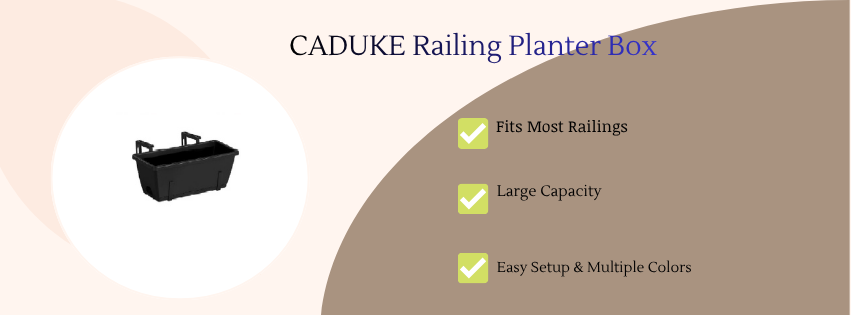
- Adjustable railing hooks
- Mounted rail systems
Always leave a ½–1 inch gap between planter and fence for airflow. This prevents mold and wood rot.
Avoid drilling directly into vinyl fences unless manufacturer-approved.
Soil Composition for Outdoor Fence Planters
Never use native garden soil in hanging containers. It compacts and restricts oxygen flow.
Ideal Potting Mix Formula
- 50–60% high-quality peat or coco coir
- 20–30% compost
- 10–20% perlite or pumice
- Slow-release organic fertilizer blended in
Why this works:
- Lightweight
- Drains efficiently
- Holds moisture without waterlogging
- Encourages healthy root expansion
Cost impact:
- Budget potting mix: $8–$12 per bag
- Premium organic mix: $18–$25 per bag
Premium mixes reduce fertilizing frequency and improve plant vigor.
Sun Exposure: Match Plants to Fence Direction
Fence orientation determines success.
South-Facing Fence
- 6–8+ hours direct sun
- Ideal for tomatoes, peppers, petunias, lavender
- Requires more frequent watering
West-Facing Fence
- Intense afternoon sun
- Choose heat-tolerant plants
- Consider light-colored containers
East-Facing Fence
- Gentle morning sun
- Great for herbs and leafy greens
North-Facing Fence
- Mostly shade
- Use ferns, impatiens, hostas (Zones 3–9)
Wrong plant + wrong direction = stunted growth and disease.
Watering Strategy for Hanging Fence Planters Outdoor
Vertical containers dry out faster than ground beds.
General Watering Frequency
- Spring: 1–2 times per week
- Summer: 2–4 times per week
- Heat waves: Possibly daily for shallow containers
Signs of underwatering:
- Wilting by midday
- Crispy leaf edges
Signs of overwatering:
- Yellow leaves
- Mushy stems
- Fungus gnats
Self-Watering Systems
Consider:
- Self-watering trough planters
- Drip irrigation kits
- Gravity-fed vertical systems
Why they help:
- Maintain consistent moisture
- Reduce maintenance
- Lower plant stress
Budget drip kit: $40–$80 Premium automated system: $150–$400
Best Plants for Hanging Fence Planters Outdoor
Herbs (Zones 3–10 as annuals)
- Basil
- Thyme
- Oregano
- Mint (contain aggressively)
- Parsley
Low root depth, high productivity.
Edibles
- Cherry tomatoes (determinate varieties)
- Dwarf peppers
- Lettuce
- Arugula
- Strawberries
Choose compact varieties labeled “patio” or “container.”
Ornamentals
- Petunias
- Geraniums
- Calibrachoa
- Trailing verbena
- Sweet potato vine
These create cascading visual impact.
Common Beginner Mistakes (And How to Avoid Them)
1. Overloading the Fence
Wet soil is heavy. A 24-inch planter can weigh 30–40 pounds when saturated.
Solution:
- Use brackets rated for 50+ pounds
- Distribute weight evenly
2. No Drainage Holes
Always drill holes if missing.
3. Planting Too Densely
Overcrowding reduces airflow and increases disease risk.
4. Ignoring Fertilization
Container plants require feeding every 2–4 weeks during growing season.
Use:
- Liquid organic fertilizer
- Slow-release granular blends
Budget vs Premium Setup Comparison
Budget Setup ($75–$150)
- Plastic railing planters
- Basic potting mix
- Manual watering
- Annual plants
Maintenance: Higher watering frequency.
Premium Setup ($300–$800+)
- Modular vertical rail system
- Drip irrigation
- Premium soil mix
- Mixed perennials + edibles
Maintenance: Lower long-term effort, higher upfront cost.
Pest Prevention Basics
Fence planters have fewer soil pests but can attract:
- Aphids
- Spider mites
- Whiteflies
Prevention strategy:
- Inspect weekly
- Hose off undersides
- Use neem oil spray as needed
- Avoid overcrowding
Healthy plants resist pests better.
FAQ
Do hanging fence planters damage wood fences?
Only if drainage is poor or airflow is blocked. Leave space behind planters and avoid constant moisture contact.
How deep should a fence planter be?
Minimum 6 inches for herbs and flowers. 10–12 inches for vegetables like peppers and tomatoes.
How often should I water outdoor hanging planters?
2–4 times per week in summer, depending on depth and sun exposure.
Can I grow vegetables in fence planters?
Yes. Choose compact varieties and provide adequate depth and fertilization.
What’s the best soil for hanging fence planters outdoor?
A lightweight potting mix with compost and perlite for drainage.
Are self-watering fence planters worth it?
Yes if you travel often or live in hot climates. They reduce plant stress and watering frequency.
Conclusion
Hanging fence planters outdoor are more than decorative accents they’re strategic solutions for small-space gardening. When installed with proper drainage, lightweight soil, correct plant depth, and secure mounting, they create productive vertical gardens that thrive for years. The difference between struggling plants and flourishing ones comes down to planning:
- Choose appropriate container depth
- Match plants to sun exposure
- Invest in quality potting mix
- Ensure proper drainage and airflow
Start with one section of fence. Test your sun conditions. Build gradually. Within one season, you’ll transform an unused vertical surface into a vibrant, productive extension of your garden without sacrificing valuable ground space.
