Every product is independently reviewed and selected by our editors. If you buy something through our links, we may earn an affiliate commission at no extra cost to you.
A plain fence is one of the most overlooked gardening opportunities in any yard. With the right fence planters ideas, that empty vertical space can become a lush herb wall, a cascading flower display, or even a productive mini vegetable garden. Whether you have a compact patio, suburban backyard, or narrow side yard, fence-mounted planters allow you to grow more without sacrificing square footage. This guide walks you through practical, horticulture-backed ideas that actually work covering soil, drainage, mounting safety, plant selection, sun exposure, USDA zones, and maintenance realities.
Many homeowners face the same frustrations:
- Limited ground space
- Poor native soil
- Too much hardscape
- HOA restrictions
- Small patios or rental properties
Traditional garden beds aren’t always practical. Fence planters solve these problems by using vertical real estate efficiently. When properly installed with correct container depth, drainage, soil composition, and plant selection they can be just as productive as raised beds. In this article, you’ll discover fence planter designs that are functional, structurally safe, and easy to maintain long term.
Why Fence Planters Work in Small Spaces
Fences are unused growing surfaces. By adding planters:
- You expand planting area without increasing footprint
- Improve airflow (reduces fungal disease)
- Keep produce accessible for harvesting
- Reduce soil-borne pests
Vertical growing is especially useful in urban and suburban lots under 5,000 sq ft.
They Improve Drainage (If Installed Correctly)
Elevated planters drain more efficiently than in-ground beds—but only when:
- Drainage holes are present
- Soil mix is lightweight
- Containers aren’t pressed tightly against wood
Without drainage, roots suffocate, leading to root rot and fungal issues.
Fence Planters Ideas That Actually Work
Below are proven designs based on real-world performance not just aesthetics.
1. Trough-Style Horizontal Fence Planters
Long rectangular planters mounted along fence panels create a clean, modern look.
Why It Works
- Provides consistent soil depth
- Easier irrigation management
- Ideal for herbs and cascading flowers
Best Plants
- Basil, thyme, parsley (6–8″ depth)
- Petunias and calibrachoa
- Strawberries (8″ depth minimum)
Installation Tips
- Use heavy-duty metal brackets rated 50+ lbs
- Leave ½–1 inch gap from fence for airflow
- Secure into fence posts—not just panels
Cost Impact
- Budget plastic troughs: $15–$30 each
- Powder-coated metal: $40–$90 each
Maintenance: Moderate watering frequency, especially in summer.
2. Vertical Pocket Planter Systems
Fabric or modular plastic pocket systems create living walls.
Why It Works
- Maximizes planting density
- Great for shallow-rooted plants
- Lightweight compared to wood
Best Use
- Leafy greens
- Annual flowers
- Culinary herbs
Caution
Shallow pockets (4–6 inches) dry out fast. In USDA Zones 8–11, daily watering may be necessary in summer.
Soil Mix Adjustment
Use extra perlite (20–30%) to improve drainage and prevent compaction.
Cost
- Fabric systems: $40–$120
- Modular rigid systems: $150–$600
Maintenance: High without drip irrigation.
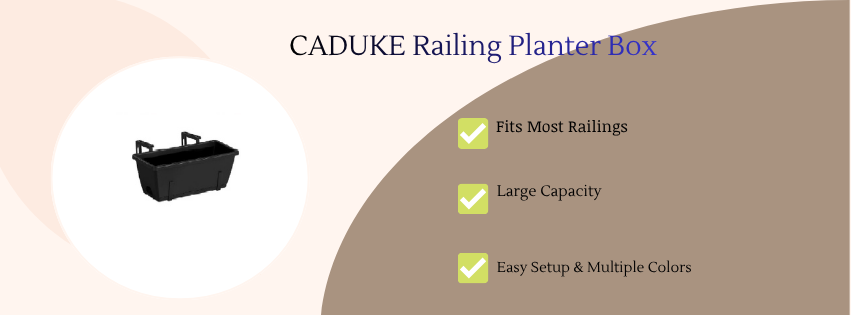
3. Hanging Rail Planters for Rental-Friendly Gardens
If drilling into fences isn’t allowed, railing-style hanging planters are ideal.
Why It Works
- No permanent damage
- Easy seasonal rotation
- Lightweight
Choose models with adjustable hooks and stabilizing brackets.
Container Depth
Minimum 6 inches for flowers, 10–12 inches for vegetables.
Beginner Mistake
Overloading thin vinyl fences. Always check manufacturer weight limits.
4. Tiered Fence Shelf Systems
Install narrow shelving attached to fence posts for multiple rows of containers.
Why It Works
- Customizable spacing
- Easy access for watering
- Flexible plant rotation
Structural Guidelines
- Use pressure-treated lumber or cedar
- Anchor shelves to fence posts
- Seal wood annually
Best For
- Mixed herb collections
- Seedling trays
- Ornamental arrangements
Cost range: $150–$500 depending on materials.
Maintenance: Moderate; requires structural inspection yearly.
5. Mounted Raised Bed Boxes
Deeper wood boxes (10–12+ inches) mounted along fence base provide serious growing capacity.
Why It Works
- Supports deeper root systems
- Better moisture retention
- Suitable for compact vegetables
Ideal For
- Dwarf peppers
- Determinate cherry tomatoes
- Bush beans
Soil Composition
- 50% peat or coco coir
- 30% compost
- 20% perlite/pumice
- Slow-release organic fertilizer
Deeper soil reduces watering frequency and improves plant stability.
6. Decorative Flower Wall Designs
If your primary goal is curb appeal, cascading ornamental displays deliver maximum visual impact.
Best Trailing Plants
- Sweet potato vine
- Verbena
- Lobelia
- Ivy geranium
Match color palettes to exterior finishes.
Maintenance impact: Deadheading required every 1–2 weeks.
Matching Fence Planters to Sun Exposure
Fence orientation determines success more than planter style.
South-Facing Fence
- 6–8+ hours direct sun
- Ideal for vegetables
- Higher watering needs
West-Facing Fence
- Intense afternoon heat
- Use heat-tolerant varieties
- Light-colored containers prevent root overheating
East-Facing Fence
- Gentle morning sun
- Ideal for herbs and leafy greens
North-Facing Fence
- Mostly shade
- Choose ferns, impatiens, hostas (Zones 3–9)
Plant failure often results from mismatched sun conditions—not poor care.
Watering Strategies for Fence Planters
Vertical containers dry out faster due to airflow.
General Watering Frequency
- Spring: 1–2 times weekly
- Summer: 2–4 times weekly
- Heat waves: Possibly daily
Check soil moisture 2 inches deep before watering.
Drip Irrigation for Fence Planters
Drip systems reduce maintenance and increase consistency.
Buying criteria:
- Adjustable emitters
- UV-resistant tubing
- Timer compatibility
Budget kits: $50–$100 Automated systems: $200–$500
Drip irrigation pays off long term in reduced plant stress.
Soil and Fertilization Best Practices
Container plants rely entirely on you for nutrients.
Fertilization Schedule
- Liquid feed every 2–3 weeks
- Or slow-release granules every 6–8 weeks
Over-fertilization causes salt buildup and leaf burn.
Flush containers with water monthly to prevent salt accumulation.
Pest Prevention Basics
Fence planters experience fewer soil pests but can attract:
- Aphids
- Spider mites
- Whiteflies
Prevention:
- Weekly inspections
- Rinse undersides with hose
- Apply neem oil as needed
Healthy soil and airflow reduce pest pressure dramatically.
Budget vs Premium Fence Planter Setup
Budget Setup ($100–$250)
- Plastic trough planters
- Basic potting mix
- Manual watering
- Annual flowers or herbs
Higher ongoing maintenance.
Premium Setup ($400–$900+)
- Modular vertical rail system
- Drip irrigation
- Premium soil mix
- Mixed perennials and edibles
Lower long-term maintenance, higher upfront investment.
Common Beginner Mistakes
- No drainage holes
- Overcrowding plants
- Ignoring sun exposure
- Underestimating weight when soil is wet
- Using garden soil instead of potting mix
Wet soil can double planter weight—always anchor into fence posts.
FAQ
What is the best type of planter for fences?
Lightweight resin or metal trough planters are ideal for most homeowners due to durability and manageable weight.
How deep should fence planters be?
6–8 inches for herbs and flowers; 10–12 inches minimum for vegetables.
Can fence planters damage wood fencing?
Yes, if moisture is trapped. Leave airflow space and ensure drainage holes.
What vegetables grow well in fence planters?
Cherry tomatoes, dwarf peppers, lettuce, spinach, bush beans, and strawberries.
How often should I water fence-mounted planters?
Typically 2–4 times per week in summer, depending on depth and sun exposure.
Are vertical fence planters high maintenance?
They require more frequent watering than ground beds but can be automated with drip systems.
Conclusion
Fence planters ideas are more than decorative upgrades they’re strategic solutions for small-space gardening. By using proper container depth, lightweight soil mixes, correct sun placement, and secure mounting systems, you can turn any fence into a productive vertical garden. Start small. Install one section. Observe how sun and moisture behave in your space. Then expand. With thoughtful planning, your once-empty fence can become a thriving wall of herbs, flowers, or fresh vegetables adding beauty, productivity, and long-term value to your outdoor space.
