Every product is independently reviewed and selected by our editors. If you buy something through our links, we may earn an affiliate commission at no extra cost to you.
A blank fence is unused growing space. The right fence hanging planters from Home Depot can turn it into a vertical herb wall, flower display, or privacy screen without building a full raised bed system. But not every planter labeled “fence-friendly” is structurally safe, deep enough for roots, or designed for long-term outdoor exposure. If you want planters that won’t sag, dry out in two days, or damage your fence, this guide walks you through exactly what to look for, what to avoid, and how to install them correctly. Many homeowners buy fence hanging planters expecting an easy upgrade only to end up with cracked plastic, overwatered plants, or fence boards pulling loose from excess weight. The problem isn’t the idea. It’s improper planter depth, poor drainage, weak mounting hardware, and mismatched plant selection.
This guide covers:
- The best types of fence hanging planters available at Home Depot
- Correct container depth for herbs, vegetables, and flowers
- Soil composition for vertical planters
- Drainage setup that won’t rot your fence
- Light exposure planning by fence direction
- Budget vs premium setup comparison
- Long-term maintenance realities
Search intent: Hybrid informational + commercial (buyers researching Home Depot fence hanging planters before purchase).
Quick Summary Box
Best For: Small yards, patios, balconies, rental-friendly gardens Minimum Depth: 8–12 inches for vegetables; 6–8 inches for flowers Soil Mix: Lightweight potting mix + compost + perlite Drainage: Mandatory holes + spacer gap from fence Weight Consideration: 40–90 lbs when fully watered Sun Matching: South/West = full sun crops; North = shade plants Watering Frequency: 2–4 times weekly in summer USDA Zones: Suitable in zones 3–10 (seasonal adjustment needed)
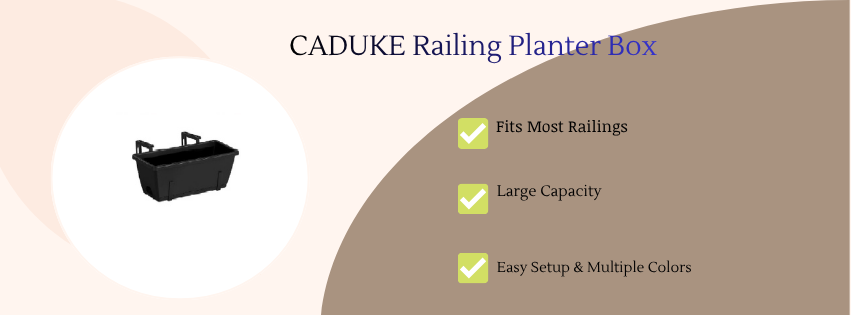
Types of Fence Hanging Planters at Home Depot (What Actually Works)
Home Depot typically carries several planter categories suitable for fence mounting. Here’s how they perform in real-world conditions.
1. Resin Wall-Mounted Trough Planters
Common Brands: Southern Patio, Vigoro, Mayne Depth Range: 6–12 inches Material: UV-stabilized resin or polyethylene
Why They Work
Resin planters are lightweight yet durable. They resist rot and are less likely to warp than untreated wood.
Best Use
- Herbs
- Strawberries
- Trailing flowers
- Leafy greens
Pros
- Lightweight
- Affordable ($25–$80)
- Rust-resistant brackets
Cons
- Shallow models restrict root crops
- Can fade in intense sun (zones 8–10)
Buying Criteria
- Choose at least 8 inches deep for herbs.
- Ensure built-in drainage holes.
- Look for reinforced mounting brackets rated for 50+ lbs.
Maintenance Impact
Moderate watering frequency due to faster drying.
2. Metal Hanging Basket Systems
Often marketed for railings but adaptable for fences.
Depth: 6–8 inches
Why They’re Limited
Metal baskets dry out quickly due to airflow exposure. Liners degrade over time.
Best Use
- Annual flowers
- Shallow-root ornamentals
Avoid For
- Tomatoes
- Peppers
- Perennials
Cost
$15–$40 per basket (budget-friendly but short lifespan).
3. Wooden Fence Planter Boxes
Often cedar or treated pine.
Depth: 8–12 inches
Why They’re Popular
Cedar is naturally rot-resistant and blends visually with fencing.
Pros
- Strong root space
- Durable in zones 4–9
- Aesthetically cohesive
Cons
- Heavier than resin
- Requires proper sealing
- Higher cost ($70–$200)
Maintenance Impact
Seal every 1–2 years to extend lifespan.
4. Vertical Modular Wall Planter Systems
Stackable pocket systems or grid-mounted containers.
Depth: 5–8 inches per pocket
Why They Work
Maximize vertical growing surface.
Limitations
- Very shallow root zones
- Requires frequent watering
- Drip irrigation strongly recommended
Cost
$100–$400 depending on system size.
Best suited for decorative herb walls, not heavy vegetable production.
How Deep Should Fence Hanging Planters Be
Depth determines plant success.
| Plant Type | Minimum Depth |
|---|---|
| Lettuce | 6 inches |
| Basil | 8 inches |
| Strawberries | 8 inches |
| Peppers | 10–12 inches |
| Cherry Tomatoes | 12 inches |
| Lavender | 10–12 inches |
Shallow planters dry quickly and limit root development. For productive vegetables, prioritize depth over width.
Soil Composition for Fence Hanging Planters
Never use garden soil from your yard. It compacts, becomes heavy, and suffocates roots.
Recommended Soil Mix
- 50% high-quality potting mix
- 25% compost (well-aged)
- 15% perlite or pumice
- 10% coco coir or peat moss
Why This Works
- Lightweight (reduces fence strain)
- Excellent drainage
- Retains moisture without becoming soggy
Cost Impact
Premium potting mixes cost more initially but reduce plant loss and fertilizer needs.
Drainage Setup That Won’t Damage Your Fence
This is where most beginners fail.
Key Rules
- Confirm multiple drainage holes.
- Leave a ½–1 inch air gap between planter and fence.
- Use mounting spacers or brackets.
- Avoid direct wood contact with wet soil.
Why It Matters
Constant moisture against wood fencing leads to:
- Rot
- Mold growth
- Structural weakening
For wooden fences, consider adding a waterproof membrane behind mounting points.
Light Exposure by Fence Direction
Understanding orientation prevents plant failure.
South-Facing Fence
- 6–8+ hours sun
- Ideal for tomatoes, peppers, rosemary
- Fence radiates heat in USDA zones 5–8
West-Facing Fence
- Intense afternoon heat
- Use drought-tolerant plants
- Increase watering frequency
East-Facing Fence
- Gentle morning sun
- Best for herbs and greens
North-Facing Fence
- Partial to full shade
- Grow mint, parsley, ferns, lettuce
Matching plant choice to sun exposure reduces stress and pest susceptibility.
Watering Strategy (Critical for Vertical Planters)
Fence-mounted planters dry faster due to airflow on all sides.
General Watering Schedule
- Spring: 1–2 times weekly
- Summer: 2–4 times weekly
- Heat waves: Daily monitoring
Upgrade Option: Drip Irrigation Kit
A small drip irrigation kit from Home Depot:
- Saves time
- Prevents overwatering
- Reduces fungal disease
Buying Tip: Choose adjustable emitters and a timer.
Cost: $40–$120.
Weight and Structural Safety
Wet soil weighs significantly more than dry soil.
Example: A 36-inch resin planter filled with moist soil can weigh 70–90 lbs.
Installation Guidelines
- Mount into fence posts, not just pickets.
- Use exterior-grade lag bolts.
- Avoid drywall screws.
- Distribute weight evenly.
If your fence is older than 10 years or already leaning, avoid heavy planters.
Budget vs Premium Setup Comparison
| Feature | Budget Setup | Premium Setup |
|---|---|---|
| Planter | Resin trough | Cedar or fiberglass |
| Irrigation | Hand watering | Automated drip |
| Hardware | Basic screws | Lag bolts + brackets |
| Soil | Standard potting mix | Custom lightweight blend |
| Total Cost | $150–$300 | $500–$1,200 |
Premium systems reduce long-term maintenance and plant loss.
Beginner Mistakes to Avoid
1. Buying Too Shallow
Plants struggle in 5-inch pockets.
2. Overloading Fence Panels
Always anchor into structural supports.
3. Skipping Drainage
Leads to root rot and fence damage.
4. Ignoring Sun Direction
Causes stunted growth.
5. Underestimating Water Needs
Vertical containers dry quickly.
FAQ
Are fence hanging planters from Home Depot durable?
Yes, especially UV-stabilized resin and cedar models. Avoid thin plastic that becomes brittle in full sun.
Can I grow vegetables in fence hanging planters?
Yes, if depth is at least 10–12 inches for crops like peppers and cherry tomatoes.
Will hanging planters damage my fence?
Only if improperly mounted or if drainage allows constant moisture against wood.
How often should I water fence planters?
Typically 2–4 times weekly in summer. Adjust based on heat and sun exposure.
What is the best material for outdoor fence planters?
Cedar and fiberglass last longest. UV-stabilized resin is lightweight and affordable.
Do I need irrigation for fence planters?
Not mandatory, but highly recommended for convenience and consistent plant health.
Final Thoughts
Fence hanging planters from Home Depot can dramatically expand your growing space when chosen and installed correctly. The key factors are depth, drainage, weight management, and matching plant choice to sun exposure.
When properly mounted with quality soil and adequate watering, fence planters offer:
- Increased planting capacity
- Improved airflow
- Reduced ground clutter
- Better aesthetic appeal
- Efficient use of small outdoor spaces
Start with one deep, well-mounted planter. Focus on proper soil composition and drainage. As you gain confidence, expand vertically. A thoughtfully installed fence planter system transforms unused fencing into productive, beautiful growing space that performs season after season.
