Every product is independently reviewed and selected by our editors. If you buy something through our links, we may earn an affiliate commission at no extra cost to you.
Extra large planter pots can instantly anchor a patio, frame a front entry, or create privacy on a deck. But once you move into oversized containers 24 inches and up you’re no longer just decorating. You’re engineering a controlled root environment. Get it right, and your trees, shrubs, or large ornamental grasses thrive for years. Get it wrong, and you’ll deal with root rot, cracking pots, unstable containers in wind, or plants that decline within a season. This guide explains exactly how to choose and set up extra large planter pots outdoor for durability, drainage, plant health, and climate resilience.
Many homeowners buy oversized planters based purely on appearance. The pot looks impressive in the showroom but once filled with soil and exposed to heat, rain, wind, and freezing temperatures, problems begin.
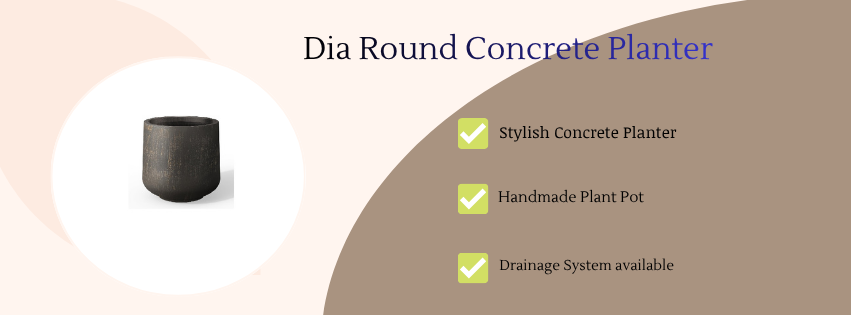
Common issues include:
- Inadequate drainage
- Poor soil structure
- Containers too shallow for root systems
- Cracking during winter freeze-thaw cycles
- Tipping in windy conditions
- Excessive watering due to oversized soil volume
Outdoor extra large planters must balance aesthetics with horticultural performance. In this guide, you’ll learn the correct depth, materials, soil composition, drainage setup, watering frequency, and climate considerations so your investment lasts a decade, not a season.
Quick Summary Box
- Minimum depth: 18–24 inches for most shrubs and small trees
- Choose diameter at least 2–3x root ball width
- Ensure multiple large drainage holes (½ inch minimum)
- Use structured container soil (never garden soil)
- Elevate pots slightly to prevent water stagnation
- Expect watering 2–4 times weekly in summer
- Containers reduce cold hardiness by 1–2 USDA zones
This guide addresses all of those with practical, real-world container gardening experience.
What Qualifies as Extra Large Planter Pots Outdoor
In professional landscape terms, “extra large” typically means:
- 24–36 inches diameter
- 20–30 inches depth
- 20–50+ gallons soil capacity
These are suitable for:
- Small ornamental trees
- Dwarf fruit trees
- Evergreen privacy shrubs
- Large mixed seasonal displays
- Architectural grasses
Anything smaller than 18 inches deep is not truly “extra large” for woody plants.
Why Size and Depth Matter
Oversized planters hold more soil. More soil means:
- Greater moisture retention
- Slower drying time
- Increased risk of root rot if drainage is poor
- Better temperature insulation for roots
Depth Guidelines by Plant Type
| Plant Type | Minimum Depth |
| Annual flower displays | 12–16 inches |
| Ornamental grasses | 16–20 inches |
| Shrubs (boxwood, hydrangea) | 18–24 inches |
| Dwarf trees | 22–30 inches |
Why depth works: Roots grow downward for stability and water access. Shallow wide pots increase tipping risk and restrict development.
Cost impact: Larger pots require significantly more soil expect $80–$200 in soil for very large containers.
Maintenance impact: Bigger pots require less frequent watering but more attention to drainage.
Best Materials for Extra Large Outdoor Planters
Material choice determines durability, insulation, and cost.
1. Fiberglass (Best Overall Performance)
Pros
- Lightweight compared to size
- Frost-resistant
- UV-stable
- Long lifespan (10+ years)
Cons
- Higher upfront cost ($250–$1,000 depending on size)
Why it works: Fiberglass insulates roots and resists cracking during freeze-thaw cycles.
Maintenance: Minimal. Clean annually and inspect drainage holes.
2. High-Grade Resin (Best Budget Option)
Pros
- Affordable ($120–$400)
- Lightweight
- Often frost-resistant
Cons
- May fade over time
- Less structural rigidity than fiberglass
Choose thick-walled, double-layer resin for durability.
Avoid thin plastic in USDA zones 4–6.
3. Concrete or Stone (Maximum Stability)
Pros
- Extremely wind-resistant
- Long-lasting
- Professional appearance
Cons
- Extremely heavy
- Expensive shipping
- Can crack if drainage is poor
Best for permanent installations.
4. Metal (Modern Aesthetic)
Pros
- Sleek design
- Durable
Cons
- Conducts heat (can overheat roots)
- May rust unless powder-coated
In hot climates (zones 8–11), interior insulation is recommended.
Drainage Requirements (Non-Negotiable)
Large outdoor containers must drain efficiently.
Proper Drainage Setup
- 2–4 holes minimum (½ inch diameter or larger)
- Elevated base or pot feet
- No gravel layer at bottom
Why Gravel Fails
Gravel creates a perched water table. Water accumulates above the gravel instead of draining through.
Instead: Use well-structured soil with proper aeration.
Ideal Soil Mix for Extra Large Outdoor Planters
Never use native garden soil. It compacts and suffocates roots.
Professional Container Mix Formula
- 40% high-quality potting mix
- 30% pine bark fines
- 20% compost
- 10% perlite or pumice
Why it works:
- Bark improves air pockets
- Compost adds nutrients
- Perlite enhances drainage
- Mix resists compaction
Maintenance impact: Refresh top 3–4 inches annually.
Cost: $15–$25 per bag; large planters may require 4–8 bags.
Light Exposure and Placement
Most shrubs and trees in extra large outdoor planters require:
- 6–8 hours direct sun (south or west exposure)
- Protection from extreme wind
- Adequate airflow
Partial shade plants (hydrangea, Japanese maple) perform better in east-facing exposures in hot climates.
Placement affects watering frequency dramatically.
Watering Frequency for Extra Large Outdoor Pots
Large containers dry slower than small pots but still faster than in-ground plants.
General Guidelines
Summer:
- Hot climates (zones 8–11): 3–4 times per week
- Moderate climates (zones 5–7): 2–3 times per week
Spring/Fall:
- 1–2 times per week
Winter:
- Water sparingly but never allow roots to dry completely.
Water deeply until excess flows from drainage holes.
Why deep watering works: Encourages deep root development instead of shallow surface roots.
USDA Hardiness Zones and Winter Survival
Container plants effectively lose 1–2 hardiness zones.
Example: A shrub rated for zone 6 should be treated as zone 7–8 in a container.
Winter Protection (Zones 4–6)
- Wrap containers in burlap
- Use foam insulation panels
- Elevate off frozen surfaces
- Group pots together for wind protection
Roots freeze faster in containers than in-ground.
Best Plants for Extra Large Outdoor Planter Pots
Shrubs
- Boxwood (Zones 5–9)
- Hydrangea (Zones 3–9)
- Camellia (Zones 7–10)
- Gardenia (Zones 8–11)
Trees
- Dwarf Japanese Maple (Zones 5–8)
- Olive Tree (Zones 8–11)
- Dwarf Magnolia (Zones 6–9)
- Crape Myrtle (Zones 7–10)
Architectural Plants
- Arborvitae (Zones 3–8)
- Bay Laurel (Zones 8–11)
- Ornamental grasses (Zones vary)
Always select dwarf or compact cultivars.
Irrigation Systems for Large Planters
Manual watering works but drip irrigation improves consistency.
Drip Irrigation Kits
Look for:
- Adjustable emitters
- UV-resistant tubing
- Pressure regulator
Cost: $50–$200 depending on system size.
Benefits: Prevents drought stress and uneven watering.
Maintenance: Inspect emitters monthly.
Common Beginner Mistakes
- Buying too shallow containers
- Using garden soil
- Forgetting winter insulation
- Not checking drainage holes before purchase
- Underestimating soil cost
- Choosing full-size trees instead of dwarf varieties
Most failures are due to root stress, not visible plant disease.
Budget vs Premium Setup Comparison
Budget Setup ($300–$600)
- Thick resin planter
- DIY soil mix
- Slow-release fertilizer
- Manual watering
Pros: Affordable, flexible.
Cons: Shorter lifespan.
Premium Setup ($1,000+)
- Fiberglass or concrete planter
- Custom soil blend
- Drip irrigation system
- Moisture meter
- Frost protection materials
Pros: Long-term durability, professional look.
Cons: High initial cost.
Long-term benefit: Reduced plant replacement and fewer structural issues.
FAQ
How big should extra large outdoor planter pots be?
At least 18–24 inches deep for shrubs and 22–30 inches for trees.
Do extra large outdoor pots need multiple drainage holes?
Yes. At least 2–4 large holes prevent water pooling and root rot.
How often should I water large outdoor planters?
Typically 2–4 times weekly in summer, depending on climate and sun exposure.
Can I leave large planters outside during winter?
Yes, if frost-resistant. Provide insulation in colder USDA zones.
Is concrete better than resin for large planters?
Concrete offers stability but is heavy. High-quality resin or fiberglass is often more practical.
What soil is best for extra large outdoor planters?
A structured container mix with bark, compost, and perlite. Never use native garden soil.
Final Thoughts
Extra large planter pots outdoor are not just decorative containers they are controlled growing systems that must support drainage, root expansion, moisture balance, and climate protection.
When you choose adequate depth, durable materials, proper soil composition, and consistent watering practices, oversized planters can support thriving shrubs and trees for a decade or more.
Prioritize drainage. Invest in structural soil. Protect roots in winter. Choose dwarf cultivars when possible.
Do it correctly, and your extra large planters become permanent architectural features bringing structure, privacy, and beauty to your outdoor space year after year.
Healthy roots build resilient plants. And resilient plants transform outdoor spaces.
