Every product is independently reviewed and selected by our editors. If you buy something through our links, we may earn an affiliate commission at no extra cost to you.
Large indoor plants make a statement. A towering fiddle leaf fig, a mature monstera, or a 6-foot bird of paradise instantly transforms a room. But without proper drainage, those same plants slowly decline yellow leaves, root rot, fungus gnats, and soil that smells sour. If you’re investing in large houseplants, choosing extra large indoor planters with drainage isn’t optional. It’s essential. This guide walks you through exactly how to choose the right planter size, drainage system, soil setup, and maintenance strategy so your plants thrive long-term, not just look good for a season.
Many indoor gardeners upgrade to large statement plants without upgrading their container strategy. They buy decorative oversized pots without drainage holes, layer rocks at the bottom, and assume that’s enough. It’s not. Poor drainage is the number 1 cause of indoor plant failure in large containers. Bigger pots hold more soil, which holds more water and when that water has nowhere to go, roots suffocate.
In this guide, you’ll learn:
- Why drainage is critical in extra large planters
- The correct soil composition for large containers
- How deep your planter really needs to be
- How to prevent root rot and pests
- Budget vs premium planter options
- How to maintain large indoor planters long term
By the end, you’ll know exactly how to set up a large indoor planter system that supports plant health for years.
Quick Summary
- Always choose extra large indoor planters with built-in drainage holes
- Minimum depth: 12–18 inches for most large houseplants
- Use a well-aerated potting mix, not garden soil
- Elevate pots with saucers or pot feet to prevent water buildup
- Avoid rock layers at the bottom—they worsen drainage
- Expect watering every 7–14 days depending on light and plant type
- Prevent fungus gnats with proper drainage and airflow
Why Drainage Matters More in Extra Large Indoor Planters
The Science Behind Root Health
Plant roots need oxygen as much as they need water. In large containers, soil volume increases dramatically. When there’s no drainage:
- Water accumulates at the bottom
- Oxygen levels drop
- Roots begin to rot
- Anaerobic bacteria multiply
- Fungus gnats appear
In extra large indoor planters, the bottom third of the soil can remain wet for weeks if drainage is inadequate.
Why Bigger Pots Increase Risk
Large containers:
- Hold more moisture
- Dry more slowly
- Mask overwatering symptoms
That’s why drainage holes are non-negotiable.
What Counts as “Extra Large” for Indoor Planters
In indoor horticulture, extra large planters typically mean:
- 16–24 inches in diameter
- 15–24 inches deep
- 10–25+ gallons of soil capacity
These are suitable for:
- Fiddle leaf fig (Ficus lyrata)
- Monstera deliciosa
- Rubber plant (Ficus elastica)
- Bird of paradise (Strelitzia)
- Indoor olive trees
- Large palms
Container Depth Guidelines
| Plant Type | Minimum Depth |
| Large foliage plants | 12–16 inches |
| Trees (olive, ficus) | 16–20 inches |
| Deep-rooted tropicals | 18–24 inches |
Shallow oversized pots increase top-heaviness and reduce root development stability.
Best Materials for Extra Large Indoor Planters with Drainage
1. Plastic (Lightweight & Affordable)
Best for: Budget setups, rental homes, frequent rearranging.
Pros:
- Lightweight
- Retains moisture well
- Affordable ($40–$100 for large sizes)
Cons:
- Less aesthetic
- Can crack over time
Maintenance impact: Soil stays moist longer adjust watering frequency accordingly.
2. Fiberglass (Premium Choice)
Best for: High-end interiors.
Pros:
- Lightweight yet durable
- Modern appearance
- Resistant to cracking
Cons:
- Higher cost ($150–$400+)
Excellent long-term investment for statement plants.
3. Terracotta or Ceramic (Heavy & Breathable)
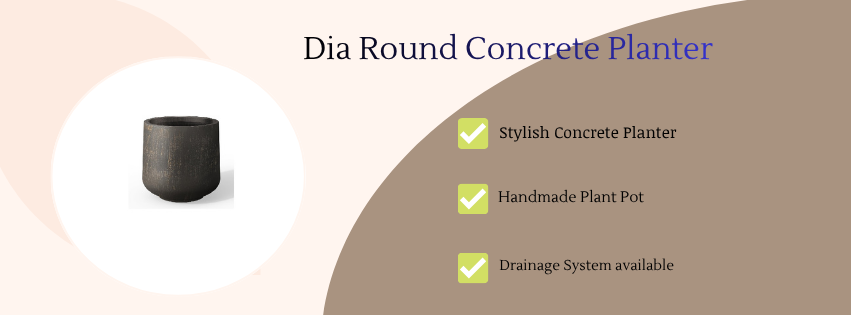
Best for: Mediterranean or natural design styles.
Pros:
- Porous (improves airflow)
- Reduces overwatering risk
Cons:
- Very heavy in large sizes
- Expensive shipping
- Fragile
Terracotta helps regulate moisture but may require more frequent watering.
Proper Soil Mix for Extra Large Indoor Planters
Never use garden soil indoors. It compacts and suffocates roots.
Ideal Soil Composition (By Volume)
- 50% high-quality indoor potting mix
- 25% pine bark fines or orchid bark
- 15% perlite or pumice
- 10% compost or worm castings
Why this works:
- Bark increases aeration
- Perlite improves drainage
- Compost provides nutrients
Cost impact: Premium custom mixes may cost $25–$40 per large planter. Cheaper bagged soil ($10–$15) may require amending.
Maintenance impact: Well-aerated soil reduces root rot risk and cuts pest problems significantly.
The Right Way to Set Up Drainage in Large Indoor Planters
Never Add Rocks at the Bottom
This is a common beginner mistake.
Rocks create a perched water table where water sits above the rock layer. It does not improve drainage.
Instead:
- Ensure the planter has 1–3 large drainage holes.
- Place mesh over holes to prevent soil loss.
- Use a deep saucer or built-in reservoir.
- Elevate slightly with pot feet.
Self-Watering Extra Large Indoor Planters: Are They Worth It
Self-watering systems include:
- Built-in reservoirs
- Wicking systems
- Bottom irrigation chambers
When They Work Well
- Busy homeowners
- Large tropical plants
- Consistent moisture-loving plants (peace lilies, calatheas)
When They Don’t
- Succulents
- Snake plants
- Drought-tolerant species
Cost range: $120–$400 depending on size and design.
Maintenance impact: Refill reservoir every 1–3 weeks. Still monitor soil moisture.
Light Requirements for Large Indoor Plants
Large plants need proportionally more light.
Directional Sunlight Guide
- South-facing windows: Brightest, ideal for ficus, olive trees
- West-facing: Strong afternoon light
- East-facing: Gentle morning light
- North-facing: Low light (may require grow lights)
If your room lacks sufficient light, invest in:
- Full-spectrum LED grow lights
- 30–40 watts for large plants
- Adjustable height fixtures
Budget grow lights start at $40. Premium fixtures range $120–$300.
Without adequate light, large containers stay wet longer because plants use less water.
Watering Frequency for Extra Large Indoor Planters
Watering depends on:
- Light exposure
- Pot material
- Soil mix
- Plant type
- Season
General Guidelines
- Bright light: Every 7–10 days
- Medium light: Every 10–14 days
- Winter: Reduce by 30–50%
Always check soil 2–3 inches deep before watering.
Overwatering symptoms:
- Yellowing leaves
- Drooping despite wet soil
- Fungus gnats
Pest Prevention in Large Indoor Planters
Poor drainage invites:
- Fungus gnats
- Root rot fungi
- Mealybugs
Prevention strategy:
- Allow top 2 inches to dry
- Improve airflow
- Avoid standing water in saucers
- Use sticky traps early if gnats appear
Healthy drainage equals fewer pest outbreaks.
Budget vs Premium Setup Comparison
Budget Setup ($100–$200 total)
- Large plastic planter with drainage
- Standard saucer
- Amended potting mix
- Basic grow light (if needed)
Pros: Affordable and effective.
Cons: Less aesthetic, shorter lifespan.
Premium Setup ($300–$800 total)
- Fiberglass or designer ceramic planter
- Built-in drainage reservoir
- Custom soil blend
- High-end LED grow light
- Decorative pot feet
Pros: Long-lasting, design-forward, optimized plant health.
Cons: Higher upfront cost.
Long-term benefit: Premium containers last 10+ years.
Common Beginner Mistakes
- Buying decorative pots without holes
- Overpotting (choosing containers too large too soon)
- Using garden soil
- Ignoring light levels
- Letting water sit in saucers
Overpotting increases moisture retention and slows root development.
Rule: Increase container size only 2–4 inches in diameter when repotting.
USDA Hardiness Zones and Indoor Planters
USDA zones (3–11 in the U.S.) matter primarily if:
- You move plants outdoors seasonally
- You grow citrus or olive trees indoors
Indoor plants are less zone-dependent, but temperature stability matters.
Most tropical indoor plants prefer:
- 65–80°F
- 40–60% humidity
Avoid cold drafts near windows in winter (zones 4–7 especially).
Best Plants for Extra Large Indoor Planters with Drainage
- Fiddle Leaf Fig
- Monstera Deliciosa
- Rubber Plant
- Bird of Paradise
- Kentia Palm
- Indoor Olive Tree
- Dracaena Marginata
All require excellent drainage and deep containers.
FAQ
Do extra large indoor planters need multiple drainage holes?
Yes. Large planters should have at least 1–3 sizable drainage holes. Multiple holes prevent uneven water pooling and improve root oxygenation.
Can I use a decorative pot without drainage if I add rocks?
No. Rocks do not improve drainage and increase root rot risk. Use a nursery pot inside or drill drainage holes.
How often should I water large indoor plants?
Typically every 7–14 days, depending on light and plant type. Always check soil moisture before watering.
What is the best soil for extra large indoor planters?
A well-draining mix: 50% potting mix, 25% bark, 15% perlite, 10% compost. Avoid dense or heavy soils.
Are self-watering large planters safe for all plants?
No. They are best for tropical plants. Succulents and drought-tolerant plants may develop root rot.
How deep should an extra large indoor planter be?
Minimum 12–16 inches for large foliage plants. Trees may require 18–24 inches.
Final Thoughts
Extra large indoor planters with drainage are not just decorative containers—they are long-term plant health systems.
When you choose the correct depth, soil composition, drainage design, and light exposure, you create an environment where roots can breathe, grow, and stabilize your plant for years.
The difference between a struggling statement plant and a thriving one usually comes down to drainage and soil structure.
Invest thoughtfully. Choose the right planter size. Prioritize drainage holes. Use aerated soil. Monitor light.
Do that, and your large indoor plants won’t just survive they’ll become permanent architectural features in your home.
Healthy roots mean healthy growth. And in large indoor gardening, drainage is everything.
