Every product is independently reviewed and selected by our editors. If you buy something through our links, we may earn an affiliate commission at no extra cost to you.
A two-tiered flower pot made from recycled plastic bottles can transform a small balcony, patio corner, or windowsill into a layered floral display without the cost of stacked ceramic planters.
But for a two-tier system to look beautiful and grow healthy plants, it must support:
- Proper root depth
- Reliable drainage
- Stable weight distribution
- Balanced sunlight exposure
- Moisture control between tiers
In this guide, I’ll walk you through practical, durable, and visually appealing two-tier bottle planter ideas along with soil composition, plant pairing, structural stability, and long-term maintenance.
Most DIY stacked bottle planters fail for one of three reasons:
- Poor drainage between tiers
- Top-heavy instability
- Wrong plant selection for shallow containers
When tiers share drainage incorrectly, the top pot floods the lower one. When weight isn’t distributed properly, the system tips. When large-root plants are used, they outgrow the container quickly.
If you build with structure in mind, however, two-tier bottle planters can become productive vertical gardens ideal for USDA Zones 3–10 (seasonally outdoors).
This guide focuses on designs that actually support plant health not just decoration.
Quick Summary Box
- Best bottle size: 2L soda bottles (thick PET plastic)
- Minimum depth per tier: 6–8 inches
- Drainage: 3–5 holes per tier (5–8mm diameter)
- Ideal soil mix: 40% potting mix, 30% compost, 20% coco coir, 10% perlite
- Best plant pairing: Upright plant on top, trailing plant on bottom
- Sun: South-facing for flowers, east-facing for delicate plants
- Lifespan: 1–3 years outdoors
Core Design Principles for Two-Tier Bottle Planters
Before choosing a design, understand what makes a stacked planter succeed.
1. Independent Drainage per Tier
Each tier must drain separately.
Why:
If the top tier drains directly into the lower tier without overflow control, the bottom roots become waterlogged.
Solution:
- Drill 3–5 drainage holes at the bottom of each tier.
- Add a side overflow hole ½ inch above the base.
- Allow slight air gap between tiers if stacking vertically.
2. Weight Distribution
Wet soil weighs approximately:
- 2L bottle filled with soil: 3–5 lbs
Two tiers combined: 6–10 lbs.
Always:
- Use strong nylon rope or metal rod for vertical support.
- Keep heavier plants on bottom tier.
3. Root Depth Guidelines
| Plant Type | Minimum Depth |
| Herbs | 6 inches |
| Pansies | 6 inches |
| Petunias | 6–8 inches |
| Strawberries | 6–8 inches |
| Leafy greens | 6 inches |
Avoid tomatoes unless depth exceeds 12 inches.
Idea 1: Vertical Stack Tower (Rod-Supported)
Best For:
Balconies, patios, small outdoor walls
How It Works
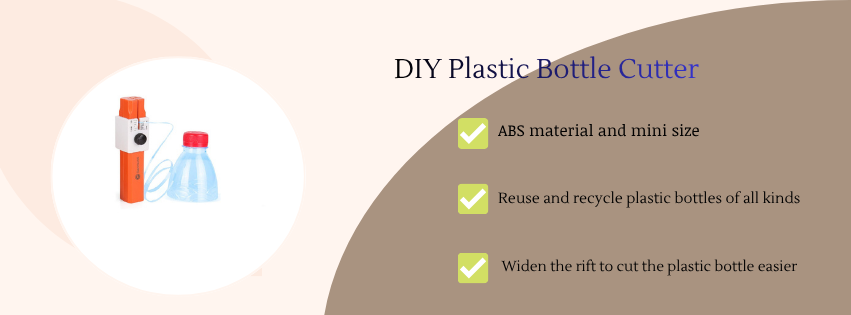
- Cut two 2L bottles horizontally.
- Drill drainage holes in both.
- Insert a metal rod or thick PVC pipe through center.
- Stack vertically with spacers between tiers.
Why it works:
- Strong central support.
- Allows airflow between layers.
- Compact footprint.
Plant Pairing
Top tier:
- Upright flower (marigold, pansy)
Bottom tier:
- Trailing petunia or strawberry
Light Placement: South- or west-facing for full bloom production.
Maintenance: Moderate watering frequency (every 1–2 days in summer).
Cost: $10–$25 depending on support materials.
Idea 2: Hanging Two-Tier Cascade Planter
Best For:
Railings, pergolas, balcony hooks
Construction
- Create two horizontal bottle planters.
- Punch 4 holes near rim of each.
- Thread strong nylon rope vertically.
- Leave 6–8 inches between tiers.
Important: Tie knots below each tier to support weight.
Why this works:
- Excellent airflow.
- Visually dynamic.
- Reduces ground pests.
Best Plants:
Top:
- Basil or upright geranium
Bottom:
- Trailing lobelia or ivy
Avoid overcrowding.
Maintenance impact: Higher watering frequency due to airflow exposure.
Idea 3: Offset Tiered Wall Planter
Best For:
Fences or mounted boards
How to Build
- Mount two bottles side-by-side but vertically offset.
- Secure using screws and washers through bottle edges.
- Drill independent drainage holes.
Why this works:
- Balanced weight distribution.
- Easy to access for watering.
- Ideal for decorative wall gardens.
Soil Mix: 40% potting mix 30% compost 20% coco coir 10% perlite
Drainage is especially critical in wall systems.
Idea 4: Decorative Wrapped Two-Tier Display
If aesthetics are a priority:
- Paint exterior white (reflects heat).
- Wrap with jute rope or fabric.
- Use stencils or textured acrylic paint.
Never paint the interior where soil contacts plastic.
Why white paint helps:
- Reduces root overheating in Zones 8–10.
- Extends bottle lifespan under UV exposure.
Idea 5: Self-Watering Two-Tier Hybrid
For reduced maintenance:
- Insert smaller inverted bottle neck into lower tier soil.
- Use wick irrigation (cotton rope).
- Add water reservoir chamber at bottom.
Best for:
- Herbs
- Lettuce
- Small flowering plants
Maintenance: Lower daily watering needs.
Cost: $20–$40 depending on materials.
Best Soil Mix for Two-Tier Bottle Pots
Small containers demand light, aerated soil.
Recommended blend:
- 40% high-quality potting mix
- 30% screened compost
- 20% coco coir
- 10% perlite
Why this works:
- Compost supports flowering.
- Perlite prevents compaction.
- Coir balances moisture retention.
- Potting mix stabilizes root environment.
Never use garden soil.
Watering & Fertilizing Strategy
Water thoroughly until drainage occurs.
Frequency:
- Summer: Every 1–2 days
- Spring/Fall: Every 2–4 days
Fertilize:
- Liquid fertilizer every 2–3 weeks
- Half-strength dilution
Small containers lose nutrients quickly.
Sunlight Placement Guide
South-facing: Maximum bloom production.
West-facing: Monitor overheating.
East-facing: Best for herbs and delicate flowers.
North-facing: Use LED grow lights (4000–6500K spectrum).
Common Beginner Mistakes
- Allowing top tier drainage into lower tier without overflow hole
- Overcrowding plants
- Using thin, weak bottles
- Ignoring wet weight when hanging
- Using dense garden soil
Structural stability and drainage determine long-term success.
Budget vs Premium Setup Comparison
Budget ($0–$30)
- Recycled bottles
- DIY soil mix
- Nylon rope
- Manual watering
Higher maintenance.
Mid-Range ($50–$150)
- Premium potting soil
- Stainless mounting hardware
- Decorative finish
- Liquid fertilizer
More stable and attractive.
Premium Vertical Floral Feature ($200+)
- Modular mounting system
- Integrated drip irrigation
- LED grow lighting
- Commercial-grade potting blend
Low maintenance and year-round use.
USDA Zone Considerations
Outdoor seasonal use:
- Zones 3–5: Bring indoors before frost.
- Zones 6–8: Ideal growing performance.
- Zones 9–10: Monitor heat stress carefully.
Plastic containers offer minimal insulation during freezing weather.
FAQ
How do I prevent the bottom tier from becoming waterlogged?
Ensure each tier has independent drainage holes and a side overflow hole.
What flowers work best in two-tier bottle pots?
Petunias, pansies, marigolds, lobelia, and strawberries.
Can I grow vegetables in two-tier bottle planters?
Yes, shallow-root crops like lettuce and herbs. Avoid deep-root vegetables.
How long do bottle planters last outdoors?
Typically 1–3 years before UV degradation.
Is it safe to grow edible plants in recycled bottles?
Yes, if bottles are food-grade and thoroughly cleaned.
How heavy is a two-tier system?
Approximately 6–10 lbs when fully watered.
Conclusion
Recycling plastic bottles into beautiful two-tiered flower pots is more than a decorative DIY project it’s a practical vertical gardening solution for small spaces.
When you prioritize:
- Independent drainage
- Adequate root depth
- Stable weight support
- Balanced sunlight exposure
- Proper soil composition
You create a system that’s both attractive and horticulturally sound.
Start with one two-tier unit. Test plant pairings. Monitor drainage. Once successful, scale into a full vertical floral wall.
With the right structure, recycled plastic becomes productive growing space not waste.
