Every product is independently reviewed and selected by our editors. If you buy something through our links, we may earn an affiliate commission at no extra cost to you.
A pair of oversized planters flanking your front door can completely transform how your home feels. Done well, they add architectural strength, color through the seasons, and a sense of intention. Done poorly, they become expensive containers of struggling plants.
If you’re investing in large front porch planters, this guide will help you choose the right containers, soil, plant combinations, and maintenance plan so they look polished year-round, not tired after one season.
Introduction
Most homeowners struggle with the same issues:
- Planters that dry out too fast
- Plants that outgrow containers or become rootbound
- Arrangements that look sparse after a few months
- Expensive pots that crack after winter
Large planters at the front of the house need more than decorative appeal they require correct soil structure, proper drainage, strategic plant layering, and climate-appropriate selections.
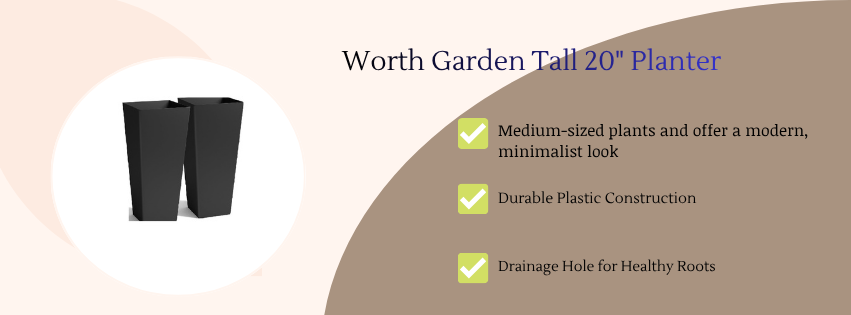
In this guide, you’ll learn exactly how to design, plant, and maintain large outdoor planters that enhance curb appeal while remaining practical and sustainable.
Quick Summary Box
- Minimum planter depth: 16–24 inches for mixed arrangements
- Soil: High-quality potting mix + compost + drainage amendment (perlite/pine bark)
- Sun exposure matters: South/west = high heat; North/east = moderate light
- Use the Thriller–Filler–Spiller formula for visual balance
- Watering: Typically 2–4 times per week in summer, depending on climate
- Choose frost-proof containers in USDA Zones 6 and below
- Install drip irrigation or self-watering inserts for lower maintenance
Understanding Your Front Entry Microclimate
Before choosing plants or planters, assess the conditions around your front door.
Sun Exposure Direction
- South-facing entry: Full sun, high heat reflection from walls
- West-facing entry: Intense afternoon heat
- East-facing entry: Gentle morning sun
- North-facing entry: Shade to bright indirect light
Why this matters: Large containers heat up faster than ground soil, stressing roots. South and west exposures often require drought-tolerant plants and more frequent watering.
USDA Hardiness Zones
If you live in:
- Zones 3–6: Planters must withstand freeze-thaw cycles
- Zones 7–9: Heat tolerance and irrigation efficiency matter most
- Zones 10–11: Focus on drainage and fungal prevention
Cold climates require frost-resistant materials like fiberglass, concrete, or high-fired ceramic.
Choosing the Right Large Planters
Size Guidelines
For front-of-house impact:
- Minimum diameter: 18–24 inches
- Minimum depth: 16–24 inches
- For small trees/shrubs: 24–30 inches deep
Why depth matters: Roots need space to anchor plants and regulate moisture. Shallow containers dry out quickly and limit plant longevity.
Best Materials (Pros & Cons)
1. Fiberglass Planters
Pros: Lightweight, frost-resistant, modern look Cons: Higher upfront cost ($150–$400 each) Maintenance: Low
Best for: Long-term curb appeal with minimal seasonal replacement.
2. Concrete or Stone
Pros: Extremely durable, upscale look Cons: Heavy, expensive, difficult to reposition Maintenance: Very low
Best for: Permanent architectural statement pieces.
3. High-Fired Ceramic
Pros: Classic aesthetic Cons: May crack in freeze zones Maintenance: Moderate
Best for: Zones 7+ or covered porches.
Soil Composition for Large Outdoor Planters
Never use garden soil. It compacts in containers and suffocates roots.
Ideal Soil Mix
- 60% high-quality potting mix
- 25% compost
- 15% perlite or pine bark fines
Why this works:
- Potting mix provides structure.
- Compost adds nutrients.
- Perlite or bark ensures drainage.
Cost consideration:
- Expect $20–$35 per large planter fill.
- Skimping on soil leads to root rot and plant failure.
12 Stunning Large Planter Ideas for Front of House
1. Symmetrical Evergreen Statement Planters
Best for: Formal homes
Thriller: Boxwood, dwarf spruce, or arborvitae Filler: Heuchera or pansies Spiller: Ivy or creeping Jenny
Maintenance:
- Prune 1–2 times per year
- Water weekly in cooler months
Why it works: Evergreens provide structure year-round.
2. Modern Minimalist Architectural Look
Use:
- Snake plant (Zone 9+)
- Agave (Zones 8–11)
- Upright grasses
Planter: Matte black or concrete.
Low water, low maintenance.
3. Layered Flower Explosion (Full Sun)
For south-facing entries:
- Thriller: Canna lily
- Filler: Zinnias or lantana
- Spiller: Sweet potato vine
Water 3–4 times per week in peak heat.
4. Shade-Friendly Lush Entry Planters
For north-facing homes:
- Thriller: Fatsia japonica
- Filler: Coleus
- Spiller: Ferns
Shade planters dry more slowly water 1–2 times weekly.
5. Small Ornamental Tree in Oversized Pot
Trees that work:
- Dwarf Japanese maple (Zones 5–8)
- Olive tree (Zones 8–10)
- Dwarf citrus (Zones 9–11)
Container depth: Minimum 24 inches.
Expect higher soil cost but long-term impact.
6. Seasonal Swap System Planters
Keep evergreen base. Swap fillers quarterly.
Budget-friendly long-term.
7. Tall Grass & Texture Planters
Use:
- Purple fountain grass
- Blue fescue
- Sedum
Low watering needs.
8. Classic Hydrangea Front Entry
Best for east-facing entries.
Container depth: 18–24 inches.
Soil: Slightly acidic (pH 5.5–6.5).
9. Herb & Edible Statement Planters
Rosemary, lavender, ornamental kale.
Needs full sun and well-draining soil.
10. Monochrome White & Green Design
White begonias + dusty miller + ivy.
Clean and upscale.
11. Tropical Resort Look
Elephant ears + caladium + trailing vines.
High water needs.
12. Winter-Interest Evergreen + Branch Planters
Use:
- Dwarf conifers
- Red twig dogwood branches
- Winterberry
Requires frost-proof containers.
Drainage: The Most Overlooked Factor
Every large planter must have:
- At least one ½-inch drainage hole
- Pot feet to elevate from ground
Why it matters: Standing water causes root rot within days in warm weather.
Beginner mistake: Adding rocks at bottom instead of proper soil mix.
Watering Large Front Door Planters
Summer guideline:
- Full sun: 3–4 times weekly
- Shade: 1–2 times weekly
Check by inserting finger 2 inches deep.
Self-watering systems reduce frequency but still require monitoring.
Drip irrigation kits are ideal for consistency and time savings.
Pest Prevention & Plant Health
Common issues:
- Aphids
- Spider mites
- Fungus gnats
Prevention:
- Avoid overhead watering at night
- Maintain airflow
- Use neem oil monthly as preventive
Inspect weekly.
Budget vs Premium Setup Comparison
Budget Setup ($150–$300 total)
- Resin planters
- Annual flowers
- Manual watering
Higher seasonal replacement cost.
Premium Setup ($600–$1,500+)
- Fiberglass or concrete planters
- Drip irrigation
- Perennials + shrubs
Lower long-term maintenance.
Common Beginner Mistakes
- Choosing containers too small
- Ignoring sun exposure
- Overcrowding plants
- Forgetting winter drainage
- Using cheap soil
Large planters are investments design for durability.
Frequently Asked Questions
What size planter is best for the front door?
At least 18–24 inches wide and 16–24 inches deep for balanced proportions and healthy root systems.
How do you keep large planters from drying out?
Use moisture-retentive potting mix, mulch the surface, and consider self-watering inserts.
Can large planters stay outside in winter?
Yes, if frost-proof and well-drained. Avoid ceramic in freezing climates.
How often should you fertilize front porch planters?
Every 4–6 weeks during growing season using balanced liquid fertilizer.
What are the best low-maintenance plants for large planters?
Boxwood, dwarf conifers, ornamental grasses, lavender, and sedum.
Should I line large planters?
Not necessary if drainage holes are adequate. Avoid plastic liners that trap water.
Final Thoughts
Large planters at the front of your house are more than decorative accessories they are structural design elements that shape first impressions.
When you choose the right size, invest in quality soil, respect sun exposure, and design with layered plant structure, you create containers that thrive instead of merely survive.
Start with durable planters, build a proper soil foundation, and match plants to your microclimate. The result is long-term curb appeal, healthier plants, and significantly less seasonal frustration.
Well-designed large front entry planters elevate your home every single day not just during peak bloom.
