Every product is independently reviewed and selected by our editors. If you buy something through our links, we may earn an affiliate commission at no extra cost to you.
Recycling plastic bottles into flower pots isn’t just a creative DIY trend it’s a practical, low-cost container gardening strategy with real environmental and horticultural advantages.
When designed correctly, plastic bottle planters can grow herbs, flowers, leafy greens, and even strawberries in tight urban spaces while reducing landfill waste and lowering your gardening budget.
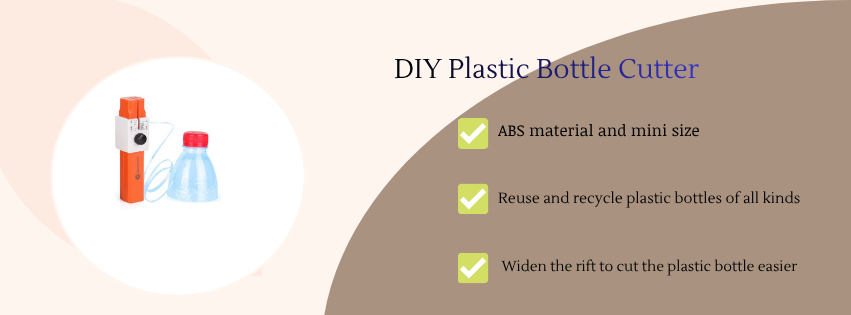
In this guide, we’ll break down the true benefits, the real limitations, and the best ways to maximize results from drainage setup to soil composition and plant selection.
Introduction
Many people recycle plastic bottles into flower pots because it feels eco-friendly. But few stop to ask:
- Do they actually grow plants well?
- Are they safe?
- Do they save money long-term?
- Are they durable outdoors?
As someone who works extensively with small-space and balcony gardens, I’ve seen both failures and highly productive systems built from recycled bottles.
The difference isn’t creativity.
It’s understanding container gardening fundamentals root depth, drainage, soil structure, sunlight exposure, and maintenance reality.
This article explains exactly why recycling plastic bottles into flower pots works, when it doesn’t, and how to do it properly.
Quick Summary Box
- Reduces plastic waste entering landfills
- Saves $5–$25 per container
- Lightweight and balcony-safe
- Ideal for herbs, leafy greens, and shallow-rooted flowers
- Requires proper drainage holes
- Best soil mix: 40% potting mix, 30% compost, 20% coco coir, 10% perlite
1. Environmental Benefits
Reduces Plastic Waste in Landfills
Plastic bottles can take hundreds of years to degrade.
By converting bottles into flower pots, you:
- Extend their useful life
- Reduce landfill contribution
- Lower demand for new plastic container production
Why this matters practically:
Most store-bought plastic planters are made from new molded plastic. Recycling reduces the need for additional manufacturing energy.
However:
This is reuse, not permanent recycling. Eventually, UV light degrades plastic. Expect 1–3 years of outdoor use before replacement.
Lowers Carbon Footprint of Gardening
Buying new pots involves:
- Manufacturing
- Packaging
- Transportation
Reusing bottles eliminates those costs.
For urban gardeners scaling vertically (10–30 small containers), this can significantly reduce material demand.
2. Financial Benefits
Major Cost Savings
Average retail container prices:
- Small decorative pots: $5–$15 each
- Hanging planters: $15–$30
- Vertical wall systems: $100+
Recycled bottles: Free.
For a 20-container balcony herb system, that can save $100–$300 upfront.
Affordable Entry into Gardening
Beginners often hesitate due to setup costs.
Plastic bottle planters:
- Remove financial barriers
- Allow experimentation
- Reduce risk of investment loss if plants fail
Maintenance cost remains (soil, fertilizer), but container cost drops to zero.
3. Lightweight & Balcony-Safe
Wet soil is heavy.
Example:
A 12-inch ceramic pot with wet soil can weigh 20–30 lbs.
A 2-liter bottle planter with moist soil weighs about 3–5 lbs.
Why this matters:
- Safer for apartment railings
- Reduces structural stress on balconies
- Easier to move during extreme weather
Always check balcony load limits when scaling up multiple containers.
4. Ideal for Vertical Gardening
Plastic bottles are narrow and modular.
This makes them perfect for:
- Hanging planters
- Vertical garden walls
- Fence-mounted systems
- Railing planters
Why vertical works:
- Maximizes sunlight exposure
- Improves airflow
- Reduces ground pest pressure
Best plants for vertical bottle systems:
- Basil
- Parsley
- Thyme
- Lettuce
- Spinach
- Strawberries
- Petunias
Root depth requirement: Minimum 6 inches for herbs and greens.
5. Moisture Retention Advantage
Plastic retains moisture longer than terracotta.
In small containers, this can be beneficial.
Why it works:
- Less evaporation
- Fewer watering cycles
- Reduced drought stress
However:
Without drainage holes, this becomes a disadvantage.
Proper drainage is non-negotiable.
6. Customizable Drainage & Design
Unlike pre-made pots, you control:
- Hole placement
- Number of drainage holes
- Side overflow protection
- Vertical stacking options
Recommended drainage setup:
- 3–5 holes (5–8mm diameter) at bottom
- 1 overflow hole ½ inch above base
Why this matters:
Small containers are highly sensitive to overwatering. Custom drainage prevents root rot.
7. Educational & Community Benefits
Recycled bottle gardens:
- Teach children sustainability
- Encourage community gardening
- Promote urban greening
They’re often used in schools and community projects because they’re low-cost and scalable.
8. Practical Gardening Benefits
Root Control
Bottle containers restrict aggressive root spread.
Good for:
- Mint (contains invasive growth)
- Small herbs
- Controlled strawberry runners
Pest Reduction
Elevated bottle systems reduce:
- Slug damage
- Soil-borne pests
- Certain fungal splash diseases
Good airflow improves plant health.
Real Limitations You Should Know
EEAT requires transparency.
1. Limited Root Space
Most bottles allow 4–8 inches of soil depth.
Not suitable for:
- Large tomatoes
- Zucchini
- Deep-rooted vegetables
Choose plants accordingly.
2. UV Degradation
Sun exposure weakens plastic over time.
Expect:
- 1–3 years lifespan outdoors
- Longer indoors
White paint on exterior can reduce UV damage.
3. Heat Retention in Hot Climates
In USDA Zones 8–10:
Clear plastic can overheat roots.
Solutions:
- Paint exterior white
- Wrap with jute or fabric
- Avoid harsh west-facing afternoon sun
Soil Composition for Successful Bottle Flower Pots
The container only works if the soil works.
Recommended mix:
- 40% potting soil
- 30% compost
- 20% coco coir
- 10% perlite
Why:
- Prevents compaction
- Improves aeration
- Stabilizes moisture
- Supports nutrient availability
Avoid garden soil.
Watering & Fertilizing Considerations
Small containers require more attention.
Watering frequency:
- Summer: Every 1–2 days
- Spring/Fall: Every 2–4 days
- Indoors: Weekly
Fertilize:
Every 2–3 weeks with diluted liquid fertilizer.
Small soil volume depletes nutrients quickly.
Budget vs Store-Bought Comparison
| Feature | Recycled Bottle | Store-Bought Plastic Pot |
| Cost | Free | $5–$20 |
| Lifespan | 1–3 years | 3–5+ years |
| Drainage Control | Custom | Pre-drilled |
| Aesthetics | DIY | Polished |
| Weight | Very light | Moderate |
Conclusion:
Bottle pots are ideal for short- to medium-term systems and vertical gardens.
USDA Zone Considerations
Outdoor use:
- Zones 3–5: Seasonal only (bring indoors before frost)
- Zones 6–8: Excellent performance
- Zones 9–10: Monitor heat stress
Plastic containers do not insulate roots well in freezing climates.
FAQ
Is it safe to grow vegetables in plastic bottle pots?
Yes, if bottles are food-grade and clean.
How long do plastic bottle flower pots last?
Typically 1–3 years outdoors depending on UV exposure.
What plants grow best in recycled bottle pots?
Herbs, leafy greens, strawberries, and shallow-rooted flowers.
Do bottle pots need drainage holes?
Absolutely. Without drainage, root rot is likely.
Are recycled bottle pots environmentally friendly?
They extend plastic lifespan and reduce new container demand, but they are not permanent solutions.
Can I sell plants grown in recycled bottle pots?
Yes, but presentation matters. Decorative wrapping improves appearance.
Final Thoughts
Recycling plastic bottles into flower pots offers real environmental, financial, and practical gardening benefits especially for small spaces and urban growers.
They are:
- Affordable
- Lightweight
- Scalable
- Suitable for vertical gardening
- Ideal for herbs and compact flowers
But they require:
- Proper drainage
- Correct soil structure
- Thoughtful plant selection
- Consistent watering
When built intentionally, recycled bottle pots become productive micro-garden systems not just DIY decorations.
Start small. Build correctly. Scale vertically.
That’s how simple plastic waste turns into sustainable growing space.
