Every product is independently reviewed and selected by our editors. If you buy something through our links, we may earn an affiliate commission at no extra cost to you.
A wood log planter instantly adds natural character to a garden, patio, balcony, or even an indoor corner. But here’s what most décor blogs won’t tell you: hollowing out a log and adding soil is the easy part. Making it function like a proper planting container with correct drainage, root depth, and long-term durability is where success or failure happens. This guide goes beyond aesthetics. You’ll learn wood log planter ideas that are structurally sound, horticulturally correct, and built to last whether you’re gardening in USDA Zone 4 or Zone 10.Many gardeners fall in love with rustic log planters only to see plants decline within weeks. The usual causes? Poor drainage, insufficient soil depth, rot, or mismatched plant choices. The good news: wood log planters can be extremely effective when designed properly. In this comprehensive guide, you’ll learn:
- Which log planter styles work best outdoors and indoors
- Proper soil composition for different plant types
- Drainage and sealing techniques that prevent root rot
- Container depth requirements for herbs, flowers, and vegetables
- Budget vs premium setup options
- Maintenance realities most beginners overlook
By the end, you’ll know exactly how to build or choose a wood log planter that thrives not just survives.
Quick Summary Box
Best Plants for Wood Log Planters
- Succulents (3–4″ depth)
- Annual flowers (6–8″ depth)
- Herbs (8″ minimum)
- Strawberries (8–10″)
- Lettuce and shallow greens (6–8″)
Essential Requirements
- Multiple drainage holes (½ inch minimum diameter)
- Well-draining soil mix
- Elevated base or feet
- Rot-resistant wood (cedar, oak preferred)
Avoid
- Using native garden soil
- Sealing the interior without drainage
- Planting deep-root vegetables in shallow logs
- Overwatering (most common failure point)
Why Wood Log Planters Work (When Designed Correctly)
Wood logs offer several natural advantages:
- Insulation against temperature swings
- Natural aesthetic integration in gardens
- Customizable size and shape
- Sustainability (especially when repurposing fallen trees)
However, wood is organic. It decomposes when constantly wet. That means drainage and airflow are non-negotiable.
Why They Fail
- No drainage holes
- Soil packed too tightly
- Logs placed directly on damp ground
- Planting species with aggressive root systems
Understanding these limitations ensures long-term success.
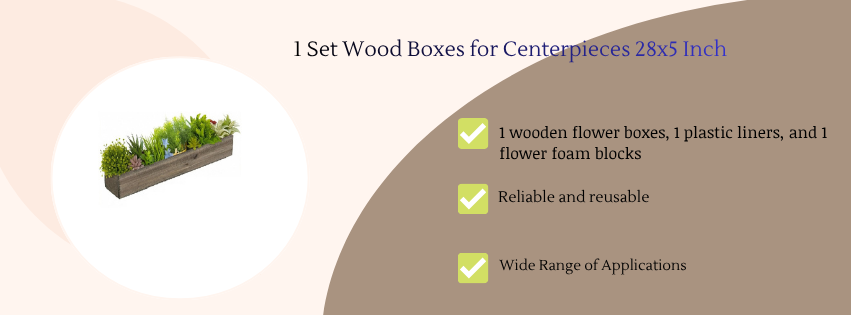
12 Wood Log Planter Ideas (With Practical Implementation)
1. Classic Hollowed Log Flower Trough
A horizontal log hollowed 6–8 inches deep works beautifully for annual flowers.
Ideal Plants
- Petunias
- Geraniums
- Marigolds
- Alyssum
Soil Composition
- 60% high-quality potting mix
- 20% compost
- 20% perlite or pumice
Why this works: Annual flowers need consistent drainage and moderate fertility. The added perlite prevents compaction inside wood cavities.
Light Requirements
- South- or west-facing exposure
- 6+ hours direct sun
Maintenance
- Water every 2–3 days in summer
- Fertilize every 2 weeks
Cost
- DIY log: $0–$40
- Pre-made trough: $80–$200
2. Vertical Wood Log Planter Tower
Stacked or upright logs with carved planting pockets.
Best For
- Strawberries
- Thyme
- Creeping sedum
Root Depth
Minimum 6–8 inches per pocket.
Why it works: Vertical design improves airflow and maximizes small-space gardening.
Beginner Mistake
Insufficient anchoring. Wet soil is heavy. Always secure to a stable base.
3. Herb Garden Log Planter
An 8–10 inch deep cavity supports culinary herbs.
Suitable Herbs
- Basil
- Parsley
- Chives
- Oregano
- Cilantro
USDA Zones
Outdoor use: Zones 4–10 (seasonal herbs) Perennials like oregano overwinter in Zones 5–9.
Soil
Light, well-draining organic mix with 20–30% perlite.
Light
South-facing patio or balcony preferred.
Why it works: Herbs thrive in moderate soil depth with good drainage and full sun.
4. Log Planter with Hidden Plastic Liner
One of the most effective durability upgrades.
Why It Works
- Protects wood from direct moisture
- Extends lifespan by 3–5 years
- Allows easier plant replacement
Buying Criteria
- UV-resistant liner
- Drainage holes aligned with drilled log holes
- Flexible but thick plastic
Cost increase: $15–$40 Maintenance reduction: Significant
5. Split Log Succulent Garden
Half-log design, 3–4 inches deep.
Soil Mix
- 50% cactus mix
- 25% pumice
- 25% coarse sand
Light
South-facing outdoor space or bright indoor window.
Watering
Every 2–3 weeks.
Why it works: Shallow roots + fast drainage prevent rot.
6. Log Planter Raised on Steel Legs
Adds airflow underneath.
Why It Works
Improves drainage and prevents ground contact rot.
Best Plants
- Ornamental grasses (dwarf varieties)
- Annual flowers
- Trailing vines
Cost: Higher initial investment Longevity: Significantly extended
7. Charred Wood (Shou Sugi Ban) Log Planter
Light charring increases resistance to insects and moisture.
Why It Works
The carbonized outer layer slows decomposition.
Maintenance Impact
Reduced sealing requirements.
Ideal for humid climates (Zones 7–10).
8. Log Vegetable Planter (Shallow Greens Only)
Leaf lettuce and arugula perform well in 6–8 inches of depth.
Avoid
- Carrots (need 10–12 inches)
- Tomatoes (12–18 inches)
- Peppers (10–12 inches)
Watering
Daily checks in hot climates.
Why it works: Greens have compact root systems and quick harvest cycles.
9. Log Planter with Drip Irrigation
Best for larger installations.
Buying Criteria
- Adjustable drip emitters
- Pressure regulator
- ¼-inch tubing
Why it works: Prevents overwatering while keeping soil consistently moist.
Cost: $40–$100 depending on size Maintenance: Low once installed
10. Indoor Wood Log Planter with Grow Lights
Ideal for apartments with limited natural light.
Grow Light Specs
- Full spectrum LED
- 20–40 watts for small setups
- 12–14 hours daily
Best for:
- Pothos
- Ferns
- Snake plants
11. Multi-Log Tiered Display
Different logs at staggered heights.
Why it works: Improves sunlight distribution and visual interest.
Maintenance consideration: Ensure each log has individual drainage.
12. Mini Log Planters for Balcony Railings
Compact and lightweight.
Best Plants
- Trailing lobelia
- Ivy
- Strawberries
Light: East- or south-facing balcony preferred.
Soil & Drainage: The Non-Negotiables
Wood log planters must mimic high-quality container gardening standards.
Drainage Guidelines
- At least 3–5 holes along bottom
- ½ inch diameter minimum
- Gravel layer not necessary if soil drains properly
Why: Gravel myths persist. Drainage depends on soil structure, not rock layers.
Soil Composition by Plant Type
Flowers
High-quality potting mix + compost + perlite
Succulents
Cactus mix + sand + pumice
Herbs
Organic potting soil + perlite + small compost ratio
Never use heavy clay garden soil. It compacts and suffocates roots.
Wood Selection Matters
Best Woods
- Cedar (naturally rot-resistant)
- Oak (dense and durable)
- Redwood (excellent but higher cost)
Avoid
- Soft pine (decomposes quickly)
- Treated lumber (unsafe for edibles)
Pest Prevention Basics
Wood containers can attract:
- Fungus gnats (excess moisture)
- Ants (dry cavities)
- Wood-boring insects (rare if cured wood)
Prevention:
- Cure logs before use
- Keep soil well-drained
- Avoid constant surface moisture
Budget vs Premium Setup Comparison
Budget Setup ($40–$100)
- Found log
- DIY hollowing
- Basic potting mix
- Natural sunlight
- Manual watering
Maintenance: Moderate to high
Premium Setup ($200–$500)
- Professionally hollowed cedar log
- Plastic liner
- Drip irrigation
- Elevated steel base
- Premium soil blend
Maintenance: Lower, longer lifespan
Common Beginner Mistakes
- No drainage holes
- Overwatering due to wood absorption assumption
- Choosing deep-root vegetables
- Placing planter in full shade
- Letting log sit directly on wet soil
FAQ
How long does a wood log planter last?
With liner and elevation: 5–10 years. Without protection: 1–3 years.
Do I need to seal a wood log planter?
Seal the exterior only. Interior should drain naturally.
Can I grow vegetables in a log planter?
Yes, but only shallow-root crops unless depth exceeds 10–12 inches.
What depth do herbs need?
Minimum 8 inches for basil and parsley.
How often should I water?
Depends on climate. In summer, every 2–3 days for flowers; every 2–3 weeks for succulents.
Are wood log planters safe indoors?
Yes, with liners and proper drainage to protect floors.
Conclusion
Wood log planter ideas are more than rustic decoration they can become fully functional growing systems when built correctly.
Success comes down to fundamentals:
- Proper root depth
- Excellent drainage
- Correct soil composition
- Smart plant selection
- Wood protection strategies
If you respect those principles, a log planter can last for years while producing flowers, herbs, or greenery that genuinely thrive. Start with one well-designed planter. Install proper drainage. Choose plants suited to the depth and light you have. Upgrade with liners or irrigation if needed. Done right, a wood log planter delivers durability, sustainability, and natural beauty without sacrificing plant health.
