Every product is independently reviewed and selected by our editors. If you buy something through our links, we may earn an affiliate commission at no extra cost to you.
A tree stump planter filled with layered soil, textured stone, and living plants can transform a leftover stump into a natural showpiece. But most stump planters fail because they trap water, use heavy soil, or ignore root depth and drainage physics.
If you want a tree stump planter with rocks that actually thrives not rots into a mosquito basin this guide walks you through design structure, drainage engineering, soil composition, plant selection by USDA zone, and long-term maintenance realities.
This is rustic gardening done properly.
Introduction
Tree stumps are often left behind after tree removal, especially in small yards where grinding isn’t practical or costs $150–$400. Instead of removing it, you can hollow it and convert it into a raised micro-garden.
The key challenges:
- Wood decomposition
- Water retention
- Shallow soil cavity
- Freeze-thaw cracking
- Poor drainage design
When built correctly, a stump planter can last 3–8 years depending on wood type and climate. With rock integration, you can improve drainage, stabilize soil, and create visual contrast.
Let’s break down how to build it right.
Quick Summary
- Best Stump Diameter: 12–24 inches minimum
- Hollow Depth: 6–12 inches depending on plant type
- Drainage Holes: ½–1 inch diameter drilled through base
- Rock Use: Drainage layer (limited), top-dress, edging, or side accents
- Soil Mix: 40% compost, 30% coco coir, 20% perlite, 10% coarse sand
- Best Plants: Succulents, shallow-rooted flowers, herbs, alpine plants
- USDA Zones: 3–10 (plant dependent)
- Lifespan: 3–8 years depending on stump type
Why Add Rocks to a Tree Stump Planter
Rocks serve both aesthetic and structural functions.
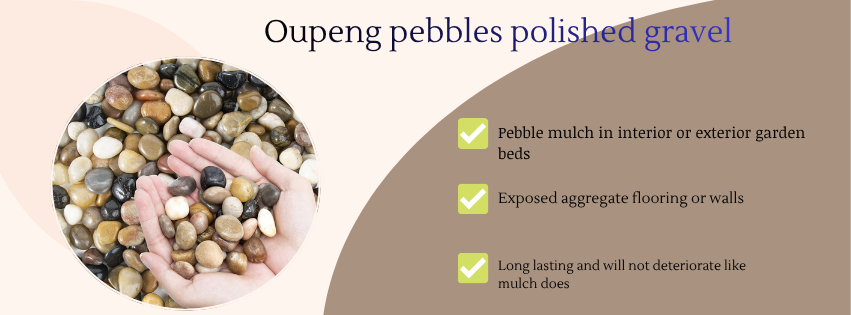
Functional Benefits
- Improve surface drainage
- Reduce soil erosion in shallow cavities
- Stabilize plant roots
- Add thermal mass in cooler climates
- Reduce splash-back soil loss during rain
However, rocks should not replace proper drainage holes.
Important: Adding a thick gravel layer at the bottom does NOT improve drainage unless water can exit the stump. Otherwise, it creates a perched water table.
Step 1: Choosing the Right Stump
Not all stumps perform equally.
Best Wood Types for Longevity
- Cedar
- Oak
- Black locust
- Redwood
Avoid:
- Birch (moderate rot resistance)
- Pine (rots quickly)
- Poplar (retains moisture heavily)
Hardwoods last longer because dense fibers slow fungal breakdown.
Step 2: Hollowing the Stump Properly
Tools:
- Drill with 1-inch spade bit
- Hammer and chisel
- Chainsaw (for large cavities)
- Safety gear
Ideal Hollow Depth by Plant Type
| Plant Type | Soil Depth Needed |
| Succulents | 3–5 inches |
| Annual flowers | 6–8 inches |
| Herbs | 8–10 inches |
| Strawberries | 8–10 inches |
Why depth matters:
- Deeper soil buffers temperature swings
- Reduces watering frequency
- Improves nutrient stability
For most functional planters, aim for 8 inches minimum.
Step 3: Drainage Engineering (Non-Negotiable)
Without drainage, stump planters fail.
How to Add Drainage
- Drill 4–8 holes through base
- ½–1 inch diameter
- Slightly angled downward
- Clear wood debris fully
If stump is rooted in ground:
- Drill angled side drainage holes 1–2 inches above soil line
This allows excess water to escape.
Step 4: Smart Rock Integration Ideas
1. Rock Drainage Collar
Instead of filling the bottom with gravel, create a thin 1-inch drainage collar over holes.
Why it works:
- Prevents soil from clogging holes
- Maintains airflow
Do not exceed 1–2 inches thickness.
2. Rock Top-Dressing
Add decorative river stones or pea gravel on top of soil.
Benefits:
- Reduces evaporation
- Stabilizes shallow-rooted plants
- Suppresses weeds
Best for succulents and alpine plants.
3. Rock Border Around Base
Surround stump with:
- River rock
- Flagstone
- Crushed granite
Benefits:
- Improves base drainage
- Reduces rot from soil contact
- Enhances visual integration
Especially helpful in USDA Zones 7–9 with humid summers.
4. Cascading Rock and Plant Combo
Create layered effect:
- Taller plant in center
- Trailing plants near edge
- Rocks tucked between root zones
Best plants for cascading effect:
- Creeping thyme
- Sedum
- Lobelia
- Sweet alyssum
The Right Soil Mix for Stump Planters
Never use heavy clay soil from your yard.
Ideal Soil Composition
For general use:
- 40% compost
- 30% coco coir or peat moss
- 20% perlite or pumice
- 10% coarse sand
For succulents:
- 40% cactus mix
- 30% pumice
- 20% coarse sand
- 10% compost
Why this works:
- Compost provides nutrients
- Coir retains moisture
- Perlite improves aeration
- Sand improves drainage
Cost impact:
- Budget soil: $12–15 per bag
- Premium organic mix: $20–25 per bag
Small stump cavities make premium soil affordable.
Best Tree Stump Planter Ideas with Rocks
1. Succulent Rock Garden Stump
USDA Zones 8–11 outdoors year-round.
Sun: South-facing exposure preferred (6+ hours).
Water: Every 10–14 days.
Low maintenance, high visual impact.
2. Woodland Fern & Moss Stump
Best for shaded north-facing areas.
Use:
- Higher compost ratio
- Natural moss between rocks
Water consistently but avoid saturation.
Works well in Zones 3–9.
3. Herb & Stone Rustic Planter
Great for patios.
Plant:
- Thyme
- Oregano
- Parsley
- Chives
Use small river rocks between plants.
Sun: South or west exposure.
Water: 2–3 times weekly in summer.
4. Seasonal Flower and Rock Display
Use annuals like:
- Petunias
- Pansies
- Alyssum
- Lobelia
Fertilize every 2 weeks.
High maintenance but dramatic seasonal color.
Sun Exposure Strategy
- South-facing: Best for vegetables and succulents
- West-facing: Hot afternoon sun; increase watering
- East-facing: Balanced light for herbs
- North-facing: Shade plants only
In hot Zones 8–10, provide afternoon shade to prevent overheating.
Rocks absorb heat beneficial in cooler climates but potentially stressful in extreme heat.
Watering and Maintenance
Typical watering frequency:
- Spring: Every 3–5 days
- Summer: Every 2–3 days
- Fall: Weekly
Check soil 2 inches deep before watering.
Signs of overwatering:
- Mushy stump interior
- Fungal growth
- Yellow leaves
Signs of underwatering:
- Wilting
- Dry cracking soil
- Leaf browning
Mulch lightly if not using rock top-dressing.
Extending the Lifespan of a Stump Planter
Elevation
If possible, improve airflow around stump base using gravel ring.
Exterior Sealing
Apply plant-safe exterior oil to exposed wood (not interior cavity).
Drainage Monitoring
Clear debris from holes annually.
Expected lifespan:
- Cedar/oak: 5–8 years
- Pine/birch: 2–4 years
Climate significantly affects longevity.
Budget vs Premium Setup
Budget Version
- Existing stump
- Basic soil
- River rocks
- Seasonal flowers
Cost: $40–80
Pros: Low investment Natural look
Cons: Shorter lifespan Higher maintenance
Premium Version
- Hardwood stump
- Premium soil mix
- Landscape fabric lining
- Decorative stone edging
- Organic slow-release fertilizer
Cost: $100–250
Pros: Longer durability Better drainage Lower plant failure rate
Cons: Higher upfront cost
Common Beginner Mistakes
- Not drilling drainage holes
- Filling entire bottom with gravel
- Using heavy clay soil
- Overplanting shallow cavities
- Ignoring sun direction
Stump planters are decorative but still require proper horticultural structure.
FAQ
Do rocks improve drainage in stump planters?
Only if water can exit through drainage holes. Rocks alone do not fix poor drainage.
How long will a tree stump planter last?
3–8 years depending on wood type and climate.
Can I grow vegetables in a stump planter?
Only shallow-rooted crops like lettuce or strawberries. Deep vegetables require more soil depth.
Should I seal the inside of the stump?
No. Interior must remain breathable to prevent trapped moisture.
Are stump planters good for small yards?
Yes. They’re ideal for repurposing space without adding bulky containers.
Do rocks overheat plants?
In hot climates, dark rocks can increase soil temperature. Use light-colored stones if concerned.
Final Thoughts
Tree stump planter ideas with rocks combine natural structure with practical gardening. But success depends on respecting the biology of roots and the physics of water.
Drill proper drainage holes. Use lightweight, oxygen-rich soil. Add rocks strategically not excessively. Match plant selection to soil depth and sun exposure. Improve airflow around the base.
When built correctly, a stump planter becomes more than a leftover tree remnant it becomes a functional, long-lasting focal point that enhances small-space landscapes for years.
Design it with purpose, and it will reward you with layered texture, seasonal color, and resilient growth.
