Every product is independently reviewed and selected by our editors. If you buy something through our links, we may earn an affiliate commission at no extra cost to you.
There’s something deeply satisfying about harvesting sun-warmed strawberries from a tower you built yourself. Whether you’re working with a balcony, patio, or compact backyard, a DIY strawberry planter tower lets you grow more fruit in less space without sacrificing plant health or yield.
Introduction
If you’ve ever tried growing strawberries in traditional garden beds, you know the challenges: sprawling runners, fungal diseases from poor airflow, fruit rotting on damp soil, and constant weeding. In small spaces, it’s even harder.
A well-designed strawberry planter tower solves these problems. It improves drainage, increases airflow, maximizes vertical space, and makes harvesting easier. When built correctly with proper soil composition, root depth, irrigation, and sun positioning it can outperform standard ground planting.
In this guide, I’ll walk you through exactly how to build a high-performing strawberry planter tower, including materials, soil science, irrigation setup, common mistakes, and long-term maintenance strategies.
Quick Summary
- Best for: Balconies, patios, small yards
- Ideal container depth: 8–12 inches for strawberries
- Soil mix: 40% high-quality potting mix, 30% compost, 20% coco coir, 10% perlite
- Sunlight: 6–8+ hours (south or west exposure ideal)
- Watering: 2–4 times per week (more in hot climates)
- USDA Zones: 3–10 (variety dependent)
- Cost range: $40–$150 depending on materials
- Maintenance level: Moderate but manageable
Why a Strawberry Planter Tower Works Better Than Ground Planting
1. Improved Drainage Prevents Root Rot
Strawberries hate sitting in soggy soil. Their shallow root systems (typically 6–12 inches deep) are highly susceptible to crown rot and fungal diseases.
A vertical tower improves drainage because:
- Gravity pulls excess water downward.
- Soil volume is controlled.
- Drainage holes prevent water pooling.
Why it works: Proper drainage ensures oxygen reaches roots. Strawberry roots require well-aerated soil to absorb nutrients efficiently.
Maintenance impact: You must monitor moisture levels more closely than in-ground beds, but disease risk drops significantly.
2. Better Airflow Reduces Fungal Disease
Powdery mildew and gray mold thrive in stagnant air. Towers naturally create better spacing between plants.
How to enhance airflow:
- Space planting holes at least 6–8 inches apart.
- Avoid overcrowding.
- Position tower where cross-breeze is possible.
Cost impact: Free just thoughtful placement.
3. Elevated Fruit Means Cleaner Harvests
Fruit never touches soil, reducing:
- Slug damage
- Rot
- Soil splashing after rain
This alone increases usable yield dramatically compared to ground-level growing.
Choosing the Right Type of Strawberry Planter Tower
Option 1: PVC Pipe Tower (Most Popular DIY Method)
Materials Needed
- 4–6 inch diameter PVC pipe (4–5 ft tall)
- Drill with 2–3 inch hole saw
- End cap
- Gravel for bottom drainage
- Potting mix
- Central watering tube (optional but recommended)
Why it works: Vertical tube design maximizes density in small spaces.
Cost: $40–$80 depending on pipe size and quality.
Maintenance: Requires consistent watering and monitoring of top sections.
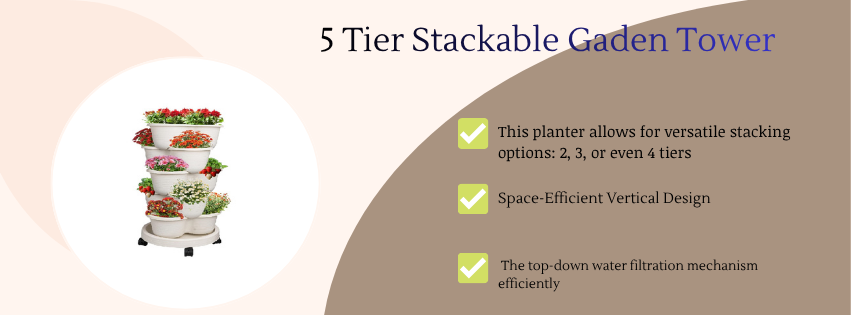
Option 2: Stacked Planter Pots
Stackable tiered planters are easier but slightly less space-efficient.
Pros:
- Beginner-friendly
- Easy to rearrange
- Better root volume per plant
Cons:
- More expensive ($80–$150)
- Slightly heavier
Look for:
- UV-resistant plastic
- Built-in drainage
- At least 8 inches soil depth per tier
Option 3: Wooden Vertical Box Tower
Best for aesthetic patios.
Requirements:
- Rot-resistant wood (cedar recommended)
- Interior liner to prevent rot
- Drainage holes every 8–12 inches
Cost: $100–$200 depending on lumber prices.
Maintenance: Wood requires sealing every 1–2 years.
Step-by-Step: How to Build a PVC Strawberry Planter Tower
Step 1: Determine Height and Stability
Ideal height: 4 feet.
Why: Taller towers become top-heavy and unstable once watered.
Secure base:
- Use a large planter filled with gravel.
- Anchor into ground if outdoors.
- Add weight at bottom.
Beginner mistake: Building too tall without stabilizing base.
Step 2: Drill Planting Holes
- Use 2–3 inch hole saw.
- Stagger holes in spiral pattern.
- Space holes 6–8 inches vertically.
Why staggered? Prevents root competition and ensures even sunlight exposure.
Step 3: Create a Central Watering Column (Highly Recommended)
Insert a smaller perforated PVC pipe (1–2 inch diameter) down the center.
Fill this inner pipe with gravel.
Why it works:
- Distributes water evenly.
- Prevents dry pockets in upper sections.
- Reduces water waste.
Cost impact: Adds about $10–$20 but significantly improves consistency.
Step 4: Add Proper Soil Mix
Ideal Strawberry Soil Composition
- 40% high-quality potting mix
- 30% finished compost
- 20% coco coir (moisture retention)
- 10% perlite (drainage)
Target pH: 5.5–6.5
Why this mix works:
- Compost feeds plants.
- Coir holds moisture without waterlogging.
- Perlite prevents compaction.
Avoid garden soil. It compacts too heavily in containers.
Planting Strawberries in a Tower
Choose the Right Strawberry Type
June-Bearing
- One large harvest
- Best for colder USDA zones (3–8)
Everbearing
- Two harvests per season
- Ideal for containers
Day-Neutral (Best for Towers)
- Continuous fruiting
- Excellent for USDA zones 4–10
Recommended for vertical systems: Day-neutral varieties.
Planting Technique
- Gently tuck roots into holes.
- Keep crown level with soil surface.
- Do not bury crown.
Why: Burying the crown causes rot.
Spacing: One plant per hole.
Sunlight Requirements
Strawberries need:
- 6–8 hours direct sunlight
- South-facing exposure ideal
- West-facing acceptable
In very hot climates (USDA 9–10):
- Provide afternoon shade
- Use shade cloth (30%)
Why: Excess heat reduces fruit production.
Balcony tip:
- Reflective walls increase light.
- Rotate tower weekly for even growth.
Watering Strategy for Strawberry Towers
This is where most DIY towers fail.
Strawberries in vertical systems dry out faster than ground beds.
General Watering Guidelines
- Spring: 2–3 times per week
- Summer: 3–4 times per week
- Extreme heat: Daily monitoring
Soil should remain: Moist but never soggy.
Install drip irrigation or a gravity-fed drip system if possible.
Buying criteria for drip kits:
- Adjustable emitters
- Pressure regulator
- Timer compatibility
Cost: $30–$70 but reduces plant stress dramatically.
Fertilizing Your Strawberry Tower
Strawberries are moderate feeders.
Use:
- Balanced slow-release fertilizer (10-10-10)
- Apply every 6–8 weeks
During fruiting: Switch to potassium-rich feed.
Avoid high nitrogen during fruiting—it promotes leaves over fruit.
Maintenance impact: Container strawberries need more frequent feeding than in-ground plants.
Pest Prevention in Vertical Strawberry Gardens
Common pests:
- Aphids
- Spider mites
- Slugs (less common in towers)
- Birds
Prevention strategies:
- Neem oil spray every 14 days
- Inspect undersides of leaves weekly
- Install bird netting if necessary
Why vertical growing helps: Better airflow reduces fungal outbreaks.
Winter Care by USDA Zone
Zones 3–6
- Insulate tower with burlap.
- Move to sheltered location.
- Mulch top openings.
Zones 7–10
- Minimal protection needed.
- Reduce watering in dormant period.
Container strawberries are more exposed to freezing than ground plants.
Budget vs Premium Setup Comparison
Budget Setup ($40–$70)
- Basic PVC pipe
- Manual watering
- DIY soil blend
Pros: Affordable Customizable
Cons: Requires more monitoring
Premium Setup ($120–$200)
- Pre-made vertical planter
- Drip irrigation
- Organic premium potting mix
Pros: Lower maintenance More consistent yields
Cons: Higher upfront cost
Long-term benefit: Higher yield often offsets initial investment.
Common Beginner Mistakes
- Using heavy garden soil
- Overwatering
- Ignoring sunlight direction
- Planting too many strawberries per level
- Skipping fertilization
Most failures stem from drainage or improper watering.
FAQ:
How many strawberries can you grow in a tower?
A 4-foot tower can hold 15–25 plants depending on hole spacing. Expect 1–2 pounds per plant annually in optimal conditions.
How deep do strawberry roots grow?
Strawberry roots typically grow 6–12 inches deep. Ensure at least 8 inches of soil depth per planting pocket.
Can strawberries survive winter in a planter tower?
Yes, but protection depends on USDA zone. In colder climates (Zones 3–6), insulation is essential.
How often should I replace strawberry plants?
Productivity declines after 2–3 years. Replace plants or allow runners to establish new growth annually.
Do strawberry towers need full sun?
Yes. Minimum 6 hours direct sun. South-facing exposure produces best fruit yield.
Is a self-watering system worth it?
For hot climates or busy gardeners, yes. It reduces moisture stress and improves consistency.
Conclusion
A well-built strawberry planter tower DIY project isn’t just space-saving it’s yield-optimizing. With the right soil blend, proper drainage, balanced fertilization, and consistent watering, vertical strawberries can outperform traditional beds in small spaces.
The key is respecting the plant’s biology: shallow roots, sensitivity to overwatering, and high sunlight needs.
Build it correctly once, and your tower can produce sweet, clean fruit for years. Start with stable construction, invest in proper soil and irrigation, and choose day-neutral varieties for the longest harvest window.
Small space doesn’t mean small harvest.
