Every product is independently reviewed and selected by our editors. If you buy something through our links, we may earn an affiliate commission at no extra cost to you.
Few things feel more rewarding than harvesting sweet, sun-warmed strawberries cascading from a hanging basket on your balcony or patio. When chosen correctly, the right variety will trail beautifully, produce heavily, and thrive in containers without constant frustration. Choose the wrong one, and you’ll get lots of leaves, few berries, and endless runner tangles.
This guide breaks down exactly which strawberry varieties perform best in hanging baskets, why they work, and how to grow them successfully with proper soil, drainage, sunlight, and feeding strategies.
Introduction
Strawberries naturally spread along the ground. In hanging baskets, they behave differently. Root space is restricted. Soil dries out faster. Nutrients leach quickly. Sun exposure may be uneven depending on direction.
The key to success is choosing varieties that:
- Produce fruit continuously (not just once)
- Have compact or trailing growth
- Tolerate container stress
- Perform well in USDA zones 4–10 (depending on cultivar)
In this expert guide, you’ll learn which varieties outperform lifestyle-blog recommendations, how to plant them properly, and how to avoid the common mistakes that sabotage container strawberries.
Quick Summary
- Best overall: ‘Albion’ (day-neutral, high yield, heat tolerant)
- Best for continuous harvest: ‘Seascape’
- Best for cold climates (Zones 3–6): ‘Evie-2’
- Best trailing habit: ‘Toscana’ (ornamental + edible)
- Soil depth needed: Minimum 8–10 inches
- Sun requirement: 6–8+ hours (south-facing ideal)
- Watering frequency: 3–5 times per week in warm weather
- Soil mix: Light, well-draining, high organic matter
- Expected yield: 0.5–1.5 lbs per plant per season (container grown)
What Makes a Strawberry Ideal for Hanging Baskets
Not all strawberries are suitable for containers.
1. Day-Neutral or Everbearing Fruiting Habit
Why it matters:
- June-bearing varieties produce one large flush, then stop.
- Hanging baskets benefit from continuous production.
Day-neutral strawberries fruit when temperatures stay between 35–85°F. That means multiple harvest waves throughout the season.
Maintenance impact: You’ll harvest more frequently, but feeding must be consistent.
2. Compact or Moderate Runner Production
Excessive runners:
- Drain plant energy
- Create tangled baskets
- Reduce fruit size
Look for controlled runner producers unless you want dramatic trailing growth.
3. Heat and Drought Tolerance
Hanging baskets dry out quickly especially in west-facing exposures or windy balconies.
Varieties with thicker foliage and stronger root systems perform better under container stress.
Best Strawberries for Hanging Baskets (Expert Picks)
1. Albion (Best Overall Performance)
Type: Day-neutral USDA Zones: 4–9 Flavor: Very sweet, firm, high sugar Runner production: Moderate
Why it works:
Albion is one of the most reliable container strawberries. It tolerates heat better than many day-neutral varieties and produces large, firm berries ideal for fresh eating.
Root depth compatibility: Thrives in 8–10 inches of soil.
Maintenance: Requires consistent feeding every 2–3 weeks during fruiting.
Cost: Mid-range price for starter plants but worth it for yield consistency.
Pros:
- Excellent flavor
- Long harvest window
- Good disease resistance
Cons:
- Needs regular fertilization
2. Seascape (Best for Long Harvest Season)
Type: Day-neutral Zones: 4–9 Flavor: Sweet with mild acidity Runner production: Moderate to high
Why it works:
Seascape produces heavily in spring and fall, with lighter summer production in extreme heat.
Best placement: South-facing or southeast exposure for steady sunlight without extreme afternoon scorch in hot climates.
Beginner mistake: Letting runners remain attached reduces berry size.
Maintenance tip: Remove runners unless you want propagation.
3. Evie-2 (Best for Cold Climates)
Type: Day-neutral Zones: 3–8 Flavor: Sweet, slightly softer texture Runner production: Low
Why it works:
Evie-2 performs exceptionally well in cooler climates and shorter growing seasons. It starts fruiting earlier than many varieties.
Winter care: In Zones 3–5, baskets must be insulated or moved to a protected area.
Pros:
- Reliable in northern climates
- Early fruiting
- Compact growth
Cons:
- Softer berries (less shelf life)
4. Toscana (Best Ornamental + Edible Option)
Type: Everbearing Zones: 4–9 Feature: Pink flowers Runner production: High trailing habit
Why it works:
Toscana is ideal if aesthetics matter. It produces edible berries and dramatic pink blooms that cascade beautifully.
Yield: Lower than Albion but steady.
Maintenance impact: Needs frequent trimming of runners to avoid energy drain.
Best use: Decorative balcony baskets.
5. Mara des Bois (Best Gourmet Flavor)
Type: Everbearing Zones: 4–8 Flavor: Intense, wild-strawberry aroma Runner production: Moderate
Why it works:
Produces smaller berries but unmatched flavor.
Cost consideration: Often more expensive due to specialty status.
Maintenance: Sensitive to extreme heat provide afternoon shade in Zones 8–9.
Choosing the Right Hanging Basket Setup
Variety matters—but so does container design.
Basket Size and Depth
Minimum depth: 8–10 inches Ideal diameter: 12–14 inches Plants per basket: 3 maximum
Why:
Strawberry roots grow 6–12 inches deep. Too shallow = stunted growth and poor fruiting.
Beginner mistake: Overcrowding with 5–6 plants.
Drainage Requirements
Strawberries cannot tolerate soggy roots.
Look for:
- Multiple drainage holes
- Breathable liners (coconut coir preferred)
- Avoid sealed decorative pots without drainage
Why drainage matters:
Oxygen in the root zone prevents fungal diseases like crown rot.
Best Soil Mix for Hanging Basket Strawberries
Never use garden soil in hanging baskets.
Ideal Container Mix Composition
- 50% high-quality potting mix
- 25% compost (well-aged)
- 15% coco coir
- 10% perlite
Target pH: 5.5–6.5
Why this works:
- Compost provides slow-release nutrients.
- Coir retains moisture without compaction.
- Perlite ensures drainage.
Cost impact: Premium potting mix costs more but reduces plant failure rates significantly.
Watering Strategy (Critical for Success)
Hanging baskets dry out faster than ground beds.
Watering Frequency
Spring: 2–3 times weekly Summer: 4–5 times weekly Extreme heat: Daily monitoring
Soil should be: Moist, never waterlogged.
Install drip irrigation or self-watering baskets if possible.
Buying criteria for self-watering baskets:
- Reservoir capacity minimum 1 quart
- Overflow drainage
- UV-resistant plastic
Maintenance benefit: Reduces watering frequency and plant stress.
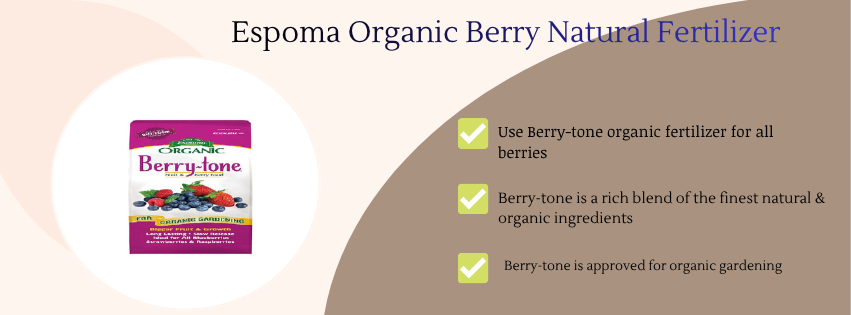
Fertilizing for Continuous Production
Container strawberries are heavy feeders.
Use:
- Balanced slow-release fertilizer at planting (10-10-10)
- Liquid feed every 2–3 weeks during fruiting
- Switch to potassium-rich feed during peak fruiting
Avoid: High nitrogen fertilizers mid-season (promotes leaves, not fruit).
Cost impact: Liquid fertilizers add ongoing cost but dramatically improve yield.
Sunlight Positioning Matters
Strawberries need:
- 6–8 hours direct sun
- South-facing ideal
- West-facing acceptable in mild climates
In Zones 8–10: Provide light afternoon shade to prevent heat stress.
Balcony tip: Rotate baskets weekly for even growth.
Pest and Disease Prevention in Hanging Baskets
Common issues:
- Aphids
- Spider mites
- Powdery mildew
Preventative strategy:
- Neem oil spray every 10–14 days
- Weekly leaf inspections
- Avoid overhead watering
Why baskets help: Improved airflow reduces fungal outbreaks compared to ground planting.
Budget vs Premium Setup Comparison
Budget Setup ($30–$60 per basket)
- Basic wire basket
- DIY soil blend
- Manual watering
Pros: Affordable
Cons: Higher maintenance
Premium Setup ($75–$150 per basket)
- Self-watering container
- Premium potting mix
- Organic fertilizer program
- Drip irrigation timer
Pros: More consistent yields Lower plant stress
Cons: Higher upfront investment
Long-term benefit: Improved harvest consistency offsets cost.
Common Beginner Mistakes
- Choosing June-bearing varieties
- Overcrowding baskets
- Letting runners grow unchecked
- Using heavy garden soil
- Under-fertilizing
- Ignoring sun direction
Most failures come from improper watering and nutrient management not variety choice.
FAQ:
What is the best strawberry variety for hanging baskets?
Albion is widely considered the best overall due to flavor, yield, and heat tolerance.
How many strawberry plants per hanging basket?
Maximum three plants in a 12–14 inch basket to prevent overcrowding.
Do hanging basket strawberries come back every year?
Yes, in USDA Zones 4–9 with proper winter protection. Containers may require insulation in colder zones.
How often should I water strawberries in hanging baskets?
Typically 3–5 times per week in warm weather. Daily checks during heat waves.
Do strawberries need full sun in baskets?
Yes. At least 6 hours of direct sunlight. South-facing exposure produces best results.
Can I grow strawberries indoors in hanging baskets?
Only with strong grow lights providing 12–14 hours daily. Natural window light alone is usually insufficient.
Final Thoughts
The best strawberries for hanging baskets are day-neutral varieties like Albion, Seascape, and Evie-2. They deliver steady harvests, adapt well to container stress, and maximize small-space productivity.
Success depends less on luck and more on fundamentals:
- Proper soil composition
- Adequate root depth
- Consistent watering
- Balanced fertilization
- Correct sun exposure
When those elements align, even a small balcony can produce pounds of sweet, homegrown strawberries season after season.
Choose the right variety. Invest in proper containers. Feed consistently. Harvest often.
Your hanging baskets can become one of the most productive parts of your garden.
