Every product is independently reviewed and selected by our editors. If you buy something through our links, we may earn an affiliate commission at no extra cost to you.
The front of your house sets the tone before anyone rings the doorbell. Thoughtfully designed DIY planters can transform a plain entry into a polished, welcoming focal point without a full landscape overhaul. The key isn’t just choosing pretty plants. It’s understanding soil depth, drainage, sun exposure, and long-term maintenance so your containers thrive instead of decline. This guide walks you through professional-level DIY planter ideas for the front of your house, including soil composition, container sizing, plant pairings, cost tiers, and maintenance realities. Many homeowners struggle with a flat, lifeless entryway. Shrubs look sparse, seasonal flowers fade quickly, and store-bought pots often crack or underperform. The solution isn’t spending thousands on landscaping. It’s building strategic DIY front planters designed around:
- Your home’s sun exposure
- USDA hardiness zone
- Root depth requirements
- Drainage and watering realities
By the end of this guide, you’ll know exactly how to design, build, and maintain front-of-house planters that look professionally installed and stay healthy year-round.
Quick Summary
- Full sun entry (south/west facing): Choose drought-tolerant plants and fast-draining soil.
- Shade entry (north facing): Use moisture-retentive mix and shade perennials.
- Container depth: Minimum 12–16 inches for mixed arrangements.
- Soil mix: 60% high-quality potting mix + 20% compost + 20% drainage material (perlite/pine bark).
- Drainage holes are mandatory.
- Watering: Typically 2–4 times per week in summer (depending on zone).
- Budget range: $50–$500 depending on planter material and size.
Understanding Your Front Entry Microclimate
Before choosing a planter design, evaluate your site conditions.
Sun Exposure Direction
- South-facing: 6–8+ hours full sun; highest heat load.
- West-facing: Harsh afternoon sun; soil dries fast.
- East-facing: Gentle morning sun; ideal for mixed plantings.
- North-facing: Mostly shade; cool and moisture-retentive.
WHY this matters: Light exposure directly affects watering frequency, plant choice, and soil drainage needs.
HOW to assess: Track sunlight for one full day before building your planter.
Cost impact: Choosing the wrong plants leads to repeated replacements—one of the most expensive beginner mistakes.
1. Modern Symmetrical Entry Planters
Clean lines, architectural plants, balanced on both sides of the door.
Best For:
Formal homes, modern facades, colonial-style houses.
Ideal Container Specs
- Height: 20–28 inches
- Depth: Minimum 16 inches
- Material: Fiberglass (lightweight, durable), concrete (premium), resin (budget)
Soil Composition
- 50% high-quality potting mix
- 25% compost
- 25% perlite or pine bark fines
WHY: Large containers hold more moisture but must drain efficiently to prevent root rot.
Plant Combinations
Full Sun (Zones 6–10):
- Center: Dwarf boxwood or ornamental grass
- Filler: Calibrachoa
- Spiller: Trailing verbena
Shade (Zones 5–9):
- Center: Fern or dwarf hydrangea
- Filler: Heuchera
- Spiller: Ivy
Maintenance Impact
- Water every 2–3 days in summer.
- Prune center structure twice per season.
- Fertilize monthly with balanced liquid fertilizer.
Cost Breakdown
- Budget resin pots: $60–$120 per pair
- Premium fiberglass: $250–$500 per pair
- Plants: $80–$150 total
Pros:
- High curb appeal
- Structured look year-round
Cons:
- Higher initial investment
- Requires consistent watering
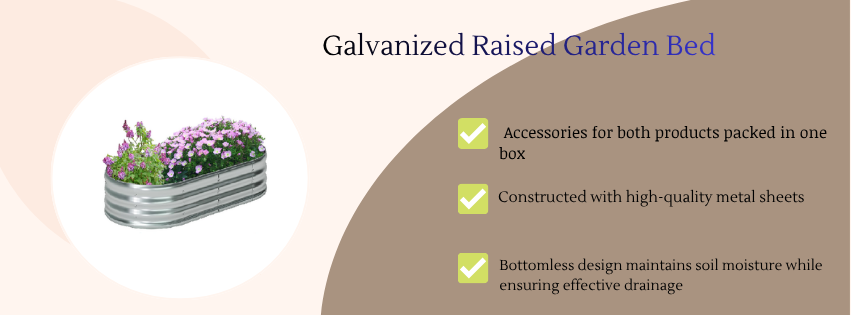
2. DIY Raised Planter Boxes Along Walkway
Long rectangular wooden planter boxes create a lush, layered border effect.
Build Specs
- Depth: Minimum 12 inches (16+ for shrubs)
- Width: 12–18 inches
- Length: Customizable
- Wood: Cedar (best rot resistance), pressure-treated lumber (budget option)
WHY depth matters: Shallow boxes restrict root growth and dry out faster.
Drainage Requirements
- Drill multiple ½-inch drainage holes every 12 inches.
- Add 1-inch gravel layer only if bottom lacks proper drainage.
Soil Mix
- 60% potting soil
- 20% compost
- 20% coarse sand or perlite
Plant Ideas
Sunny walkway:
- Lavender (Zones 5–9)
- Salvia
- Dwarf roses
Shaded walkway:
- Hostas
- Astilbe
- Coleus
Watering: 2–4 times weekly depending on heat.
Cost:
- DIY lumber build: $80–$200
- Pre-built raised bed: $150–$400
Beginner mistake: Using garden soil instead of potting mix this compacts and suffocates roots.
3. Tiered Planter Display for Vertical Impact
Perfect for small porches.
WHY it works: Vertical layering increases visual density without increasing footprint.
Structure Options
- Wooden ladder-style planter
- Stacked crate system
- Metal tier stand
Container Depth Guidelines
- Top tiers: 6–8 inches (herbs, shallow annuals)
- Bottom tiers: 12+ inches for root stability
Best Plants
- Petunias
- Sweet potato vine
- Dwarf ornamental grasses
- Trailing lobelia
Maintenance:
- Top tiers dry fastest.
- Water from top down every 1–2 days in peak summer.
Cost:
- DIY crate stack: $50–$100
- Metal tier stand: $120–$250
4. Large Statement Urns with Seasonal Rotation
A single oversized urn can anchor the entire front facade.
Minimum Size:
- 18–24 inches diameter
- 18+ inches deep
WHY large containers outperform small ones:
- More stable moisture levels
- Reduced watering frequency
- Better root insulation
Seasonal Strategy
Spring:
- Tulips
- Pansies
- Snapdragons
Summer:
- Canna lilies
- Lantana
- Ornamental grasses
Fall:
- Mums
- Kale
- декоратив peppers
Winter (Zones 7–10):
- Dwarf conifers
- Evergreens
Soil & Drainage
- High-drainage mix required.
- Ensure at least 2 large drainage holes.
Cost:
- Resin urn: $80–$150
- Concrete urn: $200–$400
Maintenance:
- Seasonal replanting 3–4 times per year.
- Higher plant replacement cost.
5. Window-Ledger Front Planters
Mounted below front windows for layered facade dimension.
Depth:
- Minimum 8–10 inches
- 12 inches preferred
Drainage:
- Must include weep holes.
- Use coco liner for airflow.
Best Plants by Exposure
South-facing:
- Geraniums
- Trailing verbena
- Succulents (Zones 8–11)
North-facing:
- Impatiens
- Begonias
- Ferns
Watering:
- Daily in peak summer for small boxes.
Common mistake: Underestimating how fast window boxes dry out.
Cost:
- Basic metal box: $40–$80
- Premium cedar box: $120–$200
Choosing the Right Planter Material
| Material | Cost | Durability | Maintenance |
|---|---|---|---|
| Resin | Low | Good | Low |
| Fiberglass | Medium-High | Excellent | Low |
| Concrete | High | Excellent | Heavy |
| Wood (Cedar) | Medium | Good | Reseal yearly |
WHY material matters: It affects drainage, insulation, weight, and lifespan.
Watering & Irrigation Solutions
Front planters dry faster than in-ground beds.
Options:
Self-Watering Planters
- Built-in reservoir.
- Reduces watering frequency by 30–50%.
- Cost: $50–$150 each.
Drip Irrigation Kits
- Ideal for multiple planters.
- Timer-controlled.
- Cost: $60–$200 setup.
Maintenance impact: Lower daily watering stress but requires seasonal system checks.
Pest Prevention Basics
Common front-entry pests:
- Aphids
- Spider mites
- Fungus gnats
Prevention:
- Ensure airflow.
- Avoid overwatering.
- Use neem oil every 2–3 weeks preventatively.
- Inspect undersides of leaves weekly.
WHY prevention works: Front planters are concentrated ecosystems pests spread quickly.
Beginner Mistakes to Avoid
- No drainage holes.
- Using garden soil.
- Overcrowding plants.
- Ignoring sun exposure.
- Choosing containers under 12 inches deep.
Each of these leads to root stress, nutrient deficiency, or fungal issues.
FAQ
What is the best planter size for the front of a house?
At least 16 inches deep and 18 inches wide for mixed arrangements. Larger containers maintain moisture better and reduce maintenance.
How often should front porch planters be watered?
Typically 2–4 times per week in summer. Daily for small containers in hot climates.
What plants last year-round in front planters?
Dwarf evergreens, boxwood, ornamental grasses (Zone dependent). USDA Zones 7–10 have more year-round options.
Are wooden planters durable for outdoor use?
Cedar lasts 8–12 years if sealed annually. Pressure-treated lumber is cheaper but less aesthetically refined.
How do I keep front planters low maintenance?
Use large containers, drought-tolerant plants, self-watering systems, and slow-release fertilizer.
What soil should I use for outdoor planters?
High-quality potting mix amended with compost and perlite for drainage. Never use native garden soil.
Conclusion
DIY planter ideas for the front of your house aren’t just decorative they’re strategic curb appeal investments. When you match container depth to root needs, use the right soil composition, and design around sun exposure, your planters shift from high-maintenance frustration to long-lasting visual anchors. Start with one symmetrical pair or a single statement urn. Focus on proper drainage and soil quality. Choose plants suited to your USDA zone and entry exposure. The long-term payoff? Stronger plant health, lower replacement costs, and a front entry that looks professionally landscaped year-round. Thoughtful design and horticultural fundamentals always outperform impulse plant shopping.
