Every product is independently reviewed and selected by our editors. If you buy something through our links, we may earn an affiliate commission at no extra cost to you.
Choose the wrong container size, and you’ll spend the season correcting problems wilting plants, blossom drop, stunted growth, and constant watering. Choose the right size, and your vegetables grow faster, produce longer, and require less daily maintenance.
Container size isn’t just about fitting plants into a small space. It directly determines root development, nutrient availability, moisture stability, and final harvest weight.
If you want higher yields from a balcony, patio, rooftop, or small backyard, this guide gives you exact container dimensions based on real root behavior not guesswork.
Introduction
One of the most common beginner mistakes in container vegetable gardening is underestimating root depth.
A tomato plant that can grow 6–8 feet tall above ground often develops a root system 18–24 inches deep and equally wide. When confined to a shallow pot, it survives but it doesn’t thrive.
Small containers lead to:
- Rapid soil drying
- Nutrient depletion
- Root binding
- Heat stress
- Reduced fruit production
In this guide, you’ll learn the best size containers for growing vegetables based on crop type, soil volume, watering realities, and long-term maintenance impact.
Quick Summary
- Leafy Greens: 6–8 inches deep, 1–3 gallons
- Root Vegetables: 10–12 inches deep minimum
- Peppers & Eggplant: 12–16 inches deep, 5–10 gallons
- Bush Tomatoes: 15 gallons minimum
- Indeterminate Tomatoes: 20–25 gallons
- Cucumbers & Zucchini: 15–25 gallons
- Raised Beds: 12–18 inches deep ideal
- Minimum Width Rule: At least as wide as the mature root spread
- Watering Frequency: Larger containers = less frequent watering
Why Container Size Matters More Than Material
Material affects durability and temperature control. Size affects plant survival.
Here’s why larger containers consistently outperform smaller ones:
1. Root Development
Vegetables are heavy feeders. Larger root systems absorb more nutrients and water.
2. Moisture Stability
Small containers dry out quickly. Larger soil volumes retain moisture longer, reducing stress.
3. Temperature Buffering
More soil mass protects roots from overheating in summer and cooling too quickly in spring.
4. Nutrient Retention
Nutrients leach out faster in small pots, requiring more frequent fertilization.
In real-world growing conditions, increasing container size by even 5 gallons can significantly improve yield.
Exact Container Sizes by Vegetable Type
Below is a practical breakdown based on root depth and growth habit.
Shallow-Rooted Vegetables (6–8 Inches Minimum Depth)
Crops:
- Lettuce
- Spinach
- Arugula
- Green onions
- Radishes
Recommended Size:
- 1–3 gallon containers
- 6–8 inches deep
- Wide planters preferred over narrow pots
Why This Works:
These crops develop fibrous, shallow roots and mature quickly (30–60 days).
Maintenance Impact:
- Soil dries fast
- Expect daily watering in hot climates (USDA Zones 8–11)
- Fertilize lightly every 2–3 weeks
Budget-friendly window boxes work well here.
Moderate-Root Vegetables (10–12 Inches Depth)
Crops:
- Beets
- Carrots (short varieties)
- Kale
- Swiss chard
- Bush beans
- Garlic
Recommended Size:
- 3–7 gallons
- 10–12 inches deep minimum
Why Depth Matters:
Root vegetables need vertical room for proper formation. Shallow containers cause deformation and stunting.
Soil Composition:
- 40% compost
- 40% coco coir or peat
- 20% perlite or coarse sand
Loose, well-draining soil prevents forked or misshapen roots.
Deep-Rooted Fruiting Vegetables (18–24 Inches Depth)
These crops demand serious root space.
Tomatoes
Determinate (Bush) Varieties:
- 15-gallon minimum
- 16–18 inches deep
Indeterminate Varieties:
- 20–25 gallons
- 18–24 inches deep
Why so large?
Tomatoes:
- Develop extensive feeder roots
- Require consistent moisture
- Are heavy nitrogen and potassium users
In 5-gallon buckets, tomatoes survive. In 20-gallon containers, they produce significantly more fruit.
Maintenance difference:
- 5-gallon: daily watering in summer
- 20-gallon: every 1–2 days
Peppers
- 5–10 gallons per plant
- 12–14 inches deep
Peppers tolerate slightly smaller containers than tomatoes but yield better in 7+ gallon pots.
Common mistake: planting multiple peppers in one small pot.
Eggplant
- 10–15 gallons
- 16–18 inches deep
Eggplants are top-heavy and require stable root anchoring.
Cucumbers
- 15–20 gallons
- 16–18 inches deep
Must include:
- Trellis system
- Consistent watering
Cucumbers are sensitive to drought stress.
Zucchini & Squash
- 20–25 gallons minimum
- 18–24 inches deep
Large leaves = high transpiration rate = high water demand.
Under-sizing containers is a primary cause of powdery mildew due to stress.
Best Container Size for Raised Garden Beds
Raised beds are technically large containers.
Ideal Depth:
- 12 inches minimum
- 15–18 inches preferred
Why Raised Beds Work So Well:
- Larger soil volume
- Better moisture retention
- Less frequent watering
- Supports multiple plants
For root vegetables like carrots:
- 12 inches is sufficient For tomatoes:
- 18 inches is ideal
Premium metal or composite beds last 15–20+ years. Budget cedar beds last 5–10 years.
Soil Volume & Weight Considerations
Soil weighs approximately:
- 75–100 pounds per cubic foot (moist)
A 20-gallon container holds about 3 cubic feet of soil.
That means:
- 225–300 pounds when fully watered
For balconies or rooftops:
- Confirm load capacity
- Distribute weight evenly
Ignoring structural load is a serious mistake in urban gardening.
Drainage Requirements by Container Size
The larger the container, the more critical proper drainage becomes.
Minimum requirements:
- Multiple ½–1 inch drainage holes
- Elevate container slightly off ground
- Use fast-draining potting mix
Never use native garden soil in containers it compacts and suffocates roots.
Light Exposure and Container Size Relationship
South-facing exposures:
- Require larger containers due to heat stress
West-facing balconies:
- Increase watering frequency
- Benefit from lighter-colored pots
North-facing exposures:
- Best for greens, not fruiting crops
Concrete patios amplify heat, accelerating evaporation.
Larger containers buffer this effect.
Irrigation Impact by Container Size
Small pots:
- Require daily monitoring
- Prone to inconsistent moisture
Large pots:
- More forgiving
- Suitable for drip irrigation systems
Drip irrigation kits are strongly recommended for containers over 10 gallons.
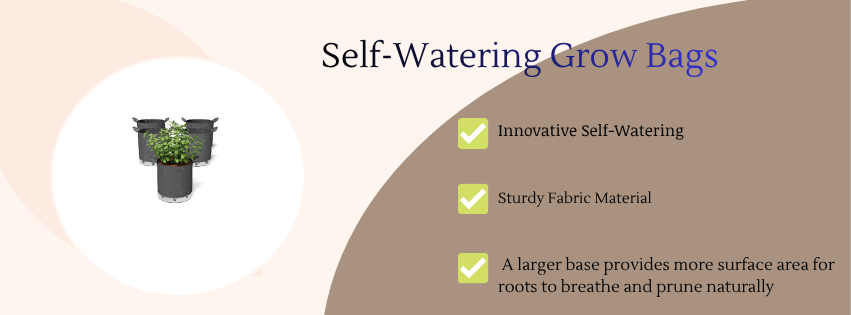
Self-watering planters help beginners but must be cleaned seasonally to prevent algae buildup.
Budget vs Premium Container Size Strategy
| Setup | Container Size | Upfront Cost | Maintenance | Yield |
| Budget | 5-gallon pots | Low | High | Moderate |
| Mid-Range | 10–15 gallons | Moderate | Moderate | High |
| Premium | 20–25 gallons or raised bed | Higher | Lower | Very High |
Larger containers reduce stress and increase production — especially for fruiting vegetables.
Common Beginner Mistakes with Container Sizing
- Choosing containers based on space, not crop needs
- Crowding multiple large plants into one pot
- Using decorative pots without drainage holes
- Ignoring root depth requirements
- Underestimating watering needs
Each of these reduces productivity.
Recommended Product Categories (Buying Criteria)
When shopping for vegetable containers, look for:
Fabric Grow Bags
- Reinforced handles
- Thick stitching
- 15–25 gallon sizes
Plastic or Resin Pots
- UV-resistant material
- Multiple drainage holes
- 12–24 inch depth
Raised Garden Beds
- Minimum 12-inch depth
- Rust-resistant metal or rot-resistant wood
- Cross-bracing for large beds
Drip Irrigation Kits
- Adjustable emitters
- Timer compatibility
- UV-resistant tubing
Choosing durable materials reduces replacement costs long-term.
FAQ
What size container is best for most vegetables?
A 10–15 gallon container works for many vegetables, but fruiting crops perform best in 15–25 gallons.
Can I grow vegetables in 5-gallon containers?
Yes, but yields will be lower and watering frequency will increase significantly.
How deep should containers be for carrots?
At least 10–12 inches for short varieties. Longer varieties require 12–14 inches.
Is bigger always better?
Up to a point. Larger containers improve stability and yields, but must match available space and structural load capacity.
How many plants per container?
One large fruiting plant per 15–25 gallon container. Overcrowding reduces airflow and yield.
Do larger containers reduce watering frequency?
Yes. More soil volume retains moisture longer and buffers temperature swings.
Final Thoughts
The best size containers for growing vegetables are larger than most beginners expect.
If you want:
- Stronger root systems
- Higher yields
- Less frequent watering
- Healthier plants
Choose deeper, wider containers with ample soil volume.
Small pots force you into constant correction mode. Properly sized containers create stability and stability is what produces consistent harvests.
Invest in the right size from the beginning, and your vegetable garden will reward you with stronger growth, fewer problems, and significantly better yields season after season.
