Every product is independently reviewed and selected by our editors. If you buy something through our links, we may earn an affiliate commission at no extra cost to you.
The right container can mean the difference between a struggling patio plant and a thriving, high-yield vegetable garden. I’ve seen tomatoes produce 20+ pounds per plant in properly sized containers and I’ve seen them stall at 18 inches tall because the pot was too shallow.
If you’re serious about growing vegetables in a balcony, patio, rooftop, or small backyard, container selection is not cosmetic. It’s structural. It determines root health, drainage, watering frequency, and ultimately your harvest.
This guide breaks down exactly how to choose the best container for a vegetable garden based on root depth, material performance, climate, budget, and maintenance reality.
Many beginner container gardeners focus on the plant first and the pot second. That’s backwards.
Vegetables are heavy feeders with aggressive root systems. If the container:
- Is too shallow
- Doesn’t drain properly
- Overheats in summer
- Dries out daily
You’ll fight constant stress, blossom drop, nutrient deficiencies, and stunted growth.
In this guide, you’ll learn:
- The best container types for vegetables
- Minimum depth requirements by crop
- Soil and drainage setup
- Budget vs premium options
- Common mistakes that reduce yields
By the end, you’ll know exactly what container size and material works for your space and why.
Quick Summary Box
- Best Overall Container: Food-safe fabric grow bags (15–25 gallons for fruiting crops)
- Best for Beginners: Raised garden beds (10–18 inches deep)
- Minimum Depth for Most Vegetables: 12 inches
- Tomatoes & Peppers: 15–25 gallon containers
- Leafy Greens: 6–8 inches depth minimum
- Drainage: Mandatory holes + fast-draining potting mix
- USDA Zones: Works in Zones 3–11 with seasonal adjustments
- Watering Frequency: 1–2 times daily in summer for small pots
What Makes a Container “Best” for Vegetable Gardening?
The best container for a vegetable garden must support:
- Adequate root depth
- Efficient drainage
- Stable moisture retention
- Temperature regulation
- Structural durability
Vegetables are not houseplants. They grow fast, consume nutrients aggressively, and require consistent moisture.
Container Depth Requirements by Vegetable Type
This is the most important factor.
Shallow-Rooted Crops (6–8 Inches Minimum)
- Lettuce
- Spinach
- Arugula
- Radishes
- Green onions
These crops mature quickly and have small root systems. A wide window box or shallow planter works well.
Why it works: Shallow crops prioritize foliage, not deep root storage.
Maintenance Impact: Dry out quickly may require daily watering in summer.
Medium-Depth Crops (12–14 Inches Minimum)
- Bush beans
- Kale
- Chard
- Beets
- Garlic
Why depth matters: These crops develop moderate root systems and need room for nutrient uptake.
Ideal Container Size: 5–10 gallon pots per plant cluster.
Deep-Rooted & Fruiting Crops (18–24+ Inches)
- Tomatoes
- Peppers
- Eggplant
- Cucumbers
- Zucchini
Minimum Volume: 15–25 gallons per plant for optimal yields.
Tomatoes grown in 5-gallon buckets will survive. Tomatoes grown in 20-gallon containers will thrive.
More soil volume =
- Better moisture retention
- More stable nutrient availability
- Stronger root systems
- Higher fruit production
Best Container Materials for Vegetable Gardens
Each material has pros and cons.
1. Fabric Grow Bags (Best Overall)
Highly recommended for small-space gardeners.
Why They Work
- Excellent aeration
- “Air pruning” prevents root circling
- Lightweight
- Affordable
Drainage
Naturally free-draining. Impossible to overwater if soil mix is correct.
Cost
Low to moderate. Large 20-gallon bags are budget-friendly.
Maintenance Reality
- Dry out faster than plastic
- May need daily watering in peak summer
- Last 3–5 seasons on average
Best for:
- Tomatoes
- Potatoes
- Peppers
- Urban balconies
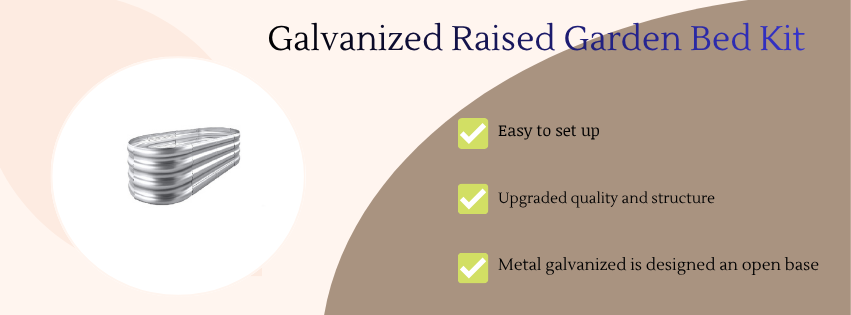
2. Raised Garden Beds (Best for Larger Spaces)
If you have patio or yard space, raised beds are often superior.
Ideal Depth
10–18 inches minimum.
Why They Work
- Larger soil mass stabilizes moisture
- Supports multiple plants
- Reduces daily watering
Soil Volume Advantage
The more soil you have, the more forgiving your garden becomes.
Budget vs Premium
- Budget: Basic cedar or pine raised beds
- Premium: Metal or composite beds with 15–20+ year lifespan
Maintenance
Low once established. Requires seasonal soil amendment.
3. Plastic or Resin Pots
Common and inexpensive.
Pros
- Lightweight
- Retain moisture
- Affordable
Cons
- Can overheat in full sun (especially dark colors)
- May become brittle after years of UV exposure
Best for:
- Leafy greens
- Herbs
- Short-season crops
Look for:
- UV-resistant plastic
- Multiple drainage holes
4. Terracotta or Clay Pots
Visually appealing but less practical for vegetables.
Why They’re Challenging
- Porous material increases evaporation
- Heavy
- Crack in freeze-thaw climates (USDA Zones 3–6)
Best for dry-climate herb gardens, not heavy feeders like tomatoes.
5. Galvanized Metal Containers
Popular for modern aesthetics.
Pros
- Durable
- Long-lasting
Cons
- Heat up quickly in full sun
- Require insulation layer in hot climates
If using metal in south- or west-facing exposures, line interior with landscape fabric and ensure 2–3 inches mulch on soil surface.
Drainage: Non-Negotiable for Vegetable Containers
Vegetables cannot tolerate waterlogged roots.
Minimum Drainage Requirements
- Multiple drainage holes (½–1 inch diameter)
- Elevate container slightly off ground
- Never place directly on solid concrete without airflow
Without drainage:
- Roots suffocate
- Fungal diseases increase
- Yields drop
Best Soil Mix for Vegetable Containers
Never use native garden soil.
It compacts in containers and restricts oxygen flow.
Ideal Container Vegetable Mix
- 40% high-quality compost
- 40% peat moss or coco coir
- 20% perlite or coarse vermiculite
Optional:
- Slow-release organic fertilizer mixed at planting
Why this works:
- Retains moisture
- Drains excess water
- Provides aeration
Budget option: Pre-mixed vegetable container soil. Premium option: Custom-blended organic potting mix.
Light Requirements for Container Vegetables
Most vegetables require:
- 6–8 hours direct sunlight daily
- South-facing exposure is ideal
- West-facing works but increases watering needs
- East-facing supports greens and herbs
- North-facing is typically insufficient for fruiting crops
Concrete balconies amplify heat. Consider reflective mulch or light-colored containers in hot climates (Zones 8–11).
Watering Frequency Reality
Containers dry out faster than in-ground gardens.
General Guidelines
- Small pots (under 5 gallons): Daily in summer
- 10–15 gallon containers: Every 1–2 days
- Raised beds: 2–4 times per week
Drip irrigation kits dramatically improve consistency and reduce stress.
Self-watering containers are helpful for beginners but require periodic reservoir cleaning.
Fertilizing Container Vegetables
Container plants exhaust nutrients quickly.
Recommended Schedule
- Slow-release fertilizer at planting
- Liquid feed every 2–3 weeks during fruiting
Heavy feeders:
- Tomatoes
- Peppers
- Cucumbers
Under-fertilizing is a common beginner mistake that limits yield.
Pest Prevention Basics
Common container pests:
- Aphids
- Spider mites
- Whiteflies
- Fungus gnats
Prevention strategy:
- Good airflow between pots
- Avoid overcrowding
- Inspect weekly
- Use neem oil or insecticidal soap when needed
Healthy, well-watered plants resist pests better.
Budget vs Premium Setup Comparison
| Feature | Budget Setup | Premium Setup |
| Container | 5-gallon plastic | 20-gallon fabric grow bag |
| Soil | Basic potting mix | Organic custom blend |
| Irrigation | Manual watering | Drip irrigation system |
| Yield Potential | Moderate | High |
| Maintenance | High (frequent watering) | Lower (stable soil mass) |
Premium setups cost more initially but reduce stress and increase harvest size.
Common Beginner Mistakes
- Choosing pots based on looks, not depth
- Using garden soil instead of potting mix
- Not fertilizing regularly
- Overcrowding plants
- Underestimating sun requirements
Every one of these directly impacts yield.
FAQ
What size container is best for growing tomatoes?
A minimum of 15 gallons, ideally 20–25 gallons, with at least 18 inches depth.
Can I grow vegetables in 5-gallon buckets?
Yes, but yields are limited. Best for peppers or bush tomatoes, not large indeterminate varieties.
Are fabric grow bags better than plastic pots?
For root health and aeration, yes. They prevent root circling but require more frequent watering.
How deep should a raised bed be for vegetables?
At least 10–12 inches for most crops. Root vegetables and tomatoes perform better in 15–18 inches.
Do container vegetables need more fertilizer?
Yes. Nutrients leach out faster in containers, so regular feeding is essential.
How often should I water container vegetables?
In summer, expect daily watering for small containers and every 1–2 days for larger ones.
Final Thoughts
The best container for a vegetable garden isn’t about style it’s about root space, drainage, and moisture stability.
If you want higher yields, fewer watering emergencies, and healthier plants:
- Choose deeper containers than you think you need
- Use high-quality container soil
- Install drip irrigation if possible
- Feed consistently
Container gardening done correctly can outperform traditional in-ground beds especially in small spaces.
Invest in the right container once, and your harvests will reward you season after season.
