Every product is independently reviewed and selected by our editors. If you buy something through our links, we may earn an affiliate commission at no extra cost to you.
There’s something uniquely satisfying about a beautifully planted outdoor trough. Whether it’s soft lavender spilling over stone, crisp boxwood anchoring a modern patio, or trailing petunias cascading from a balcony rail, trough planters can transform even the smallest space into a layered, professional-looking garden.But most trough plantings fail for one simple reason: poor plant selection.In this expert guide, you’ll learn exactly which plants thrive in outdoor troughs, why they work, and how to design long-lasting, low-maintenance displays based on real horticultural principles, not lifestyle trends.Trough planters are deceptively tricky. They look spacious, but their root zone is shallow. They dry out faster than in-ground beds. And poor drainage can quickly rot roots. If you’ve struggled with leggy growth, yellowing leaves, or plants that collapse mid-season, the issue likely isn’t your care routine it’s plant compatibility with trough conditions.
This guide will show you:
- The best plants for troughs in full sun, part shade, and shade
- Ideal soil composition and drainage setups
- Container depth guidelines
- Watering frequency and maintenance realities
- Budget vs premium setup options
- Common beginner mistakes
By the end, you’ll be able to design trough planters that stay healthy and visually striking all season long.
Quick Summary
Full Sun (6+ hours direct light):
- Lavender (compact varieties)
- Geraniums (Pelargonium)
- Petunias
- Creeping thyme
- Ornamental grasses (dwarf varieties)
Part Shade (3–6 hours sun):
- Heuchera
- Calibrachoa
- Dwarf hydrangea
- Coleus
- Salvia
Shade (bright indirect light):
- Ferns
- Hostas (compact types)
- Ivy
- Begonias
- Lamium
Minimum trough depth: 8–12 inches Soil: Well-draining container mix with added perlite USDA Zones: Most examples hardy in Zones 5–9 (variety-dependent)
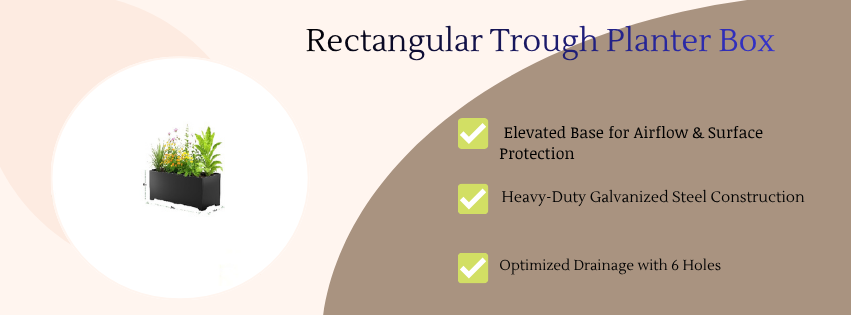
Understanding Trough Planter Conditions
Before choosing plants, you must understand the growing environment.
Why Troughs Are Different from Regular Pots
Trough planters are typically:
- Long and narrow
- 6–14 inches deep
- Made from stone, concrete, wood, metal, or resin
Key Challenges:
- Shallow Root Zone
- Many perennials need 10–12 inches of root depth.
- Vegetables often need 12–18 inches.
- Deep-rooted shrubs struggle in shallow troughs.
- Faster Drying
- Surface area is larger relative to soil volume.
- Wind exposure accelerates evaporation.
- Drainage Sensitivity
- Without sufficient holes, roots suffocate.
- Overwatering is common.
Ideal Soil for Outdoor Troughs
Never use garden soil.
Best Mix Composition:
- 60% high-quality potting mix
- 20% compost
- 20% perlite or pumice
Why this works:
- Compost improves nutrient retention.
- Perlite increases aeration.
- Container mix prevents compaction.
Cost impact:
- Budget potting soil: $10–15 per bag
- Premium organic mixes: $18–25 per bag
- Perlite: $6–12 per bag
Maintenance impact:
- Better soil reduces fertilizer frequency.
- Improves root health and reduces rot risk.
Best Plants for Outdoor Troughs (By Light Condition)
Full Sun Trough Plants
Full sun means 6+ hours of direct exposure, typically south- or west-facing.
1. Lavender (Dwarf Varieties)
USDA Zones: 5–9 Root Depth Needed: 10–12 inches Watering: Every 7–10 days once established
Why it works: Lavender thrives in excellent drainage and lean soil—ideal for trough conditions.
How to implement:
- Use sandy potting mix.
- Avoid overwatering.
- Space 8–12 inches apart.
Beginner mistake: Over-fertilizing. Lavender prefers low-nutrient soil.
Maintenance: Light pruning after flowering.
2. Geraniums (Pelargonium)
Zones: 9–11 (grown as annuals elsewhere) Root Depth: 8–10 inches Watering: When top 1 inch dries
Why they work: They tolerate heat and slight drought perfect for sunny troughs.
Budget tip: Annual geraniums are affordable and fill space quickly.
Maintenance: Deadhead weekly to prolong blooms.
3. Creeping Thyme
Zones: 4–9 Depth: 6–8 inches
Why it works: Shallow roots and drought tolerance make it perfect for trough edges.
Best use: Spiller plant cascading over stone or concrete troughs.
4. Dwarf Ornamental Grasses
Examples:
- Blue fescue
- Carex varieties
Why they work: Compact root systems and architectural appeal.
Maintenance: Divide every 2–3 years.
Part Shade Trough Plants
Ideal for east-facing patios or partially shaded balconies.
1. Heuchera (Coral Bells)
Zones: 4–9 Depth: 8–10 inches
Why it works: Shallow-rooted and foliage-focused.
How to implement: Mix varieties with contrasting leaf colors.
Watering: Moderate keep evenly moist.
Common mistake: Allowing soil to dry completely.
2. Calibrachoa (Million Bells)
Why it works: Compact growth and trailing habit make it ideal for narrow troughs.
Maintenance: Requires consistent feeding every 2–3 weeks.
Cost impact: Annual replacement needed each season.
3. Dwarf Hydrangea
Only suitable in: Troughs 12+ inches deep
Why it works: Compact varieties like ‘Bobo’ adapt well to container culture.
Maintenance impact: Requires more frequent watering than in-ground plants.
Shade Trough Plants
Best for north-facing locations or covered patios.
1. Ferns
Zones vary Depth: 8–10 inches
Why they work: Naturally shallow-rooted forest plants.
Soil tip: Increase compost content to 30% for moisture retention.
Maintenance: Keep soil consistently moist but not waterlogged.
2. Compact Hostas
Why they work: Adaptable to containers and thrive in low light.
Common mistake: Using oversized varieties.
Choose dwarf or mini hostas only.
3. Begonias
Excellent for: Bright shade with consistent moisture.
Why they work: Fibrous root systems suit shallow troughs.
Designing a Professional-Looking Trough Arrangement
The “Thriller, Filler, Spiller” Method
Why it works: Creates vertical and horizontal layering.
- Thriller: Upright focal plant (grass, lavender)
- Filler: Mounding plant (heuchera, geranium)
- Spiller: Trailing plant (thyme, ivy, calibrachoa)
Maintenance impact: Mixed plantings require consistent watering schedules.
Watering and Drainage Essentials
Drainage Requirements
Minimum: 2–3 drainage holes per 24 inches of length.
Never add gravel at the bottom it reduces effective soil depth.
Use:
- Elevated pot feet
- Self-watering inserts for hot climates
Watering Frequency Guide
Summer:
- Every 1–3 days in full sun
- Every 3–5 days in shade
Spring/Fall:
- Once weekly
Why consistency matters: Fluctuating moisture causes root stress and leaf drop.
Pest Prevention Basics
Common trough pests:
- Aphids
- Spider mites
- Fungus gnats
Prevention:
- Good airflow
- Avoid overwatering
- Use neem oil preventatively
Maintenance impact: Monthly inspection reduces major infestations.
Budget vs Premium Setup Comparison
Budget Setup
- Plastic trough
- Standard potting soil
- Annual plants
Cost: $40–80 per trough Maintenance: Higher watering frequency
Premium Setup
- Stone or fiberglass trough
- High-quality organic mix + perlite
- Perennials + drip irrigation
Cost: $150–400+ Maintenance: Lower long-term replacement costs
Drip irrigation kits are worthwhile for:
- Long balcony runs
- Commercial-style installations
Common Beginner Mistakes
- Choosing plants with different watering needs
- Ignoring sun exposure direction
- Overcrowding
- Using garden soil
- Skipping fertilization
Slow-release fertilizer every 8–10 weeks improves performance.
FAQ
What is the minimum depth for plants in outdoor troughs?
Most flowering plants require 8–12 inches of soil depth. Shrubs and hydrangeas need 12+ inches.
Can you grow vegetables in trough planters?
Yes, shallow-rooted crops like lettuce, spinach, radishes, and herbs work well. Avoid tomatoes unless depth exceeds 14 inches.
How often should I water trough planters?
In summer, expect watering every 1–3 days in full sun. Always check soil moisture first.
Do troughs need drainage holes?
Absolutely. Without drainage, roots will rot quickly.
What is the best soil for outdoor troughs?
A well-draining potting mix with compost and perlite. Never use heavy garden soil.
Can perennials survive winter in troughs?
Yes, if rated 1–2 USDA zones colder than your region and trough is insulated.
Conclusion
The best plants for troughs outdoor are not just the most colorful they’re the ones adapted to shallow roots, fast drainage, and concentrated growing conditions.
When you match plant selection to:
- Light direction
- Proper soil composition
- Correct root depth
- Consistent watering
You create displays that look intentional, lush, and professionally designed. Start with the right soil. Choose plants suited to your light exposure. Respect drainage. And invest in quality planters if you want long-term success.Well-designed trough gardens don’t just fill space they elevate patios, balconies, and entryways with structure and life for years to come.
