Every product is independently reviewed and selected by our editors. If you buy something through our links, we may earn an affiliate commission at no extra cost to you.
Introduction
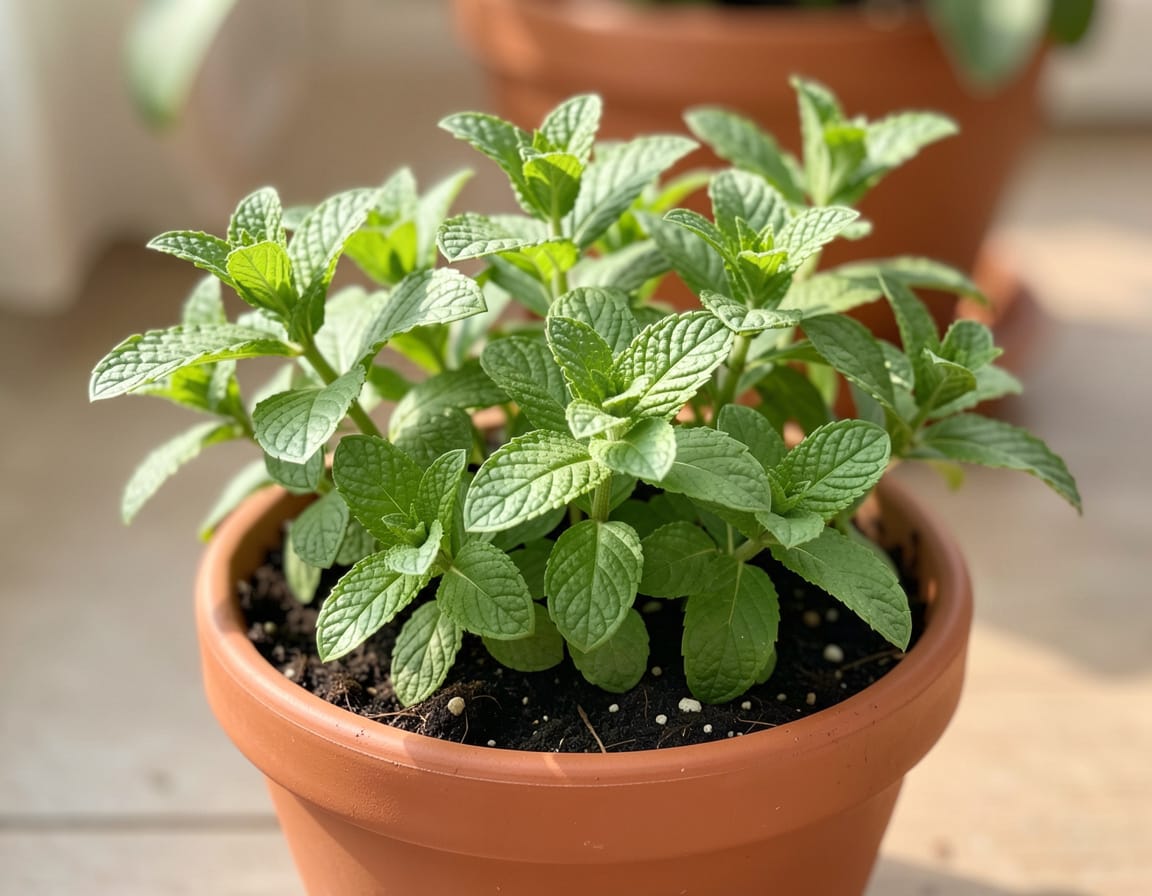
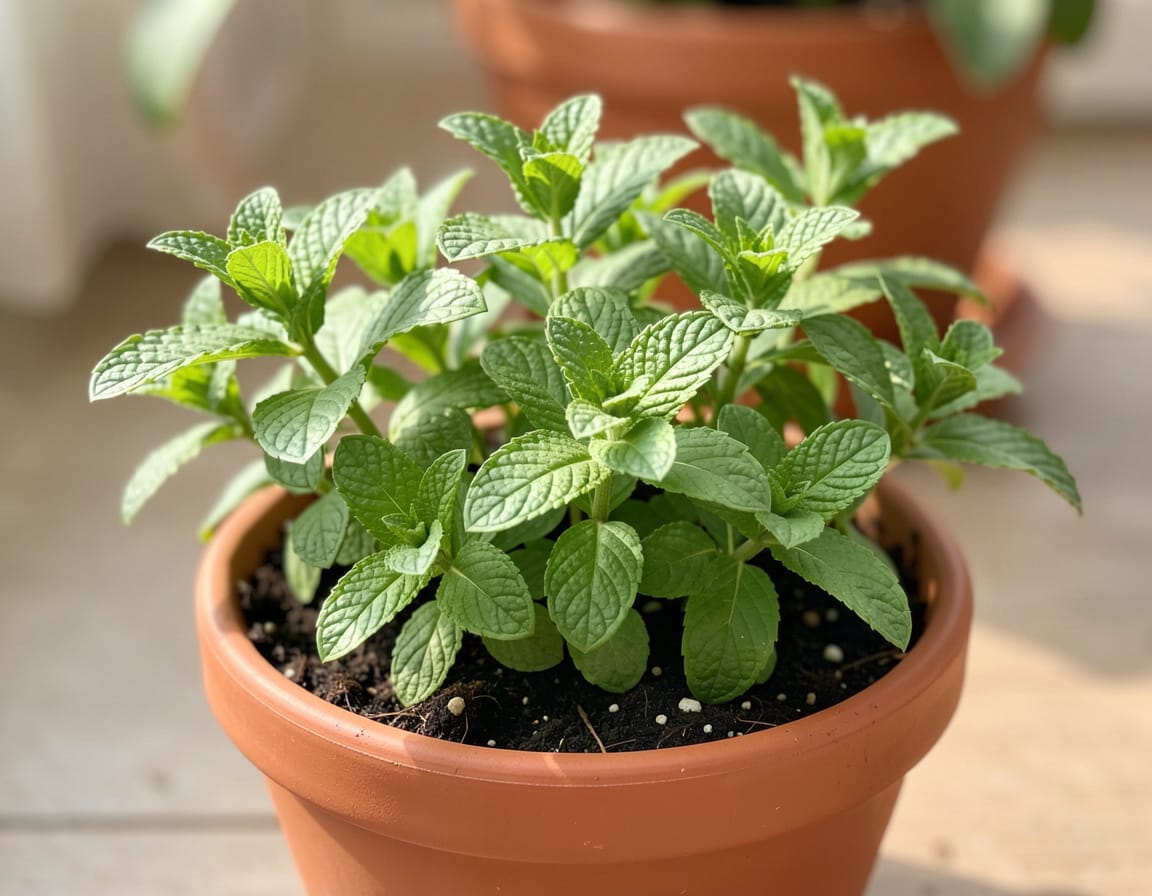
Learning how to grow mint for beginners is one of the most rewarding ways to start your journey into organic gardening. Mint (Mentha spp.) is a hardy, aromatic perennial herb that thrives indoors or outdoors with minimal fuss. It’s also one of the best plants for improving indoor air quality, reducing kitchen waste (since you can snip fresh leaves anytime), and bringing a sense of calm to your space through its clean, refreshing scent.
From a sustainable home perspective, mint offers three major benefits:
- Health and indoor air quality: Fresh mint naturally purifies air and adds a mild antimicrobial effect to your home.
- Mental well-being: The scent of mint has been shown to ease stress and improve concentration.
- Environmental impact: Growing herbs like mint at home reduces packaging waste and transportation emissions associated with store-bought herbs.
Whether you have a sunny kitchen windowsill, a shaded patio, or a small balcony, this guide will walk you through exactly how to grow mint organically from setup to harvest using methods I’ve refined through years of hands-on work with U.S. homeowners and renters.
Everyday Organic Styling & Care Routine
Mint grows fast and adapts well, but it does best when you establish a simple, consistent care routine. Here’s what I recommend to my clients who want a steady supply of lush, fragrant leaves:
Daily
- Check moisture: Mint loves evenly moist (not soggy) soil. Press your finger ½ inch into the soil if it feels dry, water it lightly.
- Rotate pots: If your mint is indoors, rotate the container every few days for balanced light exposure.
- Snip leaves regularly: Frequent harvesting encourages bushier growth and keeps the plant from becoming leggy.
Weekly
- Inspect for pests: Look under leaves for aphids or spider mites. Wipe them off with a damp cloth or spray with a mild organic neem oil solution if needed.
- Trim for shape: Use clean scissors to cut back woody stems or overgrown runners. Compost the trimmings it’s a great way to close the sustainability loop.
- Check drainage: Make sure water isn’t sitting in saucers or trays; mint roots dislike being waterlogged.
What You’ll Need
| Item | Why It’s Used | Organic / Health Benefits | Sustainability Considerations |
| Mint plant or cutting | Starting point for your herb garden | Provides fresh, chemical-free leaves | Choose locally grown or pesticide-free plants |
| Pot (8–10 inches wide, minimum) | Contains roots and prevents spreading | Helps control growth naturally | Use terracotta or recycled ceramic pots instead of plastic |
| Organic potting soil | Base for healthy growth | Free from synthetic fertilizers | Look for mixes with compost, coco coir, and perlite |
| Compost or worm castings | Adds nutrients and beneficial microbes | Naturally enriches soil health | Reduces food waste through composting |
| Scissors or pruning shears | For trimming and harvesting | Keeps plant disease-free | Choose a durable, long-lasting metal pair |
| Watering can with fine spout | Ensures gentle watering | Prevents soil compaction | Reuse glass or metal containers instead of plastic |
Deep Organic Setup or Seasonal Refresh
Even though mint is easy to maintain, I recommend doing a deeper reset every few months especially at the start of each growing season. Here’s how I handle this process in clients’ homes:
Step 1: Divide and Replant
Mint’s roots, called rhizomes, spread aggressively. Every spring or when the pot feels crowded, remove the plant, gently loosen the roots, and divide into smaller sections. Replant one section in fresh organic soil and share or compost the rest. This prevents overcrowding and maintains strong growth.
Step 2: Refresh the Soil
Old potting soil loses nutrients and structure over time. Mix in 25–30% fresh compost or new organic potting mix every few months. This keeps nutrients balanced and soil microbes active.
Step 3: Adjust Lighting Seasonally
- Spring/Summer: Mint loves partial sun. Outdoor growers should give it morning light and afternoon shade.
- Fall/Winter: Move indoor pots near a bright window. If natural light is limited, a small full-spectrum LED grow light for 8–10 hours daily works well.
Step 4: Control Humidity
Indoor heating can dry out air. Place the pot on a tray filled with pebbles and water just enough to increase humidity without soaking roots.
Prevention & Sustainability Tips
Most mint-growing problems come from overwatering, poor soil, or synthetic fertilizers. My approach centers on prevention through organic care:
- Avoid chemical fertilizers: They often promote fast but weak growth and can degrade soil health long-term. Compost and diluted fish emulsion feed mint steadily and organically.
- Water smartly: Mint roots rot easily if soil stays too wet. Ensure drainage holes are open and water only when the surface feels slightly dry.
- Keep pests away naturally: Companion plants like basil or marigold deter insects. Indoors, a quick mist of diluted peppermint oil every two weeks discourages pests and makes your kitchen smell great.
- Reuse and recycle: Old mint stems can be composted or rooted in water to start new plants. Zero waste, endless mint.
Common Mistakes to Avoid
After years of helping homeowners troubleshoot herb gardens, these are the most common mint mistakes I see and how to fix them.
- Planting mint directly in the ground without barriers Mint spreads aggressively. If you plant it in garden soil, use a root barrier (at least 10 inches deep) or plant it in a sunken pot to contain it.
- Overwatering Consistently soggy soil suffocates roots and causes yellow leaves. Water thoroughly, then allow the top inch to dry before watering again.
- Using chemically treated potting mix or decorative stones Many commercial mixes contain synthetic fertilizers or fungicides that disrupt soil microbes. Always choose certified organic soil and natural gravel or pebbles for drainage.
- Ignoring light variations Mint tolerates partial shade but needs at least 3–4 hours of indirect sunlight daily. Weak light leads to weak flavor.
- Believing “eco-friendly” labels without verification Many décor pots marketed as “sustainable” are coated with synthetic resin finishes. Look for unglazed terracotta, bamboo fiber, or reclaimed ceramics instead.
Local U.S. Home Context
Mint adapts beautifully across U.S. regions, but local conditions matter.
- Small apartments: Place your mint on a bright kitchen windowsill or a bathroom shelf with indirect light. Keep a small saucer under the pot but empty it after watering.
- Rental homes: Since mint spreads, container planting is best you can easily move it when you relocate.
- Open-concept homes: Cluster mint with other aromatic herbs like rosemary or thyme near cooking areas for natural air purification.
- Urban balconies: Mint tolerates pollution better than many herbs. Just rinse leaves before eating.
- Suburban gardens: Grow mint along paths or in raised beds with barriers to prevent spreading.
- Cold climates (Northeast, Midwest): Bring potted mint indoors before frost; it’ll go dormant but regrow in spring.
- Hot climates (Southwest, Texas): Provide afternoon shade and keep humidity up with a small tray or misting.
Extra Expert Tips
Here are a few advanced but practical insights I’ve learned from maintaining healthy mint for over a decade in real homes:
- Bottom-watering method: Instead of pouring water from above, set the pot in a shallow dish of water for 10 minutes. This encourages deep, even root hydration without compacting the soil.
- Quick root propagation: Snip a healthy stem below a leaf node, place it in a glass of water, and wait for roots (5–7 days). Then transplant into soil. This is ideal for new renters who want free plants.
- Natural fertilizer tea: Steep a handful of compost or worm castings in a bucket of water for 24 hours. Strain and use that liquid every 3–4 weeks for gentle feeding.
- Harvest timing: Pick mint leaves early in the morning when essential oils are most concentrated. That’s when flavor and aroma peak.
- Budget-friendly décor pairing: Mint pairs beautifully with natural jute mats, unglazed clay pots, and recycled glass jars. These materials absorb humidity and maintain a truly organic aesthetic.
- Long-term sustainability: Rotate pots every season, replenish compost, and prune regularly. With this rhythm, your mint can stay productive for 5+ years.
FAQ: How to Grow Mint for Beginners
1. Can I grow mint indoors year-round? Yes. Mint grows happily indoors as long as it gets bright indirect light and stays evenly moist. Use organic soil and compost-based feeding for best results.
2. How often should I water mint? Typically every 2–3 days in summer and once a week in winter. Always check soil moisture with your finger mint prefers damp, not soaked.
3. What’s the best container for growing mint? Terracotta or ceramic pots with drainage holes. These materials “breathe,” preventing root rot and giving a natural, earthy feel to your décor.
4. What’s the easiest way for beginners to propagate mint? Take a 4–6 inch stem cutting, remove the lower leaves, and place it in water until roots form. Then plant it in fresh organic soil.
5. Does mint need fertilizer? Very little. Compost or diluted organic seaweed extract every few weeks keeps the plant healthy without chemical buildup.
6. Can I grow mint next to other herbs? Yes, but keep it in its own pot. Mint spreads quickly and can overtake neighboring herbs if planted together in the same container.
7. Why does my mint look leggy or weak? Usually it’s from inadequate sunlight or infrequent pruning. Move it to a brighter spot and trim stems regularly to encourage bushy growth.
Conclusion
Mastering how to grow mint for beginners is about balance light, water, and mindful care. Once you develop a simple routine, mint repays you endlessly with fresh leaves, clean fragrance, and a touch of green vitality that brightens any space.
In my experience, mint thrives best when treated as part of a living home ecosystem: nourished with compost, contained in natural materials, and shared generously. Whether you’re in a downtown apartment or a suburban kitchen, a single pot of mint can anchor your organic home décor and remind you daily that sustainability starts with small, living choices.